Follow the link! http://www.stylelist.com/2010/10/20/british-woman-allergic-reaction-hair-dye/2
 Rachel Dowley, before and after her severe reaction to hair dye. Caters News / Zuma Press
Schedule your ammonia/ppd free hair color with our team today!
Follow the link! http://www.stylelist.com/2010/10/20/british-woman-allergic-reaction-hair-dye/2
Rachel Dowley, before and after her severe reaction to hair dye. Caters News / Zuma Press
Schedule your ammonia/ppd free hair color with our team today!
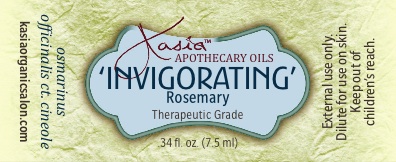
Among their many healing properties, rosemary and pepperment essential oils are said to help improve memory, relieve headaches, soothe sore muscles, ease digestion, clear nasal passages, tone the nervous system, enhance circulation, invigorate the body and alleviate depression.
Diffusing A few drops of rosemary essential oil in our diffuser helps fight off fatigue, ease breathing and clear your mind.
Body and Bath Oil When added to the bath or mixed with a carrier oil (such as jojoba oil) helps soothe aching muscles, improve circulation and digestion, stimulate the lymphatic system, treat liver and gall bladder disorders, ease arthritis and clear up skin conditions such as eczema, acne, rashes and varicose veins.
Hair Care As a scalp treatment, Rosemary helps fight dandruff, stimulates the scalp, slows down the graying process and encourages hair to grow. Its astringent properties help combat oily hair.
 Societies throughout history have employed various forms of cosmetics and toiletries to improve appearance, scent and health. Ancient civilizations used cosmetics for purposes as varied as religious rituals and class demarcation. Though used for different purposes, cosmetics have remained a historical constant from the Ancient Egyptians to modern-day Americans.
From its earliest days, the United States has been at the forefront of cosmetic innovation, entrepreneurship and regulation. The timeline below represents a brief history of the important developments, advances, and American usage trends in cosmetics, as well as a regulatory history of cosmetics in the United States.
Congress passes the Drug Importation Act, the first such federal control over drugs in the United States, which mandates the U.S. Customs Service inspection of imported drugs to prevent entry of adulterated or contaminated drugs from overseas.
President Abraham Lincoln appoints chemist Charles M. Wetherill to serve in the new Department of Agriculture. This laid the foundation for the Bureau of Chemistry, the forbearer of the U.S. Food and Drug Administration (FDA).
Peter Collier, the chief chemist in the U.S. Department of Agriculture, recommends that Congress pass a national food and drug law. The bill is eventually defeated, but precipitated the introduction of more than 100 food and drug laws in Congress over the next 25 years.
David McConnell founds the California Perfume Company (CPC) which was, strangely, then located in New York. Over time, the company continues to grow and experience great success, selling five million units in North America during World War I alone. In 1928, CPC sells its first products — a toothbrush, a talcum and a vanity set — under the name by which it is commonly known today: Avon.
The number of U.S. firms manufacturing perfumery and toilet goods increases from 67 in 1880 to 262 in 1900. In 1894, the extremely competitive nature of the industry drives a group led by New York perfumer Henry Dalley to found the Manufacturing Perfumers’ Association. The group evolved over time and in 1970 changed its name to the Cosmetic, Toiletry, and Fragrance Association (CTFA).
By 1900, cosmetics are in widespread use in nearly all societies around the world, including the United States.
Max Factor, a Polish-American cosmetician and former cosmetic expert for the Russian royal family, begins selling his rouges and creams in the United States at the St. Louis World’s Fair.
Eugene Schueller, a young French chemist, invents modern synthetic hair dye which he calls “Auroele.” In 1909, Schueller names his company Societe Francaise de Teintures Inoffensives por Cheveux (Safe Hair Dye Company of France) — the company that today has become L’Oréal.
American women begin to fashion their own form of mascara by applying beads of wax to their eyelashes.
Chemist T.L. Williams creates Maybelline Mascara for his sister, Mabel.
Because of the onset of World War I, American women gain more disposable income and discretion over its use, leading to a boom in domestic makeup sales.
Congress passes the 18th Amendment to the U.S. Constitution, commonly known as Prohibition. As originally drafted, the amendment might have outlawed perfumes and toilet goods because of their alcohol content. However, the Manufacturing Perfumers’ Association (MPA) mobilized its forces and Congress clarified the language to exempt products that are unfit for use as beverages.
The flapper look comes into fashion for the first time, and with it comes increased cosmetic use: dark eyes, red lipstick, red nail polish, and the suntan, which is invented as a fashion statement by Coco Chanel.
Cosmetics and fragrances are manufactured and mass marketed in America for the first time.
The Manufacturing Perfumers’ Association (MPA) changes its name to the American Manufacturers of Toilet Articles (AMTA).
In U.S. v. 95 Barrels Alleged Apple Cider Vinegar, the Supreme Court holds that the Food and Drugs Act prohibits all statements, designs or devices on a product’s label that may mislead or deceive, even if technically true.
The first liquid nail polish, several forms of modern base, powdery blushes and the powder compact are introduced.
Max Factor, now living in Hollywood, develops and introduces pancake makeup because of the adjustments required to best capture faces on film.
Due to the influence of movie stars, the Hollywood “tan” look emerges and adds to the desire for tanned skin made popular first by Coco Chanel.
Max Factor unveils the first lip-gloss.
In the midst of the Great Depression, brothers Charles and Joseph Revson, along with chemist Charles Lachman, found Revlon. The founders had discovered a unique manufacturing process for nail enamel, using pigments instead of dyes. This innovation ultimately led to Revlon being a multimillion dollar corporation within six years.
Eugene Schueller, founder of L’Oréal, invents sunscreen.
Congress passes the Federal Food, Drug, and Cosmetic (FD&C) Act, implementing the following new measures:
Leg makeup is developed in response to shortages of stockings.
The FDA is transferred from the Department of Agriculture to the Federal Security Agency. Walter G. Campbell is appointed as the first Commissioner of Food and Drugs.
Congress passes the Public Health Service Act which, among other areas, covers the regulation of biological products.
The Modern Era of the cosmetics business begins. Artificial skin tanning aids are developed, and television advertising is first implemented in earnest. Companies such as Proctor & Gamble begin to sponsor daytime television programs that will eventually be called “soap operas.”
Mum, the first company to commercially market deodorant, launches the first roll-on deodorant, which is inspired by the design of another recently invented product — the ballpoint pen.
Crest, the first toothpaste with fluoride clinically proven to fight cavities, is introduced.
FDA publishes in the Federal Register its first list of substances Generally Recognized As Safe (GRAS), which contains nearly 200 substances.
Congress passes the Color Additive Amendment, which requires manufacturers to establish the safety of color additives in foods, drugs, and cosmetics. The Delaney provision prohibits the approval of any color additive shown to induce cancer in humans or animals. The FDA attempted to interpret the new law as applying to every ingredient of color-imparting products, such as lipstick and rouge, but the courts rebuffed this proposal.
False eyelashes became popular. “Natural” products based on botanical ingredients, such as carrot juice and watermelon extract were introduced.
President John F. Kennedy proclaims the Consumer Bill of Rights in a message to Congress, in which he includes the right to safety, the right to be informed, the right to choose and the right to be heard.
Aerosol deodorant is introduced.
Congress enacts the Fair Packaging and Labeling Act which requires all consumer products in interstate commerce to be honestly and informatively labeled, with FDA enforcing provisions on foods, drugs, cosmetics and medical devices.
The Toilet Goods Association (TGA) changes its name to the Cosmetic, Toiletry, and Fragrance Association (CTFA). The environmental movement brings challenges to the cosmetic and fragrance industry. The use of some popular ingredients is banned following the enactment of endangered species protection legislation. Some examples include musk and ambergris.
The CTFA, with the support of the FDA, establishes the Cosmetic Ingredient Review (CIR) Expert Panel. The goal of the CIR is to bring together worldwide published and unpublished data on the safety of cosmetic ingredients, and for an independent panel to subsequently review that data. The seven-member panel consists of scientists and physicians from the fields of dermatology, pharmacology, chemistry and toxicology. The members are selected by a steering committee and publicly nominated by government agencies, industry, and consumers. The panel thoroughly reviews and assesses the safety of ingredients used in cosmetics in an open, unbiased, and expert manner, and ultimately publishes the final results in the peer-reviewed International Journal of Toxicology. Within five years of its founding, the CIR had reviewed 216 commonly used ingredients. To date, CIR has evaluated 1,285 ingredients and it continues to receive praise from regulators and consumers alike for its efforts to ensure product safety. These reviewed ingredients represent X% of the ingredients most commonly used in cosmetics.
Concerns about contaminated makeup emerged late in the decade. An FDA report in 1989 found that more than five percent of samples collected from counters in department stores were contaminated with mold, fungi, and pathogenic organisms. Additionally, manufacturers began to offer products labeled “hypoallergenic” or “natural.”
The first ever Cosmetics Harmonization and International Cooperation (CHIC) meeting is held in Brussels, Belgium. At the conference, representatives from the U.S. FDA; the Japanese Ministry of Health, Labour and Welfare (MHLW); Health Canada; and the Directorate General III of the European Union discuss broad cosmetics topics, including: basic safety substantiation, exchange of data and information, development of an international alert system and an international memorandum of cooperation.
The CTFA develops the Consumer Commitment Code, which goes beyond the requirements of the law to highlight the proactive and responsible approach to product safety supported by cosmetic companies. The code gives a greater degree of assurance of safety for consumers and transparency for government regulators.
The Cosmetic, Toiletry and Fragrance Association (CTFA) changes its name to the Personal Care Products Council ( the “Council”). The environmental health movement brings challenges to the personal care products and cosmetics industry. The Council supports numerous legislative initiatives in the states of California, Massachusetts and New York, and launches Cosmeticsinfo.org to assist consumers in understanding the products they use and the industry record of safety in the formulation of those products.
Civilizations have used forms of cosmetics — though not always recognizable to cosmetics users today — for centuries in religious rituals, to enhance beauty, and to promote good health. Cosmetic usage throughout history can be indicative of a civilization’s practical concerns, such as protection from the sun; class system; or of its conventions of beauty.
The timeline below represents a brief history of cosmetics usage, beginning with the Ancient Egyptians in 10,000 BCE up through the beginning of the 20th Century.
COSMETICS IN THE ANCIENT WORLD
Men and women in Egypt use scented oils and ointments to clean and soften their skin and mask body odor. Cosmetics are an integral part of Egyptian hygiene and health. Oils and creams are used for protection against the hot Egyptian sun and dry winds. Myrrh, thyme, marjoram, chamomile, lavender, lily, peppermint, rosemary, cedar, rose, aloe, olive oil, sesame oil, and almond oil provide the basic ingredients of most perfumes that Egyptians use in religious ritual.
Egyptian women apply galena mesdemet (made of copper and lead ore) and malachite (bright green paste of copper minerals) to their faces for color and definition. They employ a combination of burnt almonds, oxidized copper, different-colored coppers ores, lead, ash, and ochre — together called kohl — to adorn the eyes in an almond shape. Women carry cosmetics to parties in makeup boxes and keep them under their chairs.
Chinese people began to stain their fingernails with gum arabic, gelatin, beeswax, and egg. The colors used represent social class: Chou dynasty royals wear gold and silver, with subsequent royals wearing black or red. Lower classes are forbidden to wear bright colors on their nails.Grecian women paint their faces with white lead and apply crushed mulberries as rouge. The application of fake eyebrows, often made of oxen hair, is also fashionable.
Chinese and Japanese citizens commonly use rice powder to make their faces white. Eyebrows are shaved off, teeth painted gold or black and henna dyes applied to stain hair and faces.
Grecians whiten their complexion with chalk or lead face powder and fashion crude lipstick out of ochre clays laced with red iron.
EARLY COSMETICS
In Rome, people put barley flour and butter on their pimples and sheep fat and blood on their fingernails for polish. In addition, mud baths come into vogue, and some Roman men dye their hair blond.
Henna is used in India as a hair dye and in mehndi, an art form in which complex designs are painted on to the hands and feet, especially before a Hindu wedding. Henna is also used in some North African cultures.
COSMETICS IN THE MIDDLE AGES
As a result of the Crusades, perfumes are first imported to Europe from the Middle East.
In Elizabethan England, dyed red hair comes into fashion. Society women wear egg whites over their faces to create the appearance of a paler complexion. Yet, some thought cosmetics blocked proper circulation and therefore posed a health threat.
RENAISSANCE COSMETICS
In Europe, only the aristocracy use cosmetics, with Italy and France emerging as the main centers of cosmetics manufacturing. Arsenic is sometimes used in face powder instead of lead.The modern notion of complex scent-making evolves in France. Early fragrances are amalgams of naturally occurring ingredients. Later, chemical processes for combining and testing scents supersede their arduous and labor-intensive predecessors.
European women often attempt to lighten their skin using a variety of products, including white lead paint. Queen Elizabeth I of England was one well-known user of white lead, with which she created a look known as “the Mask of Youth.” Blonde hair rises in popularity as it is considered angelic. Mixtures of black sulphur, alum, and honey were painted onto the hair and left to work in the sun.
19TH AND EARLY 20TH CENTURY COSMETICS
Zinc oxide becomes widely used as a facial powder, replacing the previously used deadly mixtures of lead and copper. One such mixture, Ceruse, made from white lead, is later discovered to be toxic and blamed for physical problems including facial tremors, muscle paralysis, and even death.
Queen Victoria publicly declares makeup improper. It is viewed as vulgar and acceptable only for use by actors.
In Edwardian Society, pressure increases on middle-aged women to appear as young as possible while acting as hostesses. Increased, but not completely open, cosmetic use is a popular method of achieving this goal.
Beauty salons increase in popularity, though patronage of such salons is not necessarily accepted. Because many women are loathe to admit that they needed assistance to look young, they often entered salons through the back door.
_______________________
This information was originally published on the Cosmeticsinfo.org website.
Cosmeticsinfo.org is an information Web site that includes factual, scientific information on ingredients most commonly used in cosmetics and personal care products in the United States. The Personal Care Products Council (the Council) and its member companies sponsor this Web site to provide consumers with easily accessible comprehensive safety information on cosmetics and personal care products and to help consumers make informed purchases.
Using detergent (sugar enhanced of course) on your hair may sound a little harsh, but I can tell you that it's a good idea. In working through different formula options for our new base shampoo, I thought simplifying it down to just essential oils and a Pure Castile Soap would work great!
According to the cosmetic chemists, detergent is actually better for your hair than soap. Soap solutions are alkaline, which makes the cuticle cells swell up and get rougher. That leaves hair dull looking. In addition, soap may leave behind deposits of calcium and magnesium (known as soap scum), which will also make the hair dull. Old-fashioned beauty books suggested completing your shampoo with a lemon juice or vinegar rinse. Acid helps dissolve soap scum and makes the cuticle scales lie flat, protecting the cortex and making your hair shiny and smooth. Most shampoos and conditioners are slightly acidic, for the same reason.
How does conditioner help you out? A conditioner leaves a smooth, waxy coating on the hair, strengthening the cuticle or forming a protective layer over the cortex where cuticule cells have broken away.
Hair can tangle when the lifted edges of the cuticle layer on one hair get caught on the cuticle layer on another hair. By adding a proteins and other ingredients to smooth out these rough edges, conditioner helps keep your hair from tangling. This coating also helps reduce static electricity and seals moisture into your hair, keeping it from getting dry and brittle.
Rest assure - fine hair frenzy, our new conditioner will be powerful but weightless. Many think that they should use more conditioner during times of bad hair days, but this is also not true and it is possible to overdo a good thing. Over-conditioning" your hair means you've used so much conditioner that the waxy layers are weighing your hair down, making it limp and unmanageable.
Our suggestion is to use an appropriate ammout of conditioner, wash, and manage damage with heat protectors and serums (try our John Masters or Hamadi collection). No chemicals of course.
__
For the non-fact finders: PH, which stands for potential of hydrogen, measures the acid or alkaline levels of a solution.
The pH scale ranges from 0-14
* Acid 0-6.9 (coffee, lemon juice)
* Neutral 7 (pure water)
* Alkaline 7.1-14 (toothpaste, baking soda)
Harsh chemicals (whether acid or alkaline) can strip away the hair and skin's protective layer, or acid mantle. So stick to a gentle cleansers to keep your skin soft and supple, and avoid over washing in general. It can cause dry, lackluster skin.
Healthy, normal hair ranges from 4.5 to 5.5. When hair becomes too alkaline, it can look damaged and dull. The solution? Find a low pH product (around 3.0-3.5) to put your tresses back in balance. Your shiny, smooth hair will thank you.
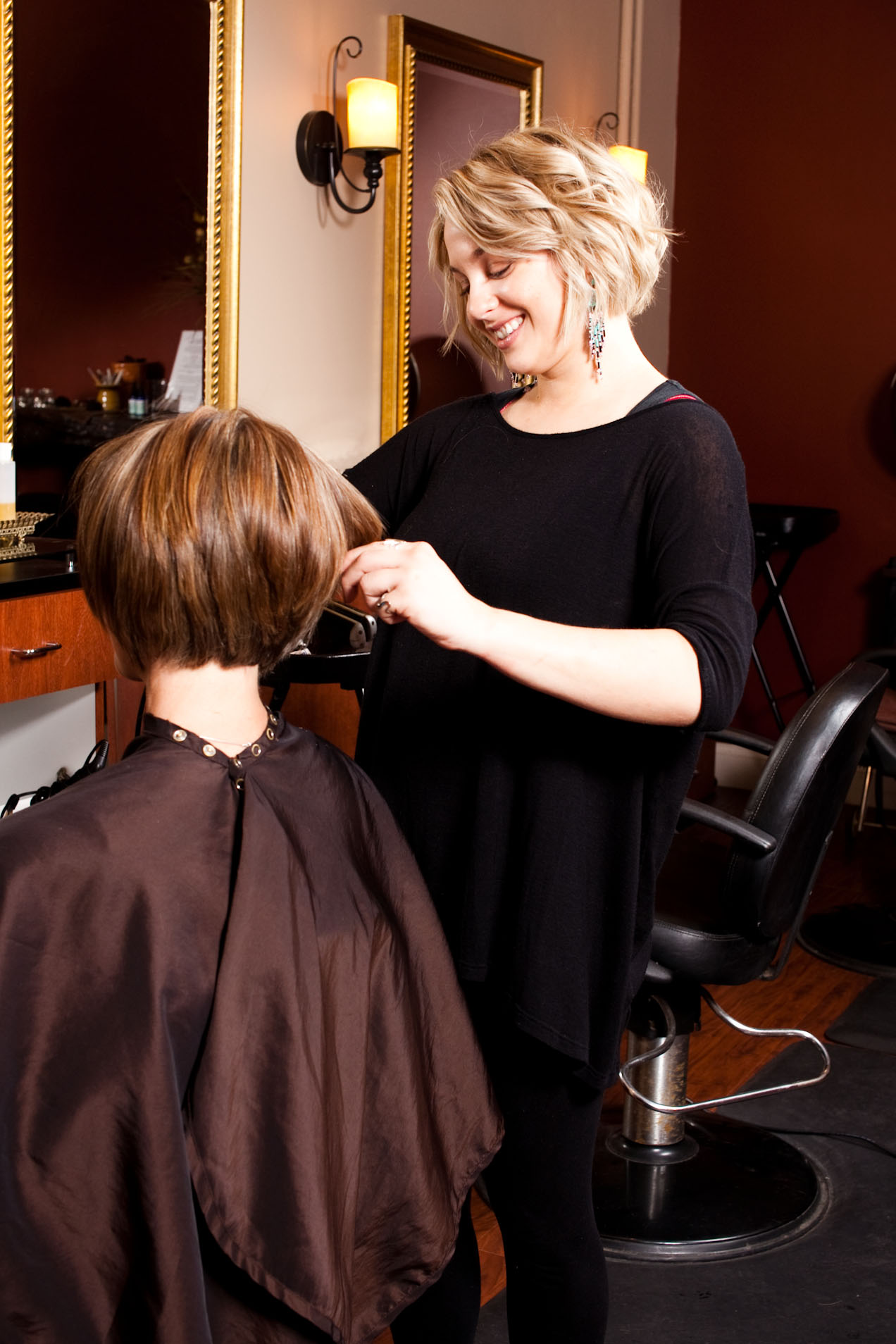
Q. I would like to color my hair more often but am afraid of the effects from chemicals:
A. It is rightly a concern because many consumers experience tearing, headache, scalp irritation, breathing discomfort, etc., during and after coloring services. This is mostly due to the effect of ammonia.
Q. Do all hair dyes contain ammonia?
A. A strong alkaline like ammonia is needed to open the cuticle layer for the depositing of dye pigments in permanent color. It is also a catalyst in the dye development process. Ammonia is a very harsh chemical that is the root cause of dryness, roughness and pre-mature fadage in colored hair.
Q. Are there hair dyes that are ammonia-free?
A. Ethanolamine (MEA) is used in many semi- or demi-permanent colors for its lower alkalinity and odorless properties. Some salons apply heat to these colors to achieve a somewhat more permanent effect but predictably with less than satisfactory results. MEA is not safer than ammonia because it is a toxicant and a carcinogen (Environmental Working Group).
Q. Are there ammonia-free permanent colors?
A. There are a handful of ammonia-free permanent brands. It is formulated by tripling the amount of ethanolamine as in its demi cousins. However, these products are very dangerous due to the high MEA content and its carcinogenic properties. MEA also has a high tendency to stick to the hair, which leads to dullness and off-tone fadage after prolong usage.
Q. Why is Kasia’s coloring service so unique?
A. Kasia uses a hair dye that does not contain either ammonia or ethanolamine. It is the safest and most gentle product available. There is zero damage to the hair, which leads to vibrant and long lasting color with perfect gray coverage and natural shine.
Many people take soap for granted. We know it works, but we don't know why. We base our purchasing decisions on brand names and price more than we do on ingredients, and who can blame us? Trying to read the ingredients on the back of a shampoo bottle can be like trying to read a foreign language for the first time. But if you tried, you might find tetrasodium EDTA mixed in with all those other hard-to-pronounce chemical compounds. It's a common ingredient in cleansers such as shampoo and hand soap, and you'd have a hard time getting clean without it. Tetrasodium EDTA is used as a chelating agent, or to put it in layman's terms, it makes hard water become soft. As water makes its way through the water cycle, it sometimes picks up metal ions such as calcium and iron. These metal ions can make water hard, which is a problem because hard water won't get you clean. Body washes, shampoos and other cleansers work as surfactants, which are responsible for attracting dirt and oil and pulling it off your skin so it can be rinsed away by water. The only problem is that surfactants also attract the metal ions found in hard water, hindering the surfactants' ability to cleanse your skin. That's where tetrasodium EDTA comes in. As the chelating agent, it neutralizes the metal ions in hard water and allows the surfactant to do its job. The end result is soft water and squeaky clean skin [source: Parbhoo].
Whitmore, Elizabeth. "How does tetrasodium EDTA work in cleansers?" 20 August 2009. HowStuffWorks.com. <http://health.howstuffworks.com/skin-care/cleansing/products/tetrasodium-edta-in-cleansers.htm> 01 October 2010.
The Kasia Team has been very busy with our Informed Beauty Bella's …repairing, moisturizing and color corrections from the summer fade.

"Don't doubt the fact there's life within you. Yesterday's ending will tomorrow life give you. All that dies, dies for a reason, To put it's strength into the seasons.
Brush before you shampoo ad jump in the shower. This action stimulates the scalp and promotes blood flow to deliver nutrients like oxygen to the hair follicle. Brushing also reduces product buildup and scalp flakes.
Get rid of build up from hard water and synthetics (silicon and petroleum are hidden in many hair care products …even Aveda). Over time hard water can make hair look lackluster and impart a brassy hue to tresses. The damaging minerals can also make hair a tangle town mess - hard and difficult to be managed.
The Kasia team strongly suggests our custom professional deep conditioning treatment once a month. This is a great way to relax and keep your hair healthy and shiny in the cooler months. If this isn’t in their budget, we recommend our at home products:
John Masters Dry Hair Nourishment & Defrizzer
(Apply the product to clean, damp hair. Leave on for 5-10 minutes and rinse out.)
We encourage our clients to try and let their hair dry slightly before blowing it completely dry. The less hot air they infuse into their locks with the drier, the more moisture they will seal in from their shampoo and conditioning products.
Frizzy hair is one of the worst things about the approaching cool weather dryness (think static cling, hat hair…ect.) Kasia’s upcoming shampoo and conditioner launch will have ingredients to help ‘tame the frizz,” but in the meantime….try Shine On from John Masters or Hamadi Shea Spray, an anti-frizz and moisture protector that is applied to towel-dried, damp hair.
We are what we eat. The same rules apply for the health of the hair. Adequate amounts of protein and minerals can make a huge difference in the overall appearance of hair and skin
Our Kasia Skin Care “enMoist” moisturizer delivers the proper nutrition in direct antioxidants of Vitamins A and C, and E which are essential to maintaining stability, protection, building block, and more.
Add dark green leafy vegetables have both vitamin A and C and also provide you with calcium and iron too. Beans are not only good for the heart, but promote hair growth with a punch of protein. 3 or more cups of legumes a week is recommended.
Other excellent sources of protein include nuts, poultry, and eggs. Create your plate!
* sleeping more deeply and getting a full night’s rest * waking up refreshed and rested
* having good energy, but not hyper
* clear mind
* feeling happy and cheerful
* feeling like I have the energy to do whatever I want
* digestive tract improvement
* suddenly scheduling evening social activities instead of resting
* getting a lot of work done
* not feeling stressed
* don't feel like I'm "slogging through the mud"
* eyesight noticeably better
* wanting to go for a walk instead of making myself exercise * increased strength and muscle development without exercise * feeling more alive and vibrant * skin is very soft and smooth, a noticeable change
* lost six pounds in one week with no exercise or change of diet
* feeling like I can take on more and bigger projects
Avoiding new chemical exposures in my home got my body from being disabled to functional, detoxing my body to remove the chemicals stored in my body from past exposures is bringing my body closer to its natural state of good health.

We can take control of the toxic chemicals we are exposed to at home, but the minute we walk out the door we encounter all kinds of toxic chemicals from pesticides spraying, automobile and commercial vehicle exhaust, airplane exhaust, incinerator emissions, manufacturing smokestacks and other industrial sources. As soon as we walk into a building, we’re likely to be hit with toxic emissions from building materials, carpets, pesticides, and cleaning products.
And the world has been toxic for at least as long as I’ve been alive. Rachel Carson wrote about the poisoning of songbirds by carcinogenic DDT in 1962, when I was seven years old. But researchers had already found residues of DDT in human fat in 1944. Before I was born, DDT had already been detected in Antarctic penguins living thousands of miles from the locations were the pesticide was being used.
In 2005, Environmental Working Group established that toxic industrial chemicals can be transferred from mother to baby before birth via the umbilical cord blood, proving that babies are now being born contaminated with toxic chemicals. But babies didn’t start being born contaminated in 2005. I suspect now that I was born contaminated way back in 1955. Toxic chemicals were already in consumer products and the environment then. We just didn’t know about them or their devastating effects.
So even if we remove toxic chemicals from our homes—where we have our greatest and most immediate toxic exposures—we still have already been exposed to toxic substances for most or all of our entire lives and continue to be exposed to toxic chemicals out in the world each day.
This is just the reality of today’s world. There is no place on Earth that is 100% pristine, nor any product that is 100% pure.
But until we remove toxic industrial chemicals from our Earth, there are things we can do to protect our health from this onslaught of poisons.
To sustain life, our body systems need inputs of food, water, and air and--equally as important—they need to eliminate wastes. When we don't eliminate wastes from our bodies, it's like having the garbage in our homes pile up because we haven't put it outside in the garbage can to be taken away. Not a very pretty sight either way.
* metabolic wastes generated by body functions * foreign invaders, such as bacteria, viruses, mold, pollen and other natural materials * natural poisons, such as spider and snake bites, and toxic chemicals in smoke
Because our bodies need to eliminate things that don’t belong in them, they have natural systems of purification and elimination to keep the whole body system running smoothly. Toxic chemicals enter the body through being injected into the skin (such as drugs), ingested through the mouth (such as pesticides in food), absorption through the skin (such as chlorine while taking a shower or swimming in a pool) and inhalation through the nose (such as toxic chemicals in cleaning products). Toxic chemicals then enter the bloodstream, which carries them to all parts of the body. Then they exit the body through the kidneys via urine, through the liver via bile which goes into the intestines and leaves the body through feces, through the skin via sweat, and through the lungs as we breathe.
How toxic chemicals in consumer products and in the environment affect the health of your individual body depends entirely on the condition of your body’s detoxification system.

If your body’s detoxification system is not working well, or is insufficient for the amount of chemicals you are exposed to, then the toxic chemicals that come into your body will not be excreted, but instead will be stored in your fat, semen, breast milk, muscles, bones, brain, liver and other organs.The total amount of these chemicals that are being stored in your body at a given point in time is called your “body burden.”
Various chemicals move through your body at different rates. Arsenic, for example, is mostly excreted within 72 hours of exposure. Some pesticides can remain in your body for 50 years. Of course, how quickly chemicals are removed from your body depends on the condition of your body’s detoxification system and the amount of toxic chemicals you are exposed to. When you are continuously exposed to toxic chemicals, more toxic chemicals enter the body than can be removed by your detoxification system, and body burden results.
Approximately 80,000 industrial chemicals are used in the United States. We are exposed to these chemicals through the consumer products we use and from the air, water, and soil pollution put into the environment by their manufacture.
Scientists say that everyone alive today is contaminated with at least 700 toxic chemicals in their bodies. It doesn’t matter where you live or what you do. Just being on this planet, every body is contaminated.
In recent years it has become abundantly clear that we are being exposed to more toxic chemicals than our bodies can eliminate. The Centers for Disease Control and Prevention (CDC) is now monitoring the body burden of the US population, taking samples every two years.
EPA biopsies of human fat show that 100% of human bodies have carcinogenic PCBs, styrene, dichlorobenzene, xylene and dioxins stockpiled in their fat.
The condition of your detoxification system determines how much of each chemical is eliminated from the body versus how much is stored, and where in the body it is stored.

Quite simply, in today's world
health = the amount of toxics we are exposed to + our body’s ability to detoxify
For good health the ratio should be less exposure to toxic chemicals than the capacity of our bodies to detox.
But for most people the ratio is more exposure to toxic chemicals than the capacity of our bodies to detox. Not only is the volume of toxic exposures greater than our natural capacity to detox, but our natural capacity is diminished by the toxic chemicals as they harm and overwhelm detoxification organs such as liver and kidneys.
Our bodies simply don’t have enough “detox ability” to handle the amount of toxic chemicals we are exposed to.
When toxic chemicals build up in our bodies because our bodies are not able to eliminate them, we need to give our bodies some help.
1. Reduce our exposure to toxic chemicals, at least in our own homes and workplaces. 2. Remove toxic chemicals from our bodies by a) Improving the functioning of our bodies’ detoxification systems and b) remove toxic chemicals directly from our bodies.
By taking these actions, we can give our bodies the best chance for good health.
This article is shared from Debra at : http://toxics-health.com/why-we-need-remove-toxic-chemicals-from-our-bodies