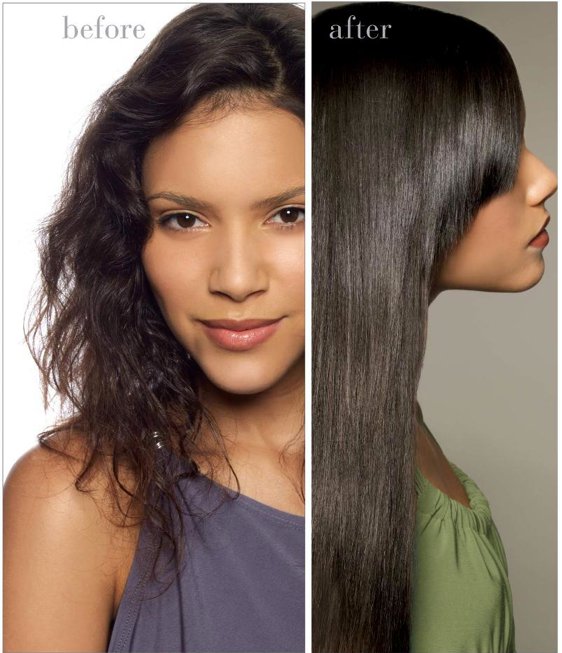
Hair

Are You Allergic to Hair color? Subtle Nuances.

At Kasia Organic Salon we receive multiple calls weekly  nationwide on what color line we use, and if it would work for them because of their new or current allergic reactions/symptoms.  For many women, they hide and do not speak about their "itchy and watery eyes" after leaving their service or at home, and just put up with it.  Well, the truth  is, over time, the body can be overwhelmed enought to make it an unbearable situation. Our staff always offers clients with a patch test prior to a color service.  We also offer highly recommended practitioner referrals to pin point the allergy, and/or lifestyle causations.  Reactions  are becoming incredibly common in ammonia and PPD based hair color and this can be very hidden.

Kasia Salon offers an alternative color VOID of these active agents with no silent substitutes. We do all that we can to find an alternative option.  Still nervous? Another alternative we can offer you is by stacking heavy foils to blend out gray, or add tone (leaving the color off scalp) or applying a complete direct dye with no other added ingredients/reactions.


Allergy Introduction to PPD

The most common allergen found in hair color is PPD (paraphenylenediamine), which is mostly found in permanent hair color. If you have never had your hair colored, or if PPD allergy runs in your family, there is an easy way to find out if you are allergic in the salon. Licensed Cosmetologists can do a patch test in the salon, which will determine if you will have a skin reaction to PPD-based hair color. Ingterestingly, PPD is also found in fur coats, ink tatoos and wigs.

“Positive patch test reactions to p-phenylenediamine (PPD) are common. PPD is used in oxidative hair dyes and is also present in dark henna temporary ‘tattoos’. Cross-sensitization to other contact allergens may occur.”

About 25% of people allergic to PPD may also be allergic to ingredients found in semi-permanent hair colors, of which may also be found in pen inks and may be used to color certain foods and pharmaceuticals. Semi- permanent and demi-permanent hair colors are usually ammonia-free but the ammonia substitute, ethanolamine, may produce a reaction in some people. Again, a patch test can be done in the salon to determine if you are allergic to either semi- or demi-permanent hair colors that are carried in the salon. Reactions to PPD include

  • Itching scalp/skin
  • Redness
  • Swelling
  • Mild dandruff like symptoms
  • Scaly skin
  • Pain
  • Sneezing or other hay fever/cold like symptoms when ever hair dye applied
  • Nausea when dye applied
  • Sever swelling around eyes
  • Scaly skin on ears, face and neck

The patch test is simple. Your stylist will apply a small amount of color mixed with developer to behind the ear (if your hair is short) or to the inner bend of the elbow. This has to be allowed to dry and to remain uncovered for 48-72 hours. If no irritation or rash occurs between the time the patch test is applied and 72 hours is complete, the test is negative, and you can proceed to schedule a hair coloring service.


Call Kasia Organic Salon and avoid the continual build up of chemicals and allergic reactions.  We've been so pleased to be able to service those that come with these complications and to those who wish to just make a better choice, keeping the hair healthier and lasting color.

Kasia Organic Salon stylists are the leading experts in NO Ammonia,  NO PPD, and NO MEA color services.  Kassie (owner) started testing the "new way of hair coloring" as it was in it's testing stage.

Call us today with any questions you may have!

612 824 7611

Learn more here --

Safety Issues of Hair Color Products and ‘PPD’


Hypothyroidism and weight gain

As a student of Functional Medicine and staying on top of recent studies, health professionals, and lifestyle awareness - Women to Women brings much clarity in print to understanding more about the health complications so many women face.

At Kasia Organic Salon, we witness first hand the symptoms many clients go through within endocrine insufficiency from hair loss and excess hair growth, which together evolves to awareness in nutrition and supplements with our selection of hormonal supportive neutraceuticals.

At Kasia we offer a wealth of knowledge and referrals from Chinese Medicine with  Liz * as well as referrals to Julie Tebben, RN and expert in Functional Medicine in the Endocrine Cascade.

Enjoy the article from Marcel!

Ever since Oprah announced that her sluggish thyroid was contributing to her weight gain, I've had many patients with weight issues ask me, “Is it my thyroid?”

The answer for many of these women is yes, but the solution isn’t quite so simple. Thyroid function is intimately connected with your metabolism — thyroid hormones basically regulate calorie consumption. But a healthy thyroid also depends on the proper functioning of other body mechanisms, including your neurotransmitters, your reproductive hormones and your adrenal glands.

The thyroid and weight gain

Because patients with an underactive thyroid tend to have a very low basal metabolic rate, one of the most noticeable symptoms of hypothyroidism is weight gain and difficulty losing extra weight. (Sometimes an overactive thyroid can mimic an underactive thyroid by causing weight gain, although this is less common.) A minority of women with hypothyroidism don’t gain weight. The difference arises from their individual biochemistry, the quality of the calories they consume, and how they use those calories.

Often the “metabolic burn” continues to fall as calories are reduced when dieting. That’s why some women with low thyroid can have weight gain even when they severely restrict calories. In order to fix your metabolism, you have to understand your entire health picture, not just your thyroid.

The thyroid in women

More women than men suffer from hypothyroidism, and many more women than men with thyroid issues have problems with weight gain. Most thyroid problems occur within the gland itself and often don’t reveal themselves until a broader pattern of hormonal imbalance develops. That’s why thyroid issues, menopause and weight gain often appear together (which is exactly what happened to Oprah).

Why do women experience low thyroid and weight gain with such frequency? The reasons are manifold, but primarily:

  • Women spend much of their lives dieting, usually in a yo-yo cycle of feasting and then fasting. This undermines your metabolism and decreases your metabolic rate, a compounding factor for the thyroid, especially during perimenopause.
  • Women tend to internalize stress, which affects their adrenal function. Overactive adrenal glands produce excess cortisol, which interferes directly with thyroid hormones. In addition, fatigue caused by adrenal dysfunction increases cravings for sweets and simple carbs to provide instant energy and feel-good hormones.
  • Women's bodies have a delicate balance of hormones such as estrogen and progesterone, which can be upset when your body is under stress and not receiving enough support. This resulting hormonal imbalance acts as a trigger for thyroid problems.

What you can do about hypothyroidism and weight gain

The first thing to do if you are experiencing stubborn weight gain is to talk to your practitioner. She or he may ask for a thyroid test or measure TSH (thyroid-stimulating hormone). I have found in my practice that many women who test within the “normal” range of traditional medical standards still need thyroid support. Their TSH may be only slightly elevated, but enough so that it influences their metabolism and causes weight gain.

For these women, supplemental nutrients such as selenium and iodine, combined with a meal plan that balances a proper ratio of protein to carbohydrates increases their metabolic functioning and they begin to lose weight. We also recommend a pharmaceutical-grade multivitamin/mineral to give your body ample nutritional support. In some cases, a low-dose thyroid replacement hormone is also needed.

There is a lot of controversy in the endocrinology world regarding hypothyroidism treatment. There are those that believe that patients who test within the normal range but have very low basal metabolic rates and very low basal temperatures need thyroid supplementation. There are others that argue that only patients with significant abnormalities should be supported with thyroid hormones.

Weight gain is not sufficient evidence to conclude that someone has a thyroid abnormality, but it is one part of the picture we try to bring into focus. Efforts to lose weight without addressing related thyroid issues are doomed to fail. Likewise, thyroid treatments are usually not as effective without addressing the underlying hormonal imbalance. The greatest success is found through a holistic approach that considers thyroid function as an integral part of your overall hormonal balance.


Read more here.

Is your health, home and beauty only skin deep?

An interesting and important  book is has hit the market for all Informed Beauty's.

The Healthy Home is about the dangerous substances  that we may be exposed to on a daily basis, and the simple but effective changes we can start making to help us reduce the toxic burden of living in the modern world.  Love it!


Seven Steps for a Looking Better — From the Inside Out 

By Dr. Myron Wentz and Dave Wentz Authors of The Healthy Home: Simple Truths to Protect Your Family From Hidden Household Dangers 

At one time or another, we’ve all heard the saying that beauty comes from within. This saying means more than you know. How well you look on the outside greatly depends on how well you take care of your body on the inside. Your daily habits, whether good or bad, greatly contribute to how healthy your cells are, and, in turn, how youthful or how aged you look. 

If you want to look better, you have to take better care of your body on the cellular level. Here are seven things you can start doing today that will improve the way you look and feel, from the inside out. 

Diet Your skin is your largest and most visible organ, yet it is the last to receive nutrients from the body. Keep your skin healthy (and looking good) by eating foods rich in protein and healthy fats. Healthy fats like monounsaturated and polyunsaturated fats, along with key amino acids and protein, are crucial for collagen formation and cell repair. Lean meats like chicken and fish, along with avocado, nuts, and olive oil, provide these critical nutrients. Additionally, foods high in antioxidants, such as dark berries and leafy greens, help fight against free radicals that cause oxidative damage to your cells.

Water Aside from eating right, you should also stay hydrated. Why? Your body is made up of more than 10 trillion cells, and they all need water to operate at an optimal level. Water helps your cells keep their shape, and acts as a conduit for healthy, necessary biochemical processes within your cells to take place. Our bodies are more than 60 percent water, so replenishing lost fluids throughout the day is necessary for healthy cells and glowing, healthy skin. There are many sports drinks and fruit juices out there claiming to “rehydrate,”but purified water is best. Drink eight to 12 eight-ounce cups of water a day.

Supplements If you are like the average American adult, you are not getting the nutrients your body requires to function at its best. Poor eating habits consisting of processed, fatty, sugary foods can lead to many health concerns, including erratic blood sugar levels and obesity. Even if you try your best to eat the freshest fruits and vegetables, you are probably still lacking several key nutrients because it’s difficult to consume the amount of nutrients your body needs to function properly with food alone. To help ward off malnutrition, supplement a healthy diet with high-quality vitamins and minerals. Studies show that synergistic vitamin and mineral blends yield better results than taking individual nutrients on their own.

Every body is different, so start with a high quality multivitamin or vitamin pack and then customize additional nutrients as needed. And remember: it could take several months of consistently taking your vitamins to see visible results. Just know you’re doing your body a favor by giving it exactly what it needs to function at an optimal level. 

Sleep There is a reason it’s called “beauty sleep.” Getting quality rest in a good quantity — 6–8 hours — every night gives your body and mind a chance to recuperate from the stresses of the day. But this is also the time when your cells repair themselves. If this process is disrupted, it will show on your face through puffiness, dark circles, and uneven skin tone. If you have trouble falling asleep, there are a few natural options. A melatonin supplement can work with your body’s natural melatonin production to help you achieve optimal rest for renewed energy. Try incorporating a repetitive habit into your daily bedtime routine to help mentally trigger your brain to shut down for the night. Reading is one such activity. Regular exercise can also improve the quality of your rest. Speaking of exercise. . .

Exercise Regular cardiovascular and strength training will not only help you feel better; it will help you look better too. Regular exercise can boost your mood and improve your sexual drive, and sweating during exercise helps cleanse your pores of toxins to reveal brighter, healthier-looking skin.

Quit Smoking Smokers are basically asking their skin to age faster. Nothing damages your skin and overall health more. According to the Mayo Clinic, “Smoking narrows the tiny blood vessels in the outermost layers of skin, which decreases blood flow. This depletes the skin of oxygen and nutrients, such as vitamin A, that are important to skin health.”Smoking also reduces your skin’s elasticity, which will increase those lines on your forehead and around your eyes. http://www.mayoclinic.com/health/skin-care/SN00003 Stop Stressing It may be hard to believe, but the mental strain caused by stress can also tax the body. Excessive stress can lead to all sorts of damage, including high blood pressure and heart disease. But it also causes skin damage, including wrinkles and breakouts. Managing your stress correctly can produce positive results on how you look and feel. Even just a few minutes of silent meditation or deep breathing can help calm and de-stress the body and the mind.

One Last Thought Your skin will eventually age — that is inevitable. But simple steps like the ones listed above can keep the signs of aging at bay for as long as possible.

It’s also important to remember that not all skin care products are made with the highest quality ingredients and are best for your skin. Stay away from products that contain harsh chemicals and preservatives that actually speed up the aging process and will eventually cause more harm than good. Remember, your skin is the last organ to receive nutrients from the body and often the first to show signs of nutritional deficiency. Proper nutrition and a well-balanced diet are truly the key factors for overall health and beauty.

© 2011 Dr. Myron Wentz and Dave Wentz, authors of The Healthy Home: Simple Truths to Protect Your Family From Hidden Household Dangers

Author Bios

Dr. Myron Wentz , author of The Healthy Home: Simple Truths to Protect Your Family From Hidden Household Dangers, holds a Ph.D. in microbiology with a specialty in immunology from the University of Utah. He founded Gull Laboratories in 1974 and developed the first commercially available diagnostic test for the Epstein-Barr virus. Later, he founded USANA Health Sciences andSanoviv Medical Institute. Dr. Wentz was honored in June 2007 with the Albert Einstein Award for Outstanding Achievement in theLife Sciences. He is the author of A Mouth Full of Poison and Invisible Miracles. He travels the world with his lovely partner, Prudence.

Dave Wentz , author of The Healthy Home: Simple Truths to Protect Your Family From Hidden Household Dangers, is chief executive officer of USANA Health Sciences, a state-of-the-art manufacturer of nutritional supplements and health products. He received a bachelor’s degree in bioengineering from the University of California, San Diego. Dave lives with his wife, Reneé, and children, Andrew and Sydney, in Salt Lake City, Utah, where he enjoys skydiving, playing volleyball and soccer, mountain biking, and skiing Utah’s famous powder. For more information please visit http://www.myhealthyhome.com/


ACNE: What is it and how do you deal with it?


There is no classic acne case. Those who suffer from acne are all of different ages, different backgrounds and different lifestyles. What they share is their frustration with the condition of their skin. They all want to know why this is happening to them.

Let's start at the beginning.

There are three major organs in the human body that are responsible for the elimination of waste and toxins: the liver, the kidneys and the skin. We take for granted that the skin is an organ involved in the excretory process. Many of us treat our skin like we might a vinyl floor, scrubbing, overcleaning, overdrying and applying harsh chemicals to it. Not only is this type of treatment unnecessary, but it can cause longterm harm to the skin, and will probably not improve the situation much.

If the liver and the kidneys are overwhelmed by the number of substances to be cleared and eliminated from the system, the skin takes over. The liver will clear caffeine, hormones, allergens or sources of sensitivities, chemicals, including food additives and coloring agents, as well as a host of other substances to which you are exposed on a daily basis. It is no small wonder why many of our livers are crying out for a little support.

The skin, in an effort to back up the liver and the kidneys in the removal of unnecessary substances from the body, will become overwhelmed and affected by the amount of waste that is forced out through its pores. This process disrupts the skin's integrity and affects its appearance.

Sometimes the appropriate topical treatments are enough to help the skin cope with the overload. By keeping pores open, by absorbing excess oil and keeping the proliferation of bacteria in check, the correct product may work to clear the skin.

However, if the problem is more extreme, or of a deeper underlying nature, more may be required.

Serious medications such as accutane have serious side effects. They correct the problem, at a cost. In some respect this type of medical treatment simply kills the symptom (the acne) without addressing the underlying cause. In some cases, acne recurs, albeit in time.


If your objective is the preservation of longterm and comprehensive health as well as beauty, the key is to lighten the load on your other excretory organs, and watch the skin begin to clear. This sounds easy, but is in fact no small task.

Hormones

Anyone who survived adolescence knows that hormones begin to rage during the teenage years. This is usually the time when acne makes its first appearance. Later in life, we may experience it again with hormonal changes, including premenstrual and perimenopausal episodes.

While any hormonal excess can promote acne, the male hormones (which are present in both males and females, only in differing amounts) are particularly notorious for stimulating the cells in the hair follicle to produce more keratin (a hard protein that forms hair, skin and nails). Additionally, male hormones such as testosterone cause the oil glands to enlarge and produce more oil. This traffic jam of substances trying to escape the pore can cause a blockage.

The blockage of the hair canal can in turn promote the overgrowth of bacteria, which will promote inflammation. This is the redness that you see when a pimple becomes infected. Not all pimples, however, become infected.

If the bacterium grows out of control, the hair canal can rupture. If it does so on the surface of the skin, the result is a pustule. If it does so more deeply into the skin, the result may be a cyst, which requires a doctor’s intervention to successfully treat. Cysts can result in significant damage and possibly scar formation, so it is well worth the doctor’s visit.

Interestingly, blood levels of testosterone are not always indicative of a hormonal overload. The problem appears to lie in the skin’s ability to metabolize the hormone. Acne patients show a greater activity of an enzyme called 5-alpha reductase, which converts testosterone into a more potent form, dihydrotestosterone (DHT). The conversion into DHT seems to be the more direct cause of the acne, and is also the primary cause of unwanted facial hair in women.

MINERALS CAN HELP

Certain minerals such as Zinc and Sulfur are fabulous skin healers and builders. Make sure your diet is rich in fresh produce to ensure proper mineral content, and supplement with a high quality multi-vitamin that will guarantee you a dose daily. Extra zinc in supplement form does wonders for many people suffering from this type of acne.

Some herbs, such as saw palmetto and pygeum, have been found to curb the conversion of testosterone into DHT. This can be especially helpful for stubborn acne cases where DHT is a factor. In some cases, Saw Palmetto has had the welcome side effect of minimizing unwanted facial hair in women.

SUGAR

If you love chocolate half as much as I do, you despise the notion of sugar having anything to do with acne breakouts.

This is a fairly contraversial subject, and most researchers agree that the connection between sugar and acne is at best indirect, and certainly not universal (phew!).

However, the skin cells of acne patients have in many cases demonstrated the inability to metabolize sugar correctly . Insulin is a hormone secreted by the pancreas that promotes the uptake of sugar by the body cells. In many acne patients, there seems to be an impaired uptake of blood sugar by the skin cells, due to insensitivity to insulin. Some researchers believe this is a factor contributing to acne breakouts.

Sugar is not the only culprit. Refined carbohydrates, such as white bread, white pasta and white rice, are converted quickly into sugar in the system. At the very least, this bogs down the system by requiring much effort on the part of the pancreas. Further, many researchers believe this reduces immunity considerably. Reduced immunity becomes a factor in acne, because acne involves infection. You want to keep your immunity strong to fight off acne infections, so I suggest you seriously reduce or eliminate all refined carbs, sugary foods included.

STRESS

Few of us can claim to be unaffected by stress. Stress comes in many forms, among them psychological, physical and environmental.

The body secretes anti-inflammatory hormones in response to stress and trauma. If, however, you are operating under long-term stressful or traumatic conditions, these hormones can cause side effects, including the hormonal toxicity that can result in acne.

Try to take some time for yourself every day to unwind and relax. Meditation, a hot bath, soft music, candles and recreational reading can all help relax tightly strung nerves.

WEAPONS YOU CAN USE TO FIGHT ACNE:

1. Stressing out over stressful situations never helps matters, so focus on getting past it and don't let the situation frazzle your nerves.

2.Calcium and Magnesium do more than strengthen bones, they help to soothe the nerves and reduce sugar cravings. Make sure you supplement with these essential nutrients, as part of your high qualtiy multi-vitamin and mineral formula, although extra calcium will probably be needed, since calcium is too bulky to be sufficiently contained in a multi.

3.Vitamin C and a good Bioflavonoid complex will help to strengthen connective tissue, which includes, among other things, the lower skin layers (the dermis). These nutrients also act as natural anti-inflammatory agents.

4. Detoxification is a fail-safe method of cleansing the body of internal build-up and overloads of ALL kinds, and works really well for acne sufferers.

By detoxification, I am speaking of an internal cleansing diet that should be carried out under the guidance of a licensed professional. When the cleansing period is over, the tissues of your body will have eliminated a good deal of stored toxins that you have been carrying around most likely for many years, and the result is vibrant energy, increased metabolism and clearer skin.

5. Exercise accelerates circulation, which in turn speed up the excretion of waste. Try 20-30 minutes of activity every day, at least.

6.Drink water and plenty of it. The purest forms are purifed via a process known as reverse osmosis, or distilled. I am not a fan of Spring water. Call me a skeptic, but I sincerely question whether there is a single "pure spring" left on the planet.

7.Eat as much fresh foods as possible. Basically, buy food that is in a state as close as nature provided it as possible. That means fewer boxed, jarred, canned and bagged foods, and more fresh fruits and veggies. If you were a child and you were coloring a picture of your diet, would it be a rainbow of vibrant colors, or a pasty, pale range of tans, browns and whites? The more colors, the more phyto (or plant) nutrients, and these will keep the intestines clean and build greater vitality.

8.Milk Thistle is an herb that is venerated for it's powerful ability to purify the liver. I have personally seen several people overcome serious skin disorders like eczema with milk thistle and flax seed oil alone. However, not all milk thistles are created equal. Teas are largely ineffective, and many capsules are not properly absorbed by the body. A high quality liquid extract is your best bet.

9.If your diet is lacking in Fiber, then take Fiber Supplements. Of course, it is far better to eat plenty of fruits and salads, because in addition to fiber these foods contain a wide variety of nutrients. However, when your diet has been less than ideal, these can help. They not only speed up the elimination of food in the digestive tract, but they may help bind toxins as they go. Constipation fosters the development of acne, and can worsen an already existing condition.

10. Last, but definitely not least, increase the essential fatty acids in your diet, Specifically the Omega-3's.


11. Look for certain product ingredients that will help boost your skin's capacity to deal with the excess oil secretions. Fruit acid gels are excellent for exfoliating the skin and keeping pores unclogged. Use them regularly.

Reference: http://healthyskinshop.com/acinper.html
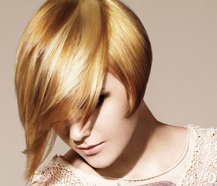
Clients RAVE about Kasia Express Keratin Treatment!

You like to think you're in "good condition" ... but truly under the flat iron those frazzled locks need some extra lovin' to make that come true. Improve that condition, with your Kasia Stylist with our QUICK Semi De-Frizz Keratin Treatment. This revolutionary conditioning therapy puts damper on your frizz while strengthing the hair.  The more you do - the better the shape your hair is!   Keratin is sealed into your hair, and you instantly get amazing shine, and silkiness. Clients are raving over this quick treatment that makes hair more manageable, smoother, faster to dry and easier-to-style.   (* A more permanent smoother is also available)

NEW Express Keratin Treatment at Kasia!

Take a small bit of your time  to go deep down to reconstruct your stressed, dry or damaged hair with protein, moisture, strength and shine.

Appointment time frame for the busy Informed Beaute'

Wash * Deep Condition * Apply Keratin Protein and Style! 45 minutes for full treatment  & only an extra 15 minutes if added to a color!

Frizzy and dry hair needs a deep Conditioner for moisture teamed up with a  high concentrations of protein, amino acids and other essential nutrients in order to build and protect. The results are long lasting but not permanent. The more often you use it, the more beautiful your hair will be.

Kasia Express Keratin Treatment –

This professional, semi-permanent service creates smooth, shiny texture through a enriching, chemical free, and deposit-only process.  Results last 7 to 10 shampoos. It’s the go-to solution if you are seeking a sleeker look without the commitment returns to its original texture.

**This $50 treatment lasts for two to three weeks and takes 45-60 minutes.   Add a treatment to your hair color (additional 15 minutes) and receive 35% OFF!


Relaxing Keratin Treatments

The new  relaxing curl  and de-frizz treatment is 100% formaldehyde free. We promise!

There has been a lot of underlying controversy surrounding the Brazilian Keratin treatment.

Formaldehyde-based Smoothing Treatments contain fumes from the treatments are unhealthy to both the guest and the stylists administering the service. I (Kassie, Owner of Kasia)  have talked to two chemists to truly understand the issue of ingredients, as well as looked at many of the current lines available. I’ve found two thus far that meet a standard of safe use at Kasia Organic Salon.  Our commitment is to continuously seek any “better or cleaner” product  for our guests.

Many Salons claim their product is best for your hair. Some companies even claim they are formaldehyde free when in fact, they are not.   Kasia promises to bring you truth and the research to back up our educated decisions of services materials.

Call to make an appointment today!  612 824 7611

Hair Tip: Conquering Oily Hair

  A majority of women wash their hair everyday because they have oily hair or want to “feel clean.”  This works for the short term, but for many of us who color our luscious locks, this easily results in the dramatically shortened lifespan of our color’s quality, as well as dry out the hair from over cleansing.  Kasia Organic Salon uses a color line that cuts down fading immensely, but a too many scrubs has an effect.


So how do you maintain less oily hair without losing your color?


YES, as your stylist has probably told you all along, the answer is to wash your hair LESS. This doesn’t mean you shouldn’t wash your hair ever, and by no means take this to mean you shouldn’t take showers (please take showers!). Slowly weaning yourself off of washing your hair everyday with signal to the sebaceous gland in the follicles to produce less sebum.


This will protect your color from fading, your cuticle being stripped of it’s natural oils to produce healthy hair grown, and and your hair from being over cleansed.


Also check out our Kasia Dry Shampoo which will help lift out excess oils and products to give you that great just showered feeling in between washings.  Shampoo’s without harsh surfactants or SLS is also very important, along with a conditioner with efficient hydrolyzed proteins to repair the hair.

For more great tips, just visit your Kasia Organic Salon experts with your questions!

15 Super Women Uses for Jojoba Oil

15 Super Women Uses for Jojoba Oil

Jojoba Oil is by far one ne of my favorite body products of all time; it’s incredible versitale for the whole family.

Here’s some tips I’ve found on getting the most out of your Jojoba Oil…

  1. Cuticle Oil – rub a drop on your hands and cuticles at least once per day. Option: Add a drop of Tea Tree Oil to your jojoba for a quick, all-natural anti-fungal nail treatment.
  2. Body Lotion – easy enough… just remember that a little goes a long way. You won’t need the dollop size you normally use with a traditional lotion. Jojoba sinks in super quickly and spreads across your skin easily. For even more fun or a special occasion, mix some cosmetic grade glitter with the oil and apply to your legs, arms and chest.
  3. Face Moisturizer – 1 to 2 drops is perfect for your face. Use after moisturizing. And… it’s PERFECT to apply under mineral makeup. You’ll look radiant and your minerals will perform so much better!
  4. Lip Oil – it’s light, natural and absorbs quickly removing all traces of flakes and the anti-oxidants will help keep aging at bay. Create your own unique lip oil in a small glass jar: add a few drops of your favorite flavoring (check the bakery aisle at your grocery) such as eucalyptus for minty freshness, strawberry or citrus oil for fruity flavor!
  5. Tame Flyaways – When you finish rubbing the jojoba into your nails and cuticles, rub your palms across the top of your hair to tame hair frizz!
  6. Makeup Remover – Mix half water and half jojoba in a small container (your free sample shampoo bottles will work perfectly for this). Shake before use, squeeze a bit onto a cotton pad and use to quickly and gently remove your eye makeup. As a bonus, the jojoba conditions eye lashes!
  7. Scalp Massage – or scalp treatment. Rub the oil into your scalp before bedtime and wash out in the morning.
  8. Quick Hot Oil Hair Treatment – Rub about 1 teaspoon of warmed oil through your hair when you first get into the shower. Let it sit while you shower. Rinse at the end of your shower, shampoo and condition as usual.
  9. Deep Hot Oil Treatment – Rub 1 tsp to 1 tablespoon of jojoba through your hair. Cover your head with a plastic shower cap or saran wrap. Let sit for 1-2 hours. Shampoo out and condition normally.
  10. Carrier Oil – White jojoba oil has anti-oxidant properties on its own; but it can also be applied overtop your other skin care treatments to ‘carry’ their active ingredients deep into your pores and skin.
  11. Split End Treatment – Add a drop or two of oil on ends of your hair as a split end treatment. Apply before blow drying or heat styling for protection.
  12. Added Moisture – Need more moisture during the winter or in a dry climate? Mix a few drops of jojoba to your normal body or face lotion application.
  13. Quick Hair Condition – Add 2-3 drops to your normal dose of hair conditioner. Mix in the palm of your hand, apply, and leave in while your shower. Rinse and you’ll have moisturized, shiny hair!
  14. Before Sunless Tanner – Apply lightly to elbows, knees, soles of feet, heels and palms to prevent extra sunless tanner from soaking into these porous areas.
  15. Before Swimming – Run 3-4 drops through your hair before diving in the pool or ocean. The oil will help close your hair cuticle and prevent harmful chemicals from stripping your color, and drying your locks.
  16. Scent!  Add Kasia Apothecary Essential oils for a natural and therapeutic body oil!

Kasia Organic Salon retails Organic and Pesticide Free  Jojoba Oil: We love Jojoba because it is Nature’s best moisturizer absorbs quickly into your skin with no residue. Reference: BionicBeauty

French backs ban on plastic chemicals and parabens

French parliament backs ban on plastic chemicals and parabens in cosmetics

By Andrew McDougall, 06-May-2011

Phthalate chemicals used in plastics and paraben preservatives in cosmetic manufacturing could be banned following a vote from the French National Assembly.

French parliament voted through the first reading to ban the plasticizers by centre-right Nouveau Centre grouping, which is led by former defence minister Hervé Morin, despite opposition by President Sarkozy’s UMP and the government.

The French National Assembly vote to ban phthalate chemicals was based on their endocrine disrupting properties which are mainly used as plasticizers to enhance flexibility, transparency, durability, and longevity of plastics and parabens which are a class of chemicals widely used as preservatives in cosmetics formulations.

When the bill was first proposed Health Minister Xavier Bertrand suggested waiting until next year for the new scientific test results, before making a decision.

Not certain to become law

The proposal, which was passed by 236 votes to 222 was greeted well in parliament although it is not certain to become law as the government is not bound to pass it to the Senat, France's upper parliamentary house for further consideration.

Environmental campaigners have also cheered the vote, with researcher André Cicolella telling French daily Le Parisien: "It's an excellent decision and shows MPs have been conscious of the importance of the situation and resisted the chemical lobby."

Phthalates are chemical compounds used in plastic wrapping, adhesives, paints, and cosmetics products like nail varnishes, hair lacquer and perfume.

The problem arises as the plastics break down and get released in the atmosphere, with various tests in the US detecting phthalates in the human bloodstream.

The problem here is that they are hormone-disrupting chemicals related to obesity and also act as estrogen-mimicking substances hence affecting male reproductive process.

As they are common ingredients in personal care products and plastics applications the French parliament took the decision to investigate their use.

Parabens – safe or dangerous?

Parabens are preservatives used in many types of formulas and cosmetic applications such as shampoos, commercial moisturisers, shaving gels, rub-on gels and toothpaste, and according to a study carried out by the University of Reading, are associated to breast cancer and thought to mimic oestrogen.

According to reports in French-English Newspaper The Connexion various cosmetics companies have now withdrawn the use of chemicals in products.

In Denmark, the use of parabens has been banned from use in children’s personal care products.

However, last year The Scientific Committee on Consumer Safety (SCCS) released its opinion on the use of parabens as preservatives in cosmetics products, stating they are safe to use as cosmetics preservatives although use levels for some of the compounds in the family should be reduced.

// User Icon Setting (may be set to BLACK, WHITE or NONE):