Hair

Experiencing hair loss that is connected to a thyroid disorder? Learn the 5 Signs?

hairthyroid1.jpg

  hair loss and your thyroid

Watching your hair slide down the shower drain or clumping up on your brush is a horrible feeling, especially for women! Our hair is connected to our identity, our youth, and our health. While it’s natural for some women to experience hair loss at certain times in their menstrual cycles or times of the year, hair loss is also caused by specific health conditions including a thyroid imbalance.

Why does a thyroid imbalance cause thinning hair?

Your hair normally grows in a healthy cyclical pattern with most of the hair follicles growing while only a small number are “resting.” With a thyroid imbalance, this cycle can be thrown off, resulting in more hair follicles “resting” than growing — and more hair falling out. Hair loss is a very common symptom of a thyroid imbalance.

But thyroid imbalances often arise slowly and remain unnoticed by patients and their doctors in the early phases. Even with a lab test, your doctor may say everything is fine with your thyroid, even though you strongly suspect that something is wrong. This is because standard labs have a very wide range for what is “normal” in terms of thyroid test results.

So how do you know if your hair loss is connected to a thyroid disorder?

Five signs and symptoms your hair loss is connected to a thyroid disorder


1. Thinning eyebrows. Hypothyroidism (an underactive thyroid) often causes general hair loss as well as thinning of the outer third of the eyebrows. We don’t know exactly why the eyebrow is targeted in thyroid disorders, but this is a good indicator that your thyroid hormones may be low.

2. Hair that is brittle, dry, and breaking easily. Dry, brittle hair is also connected to low thyroid function. And research published in the Journal of Clinical Endocrinology & Metabolism finds that thyroid hormones increase growth and color in hair. Low thyroid hormone can lead to the early release of the hair shaft and root, as well as premature gray or white hair.

3. Feeling exhausted all the time, even after 8 hours of sleep. The thyroid is the master of our metabolism, so it affects the way we use and store energy. With low thyroid hormone, metabolism slows down. This can often lead to persistent fatigue as well as weight gain.

4. Puffiness in the face or extremities. Many people with hypothyroidism have an excess of a compound called mucin. Mucin is part of our connective tissue and is present in blood vessels and cells all over the body. It absorbs water and may cause excess water retention in an individual with an underactive thyroid imbalance.

5. Yellowing of the palms of your hands. Yellowing of the skin on your hands can happen with a thyroid imbalance due a build-up of carotene in your blood. Hypothyroidism can slow the conversion of carotene to vitamin A.

If you think your hair loss might be connected to a thyroid imbalance, begin supporting your thyroid — and your hair — naturally. Kasia provides key vitamins and minerals, as well as suggested dietary changes to target thyroid imbalances from the inside out.


Testing for more severe hair loss

Most mild to moderate hair loss will improve with some basic stress reduction and positive lifestyle changes. Hair loss that is more dramatic or persists warrants a closer look. Testing for insulin resistance, testosterone levels, and thyroid or other metabolic dysfunction can point to androgen sensitivity, thyroid dysfunction, or another endocrinologic disturbance as a possible cause for a woman’s thinning hair. Some women will experience male pattern baldness if their bodies have high testosterone or become sensitive to normal circulating levels of androgens.

Here are the tests I’d recommend discussing with your practitioner:

  • hormone panel (testing specifically both free and total testosterone levels)
  • thyroid testing
  • fasting insulin
  • metabolic panel (for kidney and liver function)
  • ferritin stores (for iron deficiency)
  • CBC (complete blood count) with differential
  • allergy testing

References

womentowomen.com

Van Beek, N, et al. 2008. Thyroid hormone directly alter human hair follicle functions: anagen prolongation and stimulation of both hair matrix keratinocyte proliferation and hair pigmentation. Journal of Clinical Endocrinology & Metabolism, 93(11): 4381. URL: http://www.ncbi.nlm.nih.gov/pubmed/18728176.

Arem, Ridha. 2000. The Thyroid Solution. New York, NY: Ballantine Books.

Hair Growth and Folic Acid


Hair growth is affected by protein, hydration, blood circulation, everyday care and a mixture of vitamins and minerals. Although some B vitamins such as vitamins B-1 and B-2 work to support hair growth, folic acid does not. However, a lack of folic acid can strip the hair of its color, causing it to gray prematurely.

Folic acid is a synthetic version of vitamin B-9 or folate. According to PubMed Health, folic acid is prescribed to treat or prevent folic acid deficiency. In addition, women of reproductive age are advised to take at least 400 micrograms of folic acid per day to prevent birth defects such as spinal bifida, according to Women’sHealth.gov. A deficiency in folic acid can cause folic acid anemia, which can result in a low red blood cell count.

Folic Acid Uses:

Medline Plus states that in addition to treating or preventing folic acid deficiency, folic acid tablets are likely effective in lowering homocysteine levels. They are also possibly effective in reducing the risk of developing colorectal and breast cancer, reducing depression and for treating gum disease during pregnancy. Folic acid does not usually affect the hair; however, a deficiency in it can cause changes in the hair.

Folic Acid Deficiency

Symptoms of folic acid deficiency are diarrhea, mouth ulcers, peptic ulcers, poor growth, swollen tongue and gray hair. People who take the medication Dilantin, suffer from celiac disease or alcoholism, eat overcooked foods, or have malnutrition or hemolytic anemia are at an increased risk of developing folic acid deficiency. The gray hair experience in people with folic acid deficiency can occur at any age. Hair that turns gray as a result of folic acid deficiency may not return to its original color.

Treatments:

Folic acid deficiency untreated may develop into folic acid deficiency anemia, which, in severe cases, can cause low levels of white blood cells and platelets. Eat balanced meals that contain foods from all the food groups in order to consume the recommended amount of folic acid. If your physician feels you are at risk of developing folic acid anemia, you may be prescribed folic acid supplements to be taken daily.

Read more: http://www.livestrong.com/article/539148-does-folic-acid-affect-hair/#ixzz1syleGPiR

Losing Hair in Your Twenties and Thirties?

Why you're losing your hair and what you can do about it.


Although hair loss is typically thought of as we age or as a man’s problem, but it’s actually just as common (if not more) in women—and  women are now starting to notice changes in their 20s. Hair loss can be very traumatic,  especially in 20-30 year old women who notice a change may be particularly distressing.   "Fear not  -Informed Beauty..."   Let's take a look at the number of causes and a range of solutions that can help.


The science of thinning and hair loss is still largely misunderstood. There is more evidence that a hormone called DHT is responsible. Both men and women have it. Alopecia hair loss is thought to be pathogen related.

Over time, an excess build-up of DHT in the follicle causes it to begin shrinking, which changes the natural resting and growth phases of the hair. DHT builds up around your hair roots like wax.

Some of the follicles eventually die and others become incapable of producing or maintaining healthy hair growth, resulting with hair loss.

First, define your symptoms: Is your hair shedding (more hair is falling out when you brush it or in the shower) or thinning (you notice more of your scalp showing)?

Some of the most common causes of shedding—technically called telogen effluvium—include a shock to your body (a serious illness, pregnancy or going on a crash diet), a stressful situation (you lost your job or experienced the death of a loved one), starting a new medication (anti-depressants and birth control can affect your hair) or a change in eating patterns (going vegetarian can result in not consuming enough protein).   Pressure, major life changes and poor eating are hallmarks of a maturing womens lifestyle.

 Trauma ........fallout 3 months later.

Because of your hair growth cycle, it usually takes 3-6 months after a very stressful event or time period for one to notice the shedding, says Maria Hordinsky, M.D., chair of the department of dermatology at the University of Minnesota and a spokesperson for the American Academy of Dermatology. So if you were laid off in January or lost a lot of weight that month, your hair may not start falling out until April or May.  The good news is that shedding is completely reversible in most cases.

As soon as you notice hair changes, look at a calendar and think back to what happened within the past six months."


Use these techniques to combat shedding:

  • Patience.  It can take up to a year for your hair to normalize.  Bottom line: Once you identify and change the stressor, try not to freak out. Give it some time and let your hair grow back in naturally.   By changing daily habits and stress reduction, you will be better able  to cut down the added stress on your hair. This may take some tim, but it takes you making serious personal changes as well.
  • The right shampoo and wash as normal.   A startled reaction to seeing more hair in the shower drain is to wash it less often, “but there’s no evidence between shedding and hair care practices. In fact, using a natural/organic shampoo with gentle cleansing and nourishing ingredients will help maintain a healthy scalp.  Gentle and chemical free/non-clogging hair products are one of the best ways to promote hair growth.
  • Don’t be afraid to color-  Ammonia Free -of course!   Most likely hair loss is internal, although using ammonia free color brands free of PPD, Resorcinal, and MEA are key.  You do not want high acidity on the scalp, nor do you want to shock the follicle to fast - resulting in more sheding.  Kasia Organic Salon offers the safest Ammonia Free Color line on the market.
  • Re-assess your pills. High levels of  vitamin A can be associated with hair loss.  Biotin, Iron, Omega Fatty Acids, and other herbal blends can be very beneificial in kick-starting your hair and skin growth cycles.

If your scalp is more visible than it used to be, it means your hair is thinning and the problem is likely female pattern hair loss (or alopecia). Unfortunately, this situation is genetic and there’s not much you can do to reverse it. But you can slow down the changes.

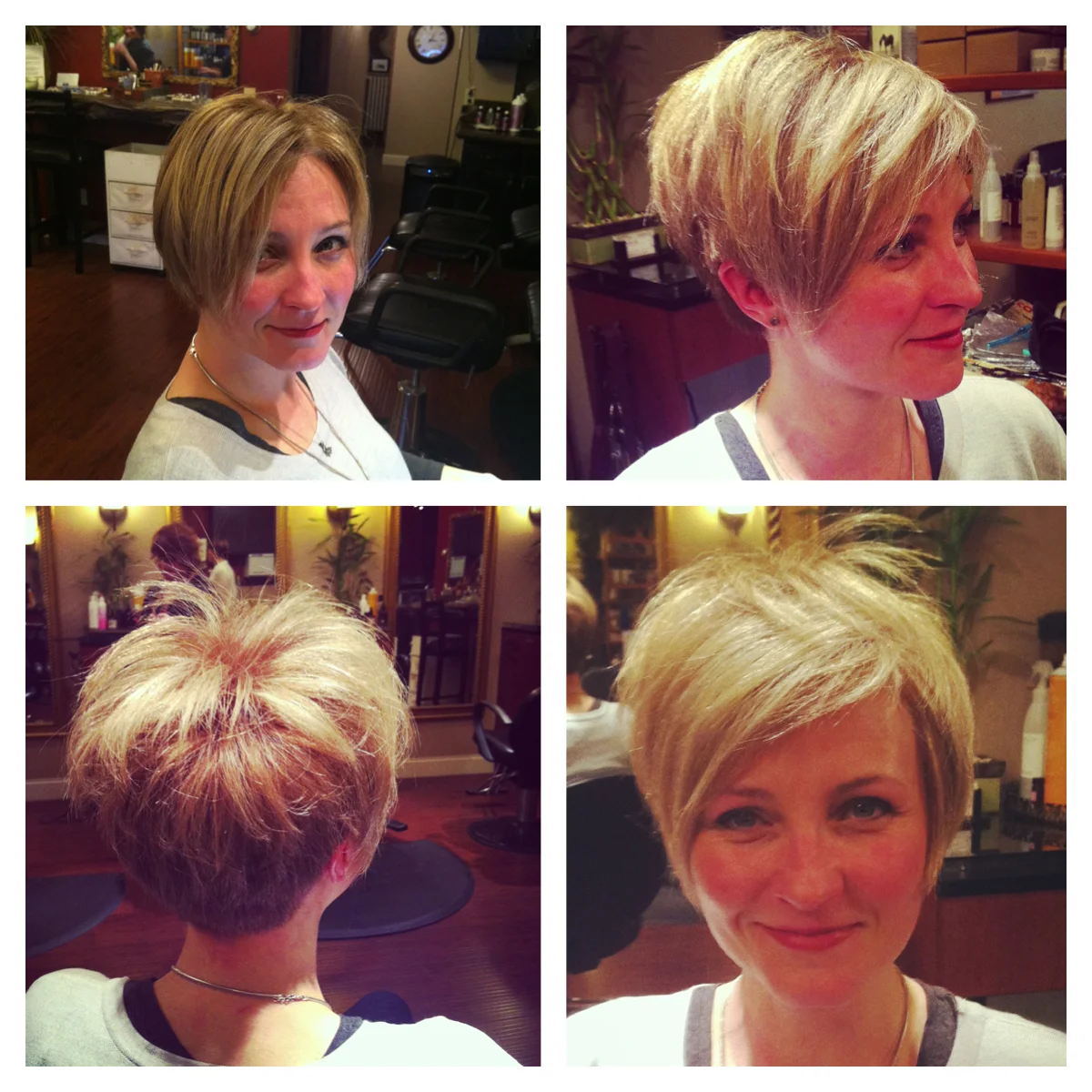
Styling for Hair Loss:  Part your hair on the side instead of down the center, wear it back in a loose ponytail  or high bun without a part.  Keep the cut blunt with a possible bang to break up the shape.   Color your hair so it more closely matches your scalp color.

 Contact Kasia Organic Salon for gentle hair care that will assist you through any stage of hair loss.  612.824.7611

References:  Abigail Cuffey

Aging Hair and How It Turns Gray: Hair Lingo and the Stress Connection

223139356507635779_emFMDWD1_b1.jpg


Ready for some hair lingo?  

The researchers examined cell cultures of hair follicles. Results showed that our hair naturally produces hydrogen peroxide (a powerful bleaching agent), which catalase (an enzyme) usually breaks down into water and oxygen. In aging hair, catalase levels are lower, so hydrogen peroxide isn’t broken down and builds up in the hair follicle. That build-up leads to damage.

Normally, other enzymes (MSR A and B) can repair that damage, but their levels also dwindle as we get older. The combination of high levels of hydrogen peroxide and low levels of MSR A and B disrupts another enzyme (tyrosinase) that creates melanin (the pigment that gives your hair color) and blocks it from coloring your hair. “Gray hair” is simply hair without pigment.

In plainer terms: Hydrogen peroxide literally bleaches the color out of aging hair.

Beauty connection
When older women bleach their hair, the effect isn’t quite the same as it was when they were young. Hydrogen peroxide can interact with the dye, making hair color much harder to manipulate. Understanding why hair grays is prompting scientists to test chemical reactions that might unlock the fountain of youth, or the ability to reverse graying!
Stress and your B's

We know that stress uses up vitamin B, and experiments with black rats deprived of B vitamins resulted in their hair going white.

Similarly, some studies in humans have shown that certain B vitamins taken in large doses can begin to reverse the process of greying. Japanese research suggests that hair follicles are susceptible to the same sort of stresses that damage DNA.

This type of stress, known as oxidative stress, is caused by exposure to cigarette smoke, UV light and pollution. There is also an association between emotional stress and oxidative stress, which means that the GHOSTS blaming their grey hairs on stress might have a point.

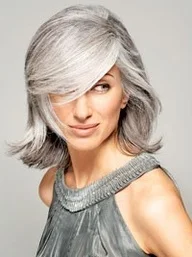
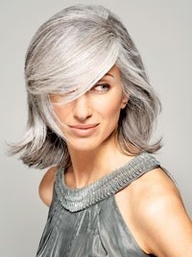
Call Kasia Organic Salon today to consult on what looks best on YOU as you start to gray. 


Reference:  http://www.youbeauty.com

Why Kasia Products are Formulated with Aloe Vera


We LOVE Aloe!    Most beauty companies use water as a base but Kasia Organics has a performance standard of using certified organic Aloe Vera gel as our product base whenever possible.

Known as the miracle plant, aloe is

*Rich in over 200 biologically active substances, including 75 nutrients, 20 minerals and 12 vitamins.  *Contains elements that are essential to cellular healing, renewal and growth. *Delivers amazing antibacterial, anti-viral and antiseptic properties. *Naturally effective solution to help alleviate the symptoms caused by skin and scalp conditions such as acne, dandruff and seborrhea.

We love aloe's ability to be a soothing agent in our shampoo, conditioner, leave-on's, moisturisers, and serums.

The structure and chemistry of Aloe shows us why this plant is such a good moisturising agent – it’s the polysaccharides or sugars that are most dominate predominate. These sugars are hygroscopic (water-loving. When paired with a sugar structure, they are both substantive and moisturising to the skin.   Some chemists say aloe contributes a  ‘the raincoat effect’  i.e:  You put on a raincoat in a storm and you stay warm and dry, a warm and dry body is less likely to catch a cold and so you stay well.  The" raincoat" protects and preserves what you have already.   Essentially aloes moisture   protects and preserves the skin so that it can remain (or return to) optimum condition.

 Aloe and the Issue


Hair Loss

  • Aloe vera has been heralded as a treatment for hair loss, due to many of the vitamins and minerals found within the plant mimicking the chemistry of the human body. In addition, chemicalscan hasten hair loss, so eliminating hair products with harmful ingredients will allow damaged hair follicles to heal. For an at-home treatment, pour a small amount of an herbal shampoo into a bowl and add two times the amount of aloe vera gel (for best results, use a 100 percent stabilized aloe vera gel vs. the actual aloe vera plant.)

Hair Growth

  • In addition to halting hair loss, aloe vera is believed to promote the growth of new hair. Aloe vera balances PH levels and stimulates scalp enzymes, which in turn prompts hair growth. To gain this benefit, massage aloe vera into the scalp and leave in for 30 minutes before rinsing. Over time, the scalp will shed the dead hair follicles and new hair follicles will grow in their place.

Dandruff

  • People who suffer from dandruff, which is characterized by a flaky, itchy scalp, should consider aloe vera for relief.  Causes of dandruff include stress, diets high in sugar and low in fats, excessive blow drying and shampooing hair in hot water. Aloe vera gel straight from the leaves of the plant can be rubbed on the scalp, left in overnight and shampooed out the following morning.

It's our promise to continue using  Aloe when appropriate for its soothing and moisturizing power in our Kasia formulations.

Reference EHOW:  Uses of Aloe Vera for Hair Care | eHow.com http://www.ehow.com


7 Hairstyles That "Cut" Years Off!

woman-red-head-middle-age1.jpg

Ladies, feel free to put down the face creams for a quick second. We have another age-defying secret that might have you running to your hairstylist once we’re finished here! Sure – moisturizing, exfoliating, masques, toners, etc. all have the power to work wonders when it comes to turning back the clock, but they can only go so far. No matter how old you are and how much attention you’ve given your skin, if you have the wrong haircut, it can age you years. With that being said, having the right cut and style can erase those years significantly.


1. Bobs. This hairstyle has major benefits in regards to keeping you looking fresh-faced. The Bobs these leading ladies are rocking are edgy and sassy, and most importantly, youthful. Cuts from your shoulders up have lifting effects and work great with your bone structure, ensuring a more youthful look.

bob hairstyle

2. Layers. Face-framing layers soften up your facial features and reduce the appearance of fine lines. They also give your hair a lot of movement which subtracts the years. Jennifer Aniston is the perfect spokeswoman for layers! She has proven the “Anti-Aging Layer Theory” to be true for years and still looks unbelievably stunning! For more on layers, we have the complete “low down”. Aniston included!

Jennifer Aniston hair

3. Bangs. Long and sweepy bangs can help hide Crows Feet around the eyes. The style should be long and piecey across the forehead and brush the outer corners of the eyes, which can mask the wrinkles. Also, eyebrow skimming bangs mask forehead wrinkles and play up the eyes.

bangs

Reese opts for the eyebrow skimming bangs to hide forehead wrinkles, while Rebecca Romijn goes for the sweepy bang to mask Crow’s Feet.

4. Highlights. Warm highlights around the face bring out the radiance of your skin tone and make it glow. It creates luminosity and gives off the illusion of lift. However, be cautious of the contrast between your skin and hair color. If your hair color is too dark, it can accentuate every line and wrinkle. If your hair color is too light and ashy, it can wash you out, aging you even more. A good warm/caramely hue will brighten up your appearance, and mask any damage that time has done on your locks.

hair highlights

Cameron Diaz and Julia Roberts look radiant with warm, golden highlights.

5. Loose updos. Need a chic updo for a work event or night out on the town? Might want to skip out on the slicked-back, polished look and trade it in for a loose, messy updo. Slicking all of your hair back is a harsh option if you’re trying to disguise the fine lines. It puts all of your wrinkles on full display. Instead, let the strands hang down and try a loose, piecey updo for a sexy and more relaxed look. It makes you appear much younger! (To take your updo to the next level, we’ve got the best earring choices to compliment them!)

Heidi Klum hair

Hair Icon, Heidi Klum is proof that a more relaxed updo can make the years dissapear!

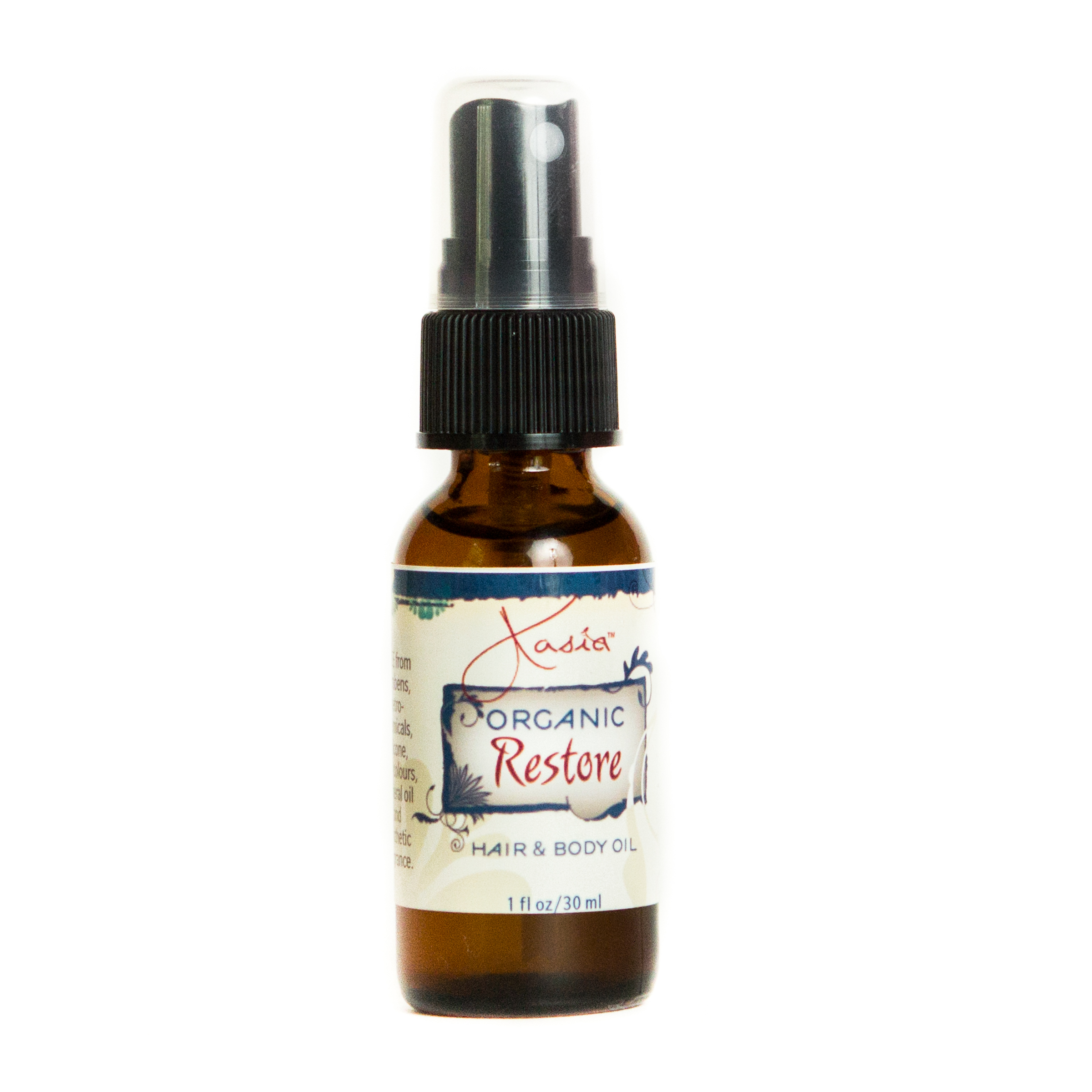
6. Shine. Shiny locks make your hair look nourished and healthy, making YOU look youthful. As we age, our hair loses its lustre. But worry not! You can easily wake your tired strands from hibernation with a great shining serum. We love the Kasia Restore Hair Oil.  It envelopes your hair in a gorgeous,  shine while simultaneously protecting it from heat damage.

7. Soft curls. Similar to layers, the softness of curls can even out the appearance of lines or wrinkles on the face. It also gives your hair a natural, youthful bounce and movement. Take cue from Julianne Moore, who could very easily be mistaken for Lindsay Lohan (circa 2004) in this picture. That’s over half her age, you guys! Not to mention her warm hair color compliments her skin perfectly, which shaves more years off. Need we say “Moore”?

Julianne Moore

With these tips, you now have even more ammo in your arsenal to combat aging! Now what are you waiting for?!    CHOP to it!


Reference:   mybestfriendshair.com

Are You Really Eating These in Your Supplements? What Are Excipients?

images-10.jpg

How do you know if an ingredient is synthetic? If you can not recognize it as something you can pick in nature, it is often synthetic. For instance, you can not pick 100mg of Vitamin B-1 in nature. It's usually made in a laboratory. But plants, herbs, algae, grasses, etc... are natural foods rich in vitamins, minerals and amino acids.  Routine Contamination - over 60% of the herbs currently used in nutritional products in the U.S. have been either fumigated, irradiated or contain significant pesticide/insecticide residues - including even many organic herbs.

What Are Excipients?

 Excipients are binders, fillers and “glues” that are typically non-nutritive substances in nutritional products. These substances often test toxic.

Would you want to consume anything that is not nutritive?

We believe it is unnecessary to take nutritional products that have questionable, potentially toxic, non-nutritive excipients.

Please note: Tablets ALWAYS contain excipients (that is how they are made; they cannot be made without them); therefore, it is wisest to especially avoid nutritional products as tablets.

Just a few examples of questionable excipients commonly found in nutritional products:

Magnesium stearate -- a cheap lubricating agent; research shows it to be immune-compromising

Methyl paraben -- a benzoate family member; a known cancer-causing agent

Microcrystalline cellulose -- a cheap filler

Silicon dioxide -- a cheap flowing agent (common sand)

Natural flavors -- an AKA for MSG (monosodium glutamate), a well known neurotoxic agent

Methacrylic copolymer -- methacrylic acid, a component of the methacrylic acid copolymer, has been reported to act as a teratogen in rat embryo cultures.

Triethyl citrate -- a plasticizer

Titanium dioxide -- used for color; liver toxic

Corn starch -- typically from cheap GMO corn; can invoke allergic responses

Talcum powder -- a common excipient rarely not listed on product labels; a suspected carcinogen

Other Questionable but Common Tableting and Encapsulating Agents

  • D&C red #33
  • Propylparaben
  • Hydroxypropyl methylcellulose
  • Hydroxypropyl cellulose
  • Polyethylene glycol
  • Red ferric oxide-orange shade
  • Methyl p-hydroxybenzoate
  • Propyl p-hydroxybenzoate
  • Sodium acetate
  • Methylparaben
  • Sodium metabisulfite
  • Eudragit

Are You Really Eating These in Your Supplements?

Common Tableting and Encapsulating Agents

Povidone (polyvinylpyrrolidone or PVP): PVP is a synthetic polymer used as a dispersing and suspending agent in virtually all encapsulated nutritional supplements; considered to be a potential carcinogen.

Magnesium Stearate: This commonly used excipient can be made from animal or vegetable sources. It is used as a flowing agent and lubricant. It is insoluble in water and may hinder the absorption of nutrients. Research shows it suppresses the immune system.

Maltodextrin: A refined sugar obtained by the hydrolysis of cornstarch. It is used for flavor, as a texturizer and bulking agent. Maltodextrin may contain free glutamate (MSG), which occurs as a result of processing. MSG is a known neurotoxin.

Cellulose Starch: A starch made from plant material that is used as filler, binder and disintegrant. Starches processed from corn contain free glutamate (MSG), resulting from processing. MSG is a known neurotoxin.

Silicon Dioxide: Silica is a transparent, tasteless, powder that is practically insoluble in water. It is the main component of beach sand and is used as an absorbent and flow agent in supplements. It may hinder digestion or the uptake of other nutrients and deplete HCL.

Resin: Resins are used as binders and aid in water resistance. They may be of plant or synthetic origin and are used in lacquers, varnishes, inks, adhesives, synthetic plastics and pharmaceuticals. Synthetic forms include polyvinyl, polystyrene and polyethylene. Toxicity is dependent on the ingredients used in the manufacture of the resin.

Dicalcium Phosphate: A mineral complex of calcium and phosphorous that is commonly used as a tableting aid, filler or bulking agent. Phosphates can induce the same symptoms as MSG in those who are extremely sensitive to MSG.

Polysorbate 80: A non-ionic surfactant that is a polymer containing oleic acid, palmitic acid, sorbitol and ethylene oxide and is formed by microbial fermentation. It is used as an emulsifier, dispersant or stabilizer in foods, cosmetics, supplements and pharmaceuticals.

Titanium Dioxide: This is an inorganic, white, opaque pigment made from anatase (metallic mineral) that is often used in supplements as a whitening agent. Titanium dioxide is a pro-oxidant. It is also used in paints and coatings, plastics, paper, inks, fibers, food and cosmetics.

Polyethylene Glycol 3350: This excipient is used as an emulsifier, binder and surfactant. It improves resistance to moisture and oxidation. Polyethylene is a polymerized ethylene resin and glycol is a dihydric alcohol.

Pharmaceutical Glaze: This is actually shellac used to coat vitamin tablets. Shellac is insoluble in stomach acid and supplements coated with shellac are difficult for the body to break down and assimilate.


Learn more about Premeir Research Labs.  Kasia Organic Salon stands behind PRL's extensive research and known credibility for being the cleanest and best on the market!  Results!  Learn more HERE! 

Reference:  http://www.totalhealthsecrets.com

// User Icon Setting (may be set to BLACK, WHITE or NONE):