Hair

Save Big! HIGH Impact Express Treatment and "ON THE MEND" Blow Out

8_blow-out-beautiful.jpg

Express "ON THE MEND" Blow Out

*Formaldehyde-Free, Thio-Free, Sodium-Hydroxide Free*

Snap up these special offers and step into spring with healthy, gorgeous locks!


Condition, strengthen, heal, and maximize the manageability of any hair type with ....

Kasia Organic Salon's Express Keratin Treatment! 

Whether you struggle with unruly, frizzy locks or limp, lifeless hair, this nourishing treatment will whip your hair back into shape without the harsh chemicals found in conventional treatments. Keratin, peptides and silk proteins combine to produce smoother, shinier and healthier hair - instantly! Added bonus: less time heat styling required to maintain a sleeker look. 
 

In a rush? This HIGH impact treatment takes only 30 minutes and just 10 minutes added on to your color service. 

 blow-out-beautiful
 
Special Price: 
With color - $29
Without color - $40 
 
 
***Because of the gentle formulation of our color line, there is a much less stark line of demarcation while your gray is growing in, allowing you to stretch out your retouch one to two weeks longer than with conventional dyes.


NEW time and money saving BEAUTIFUL HEALTH offerings just for you!

RETOUCH & RETOUCH EXPRESS 

 
Feel glamorous always, while maximizing your hard-earned time and money. Our Retouch and Retouch Express services provide a quick touch up for our no-fuss, on-the-go clients. 
busywoman
 
Added Bonus: they save money too! 


Learn more about our Retouch services HERE! 


Do You Wonder? "Why doesn't my hair grow past a certain length?"


"My hair won’t grow past a certain length."

hair loss

We hear it often at Kasia, and it is our goal to educate our clients on how to best treat their hair at home and to prescribe the supportive products that nourish the hair and build it up over time.

The stunted growth can be contributed to a number of reasons. Quality nutrition, ammonia color (more damaging) over-processing, over-heating with irons, and even cutting it too often are all factors to consider if your hair isn’t growing longer.

For the most part it’s not that your hair isn’t growing, but that it’s breaking off. No matter how good your diet, if your hair is frequently snapping off at the ends the length will be affected. Hair grows about half an inch a month, so, if your hair is breaking approximately that much in the same time period, it will stay the same length. This hair breakage can be caused by the incorrect and frequent use of straightening irons, and curlers. Using a hair-dryer without a protective serum/spray, using uncovered elastic bands, or brushing your hair too often or too roughly.

All of these processes can cause your hair to lose excessive amounts of moisture,  causing dryness, brittleness and loss of elasticity, which lead to breakage.


The way to minimize this breakage is to use products that will infuse moisture back into the hair shaft and products that protect your hair.  Using nurturing shampoo and conditioner is vital for not stripping the hair.


How often should I cut my hair?

In 8 weeks, your hair will grow approximately 1 inch. Therefore, you will not want to cut more than 1/2 of an inch every 2 months. It is important to keep the ends of your hair in good shape.


Quality Nutrition

Diet is another reason for hair not growing past a certain length. Low ferritin levels can affect the growth cycle of hair, especially in women.  Ferritin is your body’s iron storage. It can have a profound impact on the health of your hair as good levels of ferritin optimize hair growth. A lack of ferritin can result in the hair moving out of the ‘growing phase’ and into the ‘shedding phase’ sooner than it should.

Ferritin levels should be over 80 for optimum hair growth. Anything below this can result in your hair falling out before it has reached the desired length. An under active/overactive thyroid can also do this.  Over 40% of women have a deficient thyroid.  Getting your thyroid and iron levels checked is also a good idea if your hair isn’t growing past a certain length.

Vitamins B12 and Zinc are also vital when it comes to hair length and texture. Insufficient levels of zinc can lead to brittleness and breakage. Adequate protein intake is important for quick energy for the body's ability to manifest energy and growth.    consult your Doctor before taking any supplements as too much of any vitamin/mineral can be detrimental to your health.


Kasia Prescribed!

Re-Plenish Ultra-Hydrating Shampoo & Conditioner

Get rich quick!  Sea kelp, aloe and shea bring urgent repair to hydrate, restore shine, strengthen, and define curls. Vitamins E and C are powerful antioxidants to repair and protect. Chamomile, comfrey and calendula revitalize the hair, while also strengthening its roots. 100% pure essential oils.replenish

“Off the Fritz” Hair Sealer

Add instant manageability and shine to your tresses with this ultra-lightweight, 96% organic spray, all while protecting it from heat damage, frizz and humidity, coloring and environmental pollution.


Kasia Restore Hair Oil

A lightweight powerhouse, this ultra-versatile hair oil is silicone-free and absorbs instantly, giving your hair a healthy, brilliant shine. Made with cold-pressed fresh and organic oils, it’s a rich elixir that harnesses the power of Black Cumin seeds, Rosemary and Carrot Seed oil to smooth away frizz while protecting hair from damage. It’s perfect for all hair types and colored hair


Kasia-logo_roundJPGThe Kasia Organics “Informed Beauty” Promise:

We always use: the finest, all-natural ingredients that not only nourish the body but awaken the senses and promote healthy, safe living through informed beauty. The result: radiant, restored skin and hair.

We never use: parabans, petro-chemicals, phthalates, artificial preservatives, lauryl sulfates, artificial colors or dyes, synthetic fragrances, wasteful fillers or animal testing—unhealthy junk your body doesn’t need!


The Progesterone and Hair Loss Connection

At Kasia Organic Salon, we focus on the direct correlation of our inner health to the outside appearance.  Hair loss is one area we have a specialty in.  We help our guests by problem solving the internal issue, offer supplementation (including progesterone, etc) if needed, and by referring our "Informed Beauties" to the right professionals to obtain testing.  There are many alternative treatments that acclaim solving the treatment of hair loss, including progesterone therapy.

Basic:  Causes of Hair Loss

The most common form of hair loss is androgenetic alopecia or baldness. Skin disease is a major contributor of hair loss on the scalp, the integument of the head and sometimes elsewhere on the body. Premature baldness can be caused by inadequate nutrition. Nutrient deficiencies can cause sudden increase in hair fall. The condition of hair loss could also result from certain health problems, such as thyroid disease. Since hormones stimulate hair growth and hair fall, fluctuations in hormone levels have much impact on hair loss.

 images

What causes hair loss in menopause?

The most common reason for menopausal hair loss is hormonal. The menopause is a time of massive hormonal changes and imbalance which affect the entire body, including hair growth. During a woman’s childbearing years, her body produces high levels of estrogen, the ‘female hormone’;  when the body reaches menopause, the production rate of this hormone is slowed down dramatically.

What Causes Hair Loss in Menopause?

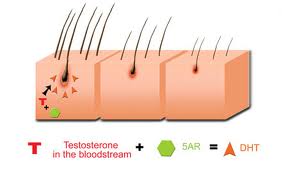
As a result testosterone in the bloodstream is more easily converted into the potent dihydrotestosterone, or DHT, which is the key catalyst in female pattern hair loss. DHT clings to hair follicles, causing them to shrink and ultimately stop growing. In women, this manifests as a general thinning of the hair across the crown of the head.

The hormonal process which can cause female hair loss begins in perimenopause, the pre-menopausal stage. This can begin as early as the late thirties, although the early forties are more common. Consequently, it is not uncommon to experience some thinning of the hair, even before the end of your life’s menstrual cycle and the official onset of menopause.

It has been noted that menopausal women are also more likely to be subject to external stress factors which may further increase the risk of hair loss, such as the death of a parent. In some cases, the menopause can also mask hair loss caused by a thyroid condition. The symptoms of menopause and thyroid are remarkably similar and those concerned should seek medical advice from their GP to ensure they are receiving the correct treatment for the right condition.


HORMONE KING:  Progesterone

Progesterone is a female steroid sex hormone. It is secreted by the female reproductive system, chiefly by the ovaries in the second two weeks of the menstrual cycle. Progesterone is crucial to the health of everyone regardless of sex or age. It regulates menstrual cycle in women. In fact, progesterone can be used to correct physiological changes that occur in menstrual cycle.

22094778

Significance of Progesterone in Hair Loss

Progesterone is an important hormone produced by the female body. Progesterone also serves as a precursor in the production of other important hormones, including estrogen and cortisone. Progesterone-based hormone therapies can also be effective in treating hair loss. Progesterone inhibits an enzyme, 5-alpha reductase. Progesterone prevents the conversion of testosterone to dihydrotestosterone or DHT that is a biologically active metabolite in the body. DHT is considered to be responsible for damaging hair follicles and an important factor in hair loss.


DHT Blocker  (cause of hair loss is the abundance of DHT) dht

Progesterone is a natural inhibitor of 5-alpha reductase, an enzyme in steroid metabolism. A rich source of 5aR or 5-alpha reductase is found in human scalp hair follicles. Progesterone works by reducing dihydrotestosterone or DHT through blocking 5-alpha-reductase. The hormone must consistently fight against the 5-alpha-reductase. The production of DHT can be resumed, if the treatment discontinues.

Progesterone Cream

A variety of hair loss products are available at pharmacies, health food stores and online that incorporate progesterone as the main ingredient. Progesterone cream is an effective treatment for hair loss.  Progesterone cream is easy to use and a good remedy for hair loss and quick hair growth. Men can also get benefit from progesterone cream.


How To Prevent Hair Loss During Menopause

Menopause is a term used for the stage when a woman stops menstruating. There are many types of side effects associated with menopause and hair loss is one of them. About 60-70% of women report hair loss when they enter menopause stage.

Loss of hairs during menopause occurs largely due to hormonal changes occurring in the body of a female. For example, when a woman enters menopause, levels of estrogen hormone decrease in body whereas levels of testosterone, which is a male hormone, increases in the body.

Due to excessive levels of testosterone in the body, hair follicles are affected considerably and as a result, hair loss occurs. Apart from hormonal changes, there can be other changes also which aggravate hair loss. For example, a woman in menopause may lose hairs as side effects of certain medications. Similarly, stress can also be a reason for hair loss. Whatever is the reason, loss of hairs destroy looks badly. Most of the women also report about lower self-esteem due to loss of hairs.

How To Prevent Hair Loss During Menopause

There are certain ways in which loss of hairs during menopause can be prevented. First of all, a woman must try to take healthy diet, as poor nutrition has been cited as one of the major reasons for loss of hairs.

images-1-1

A woman must ensure that she is taking adequate quantities of essential vitamins, proteins and minerals, which are very important for staying healthy. For example, her diet must include rich sources of calcium, iron, vitamin B, vitamin C, vitamin D, vitamin E, and copper. Omega-3 fatty acids are also considered as important for having a healthy body. Deficiency of any of these nutrients can lead to loss of hairs.

There are some food substances that affect the body adversely and thus, their consumption must be checked. For example, consumption of excessive quantities of processed and refined carbohydrates leads to production of large quantities of insulin in the body. In the presence of increased insulin levels, testosterone hormone is also secreted in large quantities and as a result, loss of hairs occurs. Thus, a woman must check consumption of refined carbohydrates.

It has been noticed that for reducing weight, many women go for crash dieting. Though crash dieting can help in reducing weight, it also leads to deficiency of certain nutrients in the body. For example, if a woman does not consume enough quantities of proteins in her diet, loss of hairs may get aggravated.

On the other side, diet rich in protein helps in checking loss of hairs. If a woman is already experiencing problem of thinning hairs, she must not go for crash dieting, as it can lead to increased loss of hairs. Rather, she should consume healthy diet and should carry out regular exercises.


Contact Kassandra today to discuss the benefits of Gesterone and Pregnenolone - 2 KING hormonal balancing products for overall women's health, as well as the health of your SKIN AND HAIR!    YOUTHIIFY @ 612.824.7611


THANK YOU!  Reference:  By Jennifer McVey RD, LD

Caramel and Honey- Color of the Moment

283714ebcb77bac7a2fca46d8a440ea5.png

Spring is on the way and most clients want to hit the BLONDE button.  As we dance light blondes around the face, CARAMEL is still in.

Rich, warm, delicious caramel tones add color and a healthy tone to the face.   Our Ammonia Free/PPD Free  color achieves a rich all-over color, wonderful dimension, and lasting true-to-tone longevity.     Step away from ash undertones and embracing the richness of warm tones with their shimmering golden nuances.

Goldi-Locks and Caramel.....

 adc17bba0bd3dc57e3a28bbe110fc4f2 283714ebcb77bac7a2fca46d8a440ea5

 Have your stylist add highlights and/or lowlights in golden honey or deep cinnamon to really make your caramel color pop.

Or if you already have a medium to dark-brown base try face-framing caramel highlights for an instant perk up to your usual treatment. Braided hairstyles really help capture the subtleties in the dimension of this color. Style a headband, milk maid braids, or a fishtail at one side.

As an all-over color, caramel is a happy medium between a dark-blonde and medium-brown.

Contact our team today to fine tune your goldy locks for spring!  612.824.7611

Be Inspired and Get Banged!

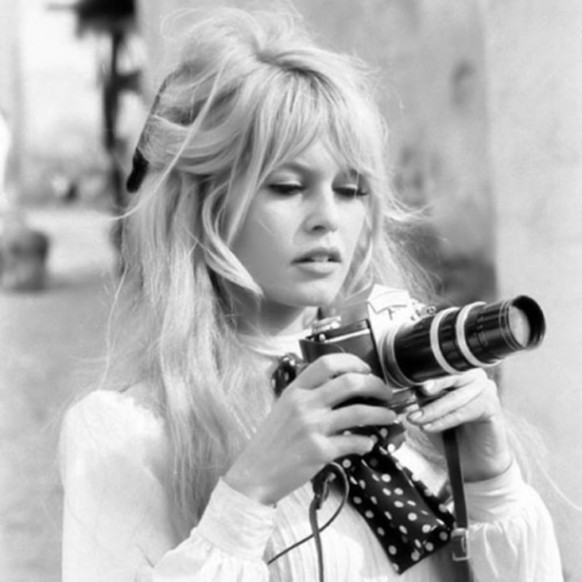
bardot-with-camera-582x582.jpg

 On the Verge of Kitchen Snippen'?

The era of choice for myself is surely the inspiration of the iconic seventies.  From Brigitte Bardot to Twiggy!  If you are obsessing with those kitchen drawer scissors - be inspired by the following  Sixties  singer/style icons:   Françoise Hardy, Brigitte Bardot, Anita Pallenberg, and others.

bangs Anita Pallenberg Keith Richards Resting Outside A Cafe' bardot-with-camera-582x582 christianbrylle-vman0-582x582 francoise-hardy-motorcycle-582x582


Photos from "Into the Gloss" - Thank you!

Is Hair Loss During Menopause Permanent?

Specializing in hair loss and gray hair at Kasia Salon, this is a common fear behind the chair. Unfortunately, the menopause triggers hair loss in around 50% of women.  It may seem like there is no hope, but the answer is NO!  When going through menopause, hair loss doesn’t have to be permanent.

The root causes of hair loss  are often the same variables.   During menopause, these variables become highly intensified through a variety of imbalances in the body, including high stress levels, your unique genetic makeup, and general health.

The Major Shift During Perimenopause

By a rapid increase in your androgen-to-estrogen ratio, the body starts producing relatively more images-2androgens (such as testosterone) and less estrogens than you were before, which can lead to more hair in places you don’t want it and less hair on your head.

Nutrition Matters

In order to prevent loss of hair in menopause, good nutrition and supplementation is foundational.   Hair loss can sometimes occur when you aren’t getting enough vitamins and minerals through your diet. Also, if your diet is heavy in refined carbohydrates, your body has to increase insulin production. With this increase in insulin, your system tends to move toward higher androgen production. One way to regain balance is through improving your  nutrition and adding endocrine support.

Certain herbs, such as Ginkgo biloba, are believed to increase blood flow to the scalp and help keep hair follicles healthy and growing, as can massage and acupuncture, though these do not seem to work equally well for everyone.

Supporting Minerals

Although hair is made primarily of keratin, it also contains several minerals and the root containing the follicular development contains further vitamins and minerals that support the development of the hair. Increasing your consumption of the amino acids that increase hair growth alone is not enough. You also need to increase your consumption of the supporting vitamins and minerals.

Hair-healthy nutrients

  • vitamins B, C, D, and E
  • calcium, magnesium, copper, zinc, and iron
  • fish oil with essential fatty acids
    • Top 10 foods for your hair

According to WebMD, these 10 healthy foods are chock full of vitamins and minerals that support healthy hair growth and a well-nourished scalp:

    1. Salmon: Omega-3 fatty acids, protein, vitamin B-12 and iron
    2. Dark green vegetables: Vitamins A and C
    3. Beans/lentils: Protein, iron, zinc and biotin
    4. Nuts: Omega-3 fatty acids, zinc and selenium
    5. Poultry: Protein and iron
    6. Eggs: Protein, biotin and vitamin B-12
    7. Whole grains: Zinc, iron and B vitamins
    8. Oysters: Zinc
    9. Low-fat dairy products: Calcium and protein
    10. Carrots: Vitamin A

Nurturing your health from the inside out, including your emotional health, should improve the quality and quantity of your hair, as well as your overall quality of life!

Kasialogo HOLISTIC APPROACH TO HEALTH AND BEAUTY

Kasia Organic Salon is a leading pioneer in healthy beauty to fit your lifestyle. Follow us to ammonia-free /MEA/PPD Color, organic facials, and natural and organic products that support your life.

Learn how diet, products and environmental factors can rob us of our radiance and how to easily incorporate an "Informed Beauty" lifestyle to restore our outward beauty from within.

Contact Kassandra at Kassie@kasiaorganicsalon.com today for your hormone + health questions!

Spring is in the Hair...New Short Hair Trends at Kasia!

Are you feeling the itch?  The BOB is back in for spring 2013!  There are many variations and lengths of a "bob."   To prove it - here are two recent brave trend starters!  May you be inspired -- Informed Beaute!

Mimi (young and busy mother) needed a change!  I started by cutting 4 inches off her hair for her before photo.   Mimi has fine and thinner hair - this is a GREAT testimony that with a little color, a great cut with layers, and some shaping - her hair appears thick and full of movement! 

mimi


Steph felt as though her long hair was keeping her plagued to her high school days. This cut updated her shape and gave her a professional style!

steph

 Reach our team at 612.824.7611 to book your appointment!

How The Condition of Your Hair is an Inner Reflection of Your Health

intergen350.jpg

With a love in biochemistry and the passion of a salon owner, our hair says a lot more about us than how closely we follow the latest styles.  In fact, the health of our hair and scalp can be a major tip-off to a wide variety of health conditions. Our hair responds to stress, both the physical stressors of disease and underlying health issues, and psychological stress.

Here are 8 RED FLAGS that tell you it's time to pay more attention to the health of your hair -- and "Beautiful Health."

 

generationalwomen

Red flag #1: Dry, limp, thin-feeling hair

What it means: Many factors can lead to over-dry hair, including hair dyes, hair blowers, and swimming in chlorinated water. But a significant change in texture that leaves hair feeling finer, with less body, can be an indicator of an underactive thyroid, known as hypothyroidism. Some people conclude that their hair is thinning because it feels as if there's less of it, but the thinning is due more to the texture of the hair itself becoming finer and weaker than to individual hairs falling out (though that happens too).

More clues: Other signs of hypothyroidism include fatigue, weight gain, slow heart rate, and feeling cold all the time, says Raphael Darvish, a dermatologist in Brentwood, California. In some cases, the eyebrows also thin and fall out. A telltale sign: when the outermost third of the eyebrow thins or disappears.

What to do: Report your concerns to your doctor and ask him or her to check your levels of thyroid hormone. The most common blood tests measure the levels of thyroid-stimulating hormone (TSH) and T4. It's also important to keep a list of your symptoms -- all of them.

"A doctor's visit is best to work up this problem; he or she may choose to do a thyroid ultrasound and a blood test in addition to an examination," says Darvish.

Red flag #2: Scaly or crusty patches on the scalp, often starting at the hairline

What it means: When a thick crust forms on the scalp, this usually indicates psoriasis, which can be distinguished from other dandruff-like skin conditions by the presence of a thickening, scab-like surface, says Lawrence Greene, MD, a spokesperson for the National Psoriasis Foundation. Psoriasis is the most common of all the autoimmune diseases and occurs when the skin goes into overdrive, sending out faulty signals that speed up the turnover and growth of skin cells.

More clues: Psoriasis, which affects nearly 7.5 million Americans, often occurs in concert with other autoimmune diseases such as Crohn's disease, lupus, and rheumatoid arthritis. If you have another autoimmune disorder, it's that much more likely you'll develop psoriasis. In turn, the discovery that you have psoriasis should put you on the alert for more serious conditions. Up to 30 percent of people with psoriasis develop a condition called psoriatic arthritis, which causes painful swelling of the joints.

What to do: There's a long list of ingredients that help relieve psoriasis, and treatment is often a process of trial and error. Topical treatments include shampoos containing coal tar or salicylic acid, and creams or ointments containing zinc and aloe vera. Hydrocortisone cream works to relieve inflammation. Prescription creams include vitamin D, vitamin A, and anthralin. Many patients also have great success treating the scalp with UV light therapy, and systemic medications such as cyclosporine work better for some people than topical medications.

It's a good idea to see a dermatologist for help sorting out the various treatments, rather than trying to do it on your own. One thing to keep in mind: Psoriasis puts you at increased risk of diabetes, heart disease, hypertension, certain types of cancer, metabolic syndrome, obesity, and

Red flag #3: Thinning hair over the whole head

What it means: It's normal to shed approximately 100 to 150 hairs a day, the result of the body's natural turnover. It's when you notice considerably more hairs in your brush or on the towel after you shampoo -- or when hair appears to be coming out in clumps -- that it's time for concern. One common cause: a sudden psychological or physical stressor, such as a divorce or job loss. Another: having a high fever from the flu or an infection. Diabetes can also cause hair to thin or start to fall out suddenly; some diabetes experts say sudden hair thinning or hair loss should be considered an early warning sign that diabetes is affecting hormone levels.

A number of medications also cause hair loss as a side effect. These include birth control pills, along with lithium and Depakote, two of the most common treatments for bipolar disorder. More rarely, tricyclic antidepressants such as Prozac, and levothyroid -- used to treat hypothyroidism -- cause thinning hair. Hormonal changes can also cause hair to thin, which is why both pregnancy and perimenopause are well known for causing hair to fall out, while polycystic ovary disease can cause both hair loss and overgrowth of hair, depending on how the hormones go out of balance. Thyroid disease, especially hypothyroidism, is one of the most common causes of hair loss.

More clues: Check for tiny white bumps at the roots of the hair; their presence suggests that this is temporary hair loss rather than male/female pattern baldness, says Chicago dermatologist Victoria Barbosa. Any medication that interferes with hormones can cause this type of hair loss; the list includes birth control pills, Accutane for acne, and prednisone and anabolic steroids. Physical stressors that can lead to temporary hair loss include iron deficiency anemia and protein deficiency; these are particularly common in those who've suffered from eating disorders.

What to do: If you have what experts call temporary hair loss -- to distinguish from hereditary hair loss, which is likely to be permanent -- you'll need to discontinue the medication or treat the underlying condition that's causing the problem. It can also help to take supplemental biotin, which has been shown to strengthen and thicken hair and fingernails, says Barbosa.

And while vitamin D deficiency hasn't been pinpointed as a cause of hair loss, research has demonstrated that taking vitamin D helps grow the hair back. "We don't know how vitamin D contributes to hair loss, but we do know the hair follicles need good levels of vitamin D to recover," Barbosa says. Recommended dose: 2000 IUs of vitamin D3 daily. In addition, talk to your doctor about getting your blood levels of iron checked for anemia, and take iron if needed.

Red flag #4: Overall hair loss that appears permanent, often following traditional pattern baldness

What it means: Both women and men are subject to what's formally known as androgenetic and androgenic alopecia. It's usually caused by a change in the pattern of the sex hormones, but diseases and other underlying conditions can cause this type of hair loss by affecting the hormones. In women, a derivative of testosterone is often the culprit, shrinking and eventually killing off hair follicles. Traditionally known as "male pattern baldness," this type of hair loss is often hereditary and is typically permanent if not treated with medication, says Larry Shapiro, a dermatologist and hair surgeon in Palm Beach, Florida.

Men's hair loss nearly always follows a pattern of thinning along the hairline, at the temples, and in the back of the scalp. Some women's hair loss also follows this pattern, but more typically women experience thinning over the entire head.

Diabetes also can cause or contribute to hair loss. Over time, diabetes often leads to circulatory problems; as a result, the hair follicles don't get adequate nutrients and can't produce new hairs. Hair follicles can eventually die from lack of nutrition, causing permanent hair loss.

More clues: Certain underlying conditions can cause this type of hair loss by altering hormones; these include thyroid disease (both overactive and underactive thyroid) and autoimmune disease, Shapiro says. Many drugs taken long-term to control chronic conditions can have a side effect, in some people, of causing or contributing to hair loss. They include beta blockers such as propranolol and atenolol, anticoagulants like warfarin, and many drugs used to control arthritis, Parkinson's disease, and other conditions.

What to do: If you suspect a medication is causing or exacerbating your hair loss, talk to your doctor about whether an alternative is available that's less likely to have that side effect. (But don't just stop taking your medicine.) Minoxidil, the generic name for the drug marketed as Rogaine, is the primary proven method of treating androgenic hair loss. It works by blocking the action of the hormones at the hair follicle. It's now available over the counter, so you don't have to have a prescription, and it's sold in male and female versions.

Some women find that taking estrogen helps with hormonally triggered hair loss.

Red flag #5: Dry, brittle hair that breaks off easily

What it means: When individual hairs litter your pillow in the morning, this typically indicates breakage rather than hair falling out from the follicle, says Chicago dermatologist Victoria Barbosa. Breakage is most frequently the result of hair becoming over-brittle from chemical processing or dyeing. "Bleaching, straightening, and other chemical processing techniques strip the cuticle to let the chemicals in, which makes the hair shaft more fragile," Barbosa explains.olive_oil_for_hair_growth-298x300

However, certain health conditions also lead to brittle, fragile hair. Among them: Cushing's syndrome, a disorder of the adrenal glands that causes excess production of the hormone cortisol. A condition called hypoparathyroidism, usually either hereditary or the result of injury to the parathyroid glands during head and neck surgery, can also cause dry, brittle hair. Overly low levels of parathyroid hormone cause blood levels of calcium to fall and phosphorus to rise, leading to fragile dry hair, scaly skin, and more serious symptoms such as muscle cramps and even seizures.

More clues: If the cause of your dry, brittle hair is an underlying health condition, you'll likely notice additional symptoms, such as dry, flaky skin. Overly dry hair also can signify that your diet is lacking in omega-3 fatty acids, which are found in salmon and fish oil, as well as many nuts and seeds, particularly flaxseed.

What to do: No matter what the cause of your dry, brittle hair, minimizing heat and chemical treatment are necessary for it to get healthy again. If an underlying condition is throwing your hormones out of whack and in turn affecting your hair, talk to your doctor. The symptoms of hypoparathyroidism, for example, are often reduced or eliminated with supplemental vitamin D and calcium.

Next, deep condition your hair to restore it to health. Hair oils can help restore flexibility to the hair shaft, Barbosa says; look for products made with natural oils such as coconut and avocado oil, which penetrate the cuticle, rather than synthetic oils made from petrolatum, which merely coat the hair. Take fish oil supplements to renourish your hair. And minimize breakage while you sleep by replacing cotton pillowcases, which tend to catch and pull at hair, with satin pillowcases, which are smoother.

Red Flag #6: Hair falling out in small, circular patches

What it means: The body's immune response turns on the hair follicles themselves, shrinking them and causing hair to fall out entirely in small, typically round patches. This kind of hair loss -- which experts call alopecia areata -- can also occur at the temples or at the part line. Diabetes can trigger the onset of such hair loss in some people. And it can continue to spread; in extreme cases, sufferers lose all their hair or lose hair over their entire body.

More clues: Alopecia areata can also cause the eyebrows or eyelashes to fall out, which in addition to the circular pattern can distinguish it from other types of hair loss. Alopecia areata is an autoimmune condition and has been shown to be more common in families with a tendency toward other autoimmune diseases, such as rheumatoid arthritis, early-onset diabetes, and thyroid disease.

What to do: The treatment most proven to work against alopecia areata is cortisone shots delivered directly into the scalp in the spots where the hair is falling out. "If you don't get steroid injections, the circular patches will get larger and more cosmetically noticeable," says California dermatologist Raphael Darvish.

Oral forms of cortisone and topical cortisone creams are also available, but topical cortisone is less likely to be successful unless it's a mild case. Many doctors will also suggest using minoxidil (brand name Rogaine) to speed the rate of regrowth. Treatment may need to be repeated a number of times over a period of months.

Red flag #7: Yellowish flakes on the hair and scaly, itchy patches on the scalp

What it means: What most of us grew up calling dandruff is now understood to be a complicated interaction of health issues that deserve to be taken seriously. Seborrheic dermatitis is a chronic inflammatory condition of the scalp that causes skin to develop scaly patches, often in the areas where the scalp is oiliest. When the flaky skin loosens, it leaves the telltale "dandruff" flakes.

Seborrheic dermatitis coexists in a "chicken-and-egg" relationship with a fungal infection caused by an overgrowth of a yeast that's normally present on our scalps and skin. The yeast organism, Pityrosporum ovale, takes advantage of skin already irritated by dermatitis and inflames it still more. Some experts now believe that the yeast overgrowth may occur first, setting off the inflammatory reaction of the dermatitis, but that hasn't been proven.

More clues: One way to differentiate seborrheic dermatitis from plain dry skin: When skin is dry, you'll typically also see dry, scaly skin between the eyebrows and by the sides of the nose, says California dermatologist Raphael Darvish. Also, seborrheic dermatitis tends to be seasonal, flaring up during the winter and disappearing in the summertime. It may be triggered by stress as well.

What to do: See a dermatologist to make sure it's seborrheic dermatitis. If so, "there are great prescription shampoos and creams that can correct this," says Darvish. The most effective treatment for yeast overgrowth is ketoconazole, a newer drug that works by damaging the fungal cell wall, killing the fungus. It comes in the form of pills, creams, or shampoo under the brand name Nizoral. However, as an oral medication it has many side effects, so if you and your doctor decide on an oral treatment, an alternative antifungal, fluconazole, is preferable.

To calm flare-ups as quickly as possible, Darvish recommends using a prescription steroid cream. However, long-term use of these creams can thin the skin, particularly on the face, Darvish warns, so doctors recommend using them in short-term doses known as "pulse therapy."

To prevent recurrence, it's necessary to get the skin back in balance, and many experts recommend garlic for this purpose. You can either eat lots of fresh garlic, which might annoy those in close proximity to you, or take a garlic supplement.

Red flag #8: Gray hair

What it means: Many people perceive gray hair as a red flag, worrying that it's an indication of stress or trauma. And history abounds with stories like that of Marie Antoinette, whose hair was said to have gone snow white the night before she faced the guillotine.

Experts tend to dismiss such fears and stories, explaining that how our hair goes gray or white is primarily influenced by our genetics. However, in recent years research scientists have reopened the debate. While they can't yet prove or explain it, many researchers now believe that stress may trigger a chain reaction that interferes with how well the hair follicle transmits melanin, the pigment that colors hair. Researchers are looking at the role of free radicals, which are hormones we produce when under stress, and studies seem to show that they can block the signal that tells the hair follicle to absorb the melanin pigment.

Other experts argue that a trauma or stressful event causes the hair to stop growing temporarily and go into a resting phase. Then when the hair follicles "wake up" and begin turning over again, a lot of new hair grows in all at once, making it appear that a great deal of gray has come in all at the same time.

More clues: The schedule and pattern by which you go gray will most likely follow your parents' experience. However, if you suspect stress is graying you prematurely, keep careful track of stressful events. People who experienced a traumatic event that they believe caused them to go gray have reported that their hair eventually returned to its former color.

What to do: If you believe that stress or trauma is causing your hair to go gray, boost your coping strategies by working on your reactions to stressful situations. Yoga and meditation, for example, are effective stress-management tools.

The Kasia Team is here to assist you in your daily hair care regime and further insight to WHIY any of these "red flags" may be showing up in your hair.   As we know, our inner health is a reflection of our outer beauty, and the path is never ending.   Starting with awareness is the first step to any lifestyle change.

In Health and Beauty -   Kassandra

Disclaimer:  Kasia Organic Salon does not endorse the suggestions made in this article and may have different views. The purpose of this article is for the benefit of learning the hair and health interconnection.


Thank you for the research and article:  By Melanie Haiken



// User Icon Setting (may be set to BLACK, WHITE or NONE):