Skin

Top 6 Reasons To Get An Organic Facial

If a clear complexion, reduced stress, and a greater awareness of how to care for your own skin type are what you seek, then regular skincare treatments are for you.

images-41Read on, Informed Beauty, and discover the top 6 reasons to get an organic facial.


1. Boost Hydration. During the winter months, skin often becomes lackluster and dry. Our skin needs continual hydration, even those of us with oily skin. Facials are an excellent way to regulate hydration levels. At Kasia Organic Salon, we combat winter dehydration with deep penetrating serums and masks, and lots of steam!
2. Exfoliate Professionally. We remove unnecessary, pore-clogging dead skin with healthy enzyme masks and AHAs that not only slough off dead skin cells, but nourish the skin with vitamins and antioxidants. When done in moderation, these treatments leave you with more vibrant, youthful-looking skin.
3. Look Younger. Facials are an instant way to look youthful and perky. Stimulating massage and invigorating products increase blood flow, giving your skin that dewy glow and leaving it looking facialtighter and more contoured. Increased circulation also helps to stimulate collagen and elastin production, decreasing fine lines and wrinkles.
4. Relieve Stress. We often get so caught up in our daily routines that we forget to stop for a moment and really take care of ourselves. By taking the time to get an organic facial, you are allowing yourself the space to simply relax and clear your mind. The stress relief that this provides has immense benefits for overall health and well-being.
5. Understand the Skin You're In. Each facial is customized for your personal skin type. We love educating our clients about their skin and what they can do to make it look its very best. It could be as simple as using an antioxidant serum to minimize wrinkles or a washcloth to decrease blemishes.
6. Get Expert Advice. It's important to use pure products that are best suited for your skin, but with the multitude of options out there, selecting the ideal product can be somewhat overwhelming. At Kasia Organic Salon, we take the guesswork out and teach you what to use and how to use it. This ensures that your money is spent wisely on products that are right for your skin and healthy for your body. We love educating our clients about natural ingredients and the amazing benefits they have on your skin.

Call today to book an organic facial with our skincare specialist. 612-824-7611.

The Hair Oil Craze! Are They Appropriate For You?

Hair oils have become an overnight sensation in the beauty world.  Oils have been used by natural beauty aficionados for years.  Within the last three years I have seen a huge boom of oils in the mainstream market.  As a consumer, this has been a very confusing purchasing decision.  They all are unique. 

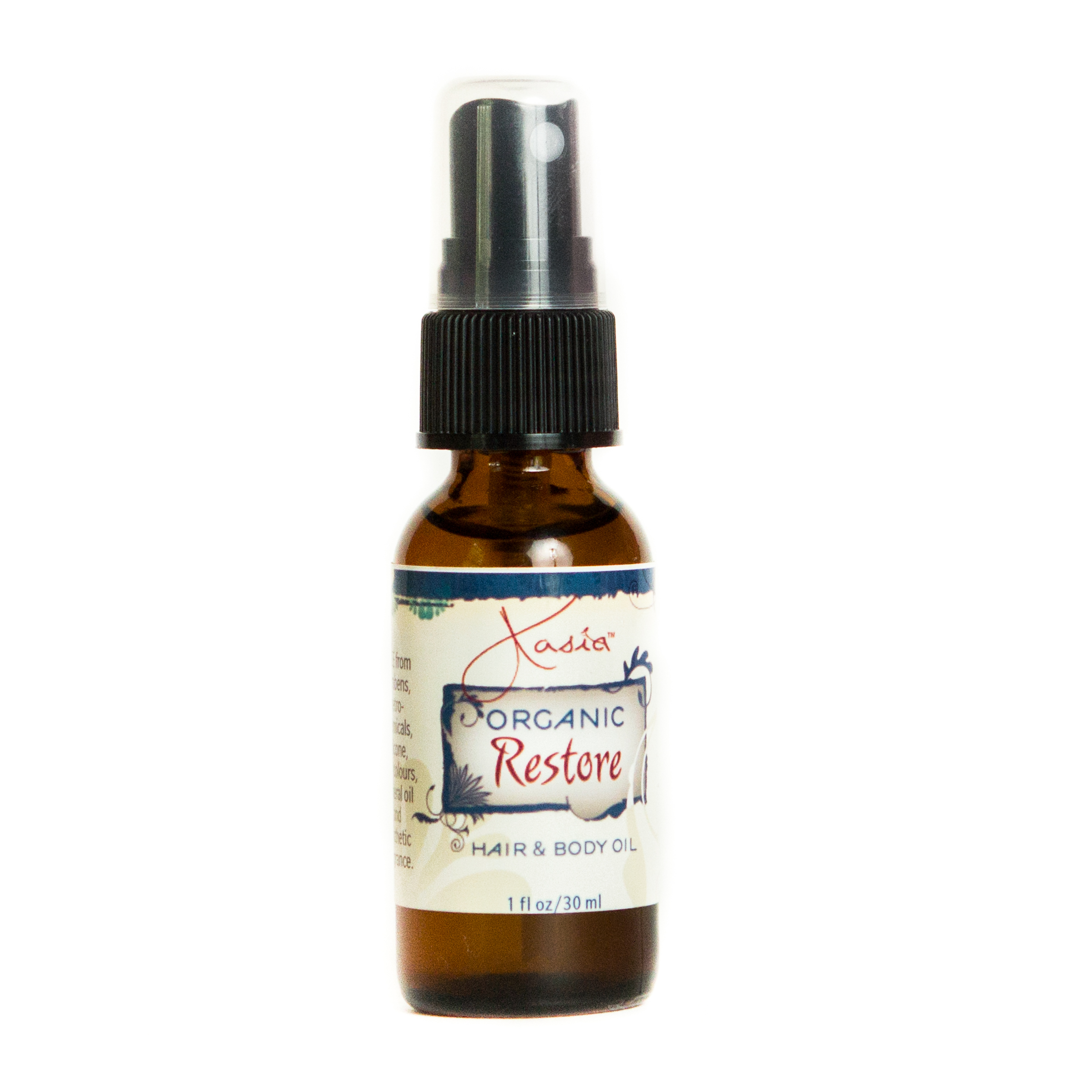
 Kasia Restore Oil was created to benefit our user with the newest technology of "synergistic antioxidant" properties, and formulating only cold press, un-adultured raw ingredients.  

How do you know which is best for you?

To be honest, the over saturation of "specialty oils" have become somewhat of a fad. Even though many are good, they aren't always for everyone. They can be easily overused, causing you to look like you are in need of a shower. However, when used for the right reasons and used sparingly, hair oils are fabulous for adding moisture to your colored hair, intensify the curl pattern, adding shine and softening your strands.

APPLICATION TIPS:  

*Avoid the scalp and roots of your hair and focus on your mid-shaft and ends.  Do not add the oils where your own natural oil stems from.   

*Less is more!  See how your hair responds before adding more. Bigger sections work best.

*Apply the oils when your hair is dry. This is better management of not over doing it!

So which kind of oil is right for you?

Coarse, dry, chemically-processed hair does well with nutrient-rich oils — it will make your hair silkier, shinier, and easier to style as it nourishes damaged strands.

Frizzy hair gals are more susceptible to environmentally-caused damage should seek out coconut oil, which has strengthening and protective qualities.

Jojoba oil is a simple and lightweight, known to nourish more than most oils, is great for your scalp, and can help prevent dandruff.

As far as when to apply,  since coconut and jojoba oils are treatment oils, they are better used at night while you slumber.

Informed Beauty HOT Winter Must Have - Kasia Restore Oil

Kasia Restore Oil is great for overnight as well as  great for styling, and can be used by day.

A lightweight powerhouse, this ultra-versatile hair oil is silicone-free and absorbs instantly, giving your hair a healthy, brilliant shine. Made with cold-pressed fresh and organic oils, it’s a rich elixir that harnesses the power of Black Cumin seeds, Rosemary and Carrot Seed oil to smooth away frizz while protecting hair from damage. It’s perfect for all hair types and colored hair.

KEY BENEFITS

Softer and Shinier:
  • A little goes a long way, just a drop or two is enough to tame the wildest tresses.
Nourished:
  • Rich moisturizers, proteins, vitamins and minerals combine to help restore the scalp and promote hair growth.
Protected:
  • Defends hair from environmental pollutants, UV rays and damaging heat.


Ingredients

Hellanus Annus (Sunflower) Seed Oil, Salvia Hispanica (Chia) Seed Oil, Nigella Sativa (Black Cumin) Seed Oil, Carthamus Tinctorius (Safflower) Oil and Daucus Carota (Carrot) Seed Oil, Mixed Tocopherols (Vitamin E), Rosmarinus Officinalis (Rosemary) extract, Natural Fragrance

Trending Makeup Looks for Spring 2013

Here are our top  "Informed Beauty"  makeup trends from the runways of New York, London, Milan, and Paris.

Trending.....  Eyes, lids, brows, and lips were the focus: soft, feature-enhancing makeup and bold, modern looks both reigned on the runways......

Johny Cash "Walk the Line"

Put your liner into FULL EFFECT. Thick or thin, black eyeliner is a staple of every girl’s makeup bag. This season, we’re seeing thin lines for a heavier graphic look.


The Bold And Beautiful Brows

Get BOLD Brows.  Pause the plucking for spring.  Make sure you discuss your strategy with your brow gal.  If you have naturally thin brows, like I do, don’t be afraid to feather them in with our favorite La Bella Donna Brow Kit!


Colored Lids of Blue And Green

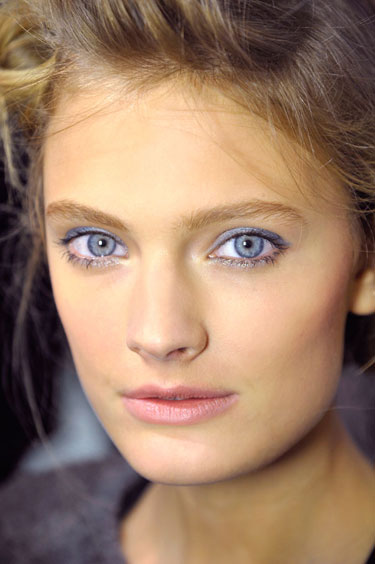
Colored lids. What’s spring without a burst of color? Whether it be soft, bright, or bold, we’re very excited to paint our lids.  Green and blue are the HOT colors for spring lids.


Natural and Glowing

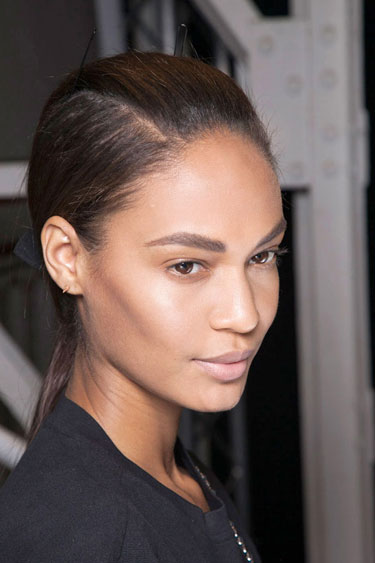
Less is more. Keep your makeup simple, clean, and very much alive: focal point on a flawless, matte complexion.


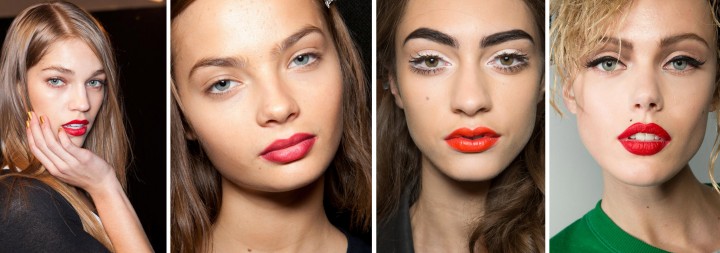
Smack it RED

 RED will be your focal point for spring smooches.


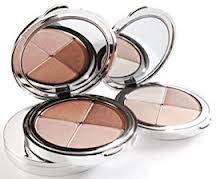
Spring into these fabulous makeup trends with Kasia's finest "anti-aging" mineral makeup line on the market!

La Bella Donna is ahead of trends as always. Make sure to call (612.824.7611)  or stop by Kasia Organic Salon to play, color match, or to receive a quick make up application!

 With only 4 ingredients - no anti-aging Informed Beauty could go wrong.  Reflect the light off of your beautiful face, illuminate, and put your BEST FACE FORWARD!

Reference:  http://www.harpersbazaar.com
http://beautybanter.com/fashion-week-round-up-spring-2013-makeup-trends

"Youthify" Your Skin with Gentler Alternatives to Microdermabrasion

Microdermabrasion and other extreme forms of exfoliation are among the most popular skin treatments today. Advocates of these methods contend that stripping off layers of skin eliminates wrinkles, revealing fresh, beautiful skin. But, what most people don't realize is that these layers are necessary for protection, and that tearing them off exposes vulnerable skin cells to the elements, resulting in rapid, premature aging.
So, what's a more natural alternative that actually combats aging skin without the detrimental long-term effects? Kasia's resident esthetician, Stacey, employs a mild exfoliation technique that removes unwanted, dead skin cells without totally stripping the skin. Her weapon of choice: luxurious fruit enzyme masks infused with papaya, pineapple, pumpkin, and apple that eat away at unwanted skin cells and penetrate deep into the skin, stimulating collagen and elastin production and delivering nourishing antioxidants. AHAs like lactic acid and malic acid are another good defense against wrinkles that should be used in moderation - usually up to once a week, depending on strength of treatment.
The overall idea is to continually feed and heal our skin, not strip it away. When youthful skin is the goal, gentle and nourishing treatments are better suited to provide more desirable long-term results. To achieve younger-looking skin the right way, reach our skin specialist today at 612-824-7611.


Do You Need to Worry About Gluten in your Personal Care Routine?

  As a passionate product formulation junkie I am noticing most women's personal care products quoting they are "FREE OF" ----- you know the list.   Any person versed in cosmetic science knows that the danger of the 'bad chemicals' in our every day products may not be harmful in itself, but the issue comes when the products are used multiple times per day, for extending periods of time.


But I won’t get into that right now .....I am braving to share the following post that digs a little deeper into the "FREE OF GLUTEN" craze.   I have mixed feelings on this topic and am very clued in on the real science of the claims on the market, the results of removing gluten from all nutritional/personal care products, etc.  There are many different forms of beneficial plant proteins that deliver incredible results for the hair.

We have many clients that are on disciplined diets that avoid gluten.  I don't touch it myself!       "Hmmmmm .... what are your thoughts?  I'm pondering....."


Celiac Disease: What is It?    

The only known group of people that this particular subfield of skin care products affects is comprised of those with celiac disease (CD). This is because celiac disease is a disorder of the small intestine, where upon exposure to gliadin (a gluten protein found in foods such as wheat, barley, and rye), elicits an inflammatory immune response that involves the ubiquitous tissue transglutaminase enzyme. This can lead to chronic diarrhea, abdominal pain, and even multiple ulcer formulations.

That’s not pretty. And we definitely don’t want to worsen the condition. Fortunately, since most gliadin proteins have molecular weights of between 16,000 to 50,000 Daltons, they are far too large to penetrate into the skin and be absorbed systemically.

Therefore, it can be concluded that gluten-containing skin care products do NOT affect the celiac condition itself, as supported by the Mayo Clinic. It was further suggested that a rare skin manifestation of celiac disease, dermatitis herpetiformis, is also not affected by gluten-containing skin care products.

Celiac Disease: Contact Dermatitis

Remember, a lot of things can cause contact dermatitis. Always use caution when testing new products, no matter who you are.

However, it is important to explore the idea that those with celiac disease may have an increased susceptibility to experiencing contact dermatitis while using gluten-containing skin care products.

This is because theoretically, when gliadins (there are three main types) come into contact with the skin of a celiac patient, the tissue transglutaminase enzyme in skin cells can deamidate them into compounds such as glutamic acid. These compounds will then be recognized by antigen-presenting cells (APCs), which will travel to a lymphatic node and label them as targets to be attacked by gluten-specific memory T-cells, which are part of the immune system.

How much of this translates to real-life scenarios is relatively unknown. Only one study that I know of demonstrates this concept, where 14 female celiac patients experienced contact dermatitis after using gluten-containing skin care products. Upon discontinuing use, their contact dermatitis subsided.

However, I have to note that this study only mildly supports the idea that those with celiac disease may have an increased tendency to experience contact dermatitis with gluten-containing skin care products. This is due in-part because of the small population size of the study; that the same products weren’t tested on non-celiac individuals; as well as the fact that the study was not vehicle-controlled (meaning that another class of ingredients like fragrances could have caused the reaction); nor were the patients or doctors blinded (meaning that the results could be due to the placebo effect; ever heard of self-fulfilling prophecies?).

Celiac Disease: What Should I Do?  

Always test out new products on a small area of the skin!

If you have celiac disease, don’t panic! Know that gluten-containing skin care products will not affect the actual celiac condition. However, it may be prudent to test gluten-containing products on the inside of the wrist or behind the ear for several days, before applying them all over the skin. But don’t stress out over this rather small risk.

Besides, there are gazillions of excellent skin care products on the market that don’t contain gluten, without necessarily being labeled as “gluten-free.” And I have to stress that when I mean gluten, I mean that it actually contains a gliadin protein. Just because something is derived from wheat or rye, doesn’t mean that it will trigger a reaction. Like gliadin for example, ferulic acid can be derived from wheat. But its structure and functions are so far removed from gliadin that to equate them would be a mistake.

One more thing: it may also be prudent to use a separate skin care product for the eye area (it doesn’t have to be labeled as an “eye” cream) that’s been confirmed to be gluten-free, just to minimize exposure into the eyes. It’s most likely that any product that gets into the eye area (which shouldn’t be any!) won’t be at a concentration that’s sufficiently high enough to travel all the way to your small intestine and negatively affect that area. Also, make sure (and this should be common sense for those with celiac disease), to not use any lip products that contain gluten (gliadins).

I hope this gave some of you out there a reason to sigh in relief, or at least knowledge so that you may make a more informed decision.

  HOLISTIC APPROACH TO HEALTH AND BEAUTY

Kasia Organic Salon is a leading pioneer in healthy beauty to fit your lifestyle. Follow us to ammonia-free /MEA/PPD Color, organic facials, and natural and organic products that support your life.   Learn how diet, products and environmental factors can rob us of our radiance and how to easily incorporate an "Informed Beauty" lifestyle to restore our outward beauty from within.

About Author

John Su  is s a stickler for accuracy, so you might find him correcting one thing or another! His goal is to   provide unbiased, meaningful, and insightful information when it comes to skin care.  The Triple Helixian (www.thetriplehelixian.com)!


Aging Hair 101

Does hair really age? If you’re over 40, you’ve probably noticed subtle, and maybe not so subtle, changes in your hair’s color, thickness, luster and texture. Just as time takes a toll on our skin, it also affects our tresses. You may take great care to protect and moisturize your skin but what about your hair? As it turns out, our hair needs its own special care as we get older.

Hair actually ages in two ways: chronologically and hormonally. Caused by external factors, chronological hair aging affects hair from the mid-lengths to the ends. Years of brushing, blow drying, coloring, heat styling and environmental factors, such as sun, wind and pollution, leave hair dry, damaged and porous. Hormonal hair aging relates to the physical changes we go through as we get older. Signs of hormonal aging hair includes dryness, dullness, thinning, graying, fragility and changes in texture. What exactly is going on in our body to cause these changes in our hair?

Dryness and Dullness

Our hair peaks at age 30. It’s around this time that our scalp begins to slowly decrease sebum production–the natural oil that makes our hair so shiny and silky. You may experience dryness and dullness as the first signs of aging hair. Around menopause, sebum production drops further and hair feels less manageable without sebum to protect the hair, eliminate flyaways and control static build-up.

Thinning

If your hair feels less full, you’re not imagining it. The actual number of hairs on our heads starts decreasing in our 20s. By age 60, almost 40 percent of women will experience thinning hair, mostly around the crown. Aside from simply having less hair, the hair that’s left experiences changes. Beginning in our early 40s, the actual diameter of each hair strand  starts to shrink. Researchers believe that this is linked to hormonal changes related to perimenopause and menopause.

Graying

By age 50, most women are 50 percent gray. As we grow older, we experience the decreased production of melanin which gives hair its color. Melanin also protects our hair from the sun’s UV rays; without it our hair’s protein absorbs the rays making hair weaker.

Texture Changes

New research has found that hair texture does change with age. Most of us will experience more texture in our hair but unfortunately not as waves or curls. Instead, hair becomes more wiry, kinky and less manageable.

Fragility

Hair weakens as we age for several reasons. Less sebum means our hair experiences more friction from combing and brushing and even contact with neighboring hair. The sun damages and weakens hair that lacks melanin and kinks lead to weak spots in the hair strand. Also, chronically aged hair is often fragile due to chronic environmental, chemical and mechanical stress.

Until recently, we didn’t see much information on aging hair when flipping through beauty magazines. Kasia is committed to specifically address our guests "anti-aging" hair and skin needs.


ANT-AGING HOLISTIC APPROACH TO HEALTH AND BEAUTY

Kasia Organic Salon is a leading pioneer in healthy beauty to fit your lifestyle. Follow us to ammonia-free /MEA/PPD Color, organic facials, and natural and organic products that support your life.   Learn how diet, products and environmental factors can rob us of our radiance and how to easily incorporate an "Informed Beauty" lifestyle to restore our outward beauty from within.


Reference:  http://hairover40.com

How Dairy and Acne are Linked

Did you know that the health of your large intestine is reflected in the health of your skin?

Your large intestine and skin are organs that interact with the environment. They both absorb and emit chemicals, water, and other metabolic products. The large intestine is the body's largest internal organ; its purpose is to absorb food, nutrients and water. The function of the skin is to hold not only all of your other organs, tissues, capillaries and muscles in place, but also to allow your body to breathe. It is a respiration organ -- it both inhales and exhales.

Whether diet plays any role in the development or severity of acne has long been debated.   Recent research indicates that it does, but not by pointing to the food items that are traditionally thought of as exacerbating acne – things like pizza and French fries.

According to an article by Dr. Mark Hyman (one of my favorite functional medicine experts) published in the Huffington Post, dairy products have been shown to have a significant impact on acne, both in the number of cases and the severity. 

The reason is that milk, yogurt, and cheese all contain naturally high levels of anabolic hormones.  And, according to the article, there is no such thing as hormone free milk.  Even organic, raw, and bovine growth hormone free milk can contain up to 60 hormones, just a few of which are listed below:¹

•    20α-dihydropregnenolone •    progesterone (from pregnenolone) •    5α-pregnanedione •    5α-pregnan-3β-ol-20-one, 20α- and 20β-dihydroprogesterone (from progesterone) •    5α-androstene-3β17β-diol •    5α-androstanedione •    5α-androstan-3β-ol-17-one •    androstenedione •    testosterone •    dehydroepiandrosterone sulphate acyl ester •    insulin like growth factors 1 and 2 (IGF-1 and IGF-2) •    insulin

Dr. Hyman’s recommendation for helping get acne under control is to modify your diet with these tips:¹

Eliminate

Dairy, high glycemic index foods (white flour, sugar, rice, etc.) and foods that you are sensitive to.  When cutting back on dairy, make up for the missing nutrients (calcium and protein) elsewhere in your diet.

Add

More fresh fruits and vegetables, healthy anti-inflammatory fats (omega 3’s), supplement with zinc, evening primrose, vitamin A, and vitamin E. Include foods that correct acne problems, like dark purple and red foods such as berries, green foods like dark green leafy vegetables, and omega 3-eggs.

Contact our skin specialist at Kasia for a personalized facial and at home care protocol today!  612.824.7611

1)    http://www.huffingtonpost.com/dr-mark-hyman/do-milk-and-sugar-cause-a_b_822163.html 2)  http://skinhealthtechnology.com/# 3)  http://www.naturalnews.com/021914_large_intestine_skin_health.html

Juicing For Healthy Skin: Skin Specialist Tip!

glowing-skin-naturally1.jpg

Stacey's Skincare Tip of the Day:

JUICING FOR HEALTHY SKIN

It isn't hard to guess that among the most important skin rebuilding nutrients are fresh organic vegetables. They are loaded with vitamins and minerals that not only give you smooth, firm, glowing skin, but also help to eliminate impurities and toxins that interfere with regenerating skin cells and the general health of your skin.

Green drinks are amazing for promoting beautiful skin. Because the molecular structure of chlorophyll (found in green leafy vegetables) is similar to that of human hemoglobin, green juices act as a "mini transfusion" for your blood, brain, immune system, skin, and hair.

These juices contain large amounts of B vitamins, folic acid, carotene, and choline, all of which help to strengthen and protect the skin. They are also high in minerals such as potassium, calcium, iron, and phosphorus, as well as enzymes that aid in digestion and cellular growth.

Stacey's Favorite Green Juice:

6 Kale Leaves
1 Cucumber
 4 Celery Stalks
 2 Green Apples
 1/2 Lemon
 1 piece of ginger
// User Icon Setting (may be set to BLACK, WHITE or NONE):