Womens Health

'Beautiful Health' tips to REHAB your hair

“Plant the seeds of restored and healthy hair.”

We trust you'll LOVE our NEW Restore Hair Oil from Kasia! Prized with Black Cumin Seed, Rosemary & Carrot Seed Oil, creating a  synergistic combo of  rich moisturizers, proteins, vitamins, and minerals to help “Restore” the scalp and promote hair growth.

INNER HEALTH

We’ve heard it all before, but nutrition is key when it comes to healthy, shiny hair. Why? .....

Because hair not only depends on a constant supply of blood and oxygen, but also nutrients, and a deficiency in these nutrients will show up on your skin, hair and nails. Brittle, dry or dull hair that easily breaks is therefore a tell-tale sign of poor nutrition. Eating  will help maintain hair color and texture, while keeping a stable effect sugar levels will also help – high sugar consumption creates a higher demand for B group vitamins (using for energy other than rebuilding health), which can take away from, and affect your locks.

Furthermore, an imbalance between good and bad fat consumption can either lead to an overly dry and flaky scalp and dry hair or excessive oil production. Correcting the imbalance will help to normalize the health of the scalp and the relative dryness or oiliness of the hair.

Beautiful Health Suggestion:  CORE from Immuno Viva!

Lipids are a group of naturally occurring molecules that include saturated and unsaturated fatty acids. Lipids, proteins, and carbohydrates form the main constituents of cells in both plants and animals.
Core contains concentrated black raspberry and black cumin seed oils extracted through our exclusive cold press process, which requires 8 pounds of berries to make just one half teaspoon of oil. Core's powerful ingredients, rich in Omega fatty acids and antioxidants, offer nutritional support to counteract many health problems associated with modern living.

HAIR

"Are you coating your hair?" Conventional styling products synthetic plastics such as PVP (polyvinyl pyrrolidone polymer), acrylic copolymers, VA (vinyl acetate), polymer and acrylamide polymer are used as holding agents, all of which are synthetic petroleum-based plastics.  Commercial hot oil or silicone treatments can actually make the problem of frizzy or dry hair worse.

Why?  They’re the wrong kind of oil and will tend to sit on top of your hair, and may actually block the moisture your hair needs from getting in.

Beautiful Health Suggestion: Treat your lovely locks with ...

Kasia RESTORE Hair Oil 

A “light” powerhouse, made with  organic oils which are absorbed by the hair instantly, giving you a silky finish, protection, natural and brilliant shine.

Learn more about our NEW* Kasia Restore Hair Oil      HERE


SKIN

Instantly revive your skin with Immuno-Viva Renew skin serum. Made with a patent-pending blend of antioxidant seed oils, and work synergistically with Immuno-Viva Core to combat the signs of aging. Inside -  Out!

Protect, rejuvenate and moisturize skin – naturally.  Learn more      HERE!

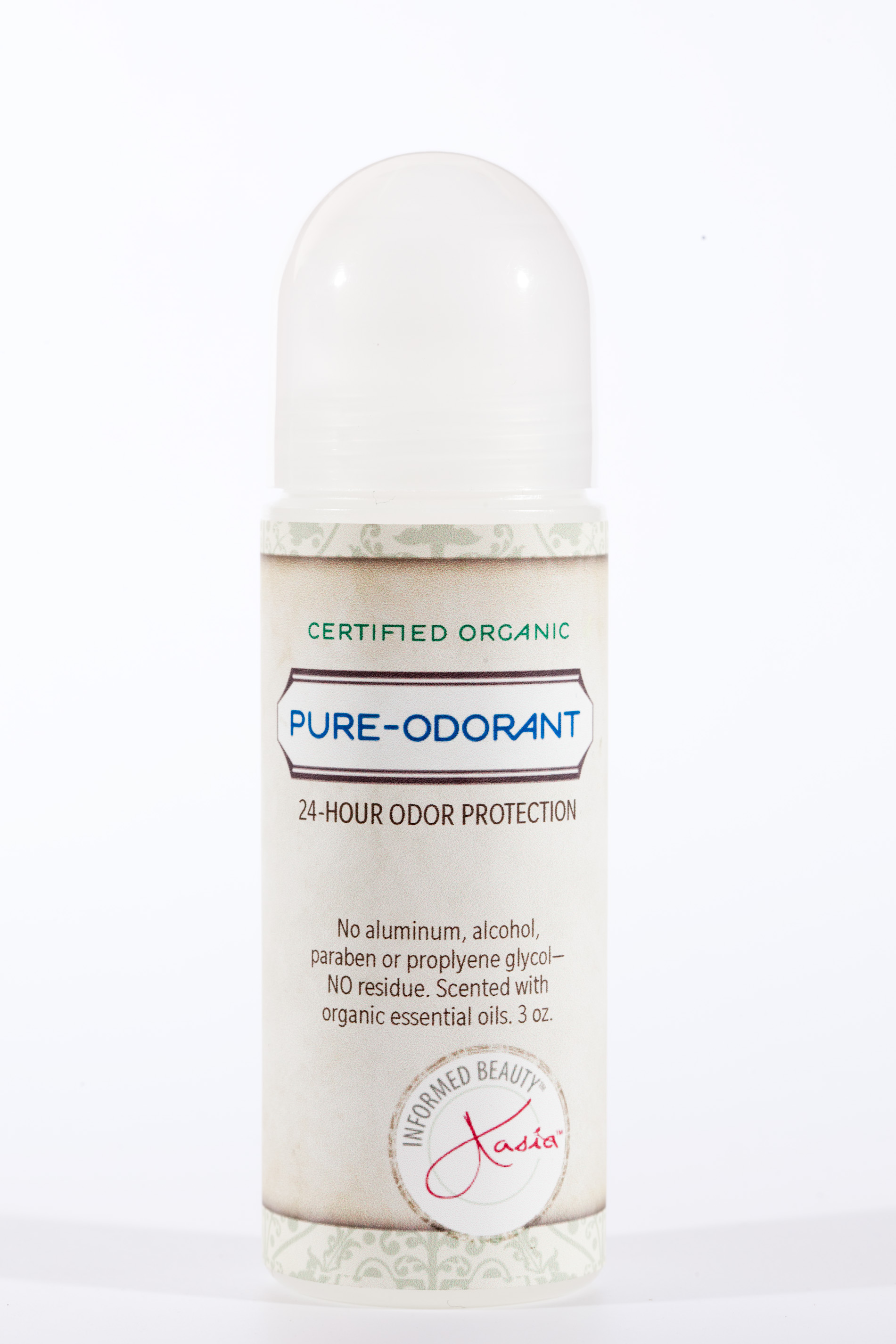
Have you tried Pure-odorant? Nancy has.....

She's SURE! 

This is a fabulous product!  I have tried several deodorants that claim to be green, healthy and safe, but have failed to find one that REALLY works!   I can count on pure-odorant to keep me smelling great! (my husband even uses it and he's a marathon runner)

Kassie also has other wonderful and worthy products, including organic aromatic teas--yummy!  And lucky for me, I live close enough to her salon to take advantage of the beautiful organic hair care she offers. I love, love, love her stuff!

Nancy, MN

Do Milk and Sugar Cause Acne?

I have to agree with Dr. Hyman......

DAIRY PRODUCTS AND SUGAR REALLY DOES CAUSE ACNE

As our sugar and dairy consumption has increased over the last 100 years so has the number of people with acne. We now have over 17 million acne sufferers, costing our health care system $1 billion a year. Eighty to ninety percent of teenagers suffer acne to varying degrees. The pimply millions rely on infomercial products hawked by celebrities or over-the-counter lotions, cleansers, and topical remedies. Recent research suggests that it’s not what we slather on our skin that matters most but what we put in our mouth. Many have suggested a diet-acne link, but until recently it has not been proven in large clinical studies. Instead dermatologists prescribe long-term antibiotics and Accutane, both of which may cause long-term harmful effects. In 2009, a systematic review of 21 observational studies and six clinical trials found clear links. Two large controlled trials found that cow’s milk increased both the number of people who got acne and its severity.

Other large randomized prospective controlled trials (the gold standard of medical research) found that people who had higher sugar intake and a high glycemic load diet (more bread, rice, cereal, pasta, sugar, and flour products of all kinds) had significantly more acne. The good news is that chocolate (dark chocolate that is) didn’t seem to cause acne. The dietary pimple producing culprits—diary and sugar (in all its blood sugar raising forms)—both cause spikes in certain pimple producing hormones. Dairy boosts male sex hormones (various forms of testosterone or androgens) and increases insulin levels just as foods that quickly raise blood sugar (sugar and starchy carbs) spike insulin. Androgens and insulin both stimulate your skin to make those nasty, embarrassing pimples. One patient recently told me he would give a million dollars for a pill to cure acne. He doesn’t need to. It seems that for many the cure to acne is at the end of their fork, not in a prescription pad. While pimples are not as simple as too much milk or sugar in your diet, both have a significant impact. Nutritional deficiencies as well as excesses can worsen acne. Correcting common deficiencies including low levels of healthy omega-3 anti-inflammatory fats, low levels of antioxidants such as vitamin E, zinc, and vitamin A, and including an important anti-inflammatory omega-6 fat called evening primrose oil all may be helpful in preventing and treating unwanted pimples. I will explain how you can correct and incorporate all of these nutritional elements of your diet and outlines some supplements that will help you fight acne in a moment.

There is MORE! For more information on how to optimize your nutrition and improve your skin, see www.drhyman.com.

Ammonia Free, The Color of the Future­­­­­­­­­­­­ Blonde, brunette, red … and green!

Every day thousands of women have their hair professionally colored. In fact, 54% of us color our hair regularly!  The hair color industry is ever changing, and ever growing - unfortunately environmental and immunity complications for salon clients is also on the rise. Much of this is due to the adverse effects of ammonia. Leaving the salon far from “refreshed,” clients end up with headaches, stinging eyes, trouble breathing, or a nasty rash. Conventional hair dyes usually contain ammonia, which is specifically designed to burn and degrade surfaces. Many products labelled as ammonia-free contain a substitute,  which is just as harmful as ethanolamine. However, a new breed of hair color is available - green, fumeless, non-damaging ammonia free hair color. We look at why Kasia Organic Salon and other inspiring natural beauty salons are using or considering using ammonia-free color.  As we know, it’s part of the future of beauty!

Kassie at Kasia Organic Salon educates hairstylists, aiming to rectify the lack of knowledge in the hairdressing profession about the color lines they use on a daily basis. “The future is now, and it's high time hair salons start using healthier options for themselves as well”, says Kassie Kuehl.

No Ammo! Why Conventional Color Just Doesn’t “Cover” It

The reasons for choosing an ammonia-free (and ammonia-substitute-free) hair color falls into three categories:

  • Your body's general health
  • The health of your hair
  • The health of your environment

General Body Health

Ammonia-based hair dye in colors like dark brown and black were linked by the National Cancer Institute in 1994 to greater incidence of non-Hodgkin's lymphoma and multiple myeloma. A study published in 2001 by the International Journal of Cancer found that people who use permanent hair dye are 100% more likely to develop bladder cancer than those who use no permanent dye. 4-ABP is a known human carcinogen, and was recently found in off-the-shelf hair coloring products.

Hair Health

The characteristic flyaway and faded look that you see on heavily peroxided colored women, comes after long-term use of ammonia agents, thus leaving the hair’s cuticle open, making the hair resemble a dry and brittle.  The tyrosine within hair is also damaged by ammonia-based color, which affects the hair's ability to hold onto color.

When ethanolamine is used in hair color in order to gain 'ammonia-free' status, it needs to be included in concentrations up to 5 times that of ammonia. Ethanolamine is an 'adhesive' type chemical, which can never completely be washed out of your hair and off your scalp. After coloring your hair with ethanolamine-containing products, every time you wash your hair the water acts as a mild oxidizer, and incurs further damage on your hair. Fading and gradually developed dryness after coloring are usually attributable to ethanolamine.

Kasia Organic Salon’s color line uses an plant based alkaline agent that slowly swells the cuticle and controllably closes the cuticle back to it’s closest previous state.

Environmental Health

Over 6.2 billion ounces of harmful chemicals from shampoos and conditioners are washed down the drains and out into our water every day.

Leaving the salon retouched … and refreshed!

Educator and salon owner Kassie Kuehl, spurred by her own health reactions due to working with accumulated amounts of  fumes at the salon, built her foundations with Aveda. Now her own business, Kasia Organic Salon, offers fabulous color services so clients can enjoy their experience without inhaling noxious chemicals or irritated skin and scalp.

Hair Color with a conscious, is it for YOU?

Who should use ammonia-free hair color?

Anyone that is concerned with the volume of chemicals they ingest every day should look into natural, ammonia-free hair color. However, it is even more useful at some particular stages of life! Look up your nearest organic salon if you:

  • Are pregnant - Our enormous, clunky bodies are well-sensitized to environmental hazards. Tiny, unformed human beings are not so lucky. Avoiding chemical exposure is especially important when you are pregnant - but that doesn't mean you have to give up that flexibility with your looks!
  • Are covering greys - If your hair is losing (or has lost) its natural color, you'll be looking to color more often. With ammonia-free color, your hair doesn’t lose the ability to hold color and remains strong and healthy, rather than developing the characteristic frizzy, flyaway look.
  • Young or elderly - Younger and older people are especially sensitive to harsh chemicals. Natural hair color is particularly recommended for under-18s and over 60s.

A Beautiful Health Lifestyle - Where to Find Ammonia Free Hair Color

What is ammonia free?

Once you know the dangers of ammonia-based hair colors, those 'Ammonia Free!' labels sitting on the shelf right next to all the others look pretty tempting. Of course this is a better alternative in purchasing a shelf coloring product, but remember from our conversation above in manufacturers  discovered alternative, the ethanolamine.   Check for both ammonia and ethenolomine ingredients in any hair color you buy off the shelf.

What to do with your new, nutrient-rich color now that you have it?

Ask your hairstylist about after-care and everyday maintenance products that let you keep up with the natural snowball you've started rolling!

Harsh ingredients and harsh environments contribute to fading color.  By choosing the proper shampoos, conditioners and UV protected styling products will help prolong the life of color.  Avoid harsh ingredients  such as Sodium Lauryl Sulfates, and petrochemicals such as Propoline Gylcol and Parabens

The better the health and condition of your locks, the your color lasts, the springier your curls and the smoother and glossier your hair will be. Think of it as an investment in your investment. Let your hair feel as good as your conscience!

Natural Beauty is on the move!

There are a number of organic beauty salons growing across the country, where you can discover that your hair can be just as silky and glossy, your skin as vital and fresh, and your cosmetics just as potent and long-lasting, but without the harsh chemicals!

Contact the Kasia Team today!  612 824 7611

Anti the aging with Renew Certified Organic Facial Serum at Kasia

25% OFF

Certified Organic

*

Anti-aging Facial Serum

* RENEW *

renew

We absolutely love our new anti-aging serum, RENEW from Immuno-Viva

Kasia's philosophy of inside-out"beautiful health," sees eye to eye with Immuno-viva.

We're just Saying...

"I love Renew! It's a perfect blend of the highest quality organic anti-aging fruit and herb seed oils I've ever seen. It's deeply absorbed into the skin and doesn't leave a greasy residue. Best of all, it provides instant and lasting results."

Kassie KuehlOwner, Kasia Organic Salon

Get it while it is HOT!

Get it while it is HOT!

The Kasia Team has been busy keeping the heat on this month!  In the Infrared...that is!

We celebrate the growing visits of cleansing and relaxation as well as the ability for you  to take the time out of your schedule to pay attention to YOU

If you have not tried this new modality of "Beautiful Health" ...here is your chance!

I think you would agree Contact First Name, the time of year in using a sauna could not be better.  Remember, you can adjust the heat as you build up your comfort and sweat.

Get it while it is HOT! The Power Of 10!  ..... Save $110!

Our Power of 10 Special is a package of 10 sessions of thirty minutes of relaxing sauna sessions for $290 (originally $400)

Our Power of 5 Special is a package of 5 sessions of thirty minutes of relaxing sauna sessions for $175 (originally $200) Have you detoxed lately?

Treatment and therapy for many symptoms can incorporate FIR saunas and their powerful effects.

Your Skin: A study published in The Journal of Cosmetic and Laser Therapy showed significant improvements in skin appearance after just 12 weeks of sauna skin therapy using near-infrared technology. Participants experienced a reduction in wrinkles and crow's feet, as well as improved overall skin tone, including softness, smoothness, elasticity, clarity and firmness. Sunlighten's Solocarbon Custom Spectrum is the only infrared sauna heater on the market with near-infrared technology!

Healthy Weight:  When it comes to burning calories with infrared heat, only Sunlighten saunas have been clinically shown to dramatically aid in weight loss. Results from a 2009 study indicated that Sunlighten saunas are beneficial for lowering weight and waist circumference in just a 3-month period.

Additional FIR sauna benefits can include:

* * promoting killing of pathogenic bacteria, viruses, fungi & parasites * * reducing stress, fatigue, pain & sleep disturbance * * reducing depression * * preventing seasonal affect disorder

Learn more HERE

Stop by Kasia Organic Salon to cleanse, relax, and rid some stubborn calories today!

Wake Up Aromatherapy for Valentine's Day

Will you be our valentine?

Love is in the air!   With cupid on the horizon I thought it would be a good time to wake up and invigorate your passion for those you LoVe!

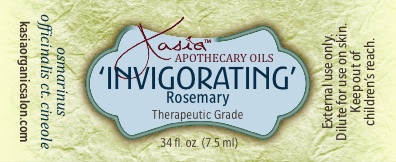
Rosemary Essential Oil goes deep into history dating back to the Middle Ages where it was used to protect against the plague.  It is also known to be one of the earliest plants to be used for food and medicine.
Let us take a closer look at the essential oil form of Rosemary and ways to incorporate it in your daily life for healing.

ROSEMARY “Invigorating” -

Mind

  • Aids memory loss and concentration; Can help Alzheimer’s
  • Boosts confidence
  • Helps dispel grief

Body

  • An astringent, analgesic, anti-infectious, and bactericide
    • Scalp stimulant for dandruff; Encourages hair growth
  • Relieves gout, rheumatoid arthritis, headaches, migraines, cramps, and colitis
  • Liver decongestant for gallstones, and jaundice; Circulatory stimulant that raises blood pressure
  • Other uses for Rosemary include: nerve stimulant and expectorant
  • A mild pain reliever easing headaches, acute injuries and cramps

Spirit

  • Opens the third eye and heart charkas
  • Expands the conscious and instills loyalty and wisdom
  • Used in anointing, blessing, consecration, healing, casting out, protection, and purification ceremonies

Click Here to learn more health benefits and ways to use Rosemary in your daily life.

Suggested Uses: Use in a diffuser and cleanse the air in your home. Our recommendation for a FaBulOuS Diffuser, is HERE.

Put 2 or 3 drops in the bottom of the shower before showering to help break up congestion.

Add a drop to a towel or tissue and inhale to encourage focus and concentration.

Add  a few drops to the scalp with jojoba oil for scalp and hair growth stimulation, or drop to an application of shampoo to encourage a healthy dandruff-free scalp.

Kasia Apothecary Essential Oils and Blends are GC/MS tested for purity and are of therapeutic quality.

99% of Pregnant Women in US Test Positive for Multiple Chemicals

99% of Pregnant Women in US Test Positive for Multiple Chemicals Including Banned Ones

ScienceDaily (Jan. 16, 2011) — The bodies of virtually all U.S. pregnant women carry multiple chemicals, including some banned since the 1970s and others used in common products such as non-stick cookware, processed foods and personal care products, according to a new study from UCSF. The study marks the first time that the number of chemicals to which pregnant women are exposed has been counted.


Analyzing data for 163 chemicals, researchers detected polychlorinated biphenyls (PCBs), organochlorine pesticides, perfluorinated compounds (PFCs), phenols, polybrominated diphenyl ethers (PBDEs), phthalates, polycyclic aromatic hydrocarbons (PAHs) and perchlorate in 99 to 100 percent of pregnant women. Among the chemicals found in the study group were PBDEs, compounds used as flame retardants now banned in many states including California, and dichlorodiphenyltrichloroethane ( DDT), an organochlorine pesticide banned in the United States in 1972.

Bisphenol A (BPA), which makes plastic hard and clear, and is found in epoxy resins that are used to line the inside of metal food and beverage cans, was identified in 96 percent of the women surveyed. Prenatal exposure to BPA has been linked to adverse health outcomes, affecting brain development and increasing susceptibility to cancer later in life, according to the researchers.

Findings will be published in Environmental Health Perspectives on Jan. 14.

The study was not designed to identify direct connections to adverse health outcomes.

"It was surprising and concerning to find so many chemicals in pregnant women without fully knowing the implications for pregnancy," said lead author Tracey Woodruff, PhD, MPH, director of the UCSF Program on Reproductive Health and the Environment.

"Several of these chemicals in pregnant women were at the same concentrations that have been associated with negative effects in children from other studies. In addition, exposure to multiple chemicals that can increase the risk of the same adverse health outcome can have a greater impact than exposure to just one chemical," said Woodruff, an associate professor in the UCSF Department of Obstetrics and Gynecology and Reproductive Sciences.

Exposure to chemicals during fetal development has been shown to increase the risk of adverse health consequences, including preterm birth and birth defects, childhood morbidity, and adult disease and mortality according to the research team. In addition, chemicals can cross the placenta and enter the fetus, and in other studies, a number of chemicals measured in maternal urine and serum have been found in amniotic fluid, cord blood and meconium, they state.

The researchers analyzed data for 268 pregnant women from the National Health and Nutritional Examination Survey (NHANES) 2003-2004, a nationally representative sample of the U.S. population.

"Our findings indicate several courses of action. First, additional research is needed to identify dominant sources of exposure to chemicals and how they influence our health, especially in reproduction," said Woodruff. "Second, while individuals can take actions in their everyday lives to protect themselves from toxins, significant, long-lasting change only will result from a systemic approach that includes proactive government policies."

Co-authors of the study are Ami R. Zota and Jackie M. Schwartz of the Program on Reproductive Health and the Environment, UCSF Department of Obstetrics and Gynecology and Reproductive Sciences.

// User Icon Setting (may be set to BLACK, WHITE or NONE):