Womens Health

Loose Weight with Essential Oils

There are man stages and nuances in weight loss to truly be effective and sustainable. Through the following information in this article, you will see how essential oils can aid the process from controlling appetite to feeling uplifted and confident in your pursuits and every day lifestyle. Of course there is no substitutes within a weight-loss regimen, aromatherapy must essentially be used in conjunction with an appropriate diet, exercise and a healthy lifestyle.

Aromatherapy harmonizes the mind, body and soul in a way that allows people to prepare better for a weight-loss program and derive the maximum benefit.

How can essential oils help weight loss?

Essential oils help shape up the body through a multi-tiered approach:

* Some oils like cedarwood, grapefruit, orange and rosemary can help purge the body of toxins and retained fluids

* Other essential oils energize the mind so that you are less tempted to skip your workout routine. Try peppermint, cardamom, rosemary

* Some essential oils infuse a sense of positive energy and help boost up confidence and body image. Use ylang ylang, clary sage, litsea cubeba. When you feel all fresh and charged-up, you have little reason to flop on the couch with a tub of ice cream.

Curb those Cravings

Have you noticed how the aroma from a hot stove pizza makes your tummy rumble and beg for food? It is   because the nose sends a message to the brain that in turn signals the stomach to feel hungry.

Just like some smells enhance appetite; there a some smells that curb it. When you start eating with a sense   of fullness and satisfaction, you will naturally end up eating less.

A few essential oils that will help curb are: fennel, grapefruit and spearmint,  stimulate the hypothalamus, which is the center of hunger and satiety in the brain and thus neutralizes the urge to keep eating. These oils also promote a sense of positive energy and well-being that negates all factors that lead to comfort eating.

TIPS

* Always have one of these on hand

* When you are craving or are feeling hungry or before eating a meal, open bottle and take three sniffs in each nostril

* Breathe very deeply

* The more you use it, the more effective it will be.

Flushing Toxins

Are toxins in your body making you fat? “You bet they do!”  Contribute to the flush with essential oils!  Inhibitors of releasing toxicity can be incorrect nutrition, lacked physical activity and hormonal fluctuations, causing body cells to retain excess fluids and fats.

Oils of rosemary, grapefruit, cedarwood and orange are potent detoxifying agents that enhance lymphatic flow and eliminate excess fluids and toxins from the body. Orange oil stimulates the liver, enhances the flow of bile and aids fat metabolism.

TIP

After shower, massage over body in a circular motion with a blend of your favorite “flushing oils” in conjunction with jojoba oil as a carrier.

Think Positive, Feel Great

Stress and depression trigger a vicious cycle of fat accumulation in the body by increasing the level of cortisol in the blood. People battling the bulge are often plagued by feelings of self-doubt and insecurity. It is commonly observed that self-pity coupled with a lack of confidence can throw a fitness plan completely off-track. Once the mind is healthy, a fit body will not be far out of reach. A self-assured and positive person is more likely to stick to a weight-loss regimen because positive energy inspires determination and a will to succeed.

Citrus essential oils like bergamot and lemon are also called the "happy oils". Put two drops of CITRUS DELIGHT on a tissue.  Close your eyes. Take three slow, relaxed, deep breaths and visualize your mind being clear of negative thoughts and feelings.

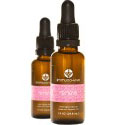
Learn more about Kasia Apothecary Single Note Oils HERE!

DIFFUSE!  Learn more about diffusing your oils. It is the easiest and  most cost efficient way to utilize your new healing scents!

References: Aromadina

Pharmaceutical Hormones for Women

  Contribution Article by Jon Barron

In the early 2000s, YAZ® hit the American market in a huge advertising blitz claiming that YAZ® was not only the primo, number-one birth control pill in the world (backed by studies), but also offered the additional benefits of eliminating acne and reducing the effects of PMS/PMDD. And in fact, YAZ® is still promoted that way on its website. Unfortunately, YAZ® comes with a host of side effects - all blithely laughed off at the end of the ads by young women admiring the wisdom of their friend, the "doctor." And women responded (to the buy part, not the warning part) so much so that YAZ® quickly became the top selling birth control pill in America and Canada. It's now a few years down the road, and many of those women wished they had paid more attention to those laughed-off warnings.

[youtube vr8vT-ic4zg?rel=0]

It's now a few years down the road, and many of those women wished they had paid more attention to those laughed-off warnings. Users of YAZ® have reported everything from gallbladder disease to blood clots, not to mention liver damage, stroke, paralysis, nerve damage, heart attacks, cervical cancer, and the always exciting anaphylactic shock. And then the stories quickly faded from the news -- pushed aside by events in the Middle East, and now Japan.

But out of sight, does not necessarily mean out of mind; lawyers have busily been working in the background.

Continue Reading Here...

"Beauty sleep" and stress. More important than you think, do you know why?

As you probably already know -- stress is bad for our health, and many of us are affected differently. Frustration can create havoc on your skin and as a matter of fact too much stress triggers your skin to start the aging process prematurely leading to wrinkles and fine lines before you want to have them.  Stress can actually age you as far out as three to six years!

Stress causes our hormones to operate ineffectively, run down the wrong pathways and to become unbalanced.  Radiant skin comes from great skin care routines, protection from environmental damage and UV rays, good nutrition, adequate hydration, and getting plenty of sleep.

Dermatologist have come to agree that during hours of sleep, cortisol and insulin production inversely peak so that collagen production is accelerated.  Collagen production firms the dermal layers so evaporation is reduced and water retention is maximized.

Resting Tips for “Beautiful Health” Skin

Surroundings:

While you slumber, your skin produces more collagen, which gives it the support to counteract the forces of gravity.  If you have a radiant heater or air conditioner running, this can result in evaporation in your skin and water loss.  This contributes to dry skin, especially if you don’t use a high quality facial cream/serum, or do not replenish intake of water hydration through your day.


Bio-chemical Requirement

As the body enters the deepest stage of rest (Delta Sleep), our growth hormones peak and turn on cell and tissue repair.  When there is restless or limited sleep, we cut ourselves short of this crucial restorative process.

In order to give your skin beautiful health it deserves in repairing, rejuvenating, and producing collagen with minimum natural moisture loss, you need a good 6 – 8 hours of uninterrupted sleep each night.


Additional science on how stress can affect your skin include the following:

* Cortisol degrades collagen and directly leads to the formation of wrinkles in the skin.  When you live in a chronic state of stress your body finds it harder and harder to repair itself naturally and so you develop more wrinkles and fine lines.

* The stress hormone CRH can fuel inflammation in the skin and that in turn can cause acne.  Since acne is an inflammatory disease all it takes is in increase in inflammation in the body to cause more acne.  And if you are stressed you are more likely to pick at your breakouts which could lead to even more breakouts.

* Stress hormones can cause your body to release histamines, which can cause a range of skin conditions like dermatitis, irritation, hives, or inflammation or aggravate existing skin conditions like psoriasis.

* Stress can make your hair fall our and make your nails brittle

* Stress makes your eyes look tired.  This could be because you are not getting enough sleep since you are stressed out.  A chronic lack of sleep could lead to fluid stagnation under the eyes and then dark, puffy under-eye circles in the morning.

* Stress could cause your skin to enter mini-menopause.  A chronic flow of cortisol causes a drop in estrogen, which means your skin produces less collagen and less moisture.  Your skin could end up looking dull and dry as a result.


Not just your skin…yes, your belly.

I have learned first hand the effects of too much of the stress and the ramifications of the increased hormone of cortisol.  Lack of sleep and rest leads to our adrenal glands pushing out too much of this belly fat-promoting, collagen-destroying hormone.  The flip side to this is that when getting enough sleep, our cortisol levels reduce. In fact, a landmark sleep study found that those who sleep between 7.5 and 8.5 hours a night secrete half as much cortisol as those only sleeping 6.5 hours or less a night. This can mean significant weight gain of 33 pounds or more!

Excess cortisol turns your once flatter stomach into fat deposit because the abdominal region contains four times more cortisol receptors than other areas in the body.

Researchers have also found that lack of sleep can cause cravings for sweet and salty foods.   We end up compromising and eating foods lacking any nutritional value and lack hydration.  Our waistline or our skin responds well to this kinds of lifestyle for a period of time.

Other studies have found that sleep deprivation leads to inflammation and oxidative stress. One of these studies found that women who don't get their beauty sleep experience disruptions with their skin barrier function, have more water loss in their skin and have extremely high levels of inflammatory chemicals circulating in their bodies.  If we are under chronic stress, cortisol will disrupt collagen production, making skin thinner and weaker.

If you need more encouragement to turn in early every night, then keep in mind that adults who sleep five or less hours a night have a 15 percent chance of dying early from any reason you can think of. Why? Because lack of sleep ages your body.

Supplement to Sleep

Supplements like GABA and melatonin are known to have a muscle-relaxing effect and may improve sleep quality. In turn, better sleep can lead to greater skin repair capabilities, a better-looking complexion with fewer wrinkles and dark circles and less overall dullness.

GABA is a naturally occurring neurotransmitter with a proven connection to the quality and quantity of sleep we achieve. The brain chemical -- gamma-aminobutryric acid, or GABA -- is involved in regulating brain activity.

"It's the brakes of your brain," says Karl Doghramji, MD, director of the Sleep Disorders Center at Thomas Jefferson University Hospital in Philadelphia. "It stops activity."

Both sleep problems and anxiety disorders may result from problems with GABA, which helps neutralize the effects of glutamate, a brain chemical that causes excitement. When there is too little GABA, it causes those racing thoughts that characterize anxiety -- and keep you up at night.

Gaba increases the integrity of collagen and elastin and both preventing and counteracting sagging skin.

Melatonin is one of the most powerful antioxidants produced in the body. In addition, since it is both water and fat soluble, melatonin can reach almost every single cell in the body.

Since it cannot store in the body, it must be replenished daily. This would normally not be a problem, except  exposure to artificial light reduces production of melatonin in our bodies.

Mood Elevator: Nighttime melatonin levels are low in people with major depressive and panic disorders. Individuals with noticeable mood swings or who are melancholic also have depressed melatonin levels. Both seasonal affective disorder and non-seasonal cyclic depressions are related to the peaks and valleys of melatonin levels.

Contact Kassie at Kasia Organic Salon for more info on supplementation of Gaba and Melatonin.


Kassie Kuehl is a respected leader in, and advocate for, natural health and beauty care. The founder of Kasia Organic Salon, a stylist, and developer of Kasia natural line, Kassie combines her experience as nutritionist and living foods educator with her ongoing Functional Medicine research to apply a whole of body “Beautiful Health’ approach to hair care and styling. She can be found at www.kasiaorganicsalon.com.

SOURCES: American Medical Association's 22nd annual Science Reporters Conference, Philadelphia, Sept. 11-12, 2003. Karl Doghramji, MD, director, Sleep Disorders Center, Thomas Jefferson University Hospital; professor of psychiatry, Jefferson Medical College, Philadelphia.

Rosemary has Anti-Cancer Properties

The same rosemary (Rosmarinus officinalis L.) used by the Romans to improve memory is also under investigation as a potent anti-cancer therapy. These anti-cancer properties are probably associated with rosemary's anti-oxidant property, which is more effective than typical food additives such as BHT and BHA.
Additionally, rosemary has anti-inflammatory activity, an activity that researchers are now finding often correlates with anti-cancer activity. This was demonstrated in an experiment that showed that carnosol, a component of rosemary, was able to reduce the amount of nitric oxide production in mice cells.2 Nitric oxide, which is released during inflammation, is a free radical that can damage DNA. Because cancer is often associated with states of chronic inflammation, some physicians recommend anti-inflammatory drugs such as aspirin and sulindac for the prevention of colon cancer. Active constituents of rosemary include carnosol, carnosic acid, ursolic acid, betulinic acid, rosmaridiphenol and rosmanol, most of which are present in the essential oil fraction.
Several studies have indicated that rosemary can prevent the binding of cancer causing chemicals (carcinogens) to cellular DNA. Binding of a carcinogen to DNA, leads to mutations in the DNA, and is an early step in the development of cancer. In one report, researchers compared the effects of whole rosemary extracts with the purified rosemary components, carnosol and ursolic acid, on breast cancer in rats. They found that whole rosemary extract given in the diet prevented the binding of the known carcinogen, 7,12-dimethylbenz[a]anthracene, (otherwise known as DMBA) to DNA in breast cells.4 Carnosol was also able to prevent binding, but to a lesser extent, whereas ursolic acid had little effect. Similar results were seen in the actual formation of breast tumors in these rats with both rosemary and carnosol decreasing tumor formation by 37%, while the groups receiving ursolic acid showed little reduction in the amount of tumors formed. These results are similar to previous results showing that rosemary extracts can decrease skin tumors in mice caused by certain carcinogens.
These results were confirmed by a later study also showing that rosemary could prevent breast cancer caused by administration of DMBA. Rats fed 1% rosemary in their diet for two weeks prior to the administration of DMBA had 76% less of the carcinogen bound to DNA compared to rats fed a control diet.5 This effect was also present when excess fat was added to the diet which increased the amount of carcinogen bound to DNA. High fat diets are known to be associated with a higher risk for breast cancer. Significant effects were also seen with only 0.5% rosemary in the diet. Similar results have been found using human bronchial cells and liver cells. In these experiments the DNA binding of the carcinogens aflatoxin and benzo(a)pyrene were also shown to be inhibited by rosemary extract. This indicates that the protective effect of rosemary is not just associated with DMBA and probably goes beyond just breast cancer.
Besides acting by preventing binding of carcinogens to the DNA, rosemary can also affect the metabolism of some carcinogens in a way that decreases their toxicity. Enzymes found in the liver, known as P450, glutathione S-transferases (GSH), and quinone reductases (QR) can affect the toxicity of some chemicals. Although the main role of the liver P450 enzymes is to detoxify compounds, the aromatic hydrocarbons such as DMBA are actually activated into much more potent carcinogens. Thus, DMBA, benzo[a]pyrene and aflatoxin are considered pro-carcinogens rather than direct acting carcinogens. The second group of enzymes, GSH and QR, act by detoxifying these active carcinogenic metabolites and thus protect against cancer. When rats were fed diets containing whole rosemary extract, the enzymes GST and QR were increased significantly compared to controls. 6 Animals fed carnosol in their diet did not exhibit an increase in these liver enzymes. These experiments show that rosemary has a protective effect by increasing the amount of enzymes that the liver uses for detoxification of cancer causing chemicals, and that the effect of whole rosemary is greater than that of its component, carnosol.
Similar experiments using human bronchial cells and liver cells in tissue culture have shown that rosemary extract, carnosol and carnosic acid were all able to reduce the levels of P450 enzymes after treatment with benzo(a)pyrene or aflatoxin B1.7 In bronchial cells, rosemary extract, carnosol and carnosic acid were able stimulate the QR and GST enzymes after treatment with benzo(a)pyrene. Therefore, by decreasing the enzymes that can convert procarcinogens to a more potent carcinogen and increasing enzymes that can inactivate carcinogens, rosemary components have a protective effect on cancers.
In summary, two separate mechanisms have been identified to explain the anti-carcinogenic properties of rosemary; blocking carcinogen binding to DNA, and modifying metabolic enzymes to decrease the toxicity of a carcinogen. Although the anti-cancer properties of rosemary have been clearly demonstrated in animal studies, these have not yet led to human trials. Since whole rosemary seems to be as beneficial or more beneficial than isolated components that have been examined to date, the addition of rosemary to one's diet may have more benefit than just as a food flavoring or preservative.

Learn more about ROSEMARY here.

Thank you:  Cindy L. A. Jones, Ph.D.  Published in Nutrition Science News, 1998.

1. Chan, M. M-Y. Ho C-T. And Huang, H-I. Effects of three dietary phytochemicals from tea, rosemary and turmeric on inflammation-induced nitrite production. Cancer Letters 96:23-29, 1995.
2. Offord, E.A., Mace, K., et al., Rosemary components inhibit benzo(a)pyrene-induced genotoxicity in human bronchial cells. Carcinogenesis 16:2057-2062.
3. Ho, C-H, Ferraro, T., et al, A Phytochemicals in tea and rosemary and their cancer-preventive properties,@ In Ho, C-T, Osawa, T., et al ed., Food Phytochemicals for Cancer Prevention II:2-19. Washington, DC: American Chemical Society, 1994.
4. Amagase, H., Sakamoto, K., et al, Dietary rosemary suppresses 7,12-dimethylbenz(a)anthracene binding to rat mammary cell DNA. J. Nutr. 126:1475-1480, 1996.
5. Singletary, K., MacDonald, C., and Wallig, M. Inhibition by rosemary and carnosol of 7,12-dimethylbenz[a]anthracene (DMBA)-induced rat mammary tumorigenesis and in vivo DMBA-DNA adduct formation. Cancer Letters 104:43-48, 1996.
6. Singletary, K.W., Rosemary extract and carnosol stimulate rat liver glutathione-S-transferase and quinone reductase activities. Cancer Letters 100:139-144, 1996.
7. Offord, E. A., Mace, K. Et al. Mechanisms involved in the chemoprotective effects of rosemary extract studied in human liver and bronchial cells. Cancer Letters 114:275-281, 1997.

Stress Management and How Stress Affects Us

Stress Management in Our Modern World

Ask any doctor, yoga teacher, natural health practioner… what their patients’ biggest complaints are and we guarantee the answer is stress-related. Yes, guarantee. Sure our modern world is full of amazing technology that make our lives easier, wonderful vacation destinations that make our lives more relaxing and medications a plenty to make all of our boo-boos go away like that.  But the more that our contemporary world has to offer, the more responsibility we assume. We have to learn to use that new microwave, take 2 hours of our precious time at the travel agents to book that flight, and work 40 hours a week to have benefits that cover those pricey meds.

Types of Stress, a Caveman & the Stress Response

There are two different types of stress, the first being acute stress or short-term, the less severe of the pair. Acute stress is that rush we feel in a sticky situation – that deadline in an hour, that fender-bender last week. This type of stress quickly fades once the threat is gone. The second type, chronic stress or long-term, is more brutal than the latter. In today’s 24/7 world, many people stay with their chronic stress symptoms for months or even years. This type of on going stress is one of the most common causes of mental illness and disease today.

In another perspective, stress can be a  good reaction as well, as it protects us from harm. Just imagine a strong, tall, and unruly caveman running for his life, a vicious wild beast hot on his trail. Although, as soon as he saw the viciousness  on his opposite, this particular caveman’s body went through a rapid series of hormonal responses that ran through his brain, pituitary gland, and adrenal glands so that he could, well, run for the hills! Let’s take a look at the process.  First, his brain secreted a hormone messenger to the pituitary (also located in the brain) which sent another messenger to his adrenals to release cortisol. The release quickly shifted the blood, oxygen and energy flow away from the digestive and reproductive systems to the muscles and heart. Thus his quick get away. Phew!

How Stress Affects Us

The problem is we are no longer cavemen running for our lives. In fact, we are far from it. So far in fact, the stress response is working against us.

Our bodies go through the same process as his, only many of us are so consistently overwhelmed that we don’t shut it off the way he did once safely at home. This chronic stress means that our body is always in “fight or flight” mode, never fully resting; be it days, months or years. And the problem with never shutting off is that long-term stress affects the body in ways we could have never imagined.

Here are a few of a lengthy list:

-       Dysfunctional blood sugar metabolism, often leading to diabetes

-       Cellular aging leading to older appearance and shorter life span

-       Literally, restructuring a brain, increasing the risk of anxiety, depression and/or other mental disorders

-       Heart problems, oftentimes deadly such as heartattacks

-       A conflicted immune system often resulting in auto-immune diseases wherein the body attacks its own cells

Common Auto-Immune Disorders Caused or Heightened By Stress:

-       Allergies

-       Cystitis

-       Diabetes

-       Hyper or Hypthyrodism

-       Narcolepsy

-       Psoriasis

-       Rheumatoid arthritis

-       Schizophrenia

Once this stress response has been turned on for a significant period of time, the adrenal glands become wiped out. This happens over the period of time, in what some in the medical field describe as the three steps to adrenal exhaustion. At first, the adrenals are turned on like there is a ten-alarm fire in the body. Hormones, like cortisol, are pumped in to combat the flames. But when the stressors don’t go away, the second phase, or resistance response comes into play. The adrenals simply can’t maintain the demand for cortisol. Thus, daily functions are carried out but with a struggle. Anxiety and insomnia begin are more present as is irritability. In the third stage, the adrenals become exhausted. Fatigue sets in and different systems in the body begin malfunctioning. If stressors are not minimized, the adrenals will fail. Most patients at this point collapse or die of cardiovascular dysfunction.

3 Steps to Fight the 3 Phases

If you find that you are lacking in stress management skills or think you may be falling into a pattern leading to adrenal exhaustion, all’s not lost. Fight back with three easy lifestyle fixes: Nutrition, relaxation, and therapeutic techniques.

Nutrition

There is a lot to be said about the healing power in the right foods. Those that are stressed often reach for the easiest foods which are nearly always laden with sugar, fats, and caffeine. To get balance back, skip the coffee and sweets in favor of a diet that combines whole grains, proteins, and heart healthy fats (ie: olive oil). Eat three portioned meals and two snacks daily to keep blood sugar intact. Adding mineral-rich Celtic salt or sea salt is also beneficial, especially in causes of adrenal exhaustion.

Supplements can also help the body properly handle stress. This include but are not limited to:

-       2,000 – 4,000 mg of Vitamin C

-       800 IU of Vitamin E

-       B-Complex

-       Zinc and other trace minerals

-       Ginseng

-       Licorice

-       DHEA

If you plan on taking any of these supplements, please consult a doctor first as some may have averse side effects.

Relaxation

A change of pace is what most of us need. Now this doesn’t necessarily mean the need to pick up the pace but rather to change the pace. Therefore, if you find yourself running around like a nut all day everyday, by night, a soothing yoga and meditation practice is right up your alley. But if you find yourself deskbound, your change of pace should be something more lively; a ½ hour walk on your lunch break or a cycling class after work. This yin-yang approach to daily life helps our bodies stay in tune to being both sedentary and active. In essence, it keeps us balanced.

Therapeutic Techniques

Whether it is reading self-help books or going to see a counselor in the flesh, 99% of the population can benefit from therapy of some sort. Learning to see reality for what it is and most importantly, what it is not, is the first step toward mental stability. (Hey, most of our lives really aren’t all bad.) Once we have a handle on our emotions, we are better equipped to handle anything that life might throw our way.

Although stress is one of the biggest health issues of our time, it is one of the easiest fixes – no meds required. Taking the time to learn what causes your unique stress story and finding your own coping techniques are the first steps in a road to regain balanced well-being and freedom of life back.

Resources:

http://www.project-aware.org/Resource/articlearchives/adrenalfatigue.shtml http://www.womentowomen.com/adrenalfatigue/adrenalglandnutrition.aspx http://www.drlam.com/articles/adrenalexhaustion.asp


Kassie Kuehl is a respected leader and educator in natural health and beauty care. The founder of Kasia Organic Salon and many result orientated "beautiful health" products, and experts in ammonia free hair color.  Kasia remains on the cutting edge of all-natural, non-toxic, and organic professional hair, skin, and body products and services. To become an Informed Beauty, contact Kassie at 612.386.4044, or visit www.kasiaorganicsalon.com.

Your Hormones and the Masquerade of Parabens

Parabens inhibit the growth of bacteria, yeast, and molds and have been used in personal care products such as shampoos, conditioners, deodorants, and sunscreens for years. The main reason for use of parabens is because they allow these products to survive for months, or years, during shipping and on store shelves. Parabens are one of the most commonly used ingredients in personal care products. The only ingredient used more frequently is water. Parabens were the cosmetic industry's prized preservatives. (Methyl, propyl, butyl and ethyl parabens) They were stated for years to be harmless and safe. Just recently we have been presented with evidence through many study's that this states otherwise.

In these studies, parabens have shown estrogenic activity in lab tests - meaning that they mimic our body’s natural estrogen and may interfere with our endocrine systems (making them disruptors).

Our hormones govern the way our glands and organs function including the thyroid, pituitary, hypothalamus, adrenal glands, and pancreas to the ovaries and testes.

So how does this really affect us?

To begin - the endocrine system is made up of glands and receptors.... glands that secrete and/or make hormones and receptor sites that "read" and react to hormones.  Hormones themselves are the little chemical messengers that run around in our bodies transporting signals and instructions from one cell to another.

Delivery:

The gland writes the instructions, the receptor reads the instructions, and the hormones are the postmen.

Endocrine hormones are carried directly through the bloodstream to different parts of the body and orchestrated by the master conductor- the hypothalamus in the brain. (The hypothalamus is the “pentagon” of hormone production in your body.) The messages are sent through a hierarchical system - getting passed along through the body and when they reach their final destination they offer an important message for the cell when they arrive. These messages can be anything from growth and production regulation, activation of the immune system, metabolism regulation, reproductive cycle cues to mood messages and more.

Therefore, the messages should get to the cells that they need to direct without the blockades and barricades and masquerades that nasty little hormone disruptors provide.

The theory of endocrine disruptors is that a variety of synthetic chemical compounds that we are bombarded with everyday absorb into the body, then mimic or block natural hormones and disrupt our body's normal functions.

(As if someone else is posing as the postman, and tricks our bodies into thinking that they are receiving authentic messages - but they are not. By acting on these fraudulent messages, a whole array of problems can ensue.)


This is a somewhat a new theory and difficult to prove or disprove because chances are we could be exposed to literally thousands of endocrine disruptors on a daily basis. Plastics from our water bottle or hairspray, pesticides on our food, and fillers in our everyday cosmetics - the list goes on.  It’s time that we recognize the lies and clarify  which are the bad hormone copycats from the really bad perpetrators in our lifestyle. This external chemical exposure is residual and little by little these chemicals build up in our bodies.

Endocrine disruptors are stored in a body's fatty tissues and do not get flushed out with water, thus they accumulate over the years. It is now recognized that the dramatic increases of breast cancer, non-Hodgkins lymphoma and thyroid cancer have been linked to exposure to environmental estrogens. In the past twenty-five years in the US, alone, thyroid cancer has increased more than 45%, with more women being affected than men, and has become the number one cancer in children under age twenty, many of whom suffered from fetal endocrine disruption exposures.

Recent reports from Britain show that parabens have been found in breast tumors and that they may be linked to breast cancer. The breastcancerfund.org states that parabens are weak estrogen mimickers - but more importantly, that they can increase the expression of certain genes that are directly linked to breast cancer. Yikes!

Please grab your ingredient top 10 to avoid, and bring awareness to this growing conundrum of hormone perpetrators, and the better investment for you and your “Beautiful Health.”   The serious health implications mean that taking this issue seriously can have a profound impact on your health in the future!
Reference: Homemade Organics
References to learn more in-depth:
http://alternativemedicinebreastcysts.com/xenoestrogens.html
http://www.naturalnews.com/027063_products_chemicals_fragrance.html#ixzz1FpXNpc6h


Safety Issues of Hair Color Products and 'PPD'

"In Short...."

Much to our clients' surprise, hair dyes may actually further their hair loss or aggravate existing hair and scalp disorders. The reason is that most professional hair color products contain loads of harsh chemicals such as peroxide, ammonia and p-phenylenediamine that can wreak serious damage to our hair and scalp and cause hair loss.

In recent articles written about hair color damaging ingredients, there is a chemical that causes the most concerns among people, which is PPD aside from MEA and ammonia.

Synonyms or components of p-Phenylenediamine:

Paraphenylenediamine Para-aminoaniline (p-aminoaniline)

PPD         PPDA

1,4-Benzenediamine        Orsin™

1,4-Penylenediamine       Ursol™ D

Rodol™ D              Paradiaminobenzene

What is p-Phenylenediamine:

p-Phenylenediamine is a dark dye used extensively in permanent hair dyes, certain dark colored cosmetics as well as temporary skin tatoos. Contact of this substance with your skin may result in dermatitis as well as other skin disorders.

Oxford_Hairdresser Study

This important study published in the Oxford Journals Annals of Occupational Hygiene chronicles the habits of hairdressers when using hair color, and documents the presence of hazardous para-phenylenediamine on hairdressers hands throughout the process, even when using gloves. Suggestions for better occupational hygiene when working with hair dyes and changes to work routine are featured in the report.


Hair Dye Use and Lymphoma

This article posted on WebMD Health News suggests that long-term use of dark, permanent dye may raise lymphoma risk. Research shows that long-term use of permanent hair dye -- in dark colors -- doubles a person's risk of certain blood cancers.
Products used in the great majority of nationwide salons contain a wide range of toxic ingredients, including carcinogens, hormonal ingredients, and allergens," said Dr. Epstein, adding, "Exposure to them poses hidden dangers to clients, and much more so their stylists."

http://www.youtube.com/watch?v=1qNH7OTWQaE&feature=mfu_in_order&list=UL

Essential Nutrients for your hair and skin with antioxidants, cold pressed oils and fatty acids

  Our hair and skin are the fingerprint of what’s going on inside your body because it is one of the 4 exit doors for waste along with bowel, Kidneys, and Lungs. Depending on your diet, age, exercise habits, sun exposure, and your personal lifestyle.

Underneath the epidermis is the dermis, leaving a matrix of collagen, elastic tissue, and  fibers.  Sagging skin, slow hair growth and deep wrinkles can occur when there is a breakdown in your inner structural  layers from free radical damage.

Restore Hair Oil and Renew Facial Serum minimize the damage done to your hair and skin with antioxidants, vitamins, and minerals and essential fatty acids.

[wp_eStore_category_products_fancy id=8 style=3]

Antioxidants

Antioxidants give you the anti aging protection against the diseases and help slow down the aging process of your skin, cells, tissues and organs. The main antioxidants found in food include vitamins A, C and E, the minerals selenium and zinc and all of the phytonutrient carotenoids.  Antioxidants keep free radicals from ravaging your body and stealing the life from your cells.

Critics used to claim there was no evidence that topically based products affected skin aging. Over the years, a remarkable number of published studies have proven these skeptics wrong! Science clearly substantiates the role that free radicals play in causing skin aging and the fact that topically applied antioxidants confer significant protection and can even partially reverse some aspects of skin aging. Indeed, various animal and human studies have proven that low molecular weight antioxidants, especially vitamins C and E, as well as alpha-lipoic acid exert protective effects against free radical damage (oxidative stress) (Podda et al. 2001).

Essential Fatty Acids

Essential Fatty Acids offer anti aging benefits to dry skin, hair, and nails.   EFA's will give your body the nutrients it needs for smooth, glowing skin and healthy hair and is even known to help balance hormones.

Fatty Acid (Omega 3) anti-aging benefits and reduction may be directly linked to cell inflammation. They help to keep the cells healthy and reduce the inflammation that may occur in the cell when omega 6 levels are too high. Internally the most commonly consumed source of omega 3 fatty acids are salmon, mackerel, linseeds, flax seeds, spinach, walnuts, brazil nuts, pecans, egg yolks, canola oil, linseed / flaxseed oil.

Sunflower oil (comprised in Kasia Restore Hair Oil) contains fatty acids and are essential to hair health and effective in preventing hair loss from male and female pattern baldness and alopecia areata.

Enjoy the effects of anti-inflammatory, free radical fighting, and  lipid rich solutions in Restore and Renew for your skin and hair!

WHAT IS A FREE-RADICAL?

Free radicals are molecules with an unpaired electron seeking another electron. They travel through the body seeking out healthy cells and breaking them down. This process is referred to as Oxidation and the damage it causes is known as Oxidative Stress. It has been linked to a number of diseases like diabetes, heart disease, and certain forms of cancer.

WHERE DO FREE-RADICALS COME FROM?

Free radicals are produced in the body when it is physically excerted. They also come from pollutants and toxins in the air and water, toxins, smoking, and an unhealthy diet.

WHAT IS AN ANTIOXIDANT? WHY IS IT IMPORTANT?

Antioxidants help the body fight back and repair itself from the inside out. They give the free-radicals the electron they are looking for to prevent them from stealing them from healthy cells. Antioxidants have the ability to reduce free-radical stress and promote healthy by assisting in preventing illnesses and chronic health problems.

Enjoy the effects of anti-inflammatory, free radical fighting, and  lipid rich solutions in Restore and Renew for your skin and hair!

// User Icon Setting (may be set to BLACK, WHITE or NONE):