Womens Health

Informed Beauty Top Toxic Ingredient to Avoid: FD&C Color Pigments

gallery_harmful_nail_polish_ingredients.jpg

Countless FD&C color pigments initiate skin sensitivity and irritation. The harmful aspects of utilizing artificial colors are extensive. As far as humans are concerned, these chemicals are suspected carcinogens. FOUND IN: Shampoos, toothpastes, body washes, cleansers, baby products, wipes, hand washes, deodorants, lotions, creams, etc.

WHAT IS IT? Grab just about any bottle of shampoo, your tube of toothpaste or package of baby wipes and you’ll notice a common trend. FD&C color pigments are commonly found on shelves everywhere.  These synthetic colors are made from coal tar, which should be reason enough to avoid them.

HEALTH RISK: Don’t be fooled by the seemingly harmless acronym for “Food, Drug, and Cosmetics Act,” which  polish nail ingredientsmandated the certification of select color additives. Almost all FD&C pigments are carcinogenic. The coal tar deposits the toxins from heavy metal salts directly onto skin, causing irritation and sensitivity. And that is the least extreme of reactions: Certain colors can cause depletion of oxygen in the body. Animal studies have shown almost all of them to be carcinogenic.

HOW TO AVOID IT: Keep an eye out for FD&C in all cosmetics and personal care products.  Also, avoid them in food and beverage products.

We service the most BEAUTIFUL women! What is YOUR Story?

1002569_165661716951748_1944778021_n.jpg

suzanneI  love the feeling of serenity at Kasia Organic Salon....

From the welcome when I first enter the salon to the hug I receive when I leave, the total experience is always one that says, "You are important." No rushing, no obnoxious loud music {only great tunes from different decades, including the 40's}, no pressure to buy certain products. Kassie and her staff take time to get to know you, your hair and/or skin, your lifestyle and your beauty and style goals.

Kassie does her research and is not only on-trend for style, but is very informed about health issues, as well. She knows that what we put ON our skin and hair, including coloring products, needs to be as high quality as what we put INTO our bodies. She has helped me to advocate for my own "beauty health" through well-researched articles and conversations that we have had.

Just because a product comes with a big marketing budget and is on TV or in magazines does NOT mean it is good for you! Consumers are just catching on to this {think parabens, sulfates, phthalates, pvps, GMO-derived ingredients, etc.} but Kassie has been aware of them and diligently bringing her own, clean version of hair and skin products to the market {or offering others that meet her same stringent standards} since before she opened her salon and had a chair in another shop.

I first came to her frustrated that I was losing a lot of hair and finding no solutions from either my doctors or my hair dresser. That was nearly four years ago. Since then my hair has come a long way and is so much healthier, which makes ME happier. Not only did we agree on a "correction course" for my hair from a cut and color standpoint, but she also pointed me to a doctor who helped me work on nutrition and other deficiencies.

Kassie has introduced me to several great organic products, some from her own line and some from others. The ones that I particularly love of hers are her organic sunscreen, organic hair shine serum, organic shine mist and her wonderful, soy candles.

This review is way overdue ~ thank you, Kassie and Kasia Organic Salon!

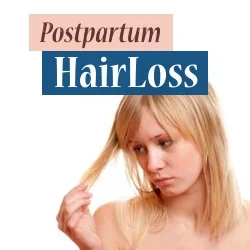
Why Woman Suffer From Hairloss After Pregnancy

how_to_prevent_hair_loss_after_pregnancy.jpg

Approximately 40 to 50% of all women are affected by an excessive amount of hair loss anywhere between a month and five months after their pregnancy. This is called telogen effluvium and while it is not uncommon it does not typically cause any long term problems. Just as other hormonal changes that occur during and just after pregnancies usually iron themselves out, so does this one in most cases. However, there are some women that seem to have a worse time with hair loss after pregnancy. Why Do Women Sometimes Lose Hair After Pregnancy?

There is a scientific explanation for the hair loss that occurs in women after they have had their babies but we will attempt to simplify the explanation. About 90% of your hair grows continuously while the other 10% sits at a resting stage. Once about every 60 to 90 days the hair that has been resting falls out in order to make room for new hair to grow in. During pregnancy hormonal changes occur that prohibit the resting hair from falling out. Once the pregnancy is over and the hormone levels begin to even out, all of the hair that was delayed from falling out during pregnancy comes out all at once. Sometimes this change is subtle and goes unnoticed but in other cases it is extreme and can be quite frightening.

Do Women Lose an Abnormal Amount of Hair During Pregnancy?

Usually any hair loss that is associated with pregnancy occurs sometime after the baby has been born. While the pregnancy is active more hairs will go into the resting stage. This is typical and quite normal during pregnancy. This hair is what comes out after pregnancy. In most cases this hair loss is not significant enough to cause patches or bald spots and most of the time it does grow back in within about three months. However, a vitamin deficiency can cause hair loss and it is very easy to develop a vitamin deficiency while you are pregnant if you are not getting the proper amount of nutrients.

Are There Other Times That Hormones Could Cause Hair Loss?

Hair loss in women could occur at any time estrogen levels are low. This could happen for many reasons. Anytime a woman stops taking birth control pills that she has been taking for a significant amount of time, her estrogen levels could decline quite a bit. Other situations that may lead to lowered estrogen levels are miscarriages, still births, abortions and hormonal imbalances. A hormonal imbalance could occur due to menopause or even specific illnesses of the female reproductive system.

Are There Any Positive Effects on Hair Because of Pregnancy?

Have you ever noticed how full and beautiful most pregnant women’s hair looks? This is because the heightened levels of estrogen in their bodies cause their hair to stay in the growing phase throughout the pregnancy. This is one of the many perks of pregnancy. In addition, some women even report developing curls that they never had before they became pregnant. Estrogen has a major effect on the way a woman’s hair grows as well as how it appears.

Is There Anything That Can Be Done to Help Prevent Hair Loss After Pregnancy?

Overall nutrition plays a major role in the condition your hair will be in after pregnancy. Be sure to eat a lot of fresh fruits and vegetables that are full of antioxidants and flavanoids to help promote hair growth and protect the hair follicles. Take proper care of your hair and avoid anything that may do damage. For example, wearing your hair in hairstyles that cause tension to your hair is a bad 5d6f63f4ff3c21ba9a507e5e16717ddcidea. Having your hair pulled back in a tight ponytail is an example of a hairstyle to avoid. You will also want to be careful about things like excessive heat styling. Use hair care products that contain silica and biotin. When you hair is wet remember that it can easily break and become damaged. Never brush your hair while it is wet, instead opt to use a wide toothed comb such as a detangling comb.

Take Prenatal Vitamins

Not only is it important to eat a wholesome and healthy diet when you are pregnant but you will also want to be sure and take a good prenatal vitamin supplement. By using preventative measures and making sure that you take very good care of your body, you may help to eliminate or at least decrease your chances of losing a lot of hair after your pregnancy. Pregnant women also report that taking prenatal vitamins do wonders for their fingernails as well so they are definitely good for your hair. It may also be a good idea to continue taking your prenatal vitamins for about three months after you give birth, especially if you are breast feeding.

Consult a Physician

If you have should begin to lose a good deal of hair you may want to consult with your doctor to see that your hormones are at the right levels or at least well on their way. Your doctor may begin some kind of hormone therapy if your problem is severe enough. No matter how bad you may think things are right now try not to become too discouraged. A lot of women go through changes after pregnancy and you are definitely not alone. Whatever it is you are going through now as a result of post pregnancy hormone changes will almost always correct itself.

Post pregnancy hair loss is a common enough occurrence and there are so many women who deal with it everyday. Try going online to search for discussion forums for new moms and you are bound to find a lot of places to talk to other moms who are dealing with whatever it is you are dealing with currently.

Kasia Organic Salon see's many new pregnant women every month.  We specialize in Ammonia/PPD/MEA FREE hair color, hosting NO silent substitutes, making it safe to still look fabulous through the metamorphosis of bearing a child. We carry a host of natural and organic hair, skin, body, and BABY care products to keep toxins out of your bloodstream, and to encourage hair growth to return after the first year of giving birth to your child.    

Contact our "beautiful health" team today!   612.824.7611  or lassie@kasiaorganicsalon.com

Reference/Guest Blog:  Health Guide (dot) com

The 10 Most Unwanted Ingredients In Everyday Beauty Products

organic-beauty-setting.jpg

Are you aware that most of the shampoos and personal care products used today have cancer-causing agents? Here is an overview of the Top 10 Unwanted Ingredients commonly found in shampoos and skin care products and their possible side effects.

 organic beauty setting

1. Isopropyl Alcohol This is a solvent and denaturant (poisonous substance that changes another substance's natural qualities). Isopropyl alcohol is found in hair color rinses, body rubs, hand lotions, after-shave lotions, fragrances and many other cosmetics. This petroleum-derived substance is also used in antifreeze and as a solvent in shellac. According to A Consumer's Dictionary of Cosmetic Ingredients, inhalation or ingestion of the vapor may cause headaches, flushing, dizziness, mental depression, nausea, vomiting, narcosis and coma.

2. Mineral Oil Baby This is 100% mineral oil. This derived substance is commonly used petroleum ingredient coats the skin just like also used in plastic wrap. The skin's natural immune barrier is disrupted as this plastic coating inhibits its ability to breathe and absorb and as a the Natural Moisture Factor (moisture and nutrition). The solvent in firm skin's ability to release toxins is impeded by this "plastic wrap,"which can promote acne and other disorders. This process slows down skin function and normal cell development causing the skin to prematurely age.

3. PEG This is an abbreviation for polyethylene glycol that is used in making cleansers to dissolve oil and grease as well as thicken products. Because of their effectiveness, Pegs are often used in caustic spray-on oven cleaners and yet are found in many personal care products. Pegs contribute to stripping the Natural Moisture Factor, leaving the immune system vulnerable. They are also potentially carcinogenic.

4. Propylene Glycol (PG) As a "surfactant"or wetting agent and solvent, this ingredient is actually the active component in antifreeze. There is no difference between the PG used in industry and the PG used in personal care products. It is used in industry to break down protein and cellular structure (what the skin is made of) yet is found in most forms of make-up, hair products, lotions, after-shave, deodorants, mouthwashes and toothpaste. It is also used in food processing. Because of its ability to quickly penetrate the skin, the EPA requires workers to wear protective gloves, clothing and goggles when working with this toxic substance. The Material Safety Data Sheets warn against skin contact, as PG has systemic consequences such as brain, liver and kidney abnormalities. Consumers are not protected nor is there a warning label on products such as stick deodorants, where the concentration is greater than that in most industrial applications.

5. Sodium Lauryl Sulfate (SLS) and Sodium Laureth Sulfate (SLES) Used as detergents and surfactants, these closely related compounds are found in car wash soaps, garage floor cleaners and engine degreasers. Yet both SLS and SLES are used more widely as one of the major ingredients in cosmetics, toothpaste, hair conditioner and about 90% of all shampoos and products that foam. Mark Fearer in an article, Dangerous Beauty, says "... in tests, animals that were exposed to SLS experienced -eye damage, along with depression, labored breathing, diarrhea, severe skin irritation and corrosion and death." According to the American College of Toxicology states both SLS and SLES can cause malformation in children's eyes. Other research has indicated SLS may be damaging to the immune system, especially within the skin. Skin layers may separate and inflame due to its protein denaturing properties.

It is possibly the most dangerous of all ingredients in personal care products. Research has shown that SLS when combined with other chemicals can be transformed into nitrosamines, a potent class of carcinogens, which cause the body to absorb nitrates at higher levels than eating nitrate-contaminated food." According to the American College of Toxicity report,"SLS stays in the body for up to five days..." Other studies have indicated that SLS easily penetrates through the skin and enters and maintains residual levels in the heart, the liver, the lungs and the brain. This poses serious questions regarding its potential health threat through its use in shampoos, cleansers and toothpaste."

6. Chlorine According to Doris J. Rapp, M.D., author of Is This Your Child's World? exposure to chlorine in tap water, showers, pool, laundry products, cleaning agents, food processing, sewage systems and many others, can effect health by contributing to asthma, hay fever, anemia, bronchitis, circulatory collapse, confusion, delirium diabetes, dizziness, irritation of the eye, mouth, nose throat, lung, skin and stomach, heart disease, high blood pressure and nausea. It is also a possible cause of cancer. Even though you will not see Chlorine on personal care product labels, it is important for you to be aware of the need to protect your skin when bathing and washing your hair.

7. DEA (diethanolamine) MEA (momoethanolamine) TEA (triethanolamine) DEA and MEA are usually fisted on the ingredient label in conjunction with the compound being neutralized. Thus look for names like Cocamide DEA or MEA, Lauramide DEA, etc. These are hormone disrupting chemicals and are known to form cancer causing nitrates and nitrosamines. These are commonly found in most personal care products that foam, including bubble baths, body washes, shampoos, soaps and facial cleansers. On the show, CBS This Morning, Roberta Baskin revealed that a recent government report shows DEA and MEA are readily absorbed in the skin. Dr. Samuel Epstein, Professor of Environmental Health at the University of Illinois said, "repeated skin applications of DEA-based detergents resulted in a major increase in the incidence of two cancers - liver and kidney cancers." John Bailey, who oversees the cosmetic division for the FDA said the new study is especially important since "the risk equation changes significantly for children."essential oil and herbs

8. FD & C Color Pigments Many color pigments cause skin sensitivity and irritation. Absorption of certain colors can cause depletion of oxygen in the body and even death. Debra Lynn Dadd says M Home Safe Home:"Colors that can be used in foods, drugs, and cosmetics are made from coal tar. There is a great deal of controversy about their use, because animal studies have shown almost all of them to be carcinogenic."

9. Fragrance Fragrance is present in most deodorants, shampoos, sunscreens, skin care body care and baby products. Many of the compounds in fragrance are carcinogenic or otherwise toxic. "Fragrance on a label can indicate the presence of up to 4,000 separate ingredients. Most or all of them are synthetic. Symptoms reported to the FDA have included headaches, dizziness, rashes, skin discoloration, violent coughing and vomiting, and allergic skin irritation. Clinical observation by medical doctors have shown that exposure to fragrances can affect the central nervous system, causing depression hyperactivity, irritability, inability to cope, and other behavioral changes," Home Safe Home.

10. Imidazolidinyl Urea and DMDM Hydantoin These are just two of the many preservatives that release formaldehyde (formaldehyde-donors). According to the Mayo Clinic, formaldehyde can irritate the respiratory system, cause skin reactions and trigger heart palpitations. Exposure to formaldehyde may cause joint pain, allergies, depression, headaches, chest pains, ear infections, chronic fatigue, dizziness and loss of sleep. It can also aggravate coughs and colds and trigger asthma. Serious side effects include weakening of the immune system and cancer. Nearly all brands of skin, body and hair care, antiperspirants and nail polish found in stores contain formaldehyde-releasing ingredients.


Kasia-logo_roundJPGThe Kasia Organics “Informed Beauty” Promise:

We always use: the finest, all-natural ingredients that not only nourish the body but awaken the senses and promote healthy, safe living through informed beauty. The result: radiant, restored skin and hair.

We never use: parabans, petro-chemicals, phthalates, artificial preservatives, lauryl sulfates, artificial colors or dyes, synthetic fragrances, wasteful fillers or animal testing—unhealthy junk your body doesn’t need!

Stop Weight Gain from Thyroid Complications and Get Your Body Back

thyroid-weightgain.png

Guest Post from Womentowomen.com


Most of us still blame our weight gain on lack of willpower, eating too much and not exercising enough. Unfortunately, magazines, the internet and even many well-meaning practitioners continue to perpetuate the blame game. But when your thyroid is imbalanced, you’re likely fighting an uphill battle with your weight that simply isn’t your fault. And you can do something to stop it.

When thyroid hormones are low, it causes physical changes in your body and brain that increase weight gain. Even with minimally low thyroid hormone, the centers of the brain that control appetite are altered and the chemical “messengers” that regulate how and when we eat get mixed up. These messengers include serotonin, beta endorphin, and GABA (gamma-aminobutyric acid), which perhaps not coincidentally, are also tightly connected to moods. If that wasn’t enough, the hormone leptin — which stimulates weight loss, decreases hunger, and increases fullness — can also become inefficient when thyroid hormone is low.thyroid-weightgain

These changes often lead to sharp carbohydrate cravings, weight gain, distressing changes in body shape, as well as low energy, and depressed mood. But you have the opportunity to nip this weight gain in the bud. And the sooner you do, the less likely you’ll be continuing on the path toward worsening thyroid imbalance and even more weight gain.

4 “ingredients” to stop thyroid weight gain:

1. Herbs. Several helpful herbs are known to boost thyroid function and halt thyroid-related weight gain.

Bacopa monnieri is an ayurvedic herb that can increase T4 hormones. (T4 and T3 are the thyroid hormones made and used by your body.)

Hops (yes, the same plant they use in beer!) benefit your thyroid by allowing thyroid hormones to enter cells more accessibly.

Sage contains phytochemicals (plant chemicals) that promote better hormone reception in cells as well as boost mood, memory and healthy blood sugar balance. Irregular blood sugar is often a major player in weight gain.

Ashwagandha is another ayurvedic herb that supports thyroid hormone production while also working to balance the endocrine system.

Coleus forskohlii contains an important plant chemical known as forskolin, which mimics thyroid-stimulating hormone and supports healthy body weight and mood.

All of these herbs together in a combination support the healthy signaling between your thyroid and the rest of your body. This signaling is essential to staying at your best weight. If you’re already taking thyroid medication, we always suggest discussing new supplements with your practitioner.

2. Nutrients. Many vitamins and minerals play roles in thyroid health, but by far the two most important are iodine and selenium. Iodine is the most basic building block your body needs to make the key thyroid hormones T3 and T4. Iodine can be found in sea vegetables, seafood and iodized sea salt. Selenium helps to convert T4 into T3, which is the most useful hormone form. Selenium can also regulate thyroid hormone synthesis and metabolism. Brazil nuts, mushrooms, beef and sunflower seeds are all healthy sources of selenium. To cover these and other bases, we recommend taking a daily high-quality multivitamin/mineral complex for Thyroid Support.

3. Food choices. Obviously, seafood, sea vegetables sunflower seeds, and Brazil nuts are part of a thyroid-healthy diet. But there are other important food choices you can make to support your thyroid and healthy weight.

Eliminate gluten. The first and most important recommendation is to cut back on or completely eliminate gluten from your diet. We understand this is difficult, but it can make an enormous difference in how you look and feel. Research shows that gluten has been connected to a very common form of hypothyroidism known as Hashimoto’s hypothyroidism or autoimmune hypothyroidism. Many foods that contain gluten (pasta, bread, cakes, pastries, etc.) are also generally high in carbohydrates that can disrupt blood sugar balance and shift your body toward weight gain.

Limit soy. Soy is another food that may disrupt thyroid function. However, if you have enough iodine in your body, the effects of soy are generally minimal. If you are taking a good multivitamin or supplement that includes iodine, cooked soy is not harmful to your thyroid.

Add protein, fiber and fat. We also recommend eating protein, fiber, and/or healthy fats with every meal. These foods minimize blood sugar highs and lows and help keep insulin levels steadier. This will not only help with your thyroid function, but also limit extra weight gain.

Eat fresh, whole foods cooked in non-plastic cookware. When you eat and drink, try to limit your exposure to bisphenol-A, found in plastic water bottles, the lining of aluminum cans and some non-stick cookware. According to the National Academy of Hypothyroidism, BPA can significantly block thyroid activity.

4. Exercise. It may be hard to get up and exercise when your thyroid function is sluggish, but research is showing that increasing your heart rate through exercise can increase your thyroid hormones. You can start by simply taking a walk around the block, renting a gentle yoga DVD from the library, or taking a swim at your local pool.

Kasia Organic Salon provides hair and skin care products and services that do not include any form of chemicals that may cause havoc on the average women's hormonal cascade/health.  We exclusively sell Premier Research Labs supplemental products that help thyroid and weight loss support to every women.  Contact us today!  


IT’S CONFIRMED. DAIRY PRODUCTS AND SUGAR CAUSE ACNE.

does-milk-cause-acne.jpg

DO DAIRY PRODUCTS AND SUGAR CAUSE ACNE?


 The following article is a guest post form Mark Hyman.  I have followed Dr. Hyman since the start of my Functional  Medicine pursuits back in 2007. He sharp, clear, and helps the reader understand at a ground level of how nutrition, hormones, and every day choices inhibit our "beautiful health."

When I was in my 20's, I had cystic acne, and after removing dairy for 2 months, my acnes was almost completely gone.  Food allergies, milk, wheat, etc may be the missing link for many - whether in teenage years, or the return of the pimple in the later stages of life.  Enjoy the article.  
 does-milk-cause-acne

As our sugar and dairy consumption has increased over the last 100 years so has the number of people with acne. We now have over 17 million acne sufferers, costing our health care system $1 billion a year. Eighty to ninety percent of teenagers suffer acne to varying degrees.

The pimply millions rely on infomercial products hawked by celebrities or over-the-counter lotions, cleansers, and topical remedies. Recent research suggests that it’s not what we slather on our skin that matters most but what we put in our mouth.

Many have suggested a diet-acne link, but until recently it has not been proven in large clinical studies. Instead dermatologists prescribe long-term antibiotics and Accutane, both of which may cause long-term harmful effects. In 2009, a systematic review of 21 observational studies and six clinical trials found clear links.

Two large controlled trials found that cow’s milk increased both the number of people who got acne and its severity. Other large randomized prospective controlled trials (the gold standard of medical research) found that people who had higher sugar intake and a high glycemic load diet (more bread, rice, cereal, pasta, sugar, and flour products of all kinds) had significantly more acne. The good news is that chocolate (dark chocolate that is) didn’t seem to cause acne.

The dietary pimple producing culprits – diary and sugar (in all its blood sugar raising forms) – both cause spikes in certain pimple producing hormones. Dairy boosts male sex hormones (various forms of testosterone or androgens),  increases insulin levels, just as foods that quickly raise blood sugar, (sugar and starchy carbs) and spikes insulin.

Androgens and insulin both stimulate your skin to make those nasty, embarrassing pimples. One patient recently told me he would give a million dollars for a pill to cure acne. He doesn’t need to. It seems that for many the cure to acne is at the end of their fork, not in a prescription pad.

While pimples are not as simple as too much milk or sugar in your diet, both have a significant impact. Nutritional deficiencies as well as excesses can worsen acne. Correcting common deficiencies including low levels of healthy omega-3 anti-inflammatory fats, low levels of antioxidants such as vitamin E, zinc, and vitamin A, and including an important anti-inflammatory omega-6 fat called evening primrose oil  may all be helpful in preventing and treating unwanted pimples.

I will explain how you can correct and incorporate all of these nutritional elements of your diet and outlines some supplements that will help you fight acne in a moment. But first it is worth taking a deeper look at milk and sugar.

It appears that anabolic or sex hormones in milk contribute to acne …

Stay Away from Dairy and Avoid Acne

One scientist referred to milk as a “complex aqueous, suspended fat, liposomal, suspended protein emulsion”. What we do know is that milk is designed to grow things – namely, babies – and in the case of cow’s milk, calves. It is naturally full of what we call anabolic hormones (the same ones that body builders and A Rod use to grow big muscles, and which cause bad acne).

These are mostly androgens (like testosterone) and growth hormones including insulin like growth factor 1 (IGF-1). There is no such thing as hormone-free milk.

Here’s a short list of the 60-some hormones in your average glass of milk – even the organic, raw, and bovine growth hormone free milk:

  • 20α-dihydropregnenolone
  • progesterone (from pregnenolone)
  • 5α-pregnanedione
  • 5α-pregnan-3β-ol-20-one, 20α- and 20β-dihydroprogesterone (from progesterone)
  • 5α-androstene-3β17β-diol
  • 5α-androstanedione
  • 5α-androstan-3β-ol-17-one
  • androstenedione
  • testosterone
  • dehydroepiandrosterone sulphate acyl ester
  • insulin like growth factors 1 and 2 (IGF-1 and IGF-2)
  • insulin

This is what our government suggests we drink in high doses—at least 3 glasses a day for me, a healthy adult male, according to the mypyramid.gov website. Those guidelines have been strongly criticized by many including leading nutrition scientists from Harvard such as Walter Willett and David Ludwig.

The famous Nurse’s Health Study examining health habits of 47,000 nurses found that those who drank more milk as teenagers had much higher rates of severe acne than those who had little or no milk as teenagers. If you think it is the fat in milk, think again.

It was actually the skim milk that had the strongest risk for acne. In other studies of over 10,000 boys and girls from 9 to 15 years old, there was a direct link between the amount of milk consumed and the severity of acne.

It appears that it is not just the anabolic or sex hormones in milk that causes problem but milk’s ability to stimulate insulin production. It actually may be the lactose or milk sugar in milk that acts more like a soft drink than an egg. Drinking a glass of milk can spike insulin levels 300 percent.

Not only does that cause pimples, but it also may contribute to prediabetes. This is true despite studies funded by the dairy council showing that milk helps with weight loss. The question is compared to WHAT diet – a diet of bagels and Coke, or a healthy phytonutrient, antioxidant-rich, plant-based diet with lean animal protein?

Stay Away from Sugar, Refined Carbs, and Pimples

If a glass of milk causes pimples, that may drive you back to your Pepsi. But not so fast. Recent studies also show that sugar and refined carbs (a high-glycemic diet) cause acne. More importantly, taking kids off sugar and putting them on a healthy, whole foods, low-glycemic load diet resulted in significant improvements in acne compared to a control group eating a regular, high-sugar American diet.images

In addition to less pimples, the participants lost weight, became more sensitive to the effects of insulin (resulting in less pimple-producing insulin circulating around the blood). They also had less of the sex hormones floating around their blood that drive pimples. We know that women who have too much sugar and insulin resistance get acne, hair growth on their face, hair loss on the head, and infertility. This is caused by high levels of circulating male hormones and is called polycystic ovarian syndrome but is a nutritional, not gynecologic disease.

But the dietary influences don’t stop there. It is not just sugar, but the bad fats we eat that may also contribute to acne.

Get an Oil Change

Our typical Western diet is full of inflammatory fats – saturated fats, trans fats, too many omega-6, inflammatory, processed vegetable oils like soy and corn oils. These increase IGF-1 and stimulate pimple follicles. Inflammation has been linked to acne, and anti-inflammatoryomega-3 fats (from fish oil) may help improve acne and help with many skin disorders.

Balance the Hormones that Cause Skin Problems

The link is clear - hormonal imbalances caused by our diet trigger acne. Our diet influences sex hormones like testosterone, IGF-1, and insulin, which promote acne. The biggest factors affecting your hormones is the glycemic load of your diet (which is determined by how quickly the food you eat increases your blood sugar and insulin levels), and the amount of dairy products you eat. The good news is that eating a healthy diet and taking a few supplements can balance those hormones. Exercise also helps improve insulin function.

How to Prevent and Treat Acne

Eight simple steps to help most overcome their acne problems:

  1. Stay away from milk. It is nature’s perfect food – but only if you are a calf.
  2. Eat a low glycemic load, low sugar diet. Sugar, liquid calories, and flour products all drive up insulin and cause pimples.
  3. Eat more fruits and vegetables. People who eat more veggies (containing more antioxidants and anti-inflammatory compounds) have less acne. Make sure you get your 5–9 servings of colorful fruits and vegetables every day.
  4. Get more healthy anti-inflammatory fats. Make sure to get omega-3 fats (fish oil) and anti-inflammatory omega-6 fats (evening primrose oil). You will need supplements to get adequate amounts (more on that in a moment).
  5. Include foods that correct acne problems. Certain foods have been linked to improvements in many of the underlying causes of acne and can help correct it. These include fish oil, turmeric, ginger, green tea, nuts, dark purple and red foods such as berries, green foods like dark green leafy vegetables, and omega 3-eggs.
  6. Take acne-fighting supplements.Some supplements are critical for skin health. Antioxidant levels have been shown to be low in acne sufferers. And healthy fats can make a big difference. Here are the supplements I recommend:
    • Evening primrose oil: Take 1,000 to 1,500mg twice a day.
    • Zinc citrate: Take 30 mg a day.
    • Vitamin A: Take 25,000 IU a day. Only do this for three months. Do not do this if you are pregnant.
    • Vitamin E (mixed tocopherols, not alpha tocopherol): Take 400 IU a day.
  7. Try probiotics. Probiotics also help reduce inflammation in the gut that may be linked to acne. Taking probiotics (lactobacillus, etc.) can improve acne.
  8. Avoid foods you are sensitive to. Delayed food allergies are among the most common causes of acne—foods like gluten, dairy, yeast, and eggs are common culprits and can be a problem if you have a leaky gut.

Following these simple tips will help you eliminate acne and have that glowing skin you have always dreamed of. And it’s much cheaper (and safer) than expensive medications and dermatologist visits. Improve your diet and take acne-fighting supplements and you will watch your pimples disappear.

For more information on how to optimize your nutrition and improve your skin, seewww.drhyman.com.

Now I’d like to hear from you.

Have you struggled with an acne or skin problem? Have you noticed any link between your skin? What seems to be a problem for you?

Why do you think we are encouraged to consume so much dairy when the risks to our health (and our skin) are so high?

What other steps have you taken to fight acne? What has worked? What hasn’t?

Please leave your thoughts by adding a comment below – but remember, we can’t offer personal medical advice online, so be sure to limit your comments to those about taking back our health!

To your good health,

Mark Hyman, MD

References

  1. F. William Danby, MD, Nutrition and acne, Clinics in Dermatology (2010) 28, 598–604
  2. White GM. Recent findings in the epidemiologic evidence, classification, and subtypes of acne vulgaris. J Am Acad Dermatol 39(2 Pt 3):S34-7 (1998 Aug).
  3. Lello J, Pearl A, Arroll B, et al. Prevalence of acne vulgaris in Auckland senior high school students. N Z Med J 108(1004):287-9 (1995 Jul 28).
  4. Venereol 21(6):806-10 (2007 Jul).
  5. Wolf R, Matz H, Orion E. Acne and diet. Clin Dermatol 22(5):387-93 (2004 Sep-Oct).
  6. Magin P, Pond D, Smith W, et al. A systematic review of the evidence for myths and misconceptions’ in acne management: diet, face-washing and sunlight. Fam Pract 22(1):62-70 (2005 Feb).
  7. Spencer EH, Ferdowsian HR, Barnard ND. Diet and acne: a review of the evidence. Int J Dermatol 48(4):339-47 (2009 Apr).
  8. Bendiner E. Disastrous trade-off: Eskimo health for white civilization, Hosp Pract 9:156-89 (1974).
  9. Adebamowo CA, Spiegelman D, Danby FW, et al. High school dietary dairy intake and teenage acne. J Am Acad Dermatol 52(2):207-14 (2005 Feb).
  10. Adebamowo CA, Spiegelman D, Berkey CS, et al. Milk consumption and acne in adolescent girls. Dermatol Online J 12(4):1 (2006).
  11. Adebamowo CA, Spiegelman D, Berkey CS, et al. Milk consumption and acne in teenaged boys. J Am Acad Dermatol 58(5):787-93 (2008 May).
  12. Hoyt G, Hickey MS, Cordain L. Dissociation of the glycaemic and insulinaemic responses to whole and skimmed milk. Br J Nutr 93(2):175-7 (2005 Feb).
  13. Kaymak Y, Adisen E, Ilter N, et al. Dietary glycemic index and glucose, insulin, insulin-like growth factor-I, insulin-like growth factor binding protein 3, and leptin levels in patients with acne. J Am Acad atol 57(5):819-23 (2007 Nov). Cordain L, Lindeberg S, Hurtado M, et al. Acne vulgaris: a disease of Western civilization. Arch Dermatol 138(12):1584-90 (2002 Dec).
  14. Smith RN, Mann NJ, Braue A, et al. A low-glycemic-load diet improves symptoms in acne vulgaris patients: a randomized controlled trial. Am J Clin Nutr 86(1):107-15 (2007 Jul).
  15. Smith RN, Mann NJ, Braue A, et al. The effect of a high- protein, low glycemic-load diet versus a conventional, high glycemic-load diet on biochemical parameters associated with acne vulgaris: a randomized, investigator-masked, controlled trial. J Am Acad Dermatol 57(2):247-56 (2007 Aug).
  16. Smith RN, Braue A, Varigos GA, et al. The effect of a low glycemic load diet on acne vulgaris and the fatty acid composition of skin surface triglycerides. J Dermatol Sci 50(1):41-52 (2008 Apr).
  17. Zouboulis CC. Is acne vulgaris a genuine inflammatory disease? Dermatology 203(4):277-9 (2001).
  18. James MJ, Gibson RA, Cleland LG. Dietary polyunsaturated fatty acids and inflammatory mediator production. Am J Clin Nutr 71(1 Suppl):343S-8S (2000 Jan).
  19. Simopoulos AP. Essential fatty acids in health and chronic disease. Am J Clin Nutr 70(3 Suppl):560S-9S (1999 Sep). 26. Kaaks R, Bellati C, Venturelli E, et al. Effects of dietary intervention on IGF-I and IGF-binding proteins, and related alterations in sex steroid metabolism: the Diet and Androgens (DIANA) Randomised Trial. Eur J Clin Nutr 57(9):1079-88 (2003 Sep).
  20. Fulton JE, Jr., Plewig G, Kligman AM. Effect of chocolate on acne vulgaris. Jama 210(11):2071-4 (1969 Dec 15).
  21. Anderson PC. Foods as the cause of acne. Am Fam Physician 3(3):102-3 (1971 Mar).

Bronzed Beauties: How to Get Glowing the Natural—and Safe!—Way

43ca9053b3bb5f5582182349989823d9.jpg

43ca9053b3bb5f5582182349989823d9 It’s officially summer —and finally warm here! The sun is out, the sky is blue and we’re wearing our favorite summer uniform of a breezy lace tank and comfy cutoffs. Other summer staples we make sure to always have on hand: sunscreen and self-tanner. Because even though that sun-kissed look makes us feel healthy and radiant, overexposure to the sun’s warm rays means damaging free radicals (read: lines and wrinkles!) and the increased chance of skin cancer.

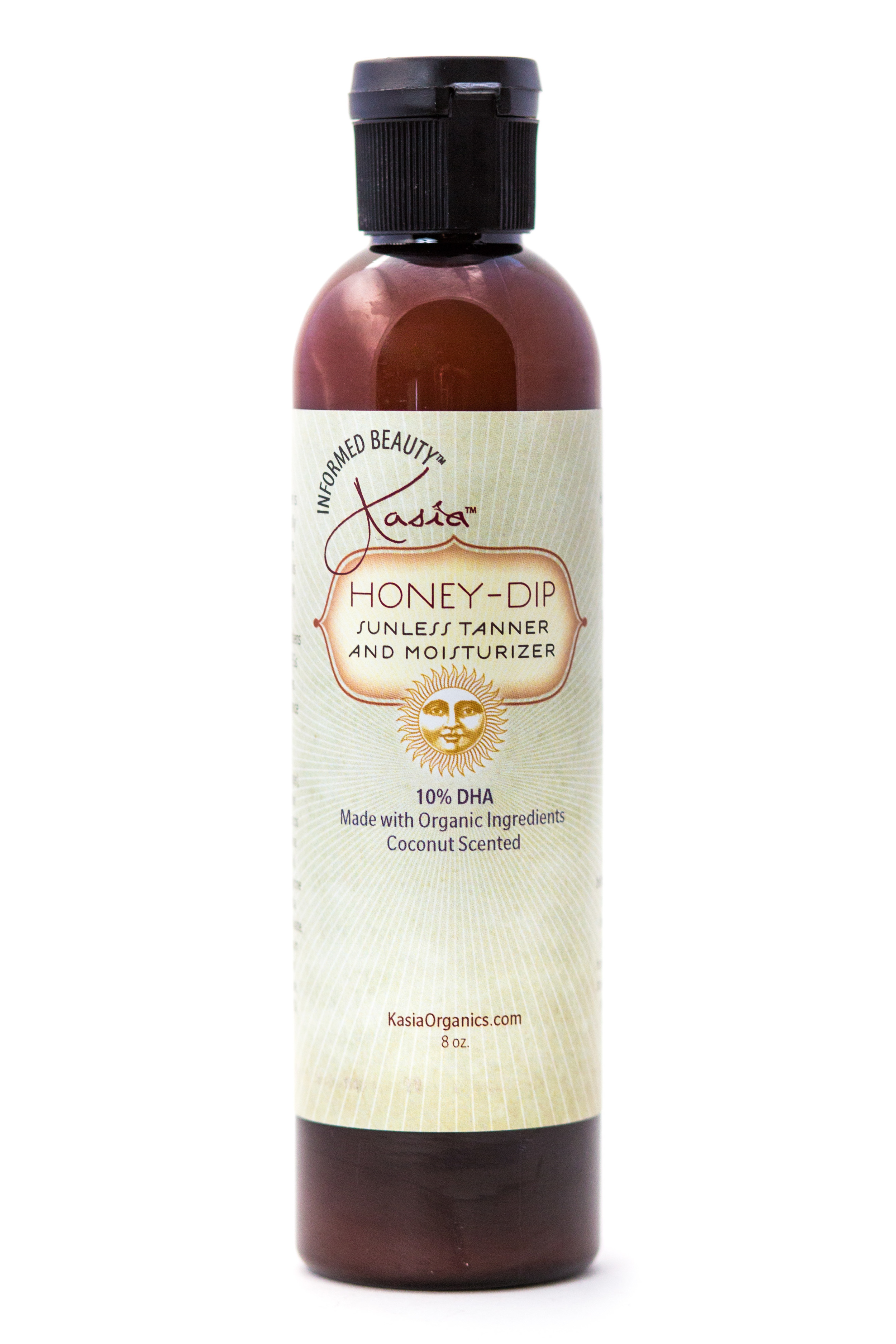
Ready for a bronzed glow that’s as safe and natural as they come? Pick up Kasia Organic’s Honey-HoneyDip JPGDip Natural Sunless Tanner and Anti-Aging Cream. Reformulated with nourishing, anti-aging ingredients and an ultra-lightweight feel, it effortlessly gives skin a healthy glow. With 10% naturally-derived DHA, Honey-Dip offers a flawless, buildable tan, and perhaps most importantly, it smells divine and won’t ever look orange or have a typical self-tanner aroma. Perfect for getting that day-at-the-beach tan without damaging your skin!

Also currently slathered all over our face and body is Kasia’s Good Day Sunshine Sunshield. The SPF 35 product packs a vitamin- and antioxidant-rich, anti-aging punch that hydrates skin while protecting it from the sun’s harmful rays. It smells light and fresh, goes on smooth and comes in a mineral non-nano formula that means it’s safe for the entire family.

What’s all the hype about nano particles? Kasia founder Kassandra Kuehl explains:

“Sunscreens have been closely watched both by the consumer and the regulating organizations for the past few years, and rightfully so. With a brother who passed away from skin cancer at the young age of 24, I have been personally invested in formulating a sunscreen that is safe for all ages. GoodDay Sunshine Body SPF JPGWithin the past two years, broad spectrum sunscreens have exposed a new danger: Sunscreen manufacturers are now adding nano particles to sunscreens with titanium and zinc oxide to make application more smooth and clear (versus the traditional white effect). Unfortunately, nano particles are being added without appropriate labeling or reliable safety information, as they pose potential long-term risk to health.”

At Kasia, we put your "beautiful health" first and foremost. We are committed to using non-nano ingredients and have formulated a blend of broad-spectrum UVA/UVB protection with food-grade certified organic ingredients and antioxidant-rich oils to hydrate, protect, combat free radicals and promote youthful, flawless skin.

Contact our team at 612.824.7611 or Kassie@kasiaorganicsalon.com

// User Icon Setting (may be set to BLACK, WHITE or NONE):