
Ask the Nurse: Vitamin D
I keep reading about the importance of Vitamin D. How much should I be taking and can I take too much?
The importance of Vitamin D is often overlooked. We get Vitamin D from the sun, but for those of us who live in Minnesota and for those who use sunscreen regularly, you can be certain that your Vitamin D level is not high enough. Current research has implicated Vitamin D deficiency as a factor in many forms of cancer, heart disease, autoimmune disease, depression, osteoporosis and many other illnesses. There is no way to know for certain if you are deficient unless you check a 25-hydroxyvitamin D blood test. Levels should be between 60-90 ng/ml all year. In the Midwest we typically see levels decline in the winter and spring because of the low level of the sun and lack of skin exposure. It is impossible to know how much Vitamin D3 or cholecalciferol (not D2 or ergocalciferol) you need to take to maintain a healthy level. Many individual factors determine our needs including age, weight, skin coloration, and genetics to name a few. I would recommend that you start a good quality Vitamin D3 supplement at 5000 IU per day. After 2-3 months you should have your level checked. Then adjust your dosage until you attain a level between 60-90 ng/ml. You may need to do this at the end of fall and the end of spring to know what dosage to use each season. It is rare to take too much although, like any medication, it is possible to become toxic if taking very high doses for long periods of time. I wouldn’t recommend using levels above 10,000 IU daily without regular testing and follow up with someone experienced in Vitamin D deficiency management. A good database of Vitamin D research can be found at www.vitamindcouncil.org .

Reference: Julie Tebben RNC, WHNP
Nurse Practitioner -- Ms. Tebben is an experienced certified nurse practitioner with advanced training in functional medicine and application of bioidentical hormones. Her focus in on women's health, age management, and the functional management of chronic illlness. 
Kasia Essential Oil and Home Remedies for Hair Loss and Growth!
Hair loss is a common problem faced by both women AND men ....and one that we address often at Kasia Salon. We do this by our partnership in home care, and also provide a referal list for advance hormone testing, etc.
In this short read, learn more of why this problem occurs and some effective natural home remedies you can use to overcome hair loss.
Main Reasons
There are multiple factors which can contribute to hair fall but the main ones are generally hormone products (and lack there of), depression, side effects of some medications, toxicity (build up) uncleanness, stress and sometimes it is genetic in nature. Scientifically, the problem occurs due to excess production of DHT in the body.
STOP! If you notice your hair falling at a rapid pace then it is very important to start the healing process as soon as possible to limit any further damage. At Kasia all clients go home with a customized blend of oils with Jojoba Oil to start this process.

The following are some tested home remedies you can easily initiate!
1. Use Jojoba Oil and Essential Oil of choice to massage your head scalp within the evening before going to bed. This will help in strengthening of the hair follicles, stimulate cellular energy, and make your hair healthy.
2. Shampoo? Keep your hair clean with non-surfactant, or conventional hair products. Key is: Keep build up off the hair follicle! By avoided these harsher products you also decrease harmful chemicals which make the hair thin and weak. Our focus as Kasia Organic Salon is to build the hair and scalp back up in daily nourishment.
3. Supplementation for hair loss is also a large part of this process. Omega/Essential Fatty Acids, B Vitamins, and Probiotics help imensely. Kasia LOVES Immuno-viva CORE and Probiotic + for cellular metabolism, nourishment, and gut health. This will also help in lowering dht levels in the body thereby helping in combating hair loss.
4. Stress Less! Be sure to receive self care and adequate sleep, drink plenty of water, helping flush out all harmful toxins from the body - hence giving you healthier skin and hair.
Recommended Hair Loss Essential GC/MC Certified Organic Oils at Kasia that.... WE LOVE LOVE LOVE:
Kasia Jojoba Oil and EO Quick Treatment Guide
Directions: Mix 1oz with total of 10 drops of single/blend essential oils.
Dandruff:
Tea Tree, Chamomile, Rosemary, Ylang-ylang
Dandruff-prevention blend:
Lavender, tea tree, rosemary, rops ylang ylang, 1/2 ounce jojoba oil.
Alopecia/Hair Loss
Lavender, Rosemary, Cedar Wood
Dry Hair
Lavender, Rosemary, Rosewood, Geranium, Sandalwood
Oily Hair Lemon, bergamot, juniper, rosemary, thyme, or ylang-ylang
Normal Hair Juniper, rosemary, lavender, geranium, clary sage
It could take at least 3 to 6 months or even longer for hair to grow back and scalp health improvements to be noticed.
The Difference in teen ACNE versus adult ACNE
The first of the two big differences between acne in these age groups is location.Teenagers tend to have breakouts on the forehead, nose, cheeks, and chin, while adults tend to have breakouts around the mouth, chin, and jaw line.
The second major difference is the underlying condition of the skin. Adult skin is usually weaker and more damaged than teen skin. That means adults with acne need to simultaneously address both the symptoms of acne and the symptoms of aging, such as fine lines, wrinkles, dryness, and uneven skin texture. Products made for teens often irritate fragile adult skin and actually accelerate the appearance of aging.
For patients experiencing adult acne, I recommend a treatment that takes into account all three components of my inclusive health philosophy—internal, topical, and emotional self-care. Internal care means eating healthy, nutrient-rich foods and taking supplements to protect and promote cellular integrity, which improves all systems in the body, including the skin—its largest, most visible, and most connected system. Eating foods rich in vitamin A—such as apricots, shiitake mushrooms, sweet potatoes, and mangoes—increases cellular turnover and helps keep pores clear. Topically, it’s important to use products that treat both acne and aging concerns. In addition, there are steps you can take to lower your skin’s exposure to irritating bacteria: regularly changing out pillowcases and towels, replacing makeup sponges often, and gently washing skin with lukewarm water (scrubbing or using hot water will lead to additional irritation).
Reducing stress by maintaining a healthy connection with friends and family and structuring a positive social environment will help address your emotional self-care.
Focusing on the whole body helps target and eradicate one of the root causes of adult acne—cellular weakness. By optimizing your internal, external, and emotional environments, your population of cells will be younger and stronger, which will help to rapidly resolve adult acne.
Howard Murad, M.D., is an associate clinical professor of medicine at UCLA, the founder of Murad In , and the author of the upcoming book The Water Secret: The Cellular Breakthrough to Look and Feel 10 Years Younger (September 2010, Wiley).
Why is the Ammonia-Free Hair Color at Kasia a better product in terms of safety?
Yes, primarily the formulation does not use Ammonia (Ammonium Hydroxide) and Ethanolamines (including mono-ethanolamine or MEA, diethanolamine or DEA) as alkaline agents.
At Kasia Salon, phone calls come in daily of a growing number of reactive/allergic coloring guests. It's "no wonder...." Ammonia is a strong irritant to skin and the respiratory system, while added ethanolamines which is a milder irritant is also a known toxicant to internal organs and a carcinogen. Source: CosmeticsDatabase.com
Secondarily, as a shared philosophy in our Hamadi/other products, there is a ZERO tolerance of industrial compounds such as propylene glycol (mineral oil), PEG's or synthetics, and sulfates, etc.

What about PPD? (P-phenylenediamine)
NO WAY! There is no ppd for your added safety. However, people who are sensitive or allergic to ppd have a high probability of reacting to its related dye compounds.
We offer a free patch test that we suggest to administered at least 48 hours before the very first color service.
Natural .... Organic hair color...Really?
Well, let's get this clear - the color is made of natural ingredients and organic chemical compounds. Being VERY hesitant in engaging in false advertising like other "natural" or "organic" brands.
Sure, other ingredients cam are organically grown, but the dye pigments of any permanent hair color are not made from living plant material. They are synthetic organic compounds. If somebody ever invented a hair dye system derived from living plants that can lift and deposit colors consistently and cover gray hair uniformly, it will HUGE industry news and licensing in new technology. In a billion dollar market, this would ride on the scale of the TV or the I-Phone!
Top 10 Toxic Ingredients for the Informed Beauty!

Hey Informed Beauty!
You may not be aware of is that those same products you use to enhance your God given beauty may be causing serious effects on your health.
These are just a few of the top potentially toxic ingredients that can be found in your every day cosmetics.
1. DEA, TEA, Diethanolamine, Triethanolamine:Emulsifier and/or foaming agent. Skin sensitizer, can form carcinogenic nitrosamine compounds in the skin or body after absorption if mixed with nitrosating agents. A respiratory toxin, neurotoxicity hazard and immunotoxicity hazard.
2. Dibutyl Phthalate, DBP: Possible reproductive or developmental toxin, potential endocrine disruptor, skin sensitizer, immune system toxin, gastrointestinal or liver toxicant, kidney toxicant, and neurotoxin. The European Union has found it to be dangerous for the environment, very toxic to aquatic organisms and has banned it from use in cosmetics. The EPA Water Quality Standards Database states it is a priority water pollutant under the Clean Water Act and a hazardous air pollutant under the Clean Air Act.
3. Formaldehyde, Formalin: EWG lists it as a known human carcinogen, skin and lung sensitizer, gastrointestinal or liver toxicant and neurotoxin.
4. Parabens, alkyl parahydroxybenzoate, butylparaben, methylparaben, ethylparaben, propylparaben, isobutylparabens: Widely used as a preservative in cosmetics. Have been assessed as hormonally active, possible endocrine disruptor, skin sensitizer and skin or sense organ toxicant. Recents scientific studies in the U.K. found a strong link between parabens and the increasing rate of breast cancer in women, Researchers found a high concentration of paragons in tumors tested.
5. Petrolatum, petroleum jelly: Emollient or lubricant. Potentially contaminated with impurities linked to cancer or other significant health problems. The European Union has banned petrolatum from use in cosmetics.
6. Propylene Glycol, Proptylene Glycol, 1,2-Propanediol. Related synthetics: PEG (polyethylene glycol) and PPG (polypropylene glycol): Used as humectants (to retain moisture). Penetration enhancer, which alters skin structure, allowing other chemicals to penetrate deeper into the skin, increasing the amounts of other chemicals that reach the bloodstream. Suspected respiratory toxin, immunotoxicity and neurotoxicity hazard.
7. Sodium Lauryl/Laureth Sulfate, Sodium Lauryl Sulfate, Sodium Lauryl Ether Sulfate, Anhydrous Sodium Lauryl Sulfate, Irium: Used as a surfactant (makes it foamy). Penetration enhancer.
8. Talc, Talcum: potentially contaminated with harmful impurities linked to cancer or other significant health problems and a respiratory toxicant. Scientific studies have shown that routine application of talcum powder to the genital area is linked with a three-to-four fold increase in the development of ovarian cancer.
9. 1,4-dioxane: A carcinogenic contaminant of cosmetic products. Almost 50% of cosmetics containing ethoxylated surfactants were found to contain dioxane. May exert its effects through inhalation, skin absorption, and ingestion.
10. Isopropyl Alcohol: Alcohol is used as a solvent in many skin care products. It causes skin irritation and also strips the skin of its natural acid promoting the growth of bacteria, moulds and viruses. It may also cause premature aging of skin.
Next time you go shopping for cosmetics or skin care products PRINT and POCKET our TOP TEN CARD in your purse, and please......take a few moments to read the labels.
Resource: http://www.naturalcosmeticnews.com/category-2/top-10-potentially-toxic-ingredients-in-cosmetics/
Newsletter: Summer Trends + Take advantage of Fathers Day Special!
|
|||||||||||||||||||
|
|
|||||||||||||||||||
|
|||||||||||||||||||
|
|
||||||||||||||||||
|
|||||||||||||||||||

 Dear kassie,


Kasia BERRY- FRESH SOAP NUTS * USDA * All-purpose Cleaner
Kasia BERRY- FRESH SOAP NUTS
organic all-purpose cleaner
USDA CERTIFIED • ORGANIC • ALLERGY-FREE
A SAFE ALTERNATIVE TO CHEMICAL CLEANERS
The growing informed consumer is becoming aware of facts that previously went unnoticed such as the presence of Triclosan in anti-bacterial soaps, bisphenol-A in plastics and that air fresheners doused in phthalates. These hazards are present in items that a person uses on a daily basis, but also harmful to health but also deplete the environment.
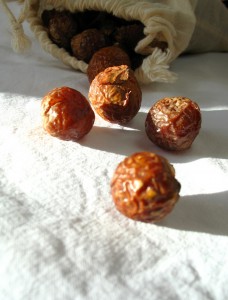
Soap nuts as a detergent
Soap nuts are actually not a nut at all; they are in fact a berry from trees that grow in particularly in India and Nepal. Saponins are nature’s cleansing agents that act like soap when they come in contact with water. The saponins dissolves in the water and function as detergents. The soap nuts allow water to penetrate well into the fabric thereby washing and cleaning them. The dirt is attached to the surfactant which is then drained along with the water.
An Easy Win-Win
Simple to use, cost effective, safe and “YES!” they work. Think about it. The less that we expose ourselves to chemicals, the better off we are right? If you stop and think about the quantity of products and environmental impact we have contact our skin everyday and the conglomerate of particles that we inhale, there is no doubt we are a walking chemical slew.
With the dramatic up-swing of allergies and disease, more people every day are becoming aware of and notice the effects of the chemicals that we are exposed to (through no fault of our own).
Long term effects of chemicals in detergents and soaps…
- Remain trapped in the clothes then create skin irritations and release harmful vapors
- Detergents contain allergy causing enzymes and dermatitis.
- Lung and heart problems can occur from the Sodium hypochlorite
- Higher risk to develop breast/prostate cancer or infertility from the nonylphenoxy ethoxylates
- Clothes wear out much faster
- Sodium hypochlorite presents in the detergents cause lung irritation, respiratory reactions, and cardiovascular damage and damage your eye and skin.
Why you should use soap nuts
Extremely Economical and Cost Saver
- They replace many products such as laundry softner, additives, and dryer sheets. Just look at the taxes alone you are saving from not having to buy so many products.
· You save on water consumption and water softeners
· They reduce clutter. With so many less products to buy no need for tons of storage.
· They cut down on waste. With lots less products to buy, means less garbage to dispose of.
· Safe for the environment and you. They are 100% biodegradable….non polluting……organic…non hypoallergenic…safe for septic systems
· Easy to use: Can use them in their natural state, or grind them into a powder using a coffee grinder or blender. Store the whole nut, or the grindings in an air tight container.
Soap Nuts for Managing Eczema & Psoriasis
Instead of prescription medicine to manage your eczema and psoriasis, try using soap nuts liquid as it provides a completely natural and hypoallergenic laundry detergent with no chemicals for treatment. Soap nuts are so gentle on the skin that they can even be used for babies and people who develop allergies to commercially available washing products.
This is extremely helpful for people who suffer from skin disorders because many times the clothes that are being washed with conventional detergents or soaps can cause the skin condition to worsen. Soap nuts are a natural product and have a very mild and pleasant aroma. Using them as a laundry detergent instead of usual commercially available detergents is a very simple way of getting relief from these skin conditions.
How to use for Laundry, a little is a lot!
Fact: A 1lb bag of soap nuts hand packed in biodegradable packaging is highly capable of 160-200 loads of laundry!
1. Put 5–6 Soap Nuts (about 1/2 oz.) into a ‘wash bag.’ If desired, add in your favorite Essential Oil for extra antimicrobial properties and scent.
2. Toss bag in washing machine with dirty laundry.
3. Reuse wash bag 4–7 times — or more. (Note: Number of loads vary due to water temperature, hardness, washer type, duration of cycles, etc.)
So just how many soap nuts is enough?
Warm water causes the release of the saponin contained in the soap nuts, so base the amount according to the degree of soiling in the laundry items.
2 soap nuts for hot water, 4 for cold water or heavy staining,4-5 in hard water
(reuse soap nuts about 5 times then discard used shells in the compost bin)
Using as a liquid detergent for everyday cleaning
Soap Nuts also are a safe replacement for many chemical-based, multi-purpose cleaners. Liquify the Soap Nuts and use the solution to clean windows, bathrooms, kitchens and floors. It can also serve as liquid hand soap, laundry soap for ultra delicates and shampoo.
“Liquid Soap Nut Soak” Recipe
1. Bring four cups of water to a boil in a heavy sauce pan with a lid. 2. Turn off the heat and toss 6–8 Soap Nuts in the saucepan with the hot water. 3. Cover the sauce pan. Let it sit overnight. 4. In the morning, remove and discard the remaining shells. 5. Pour the cooled liquid into a container with a lid. Give your Soap Nut Soak a scent of essential oils — lemon or tea tree oil for bathroom cleanser, lavender for cold water laundry loads, and sweet orange for dishwasher cleaning liquid.
This batch of Soap Nut Soak will wash at least 8 loads of laundry use 1/4 to 1/2 cup for each load).
For powdered soapnut crush the soapnuts in coffee grinder. Or boil soap nuts and strain the liquid then can be frozen in cubes and place in the muslin bag when needed.
Customize your Load by adding Quality Essential Oils
If you prefer a scent, you can some essential oil of choice to the soap nut wash bag before dropping it in the wash. The scent of the oil will remain. Alternately put the essential oil on a clean and absorbent cloth, and toss it in the dryer (like using a dryer sheet).
The perfect oils for the perfect scent
Give your Soap Nut Soak a scent of essential oils — lemon or tea tree oil for bathroom cleanser, lavender for cold water laundry loads, and sweet orange for dishwasher cleaning liquid.
SOAP NUT USE CHART
PURPOSE |
RESULTS |
HOW TO USE |
Shampoo & conditioner |
Clean, silky shiny hair, dandruff treatment |
1 tsp. soap nut ground, mixed with a little water. |
Body wash |
Clean, healthy, soft soap free skin, |
1 tsp. soap nut mixed with a little water. |
Head Lice |
Effectively kills lice and makes it easy to remove eggs |
Same as shampoo |
Dish Washing |
Clean chemical free dishware |
1 tsp. added to dish water |
Laundry |
No soap residue, chemicals, less fading, no need for fabric softener |
Small net bag with a 5-6 soap nuts in it |
Jewelry Cleaner |
Gold, silver sparkle again |
Make a paste with 1 tsp ground soap nut, and water rub on and polish |
All purpose cleaner |
Floors, counters, almost any surface |
Boil about 1/4c.soap nut shells in 2 c. water. let simmer for 10 mins. |
Pet shampoo |
Gentle leaves coat clean and shiny |
Same as for shampoo |
Garden |
Natural garden pesticide |
Mix one tsp, in 2c. water |
Thank You, Mother -Nature for soap nuts.
She has given us a healthier life style for our families!
Dramatically reduced our exposure to harmful chemicals!
Give back to the environment after meeting our needs!
PLUS! Saved us a ton of money….
$21.95 for....up to 200 washes!