Why add a lemon to Kasia Cherry Lemongrass sencha green tea?

Enjoy the synergy of using green tea and citrus to enhances the absorption of the antioxidants! In a Japanese study with more than 40,500 participants, it was discovered that those with the lowest risk of dying of heart disease or stroke drank at least five cups of green tea every day. Not anything really new, but the authors of the study again found that the catechins, the powerful antioxidants in green tea, are responsible for this health-saving effect. They also found, however, that only 20% of the catechins actually survive the digestive system.

What does this mean?

Well, if you like lemon, put it in your tea! It's perfect for coming into Iced Tea season. I suggest organic, but regardless, it was found that the vitamin C in lemons or lemon juice help your body absorb 13 times the antioxidants as you would from drinking the tea without lemon - this according to a Purdue study.

Now you know why we infuse our skin products with "C" and antioxidants. It's all in the SYNERGY!

Enjoy Kasia Beautiful Health Tea

4 Rich Flavors

Small Batch * Artisan * Fair Trade

50 cups per 4 oz tin!!!!


Kasia is committed, in partnership, to Fair-trade and Artisan practices to bring you ingredients that are designed and hand-blended in small batches by time-honored traditions, ensuring freshness and one-of-a-kind quality. Completely natural with no artificial coloring, preservatives or flavoring. Dried fruit pieces, nuts, herbal tisanes, and botanicals add amazing flavor and aroma.


Learn more about Kasia Loose Leaf Teas HERE

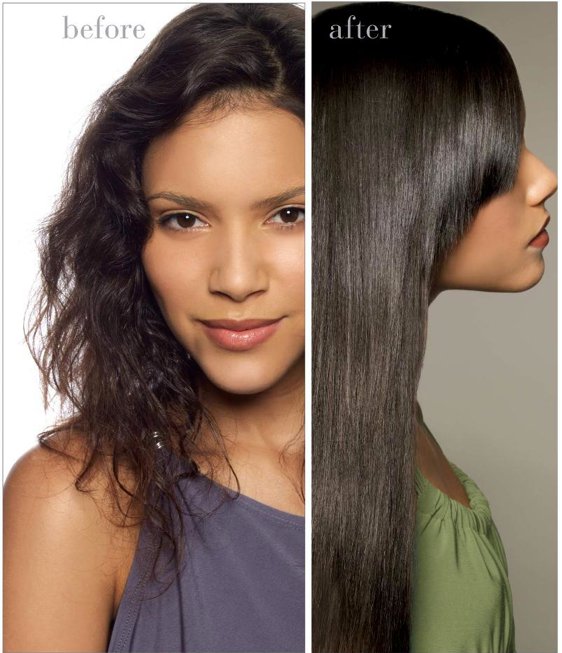
Clients RAVE about Kasia Express Keratin Treatment!

You like to think you're in "good condition" ... but truly under the flat iron those frazzled locks need some extra lovin' to make that come true. Improve that condition, with your Kasia Stylist with our QUICK Semi De-Frizz Keratin Treatment. This revolutionary conditioning therapy puts damper on your frizz while strengthing the hair.  The more you do - the better the shape your hair is!   Keratin is sealed into your hair, and you instantly get amazing shine, and silkiness. Clients are raving over this quick treatment that makes hair more manageable, smoother, faster to dry and easier-to-style.   (* A more permanent smoother is also available)

NEW Express Keratin Treatment at Kasia!

Take a small bit of your time  to go deep down to reconstruct your stressed, dry or damaged hair with protein, moisture, strength and shine.

Appointment time frame for the busy Informed Beaute'

Wash * Deep Condition * Apply Keratin Protein and Style! 45 minutes for full treatment  & only an extra 15 minutes if added to a color!

Frizzy and dry hair needs a deep Conditioner for moisture teamed up with a  high concentrations of protein, amino acids and other essential nutrients in order to build and protect. The results are long lasting but not permanent. The more often you use it, the more beautiful your hair will be.

Kasia Express Keratin Treatment –

This professional, semi-permanent service creates smooth, shiny texture through a enriching, chemical free, and deposit-only process.  Results last 7 to 10 shampoos. It’s the go-to solution if you are seeking a sleeker look without the commitment returns to its original texture.

**This $50 treatment lasts for two to three weeks and takes 45-60 minutes.   Add a treatment to your hair color (additional 15 minutes) and receive 35% OFF!


Relaxing Keratin Treatments

The new  relaxing curl  and de-frizz treatment is 100% formaldehyde free. We promise!

There has been a lot of underlying controversy surrounding the Brazilian Keratin treatment.

Formaldehyde-based Smoothing Treatments contain fumes from the treatments are unhealthy to both the guest and the stylists administering the service. I (Kassie, Owner of Kasia)  have talked to two chemists to truly understand the issue of ingredients, as well as looked at many of the current lines available. I’ve found two thus far that meet a standard of safe use at Kasia Organic Salon.  Our commitment is to continuously seek any “better or cleaner” product  for our guests.

Many Salons claim their product is best for your hair. Some companies even claim they are formaldehyde free when in fact, they are not.   Kasia promises to bring you truth and the research to back up our educated decisions of services materials.

Call to make an appointment today!  612 824 7611

Hair Tip: Conquering Oily Hair

  A majority of women wash their hair everyday because they have oily hair or want to “feel clean.”  This works for the short term, but for many of us who color our luscious locks, this easily results in the dramatically shortened lifespan of our color’s quality, as well as dry out the hair from over cleansing.  Kasia Organic Salon uses a color line that cuts down fading immensely, but a too many scrubs has an effect.


So how do you maintain less oily hair without losing your color?


YES, as your stylist has probably told you all along, the answer is to wash your hair LESS. This doesn’t mean you shouldn’t wash your hair ever, and by no means take this to mean you shouldn’t take showers (please take showers!). Slowly weaning yourself off of washing your hair everyday with signal to the sebaceous gland in the follicles to produce less sebum.


This will protect your color from fading, your cuticle being stripped of it’s natural oils to produce healthy hair grown, and and your hair from being over cleansed.


Also check out our Kasia Dry Shampoo which will help lift out excess oils and products to give you that great just showered feeling in between washings.  Shampoo’s without harsh surfactants or SLS is also very important, along with a conditioner with efficient hydrolyzed proteins to repair the hair.

For more great tips, just visit your Kasia Organic Salon experts with your questions!

15 Super Women Uses for Jojoba Oil

15 Super Women Uses for Jojoba Oil

Jojoba Oil is by far one ne of my favorite body products of all time; it’s incredible versitale for the whole family.

Here’s some tips I’ve found on getting the most out of your Jojoba Oil…

  1. Cuticle Oil – rub a drop on your hands and cuticles at least once per day. Option: Add a drop of Tea Tree Oil to your jojoba for a quick, all-natural anti-fungal nail treatment.
  2. Body Lotion – easy enough… just remember that a little goes a long way. You won’t need the dollop size you normally use with a traditional lotion. Jojoba sinks in super quickly and spreads across your skin easily. For even more fun or a special occasion, mix some cosmetic grade glitter with the oil and apply to your legs, arms and chest.
  3. Face Moisturizer – 1 to 2 drops is perfect for your face. Use after moisturizing. And… it’s PERFECT to apply under mineral makeup. You’ll look radiant and your minerals will perform so much better!
  4. Lip Oil – it’s light, natural and absorbs quickly removing all traces of flakes and the anti-oxidants will help keep aging at bay. Create your own unique lip oil in a small glass jar: add a few drops of your favorite flavoring (check the bakery aisle at your grocery) such as eucalyptus for minty freshness, strawberry or citrus oil for fruity flavor!
  5. Tame Flyaways – When you finish rubbing the jojoba into your nails and cuticles, rub your palms across the top of your hair to tame hair frizz!
  6. Makeup Remover – Mix half water and half jojoba in a small container (your free sample shampoo bottles will work perfectly for this). Shake before use, squeeze a bit onto a cotton pad and use to quickly and gently remove your eye makeup. As a bonus, the jojoba conditions eye lashes!
  7. Scalp Massage – or scalp treatment. Rub the oil into your scalp before bedtime and wash out in the morning.
  8. Quick Hot Oil Hair Treatment – Rub about 1 teaspoon of warmed oil through your hair when you first get into the shower. Let it sit while you shower. Rinse at the end of your shower, shampoo and condition as usual.
  9. Deep Hot Oil Treatment – Rub 1 tsp to 1 tablespoon of jojoba through your hair. Cover your head with a plastic shower cap or saran wrap. Let sit for 1-2 hours. Shampoo out and condition normally.
  10. Carrier Oil – White jojoba oil has anti-oxidant properties on its own; but it can also be applied overtop your other skin care treatments to ‘carry’ their active ingredients deep into your pores and skin.
  11. Split End Treatment – Add a drop or two of oil on ends of your hair as a split end treatment. Apply before blow drying or heat styling for protection.
  12. Added Moisture – Need more moisture during the winter or in a dry climate? Mix a few drops of jojoba to your normal body or face lotion application.
  13. Quick Hair Condition – Add 2-3 drops to your normal dose of hair conditioner. Mix in the palm of your hand, apply, and leave in while your shower. Rinse and you’ll have moisturized, shiny hair!
  14. Before Sunless Tanner – Apply lightly to elbows, knees, soles of feet, heels and palms to prevent extra sunless tanner from soaking into these porous areas.
  15. Before Swimming – Run 3-4 drops through your hair before diving in the pool or ocean. The oil will help close your hair cuticle and prevent harmful chemicals from stripping your color, and drying your locks.
  16. Scent!  Add Kasia Apothecary Essential oils for a natural and therapeutic body oil!

Kasia Organic Salon retails Organic and Pesticide Free  Jojoba Oil: We love Jojoba because it is Nature’s best moisturizer absorbs quickly into your skin with no residue. Reference: BionicBeauty

Absorb or Reflect? A Sunscreen Saftey Basic.

What is a sunscreen?

At a very basic level, sunscreen is anything which helps protect the skin against the harmful rays of the sun. This includes clothing, sunglasses, parasols and preparations specifically formulated to be applied to the skin. Most of us tend to use this term  of sunscreen when we talk about sun protection products.

The key ingredients of a sun protection product are around the filters of UV.

What are the different types of UV filters?

All UV filters are chemical substances which act as sunscreens. They typically fall into two main categories: synthetic or organic filters, such as the cinnamates, which absorb UV light; and mineral or inorganic filters, such as titanium dioxide, which mainly reflect UV light. Frequently, both types are used in combination for optimum effect in a product.

How do sunscreens work? The main component of a sunscreen product is the UV filter or filters. Their job is to stop ultraviolet light from reaching the skin. UV filters can do this in one of two ways: they can either absorb the UV-light by “soaking it up”; or they can scatter it and reflect it away from the skin (how Kasia Good Day Sunshine is composed). Consequently, there are two different types of UV filter and these are:


Absorbed Light

Absorber filters (or organic filters) Absorber type UV filters work by absorbing ultraviolet light much like a sponge soaks up water. Each tiny sunscreen “sponge” soaks up ultraviolet light, and then releases it back out after converting it into lower energy and less dangerous infrared light. These filters can be thought of as “energy converters”, converting dangerous ultraviolet light into safer infrared warmth.

Reflected Light

Reflector filters (mineral or inorganic filters) Unlike the absorber-type UV filters, reflectors tend to be less specific about the type of UV-light they reflect and tend to protect against both UVA and UVB. These sun filters act in a different way. Instead of soaking up the UV rays in the way that the absorber sun filters do, these materials reflect and scatter the UV light away from the skin without changing it to anything else. They can be thought of as thousands of tiny mirrors each reflecting UV light away from the skin. reflected light.  This is the Kasia "Informed Beauty" suggested route of purchasing sunscreens for you and your family.


What should you consider when 'out and about?'

The basic precautions against the harmful effects of the sun are:

  • the best use of a sunscreen is a physical block
  • wear appropriate clothes
  • seek shade
  • be aware of reflected sunlight (from water, snow, sand etc)
  • avoid direct sun particularly during the hottest four hours of the day (11.00am to 4.00pm).
  • reapply sunscreen liberally and often

Learn more about your options at Kasia Organic Salon.

We provide Good Day Sunshine, a highly  integrative sunscreen rated as a TOP 10 on EWG's safest Sunscreen List. Everyday wear such as our beautiful line of mineral makeup is an option that is sure to protect your face sun or snow all year around.  Last but not least, Kasia Honey Dip Sunless tanning lotion smells like fresh cocoanut and gives your skin the perfect warmth and glow you are looking for.


Reference: CTPA

French backs ban on plastic chemicals and parabens

French parliament backs ban on plastic chemicals and parabens in cosmetics

By Andrew McDougall, 06-May-2011

Phthalate chemicals used in plastics and paraben preservatives in cosmetic manufacturing could be banned following a vote from the French National Assembly.

French parliament voted through the first reading to ban the plasticizers by centre-right Nouveau Centre grouping, which is led by former defence minister Hervé Morin, despite opposition by President Sarkozy’s UMP and the government.

The French National Assembly vote to ban phthalate chemicals was based on their endocrine disrupting properties which are mainly used as plasticizers to enhance flexibility, transparency, durability, and longevity of plastics and parabens which are a class of chemicals widely used as preservatives in cosmetics formulations.

When the bill was first proposed Health Minister Xavier Bertrand suggested waiting until next year for the new scientific test results, before making a decision.

Not certain to become law

The proposal, which was passed by 236 votes to 222 was greeted well in parliament although it is not certain to become law as the government is not bound to pass it to the Senat, France's upper parliamentary house for further consideration.

Environmental campaigners have also cheered the vote, with researcher André Cicolella telling French daily Le Parisien: "It's an excellent decision and shows MPs have been conscious of the importance of the situation and resisted the chemical lobby."

Phthalates are chemical compounds used in plastic wrapping, adhesives, paints, and cosmetics products like nail varnishes, hair lacquer and perfume.

The problem arises as the plastics break down and get released in the atmosphere, with various tests in the US detecting phthalates in the human bloodstream.

The problem here is that they are hormone-disrupting chemicals related to obesity and also act as estrogen-mimicking substances hence affecting male reproductive process.

As they are common ingredients in personal care products and plastics applications the French parliament took the decision to investigate their use.

Parabens – safe or dangerous?

Parabens are preservatives used in many types of formulas and cosmetic applications such as shampoos, commercial moisturisers, shaving gels, rub-on gels and toothpaste, and according to a study carried out by the University of Reading, are associated to breast cancer and thought to mimic oestrogen.

According to reports in French-English Newspaper The Connexion various cosmetics companies have now withdrawn the use of chemicals in products.

In Denmark, the use of parabens has been banned from use in children’s personal care products.

However, last year The Scientific Committee on Consumer Safety (SCCS) released its opinion on the use of parabens as preservatives in cosmetics products, stating they are safe to use as cosmetics preservatives although use levels for some of the compounds in the family should be reduced.

Eat Your Sunscreen

"Thank you to Jimm Harrison for this great article!Enjoy the read and don't forget your Sun Block Informed Beauty!"

When planning your dinner meal this evening, don’t forget to include a side dish of sunscreen. May seem odd, but, seriously, this is a good idea. No, I’m not talking about strange creams in a tube or jar. I’m talking about spinach and broccoli and tomatoes and deeply colored and tasty foods that are likely already part of your menu. And what about a sunscreen for dessert? Well, chocolate with berries of course!

Botanical UV Protection

There has been a lot of interest lately in the use of botanicals and their ability to quench free radicals and protect cells from the damage caused by over exposure to the sun. In a recent presentation at the 7th Scientific Wholistic Aromatherapy Conference in San Francisco, California, I documented a full array of foods, herbs, and essential oils that have been well researched with positive results in protecting cells from sun and tanning booths. Ultra Violet Radiation (UVR) induced caused by the sun and tanning booths can cause photoaging, erythema (sunburn), basal and squamous cell carcinoma and melanoma.

I was blown away by the amount of evidence available supporting the UV protection that can be provided by the foods and herbs we could and should be eating or supplementing with everyday.

The main reason these botanicals provide such potent UV protection is due to their powerful antioxidant action. Yet another reason to be sure you are getting ample amounts of highly antioxidant foods into your diet. Antioxidants protect against the damaging free radicals produced by UVR, which cause damage to cells, affecting the DNA.

Today’s Sunscreens

Over the counter sunscreen use is the most widespread approach to protection from sun damage, skin cancer and photoaging. Though useful, sunscreens are not adequate and fail in the prevention of solar UV induced skin cancer and photoaging, according to a 2007 article in Life Extension magazine. This may be due to improper use, incomplete spectral protection and potential toxicity. Common sunscreens are designed to protect against sun damage by either reflecting or scattering UV rays or by absorbing the UV rays.

Recently in a 2009 SOFW journal, questions have been raised regarding the safety of sunscreens to humans and their harmful effect on the environment and aquatic life. The use of sunscreens, coupled with the some people’s fear of the sun, is related to deficiencies of the necessary nutrient vitamin D.

Commercially available sun protection may not be the best that we can do. According to a 2006 journal of Experimental Dermatology, there are novel strategies that have been presented to reduce the occurrence of skin cancer and delay the process of photoaging by way of prevention with the use of botanical antioxidants that are present in the common diet. Antioxidants are capable of preventing UVR-induced skin cancers through their capability to quench free radicals and inhibit many UVR-induced cell-damaging effects, as stated by a 2003 journal on photo chemo prevention of skin cancer.

Botanical antioxidants are growing in popularity as many mainstream makers of sunscreens are now using them in their products in combination with traditional sunscreens, though they give little acknowledgement of the botanicals as sun protective agents.

It is still recommended for you to use sunscreen even with these cautions. But there are also additional food based measures you can take to protect your youthful skin.

Sunscreen for Dinner

To benefit using the added protection from sun damage that botanicals provide you will need to eat large amounts of the active botanical compounds found in the food. It’s these active compounds that provide the variety of color to foods and gives evidence to the high-powered antioxidant value. The beneficial compound families, and some foods that contain them, are:

  • Carotenoids ~ carrots, tomatoes, green leafy vegetables, sweet potatoes, corn, egg yolks, melons, blueberries and purple berries
  • Flavonoids ~ grapes, apple, berries, green and black tea, black-eyed peas, broccoli, ginger, turmeric
  • Polyphenols ~ grapes, red wine, berries, green and black tea, chocolate, olive oil, peanuts

The average recommended amount of fruits and vegetables is 3-4 servings of fruit and 4-5 servings of vegetables a day. That’s a simple guideline, when in doubt; eat more, within reason of course. Spice up that meal as well with ginger, basil, turmeric and other richly fragrant herbs and spices. Be sure you are eating the freshest whole foods, and organic whenever possible. Also, cooking depletes the nutrients, so never over cook, instead, lightly steam for 3 to 4 minutes. Juicing is a great way to get a high concentration of botanical nutrients. Antioxidant supplements are recommended for added benefit. The best are those that are the concentrated food extracts, such as the supercritical extracts or tinctures.

The foods, and their compounds, need to be consumed for a period of time before they will actually provide adequate protection. So don’t think after eating a grape you’re all set to go. Most studies showed a period of 10 to 12 weeks before the botanicals offered the sun protection.

This is also not a replacement for sunscreen.

Food on the Body

Extracts from these same foods can be used topically to help provide antioxidant protection from sun damage. This, again, is not yet a sunscreen replacement. I think within time, and provided regulations and corporate considerations are made, botanicals will be available as natural full spectrum sunscreen. But for now, let’s look at what you can do on your own. All of the above mentioned foods and their extracted compounds are finding their way into skin and body care products. The more natural color you see in products containing them, the more benefit you get from these compounds.

Here is a list of topical ingredients to look for in your skin care formulas:

  • Olive oil ~ this is an ideal preventative lotion on its own. Use olive oil daily and under your sunscreen for beautiful, healthy skin.
  • Shea Butter ~ provides a good emollient and moisturizing effect, with UV protection, to lotions and creams.
  • Astaxanthin ~ a red algae (Haematococcus pluvialis) supercritical extract that is well documented for its powerful antioxidant action and UV protective quality. It’s a deep red, orange color and difficult to put into skin care, but worth it.
  • Vitamin E mix ~ Vitamin E is a popular antioxidant and is now known to protect from sun damage. A good mix will contain the naturally extracted tocopherol and tocotrienol forms of vitamin E.

You’re on Your Way to Better Skin and Health

There are many more botanicals and extracts that could be listed here. The information provided should give you a pretty good start to your botanical sun protection regimen. If you do the types and amounts of food recommended here, not only will you be providing added protection from skin damage, but will also be increasing your overall health and beauty.

Jimm Harrison’s innovative and distinctive approach to beauty and health is the culmination of years of in-depth research on natural and nutritional beauty principles. He is a Holistic Beauty Scientist, educator and developer of organic and nutrient rich skin care products. Jimm is the author of Aromatherapy: Therapeutic Use of Essential Oils for Esthetics.

What you need to know! May is Skin Cancer/Melanoma Month

May starts National Skin Cancer/Melanoma Awareness Month campaign. Skin cancer is one of the most common types of cancer, with over one million people diagnosed each year!

Everyone looks forward to the sun returning in the summer, especially for those of us in the upper and midwest climates when the snow melts, school is out, the kids return home, barbecues start up, and we gravitate outside.

But it's also crucial that we pay attention to our bodies and the sun.  Yes, absolutely we need that 15 minutes of sun a day to absorb enough vitamin D, but too much sun can have adverse consequences, like skin cancer, the most dangerous of which is melanoma. A cancer that occurs in melanocytes, the cells that give skin its color, melanoma represents about 3% of all skin cancers. However, it has the highest death rate of all types and is more likely to metastasize (spread).

The Facts You Should Know

Although melanoma accounts for only about 4 to 5 percent of all skin cancer cases, it causes most skin cancer-related deaths. However, if detected and treated in its earliest stages, melanoma is often curable.

In men, melanoma is most often found on the area between the shoulders and hips or on the head and neck. In women, melanoma often develops on the lower legs.

The chance of developing melanoma increases with age, yet it is still one of the most common cancers in young adults.

Skin cancer affects one in five Americans, and more than 1 million new cases are diagnosed each year. Of these cases, more than 65,000 are melanoma, a cancer that claims nearly 11,000 lives each year.

Fast Facts About Skin Cancer

  • Skin cancer and melanoma account for about 50% of all types of cancers diagnosed combined.
  • Skin cancer is one of the more preventable types of cancer.
  • More than 90% of skin cancer is causes by excessive exposure to the sun.
  • Each hour, 1 person dies from skin cancer.

Skin Cancer and Melanoma Basics

Skin cancer is divided into two categories: melanoma and non-melanoma. Melanoma is a dangerous form of skin cancer. Although serious, non-melanomas are much less life threatening and easier to treat.

Melanoma accounts for 4% od skin cancer cases diagnosed. It is estimated that 62,000 people will be diagnosed with melanoma in 2006. Almost 8,000 are expected to die of melanoma this year.

There are two common types of non-melanoma skin cancer: basal cell carcinoma and squamous cell carcinoma

Symptoms of Skin Cancer

  • A small lump (spot or mole) that is shiny, waxy, pale in color, and smooth in texture.
  • A red lump (spot or mole) that is firm
  • A sore or spot that bleeds or become crusty. Also look for sores that don't heal.
  • Rough and scaly patches on the skin.
  • Flat scaly areas of the skin that are red or brown.
  • Any new growth that is suspicious

If you suspect that a lump, spot, or mole may be suspicious of skin cancer, see your doctor. When detected early, it is highly treatable.

The ABCs of early melanoma detection

Melanoma appears most frequently on the trunk area in fair-skinned men and on the lower leg in fair-skinned women. In dark-skinned people, melanoma appears most frequently on the palms, the soles of the feet and the skin under nails. If caught early, melanoma is potentially curable.

Be aware of change and new growths on your body. The ABCs of melanoma provide a good guideline:

•    Asymmetry of lesion: Are the sides of the lesion different? •    Border irregularity: Are the edges notched as opposed to smooth? •    Color variation: Is the lesion a mixture of black, blue, red and white? •    Diameter: Is the diameter greater than six millimeters? (Most melanomas are larger than the head of a pencil.) •    Evolution: Is the lesion growing in width or height? •    Feeling: Has the sensation around a mole or spot changed?

These recommendations serve as a guide. Promptly show your doctor any suspicious skin area, non-healing sore or change in a mole or freckle. If exam results suggest cancer, more extensive diagnostic tests should be conducted.


Natural and Free from Harmful Chemicals

Good Day Sunshine Sunscreen, developed by local natural health and beauty care leader Kassie Kuehl, is a chemical-free sunscreen optimal for sensitive or traumatized skin and safe for children.

“Losing my 24 year old brother to skin cancer, I have grown well aware of the many underlying potential causes,” Kuehl said. “Unlike chemical sunscreens, I love that nature can provide remarkable ingredients that reflect and scatter away both UVA and UVB rays from your body by forming a physical barrier, without irritating or clogging your pores.”

Additional key benefits that set Good Day Sunshine Sunscreen apart from commercialized sunscreens:

* True broad-spectrum UVA/UVB protection

* Safe for toddlers and children

* Non-chemical sunscreen

* Moisturizing and healing properties

* PABA-free and fragrance-free

* Light and smooth formulation ideal for daily use and can be applied under makeup

* Formulated for skin sensitive to traditional sunblocks and post-treatment patients

* Formulation of  5% zinc and 5% titanium

Why add the ingredients of GREEN TEA?

Numerous studies now show that green tea is a powerful antioxidant, especially used on the skin.  When applied topically,   green tea is highly capable of   assisting in skin damage reduction and sun radiation.  In short, green tea helps protect your skin’s cells by providing antioxidant protection.

* FREE of chemical laden fragrances…NON-zero….zilch.

* FREE of parabens (harsh chemical or any harsh preservatives)..

* FREE of Xenoestrogens!

Active Ingredients: Titanium Dioxide 5%   &   Zinc Oxide 5%

Learn more about our non-scented, non greasy, easy to use physical sunblock HERE!!

Reference:  Cancerwise.com and cancerabout.com

// User Icon Setting (may be set to BLACK, WHITE or NONE):