Solution to EMF Clearing: PRL Laser

Quantum Laser: EMF purifier!

A New Class of Quantum-State Laser Energetics to Eliminate Embedded, Toxic Electromagnetic Fields in Your Body and in Your Home.   What if you could take a life-draining food or surface area in your home and change it into life-sustaining cell-resonance? Now, there is a new, revolutionary method to accomplish this-the Quantum Laser.

EFF pollution: a growing concern. With all these electronics, transmitting and scanning devices in our society is there any reason for concern?  Yes.  These devices, while good intentioned, the developers are lacking the full picture of the biological impact on the individual.  Electrical systems are still running “dirty” energy and some devices create charges or fields that lodge in or pollute our personal energy systems.  Given that the human body is actually 99% space the Quantum Laser is an excellent tool for EMF cleansing.


What is a laser? Alaser (“Light Amplification by Stimulated Emission of Radiation”) is a device which uses a quantum mechanical effect, stimulated emission, to generate a coherent beam of light from a lasing medium of controlled purity, size, and shape. There are many kinds of lasers being used today for a variety of purposes from laser pointers for use during presentations, to lasers being used during advanced modern surgeries such the corrective eye surgery.


What is The Quantum Laser? This variety is a small hand held laser that is safe and easy for anyone to use for their own healing benefits. It looks much like a laser pointer but has subtle yet powerful healing capabilities. The Quantum Laser is a laser modified for high biofield performance of both the human body and common objects and It delivers powerful laser bio-stimulation for clinical and home use that is safe and effective. Its application is excellent for foods, jewelry, household items, yard and grounds, building materials, metals, hotel rooms (when traveling), targeted skin and body areas and more.

How is the Quantum Laser Modified? The laser is then exposed to a multi-directional high energy photon device in a proprietary sequence which was developed through hundreds of hours of trial and error testing.
Why not use just any laser? The Quantum laser is modified and polarized so that the very penetrating light is extremely beneficial for healing the body. Buying a laser that even seems or looks identical to this one can be ineffective or harmful. It is very important that it has been modified with cell resonance in mind to obtain the benefits intended.

How Does the Quantum Laser Work?

On the Body: If you consider that the entire biochemical body is controlled by our energy bio-field that literally uses light as communication, then it might make sense why a light emitter could boast valuable qualities.  This beneficial light reorganizes and cleans up the communications of the area. A key inhibitor of proper functioning is when an area is “encoded” which is when static electrical chaos from EMF pollution lodges itself in the tissue impeding proper nutrient uptake, cellular detoxification and ultimately overall organ function. A very common noticeable symptom of EMF encoding is sleep disorder.  Particularly encoding EMF polluters are x-rays, wireless internet, cell phones, microwaves and scanners at grocery store.

Foods: You may use this Q-Soft Laser to bioenergetically treat any food or liquids before you consume them. We recommend that you treat 100% of everything that you eat or drink.  Strictly speaking, using the Quantum Laser on items such as food or drinks is not actually “treating” the items, but instead is breaking an undesirable electromagnetic layering (like a sophisticated “encoding”) that is found on almost all commercially sold items, such as foods (including organic). When this encoding is broken by using the laser’s light, the full electromagnetic frequency spectrum of the food can be readily absorbed by the body – without having to break down layers of compressed “junk” frequencies. We have observed that this encoding does not occur on homegrown foods (such as what you grow in your backyard).   People who have used the Quantum Laser on all their food (eating only 100% “unencoded” food) have remarked what a difference it has made in their digestion and energy levels.

Household Items: In addition to foods, this “junk” EMF encoding appears to be present on many common household items as well. Now, it is very easy to “break” this distorted encoding and restore many types of items to their normal, healthy resonance. Once an item has been uncoded, it does not need to be treated again (unless it is subjected to an artificial EMF field again, such as being sent through the mail).


What are the benefits? If you consider that the entire biochemical body is controlled by our energy bio-field that literally uses light as communication, then it might make sense why a light emitter could boast valuable qualities.  This beneficial light reorganizes and cleans up the communications of the area. A key inhibitor of proper functioning is when an area is “encoded” which is when static electrical chaos from EMF pollution lodges itself in the tissue impeding proper nutrient uptake, cellular detoxification and ultimately overall organ function. A very common noticeable symptom of EMF encoding is sleep disorder.  Particularly encoding EMF polluters are x-rays, wireless internet, cell phones, microwaves and scanners at grocery store.


How to Use the Laser? Using a gentle painting motion, pass the light over target areas for a few seconds in each spot.

Specific areas to use the laser might be:

  • Acupressure points for healing and balancing of the associated organ or gland systems of the body.
  • Site specific pain areas such as wounds, herpes outbreaks, aching joints.
  • The entire body and bottoms of feet to remove any “encoding”.
  • Over food, water or supplements to remove encoding before consumption
  • Over clothing, car, your entire house and its contents to eliminate the affect encoded or depolarized objects have on your wellbeing.
  • You may use the laser as a very effective pointer for presentations as the light is very clear and bright.


Contact Kassandra at 6128247611 to order your laser today!

Know your pH if you're going to detox...it's critical.

The Key Players of Detoxification

Warning:  It is not suggested to detox without knowing the level of pH in your body.

Why?  If you throw your body into a "dump mode" it will only shift from one side of your body into another, never being fully excreted. This can leave you in a much worse place than what you started with.  Read on to learn about the "TRIO" which is used prior to detoxification.


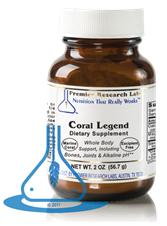
3 Products to Promote an Optimal pH and Whole Body Health 1.  Coral Legend 2oz - The best in ionized minerals yet found. A unique marine coral powder, rich in naturally ionized cal­cium, magnesium and trace minerals (NOT colloidal minerals); an optimal 2 to 1 ratio (calcium to magnesium); 100% pure coral (no added sand or other fillers). 2.  Premier Aloe (Powder or Liquid) - Highly charged, concentrated organic aloe powder combined with pure organic pome­granate: the “gateway” transporter of the ionized coral minerals, a natural chelating agent bonding the minerals to the aloe’s amino acids, thereby targeting them to the organs and endocrine glands.

3.  Premier D3 Serum - Rich  natural vitamin D, an absolute requirement for ab­sorbing calcium

1. Premier Ionized Coral Powder The highly ionized minerals in our unique coral (ionized calcium, magnesium, trace minerals) allow immediate absorption. 2. Helps Promote Optimal pH Quickly Considered the best pH balancer by many doctors and biochemists. 3. Easily Dissolvable 100% fine-mesh coral powder (absolutely no additives), easily dissolv-able in water or other liquids. Great delivery with instant assimilation. 4. Feeling Great Imparts an immediate sense of well-being for most people usually within a few minutes or within 24 hours. 5. Incredible Results Both doctors and patients report many health-benefitting results such as greater flexibility, easier breathing, faster running times, clearer mental thinking, sound sleep, etc.
pH Acid • Feeling lousy, pessimistic • Angry, irritable • Fatigue, no energy • No desire to help others
pH Optimal • Feeling great, optimistic • Happy, joyful • Full of energy • Desire to help others The Key To Great Health
 

What Is Your pH? To test your own body’s pH, collect a small sample of your first morning urine in a clean cup. Check the pH of your urine by dipping a small piece of pH tape into your urine; then immediately match the color of the tape to the pH color chart on the roll. The number corresponding to the color tells you the pH. After you wet the tape, do not wait. Immediately match the color. If you delay for a few minutes, you may get a false reading. Ideal pH: An ideal first morning urine pH range is between 6.4 to 7.0. Acid pH: A urine pH below 6.0 is in the acid range (minerals badly needed; time to rebuild your mineral status). Highly alkaline pH: a urine pH over 8.0 is often a danger sign, warn­ing you that your pH is too far out of range. (Minerals are exhausted; you may be in emergency alkalosis where the body is using anything it can [i.e. ammonia] to try to buffer the increased acid load.) If the body’s pH becomes acidic, it becomes harder and harder for the body to uptake other nutrients, such as minerals, vitamins or herbs. The key is to establish the proper acid/alkaline balance of your body.* An acidic pH creates a hostile internal environment, like a raging storm, making the body struggle to get the nutrients it needs. The more acid you become, the worse you will most likely feel. As the body’s pH comes into better balance (pH 6.4 to 7.0), it is like a sunny spring day; your body can easily assimilate miner­als that were very difficult to absorb at a more acid pH. The first morning urine pH is an accurate reflection of the body’s tissue pH. Obtain a roll of pH tape to measure your own first morning urine pH.


The Calcium Factor The body must reduce any form of calcium into its ionized form in order to use it. Since up to 92% of the calcium in Coral Legend is already ionized, the body can use the calcium immediately without having to break it down. (Great news for the elderly and those with poor digestion.) A key role of ionized calcium is to neutralize acidic compounds anywhere in the body, before damage takes place. Ionized calcium is critcial in order to help promote cleansing.* (Even a great herbal detox won’t work very well without ionized calcium.)


The GateWay Factor We call Coral Legend the “Gateway Factor” because as it begins to promote the proper acid/alkaline balance in the body, it can also potentiate (like a “gateway”) the uptake of other nutrients as found in food or supplements.* Once the acid/alkaline balance moves back into a more optimal range, nutrients are more accessible and uptake is greater.


Up To 10 To 20 Times More Oxygen In an alkaline environment, you have abundant oxygen. As the pH of the urine drops, less and less oxygen is available to the tissues. Small changes of 1/10 to 2/10 in pH can mean 10 to 20 times more oxygen availability. Ionized calcium (as found in coral) is the key mineral to help keep the pH near ideal.*


Nutritional Breakthrough We have found that the ionized minerals in Coral Legend have spectacular tissue bioavailability when mixed with Premier Aloe Powder. When mixed with Coral Legend, the amino acid structure of the aloe powder ideally targets the coral minerals to the soft tissue for greater metabolic efficiency. In addition, Premier D3 Seruml is needed to supply an ideal source of vitamin D. Vitamin D is a requirement for the intestinal absorption of calcium. Without sufficient vitamin D, you cannot adequately absorb calcium. Most people do not consume enough vitamin D in their diets.

The pH Trio is the perfect daily nutritional foundation for every family member.


Contact Kassandra at  kassie@kasiaorganicsalon.com  for any questions or to purchase your pH Trio!


Reference: http://www.radiantlivingcenter.com/

If Food’s in Plastic, What’s in the Food?

Reference:  By Susan Freinkel on April 16, 201In a study published last year in the journal Environmental Health Perspectives, researchers put five San Francisco families on a three-day diet of food that hadn’t been in contact with plastic. When they compared urine samples before and after the diet, the scientists were stunned to see what a difference a few days could make: The participants’ levels of bisphenol A (BPA), which is used to harden polycarbonate plastic, plunged – by two-thirds, on average – while those of the phthalate DEHP, which imparts flexibility to plastics, dropped by more than half.The findings seemed to confirm what many experts suspected: Plastic food packaging is a major source of these potentially harmful chemicals, which most Americans harbor in their bodies. Other studies have shown phthalates (pronounced THAL-ates) passing into food from processing equipment and food-prep gloves, gaskets and seals on non-plastic containers, inks used on labels – which can permeate packaging – and even the plastic film used in agriculture.

The government has long known that tiny amounts of chemicals used to make plastics can sometimes migrate into food. The Food and Drug Administration regulates these migrants as “indirect food additives” and has approved more than 3,000 such chemicals for use in food-contact applications since 1958. It judges safety based on models that estimate how much of a given substance might end up on someone’s dinner plate. If the concentration is low enough (and when these substances occur in food, it is almost always in trace amounts), further safety testing isn’t required.

Meanwhile, however, scientists are beginning to piece together data about the ubiquity of chemicals in the food supply and the cumulative impact of chemicals at minute doses. What they’re finding has some health advocates worried.

This is “a huge issue, and no [regulator] is paying attention,” says Janet Nudelman, program and policy director at the Breast Cancer Fund, a nonprofit that focuses on the environmental causes of the disease. “It doesn’t make sense to regulate the safety of food and then put the food in an unsafe package.”

A complicated issue 

How common are these chemicals? Researchers have found traces of styrene, a likely carcinogen, in instant noodles sold in polystyrene cups. They’ve detected nonylphenol – an estrogen-mimicking chemical produced by the breakdown of antioxidants used in plastics – in apple juice and baby formula. They’ve found traces of other hormone-disrupting chemicals in various foods: fire retardants in butter, Teflon components in microwave popcorn, and dibutyltin – a heat stabilizer for polyvinyl chloride – in beer, margarine, mayonnaise, processed cheese and wine. They’ve found unidentified estrogenic substances leaching from plastic water bottles.

Is It Possible to Build a Safer Plastic Package?A growing number of companies are using “green chemistry” to create new polymers and additives without known hazards. But Mike Usey, CEO of a small Texas start-up called Plastipure, says there’s a simpler solution: Find the existing plastic resins and additives that don’t interfere with natural hormones. There are plenty out there, he says, but identifying them is complicated because one type of plastic can be formulated in many different ways, making some brands or grades safer than others.Plastipure was started in 2000 by George Bittner, a University of Texas neurobiologist who developed analytic methods to systematically recognize synthetic chemicals that are not estrogenically active, or “EA-free,” in the company parlance. They don’t, in other words, mimic estrogens naturally produced by the body. “We’ve taken thousands and thousands of tests on materials and chemicals and additives, so we know now what is commercially used that is EA-free and what is not,” says Usey. Their first product, released in 2008, was a water bottle they proclaimed to be entirely EA-free.

In 2011, Plastipure scientists published a study in which they tested some 500 plastic packages and products. Their results showed 92 percent were estrogenically active, even products that claimed to be BPA-free. Although the research was “obviously commercially motivated, I think they raised a very legitimate issue,” says Bill Pease, a toxicologist for GoodGuide, a group that rates the health and environmental safety of consumer products. In 2011, the National Science Foundation awarded Plastipure a $650,000 grant to further develop its EA-free technology.

But Usey says while consumers may like the idea of an EA-free plastic, it’s been a tough sell, even to well-meaning food companies. Despite interest, no one wants to be the first to adopt a new type of package. “Everybody wants … to be second,” he says with a sigh of frustration. “The companies’ first concern is liability – if we put something out that we say is safer, are we admitting what we did before is unsafe?”

Finding out which chemicals might have seeped into your groceries is nearly impossible, given the limited information collected and disclosed by regulators, the scientific challenges of this research and the secrecy of the food and packaging industries, which view their components as proprietary information. Although scientists are learning more about the pathways of these substances – and their potential effect on health – there is an enormous debate among scientists, policymakers and industry experts about what levels are safe.

The issue is complicated by questions about cumulative exposure, as Americans come into contact with multiple chemical-leaching products every day. Those questions are still unresolved, says Linda Birnbaum, director of the National Institute of Environmental Health Science, part of the National Institutes of Health. Still, she said, “we do know that if chemicals act by the same pathway that they will act in an additive manner” – meaning that a variety of chemicals ingested separately in very small doses may act on certain organ systems or tissues as if they were a single cumulative dose.

The American Chemistry Council says there is no cause for concern. “All materials intended for contact with food must meet stringent FDA safety requirements before they are allowed on the market,” says spokeswoman Kathryn Murray St. John. “Scientific experts review the full weight of all the evidence when making such safety determinations.”

Hard to measure

When it comes to food packaging and processing, among the most frequently studied agents are phthalates, a family of chemicals used in lubricants and solvents and to make polyvinyl chloride pliable. (PVC is used throughout the food processing and packaging industries for such things as tubing, conveyor belts, food-prep gloves and packaging.)

Because they are not chemically bonded to the plastic, phthalates can escape fairly easily. Some appear to do little harm, but animal studies and human epidemiological studies suggest that one phthalate, called DEHP, can interfere with testosterone during development. Studies have associated low-dose exposure to the chemical with male reproductive disorders, thyroid dysfunction and subtle behavioral changes.

But measuring the amount of phthalates that end up in food is notoriously difficult. Because these chemicals are ubiquitous, they contaminate equipment in even purportedly sterile labs.

In the first study of its kind in the United States, Kurunthachalam Kannan, a chemist at the New York State Department of Health, and Arnold Schecter, an environmental health specialist at the University of Texas Health Science Center, have devised a protocol to analyze 72 different grocery items for phthalates. Schecter won’t reveal the results before they’re published – later this year, he hopes – except to say he found DEHP in many of the samples tested.

Perhaps the most controversial chemical in food packaging is BPA, which is chiefly found in the epoxy lining of food cans and which mimics natural estrogen in the body. Many researchers have correlated low-dose exposures to BPA with later problems such as breast cancer, heart disease and diabetes. But other studies have found no association. Canada declared BPA toxic in October 2010, but industry and regulators in the United States and in other countries maintain that health concerns are overblown.

Last month, the FDA denied a petition to ban the chemical, saying in a statement that while “some studies have raised questions as to whether BPA may be associated with a variety of health effects, there remain serious questions about these studies, particularly as they relate to humans and the public health impact.”

The fact that a plastic bottle or bag or tub can leach chemicals doesn’t necessarily make it a hazard to human health. Indeed, to the FDA, the key issue isn’t whether a chemical can migrate into food, but how much of that substance consumers might ingest.

If simulations and modeling studies predict that a serving contains less than 0.5 parts of a suspect chemical per billion – equivalent to half a grain of salt in an Olympic-size swimming pool – FDA’s guidance does not call for any further safety testing. On the premise that the dose makes the poison, the agency has approved a number of potentially hazardous substances for food-contact uses, including phosphoric acid, vinyl chloride and formaldehyde.

Emerging science 

But critics now question that logic. For one thing, it doesn’t take into account the emerging science on chemicals that interfere with natural hormones and might be harmful at much lower doses than has been thought to cause health problems. Animal studies have found that exposing fetuses to doses of BPA below the FDA’s safety threshold can affect breast and prostate cells, brain structure and chemistry, and even later behavior.

According to Jane Muncke, a Swiss researcher who has reviewed decades’ worth of literature on chemicals used in packaging, at least 50 compounds with known or suspected endocrine-disrupting activity have been approved as food-contact materials.

“Some of those chemicals were approved back in the 1960s, and I think we’ve learned a few things about health since then,” says Thomas Neltner, director of a Pew Charitable Trusts project that examines how the FDA regulates food additives. “Unless someone in the FDA goes back and looks at those decisions in light of the scientific developments in the past 30 years, it’s pretty hard to say what is and isn’t safe in the food supply.”

FDA spokesman Doug Karas in an e-mail interview said that before approving new food-contact materials, the agency investigates the potential for hormonal disruption “when estimated exposures suggest a need.” But FDA officials don’t think the data on low-dose exposures prove a need to revise that 0.5 ppb exposure threshold or reassess substances that have already been approved.

Another criticism is that the FDA doesn’t consider cumulative dietary exposure. “The risk assessments have been done only one chemical at a time, and yet that’s not how we eat,” Schecter notes. (Karas counters that “there currently are no good methods to assess these types of effects.”)

“The whole system is stacked in favor of the food and packaging companies and against the protecting of public health,” Nudelman, of the Breast Cancer Fund, says. She and others are concerned that the FDA relies on manufacturers to provide migration data and preliminary safety information, and that the agency protects its findings as confidential. So consumers have no way of knowing what chemicals, and in what amounts, they are putting on the table every day.

It’s not just consumers who lack information. The companies that make the food in the packages can face the same black box. Brand owners often do not know the complete chemical contents of their packaging, which typically comes through a long line of suppliers.

What’s more, they might have trouble getting answers if they ask. Nancy Hirshberg, vice president of natural resources at Stonyfield Farm, describes how in 2010, the organic yogurt producer decided to launch a multipack yogurt for children in a container made of PLA, a corn-based plastic. Because children are particularly vulnerable to the effects of hormone disrupters and other chemicals, the company wanted to ensure that no harmful chemicals would migrate into the food.

Stonyfield was able to figure out all but 3 percent of the ingredients in the new packaging. But when asked to identify that 3 percent, the plastic supplier balked at revealing what it considered a trade secret. To break the impasse, Stonyfield hired a consultant who put together a list of 2,600 chemicals that the dairy didn’t want in its packaging. The supplier confirmed that none were in the yogurt cups, and a third party verified the information.

Originally published by the Washington Post

2


Leading Toxic Beauty Ingredients to Avoid

Traditional beauty products can be loaded with toxins and chemicals, so it’s best to take the"Informed Beauty" route to the most natural products.

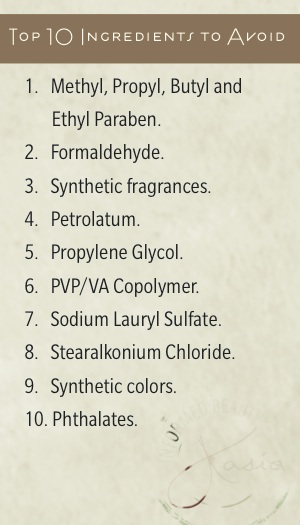
DEA, TEA Purpose/Usage: foaming agent Avoid because: skin sensitizer, can form carcinogenic compounds when mixed with certain cosmetic ingredients Products found in: makeup, body wash, shampoo, skincare How to identify on a label: DEA, Diethanolamine, TEA, Triethanolamine

Phthalates Purpose/Usage: often used as a carrier for synthetic fragrance Avoid because: can negatively affect fertility and fetal development, considered a probable carcinogen by the World Health Organizaiton Products found in: hair spray, lipstick, perfume and nail polish How to identify on a label: Benzylbutyl phthalate (BzBP), Di-n-butyl phthalate or Dibutyl phthalate (DBP), Diethyl phthalate (DEP), and sometimes Fragrance Formaldehyde Purpose/Usage: an impurity released by some chemical preservatives Avoid because: carcinogenic, skin and lung irritant, gastrointestinal or liver toxicant and neurotoxin Products found in: nail polish, deodorant, shampoo How to identify on a label: Formaldehyde, Formalin, Urea, Diazolidinyl urea, Imidazolidinyl urea, DMDM hydantoin, Quaternium-15, 2-bromo-2-nitropropane-1,3-diol, and Sodium hydroxylmethylglycinate Parabens Purpose/Usage: synthetic preservative Avoid because: found in breast tissue, acts like estrogen in the body, could lead to impaired fertility or fetal development Products found in: soap, skincare, body care, hair care, toothpaste, deodorant How to identify on a label: alkyl parahydroxybenzoate, butylparaben, methylparaben, ethylparaben, propylparaben, isobutylparabens


Ammonia/Hair Color Purpose/Usage: A gas with an extremely sharp, pungent, irritating odor. Avoid because: Repetitve contact will dry the skin and damage skin cells and eventually cause serious skin complications. Exposure to  fumes will damage eyes, liver, kidneys, and lungs. Long term exposure to ammonia fumes can cause obesity, depression, and social anxiety disorder.

Products found in: Ammonia fumes come from the substance of Ammonia Hydroxide. It is commonly used in the hair color to open the hair cuticle How to identify on a label:

  Petrolatum Purpose/Usage: used as an emollient or lubricant Avoid because: commonly contain impurities linked to cancer Products found in: skincare, body care, lip balm, makeup How to identify on a label: petrolatum, petroleum jelly, mineral oil Propylene Glycol Purpose/Usage: helps a product to retain moisture Avoid because: penetration enhancer (alters skin structure, allowing other chemicals to more easily enter the system) Products found in: skincare, hair care, body care, makeup, baby care products, contact lens cleaner How to identify on a label: Propylene Glycol, Proptylene Glycol, 1,2-Propanediol. Related synthetics: PEG (polyethylene glycol) and PPG (polypropylene glycol)

Sodium Lauryl/Laureth Sulfate Purpose/Usage: makes a product foamy Avoid because: penetration enhancer (alters skin structure, allowing other chemicals to more easily enter the system) Products found in: shampoo, facial cleansers, body wash, bubble bath, baby bath, toothpaste How to identify on a label: Sodium Laureth Sulfate, Sodium Lauryl Sulfate, Sodium Lauryl Ether Sulfate, Anhydrous Sodium Lauryl Sulfate, Irium 1,4 Dioxane Purpose/Usage: a chemical by-product of ethoxylation, an ingredient processing method used to make petro-ingredients less irritating to skin Avoid because: carcinogenic, suspected cardiovascular and blood toxicant, gastrointestinal toxicant, immunotoxicant, kidney toxicant, neurotoxicant, respiratory toxicant, skin toxicant Products found in: shampoo, facial cleansers, body wash, bubble bath, baby bath, liquid soap How to identify on a label: because 1,4 Dioxane is a contaminant produced during the manufacturing process, FDA does not require it to be listed on a product ingredient listing.  Look  for common ingredients which may contain the impurity, identifiable by the prefix or designations of 'PEG,' '–eth–,' 'Polyethylene,' 'Polyethylene glycol' 'Polyoxyethylene,' or '–oxynol–' (FDA 2007).

Synthetic Colorants (FD&C colors) Purpose/Usage: coal tar (petroleum) derived and commonly tested on animals due to their carcinogenic properties, used to artificially color a cosmetic product Avoid because: can cause skin irritation and allergic reactions Products found in: shampoo, facial cleansers, body wash, skincare, baby care products, hair care, makeup How to identify on a label: FD&C or D&C followed by a name and number (FD&C RED NO. 40)

Synthetic Fragrances Purpose/Usage: combination of chemical ingredients used to artificially scent a cosmetic product Avoid because: can cause allergic reactions, headache, dizziness, and rash (children tend to be particularly sensitive), respiratory distress, and possible effects to reproductive system Products found in: hair care, skin care, makeup, body care, perfume How to identify on a label: fragrance, parfum (It is important to note that the terms “fragrance” or “parfum” sometimes occur on an ingredient listing which contains natural fragrance ingredients and no chemical ingredients. This is most often due to manufacturer trade secret and should be disclosed on the label.) Synthetic Sunscreens Purpose/Usage: provide sun protection Avoid because: have been found to mimic estrogen in the body potentially causing hormonal disruption, can also cause skin irritation and easily absorb in to the skin Products found in: sunscreens, facial moisturizer, lip protection How to identify on a label: 4-Methyl-Benzylidencamphor (4-MBC), Oxybenzone Benzophenone-3, Octyl-methoyl-cinnamates (OMC), Octyl-Dimethyl-Para-Amino-Benzoic Acid (OD-PABA), Homosalate(HMS) Methylisothiazolinone (MIT) Purpose/Usage: widely used as a preservative Avoid because: possible neurotoxin, possible health risks to unborn babies, allergic reactions Products found in: hair care, body wash, sunscreen, skin care How to identify on a label: 3 (2h) -Isothiazolone, 2-Methyl-; Methylchloroisothiazolinone225methylisothiazolinone Solution; 2-Methyl-3 (2h) -Isothiazolone; 2-Methyl-4-Isothiazolin-3-One; 2-Methyl- 3 (2h) -Isothiazolone; 2-Methyl-2h-Isothiazol-3-One; 3 (2h) Isothiazolone, 2methyl; 2-Methyl-3 (2h) -Isothiazolone; 2-Methyl-4-Isothiazolin-3-One

Lead Purpose/Usage: a contaminant of chemical color additives Avoid because: a known neurotoxin, linked to brain damage, miscarriage, lowered IQ, increased aggression, and learning disabilities Products found in: many conventionally produced lipsticks contain lead, as do some nail polish, hair color, and whitening toothpastes How to identify on a label: C.I. 77575; Glover; Ks-4; Lead (Acgih) ; Lead Flake; Lead Inorganic; Lead S2; Olow (Polish)


Informed Beauty—Just in Time for Summer

Kasia Organic Salon offers star summer products to get beach-ready the balanced way


March 28, 2012, Minneapolis ­ – From skin to body to hair care, Kasia Organic Salon is locally-based and offers luxurious services and products that harness the restorative and skin-perfecting properties of all-natural ingredients—a simple, pure addition to a beautifully healthy lifestyle.


After opening her own organic salon and pioneering the use of ammonia-free permanent hair color, Kassie Kuehl, owner of Kasia Organic Salon, turned her health-conscious talents toward building safer beauty products. Dedicated to providing natural beauty without harsh or toxic chemicals, Kuehl set out to create her own all-natural collection. Packed with high-quality, natural and organic ingredients, Kasia Organics achieves the elusive combination of truly effective formulas and totally affordable price tags.


Kasia Organics contains nutritious ingredients, antioxidants and vitamins, organic essential oils and natural anti-inflammatory agents. Plus, the products are free of harmful chemicals including parabens, petrochemicals, phthalates, lauryl/laureth sulfates, synthetic dyes or fragrances, wasteful fillers and GM plant ingredients.


“Using natural and botanically-based products to support a new level of beauty is a mission that goes more than just skin deep for me,” says Kuehl. “The future is now and it’s high time we started using healthier options for ourselves and offering those options to our clients.”


STAR SUMMER PRODUCTS

Particularly perfect as the weather heats up, these products are protective, hydrating, and energizing—safe and natural beauty options that are absolutely addictive. Get ready to bask in the glow of summer the healthy way:


Enliven Body Polish Kasia’s body polishes gently slough away dull winter skin for a soft, refreshed feel. Created using Celtic sea salt from France, California sun-dried salt, wild crafted honey, Kukui nut oils, other natural oils like hemp seed, sunflower, avocado and Jojoba, it refines, brightens and detoxifies the skin. Plus, pure organic essential oils instantly energize and increase circulation for a healthy glow.

Price: $23


Honey-Dip Sunless Self-Tanner and Moisturizer The all-natural glow-getter! Honey-Dip contains 10% naturally derived DHA—more than a typical self-tanner—to provide the perfect sun-kissed look, even when mixed with your favorite moisturizer. A luxurious blend of Aloe Vera gel, antioxidants and hydrating oils and butters, the light consistency absorbs quickly with no streaking. The result: a healthy, flawless tan. Plus, it smells AMAZING—no self-tanner stink, just a fresh coconut-floral aroma. Price: $26


Good Day Sunshine Sunshield Super-potent yet lightweight, this non-chemical sunscreen provides healing and moisturizing properties along with true broad-spectrum UAV/UVB protection and 5% zinc and titanium. Formulated for sensitive skin, it’s safe for the entire family and is PABA and fragrance-free. Perfect for wearing under makeup! (Shake well before applying.) Price: $29


Off the Fritz Hair Sealer You’re guaranteed a good hair day with this remarkable, multi-purpose spray. Designed to minimize frizz and block against humidity, it provides weightless shine and protects hair from thermal styling and UV rays. Great for damaged or colored hair, it seals and shields while offering effortless control and manageability. Bonus: it’s 96% organic! Price: $20


ABOUT KASIA ORGANIC SALON Kasia, the Greek word for “pure,” is at the heart of Kasia Organic Salon. Based on the principles of beauty, wellness and education, the team is dedicated to providing clients with the opportunity to renew and nurture their natural sense of beauty through holistic experiences, mindful services and pure products. Each client will achieve their desired beauty and style while supporting—not sacrificing—their health.


Kasia Organic Skincare is available at Kasia Organic Salon, 822 West 50th Street, Minneapolis, 612-824-7611 or at kasiaorganicsalon.com.


CONTACT

Betsey McLain

(e) betsey.mclain@gmail.com

(c) 917-650-1712


One Aging Ingredient to Avoid & Enzyme Beauty! *Recent Newsletter

team

Savings at Kasia

When you sign up for KASIA Beautiful Health Newsletter.....receive  $20 OFF your first Hair Color, Organic Custom Facial, or $10 off your first 30 minute Infrared Sauna session!


A 'Beautiful Health' evolution is a constant at Kasia, take note! 

Thank you to all who came out to our Thermography Women's Health Seminar!

Our next screening will be on June 19th.

Therm. Event


Parabens: Are they in your anti-aging cream? 

There is a potentially dangerous chemical that may be lurking in your anti-aging cream.


It's hard to find lotions, cosmetics, sun block, and many other beauty products that don't contain this chemical.


What is this harmful chemical?


Parabens. Not only are parabens a potential health accumulated  issue, but they can also actually speed up the aging process in the skin.

Get the rest of the story HERE!


Hurry, Limited OFFER!

Save 20% in April on any 3 products of the Kasia Beautiful Health Skincare System. reFresh Face Cleanser · toBalance Face toner ·  enMoist Moisturizing Cream · soPure Clarifying Mask, byNight Moisturingzing Serum · Good Day Sunscreen

Kasia™ Organic Skin Care was formulated to penetrate the skin with vitamins and organic ingredients that nourish, moisturize, protect and balance your skin. Each ingredient supports the health of your skin and helps protect it from environmental damage.


Digestive Enzymes for Beautiful Health
"Heard of enzymes Informed Beauty?"
Enzymes are the key components of your body's worker bees within your cells .   Chemical reactions are created to allow them to break down existing materials or create new ones. They also serve as the catalyst for cell growth and renewal.


Enzyme deficiencies can contribute to:

  • Indigestion, gas, bloating, diarrhea, and constipation
  • Arthritis and inflammatory disorders
  • Fatigue and muscle aches
  • Brain fog/ dementia
  • Heart attacks

Supporting Health and Beauty with Enzymes

You can support your immunity, health, and beauty, however, by eating plenty of enzyme containing foods. Raw fruits and vegetables are jam packed with enzymes.


Top Pick: Premier Research Labs sells the BEST Enzymes that are highly effective.

Here at Kasia Organic Salon, we highly suggest Premier Digest and HCL for all of our clients.  Not only does it reach to those that struggle with "gastro" complications, gluten sensitivities, etc.....but it enhances your stomachs detoxification which brings you a more 'beautiful self.'    -Kassandra, Owner 


We know you face choices everyday regarding where to spend your time, and at Kasia, we sincerely appreciate you spending it with us.  We never take your trust for granted, and want to earn it everyday.  We take great pleasure in the "Beautiful Health" Beauty service alternatives, and we aim to exceed your expectations! 

Sincerely, Kassandra, Colette, Layne, Mariah,  Chelsea, and Mackenzie.  

Visit our blog

Find us on Yelp

Like us on Facebook

April Special 20% Off

Save 20% in April on any 3 products of the Kasia Beautiful Health Skincare System. skincare

reFresh Face Cleanser · toBalance Face tonerenMoist Moisturizing Cream · soPure Clarifying Mask, byNight Moisturingzing Serum

Like us on Facebook    Spread the LoVe on FB!

Digestive Enzymes for Beautiful Health

Enzymes are the key components of your body's worker bees within your cells .   Chemical reactions are created to allow them to break down existing materials or create new ones. They also serve as the catalyst for cell growth,  renewal, and slowed down aging!


Enzymes and Beauty

Along with helping to clean the toxic sludge in your system that can dull your complexion, remove pigment from or thin your hair, contribute to acne, and lead to premature lines and wrinkles, enzymes also control the release rate of adenosine triphosphate (ATP), which provides energy to every cell in your body. Since your body utilizes this energy for cell repair to keep your skin glowing, your hair growing, and your cells regenerated, the absence of enzymes can disrupt delivery of this all-important, life-sustaining energy.

What Are Enzymes?

Made from amino acids put together in very specific structures, enzymes are proteins that serve as catalysts to quickly bring about specific chemical reactions in your body's cells. Enzymes serve to cause certain cell actions, and to speed up others.

There are more than 3,000 types of enzymes in the human body, playing key roles in more than 4,000 biochemical reactions. Enzymes are important for digestion, metabolism, respiration, nutrient absorption and transportation, detoxification and purification, muscle movement, hormone production, cell repair, cell division, and many other bodily processes. Once an enzyme does its job in the body, it is destroyed and must be replaced by new enzymes in order to maintain the body's processes.

 Enzyme deficiencies can contribute to:

  • Indigestion, gas, bloating, diarrhea, and constipation

  • Arthritis and inflammatory disorders

  •  estrogenFatigue and muscle aches

  • Brain fog/ dementia

  • Heart attacks

Proper nutrition is important for all your body's functions. The ability to properly digest your food is critical for proper nutrition and to avoid getting toxic.

Why are enzymes important for your beauty?

What goes on in real life is that most of the enzymes we need to digest the food we eat are naturally present in the food. This occurs because enzymes are what a fruit or vegetable uses to ripen. As the ripening process continues, the food digests to where we consider it to be rotten. From the perspective of an apple or grain, for example, this is a perfect stage for the seed to use its food source so it can grow into an adult plant. These same plant enzymes also work in the acid environment of your stomach (where approximately 40 percent of digestion can take place) while animal enzymes can’t work until after they get past the stomach.

Many decades ago, food processor companies realized that they could prolong the shelf life of food from days to years by destroying the enzymes present in the food. They also discovered that using salicylates (the active component of aspirin) is a very effective way to destroy enzymes.

Because of this, most of the enzymes present in processed foods have been eliminated over the last 30 plus years. This corresponds to the period of time in which we have seen a dramatic increase in degenerative diseases and indigestion. Meanwhile, your poor pancreas has had to pick up the slack and make almost all the enzymes needed for digestion. Many people realized however that if they juiced or ate a raw food diet (cooking can also destroy enzymes) they felt dramatically better.

Food processing companies are learning new tricks. By gassing fresh fruits and vegetables, they can destroy the enzymes present even in these fresh foods. This way they can look appealing on the grocery shelf for weeks instead of developing those little brown spots that we don't like to see. Unfortunately, although the food looks good, it has lost much of its nutritional value.

What happens when I don't have enough enzymes? When you don't have enough enzymes to adequately digest your food, several things happen:

  1. You become deficient in proteins, carbohydrates, and /or fats depending on which enzymes you are missing

  2. You then crave the missing nutrient

  3. By eating excessive amounts of the nutrient you can’t digest, it can build up in your colon and become toxic.

  4. You absorb large chunks of proteins (instead of breaking them down to their component amino acids). Your immune system then has to treat them as outside invaders and use up its energy digesting those foods that make it into your bloodstream. This can exhaust your immune system while contributing to food sensitivities. If you check you may find that your temperature goes up around 40 minutes after eating as your immune system has to make up for a weak digestive system

  5. Your body works poorly because of the nutritional deficiencies. You feel poorly and have digestive disturbances.

All in all, you feel lousy, the stomach hurts, and you may have specific food cravings. Sound familiar?

Does it matter which enzymes I use?  YES!

Top Pick:  Premier Research Labs sells the BEST Enzymes around.  Here at Kasia Organic Salon, we highly suggest Premier Digest and HCL for all of our clients.  Not only does it reach to those that struggle with "gastro" complications, gluten sensitivities, etc.....but it enhances your stomachs detoxification which brings you a more 'beautiful self.'    -Kassie, Owner

It benefits your health and beauty to maximize your enzyme intake. By doing so, you will discover you have more energy, digest your foods much more easily, and look and feel better than you have in years.

Reference: Dr Jacob Teitelbaum MD

// User Icon Setting (may be set to BLACK, WHITE or NONE):