Are You Really Eating These in Your Supplements? What Are Excipients?

images-10.jpg

How do you know if an ingredient is synthetic? If you can not recognize it as something you can pick in nature, it is often synthetic. For instance, you can not pick 100mg of Vitamin B-1 in nature. It's usually made in a laboratory. But plants, herbs, algae, grasses, etc... are natural foods rich in vitamins, minerals and amino acids.  Routine Contamination - over 60% of the herbs currently used in nutritional products in the U.S. have been either fumigated, irradiated or contain significant pesticide/insecticide residues - including even many organic herbs.

What Are Excipients?

 Excipients are binders, fillers and “glues” that are typically non-nutritive substances in nutritional products. These substances often test toxic.

Would you want to consume anything that is not nutritive?

We believe it is unnecessary to take nutritional products that have questionable, potentially toxic, non-nutritive excipients.

Please note: Tablets ALWAYS contain excipients (that is how they are made; they cannot be made without them); therefore, it is wisest to especially avoid nutritional products as tablets.

Just a few examples of questionable excipients commonly found in nutritional products:

Magnesium stearate -- a cheap lubricating agent; research shows it to be immune-compromising

Methyl paraben -- a benzoate family member; a known cancer-causing agent

Microcrystalline cellulose -- a cheap filler

Silicon dioxide -- a cheap flowing agent (common sand)

Natural flavors -- an AKA for MSG (monosodium glutamate), a well known neurotoxic agent

Methacrylic copolymer -- methacrylic acid, a component of the methacrylic acid copolymer, has been reported to act as a teratogen in rat embryo cultures.

Triethyl citrate -- a plasticizer

Titanium dioxide -- used for color; liver toxic

Corn starch -- typically from cheap GMO corn; can invoke allergic responses

Talcum powder -- a common excipient rarely not listed on product labels; a suspected carcinogen

Other Questionable but Common Tableting and Encapsulating Agents

  • D&C red #33
  • Propylparaben
  • Hydroxypropyl methylcellulose
  • Hydroxypropyl cellulose
  • Polyethylene glycol
  • Red ferric oxide-orange shade
  • Methyl p-hydroxybenzoate
  • Propyl p-hydroxybenzoate
  • Sodium acetate
  • Methylparaben
  • Sodium metabisulfite
  • Eudragit

Are You Really Eating These in Your Supplements?

Common Tableting and Encapsulating Agents

Povidone (polyvinylpyrrolidone or PVP): PVP is a synthetic polymer used as a dispersing and suspending agent in virtually all encapsulated nutritional supplements; considered to be a potential carcinogen.

Magnesium Stearate: This commonly used excipient can be made from animal or vegetable sources. It is used as a flowing agent and lubricant. It is insoluble in water and may hinder the absorption of nutrients. Research shows it suppresses the immune system.

Maltodextrin: A refined sugar obtained by the hydrolysis of cornstarch. It is used for flavor, as a texturizer and bulking agent. Maltodextrin may contain free glutamate (MSG), which occurs as a result of processing. MSG is a known neurotoxin.

Cellulose Starch: A starch made from plant material that is used as filler, binder and disintegrant. Starches processed from corn contain free glutamate (MSG), resulting from processing. MSG is a known neurotoxin.

Silicon Dioxide: Silica is a transparent, tasteless, powder that is practically insoluble in water. It is the main component of beach sand and is used as an absorbent and flow agent in supplements. It may hinder digestion or the uptake of other nutrients and deplete HCL.

Resin: Resins are used as binders and aid in water resistance. They may be of plant or synthetic origin and are used in lacquers, varnishes, inks, adhesives, synthetic plastics and pharmaceuticals. Synthetic forms include polyvinyl, polystyrene and polyethylene. Toxicity is dependent on the ingredients used in the manufacture of the resin.

Dicalcium Phosphate: A mineral complex of calcium and phosphorous that is commonly used as a tableting aid, filler or bulking agent. Phosphates can induce the same symptoms as MSG in those who are extremely sensitive to MSG.

Polysorbate 80: A non-ionic surfactant that is a polymer containing oleic acid, palmitic acid, sorbitol and ethylene oxide and is formed by microbial fermentation. It is used as an emulsifier, dispersant or stabilizer in foods, cosmetics, supplements and pharmaceuticals.

Titanium Dioxide: This is an inorganic, white, opaque pigment made from anatase (metallic mineral) that is often used in supplements as a whitening agent. Titanium dioxide is a pro-oxidant. It is also used in paints and coatings, plastics, paper, inks, fibers, food and cosmetics.

Polyethylene Glycol 3350: This excipient is used as an emulsifier, binder and surfactant. It improves resistance to moisture and oxidation. Polyethylene is a polymerized ethylene resin and glycol is a dihydric alcohol.

Pharmaceutical Glaze: This is actually shellac used to coat vitamin tablets. Shellac is insoluble in stomach acid and supplements coated with shellac are difficult for the body to break down and assimilate.


Learn more about Premeir Research Labs.  Kasia Organic Salon stands behind PRL's extensive research and known credibility for being the cleanest and best on the market!  Results!  Learn more HERE! 

Reference:  http://www.totalhealthsecrets.com

The Underlying Cause of Dandruff

126874914472368991_4eRtjt6U_c.jpg

Causes of Dandruff

Dandruff is a doozy.  Dandfruff is due to excessive shedding of dead skin cells from the scalp. It is quite normal for the skin cells of the scalp to die and flake off. A normal quantity of skin flaking is quite natural, but when the flaking becomes excessive due to some irritation or some skin allergy then it needs attention.

There is no convincing reason yet whether some foods like sugar or yeast or excessive perspiration can cause or increase dandruff. If you have some fungal infection, that can cause dandruff or flaking of the skin. Another cause of dandruff could be cold weather, cold weather makes the skin dry and causes it to flake and shed which in turn causes dandruff. Some kind of food allergy can also be a cause of dandruff. Even nutritional deficiency can be one of the major causes of dandruff. Deficiency of B-complex vitamins or omega 3 fatty acids and other such vitamins can also cause flaking of the skin. Excessive use of hair gels, hair sprays or other chemicals such as hair coloring chemicals can also cause roughness of the scalp and cause it to shed skin.

Dandruff Prevention

It is difficult to find a 100% dandruff cure. But we can definitely prevent dandruff. It is basically a natural process of skin drying and flaking but when it gets excessive it becomes a cause of concern. Eat healthy nutritious food. Avoid oily and fried food items. These increase the problem of dandruff. Do not expose your skin to too much sun because its rays could harm the skin and the hair texture. Also, too much cold is not good for the skin as it has the chance of drying up and in turn causing dandruff. Extreme climatic conditions should be avoided.

Wash your hair at least twice a week. Always keep your scalp clean. Use a fine toothed comb. A balanced diet in food and proper intake of liquids keeps the skin and hair healthy hence avoiding drying and dandruff. Then even relaxing techniques such as meditation reduces stress and therefore helps as a dandruff treatment. Using proper shampoos and not exposing hair to too many chemicals will help hair and scalp to remain in a natural state. So by taking a little care of health and skin we can definitely help prevent dandruff.

Kasia Scalp Benefit Products

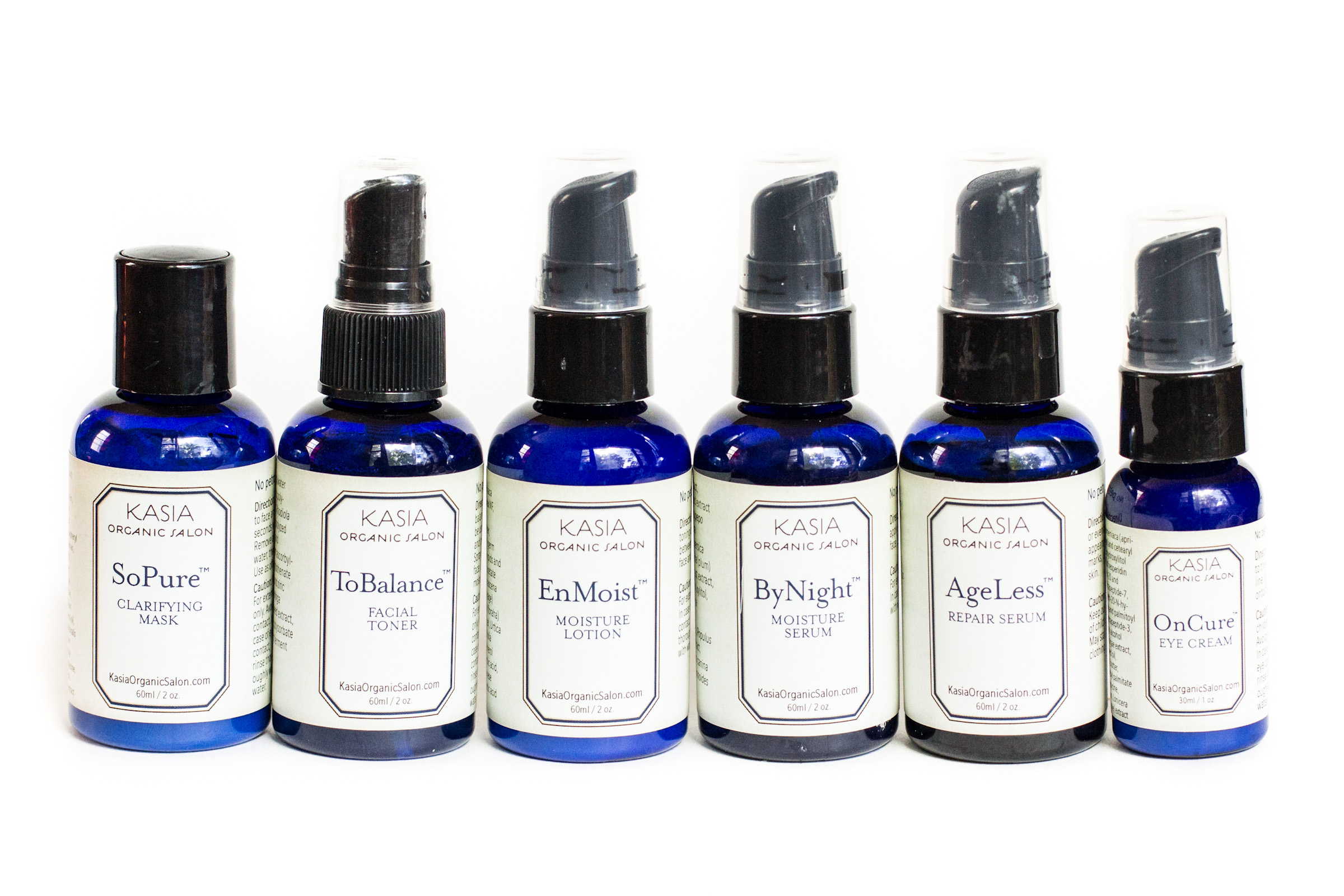
Keep your scalp clean and stimulated with Kasia Spicy Citrus Shampoo. With a healthy PH for your hair and scalp and  essential oils lime, lemon, and ginger help exfoliate the scalp, add body....but does not strip your hair!


Essential oils can be very effective in minimizing or halting the problem. The best carrier oil is jojoba oil.  Mix your jojoba oil oil for treating dandruff with the the following oils and work them into the scalp.

Here are some beneficial oils for your scalp:

• Rosemary Essential Oil

• Lemon Scented Tea Tree Essential Oil  and Diffusion Blend with Lemon Myrtle

• Lavender Essential Oil   and Lavender-based Diffusion Blend

• Cedarwood Essential Oil


Negate is a new product and is remarkable for hard water, scalp build up, medication buildup, and over-all health of the hair.  We recommend this product 1x week if you are experiencing build up, scalp sensitivities, dandruff, or are swimming.

Contact Kasia Organic Salon today for your healthy hair and scalp questions!  www.kasiaorganicsalon.com   612.824.7611

Kare 11 New Features Kasia Glycolic Pumpkin Facial!

525636_10152218294895374_1312550370_n.jpg

Did you miss it?  It's ok sleeping beauty, we'd much rather you catch your beauty sleep and catch the revised version!


 A big THANK YOU to Bryan Piatt from Kare 11 for lovin' our Pumpkin Mask ...what's not to love?


Kasia FRESH Pumpkin Glycolic Mask


Benefits -Alpha-hydroxy acids  promote smoother and  younger looking skin by increasing the rate of cell renewal. Pumpkin also contains more than 100 beneficial nutrients, which may be used to help reverse the signs of aging.  By removing dry skin cells, you reveal healthy and vibrant skin.

The Benefits of Pumpkin Skin Care:

–Pumpkin contains more than 100 beneficial nutrients, which help to reverse the signs of aging –Pumpkin contains high levels of Vitamins A and C –Pumpkin’s natural vitamin a levels are mild retinoids –Pumpkin contains minerals like zinc, the powerhouse antioxidant beta-carotene, and cancer fighting carotenoids like lutein and zeaxanthin. –Pumpkin fights free radical damage, a causal factor in aging –Pumpkin contains B vitamins, niacin, riboflavin, salicylic acid, lactic and ascorbic acid –Pumpkin’s natural properties stimulate skin circulation –Pumpkin promotes skin healing, and restores skin’s elasticity –Pumpkin provides nourishment for sun-damaged, weathered and aging skin –Pumpkin provides a youthful glow to dull skin –Perfect any time of year, but particularly during dry, colder months –Good for all skin types and skin tones, except for extremely sensitive skin


Learn more about the Pumpkin Mask and our Fall Specials HERE


Contact Kasia Organic Salon today to book your Fall Fabulous Pumpkin Facial with our Skin Expert, Stacey!  

Phone:  612.824.7611   

(Available Evenings on Monday, Thursday, and Saturday) Special Expires November 20th, 2012.

Sensitive Skin? How You Can Minimize Skin Irritants and Harmful Ingredients.

Ingredients-to-avoid-Banner.jpg

Q.  How Can I Lessen the Amount of Chemicals I Use On My Sensitive Skin?


Truth: Consumers are growing more concerned about what they put on their skin and what they put in their body.

Truth: According to scientific definition ALL of nature is made of chemicals.

 I believe …

-It’s important to educate yourself on product ingredients to minimize or eliminate the use of irritants and harmful ingredients that are used in skin care products.

-Get the best of both worlds!  We now have the ability to extract the best benefits that nature AND science offer. There are skin benefits to using both naturally derived ingredients and ingredients added scientifically.

- Get results that are consistent, nourishing to your skin’s health, and a routine to stay the course for fabulous skin.

-When choosing products for your skin, you should choose by your own personal belief system of how you want to care for yourself. We want what’s best for you.

-Most people would prefer to avoid taking prescription medication for their skin.  There are great effective skin care products and professional skin treatments available to achieve this.  Dedication is key!

- Many women claim to have sensitive skin.  Much of the time it’s because skin irritation occurs with their (harsh) products.

What we use in Kasia Beautiful Health Skin Care products

-Effective, lightweight, non-pore clogging -Pure essential oils, herbal and botanical plant extracts -Pure, cold processed plant carrier oils -Performance ingredients through peptides, botanicals, and more for effective results -Special delivery vehicles (Ex: Liposomes and Phospholipids to enhance penetration and absorption) -Anti-inflammatory ingredients


What we avoid in Kasia Beautiful Health Skin Care products

-Mineral Oil & Petrolatum (Pore-clogging and suffocating to the skin) -SD Alcohol 40 and Denatured Alcohol (The “bad” alcohols commonly found in toners. They are extremely drying) -Isopropyl Myristate & Isopropyl Palmitate (Can cause blackheads) -Synthetic dyes (Can be a skin irritant) -Synthetic fragrances in our skin care products (The main cause of allergic reactions to products. Avoid products with “fragrance” or “parfum” on the ingredient listing) -Heavy oils (Suffocates the skin and leave it feeling greasy) -Sodium or Ammonium Laureth/Lauryl Sulfate (Extremely drying and irritating to the skin) -Parabens: Parabens are chemicals used as preservatives, and that’s why they are found in so many products. They are used to fight bacteria and fungus, are widely available, and cost very little to manufacture and use. Nearly all of the parabens used as preservatives are man-made and not naturally occurring.


**The TRICK to reading natural and organic ingredient claims.  Looking at a deeper level, be AWARE of ingredient names claiming its toxic.

It is important to put the big picture into view when reading ingredients. The key to any study or claim is to know at what percentage of ingredients were used in the testing.

For example, an ingredient used at 5% or higher may claim to be harmful but if an ingredient is under 5% then it could very well be safe. It all boils down to percentages used in a product and unfortunately, the consumer doesn’t have access to this by looking at a list of ingredients.

Skin care ingredients are just not black or white and can be very complicated. I do believe that the above list of ingredients that I listed you to avoid are generally not beneficial to the skin–in any percentage. In addition, there are certain impure forms of certain contaminant ingredients that may contain carcinogens but when you only use the pure forms, these do not contain carcinogens whatsoever. So even though  you hear an ingredient is bad, doesn’t necessarily mean this is the case in all products.


Understanding Retinaldehyde - The Best of Anti-aging" Ingredients

Depositphotos_3299617_xs.jpg


Kasia Skin Treatments are set apart from others in the industry.  At Kasia we use top of the line, organic, medial grade and result orientated professional products.   Of all of the “anti-aging” ingredients available on the market today, retinoids are the only ones scientifically shown to work on a molecular level.

Understanding Retinaldehyde


Retinaldehyde is the most exciting and well-researched ingredient in skincare today. For years it has been researched and applauded as one of the most active ingredients in the skin but has been too expensive to put into skincare. Through our lab partnership and new technology, we are elated to bring you Retinaldehyde-liposome.

In the body, we convert Beta Carotene into Retinol, Retinol into Retinaldehyde and Retinaldehyde into Retinoic Acid. All of these Vitamin A derivatives have important and proven activity in the skin in an escalating level from Beta Carotene to Retinoic Acid respectively. Retinoic Acid is the only ingredient that requires a prescription even though Retinaldehyde has a similar activity level. Both Retinaldehyde and Retinoic acid are substantially more active (500 times more!) than their Vitamin A counterparts which means that we can use smaller amounts to achieve the desired results. The importance of this will be explained shortly. All of the Vitamin A derivatives have a tough time (due to their size) penetrating through the epidermis.

One study showed 2% of the topically applied retinol penetrated through the upper epidermis. This means that 98% stayed in the upper epidermis where it does nothing but increase irritation and damage the barrier of the skin. Therefore, to have an effect on the dermis, larger volumes are often required. Unfortunately, this means that 98% of those larger volumes of retinol sit on the top of the skin working against you (over-exfoliation, irritation).

The advantage of using Retinaldehyde or Retinoic Acid is that smaller amounts (with much higher activity levels) can be used very effectively.

Retinoic acid and all retinols are most effective in their "All Trans" configuration and that is how most Retin A is delivered...that is the good news. The bad news is that the all-trans retinols are significantly more expensive and are (by law) only identified on the label as "All Trans..." (not L-retinol AGP, not Retinyl Palitate, not Retinol/Vitamin A). The other bad news is that All Trans Retin A has a defect in its methodology. Once the skin converts Retinaldehyde to Retinoic Acid, it cannot be converted back into a form of Vitamin A that can be stored. That is why the skin converts only enough to perform the desired function and leaves the rest in storage forms of Retinaldehyde and/or Retinol.

If you apply topical Retin A, the skin cannot shut it off which results in two things; irritation from over-stimulation and over-exfoliation, and, a probable tendency for the Retinoic Acid receptors to down-regulate. All Trans Retinoic Acid has by far the most receptors of any form of Vitamin A and that is what makes it so potent. However, chronic stimulation (as is the case for every receptor in the body), results in fewer active receptors and thus diminished results over time. All Trans Retinaldehyde is the best form possible of the choices listed above. In addition to having its own receptor activity, it is the immediate precursor of Retinoic Acid so the skin will convert a significant amount to that form upon application. However, there will never be an over-stimulation problem because the skin regulates the conversion and just makes what it needs.

Research has repeatedly shown that Retinaldehyde has a similar activity profile to Retin A but with much less irritation. We still have the same issue of poor penetration, however. By incorporating it into a liposome, we enhance its penetration (an important factor in the use of Retinols because of their size) and help prevent its oxidation which also occurs with all Retinols. -By Dr. Ben Johnson

Until recently, there was no way to put this extremely expensive ingredient in skincare but, thanks to our skin care partnerships, we have been able to bring this exciting ingredient to Kasia Organic Salon!

Learn more about the Organic Medi-Facial Peel and Kasia Facial Services...

 Contact Kasia Organic Salon to book a facial at 612.824.7611.


Skin Problem Symptoms, Nutrition Facts and the Best Healthy Foods

Sol_LP_AgeControl1.jpg

Inside - Out    Beauty

Skin grows from the inside out, and therefore has special and specific nutritional requirements. These consist of Proteins, Good Fats, and Water.

Vitamins And Minerals  to Enhance  Skin

Vitamin A is required for all epithelial tissue. Vitamin C is needed for all connective tissue and capillaries. Vitamin E protects the fat in every skin cell. Zinc is necessary for connective tissue and immune function.

Deficiency Symptoms

Bumps on the back of your arms or the tops of your thighs, sensitivity to light, dry hair or skin, and chronic bronchitis or chest colds all may signify a need for more Vitamin A. Also, not getting enough sun (especially in winter), older age, and a family history of osteoporosis mean you should consume more Vitamin A.

Easy bruising, bleeding gums upon brushing or flossing, premature wrinkling, poor immunity to colds and flu, and achy joints may indicate a need for more Vitamin C.

Excessive consumption of fatty or fried foods requires more Vitamin E.

Poor skin elasticity, easy bruising, catching colds and flu easily, and white spots on your fingernails may signify that you need more Zinc.

Thyroid

Among other functions, the thyroid gland is responsible for regulating body temperature and controlling circulation to the skin. The lower your body temperature, the slower the circulation to the skin. This results in less nourishment and poor removal of toxins and wastes from the skin, lowering vitality and leaving the skin vulnerable to more disease organisms.

Symptoms that can occur because of hypothyroidism include dry skin, acne, psoriasis, eczema, boils, impetigo, winter itch, generalized itching of the arms and legs, scaly skin, and cellulitis.

Natural ways to raise body temperature: begin taking sea kelp tablets, and remember that exercising often raises body temperature and increases circulation.

Colon

This organ has the function of removing waste products. If wastes are not eliminated, they often get re-circulated into the blood stream and therefore to the skin as a means of elimination. Women who have taken antibiotics and/or birth control pills are especially susceptible to changes in the colonic environment, and have a greater production of waste products. Women who eat high-refined carbohydrate diets may have the same problem.

Some things to try: increase your protein intake, consume more fresh fruits and vegetables, begin taking acidophilus to help balance the colonic environment.


Best Healthy Foods

1. WATER

Every day we need to drink a half ounce of water for every pound of body weight. Water is great to help us detoxify, and to keep our skin clear and hydrated. It helps to reduce those fine lines and wrinkles.

2. SALMON

The best fish to eat is cold-water fish. Include sardines, tuna, mackerel, cod, herring, and trout as well. All of these have the best essential fats for smoother skin, increased energy, improved immunity, decreased pain, and all are very beneficial for your heart.

3. OATMEAL

Plain, old-fashioned, whole-grain oatmeal is inexpensive and has no added sugar or fat. Oatmeal provides great fiber for the colon, helps reduce cholesterol, and it's full of B-complex vitamins.

4. OLIVE OIL AND OLIVES

Mediterraneans have one-third the cardiovascular disease of Americans. They eat lots of olive oil. It is great for salads or sauteeing and is very heart healthy. Remember that fat does not make you fat! The right fats actually help you lose weight.

5. NUTS

The best are walnuts, almonds, and hazelnuts. These little packages of protein, good fat, and fiber are also chock full of minerals. The good fats provide cardiovascular protection as well as help to lower cholesterol.

6. SEEDS - PUMPKIN, SUNFLOWER, FLAX, AND SESAME

All of these seeds provide vitamins and minerals to help us use our fuel efficiently. They also contain good fats that help soften our skin and increase our energy.

7. GREENS

Make sure to have several servings of green vegetables every day. The magnesium helps to keep us relaxed and regular, and is necessary for the normal function of our muscles, including the cardiac muscle - our heart.

8. ALL ANTIOXIDANT CONTAINING FOODS!

Contact  Kasia Organic Salon to book a Organic Facial or Ammonia Free Hair Color!

For daily hair, skin, and "beautiful health" tips, read our Informed Beauty  Blog, follow Kasia Organics on Twitter and like our Facebook page.


Thank you: Renee Loureau


Does Hair Texture Change? Sexy Hair = Healthy Hair

1_120516185251_1.jpg

Common Comment from our Guests:

"My hair texture has changed over the years..."

Reply:  "Yes...It Happens!"

Whether you were born with fine or thick, curly or straight hair strands, the texture will most likely change over time. There are many factors such as  pregnancy, stress, digestive health medications and other health issues can play a role in why hair texture varies.  Unfortunately ladies, age is the biggest factor.

As your skin ages, so does your hair. The bulb is surrounded by a sheath of collagen, which connects to micro-vessels that deliver necessary nutrients for thick, shiny hair. With age, the delivery process slows down, which noticeably affects your hair in terms of strength, shine and growth.

Once hair begins to change, which can happen at any stage in your life, it's most likely going to stay that way.

Great Hair is Healthy Hair!

At Kasia, our specialists are all about HAIR HEALTH!  We believe sexy hair is healthy hair.   Here is a short list of ways to keep your lock's beautiful whatever texture you are!

~Keep it healthy. As healthy as possible. Dry, damaged ends will break off- trim your hair, k?

~Get regular trims. When clients refuse to cut their hair because they are growing it out. If you keep, nice, healthy, moist, blunt, lush ends, they will continue to grow DOWN instead of damage and dry-ness growing UP your hair shaft, breaking off inches of your hair.

~Deep Condition. Use Kasia Restore Oil or  Kasia Weigh-less Deep Conditioner at a salon or beauty supply and use once a week or every other week. Leave on for 15-30 minutes before rinsing.  Again, keeping hair healthy and preventing damage.

~Find a stylist you trust. There aren’t many things more frustrating (when it comes to hair) than having several months of growth cut off because the stylist doesn’t understand the difference between a 1/2 inch and 5 inches. Every stylist is guilty, but both parties need to be VERY CLEAR in communication.  PS.  It is my goal in life to be a trustworthy stylist.

~Massage and Brush hair. Go girl!  Stimulate those hair follacles.  If you stimulate them, they produce more quickly. Before showering, brush your scalp medium to hard with a bristle brush to loosen up any buildup on the scalp and to stimulate those little guys.  Follow up with Kasia Spicy Citrus Shampoo to cleanse the scalp.

Don't Forget Quality Color, Informed Beaute'

What is so special about this hair color? It is the world's first permanent hair color formulated without ammonmia, free forms of ethanolamine (MEA), and resorcinol, p-Phenylenediamine (PPD) and p-Toluenediamine (PTD). These are all harsh and unsafe chemicals.

Why eliminate ammonia and other harsh chemicals?

  • Greater artistic freedom for stylists.By avoiding damage to the hair cuticle from these chemicals, color is more vibrant and longer lasting.
  • Perfect gray coverage can be easily achieved and lifting range expanded.
  • Last but not least, the safety of the salon environment.

What else is unique?

  • Condition of the hair is improved after coloring.
  • 50 & 60 volume developers lift up to 4 levels, reduce the need of bleaching and double processing.
  • Unique Tri-base lifting system for better tonal control.
  • 100 vibrant shades for permanent and 100% gray coverage.
  • No irritations to scalp and skin.

Fall Detox Smoothies

vegan_pumpkin_smoothie_550x3671.jpg

In the turn of seasons, are you ready to feel refreshed?

Enjoy these INFORMED BEAUTY detox smoothies!

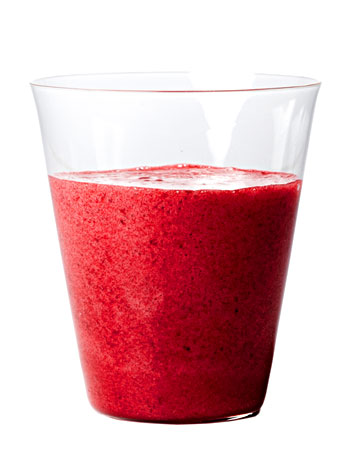
Antioxidant Smoothie

Don't have a juicer? No problem! You can still make these healthy fruit and vegetable smoothies for the Challenge with these simple blender-friendly recipes.

2 cups mixed frozen berries (9 ounces) 1 cup unsweetened pomegranate juice

Combine berries, juice, and 1 cup water in a blender; blend until smooth.

Serves 2. Per serving: 130 calories; 0 g saturated fat; 1 g unsaturated fat; 0 mg cholesterol; 34 g carbs; 19 mg sodium; 1.5 g protein; 4 g fiber.


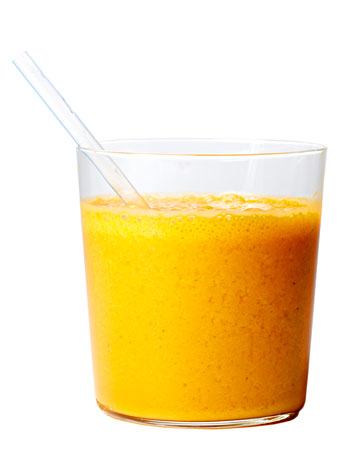
Carrot, Mango, and Herb Smoothie

2 cups frozen mango chunks 1 cup fresh carrot juice  1 cup freshly squeezed orange juice 1/4 cup fresh herbs, such as mint, tarragon, or basil

Combine all ingredients in a blender; blend until smooth.

Serves 2. Per serving: 225 calories; 0 g saturated fat; 0 g unsaturated fat; 0 mg cholesterol; 56 g carbs; 36 mg sodium; 3 g protein; 5 g fiber.


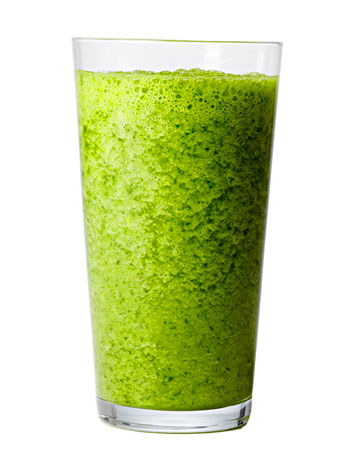
Green Smoothie

1 cup kale or collard greens firmly packed, stems removed, coarsely chopped (4 ounces) 1 Granny Smith apple, coarsely chopped 1 ripe banana 1/2 cup loosely packed fresh flat-leaf parsley leaves

Combine kale, apple, banana, parsley, and 2 1/4 cups water in a blender; blend until smooth. If the mixture is too thick, add a little more water.

Serves 2. Per serving: 105 calories; 0 g saturated fat; 0 g unsaturated fat; 0 mg cholesterol; 26 g carbs; 32 mg sodium; 2 g protein; 4 g fiber.


Beet and Carrot Smoothie

1 small red beet (equivalent to 1/2 cup), peeled and coarsely chopped 1 medium-size carrot, peeled and coarsely chopped (about 1/2 cup)  1 sweet apple, such as Honeycrisp or Pink Lady, coarsely chopped 1 ripe pear, such as red Bartlett or red D'Anjou, coarsely chopped 2 tablespoons fresh lemon juice 2 teaspoons minced fresh ginger

1. Steam beets and carrots until tender, about 10 minutes. Let cool to room temperature. 2. Combine beets, carrot, apple, pear, juice, ginger, and 2 cups water in a blender; blend until smooth.

Serves 2. Per serving: 134 calories; 0 g saturated fat; 0 g unsaturated fat; 0 mg cholesterol; 35 g carbs; 62 mg sodium; 2 g protein; 7 g fiber.

**FALL FAVORITE** Vegan Pumpkin Smoothie


Pumpkin and Cream • 3/4 C pureed pumpkin • 1/3 C coconut/hemp/almond/rice milk • 1 tbsp flax/chia • 1/4 C water

• 2 tsp raw honey or stevia • 2 tsp cinnamon • 1/2 tsp nutmeg • 1/2 tsp pumpkin pie spice • Ice (optional)

Photos & recipes found at Wholeliving.com

// User Icon Setting (may be set to BLACK, WHITE or NONE):