Herbal Therapy for Hair Loss

  Hair loss in men and women can be treated in numerous ways. The two main categories of treatment are surgical and non-surgical. Among the non-surgical treatment methods, one of the most promising procedures is herbal therapy. Herbal therapy has been found to help  in numerous ways to curb hair loss and stimulate better hair growth. Given below are the some of the herbs and herbs-based therapies which can help  with hair loss.


Therapies based on herbs like palmetto, pygeum and nettle roots have been found to be excellent treatments for hair loss. Since these naturally occurring herbs have the ability to interfere with the chemical processes caused by DHT or dihydrotestosterone, the process of hair follicle thinning and the stoppage of hair production from follicles can be halted. Consequently, with the action of these herbs, the hair follicles will reopen and patients’ hair will once again commence to grow normally.

Another well known herb used to treat hair loss is Ginko Biloba. This herb has been found to have excellent qualities in improving the circulatory system of patients. As a result of improved blood circulation, the hair follicles in a patient’s scalp is expected to get better supply of blood which will contribute to better nourishment, which, in turn will in turn cause the processes of hair growth to be improved and stirred.

Lastly, the world famous herbal drink green tea has been used by many to treat the condition of alopecia. Apart from alopecia, green tea is known to treat and heal numerous other diseases and conditions as well. With respect to the pattern balding condition, some of the valuable contents of green tea have been found to perform a vital function of restricting the enzyme known as 5-alpha-reductase, which is directly instrumental in producing the DHT or dihydrotestosterone hormone.

HOLISTIC APPROACH TO HEALTH AND BEAUTY

Kasia Organic Salon is a leading pioneer in healthy beauty to fit your lifestyle. Follow us to ammonia-free /MEA/PPD Color, organic facials, and natural and organic products that support your life.

News Flash: Iron Deficiency Causes Female Hair Loss

  Researchers have proven that iron deficiency is a factor in female hair loss, a condition found to affect as much as 10 percent of women aged 35-60. The SU.VI.MAX study findings might help health and beauty care professionals to devise better formulations to treat the condition in the future.

http://www.cosmeticsdesign-europe.com/Formulation-Science/Iron-deficiency-causes-female-hair-loss

Kasia Organic Salon carries the best Iron on the market from Premier Research Labs.  Contact Kassandra to learn more.  612.824.7611


Stay connected "Informed Beauty!"  Learn more about your nutritional MUST HAVE'S in a recent article!

Skin Problem Symptoms, Nutrition Facts and the Best Healthy Foods


For daily hair, skin, and “beautiful health” tips, read our Informed Beauty  Blog, follow Kasia Organics on Twitter and like our Facebook page.

Skin under the eye is 40% thinner than the rest of the face?

Did you know the  skin around and under the eye is 40% thinner than skin on the rest of the face?  This delicate area requires special treatment.  Many women mistaken products from simple  coconut oil to higher end facial serums will do the job of "anti-aging," but I am afraid it is a bit more granular than these higher molecule products (as great as they are).

We advise setting up an appointment with your facial expert to consult the best products for your needs.  Kasia's Skin Specialist, Stacey is here to meet your  individual skin care and anti-aging needs.   Call 612.824.7611


 Kasia onCure Eye


Always look like you’ve had eight hours of sleep! OnCure Eye Cream is designed to naturally eliminate dark circles, reduce puffiness and fine lines, promote firmness and elasticity and improve circulation, OnCure combines three rich, organic lipids—Apricot Kernel, Borage and Shea Butter—into a rich blend of high-performance natur

al ingredients to heal and hydrate the sensitive eye area.

kasia_0030_HIGH


Key Benefits

Brighter:
  • Naturally reduces dark circles, shadows and puffiness using Hesperidin, a flavonoid derived from citrus fruits.
  • An encapsulated tripeptide stimulatea the natural exfoliation process, bringing a brighter, smoother and more even tone to the under eye area.
  • Chrysin, a naturally occurring flavone extracted from Blue Passion Flower, helps reduce the appearance of dark circles
Firmer:
  • Reinforce firmness and tone using nourishing apricot kernel to replenish and rebuild skin.
  • Tripeptides and Sea Algae Extract stimulate collagen production.
Smoother:
  • Prevent puffiness and reduce bags with tripeptides, Vitamin C and E to stimulate cell growth and reduce the appearance of lines and wrinkles.

6 Tips to Keep Thin Hair Looking Full and Thick

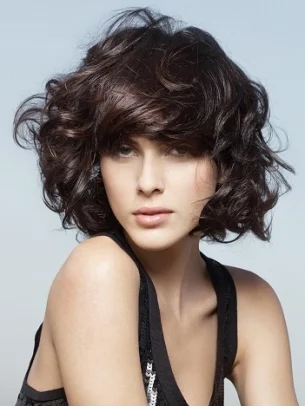
mediumhairstylebangsfranckprovost_thumb1.jpg


 Thinning hair is becoming very common and can be a result of many catalysts in the body from hormone havoc to your individual DNA.  As a stylist that specializes in hair loss for women, it is our goal to give our guests the best options for what colors look best with a cut that compliments any hair type or density.
There are techniques that are unique for each individual.  Check out our tips below and don't  leave home without them on your way to your next haircut!


Get Banged!

Hair that is thin at the crown but thick in front:  Try bangs to create a fuller look. Color!  Ask your colorist to take a section of hair underneath the bangs and color it two shades darker than the rest of your hair color which will create a dimension and make your hair look thicker.


Thinking Twice Before Layering

Ask your stylist to cut the under-layer of your hair a half an inch shorter than the top layer. This will add fullness by “pushing” the hair up.  BEWARE of a razor because that can create frayed ends that make your hair look wispier. To give fullness to fine or thin hair, keep ends blunt.


Get Color to Add Dimension

Add shing with Color!  Peroxide doubles the thickness of each strand by swelling the hair shaft, which makes your hair look and feel fuller.   Depositing color also fills the cuticle.  By adding dimension (a mix of shades), it creates the illusion of density. Also, keep in mind that your hair color should match the color of your scalp as closely as possible if you want to camouflage a wide part.


Keep Your Hair Above Shoulder Length

Plain and simple:  If it’s shorter, it will appear thicker.

Mousse It Up

Lift it up!  A foam or mousse gives your roots a boost and creates longer lasting volume  . Steer clear from creams and heavy gels.


Blow-Dry Gently

Don’t subject your hair to more wear and tear than necessary—let it air-dry 80 percent, then use a round brush to lift the roots and smooth the ends.

Strategy!  When blow-drying, don’t part your hair where you normally do before you blow-dry to avoid it going flat along the part, which is exactly where you want some height. Instead, part your hair on the opposite side. When you’re done blow-drying, flip it back and you’ll have your desired volume. Try Extensions

Extensions are now for the “every day women” wanting to add a little fullness to a little bit of length.  You can add 3 extensions or more, a minimal amount is needed. If your hair is full at the crown, but wispy from the mid-length to ends, they’ll give you a lush style in minutes and last (professional) up to 3 months.


Restore with Keratin

Fill and Restore! Look for a healing and temporary keratin treatment.  It’s best to do this every 4-8. It smoothes and coats the hair with a protective layer while also protecting colored hair.   Kasia Organic Salon offers a great keratin treatment that truly chemical free for instant relief.

Contact the Kasia Team @6128247611 for your great new style!

Trending Hairstyles for 2013 You'll Love!

We've loved the trends of 2012 from the super model heavy bang to the "low maintenance touch up" ombre' - but it's time to say goodbye to past favorites and to jump into the fun and collaborative new trends of 2013!

This season brings no question that wearable looks have a major presence from how you wear your ponytail (low or high), how you tie a knot (tight!), or in what fashion your braids will crisscross.

Enjoy a sneak peak of the coming year's hair trends!


The New Low Pony


Rock n' Roll Waves


Topping It Off

Tying The Knot


Making The Braid


Kasia Organic Salon is a leading pioneer in healthy beauty to fit your lifestyle. Follow us to ammonia-free /MEA/PPD Color, organic facials, and natural and organic products that support your life.
The Kasia Organics “Informed Beauty” Promise: We always use: the finest, all-natural ingredients that not only nourish the body but awaken the senses and promote healthy, safe living through informed beauty. The result: radiant, restored skin and hair. We never use: parabans, petro-chemicals, phthalates, artificial preservatives, lauryl sulfates, artificial colors or dyes, synthetic fragrances, wasteful fillers or animal testing—unhealthy junk your body doesn’t need!


Check out the awaited 2013 hair trends HERE!

Fragrance! Are You Building Up Chemical Sensitivities?

BreathOfFreshAirForHealthyHeart.jpg

  People are becoming more familiar with the term, Multiple Chemical Sensitivity but many don't understand what it really is or realize that we are all at risk of developing it. In essence, MCS is the body's natural, allergic reaction following exposure to a variety of chemicals and toxins. This exposure can be from inhalation, ingestion and/or the topical application of chemicals commonly found in the products we use every day.

MCS can develop slowly over time as chemicals accumulate in your body, or develop suddenly from a single harsh exposure to chemicals like new carpeting in your home, a freshly painted wall or the use of pesticides in your yard. Toxic chemicals are also ingested in the form of food colors, preservatives and various food additives. Chemicals, (especially petroleum based ingredients) present in personal care products like shampoo, conditioner, soaps, facial creams, sunscreens and cosmetics, are absorbed into the skin which carries them into the blood stream.

The more than 48 million men, women, and children with Multiple Chemical Sensitivity experience allergy-like symptoms ranging from minor annoyances to life-threatening reactions. MCS can manifest as skin rashes, burning eyes, nausea, light headedness, headaches, sleeping problems, and digestive system disorders. The long-term effects include neurological problems and peripheral nerve damage, diabetes, arthritis, vascular disorders, including life threatening blood clotting; nutritional deficiencies, asthma, and sometimes even cancer.

Let's explore fragrance as just one common Chemical Sensitivity trigger:

  • Fragrances enter the body through inhalation, the mouth by ingestion and the skin by absorption. 
  • There are more than 5,000 different fragrances in the products we use on a daily basis, yet only about 1,300 of them have been tested for safety. Those tests did not include respiratory, neurological, or systemic effects. 
  • "Fragrance" on a product label is considered a trade secret, meaning the manufacturer is not required to identify the chemical makeup of the fragrance. 
  • Six hundred or more chemical ingredients may be used to create a single fragrance. 
  • Approximately 95% of the chemicals used in fragrances today are synthetic compounds derived from petroleum, including known toxins capable of causing cancer, birth defects, central nervous system disorders and allergic reactions. 
  • The vast majority of the chemicals in fragrances consist of volatile organic compounds that are known to be respiratory irritants. 
  • Inhaling fragrances can cause circulatory changes and electrical activity in the brain, triggering migraine headaches, the inability to concentrate, dizziness and fatigue. 
  • A recent Environmental Working Group study found two synthetic musks in the cord blood of newborn babies. These musks have been associated with toxicity to the endocrine system. 
  • A pregnant woman's use of some fragrances may expose her growing fetus to diethyl phthalate (DEP), a common perfume solvent linked to abnormal development of reproductive organs in baby boys and sperm damage in adult men. 
  • Children may be more susceptible to the effects of fragrances because of their smaller size, their higher respiratory rate, and their thinner skin.

Fragrances have been used throughout history so why are people only recently suffering from their ill affects? Until the 20th century, perfumes were made from natural ingredients derived directly from spices, flowers, plants, herbs and animals. The Egyptian's were the first to use scents of cinnamon and honey with which to anoint their bodies.

During the 1900's, advancements in chemical technology along with a rapidly growing population and a rising demand for perfumes and fragrance, led manufacturers to turn to inexpensive synthetic ingredients in lieu of natural plant and flower extracts that were far more costly and time consuming. In 1989, the National Institute of Occupational Safety and Health recognized 884 poisonous substances (chemicals) used in the fragrance industry. Yet, to this day, when you see the word fragrance on a product label, the chemicals used to create it are considered a "trade secret."

When you use perfume, body lotion or soap made with synthetic fragrances, you are exposing yourself and others to powerful, harmful chemicals. The fragrances you wear may not adversely affect you, but they may cause those around you instant reactions including headaches, migraines, runny nose and eyes, breathing difficulty and sinus problems. Even people who aren't particularly chemically sensitive report discomfort when exposed to perfumes. As a result, many businesses across the United States and Canada, at the request of their employees, are voluntarily creating fragrance-free policies.
Kasia  products are 100% free of synthetic fragrance! All Kasia products integrate and offer  Therapeutic Grade Essential Oils.   “Apothecary,” meaning healing and highly therapeutic, and are what complete our  hair, skin, body products in the most beautiful way. 

Get Grounded!

Grounded Pure Essence

Made from the purest plant-based ingredients with no chemicals, synthetic scents or man-made additives, our Pure-Essence allows you to say “grounded” naturally. Free from alcohol, artificial fragrances, phthalates, parabans, and other chemicals, all Kasia Pure-Essence scent blends are handcrafted in small batches using therapeutic-grade essential oils.

When you love your fragrance it should go with you! Pure-Essence Botanical Blends are the perfect size for your handbag or travel. Or, give it as a beautiful artisan and distinctive gift.

  • Patchouli:  Alleviates anxiety and brings focus
  • Sandalwood: Relieves agitated emotional states and gives strength
  • Frankincense: Calms and improves concentration
  • Bergamot: Relieves nervous energy and encourages contentment
  • Cedarwood: Combats nervous tension and boosts positivity

Use Holiday Leftovers for Improved Skin Texture and Appearance!

images-241.jpg

Food for Thought

Holiday left-overs no longer have to be tossed into the trash or stored in your fridge. Most of what we eat during this time of year has alternative benefits, rather than just satisfying your appetite. Such seasonal delights can often be turned into creative do-it-yourself beauty treatments that work to reduce eye puffiness, improve skin tone and/or fight flakiness. Follow my tips below and say cheers to the holiday season and fabulous left-over finds for your face –your waist will thank you!

Champagne:

Benefit: Makes for a great toner!Champagne detoxifies the skin with antioxidants while lightening Tartaric Acid helps even out the skin tone.For those with oily skin, its antibacterial properties aid in leaving last year’s breakouts behind.
Use: After washing your face, soak up a cotton ball with the left-over champagne and swipe all over face, neck and décolleté.Be careful around the eyes…this is alcohol after all!Let the champagne fully absorb into skin, allowing it to close pores, leaving the surface tight, firm, and glowing! Note people with very sensitive or dry skin should do a patch test on a small, non-visible area of the neck or hands.

Caviar:

Benefit: A household party favorite, caviar is rich in Amino Acids, Phospholipids and isfull of Vitamins A, D, B1, B 2 and B6.Caviar’s structure is similar to human skin cells; therefore it has the ability to speed up the natural production of collagen.Whether you gulp it down or slather it on your face, caviar helps firm, smooth and rejuvenate the skin, resulting in a more youthful appearance.
Use: To make a caviar mask, simply apply the left-overs all over the face, neck and décolleté.After 30 minutes, rinse off with lukewarm water; skin is left thoroughly hydrated and renewed!

Sweet Potatoes

Benefit: High in Iron, Fiber and Beta-Carotene which aids in the production of new skin cells and helps to smooth out fine lines around the eyes.
Use: For a wrinkle-reducing eye treatment, slice two pieces of cold sweet potato and place on each eye for 20 minutes.The colder the sweet potato slices, the more effective the treatment will be.

Cranberries

Benefit: Considered one of the most powerful antioxidants in all food groups, cranberries are anti-bacterial as well as anti-inflammatory and can help to stimulate collagen.
Use: For an exfoliating mask, mash up leftover cranberries with raw sugar, oatmeal and a little cranberry juice.Leave the mask on for 10 minutes and rinse to create a healthy glow.

Coffee

Benefit: Caffeine helps to treat skin redness, inflammation, the appearance of cellulite.
Use: After your morning cup of joe, take the granules into the shower and rub them onto your body, focusing on areas that need extra tightening. They also make a great exfoliating addition to any facial product.

About the author

Marina Peredo M.D., F.A.A.D. is a nationally recognized board certified dermatologist with over 20 years of experience.Dr. Peredo has successfully treated patients with skin-related conditions and is also regarded as one of the leading dermatologic experts for non-invasive/minimally invasive cosmetic procedures.She participates in many key professional organizations, conducts numerous clinical studies, is a national trainer, speaker and educator for prestigious dermatologic companies and does pro-bono work for Beyond Our Borders.

Experiencing hair loss that is connected to a thyroid disorder? Learn the 5 Signs?

hairthyroid1.jpg

  hair loss and your thyroid

Watching your hair slide down the shower drain or clumping up on your brush is a horrible feeling, especially for women! Our hair is connected to our identity, our youth, and our health. While it’s natural for some women to experience hair loss at certain times in their menstrual cycles or times of the year, hair loss is also caused by specific health conditions including a thyroid imbalance.

Why does a thyroid imbalance cause thinning hair?

Your hair normally grows in a healthy cyclical pattern with most of the hair follicles growing while only a small number are “resting.” With a thyroid imbalance, this cycle can be thrown off, resulting in more hair follicles “resting” than growing — and more hair falling out. Hair loss is a very common symptom of a thyroid imbalance.

But thyroid imbalances often arise slowly and remain unnoticed by patients and their doctors in the early phases. Even with a lab test, your doctor may say everything is fine with your thyroid, even though you strongly suspect that something is wrong. This is because standard labs have a very wide range for what is “normal” in terms of thyroid test results.

So how do you know if your hair loss is connected to a thyroid disorder?

Five signs and symptoms your hair loss is connected to a thyroid disorder


1. Thinning eyebrows. Hypothyroidism (an underactive thyroid) often causes general hair loss as well as thinning of the outer third of the eyebrows. We don’t know exactly why the eyebrow is targeted in thyroid disorders, but this is a good indicator that your thyroid hormones may be low.

2. Hair that is brittle, dry, and breaking easily. Dry, brittle hair is also connected to low thyroid function. And research published in the Journal of Clinical Endocrinology & Metabolism finds that thyroid hormones increase growth and color in hair. Low thyroid hormone can lead to the early release of the hair shaft and root, as well as premature gray or white hair.

3. Feeling exhausted all the time, even after 8 hours of sleep. The thyroid is the master of our metabolism, so it affects the way we use and store energy. With low thyroid hormone, metabolism slows down. This can often lead to persistent fatigue as well as weight gain.

4. Puffiness in the face or extremities. Many people with hypothyroidism have an excess of a compound called mucin. Mucin is part of our connective tissue and is present in blood vessels and cells all over the body. It absorbs water and may cause excess water retention in an individual with an underactive thyroid imbalance.

5. Yellowing of the palms of your hands. Yellowing of the skin on your hands can happen with a thyroid imbalance due a build-up of carotene in your blood. Hypothyroidism can slow the conversion of carotene to vitamin A.

If you think your hair loss might be connected to a thyroid imbalance, begin supporting your thyroid — and your hair — naturally. Kasia provides key vitamins and minerals, as well as suggested dietary changes to target thyroid imbalances from the inside out.


Testing for more severe hair loss

Most mild to moderate hair loss will improve with some basic stress reduction and positive lifestyle changes. Hair loss that is more dramatic or persists warrants a closer look. Testing for insulin resistance, testosterone levels, and thyroid or other metabolic dysfunction can point to androgen sensitivity, thyroid dysfunction, or another endocrinologic disturbance as a possible cause for a woman’s thinning hair. Some women will experience male pattern baldness if their bodies have high testosterone or become sensitive to normal circulating levels of androgens.

Here are the tests I’d recommend discussing with your practitioner:

  • hormone panel (testing specifically both free and total testosterone levels)
  • thyroid testing
  • fasting insulin
  • metabolic panel (for kidney and liver function)
  • ferritin stores (for iron deficiency)
  • CBC (complete blood count) with differential
  • allergy testing

References

womentowomen.com

Van Beek, N, et al. 2008. Thyroid hormone directly alter human hair follicle functions: anagen prolongation and stimulation of both hair matrix keratinocyte proliferation and hair pigmentation. Journal of Clinical Endocrinology & Metabolism, 93(11): 4381. URL: http://www.ncbi.nlm.nih.gov/pubmed/18728176.

Arem, Ridha. 2000. The Thyroid Solution. New York, NY: Ballantine Books.

// User Icon Setting (may be set to BLACK, WHITE or NONE):