High Cortisol and it's Destructive Effects

 a_08_m_dep_1a

Make no mistakecortisol is a lifesaving hormone. When you are under stress it comes to your rescue, mobilizing carbohydrates and fat for instant energy. It also keeps our blood sugar steady while we’re sleeping and helps us wake up in the morning.

But when this “helpful” hormone is over-produced, our bodies suffer.

Cortisol runs unnaturally high as a result of our stress-filled lives, and that causes all kinds of symptoms and long-term health problems down the road. High cortisol levels can be deceiving — they allow you to be ultra productive, but at the same time they rob you of much needed sleep and keep you feeling wired too much of the time.

Sustained high cortisol levels have been associated with Alzheimer’s disease, heart disease, insulin resistance, obesity and type 2 diabetes. We can now say very clearly: normalizing cortisol levels is crucial to lifelong health.

images-14Cortisol’s natural rhythm gone wrong!

Cortisol has a natural rhythm that is tightly connected to your daily cycle, which is called your circadian rhythm. Cortisol is usually lowest between midnight and 4:00 AM and then gradually increases until around 8:00 AM, in time for you to wake up and start the day. After 8:00 AM, cortisol declines incrementally throughout the day to gradually prepare you for sleep. This daily rhythm is the norm unless you encounter a stressful event. Your body should increase cortisol and adrenaline temporarily to handle the stressful event and then return to normal.

That’s the way it’s supposed to work. Yet when we live in a constant high-alert state, our cortisol levels remain unnaturally high and can cause all kinds of health problems, including:

  • Impaired healing and cell regeneration
  • Disrupted digestion, mental function and metabolism
  • Weakened ability to fight infection
  • Imbalances in other important hormones such as DHEA, estrogen, progesterone, and testosterone
  • Loss of muscle and bone
  • Mood swings and depression
  • Hair and skin problems
  • Thyroid imbalances
  • Low sex drive
  • Sleeplessness
  • Weight gain (especially around the belly)

How to know if your cortisol is too high

Unfortunately standard tests of adrenal function aren’t very helpful. If your primary care practitioner calls for a typical laboratory cortisol test, it will be difficult to see anything more than the most severe cases of adrenal dysfunction, such as Addison’s disease or Cushing’s syndrome. We recommend finding a practitioner who is willing to do salivary cortisol testing, which measures cortisol levels and a hormone called DHEA (dehydroepiandrosterone) throughout the day. This kind of test provides a more accurate assessment of cortisol levels and whether they have become imbalanced. We typically suggest testing between 6:00 and 8:00 AM (within an hour of waking), between 11:00 and Noon, between 4:00 and 6:00 PM, and then again between 10:00 PM and Midnight. This should give you a good overview of how your cortisol levels vary throughout the day.

But a lab test isn’t necessary to determine if you have adrenal fatigue or high cortisol. You can simply check in with how you feel. If your energy level is very low in the morning but seems to increase right around the time everyone else is getting ready for bed, your cortisol cycle is probably out of whack. It’s a good indication that you will reap huge benefits by taking steps to rebalance your adrenal glands.

You can’t restore healthy adrenal function without balancing cortisol

Cortisol levels that remain high often lead to a downward health spiral, where you go from feeling wired to feeling tired and wired, and then ultimately to feeling exhausted. This final stage of adrenal imbalance is known as adrenal exhaustion. Restoring your cortisol to its natural levels is the only way to regain adrenal health.

We’ve worked with women at our clinic and in our Personal Program to help normalize their cortisol levels naturally. Doing so will eliminate symptoms, increase energy (without feeling “wired”) and encourage better sleep. And you can balance cortisol in several ways, including taking adrenal-supportive herbs and nutrients, and making dietary changes and lifestyle modifications to calm the stress response.

0911-woman-sitting-yoga_5

Food and lifestyle choices matter too for adrenal health

Most women with stress issues simply don’t have the energy to face multiple changes to their diet and lifestyle all at once. That’s another reason why starting with the supplements is a good idea.

But the truth is, if your symptoms are severe, making a few key diet and lifestyle changes will really help your supplements heal your adrenals.

Supplement Support

I've found the following herbs in PRL's ADAPTOGEN to be the most effective in resolving adrenal imbalance:  

Premier Research Labs Adaptogen-R3 

  • Maximum performance
  • Increased energy
  • Endurance
  • Enhanced oxygen & nutrient uptake
  • Enhanced fat loss when used with a balanced dietadaptogen
  • Supports healthy adrenal function
  • Optimal neurotransmitter
  • Improved Memory & Mental function
  • Broad spectrum endocrine rejuvenator, especially the pituitary-adrenal axis

Premier Adaptogen-R3 is not a “jolt product,” loaded with stimulants that rev up weak adrenals such as high dose guarana or ephedra. Instead, its unique, adaptogenic botanicals are synergistically combined to focus on nourishing the glands and organs, including the adrenals, as well as creating maximal oxygen and nutrient transport to the muscles and connective tissue to ensure optimal support, detoxification and immune function. Higher levels of energy and strength can be yours. It can produce profound improvements across the full spectrum of fitness: from the competition athlete looking for better running times – to the couch potato who wants to get rid of the flab.  Contact Kassandra @ Kasia Organic Salon for adaptogen support. 

Here's our four-step diet and lifestyle checklist, plus examples of the changes that are easiest to make:

Eat for energy. Focus on eating choices and patterns that allow you to achieve more stable energy levels throughout the day. Don’t skip meals or starve yourself — that’s too stressful for your adrenals. We recommend eating at regular times — ideally three balanced meals and two snacks a day. Start making changes to your diet by including protein at every meal and fewer carbohydrates, especially sugary snacks.

Focus on stress reduction and make emotional wellness a priority. One simple change is to practice regular deep breathing. Practice breathing in through your nose so that your lungs fill and your belly rises and then exhale slowly through your nose. Repeat for a few breaths, ideally for several minutes. As you move forward, try to find other ways for “self-care,” especially by identifying and focusing on meeting your own needs. You’ll find this will help change your attitude towards stress, which research shows, can actually lessen the negative effects of stress!

Assess your exercise routine: “chill out” vs “work out.” When your adrenals are imbalanced, high-intensity exercise only adds to the stress load you’re already bearing. We recommend that you choose an activity you enjoy, and be sure to pace yourself. If you feel invigorated after your exercise, it’s probably fine.

Make it a priority to get 7 to 8 hours of sleep every night. If possible, go to bed by 10:00 PM. Sounds incredible, doesn’t it? But you need the rest to break your patterns. A good night’s sleep is one of the best ways to restore your adrenal glands, and the greatest adrenal healing occurs hours between 7:00 PM and 9:00 AM. If you describe yourself as “wired” or “tired and wired,” try a phytotherapy option to reduce cortisol levels that cause stress-induced sleeplessness.


Resource:  Womentowomen.com and Premier Research Labs


Dr Mark Hyman: Does Milk and Sugar Cause Acne?

Guest Post  by Dr Mark Hyman

IT’S CONFIRMED. DAIRY PRODUCTS AND SUGAR CAUSE ACNE.

sugar and acne

As our sugar and dairy consumption has increased over the last 100 years so has the number of people with acne. We now have over 17 million acne sufferers, costing our health care system $1 billion a year. Eighty to ninety percent of teenagers suffer acne to varying degrees.

The pimply millions rely on infomercial products hawked by celebrities or over-the-counter lotions, cleansers, and topical remedies. Recent research suggests that it’s not what we slather on our skin that matters most but what we put in our mouth.

Many have suggested a diet-acne link, but until recently it has not been proven in large clinical studies. Instead dermatologists prescribe long-term antibiotics and Accutane, both of which may cause long-term harmful effects. In 2009, a systematic review of 21 observational studies and six clinical trials found clear links.

Two large controlled trials found that cow’s milk increased both the number of people who got acne and its severity. Other large randomized prospective controlled trials (the gold standard of medical research) found that people who had higher sugar intake and a high glycemic load diet (more bread, rice, cereal, pasta, sugar, and flour products of all kinds) had significantly more acne. The good news is that chocolate (dark chocolate that is) didn’t seem to cause acne.

The dietary pimple producing culprits – diary and sugar (in all its blood sugar raising forms) – both cause spikes in certain pimple producing hormones. Dairy boosts male sex hormones (various forms of testosterone or androgens),  increases insulin levels, just as foods that quickly raise blood sugar, (sugar and starchy carbs) and spikes insulin.

Androgens and insulin both stimulate your skin to make those nasty, embarrassing pimples. One patient recently told me he would give a million dollars for a pill to cure acne. He doesn’t need to. It seems that for many the cure to acne is at the end of their fork, not in a prescription pad.

While pimples are not as simple as too much milk or sugar in your diet, both have a significant impact. Nutritional deficiencies as well as excesses can worsen acne. Correcting common deficiencies including low levels of healthy omega-3 anti-inflammatory fats, low levels of antioxidants such as vitamin E, zinc, and vitamin A, and including an important anti-inflammatory omega-6 fat called evening primrose oil  may all be helpful in preventing and treating unwanted pimples.

I will explain how you can correct and incorporate all of these nutritional elements of your diet and outlines some supplements that will help you fight acne in a moment. But first it is worth taking a deeper look at milk and sugar.


Stay Away from Dairy and Avoid Acne

One scientist referred to milk as a “complex aqueous, suspended fat, liposomal, suspended protein emulsion”. What we do know is that milk is designed to grow things – namely, babies – and in the case of cow’s milk, calves. It is naturally full of what we call anabolic hormones (the same ones that body builders and A Rod use to grow big muscles, and which cause bad acne).

These are mostly androgens (like testosterone) and growth hormones including insulin like growth factor 1 (IGF-1). There is no such thing as hormone-free milk.

Here’s a short list of the 60-some hormones in your average glass of milk – even the organic, raw, and bovine growth hormone free milk:

  • 20α-dihydropregnenolone
  • progesterone (from pregnenolone)
  • 5α-pregnanedione
  • 5α-pregnan-3β-ol-20-one, 20α- and 20β-dihydroprogesterone (from progesterone)
  • 5α-androstene-3β17β-diol
  • 5α-androstanedione
  • 5α-androstan-3β-ol-17-one
  • androstenedione
  • testosterone
  • dehydroepiandrosterone sulphate acyl ester
  • insulin like growth factors 1 and 2 (IGF-1 and IGF-2)
  • insulin

This is what our government suggests we drink in high doses—at least 3 glasses a day for me, a healthy adult male, according to the mypyramid.gov website. Those guidelines have been strongly criticized by many including leading nutrition scientists from Harvard such as Walter Willett and David Ludwig.

The famous Nurse’s Health Study examining health habits of 47,000 nurses found that those who drank more milk as teenagers had much higher rates of severe acne than those who had little or no milk as teenagers. If you think it is the fat in milk, think again.

It was actually the skim milk that had the strongest risk for acne. In other studies of over 10,000 boys and girls from 9 to 15 years old, there was a direct link between the amount of milk consumed and the severity of acne.

It appears that it is not just the anabolic or sex hormones in milk that causes problem but milk’s ability to stimulate insulin production. It actually may be the lactose or milk sugar in milk that acts more like a soft drink than an egg. Drinking a glass of milk can spike insulin levels 300 percent.

Not only does that cause pimples, but it also may contribute to prediabetes. This is true despite studies funded by the dairy council showing that milk helps with weight loss. The question is compared to WHAT diet – a diet of bagels and Coke, or a healthy phytonutrient, antioxidant-rich, plant-based diet with lean animal protein?

acneStay Away from Sugar, Refined Carbs, and Pimples

If a glass of milk causes pimples, that may drive you back to your Pepsi. But not so fast. Recent studies also show that sugar and refined carbs (a high-glycemic diet) cause acne. More importantly, taking kids off sugar and putting them on a healthy, whole foods, low-glycemic load diet resulted in significant improvements in acne compared to a control group eating a regular, high-sugar American diet.

In addition to less pimples, the participants lost weight, became more sensitive to the effects of insulin (resulting in less pimple-producing insulin circulating around the blood). They also had less of the sex hormones floating around their blood that drive pimples. We know that women who have too much sugar and insulin resistance get acne, hair growth on their face, hair loss on the head, and infertility. This is caused by high levels of circulating male hormones and is called polycystic ovarian syndrome but is a nutritional, not gynecologic disease.

But the dietary influences don’t stop there. It is not just sugar, but the bad fats we eat that may also contribute to acne.

Get an Oil Change

Our typical Western diet is full of inflammatory fats – saturated fats, trans fats, too many omega-6, inflammatory, processed vegetable oils like soy and corn oils. These increase IGF-1 and stimulate pimple follicles. Inflammation has been linked to acne, and anti-inflammatory omega-3 fats (from fish oil) may help improve acne and help with many skin disorders.

Balance the Hormones that Cause Skin Problems

The link is clear - hormonal imbalances caused by our diet trigger acne. Our diet influences sex hormones like testosterone, IGF-1, and insulin, which promote acne. The biggest factors affecting your hormones is the glycemic load of your diet (which is determined by how quickly the food you eat increases your blood sugar and insulin levels), and the amount of dairy products you eat. The good news is that eating a healthy diet and taking a few supplements can balance those hormones. Exercise also helps improve insulin function.

How to Prevent and Treat Acne

Eight simple steps to help most overcome their acne problems:

  1. Stay away from milk. It is nature’s perfect food – but only if you are a calf.
  2. Eat a low glycemic load, low sugar diet. Sugar, liquid calories, and flour products all drive up insulin and cause pimples.
  3. Eat more fruits and vegetables. People who eat more veggies (containing more antioxidants and anti-inflammatory compounds) have less acne. Make sure you get your 5–9 servings of colorful fruits and vegetables every day.
  4. Get more healthy anti-inflammatory fats. Make sure to get omega-3 fats (fish oil) and anti-inflammatory omega-6 fats (evening primrose oil). You will need supplements to get adequate amounts (more on that in a moment).
  5. Include foods that correct acne problems. Certain foods have been linked to improvements in many of the underlying causes of acne and can help correct it. These include fish oil, turmeric, ginger, green tea, nuts, dark purple and red foods such as berries, green foods like dark green leafy vegetables, and omega 3-eggs.
  6. Take acne-fighting supplements.Some supplements are critical for skin health. Antioxidant levels have been shown to be low in acne sufferers. And healthy fats can make a big difference. Here are the supplements I recommend:
    • Evening primrose oil: Take 1,000 to 1,500mg twice a day.
    • Zinc citrate: Take 30 mg a day.
    • Vitamin A: Take 25,000 IU a day. Only do this for three months. Do not do this if you are pregnant.
    • Vitamin E (mixed tocopherols, not alpha tocopherol): Take 400 IU a day.
  7. Try probiotics. Probiotics also help reduce inflammation in the gut that may be linked to acne. Taking probiotics (lactobacillus, etc.) can improve acne.
  8. Avoid foods you are sensitive to. Delayed food allergies are among the most common causes of acne—foods like gluten, dairy, yeast, and eggs are common culprits and can be a problem if you have a leaky gut.

Following these simple tips will help you eliminate acne and have that glowing skin you have always dreamed of. And it’s much cheaper (and safer) than expensive medications and dermatologist visits. Improve your diet and take acne-fighting supplements and you will watch your pimples disappear.

For more information on how to optimize your nutrition and improve your skin, see www.drhyman.com.

Now I’d like to hear from you.

Have you struggled with an acne or skin problem? Have you noticed any link between your skin? What seems to be a problem for you?

Why do you think we are encouraged to consume so much dairy when the risks to our health (and our skin) are so high?

What other steps have you taken to fight acne? What has worked? What hasn’t?

Please leave your thoughts by adding a comment below – but remember, we can’t offer personal medical advice online, so be sure to limit your comments to those about taking back our health!

To your good health,

Mark Hyman, MD

References

  1. F. William Danby, MD, Nutrition and acne, Clinics in Dermatology (2010) 28, 598–604
  2. White GM. Recent findings in the epidemiologic evidence, classification, and subtypes of acne vulgaris. J Am Acad Dermatol 39(2 Pt 3):S34-7 (1998 Aug).
  3. Lello J, Pearl A, Arroll B, et al. Prevalence of acne vulgaris in Auckland senior high school students. N Z Med J 108(1004):287-9 (1995 Jul 28).
  4. Venereol 21(6):806-10 (2007 Jul).
  5. Wolf R, Matz H, Orion E. Acne and diet. Clin Dermatol 22(5):387-93 (2004 Sep-Oct).
  6. Magin P, Pond D, Smith W, et al. A systematic review of the evidence for myths and misconceptions’ in acne management: diet, face-washing and sunlight. Fam Pract 22(1):62-70 (2005 Feb).
  7. Spencer EH, Ferdowsian HR, Barnard ND. Diet and acne: a review of the evidence. Int J Dermatol 48(4):339-47 (2009 Apr).
  8. Bendiner E. Disastrous trade-off: Eskimo health for white civilization, Hosp Pract 9:156-89 (1974).
  9. Adebamowo CA, Spiegelman D, Danby FW, et al. High school dietary dairy intake and teenage acne. J Am Acad Dermatol 52(2):207-14 (2005 Feb).
  10. Adebamowo CA, Spiegelman D, Berkey CS, et al. Milk consumption and acne in adolescent girls. Dermatol Online J 12(4):1 (2006).
  11. Adebamowo CA, Spiegelman D, Berkey CS, et al. Milk consumption and acne in teenaged boys. J Am Acad Dermatol 58(5):787-93 (2008 May).
  12. Hoyt G, Hickey MS, Cordain L. Dissociation of the glycaemic and insulinaemic responses to whole and skimmed milk. Br J Nutr 93(2):175-7 (2005 Feb).
  13. Kaymak Y, Adisen E, Ilter N, et al. Dietary glycemic index and glucose, insulin, insulin-like growth factor-I, insulin-like growth factor binding protein 3, and leptin levels in patients with acne. J Am Acad atol 57(5):819-23 (2007 Nov). Cordain L, Lindeberg S, Hurtado M, et al. Acne vulgaris: a disease of Western civilization. Arch Dermatol 138(12):1584-90 (2002 Dec).
  14. Smith RN, Mann NJ, Braue A, et al. A low-glycemic-load diet improves symptoms in acne vulgaris patients: a randomized controlled trial. Am J Clin Nutr 86(1):107-15 (2007 Jul).
  15. Smith RN, Mann NJ, Braue A, et al. The effect of a high- protein, low glycemic-load diet versus a conventional, high glycemic-load diet on biochemical parameters associated with acne vulgaris: a randomized, investigator-masked, controlled trial. J Am Acad Dermatol 57(2):247-56 (2007 Aug).
  16. Smith RN, Braue A, Varigos GA, et al. The effect of a low glycemic load diet on acne vulgaris and the fatty acid composition of skin surface triglycerides. J Dermatol Sci 50(1):41-52 (2008 Apr).
  17. Zouboulis CC. Is acne vulgaris a genuine inflammatory disease? Dermatology 203(4):277-9 (2001).
  18. James MJ, Gibson RA, Cleland LG. Dietary polyunsaturated fatty acids and inflammatory mediator production. Am J Clin Nutr 71(1 Suppl):343S-8S (2000 Jan).
  19. Simopoulos AP. Essential fatty acids in health and chronic disease. Am J Clin Nutr 70(3 Suppl):560S-9S (1999 Sep). 26. Kaaks R, Bellati C, Venturelli E, et al. Effects of dietary intervention on IGF-I and IGF-binding proteins, and related alterations in sex steroid metabolism: the Diet and Androgens (DIANA) Randomised Trial. Eur J Clin Nutr 57(9):1079-88 (2003 Sep).
  20. Fulton JE, Jr., Plewig G, Kligman AM. Effect of chocolate on acne vulgaris. Jama 210(11):2071-4 (1969 Dec 15).
  21. Anderson PC. Foods as the cause of acne. Am Fam Physician 3(3):102-3 (1971 Mar).

Spring is in the HAIR! Short-Cut-Inspirations

9cef09fe145bcce83ad26c96fe000e99.jpg

Are you feeling the itch?  Is the air that has now turned HUMID nudging you to rid the blanket of hair  on your neck?

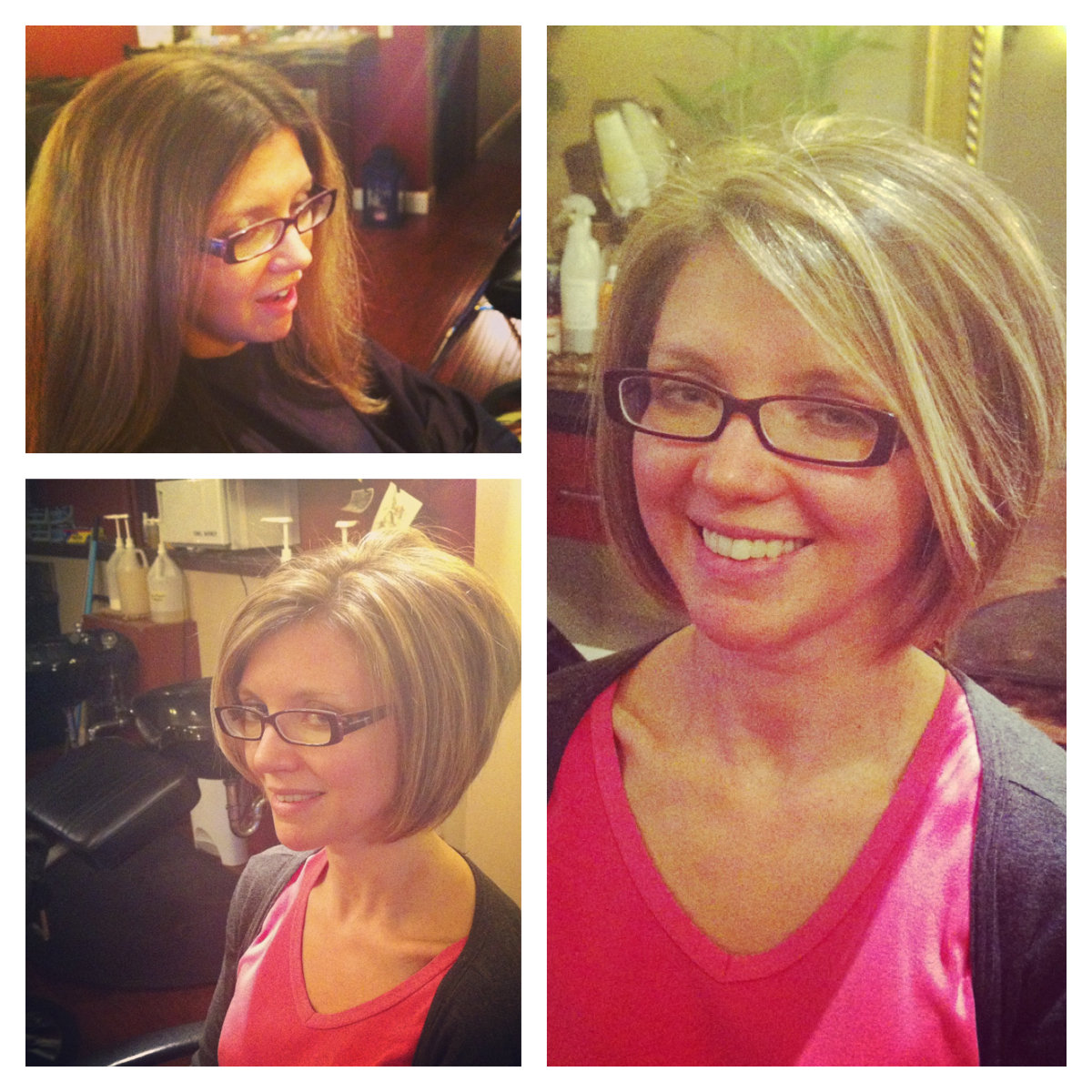
Here's a push to the season's top SHORT HAIR inspirations both in Hollywood and at Kasia Organic Salon.


short hairShort Hair Brooke


short hair


Diane


1cd8f414b7e6213f85574153c1a7c955


Image-7


Email us at Kassie@kasiaorganicsalon.com to BOOK AN APPOINTMENT FOR YOUR SPRING COLOR AND CUT TODAY!  We are here to deliver a cut specific to your lifestyle and needs. 

#612.824.7611

Eat Pretty: YUM Spring Salad Dressings

images-1-1

Orange Sesame Miso Dressing

This savory-sweet dressing contains skin-friendly probiotics from fermented miso paste, and is packed with beautifying omega-3s thanks to crunchy hemp seeds.

Juice of a half an orange 1/4 cup toasted sesame oil 1 tsp miso paste 1/8 tsp ground cumin 2 tsp hemp seeds

Blend the first four ingredients in a food processor or blender. Transfer to a jar, add hemp seeds and shake to combine.

Creamy Tahini Sage Dressing

Fresh herbs are brimming with beauty benefits. Use anti-inflammatory sage in this dressing, or substitute basil or a small amount of thyme. The tahini and grapeseed oil in this recipe are two beauty-friendly fats.

1/2 cup Grapeseed Vegenaise or other dairy-free mayonnaise 1/4 cup fresh sage leaves 1 clove garlic 2 tbsp lemon juice 2 tbsp tahini

Blend all ingredients in a food processor or blender until creamy.

Vinaigrette with a Twist

The raw apple cider vinegar and lemon in this dressing give your digestion a boost (a plus for clear skin and a flat belly). Feel free to swap the oregano and dill for other favorite fresh or dried herbs.

1/4 cup plus 2 tbsp olive oil 2 tbsp raw, unfiltered apple cider vinegar juice of half a lemon 1/4 tsp dried oregano 1/2 tsp dried dill sea salt black pepper

Combine all ingredients in a small jar and shake to emulsify.


ENJOY!   With love......

Reference: beautyiswellness.com

Hormonal Balance for Gorgeous Skin: TC Natural Awakenings Magazine Feature

d215b6e8ea88527fe3dd91ad2d4e3cae.jpeg

Hormonal Balance for Gorgeous Skin

Kassandra Kuehl

Kassandra Kuehl

When hormones are balanced, the result is a clear, radiant complexion. Many of us, however, are plagued by dull, dry and sagging skin and conspicuous skin markings, or wonder why we suddenly have more acne than we did as teens. When this happens, there’s a good chance that we are grappling with some type of hormonal issue. To better understand what the skin says about hormonal health, read on.

Acne

Testosterone dominance is usually the culprit in those pesky blemishes that haunt us well into adulthood. The role of testosterone in acne is twofold: it increases sebum production and skin-cell turnover rate, making it easier for blockages to form around the follicle opening. To combat acne, choose a gentle cleanser that won’t strip the skin.

Dryness

Several hormonal factors can contribute to dry, flaky skin. One of the most common is a drop in thyroid hormone production, causing the epidermis to become thick and scaly. To keep skin moist, use pure, cold-pressed fatty acids and antioxidant-rich oils.

Sagging and Wrinkles

Several studies have highlighted estrogen’s anti-aging effect on the skin. Falling estrogen levels reduce the production of hyaluronic acid, which keeps skin supple and taut. Collagen synthesis also comes to a halt with reduced estrogen levels, further compounding the issue. To keep skin firm and wrinkle-free, use moisture-rich serums containing pure hyaluronic acid.

Melasma

Characterized by brown patches of skin on the face, melasma is common in women struggling with estrogen dominance. This is because an abundance of estrogen stimulates the production of melanin, the chemical that gives the skin its pigment. To combat melasma, it is important to wear a natural form of SPF every day and adopt a skin-care regimen designed to control hyperpigmentation.

Incorporating a skin-care routine that uses pure, gentle, natural ingredients is an essential element in combating hormonal skin issues. Yet, for a truly powerful approach, some skin-care specialists can combine proper skin care with functional lab tests to assess hormonal status and modify dietary and lifestyle choices accordingly.

Kassandra Kuehl is the founder of Kasia Organic Salon, located at 822 W. 50th St., Minneapolis. Kasia Organic Salon is a pioneer of healthy beauty and is an authority on 100-percent natural products and services. For more information, call 612-824-7611 or visit KasiaOrganicSalon.com.

This article appears in the May 2013 issue of Twin Cities Natural Awakenings


The MANY Benefits of Protein Pack Bee Pollen and Smoothie Recipe!

Smoothie Recipe Key Beauty Ingredient:  Bee Pollen Benefits of Bee Pollen:  With signs of spring buzzing all around, it seemed appropriate to introduce the natural beauty powers of bee pollen. Considered one of the richest and purest natural foods ever discovered, bee pollen has incredible nutritional and medicinal value.

The pollen is actually the food of the young bee and contains a whopping 40% protein. It also contains a complete spectrum of amino acids, vitamins, minerals and enzymes. A teaspoon a day will fill you with an extremely high amount of antioxidants which we love for beautiful and health skin, by preventing free radicals that are produced from stress, chemicals and toxins from our day to day lives. Local bee pollen is also known to prevent seasonal allergies—you can bet I’m taking my daily dose I picked up at the farmer’s market!

Buzzing Bee Pollen Smoothie Directions:

images-2

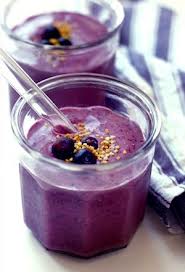
Fill blender with…

  • 8 oz unsweetened almond milk
  • 2-3 handfuls organic purple kale
  • 1 tsp bee pollen
  • ¾ c frozen organic blueberries
  • ¼ avocado
  • 1 tsp chia seeds
  • 1 tsp ground flaxseed
  • local raw honey to taste

Blend ingredients until smooth and enjoy your Buzzing Bee Pollen Smoothie.


Kasia's Seal of Approval:  Premier Research Labs Classic Pollen

Ancient Super Nutrition for Super Health & Longevity

  • Support for endurance, strength, stamina*
  • Support for mental clarity*
  • Immune competence support*
  • Reproductive system support*
  • Advanced anti-aging support*
  • Pure Veganbee pollen
  • 100% Raw
  • Manufactured in a GMP Registered facility for superior quality assurance

The outstanding benefits of pollen have been documented through centuries of use: endurance, strength, stamina, mental clarity, immune competence, reproductive system support and advanced anti-aging*

Bee Pollen contains 18 vitamins, carotenes, 56 minerals, all 22 essential amino acids, over 5,000 enzymes, polysaccharides and simple sugars, nucleic acids and 15% lecithin (different from soy lecithin) that is especially good for brain development.
This is an alkaline food that is considered by many to be one of the most complete food sources found in nature. Bee Pollen is loaded with antioxidants, it is a hormonal booster and increases strength, endurance, energy and speed. It reduces the presence of histamine, thus ameliorating many allergies. It is the most powerful ojas building food as it is the concentrated semen of the plant world. For all these reason, this superfood was known to the ancient Greeks as "the food of the gods".

In our opinion, this wild pollen source is unquestionably, the freshest, cleanest, most alive source of bee pollen:  it is a genuine Super Nutrition from the most remote northern Canadian territory (not the typical, rancid, pesticided, "off-tasting" pollen which can actually be a toxic stress).

 YUMMY!

Contact Kasia Organic Salon for the BEST Source of Bee Pollen on the market.  kassie@kasiaorganicsalon.com.images-3

References:  organicbeautytalk.com and Premier Research Labs

Ageless Tip: Keep Your Hair Looking Youthful

ecd50b3d6f61fbb5c5ae346d9113a256.jpg

blonde hair

As women stock up on the latest BB Creams and peptide creams, we all know what happens to skin as it ages. But did you know that your hair has also been suffering. As a creator myself, I am aware of the fury of anti-aging haircare products have emerged  to help keep your locks looking as fresh as your freshly washed complexion.  


At birth, everyone has between 100,

000-150,000 hair follicles, and each of these follicles goes through a three-part life cycle.

The Life Cycle of Hair

  • The first phase, the hair grows out and the bulb at the root is at its plumpest.
  • Next, the bulb shrinks before falling out.
  • Thirdly, the hair goes into dormancy.
  • The card women play of "I am getting to be a certain age,"  really is true due to the fact that the  the final phase lasts longer.  At Kasia Organic Salon, the number one complaint as people get older is thinning hair.  With our ammonia free hair color line and gentle products, we combat and restore hair   that has a tendency to lose its softness, shine, and pigment over time.

nutritionHidden Culprits

  •  Hormonal changes certainly accelerates hair loss.
  • External factors such as stress
  • Excessive styling can contribute to age-related hair thinning.
  •  Did  tou know?  You hair is part of your body’s metabolic system.   Drink 1/2 your body weight in water  per day  to hydrate the bulbs of your hair.
  • Dietary deficiencies such as low iron, EFA's, vitamin B12, or zinc levels can lead to hair loss.

Ways to Fight Back


At Kasia, our knowledgeable staff and our natural products are centered towards assisting the growing demands of our guests haircare in all stages of their life. For example, women over the age of 40 tend to wash their hair much less.  They also color more often, which leaves the cuticle dry and brittle.  We help our guests with their hair and skin needs  in a personalized way with professional grade color and every day product maintenance.

Kassandra Kuehl is the founder of Kasia Organic Salon. Kasia Organic Salon is the pioneer of healthy beauty that delivers results to fit your lifestyle, because only Kasia is the authority in 100% natural products & services.  Visit www.kasiaorganicsalon.com and become an “Informed Beauty.”   


Expert Tips from Kasia: Men's Hair & Current Trends 101

19ea871468b44e7cbd91347e686fcd77.jpg

Kasia's own Valerie  is a lead gal on executing men’s hair at Kasia Organic Salon, so we thought we’d check in with her to talk about current trends, favorite product and what makes a man G-Q.


mens cut

What do you love about cutting/grooming guys? I love being able to customize a style according to my male clients’ face shape, lifestyle and personality. Mens cutting and styling is all about shape and tailoring their hair to suit their individual features.  For example, this may mean graduating a fade around the temples to expose the eyes more or creating volume on the top to detract from a thicker jaw line.  Personalization is where transformation happens.

What are some current popular styles for guys?Everything from short crop modified "faux hawks,' side parts with a tapered longer side  - to -disconnections with short tapered sides with longer tops worn wavy or sleek.   Texture and volume is loved just as much by men, than their lovely ladies.   Facial hair is also playing a big part in spring/summer trends.

How do you approach cuts for your male clients? From my training at Kasia Organic Salon, I utilize barbering along with free hand techniques so that none of my males haircuts look the same.  My current haircutting techniques master a shape that suits the individual’s style.

Men that get services at Kasia comment on the longevity and ease of style!

Do you have a favorite product for guys?   Our John Masters Vanilla Bourbon Texturizer   can be used in a variety of ways. I use it for creating that soft textured look.  I also recommend finishing with a bit of hairspray to set the style.  No Grease - No Fuss - and No Build Up!


To reach Kasia Organic Salon for your updated and individualize haircut, call 612. 824. 7611 or email us at kassie@kasiaorganicsalon.com to request an appointment for you - OR YOUR G-Q HUNK!

// User Icon Setting (may be set to BLACK, WHITE or NONE):