IT’S CONFIRMED. DAIRY PRODUCTS AND SUGAR CAUSE ACNE.

does-milk-cause-acne.jpg

DO DAIRY PRODUCTS AND SUGAR CAUSE ACNE?


 The following article is a guest post form Mark Hyman.  I have followed Dr. Hyman since the start of my Functional  Medicine pursuits back in 2007. He sharp, clear, and helps the reader understand at a ground level of how nutrition, hormones, and every day choices inhibit our "beautiful health."

When I was in my 20's, I had cystic acne, and after removing dairy for 2 months, my acnes was almost completely gone.  Food allergies, milk, wheat, etc may be the missing link for many - whether in teenage years, or the return of the pimple in the later stages of life.  Enjoy the article.  
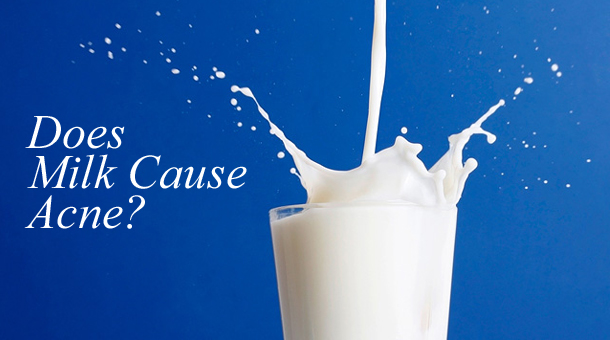
 does-milk-cause-acne

As our sugar and dairy consumption has increased over the last 100 years so has the number of people with acne. We now have over 17 million acne sufferers, costing our health care system $1 billion a year. Eighty to ninety percent of teenagers suffer acne to varying degrees.

The pimply millions rely on infomercial products hawked by celebrities or over-the-counter lotions, cleansers, and topical remedies. Recent research suggests that it’s not what we slather on our skin that matters most but what we put in our mouth.

Many have suggested a diet-acne link, but until recently it has not been proven in large clinical studies. Instead dermatologists prescribe long-term antibiotics and Accutane, both of which may cause long-term harmful effects. In 2009, a systematic review of 21 observational studies and six clinical trials found clear links.

Two large controlled trials found that cow’s milk increased both the number of people who got acne and its severity. Other large randomized prospective controlled trials (the gold standard of medical research) found that people who had higher sugar intake and a high glycemic load diet (more bread, rice, cereal, pasta, sugar, and flour products of all kinds) had significantly more acne. The good news is that chocolate (dark chocolate that is) didn’t seem to cause acne.

The dietary pimple producing culprits – diary and sugar (in all its blood sugar raising forms) – both cause spikes in certain pimple producing hormones. Dairy boosts male sex hormones (various forms of testosterone or androgens),  increases insulin levels, just as foods that quickly raise blood sugar, (sugar and starchy carbs) and spikes insulin.

Androgens and insulin both stimulate your skin to make those nasty, embarrassing pimples. One patient recently told me he would give a million dollars for a pill to cure acne. He doesn’t need to. It seems that for many the cure to acne is at the end of their fork, not in a prescription pad.

While pimples are not as simple as too much milk or sugar in your diet, both have a significant impact. Nutritional deficiencies as well as excesses can worsen acne. Correcting common deficiencies including low levels of healthy omega-3 anti-inflammatory fats, low levels of antioxidants such as vitamin E, zinc, and vitamin A, and including an important anti-inflammatory omega-6 fat called evening primrose oil  may all be helpful in preventing and treating unwanted pimples.

I will explain how you can correct and incorporate all of these nutritional elements of your diet and outlines some supplements that will help you fight acne in a moment. But first it is worth taking a deeper look at milk and sugar.

It appears that anabolic or sex hormones in milk contribute to acne …

Stay Away from Dairy and Avoid Acne

One scientist referred to milk as a “complex aqueous, suspended fat, liposomal, suspended protein emulsion”. What we do know is that milk is designed to grow things – namely, babies – and in the case of cow’s milk, calves. It is naturally full of what we call anabolic hormones (the same ones that body builders and A Rod use to grow big muscles, and which cause bad acne).

These are mostly androgens (like testosterone) and growth hormones including insulin like growth factor 1 (IGF-1). There is no such thing as hormone-free milk.

Here’s a short list of the 60-some hormones in your average glass of milk – even the organic, raw, and bovine growth hormone free milk:

  • 20α-dihydropregnenolone
  • progesterone (from pregnenolone)
  • 5α-pregnanedione
  • 5α-pregnan-3β-ol-20-one, 20α- and 20β-dihydroprogesterone (from progesterone)
  • 5α-androstene-3β17β-diol
  • 5α-androstanedione
  • 5α-androstan-3β-ol-17-one
  • androstenedione
  • testosterone
  • dehydroepiandrosterone sulphate acyl ester
  • insulin like growth factors 1 and 2 (IGF-1 and IGF-2)
  • insulin

This is what our government suggests we drink in high doses—at least 3 glasses a day for me, a healthy adult male, according to the mypyramid.gov website. Those guidelines have been strongly criticized by many including leading nutrition scientists from Harvard such as Walter Willett and David Ludwig.

The famous Nurse’s Health Study examining health habits of 47,000 nurses found that those who drank more milk as teenagers had much higher rates of severe acne than those who had little or no milk as teenagers. If you think it is the fat in milk, think again.

It was actually the skim milk that had the strongest risk for acne. In other studies of over 10,000 boys and girls from 9 to 15 years old, there was a direct link between the amount of milk consumed and the severity of acne.

It appears that it is not just the anabolic or sex hormones in milk that causes problem but milk’s ability to stimulate insulin production. It actually may be the lactose or milk sugar in milk that acts more like a soft drink than an egg. Drinking a glass of milk can spike insulin levels 300 percent.

Not only does that cause pimples, but it also may contribute to prediabetes. This is true despite studies funded by the dairy council showing that milk helps with weight loss. The question is compared to WHAT diet – a diet of bagels and Coke, or a healthy phytonutrient, antioxidant-rich, plant-based diet with lean animal protein?

Stay Away from Sugar, Refined Carbs, and Pimples

If a glass of milk causes pimples, that may drive you back to your Pepsi. But not so fast. Recent studies also show that sugar and refined carbs (a high-glycemic diet) cause acne. More importantly, taking kids off sugar and putting them on a healthy, whole foods, low-glycemic load diet resulted in significant improvements in acne compared to a control group eating a regular, high-sugar American diet.images

In addition to less pimples, the participants lost weight, became more sensitive to the effects of insulin (resulting in less pimple-producing insulin circulating around the blood). They also had less of the sex hormones floating around their blood that drive pimples. We know that women who have too much sugar and insulin resistance get acne, hair growth on their face, hair loss on the head, and infertility. This is caused by high levels of circulating male hormones and is called polycystic ovarian syndrome but is a nutritional, not gynecologic disease.

But the dietary influences don’t stop there. It is not just sugar, but the bad fats we eat that may also contribute to acne.

Get an Oil Change

Our typical Western diet is full of inflammatory fats – saturated fats, trans fats, too many omega-6, inflammatory, processed vegetable oils like soy and corn oils. These increase IGF-1 and stimulate pimple follicles. Inflammation has been linked to acne, and anti-inflammatoryomega-3 fats (from fish oil) may help improve acne and help with many skin disorders.

Balance the Hormones that Cause Skin Problems

The link is clear - hormonal imbalances caused by our diet trigger acne. Our diet influences sex hormones like testosterone, IGF-1, and insulin, which promote acne. The biggest factors affecting your hormones is the glycemic load of your diet (which is determined by how quickly the food you eat increases your blood sugar and insulin levels), and the amount of dairy products you eat. The good news is that eating a healthy diet and taking a few supplements can balance those hormones. Exercise also helps improve insulin function.

How to Prevent and Treat Acne

Eight simple steps to help most overcome their acne problems:

  1. Stay away from milk. It is nature’s perfect food – but only if you are a calf.
  2. Eat a low glycemic load, low sugar diet. Sugar, liquid calories, and flour products all drive up insulin and cause pimples.
  3. Eat more fruits and vegetables. People who eat more veggies (containing more antioxidants and anti-inflammatory compounds) have less acne. Make sure you get your 5–9 servings of colorful fruits and vegetables every day.
  4. Get more healthy anti-inflammatory fats. Make sure to get omega-3 fats (fish oil) and anti-inflammatory omega-6 fats (evening primrose oil). You will need supplements to get adequate amounts (more on that in a moment).
  5. Include foods that correct acne problems. Certain foods have been linked to improvements in many of the underlying causes of acne and can help correct it. These include fish oil, turmeric, ginger, green tea, nuts, dark purple and red foods such as berries, green foods like dark green leafy vegetables, and omega 3-eggs.
  6. Take acne-fighting supplements.Some supplements are critical for skin health. Antioxidant levels have been shown to be low in acne sufferers. And healthy fats can make a big difference. Here are the supplements I recommend:
    • Evening primrose oil: Take 1,000 to 1,500mg twice a day.
    • Zinc citrate: Take 30 mg a day.
    • Vitamin A: Take 25,000 IU a day. Only do this for three months. Do not do this if you are pregnant.
    • Vitamin E (mixed tocopherols, not alpha tocopherol): Take 400 IU a day.
  7. Try probiotics. Probiotics also help reduce inflammation in the gut that may be linked to acne. Taking probiotics (lactobacillus, etc.) can improve acne.
  8. Avoid foods you are sensitive to. Delayed food allergies are among the most common causes of acne—foods like gluten, dairy, yeast, and eggs are common culprits and can be a problem if you have a leaky gut.

Following these simple tips will help you eliminate acne and have that glowing skin you have always dreamed of. And it’s much cheaper (and safer) than expensive medications and dermatologist visits. Improve your diet and take acne-fighting supplements and you will watch your pimples disappear.

For more information on how to optimize your nutrition and improve your skin, seewww.drhyman.com.

Now I’d like to hear from you.

Have you struggled with an acne or skin problem? Have you noticed any link between your skin? What seems to be a problem for you?

Why do you think we are encouraged to consume so much dairy when the risks to our health (and our skin) are so high?

What other steps have you taken to fight acne? What has worked? What hasn’t?

Please leave your thoughts by adding a comment below – but remember, we can’t offer personal medical advice online, so be sure to limit your comments to those about taking back our health!

To your good health,

Mark Hyman, MD

References

  1. F. William Danby, MD, Nutrition and acne, Clinics in Dermatology (2010) 28, 598–604
  2. White GM. Recent findings in the epidemiologic evidence, classification, and subtypes of acne vulgaris. J Am Acad Dermatol 39(2 Pt 3):S34-7 (1998 Aug).
  3. Lello J, Pearl A, Arroll B, et al. Prevalence of acne vulgaris in Auckland senior high school students. N Z Med J 108(1004):287-9 (1995 Jul 28).
  4. Venereol 21(6):806-10 (2007 Jul).
  5. Wolf R, Matz H, Orion E. Acne and diet. Clin Dermatol 22(5):387-93 (2004 Sep-Oct).
  6. Magin P, Pond D, Smith W, et al. A systematic review of the evidence for myths and misconceptions’ in acne management: diet, face-washing and sunlight. Fam Pract 22(1):62-70 (2005 Feb).
  7. Spencer EH, Ferdowsian HR, Barnard ND. Diet and acne: a review of the evidence. Int J Dermatol 48(4):339-47 (2009 Apr).
  8. Bendiner E. Disastrous trade-off: Eskimo health for white civilization, Hosp Pract 9:156-89 (1974).
  9. Adebamowo CA, Spiegelman D, Danby FW, et al. High school dietary dairy intake and teenage acne. J Am Acad Dermatol 52(2):207-14 (2005 Feb).
  10. Adebamowo CA, Spiegelman D, Berkey CS, et al. Milk consumption and acne in adolescent girls. Dermatol Online J 12(4):1 (2006).
  11. Adebamowo CA, Spiegelman D, Berkey CS, et al. Milk consumption and acne in teenaged boys. J Am Acad Dermatol 58(5):787-93 (2008 May).
  12. Hoyt G, Hickey MS, Cordain L. Dissociation of the glycaemic and insulinaemic responses to whole and skimmed milk. Br J Nutr 93(2):175-7 (2005 Feb).
  13. Kaymak Y, Adisen E, Ilter N, et al. Dietary glycemic index and glucose, insulin, insulin-like growth factor-I, insulin-like growth factor binding protein 3, and leptin levels in patients with acne. J Am Acad atol 57(5):819-23 (2007 Nov). Cordain L, Lindeberg S, Hurtado M, et al. Acne vulgaris: a disease of Western civilization. Arch Dermatol 138(12):1584-90 (2002 Dec).
  14. Smith RN, Mann NJ, Braue A, et al. A low-glycemic-load diet improves symptoms in acne vulgaris patients: a randomized controlled trial. Am J Clin Nutr 86(1):107-15 (2007 Jul).
  15. Smith RN, Mann NJ, Braue A, et al. The effect of a high- protein, low glycemic-load diet versus a conventional, high glycemic-load diet on biochemical parameters associated with acne vulgaris: a randomized, investigator-masked, controlled trial. J Am Acad Dermatol 57(2):247-56 (2007 Aug).
  16. Smith RN, Braue A, Varigos GA, et al. The effect of a low glycemic load diet on acne vulgaris and the fatty acid composition of skin surface triglycerides. J Dermatol Sci 50(1):41-52 (2008 Apr).
  17. Zouboulis CC. Is acne vulgaris a genuine inflammatory disease? Dermatology 203(4):277-9 (2001).
  18. James MJ, Gibson RA, Cleland LG. Dietary polyunsaturated fatty acids and inflammatory mediator production. Am J Clin Nutr 71(1 Suppl):343S-8S (2000 Jan).
  19. Simopoulos AP. Essential fatty acids in health and chronic disease. Am J Clin Nutr 70(3 Suppl):560S-9S (1999 Sep). 26. Kaaks R, Bellati C, Venturelli E, et al. Effects of dietary intervention on IGF-I and IGF-binding proteins, and related alterations in sex steroid metabolism: the Diet and Androgens (DIANA) Randomised Trial. Eur J Clin Nutr 57(9):1079-88 (2003 Sep).
  20. Fulton JE, Jr., Plewig G, Kligman AM. Effect of chocolate on acne vulgaris. Jama 210(11):2071-4 (1969 Dec 15).
  21. Anderson PC. Foods as the cause of acne. Am Fam Physician 3(3):102-3 (1971 Mar).

Skin Cancer on the Rise in Young Women


On a hot July day last summer, I was lying on the beach at Coney Island with my younger brother when he noticed a dark mole on the back of my arm. “You should really get that checked at the dermatologist,” he said in a worried tone.
 
It turned out that the mole on my arm was fine, but another one on my cheek was basal cell skin cancer. A few weeks later, I had surgery to remove it and left the plastic surgeon’s office with a 1.5-inch scar sloping down my right cheek.Friends and colleagues were surprised to see the scar because I was only 28. Even the medical resident who attended my operation said I was the youngest skin cancer patient she had met.But as I learned more about skin cancer, I discovered that it is becoming increasingly common, especially among young women. A recent study by the Mayo Clinic found that melanoma, the most serious type, had increased eightfold for women under 40 since 1970.

The author at Sandy Hook beach in New Jersey with her husband last summer, a few months before she was diagnosed with basal cell carcinoma.

“There is this thought that, ‘It won’t happen to me because I’m young,’ but that’s not true anymore,” said Dr. Jerry Brewer, a dermatologist at the Mayo Clinic and an author of the study.

Experts say that tanning beds are a major factor behind the increase in all three types of skin cancer for young women. More than 20 million people use tanning beds each year, and 70 percent of customers are young white women, who are at increased risk of developing skin cancer. The lamps in tanning beds can give off 10 to 15 times the UVA radiation of normal sun exposure, accelerating the process of skin damage. Instead of getting skin cancer 30 or 40 years down the line, many young women are getting it 5 or 10 years later, Dr. Brewer said.

Though I have never used a tanning bed, my dermatologist said I had an unlucky trio of risk factors: fair skin and blue eyes, an upbringing in Texas, where I spent long days in the sun growing up, and a family history of skin cancer. My grandmother and aunt had melanoma and survived, and my mother had basal cell carcinoma too.

While more than three million cases of basal and squamous cell carcinoma are diagnosed each year, only about 2,000 people a year die from these non-melanoma skin cancers. Melanoma is a far more ominous diagnosis, causing about 9,400 deaths each year in the United States.

Dr. Darrell Rigel, a dermatology professor at NYU Langone Medical Center, says that every month at his New York practice, about two women in their 20s are found to have early melanoma, a dramatic rise from 20 years ago. Once melanoma is the size of a dime, there is a good chance that it has already spread and treatment may not work, Dr. Rigel said. “I know I’m looking at a death sentence on their arm, and they feel perfectly fine,” he said. “It’s absolutely awful.”

This year, the Food and Drug Administration proposed new regulations for tanning beds that require them to have labels warning that they are not recommended for people under 18. And in April, New Jersey joined several other states in passing a law to prohibit indoor tanning for those under 17.

Even children can get melanoma. A recent study in the journal Pediatrics found that the number of cases among children and adolescents has been increasing each year by about 2 percent.

Another recent study, published in The Journal of the American Medical Association, found that while young women are more likely to be given a diagnosis of melanoma, young men are more likely to die from it. Researchers said the disparity was probably a consequence of behavioral tendencies — men are less likely to see a doctor or perform a skin self-examination — and possibly biological differences as well.

My brush with skin cancer has certainly changed how I view the sun. I don’t want another scar — or worse, a diagnosis of melanoma. I wear a 30 SPF sunscreen on my face every day and bought several sun-protective long-sleeve shirts to wear outdoors this summer. I am visiting my dermatologist every three months for a full body scan. (One annual checkup is recommended for those without a previous diagnosis.)

Skin Cancer

I returned to Texas in April for a friend’s wedding at a resort in the woods. After a long winter in New York, my husband and I were excited to go swimming at a pool near our cabin. In the past, I would have grabbed a lounge chair in the sun, seeing it as the perfect opportunity to arrive at the ceremony with a sun-kissed glow. But this time, I picked a chair under a wide umbrella. It’s just not worth it anymore.

Even a few sunburns can significantly raise your risk of skin cancer, Dr. Brewer said.

“Deciding how much sun you want to get is like asking how much cyanide you want in your breakfast cereal,” he said. “There is no amount of tan that is healthy.”

Emma G. Fitzsimmons is a freelance reporter in New York and a news assistant at The New York Times.

GoodDay Sunshine Body SPF JPG

Stay protected - and stop sun- aging in it's tracks!  

Kasia Good Day Sunshine Sunblock

Super-potent yet lightweight, Good Day Sunshine allows you to savor your sun-drenched days safely, without damaging your lovely skin. Non-nano zinc oxide provides the safest possible form of broad-spectrum UVA/UVB protection, while antioxidant-rich oils soothe and hydrate, combating free radicals to promote a youthful, flawless complexion.

Purchase and Protect HERE

Do you know about the 'toxic trio' in nail polish?


 1192327.large

 Every women love mani-pedi. The trick is how to enjoy this ultimate treat without taking in the toxins...

Do you love your summer manicured toes?  Are women at risk?  One thing is sure, we live in a toxic world, and  unfortunately our beauty regimes are not spared. As "Informed Beauties" we know that what we put on our bodies is just as important as we put in our bodies.

Yes, even our nail polishes are pesky suspects. As it turns out, our nails are quite porous and our bodies absorb what is put on them. Additionally, there is blood flow right under the nail beds which means a direct pathway for chemicals to travel into our bloodstream. The chemicals found in the majority of nail polish are quite toxic, containing what’s referred to as the “toxic trio” – Toluene, Dibutyl Phthalate (DBP), and Formaldehyde.

Be FREE of these THREE 

1. Dibutyl Phthalate or DBP:

  • Adds flexibility and a moisturizing sheen. Helps dissolve other cosmetic ingredients

  • Reproductive and developmental toxin linked to feminizing effects in baby boys

2. Tolune:

  • Helps suspend the colour and form a smooth finish

  • Affects the central nervous system

  • Can cause headaches, dizziness and fatigue

  • A possible reproductive and developmental toxin

3. Formaldehyde:

  • Nail hardener

  • A known human carcinogen

  • Eye, nose and throat irritant

  • Can lead to skin irritation, and allergic rash called dermatitis.

  • Can irritate the respiratory system

  • Can trigger heart palpitations

  • Can trigger asthma

Dont worry Beaute'- you don't  have to forgo your bi-weekly pedi pamper.


Unknown

  Kasia Organic Salon features NATURAL PEDICURES!

We LOVE Acquarella Nail Polish.  We believe it's the cleanest on the market.

Acquarella’s non-toxic polishes are odor-free and formulated without formaldehyde, phthalates, petrochemicals or solvents of any kind. They’re also specifically designed to hydrate nails and have an innovative fast-dry formula.

Since Acquarella contains water and allows the nail to “breathe”, it creates a permeable environment where the nail can exhibit both qualities. We assert that consumers will see a change in their bare nails with pro- longed, repeated use.


Here are just 'some' of our natural pedi polishes that we think rock!


image.axd

Kasia Organic Salon sells Acquarella polishes and polish remover,  as well as services our guests to a natural pedicures.  

Add Volume or Length in Minutes! Valerie's Extension Transformation!

Image-12.jpg

I absolutely LOVE Platinum Extensions. I use them on a wide array of my clients.  These quick-applicated extensions are harmless and can add volume, length, or just a splash of color!

I applied Valerie's extensions in 25 minutes. Her hair length was just reaching her shoulders - -

LONG LOCKS OF LOVE - IT'S A TRANSFORMATION!

Image-12


From the Beginning....


VAL EXTENSIONS


2013-06-22 19.58.11


2013-06-22 20.08.36


2013-06-22 20.10.37


authentic  Made with 100% of the finest Remy human hair available!

touchable No lumps, bumps, clips, sewn wefts, skin wefts, metal, plastic, or glue in hair to feel or see; completely natural to touch!

fashionable Available in 36 colors, natural and fantasy shades, and in straight or wavy styles!

virtually invisible Paper thin, soft, flexible, absolutely flat, weightless attachments look and feel just like your natural hair!

versatile Wear and style however you like without fear of revealing attachments, no need to remove even when retouching your hair color!

comfortable No pain or discomfort…from the moment they are applied!

convenient Applied in less than two hours, removed in 30 minutes, damage free, and easy to maintain!


Contact Kasia Organic Salon for any questions!  Add volume, bulk, length, or color in minutes!  

Phone: 612.824.7611   or   Email:  Kassie@kasiaorganicsalon.com

Bronzed Beauties: How to Get Glowing the Natural—and Safe!—Way

43ca9053b3bb5f5582182349989823d9.jpg

43ca9053b3bb5f5582182349989823d9 It’s officially summer —and finally warm here! The sun is out, the sky is blue and we’re wearing our favorite summer uniform of a breezy lace tank and comfy cutoffs. Other summer staples we make sure to always have on hand: sunscreen and self-tanner. Because even though that sun-kissed look makes us feel healthy and radiant, overexposure to the sun’s warm rays means damaging free radicals (read: lines and wrinkles!) and the increased chance of skin cancer.

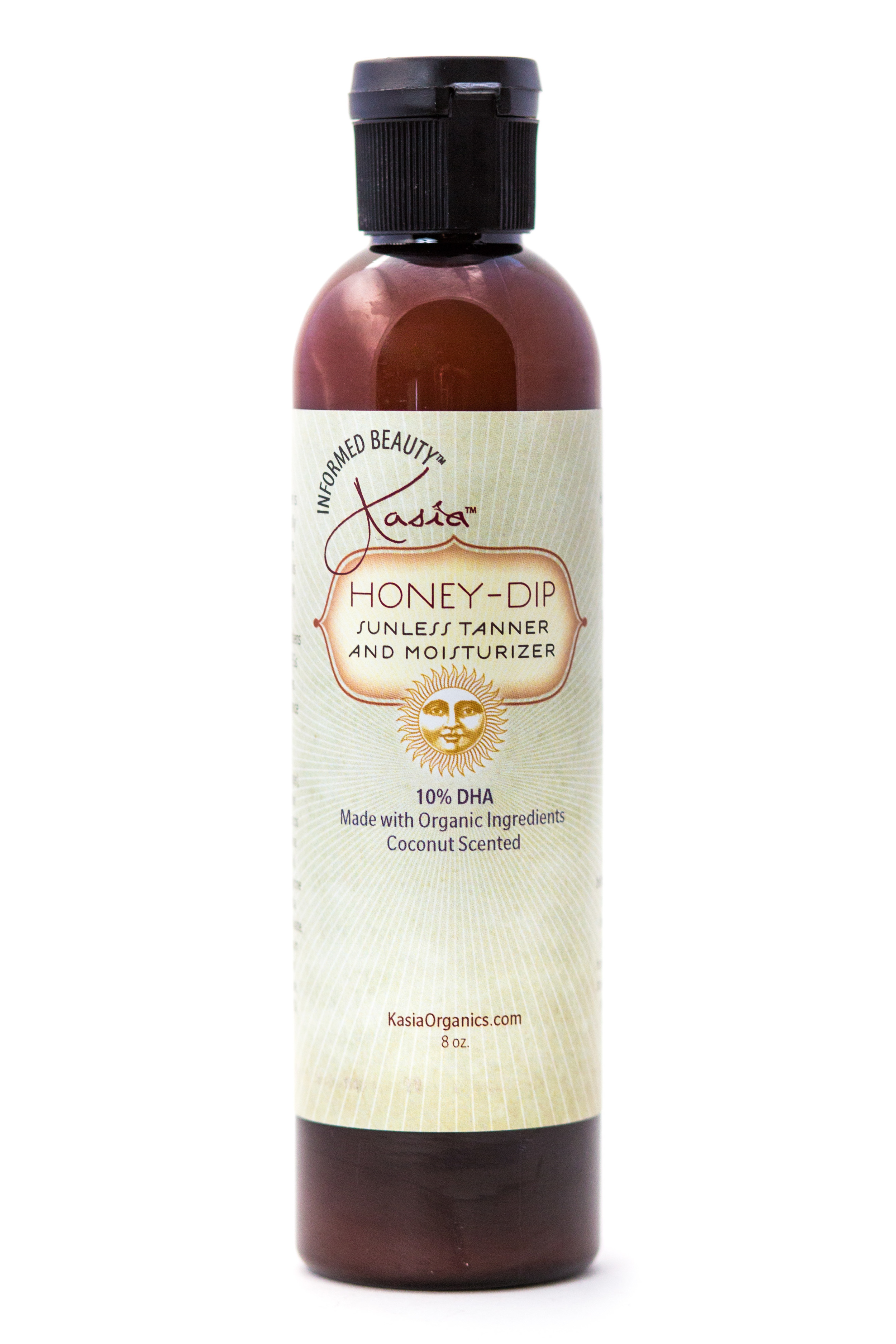
Ready for a bronzed glow that’s as safe and natural as they come? Pick up Kasia Organic’s Honey-HoneyDip JPGDip Natural Sunless Tanner and Anti-Aging Cream. Reformulated with nourishing, anti-aging ingredients and an ultra-lightweight feel, it effortlessly gives skin a healthy glow. With 10% naturally-derived DHA, Honey-Dip offers a flawless, buildable tan, and perhaps most importantly, it smells divine and won’t ever look orange or have a typical self-tanner aroma. Perfect for getting that day-at-the-beach tan without damaging your skin!

Also currently slathered all over our face and body is Kasia’s Good Day Sunshine Sunshield. The SPF 35 product packs a vitamin- and antioxidant-rich, anti-aging punch that hydrates skin while protecting it from the sun’s harmful rays. It smells light and fresh, goes on smooth and comes in a mineral non-nano formula that means it’s safe for the entire family.

What’s all the hype about nano particles? Kasia founder Kassandra Kuehl explains:

“Sunscreens have been closely watched both by the consumer and the regulating organizations for the past few years, and rightfully so. With a brother who passed away from skin cancer at the young age of 24, I have been personally invested in formulating a sunscreen that is safe for all ages. GoodDay Sunshine Body SPF JPGWithin the past two years, broad spectrum sunscreens have exposed a new danger: Sunscreen manufacturers are now adding nano particles to sunscreens with titanium and zinc oxide to make application more smooth and clear (versus the traditional white effect). Unfortunately, nano particles are being added without appropriate labeling or reliable safety information, as they pose potential long-term risk to health.”

At Kasia, we put your "beautiful health" first and foremost. We are committed to using non-nano ingredients and have formulated a blend of broad-spectrum UVA/UVB protection with food-grade certified organic ingredients and antioxidant-rich oils to hydrate, protect, combat free radicals and promote youthful, flawless skin.

Contact our team at 612.824.7611 or Kassie@kasiaorganicsalon.com

Sip coconut for better metabolism and beautiful health. What's not there to LOVE!

images-2.jpeg

What isn't there to LOVE about COCONUT!

images-4

There are times when your body runs on that "flight or fight" mode for way too long.   This causes the pH levels in the deeper digestive system to fall. That's when the coconut can step in to heal. It is capable of ridding toxins, helping to purify the digestive system. Tender coconut simply balances acid levels and cools the system. This makes it superior to other herbs and fruits that can cool down the body.

Coconut Benefits!


  • Coconut is a natural stress-buster.

  • Combined with spices like cinnamon, cardamom, ginger, cloves, cumin, coriander, and turmeric, coconut is not only delicious and versatile, but also facilitates healing in the digestive system and promotes better metabolism.

  • The juice of tender coconut has been billed "the world's safest natural soft drink" for being a nutritious thirst-quencher.

  • 52Combined with poppy seeds and ghee, coconut can help you sleep better!

  • Coconut has  properties that  improves hair quality. Applying coconut oil to hair every day-maintains the proteins and nurtures your long, lustrous locks.

  • Coconut is cooling, so it is good for curing stomach disorders.

  • Due to its soma-enhancing or nurturing value, coconut heals hot flashes and restores emotional stability in menopausal women.

  • Coconut improves the complexion. You can make coconut-based skin packs at home. Mix coconut oil with oatmeal powder and a little bit of lavender to make a soothing facial pack.

  • A burning sensation in hands and feet is cooled down by drinking coconut water/milk. Also make a paste of crushed middle-aged coconut and apply it on hands and feet.

  • Coconut is traditionally considered a wound healer, especially effective at preventing the formation of scars if applied topically.

  • If you have urine retention from heat, then coconut water helps stimulate excess fluid from the system. Similarly, liver problems, such as inflammation, are also soothed by drinking tender coconut water

  • Recent research suggests that coconut is good for burning fat and lowering cholesterol.

  • Coconut helps detoxify and remove toxins from the body.  Best of all, it is delicious!


images-2


Coconut Cooking 101


  • You can drink the liquid that comes out of a coconut, but don't use it in cooking.

  • Fresh coconut is always best, but if it is not readily available, you can generally find good quality dried, grated coconut and coconut chips in natural food stores. Use the unsweetened type, which is free of chemical ingredients.

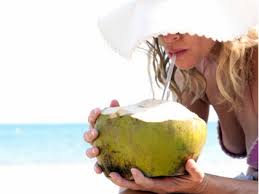
  • Tender coconuts, or ones with pulp and water, are generally available at grocery stores. Slash off the top with a sharp knife (the store will sometimes help open coconuts), insert a straw, and enjoy!

  • Use coconut milk the same day. Grate fresh coconut and blend with a little warm water. Squeeze to get the rich first extraction. Add more water re-blend and squeeze again to get a thinner second extraction. Strain.

  • The hot days of summer are great for cooking-and cooling-with coconut.

  • Coconut oil is so yummy for your hair, face, and body!

Summer DIY Love and Care for your Feet

images1.jpeg

Did you know? Each foot has 26 bones, 33 joints, 19 muscles, and 107 ligaments.  As my feet age every year, they let me know it!   As a vivid runner and a hairstylist, I am constantly on my feet. I used to be able to get by with a flat pair of flip flops from the local Target - but that day is NO MORE!    I have become smarter in what I purchase for quality  shoes or sandels, knowing I have many more years to go in a career that I love so dear!

images-1 DIY and self care tips for putting your best foot forward:


Warm Water Soak

To provide at-home TLC, try one of these warm water soaks!

Option: Add Epsom or sea salts (natural exfoliators) to relax the feet and soften rough, dry patches of skin.

Option: Add  2 cups of pure  pineapple juice to a foot soak. Enzymes from the bromelain naturally sloughs off dry skin.

Option:  shower or bathe to soften skin, then scrub calloused areas with a mixture of 1 tablespoon sea salt and 1 tablespoon sweet almond oil. A pumice stone and gentle body wash also work. Rinse, towel off, moisturize, then don fluffy organic cotton socks. 

Foot Massage

Massage encourages better blood flow, and it just plain feels good. When you release tension in your feet, your mind-body physiology follows. Use a small amount of pure jojoba oil with a few drops of  sessional oils.

Suggestions Oils:    Lemongrass, lavender, patchouli, or tea tree essential oil.  All possess potent anti-bacterial effects. Distribute the oil or lotion through the hands and rub onto the soles, then massage the rest of the feet with small strokes. Put on cotton socks, and it’s time for bed!

images

Let Your Feet Breathe

Our feet can perspire through about 250,000 sweat glands and up to 8 ounces of sweat a day.

**Don’t use harsh products that attempt to block foot perspiration — it’s your body’s way of eliminating toxins.

Take a footbath using essential oils with toning, astringent, and antiseptic properties. Oil options like eucalyptus, juniper, lavender, rosemary, and tea tree are great. Add 2 to 6 drops to warm water. The toning properties firm foot skin tissue, reducing the amount of oil and perspiration excreted. The antiseptic quality helps with potential odor.

 Keep the Blood Flowing

It’s quite a ways from your heart to the toes. For healthy, comfortable feet, it’s important to encourage blood flow. Massage and exercise play important roles, as do well-fitting shoes!

As noted earlier, don’t forfeit comfort for style or you may walk a painful path, possibly filled with bunions, calluses, plantar fasciitis, deformSummer is ed toes, and various other potential long term issues. 

Get a Pedi! 

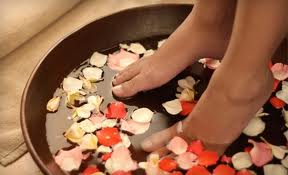
Nothing is better than a relaxing pedicure -- allowing someone else to do the "labor."  Receive a Natural Pedicure at Kasia Organic Salon TODAY!  Learn more about our services and top of the market  non-toxic nail polishes.   


Acquarella’s Non-toxic Polishes

Hydrates Nail and Tissue – Promotes healthy growth
 Hydration of the nail is an indirect, qualitative look at the following properties of the nail: color, strength, flexibility, and growth rate. Normally, strength is inversely proportional to flexibility with use of conventional products.

Since Acquarella contains water and allows the nail to “breathe”, it creates a permeable environment where the nail can exhibit both qualities. We assert that consumers will see a change in their bare nails with pro- longed, repeated use.

This visible trail of evidence will allow you to see the nail turn from a state of discoloration to an ultimately clearer state (a natural French manicure). This will require a long-term observation. Over the course of months, newer healthy nail will re- place old, chemically damaged or stained nail structure and will be visibly different than nail closer to the cuticle.

Screen Shot 2013-06-18 at 8.08.56 AM


Screen Shot 2013-06-18 at 8.08.56 AM

Contact Kasia Organic Salon to book your summer lovin' pedi today!  612.824.7611

// User Icon Setting (may be set to BLACK, WHITE or NONE):