Top Hormone Test Suggestions by Dr. Sara Gottfried

bigstock-Silhouette-young-woman-practic-47533234-800x533.jpg

I love this and I love cutting the 'fat!'  DR. SARA GOTTFRIED has provided very useful information below on understanding steps every woman can start to understand and take in testing their personal hormonal levels.  Each woman truly is unique with their own set of stressors that are both internal and external.   Now beware, this can still be confusing, but the provided information from Sarah starts to unwind the confusion!

P_BT_ThyroidStimulatingHormone Test-tubes-in-lab

You can’t start improving something until you understand your baseline.   Here are some tests I 
commonly recommend. Once you get the test results, you’ll know a starting point and which “fire” needs to be put out first.


Top Hormone Test Suggestions 

1. Blood Panel

Blood tests are most commonly used by conventional physicians, so starting with blood is a good starting bridge for those who rely on insurance dollars, as well as commonality with your doctor.

Ask your doctor to order:

  • VAP cholesterol [This is extensive and includes subtypes of LDL and HDL plus lipo(a), VLDL

  • Ferritin

  • TSH

  • Free T3

  • Reverse T3

  • Cortisol

  • DHEA

If you’re overweight: leptin, insulin. IGF-1 (growth hormone)

2. DIY: Your doctor will not run the tests or you’d like to pursue on your own.

I recommend the Canary Club or ZRT Labs.

http://www.zrtlab.com Comprehensive Female Profile I (Saliva/Blood) Comprehensive Female Profile II (Saliva/Blood)

3.  http://www.canaryclub.org/ Recommended: Advanced Plus Hormone Profile

4. Complete Hormone Profile

If your doctor is the more open-minded type, check this Genova test. It will tell you about your adrenals, both short-and long-term, and inform you of your estrogen metabolism – that is, do you have a modifiable tendency toward breast cancer or not?

5. Let NutrEval Rock Your World

For those of you who really love to measure everything, and want to know where your nutritional deficiencies are...consider your prayers answered: http://www.gdx.net/product/10051. The cost is reasonable for people with insurance who qualify for Genova’s Pay Assured program at $169. Add on Vitamin D for $5.

6.  Mercury Rising?

I commonly see women with fatigue, hair loss, weight gain, low sex drive and underperforming thyroids. I encourage them to test for mercury from Mercout.com.

7.  Telomeres, My Telomeres

For those soul sisters who delight in quantifying biological age, the best marker is your telomeres, the cute little caps on your chromosomes that keep your chromes from unraveling and are similar to shoelace caps. Get those telomeres tested at Spectracell.com

8.  Neuroendocrine Fun and Games

Finally, for women in perimenopause with the usual suspects of more stress/irritability/waning libido & focus, one of my favorite tests is the Neuroendocrine 3 panel (9505) from Neuroscience. This tests looks 
at the intersection of your hormones with your neurotransmitters. It’s very satisfying, and it generates a personalized amino-acid balancing protocol.

This test is excellent for women trying to get off antidepressants, sleeping pills or anxiety medication.

https://www.neurorelief.com/?p=testing

9. Pathway Fit

The Pathway Fit test gives you a personalized look into your genetic code. It analyzes your metabolism, eating habits, and the way your body responds to exercise. The test, along with a lifestyle questionnaire, tells you how to optimize your diet, workouts and lifestyle for a strong metabolism. Talk about a tailored weight loss plan!

https://www.pathway.com/dna-reports/pathway-fit

10. Genova - Menopause

The Menopause Plus test by Genova Diagnostics will test your melatonin and cortisol levels, as well as your estrogen and progesterone.

BIG Step – Baby Steps

This may seem like a overwhelming list. Step 1 of an important process: figuring out the root cause of your health issues. Once you know the area that is causing the most harm and start to treat it, you’ll be amazed at how the rest of your body starts to return to balance too.

bigstock-Silhouette-young-woman-practic-47533234-800x533

Blind Spots and How to Proceed

It is highly recommended you work with a partnered functional medicine practicioner, Doctor, DO, etc.

The key here is to measure, manage, and improve your hormonal equilibrium with objective tests – combined with a honest assessment of your values, genetic tendencies, current health, lifestyle and blind spots.

Congratulations on your commitment to optimal “beautiful health.”

THANK YOU to DR. SARA GOTTFRIED, M.D. on your written resource of: “Top Ten Hormone Tests”

LIFT UP with these Light, Summery Looks!

b0b88d20b8db9bbee022027742eb1d88.jpg

Lighten Up Informed Beauty!

Remove the Moody Blues (and maybe some brunette)

LIFT UP with these Light, Summery Looks.


We promise....summer is right around the corner and there is no better time to lighten and brighten up your locks with a fresh, new zero ammonia, beautiful hair color.  

Whether you are changing your color, adding highlights or lowlights, or going for that tousled beach-babe look, our team will assist and inspire your to make some GLOSSY changes and recommend high performance products to help you look your best. 


Up-lifing Blonde Inspiration - Feeling it?


3bb6bacfec4353e8b06084a8eed2ee8c 602d9f7bb1ab2adcf083cf38cf00414c 3cfd953c8488f1a8e697395e63c47725 932ca2f386513086d1f102f8327823bb b0b88d20b8db9bbee022027742eb1d88 e817014100b7052dc12137c1ba177c4a BOHairColor-Gallery-intro

e36b57533a4a20fb80e19f4be3e0c102 d999fa64aae79e7624dd420577033024

OK! I'll stop obsessing ..... Check out our Pinterest page for MORE!

Contact our team today! P: 612.824.7611 E: Kassie@Kasiaorganicsalon.com 

Top 10 Reasons to do Laser Hair Treatment

 Top 10 for Laser Therapy for Healthier Hair and Optimal Growth


e190802b88709ecca16013168a8f575f


You know the drill. You get up, take a shower, and watch your hair swirl in the drain. You check your hair out in the mirror and find a little less than you had the day before. Your hairline is receding and youve tried the shampoos and the Rogaine with minimal success. Youve done the hair system thing, but thats just not you. So whats a person to do? Live with hair loss? Maybe not. Here are top ten reasons to try a new laser hair treatment program.

1. The use of low level lasers in the treatment of hair loss is one of the latest technological breakthroughs in hair restoration therapy. This low level laser hair treatment has been used with great success in Europe for the past ten years, but is only recently coming into use here in the states. Use of hand-held laser combs have been approved by the FDA for home use.

2. Low light lasers use cool red light to stimulate blood flow up to 54% better to the hair folicle. There are many factors involved in male and female pattern hair loss - genetics, hormones, age. When hair follicles begin to fail because of an overabundance of DHT (dihydrotestosterone) in the body (a hormone that comes with aging) and lack of blood flow to that area of the scalp, hair follicles shrink and eventually miniaturize and fail to thrive. Finally, hair follicles disappear altogether. Once follicles die, nothing can be done to help them. Thats why its important to start laser hair treatment when your hair is in the thinning stage, before its gone altogether. Cool laser hair treatment stimulates this blood flow and restores vitality to the root, encouraging regrowth.

3. Laser hair treatment can be used in conjunction with your current mode of hair loss treatment. If youve taking Rogaine or Propecia and seeing minimal results, laser hair treatment can boost the effectiveness of medications. By stimulating regrowth of hair follicles with the use of red, low light lasers, it helps the medications work more effectively. In clinical studies, 45% of patients saw noticeable results in 6 - 8 weeks, and within 4 - 6 months, another 45% saw definite improvement in the quality of the hair that was regrowing and in the thickness of their hair. For best results talk to a hair loss consultant for a free hair loss consultation, which are normally free

4. Laser hair treatment is pain-free and has virtually no side effects. For those fearful or reluctant to use drugs and prescription medication treatments such as Rogaine or Propecia, a laser hair treatment program offers a safe, effective and risk-free way to treat hair loss. Lasers stimulate blood flow to the scalp, and energized the hair follicles, but do not damage skin. 5. Laser hair treatment will not bust your budget. Compared to other hair loss treatments, laser hair treatments are affordable; the cost is much cheaper than alternatives like surgical hair restoration, or a high-end hair system that will require maintenance.

6. Laser hair treatment vs. hair systems  Hair systems require some kind of glue or adhesive to stay on. There is always the risk that an edge will come up or that even the best hair system will be detectable. With laser hair treatment, youre only dealing with your own natural hair. No glue, no hoping people dont notice youre wearing a hair system.

7. No surgery  There is no surgery involved with laser hair treatment, and more importantly, no anesthesia required. Hair restoration surgery (or follicular hair transplantation surgery) is very expensive and requires 10 days of downtime following surgery. Laser hair treatments can be done on your lunch break or in front of the TV at night and require no down time. And there is no risk of infection involved as there is with any surgery.

8. Laser Hair Treatments are natural  Many people simply dont believe in taking medication or in doing surgery to restore hair. They want a more natural approach. Nothing is more natural than using light to regrow your hair. The kind of red light used in laser hair treatments is not the kind that will give you sunburn or encourage skin problems. On the contrary, it can even help flaky, itchy scalps to heal and naturally stimulate the health and vitality of the scalp and hair.

9. No need to be self-conscious by visiting a hair replacement clinic. If you dread the idea of walking into a hair restoration clinic to be measured, prodded and evaluated, or if you're simply too shy to be bothered with it, a laser hair treatment program with an in-home hand-held laser comb may be your best solution.

10. Hand-held laser combs for home use - If you choose the hand-held laser comb that is now on the market, it's an even more cost effective option. Use of the laser comb two-three times a week at home for 10 to 15 minutes is all you need to do. No need to drive in to a clinic for laser hair treatments. And it's yours forever. As your hair regrows after using laser hair therapy, your confidence will grow as well. A thick head of healthy hair means a more vital, healthy, happy you.

Resource:  http://www.hlcconline.com/top-10-reasons-for-laser-hair-growth-treatment.html

Getting Started: Hormone Balance and Hair Health

6c5b0638155045640bfd5fab9aa4312f.jpg


4e54423e3dc023d196c703686a75336c

It's estimated that hair loss affects 1 in 5 women. The most common types of hair loss are telogen effluvium and alopecia areata. Although it's more common than alopecia areata, telogen effluvium is less severe. This occurs when the hair follicles stop growing and lie dormant and fall out within two to three months. Being that telogen effluvium is oftentimes caused by stress, trauma or medications, hair growth is typically restored within 6 to 9 months.

On the flip side, alopecia areata occurs when white blood cells attack hair follicles, causing the hair to thin and fall out, usually in patches. This type of hair loss may require treatment as hair may not grow back on its own.

Your hair says a lot about your overall health. When the body goes into crisis mode, hair growth is stunted to redirect energy to other cells throughout the body . So hair loss is oftentimes the first sign of trouble. While age is definitely a factor of hair loss, other factors, such as hormonal imbalance, emotional stress, medications and hair care products can also lead to thinning of the hair and even male pattern baldness. The best way to get to the root of the problem is to determine the underlying cause.

Hormonal Imbalance and Hair Loss

Hair loss in women is largely attributed to hormonal imbalance. Heard of DHT? Hair loss is not as prevalent in women because women have more estrogen than men and that in turn helps balance out the effects of androgens, namely dihydrotestosterone (DHT), that typically lead to female hair loss. Leading hormonal imbalances such as thyroid problems and excess xenoestrogen conditions can also cause thinning of the hair and premature balding in women.

supp 2 laser

Emotional Stress and Hair Loss

 Although women don't have nearly as much testosterone as men, when women undergo intense stress, the adrenal glands become overworked due to an increased need for the "stress hormone" known as cortisol. This causes the body to produce more adrenaline and testosterone, and DHT, a stronger variant of testosterone. The increased production of these hormones can sometimes cause the hair to fall out due to the resulting hormone imbalance.

Hair Loss after Pregnancy

It's common for women to experience hair loss following pregnancy, when her hormones are in disarray. It takes some time for hormone levels to return to a normal range, so it's perfectly common for post-partum mothers to experience thinning of the hair and even bald patches. In cases such as these, the hair loss is only temporary and treatment oftentimes isn't necessary. Following pregnancy, women can expect hair to re-grow naturally after a few months. If the hair doesn't grow back within the first year, chances are something else is going on.

Hair Loss and The Pill

A variety of medications can result in hair loss in women. Perhaps the most common is birth control. Currently the millions of women use the pill each year, making it the most popular form of birth control to date. When using birth control, women should consider using a low-androgen index birth control pill to avoid the effects of DHT, especially women with a predisposition to hair loss. Research has added that women should exercise caution with any hormonal medication or therapy, as they can all trigger hair loss.

Products, Hair Care and Hair Loss

Do you know which chemicals are in the lotions, shampoos, conditioners, sunscreen and makeup that you put on everyday? It may surprise you to look them up and see the potentially harmful chemicals that companies put into these products.

The chemicals found in everyday house hold products contain carcinogens, reproductive toxicants, as well as substances that can cause allergies and immune problems. I highly recommend a review of the products you use daily for yourself and your family

If you're experiencing hair loss as result of hair care, your first order of business is to ditch the chemical laden products that are damaging your hair. This included hair coloring with conventional ammonia based color. Watch out for other hiding chemicals in hair color such as PPD, MEA, resorcinol, and hydrogen peroxide.

While your hair may look good now, women should consider the potential damage they're doing to their hair. Repetition can damage the hair follicles, but also cause irritation of the scalp.

6c5b0638155045640bfd5fab9aa4312f

The Solution: Treating Hair Loss in Women

If you're suffering from hair loss, chances are a hormonal imbalance is to blame. To get started on testing your female hormones, you should look towards estrogen, testosterone (Free T3/T4), thyroid hormones and cortisol to determine if your hair loss is hormonal or genetic.

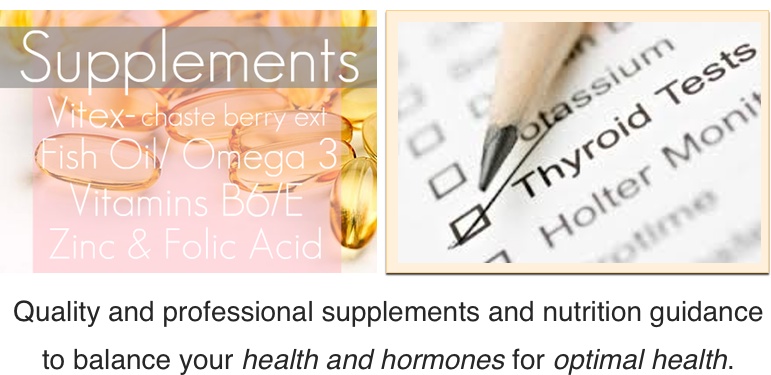
If a hormonal imbalance is the culprit, our team and company offers professional grade supplements to start your hormonal harmony journey, as well as give you referrals to our thoroughly vetted and trusted medical professional partnerships well versed and able to prescribe bioidentical hormones made by a compounding pharmacy to help you bring your hormone levels back to optimal balance and effectively treat hormonal hair loss in women.

As women, we may not be able to fight your genes, but we can be empowered to fight the effects of aging and hormonal imbalances.

Our passion is to prevent any further hair loss, but to restore hair that you've already lost. Let us help you give your hair what it needs to grow strong and healthy - we are your partner and advocate in this journey that over 50% of women experience.

Enzyme Developer: Upgrade your hair color from hydrogen peroxide!

enzyme-image-2.jpg

Stemming in nature, rooted in science

Your hair color just got upgraded.

Nature’s solution to harsh peroxide-based color services of yester - year. 

OUR COLOR DIVORCE AND HOW WE HEALED....

The Divorce:

We’ve cut bait. Our team now combines our incredible Zero Ammonia/PPD/Recorcinal and MEA color with Enzyme developers, rather than Hydrogen Peroxide due to the potential damaging effects for vulnerable hair and scalp health.

Why We Did It: HARMFUL CHEMICALS AND SIDE EFFECTS

Hair color is made up of two components: color and developer. The developer contains hydrogen peroxide and ammonia to modify the molecular structure of the hair shaft, allowing large color molecules to penetrate while phenylenediamine (PPD) allows the color to bond with the hair. It is now known that some permanent hair dyes may also contain coal tar, a potentially detrimental petrochemical, and toxic metals such as lead or mercury as developers.

Researchers at The University of California discovered that individuals coloring their hair with permanent dyes once a month for a year or more have twice the risk of developing bladder cancer. Hairdressers or barbers in contact with hair dyes had five times the risk.  We are against fear mongering, but we fully are dedicated to knowledge and better choices. 

What’s Next: Our New Love!

We’ve seen incredible results with our recent switch. Enzyme developers are naturally formed proteins that neutralize the hair and leave it in superior condition. Continued use of this product, combined with our naturally zero ammonia color and home care products, will restore your hair to its original shine and luster.

You probably have a lot of questions: What is it? What does it do? Well, up until now, your traditional developer used hydrogen peroxide. Hydrogen peroxide swells the cuticles of the hair until it bursts leaving visible and unwanted hair damage.

Enzyme Results:


  •  Natural

  • Ammonia Free

  •  Complete Color

  •  No Peroxide

  •  All natural Plant Enzymes

  • PH Balancing

Enzyme developer can do everything peroxide developers can do, plus more!

Here are the friends-with-benefits that lead to our split:

  •  Enzymes are a safer and more controlled way of inserting the dye into the hair shaft

  •  Instead of creating the damage in depositing and or lifting color, your hair is left healthy, shiny and silky

  •  Safe and mild for overall scalp health

  •  Color will be brighter and rich to it’s true tone. NO OXIDATION = NO FADING!

  •  Takes less time

  • Allergy Friendly

Why doesn’t every salon divorce hydrogen peroxide?

It’s all about the money, honey! Our ethos is to keep you and your follicles healthy. That’s how we get real results. Yes, this does raise our overall costs for color a smidge, but aligned with our mission and big picture view of health and beauty - it’s worth it!  We hope you see it this way, too.

All color pricing will increase by $3.  Please speak with your stylist with any questions or concerns.  

If you prefer to use hydrogen peroxide, please let your stylist know and we will revert back to old systems for your needs.  

Contact us today!  612.824.7611

The real culprits that cause your hair color to fade!

innovations-hair-color_a.jpg

Coloring your hair comes with some compromise. For starters, there’s the frequent maintenance — done at home or at the salon, it can be pricey and downright time-consuming. But ask the 92 percent of American women who have dyed their hair, according to Wella, and they’ll likely say the cost and inconvenience are small prices to pay for hues that hide grays, enhance skin tone and generally improve their overall look.

That is, until a few weeks later, when those luscious tones have gone from bold to brassy, or amazing to ashy, all too quickly.

innovations-hair-color_a

The primary offenders

What accounts for this rapid regression from dazzling to drab? While your first instinct may be to blame the blow dryer, the flat-iron, chlorinated pools, sun damage or even your colorist, the biggest culprit is far more innocuous: water. Yes, good old H2O is a primary reason for fading color and brassy tones. Dyed hair is very porous, meaning it absorbs water like a sponge but also releases it readily, according to Jill Lynch, a research leader for John Frieda. As a result, whenever your hair is wet — even if you’re just rinsing and not shampooing — some of those dye molecules come leaching out of the strands and go swirling down the drain.

Add the cumulative damage inflicted by heat and ultraviolet rays, and you have a pretty frazzled mane. New growth near the roots may look fine, but the older ends, which have been subjected to many dye jobs, are extremely porous, parched and susceptible to breakage.

The solutions

“I tell my clients not to wash their hair every day, even if they’re active,” says New York City colorist Sharon Dorram-Krause. For those in-between days, she suggests dry shampoo — a light, often colorless hair powder that sops up oil at the roots and adds volume to lank locks.

But you will have to wash it eventually, so it’s important to opt for products specifically formulated for the chemistry of hair that has been dyed. Color-protective shampoos gently cleanse and shield strands from UV rays; some even deposit a tinge of color. “Most formulas are subtle: They won’t correct or change the color — they’ll just help maintain it,” explains Shawn Stearns, assistant vice president of testing and technology development for Redken and Pureology. And don’t skip conditioner, which seals in much-needed emollients and helps boost shine. “It’s important to start maintenance immediately post-coloring. It’s not easy to correct once it’s faded,” Lynch says.

The sulfate question

Sulfates (commonly listed on product labels as sodium or ammonium lauryl sulfate) give many shampoos their lather. While they wash away dirt and oils, they’re also blamed for stripping away dyes — at least theoretically. “It really isn’t fair to say that sulfates are responsible for fading,” Stearns says. “It all comes down to the type of sulfates, the amount used and what they’re combined with.” For strands that need extra TLC, consider a color-specific regimen that takes your hue’s unique composition into account.

RED: “UV light and water have the greatest impact on red hair,” Lynch says. “The color molecules used to create this tone are the most unstable and break down the fastest.” Or, as Stearns puts it, “red tones are dramatic, so when the intensity fades, it’s very noticeable.”

BLOND: For light blonds, the challenges are dullness and damage, which Dorram-Krause says can be remedied by avoiding alcohol-based styling products and doing weekly hair masks.   Darker blonds, meanwhile, have trouble with brassiness - “it’s an inevitable result of hair’s natural orange melanin,” Lynch says.


BROWN AND BLACK: Several tones, including red and blue, are added to dark hair dye to give it depth and dimension. But those pigments disappear quickly, leaving hair looking dull and monotone, with a brassy cast.

A gentler way to color

Hair dyes are good for your self-esteem but not so great for your strands. They’re damaging, and one of their harshest components is ammonia. This nitrogen compound opens the hair fiber, allowing the color molecules to settle in. You get long-lasting coverage, but at a cost — namely, dry-as-straw strands, a stinging scalp and noxious fumes.


TN54441-2

  Our in-salon ammonia free color + plant enzymes ensures color penetrates the hair fiber evenly, imparting color, hydration and shine, complete with coverage of white strands.  


Protect + Heal Our team offers YOU Fade-FREE solutions to your hair color investment.   Call our team today to speak about removing hard water and the right organic hair products customized for you!  

612 824 7611

  Guest Post Martha Stewart Blog

Your Guide to an Edible Rainbow! (key nutrient details for health and beauty inside)

Hello Informed Beaute!

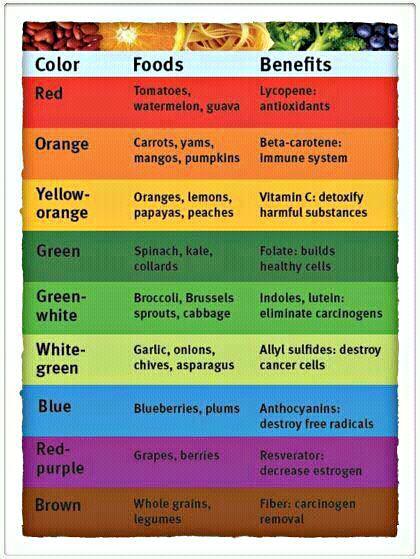
"Eat your greens" is a common phrase, but what about the reds, oranges and purples?

 

woman veggies

As well as bringing a bit of variety to your plate, eating a wide range of coloured fruit and veg has serious health benefits too.

All plants contain phytochemicals – naturally occurring chemical compounds which vary from plant to plant.

The term ‘phytochemicals’ usually describes the compounds that aren’t essential nutrients, but still have health-boosting benefits – like antioxidants for example.

To reap the rewards of as many different phytochemicals as possible, nutritionists recommend eating a “rainbow” of coloured fruit and vegetables.

Here’s a run down of the shades that should be filling your plate, and the essential and non-essential nutrients they’re rich in…

The Greens

Think… Kale, spinach, broccoli, rocket, watercress, parsley

Heaps of Vitamin A, C and E can be found in most green foods as well as important nutrients including iron and zinc.

Most greens have a ‘super food’ status because they are so nutritionally dense and are packed with antioxidants, which help protect your body from free radical damage while also boosting your immune system.

Green foods are also packed with chlorophyll - a detoxifying, cell regenerating and anti-inflammatory wonder proven to aid fundamental functions like circulation and digestion.
 food-color

The Oranges

Think Sweet potato, carrots, butternut squash, cantaloupe melon, pumpkin

Orange foods are rich in beta-carotene, a carotenoid compound which gives them their orange hue.

A powerful antioxidant, Beta-carotene is converted to Vitamin A by our bodies to support a healthy immune system as well as regenerating and regulating skin cell production.

Beta-carotene is a fat-soluble pigment, so to get the most from your orange fruits and veggies try eating alongside skin-soothing healthy fats such as olive oil, avocado and nuts.

The Reds

Think Beetroot, tomatoes, peppers, pomegranate, strawberries

Red fruits and veggies are great sources of another carotenoid compound calledlycopene. Another super-antioxidant, it does everything from fighting heart disease to decreasing the risk of strokes and cancer.

Our bodies can actually absorb more lycopene in its cooked form – cooked tomatoes are one of its richest sources.

Red fruits including strawberries and cherries are also great sources of collagen boosting Vitamin-C; so if your skin’s looking a little lacklustre try snacking on a small handful.

The Purples

Think Aubergine, blackberries, purple cabbage, plums, blueberries

images-3Purple and blue hued foods are rich sources of the antioxidant Anthocyanin, which has powerful anti-inflammatory properties.

Anti-inflammatory foods are a great addition to any diet, but particularly good for those who suffer from inflammatory skin conditions such as acne, eczema, rosacea and urticaria.

Alkaline foods tend to be anti-inflammatory, as opposed to acidic foods which generally cause inflammation in the gut. Nobel Prize winner, Ragnar Berg, was the first to support a 70% alkaline and 30% acidic diet, claiming that disease could not survive in an alkaline environment. He also showed a link between acidity in the gut and eczema flare-ups.

Something to bear in mind if an inflammatory skin condition is causing you trouble.

Which colours are you going to be adding to your diet? Facebook us your comments!

Guest Post by Pai Skin Care

Estrogen Induced Cancer: Get on the RIGHT PATHWAY! (details inside)

Heart-Healthy-at-Any-Age-50s.jpg

womens hormones

New research pinpoints how nutrition may prevent estrogen's carcinogenic activity by directing metabolites down favorable pathways.

Guest Article By Dan Lukaczer, N.D.

The continuing controversy over the health benefits and risks of estrogen is a complex and evolving story. Part of the reason is because estrogen is a much more complicated substance than originally believed. Although most people think of estrogen as a single entity, these hormones are actually three biochemically distinct molecules the body produces naturally—estrone (E1), estradiol (E2), and estriol (E3). These three estrogen molecules have different activities that make them more or less "estrogenic." The estrogenic activity often determines the mutagenic or carcinogenic potential of an estrogen.

It is widely believed that cumulative estrogen exposure is the most critical breast cancer risk factor. Breast cancer risk increases with early menarche, late menopause, long-term use of birth control pills, and estrogen replacement therapy. [1] When women gain weight, grow taller, have fewer children (and have them later in life), they increase their lifetime exposure to estrogen, and its associated risks.

Researchers are gaining new insights into the processes through which E1, E2, and E3 are metabolized, detoxified, and excreted. These estrogens break down or are detoxified into estrogen metabolites—daughter compounds—called 2-hydroxyestrone, 4-hydroxyestrone, and 16-hydroxyestrone. These metabolites can have stronger or weaker estrogenic activity—and thus increase a woman's risk of breast, uterine, and other cancers—depending on how they are metabolized.

We know estrogen metabolism depends on three factors: a woman's genetic makeup, lifestyle and diet, and environment. Therefore, understanding estrogen metabolism, and the things we can do to affect it, offers significant opportunities to reduce cancer risks, particularly of breast and uterine cancers.

Estrogen Metabolism 

In premenopausal women, the ovaries produce the estrogen estradiol (E2), which converts into estrone (E1), both of which must eventually be broken down and excreted from the body. This breakdown occurs primarily in the liver, and the excreted metabolites flow out in the bile or urine. Estradiol and estrone undergo this breakdown through a process called hydroxylation, an enzymatic activity in which the parent estrogen is transformed by the addition of a hydroxyl (OH) group at specific positions on estrogen's molecular ring.

Estrogen molecules are composed of carbon ring structures that are named numerically. Estradiol has 17 carbon atoms and can be hydroxylated at particular points on that ring. Considerable research has shown that major metabolites of estradiol and estrone are those hydroxylated at either the C-2 or the C-16 positions. Hydroxylated metabolites at the C-4 position also are present, but in lesser amounts. We might think of this process as parent estrogens (estradiol and estrone) begetting daughter estrogens (C-2, C-4, and C-16 hydroxyestrones and hydroxyestradiols). The problem is, some of these are the proverbial good daughters and some are bad daughters. I'll describe how the "bad" daughters can cause significant trouble.

What makes an estrogen good or bad? That has to do with the biological activity, or potency, of that estrogen. Estrogens are important in a host of cellular activities that affect growth and differentiation in various target cells. This is normal and beneficial, but too much estrogenic stimulation can have a negative effect. Therefore, properly metabolizing and excreting estrogens is crucial. This is how the daughter compounds differ substantially. If these estrogens are metabolized into the 2-hydroxylated estrone and estradiol, they lose much of their cell proliferative and estrogenic activity and are termed "good" estrogen metabolites. Studies show that when 2-hydroxylation increases, the body resists cancer, and that when 2-hydroxylation decreases, cancer risk increases.

However, the C-4 and C-16 hydroxylated estrone and estradiol metabolites are different from C-2 because these metabolites have more estrogenic activity than their mother compound. [3] Research strongly suggests that women who metabolize a larger proportion of their estrogens down the C-16 pathway, as opposed to the C-2 pathway, have elevated breast cancer risk, [4] and that the daughter estrogens metabolized down the C-16 route may be associated with direct genotoxic effects and carcinogenicity. [5]

Predicting Cancer Risks 

In one recent large trial of 10,786 premenopausal women at the State University of New York at Buffalo, researchers found that those who went on to develop breast cancer had significantly less 2-hydroxyestrone and more 16-alphahydroxyestrone metabolites than women who did not. Following women for 5.5 years, they found that participants with increased levels of 2-hydroxyestrone had a 40 percent decrease in the occurrence of breast cancer. [6]

In a longer-term study on postmenopausal women, women with the highest C-2:C-16 ratio (a higher ratio means more C-2 and less C-16, proportionally) had 30 percent less risk of developing breast cancer than women with lower ratios. [7] With this information, it would seem useful to discover what, if any, dietary or lifestyle modifications could guide estrogens down the C-2 pathway.

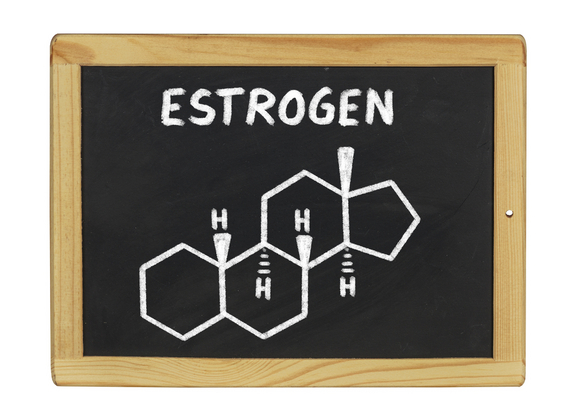
estrogen-chalkboardEstrogens are metabolized by a series of oxidizing enzymes in the cytochrome P450 family. These are the detoxification enzymes that break down all manner of drugs, hormones, and environmental toxins into generally less harmful metabolites. By closely studying this family of 30 or so enzymes, scientists have discovered how the parent estrogen compounds are modified in the C-2, C-4, or C-16 pathways. Researchers found that if particular enzymes within this family, namely cytochrome P450 1A1 and 1A2, are activated or stimulated, then more parent estrogens are metabolized into C-2-hydroxylated compounds. [8] However, if cytochrome P450 3A4 and 1B1 are activated, then more C-4 and C-16 are produced [9]. The C-16-alpha version tends to damage DNA and cause abnormal cellular proliferation, while the C-2 metabolite has less estrogenic activity. [2-4] If the proportion of C-16-alpha-hydroxyestrone can be decreased while the C-2-hydroxyestrone is increased—changing the ratio between the two—cancer risk could be reduced.

Nutrition And Estrogen 

Epidemiological studies suggest the protective effects of soy protein on breast cancer rates in Asian countries where soy is a dietary mainstay. [10] While soy protein is a complex mixture of nutrients and phytochemicals, it appears that part of its benefit is related to the isoflavones genistein and daidzein. Studies suggest that they change the way estrogens are metabolized, therefore changing the C-2:C-16 ratio. In studies on both pre- and postmenopausal women, it has been shown that isoflavones increase the beneficial C-2-hydroxyestrone at the expense of the C-16-hydroxyestrone, therefore increasing the C-2:C-16 ratio. [11,12]

It appears that isoflavones found in other plants might also have beneficial effects. Kudzu (Pueraria lobata), a vine found in the southern United States, contains unique isoflavones. It was found that one of kudzu's isoflavones—puerarin—induced cytochrome P450 enzymes 1A1 and 1A2, among others, which pushed estrogen through the beneficial C-2-hydroxylation metabolic pathway. [13 ]

Lignans found in fiber-rich foods such as seeds and grains, and in particularly high concentrations in flaxseeds, contain phytochemicals that, when acted upon by bacteria in the gut, are converted to the metabolites called enterolactone and enterodiol, which appear to have similar effects as isoflavones. Researchers have demonstrated in animal and cell studies that lignans have chemoprotective effects, and they may influence estrogen production and metabolism. [14,15] slide3Studies also have shown that women with breast cancer, or at risk for breast cancer, have low excretion levels of urinary lignans. In cell-culture studies, lignans have been shown to inhibit estrogen-sensitive breast cancer cell proliferation. [14] When flax was supplemented at five and 10 grams per day for three seven-week periods in a group of 28 postmenopausal women, the levels of C-2 hydroxyestrone increased in the urine, which increased the ratio of C-2:C-16. [15 ] This suggests that flax may have a beneficial effect on estrogen metabolism.

The Phytonutrient I3C 

The results of epidemiological studies on cruciferous and mustard family vegetables (Brassica genus)—including bok choy, broccoli, brussels sprouts, cabbage, cauliflower, kale, kohlrabi, mustard, rutabaga, and turnip—suggest that diets high in these vegetables lower the breast cancer rate. Increasing the amount of cruciferous vegetables in the diet can increase the C-2: C-16-estrogen ratio. [16] The vegetables' phytochemicals seem to have a specific estrogen-modulating effect, and indole-3-carbinol (I3C) may be the most important phytonutrient in this regard.

Eating broccoli, kale, or other crucifers releases I3C, which is transported to the stomach. I3C is not the only indole formed [17] but is probably the most important and well studied.

In the stomach, I3C is converted into many active compounds, one of which is diindolylmethane (DIM). Although DIM appears to be one important metabolite of I3C, most of the past and ongoing studies are performed on I3C itself. This is because I3C breaks down into a number of indole products, aside from DIM, which also may have estrogen-modulating activity. [18,19] Cell-culture studies and human clinical trials have shown that I3C at doses of 200­400 mg/day can influence estrogen metabolism and promote formation of 2-OH-estrone, and therefore may be useful in breast cancer prevention. [20,21 ] Current U.S. research studies are under way on I3C and women at increased risk for breast cancer. [22]

There is some controversy with I3C and when it should be administered. Most studies with I3C suggest it is best used as a preventive agent for women at high risk. Supplementing with I3C after cancer is present is less clear as far as benefit, as animal studies have been conflicting on this issue. [23,24]

Environmental Effects 

Researchers who completed a large study last year concluded that the environment plays a much larger role in cancer development than most people realize. For example, more than 44,000 pairs of twins were assessed for a possible cancer connection in each pair. If inheritance played a major role, there would have been a strong health and disease correlation in both twins, but inherited factors for breast cancer were estimated at 30 percent, at most. Researchers concluded that inherited genetic factors make a minor contribution to cancer susceptibility, and that environmental factors play the principal role. [25]

Genes and the environment work together, and if a person has high genetic risk factors, greater attention should be focused on environment.

The World Health Organization recently reported that breast cancer has become the most common cancer in women throughout the world. [26] D. Lindsay Berkson, in Hormone Deception (Contemporary Books, 2000), reports on the accumulation of synthetic molecules in the environment from pesticides, plastics, and a variety of other sources that mimic the effects of the "bad" estrogens and add to cancer risk. Even if a woman doesn't have cancer in her family, with this ever-increasing environmental burden of estrogen-mimicking molecules, she needs to think about cutting her risk: what to do about internal and external environments. There is credible scientific evidence to suggest that consuming certain foods and phytonutrients may have a favorable effect on the risk of estrogen-related cancers.

The Estrogen Dilemma

Dan Lukaczer, N.D., is director of clinical research at the Functional Medicine Research Center, a division of Metagenics International Inc., in Gig Harbor, Wash. Metagenics supplies medical foods and supplements, including those containing lignans, isoflavones, and I3C, to health care practitioners.

References:

1. Yager JD. Endogenous estrogens as carcinogens through metabolic activation. J Natl Cancer Inst Monogr 2000;27: 67-73.

2. Bradlow HL, et al. 2-hydroxyestrone: the 'good' estrogen. J Endocrinol 1996;150 Suppl:S259-65.

3. Gupta M, et al. Estrogenic and antiestrogenic activities of 16 alpha- and 2-hydroxy metabolites of 17 beta-estradiol in MCF-7 and T47D human breast cancer cells. J Steroid Biochem Mol Biol 1998;67(5-6):413-9.

4. Kabat GC, et al. Urinary estrogen metabolites and breast cancer: a case-control study. Cancer Epidemiol Biomarkers Prev 1997;6(7):505-9.

5. Bolton JL, et al. Role of quinoids in estrogen carcinogenesis. Chem Res Toxicol 1998;11(10):1113-27.

6. Muti P, et al. Estrogen metabolism and risk of breast cancer: a prospective study of the 2:16 alpha-hydroxyestrone ratio in premenopausal and postmenopausal women. Epidemiology 2000;11(6):635-40.

7. Meilahn EN, et al. Do urinary oestrogen metabolites predict breast cancer? Guernsey III cohort follow-up. Br J Cancer 1998;78(9):1250-5.

8. Bradlow HL, et al. Multifunctional aspects of the action of indole-3-carbinol as an antitumor agent. Ann NY Acad Sci 1999;889:204-13.

9. Huang Z, et al. 16-alpha-hydroxylation of estrone by human cytochrome P4503A4/5. Carcinogenesis 1998;19(5):867-72.

10. Vincent A, Fitzpatrick LA. Soy isoflavones: are they useful in menopause? Mayo Clin Proc 2000;75(11):1174-84.

11. Xu X, et al. Effects of soy isoflavones on estrogen and phytoestrogen metabolism in premenopausal women. Cancer Epidemiol Biomarkers Prev 1998;7(12):1101-8.

12. Xu X, et al. Soy consumption alters endogenous estrogen metabolism in postmenopausal women. Cancer Epidemiol Biomarkers Prev 2000;9(8):781-6.

13. Guerra MC, et al. Comparison between Chinese medical herb Pueraria lobata crude extract and its main isoflavone puerarin antioxidant properties and effects on rat liver CYP-cataly-sed drug metabolism. Life Sci 2000;67(24):2997-3006.

14. Mousavi Y, Adlercreutz H. Enterolactone and estradiol inhibit each other's proliferative effect on MCF-7 breast cancer cells in culture. J Steroid Biochem Mol Biol 1992;41(3-8):615-9.

15. Haggans CJ, et al. Effect of flaxseed consumption on urinary estrogen metabolites in postmenopausal women. Nutr Cancer 1999;33(2):188-95.

16. Fowke JH, et al. Brassica vegetable consumption shifts estrogen metabolism in healthy postmenopausal women. Cancer Epidemiol Biomarkers Prev 2000;9(8):773-9.

17. Stephenson PU, et al. Modulation of cytochrome P4501A1 activity by ascorbigen in murine hepatoma cells. Biochem Pharmacol 1999;58(7):1145-53.

18. Liu H, et al. Indolo[3,2-b]carbazole: a dietary-derived factor that exhibits both antiestrogenic and estrogenic activity. J Natl Cancer Inst 1994;1758-65.

19. Wong GY, et al. Dose-ranging study of indole-3-carbinol for breast cancer prevention. J Cell Biochem Suppl 1997;29:111-6.

20. Telang NT, et al. Inhibition of proliferation and modulation of estradiol metabolism: novel mechanisms for breast cancer prevention by the phytochemical indole-3-carbinol. Proc Soc Exp Biol Med 1997;216(2):246-52.

21. Michnovicz JJ, et al. Changes in levels of urinary estrogen metabolites after oral indole-3- carbinol treatment in humans. J Natl Cancer Inst 1997;89(10):718-23.

22. Osborne MP. Chemoprevention of breast cancer. Surg Clin North Am 1999;79(5):1207-21. 23. Bailey GS, et al. Enhancement of carcinogenesis by the natural anticarcinogen indole-3-carbinol. J Natl Canc Inst 1987 May;78(5):931-4.

24. Xu M, et al. Post-initiation effects of chlorophyllin and indole-3-carbinol in rats given 1,2-dimethylhydrazine or 2-amino-3-methyl-imidazo[4,5-f]quinoline. Carcinogenesis 2001;22:309-14.

25. Lichtenstein P, et al. Environmental and heritable factors in the causation of cancer—analyses of cohorts of twins from Sweden, Denmark, and Finland. N Engl J Med 2000;343(2):78-85.

26. Davis DL, et al. Rethinking breast cancer risk and the environment: the case for the precautionary principle. Environ Health Perspect 1998;106(9):523-9

// User Icon Setting (may be set to BLACK, WHITE or NONE):