Hair Health's Leading Factors.
Many things can affect the quality and health of your hair, such at what you eat, your stress level, health, over washing, and a myriad of other factors. But when it comes down to the bottom line your hair needs two things to be healthy:
Protein and Moisture.
If you have any curl or wave to your locks, you may notice that your hair can "frey" and dry easily. More often times than not, wavy hair types need that extra bit of care when it comes to moisture.
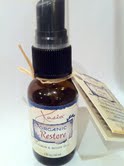
Many of our guests try to "get by" with what they may already have at home, but the best thing to do is correctly stock up on some key products. Our recently launched RESTORE OIL is first in line for hair and scalp salvation! Restore is filled with cold pressed organic oils fortified with moisture to enrich the quality of your hair. 
If your hair (of any type) is extremely dry from damage (be it, environmental, heat, or chemical damages), I strongly suggest picking up Kasia Restore Hair Oil, as well as look at our other few options. Remember, you need very little bit when done in the right way.
Come in and check out Kasia 'restoring' products today!
Read more about Restores Benefits HERE
Frazzled? Your split ends...that is. Read more HERE
Frazzled Split Ends?
Whether you are growing your locks out or maintaining your recent professional cut from Kasia, there's no hair enemy as fierce as the dreaded split ends.
The Kasia Hair Team can agree that the number one complaint of clients when coming in for a cut are their frazzled ends. Old or young, chemically treated strands or your savaged natural hue, you stand at risk of experiencing this science.
"Split ends occur when the outer protective layer of the hair cuticle wears away because of external stressors such as heat styling, excessive pony tails, environmental stressors and chemically derived products that break the hair down over time,” explains Kassie, owner and stylist at Kasia Organic Salon.
There is no return back once the internal structure of the hair is exposed, it becomes weak, thirsty and damaged, resulting in split ends,” says Kassie.
The Way
While there is one road to ridding your luscious locks beaten up ends in having them snipped off, there are several ways to nurture your noggin’ between salon appointments to improve the look of damage and prevent more splits from occurring.
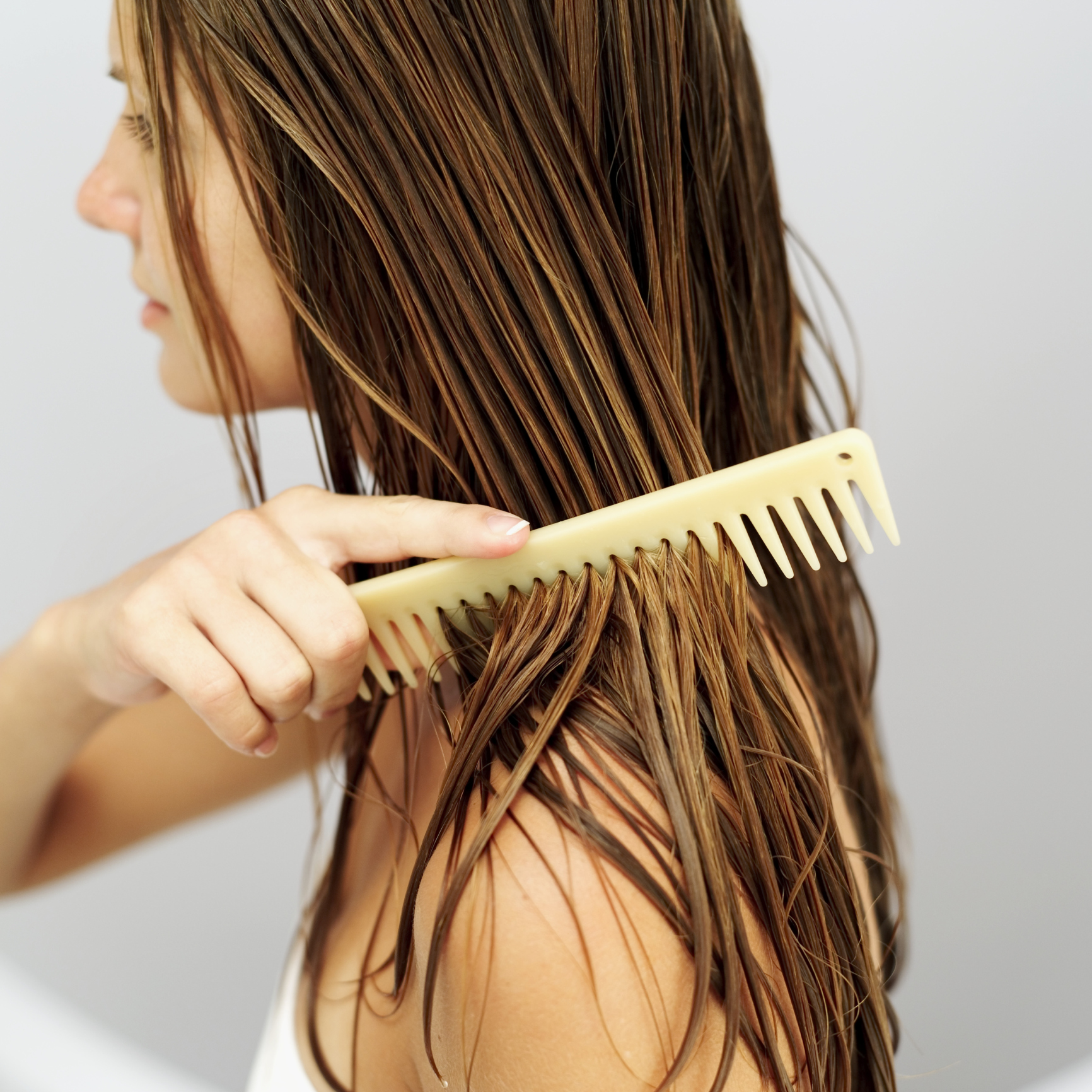
Condition and spread: Apply Kasia Weighless Conditioner or Restore Hair Oil Treatment in the shower, slowly run a wide-tooth comb through hair until all the tangles are out. This prevents the harsh pressure and breakage that results from trying to brush out hair that is roughed up from a towel-dry.
Mind your heat tools: The cheap blow-dryer or half off flat iron that barely heats up may be a tempting snatch, but inexpensive tools tend to dangerously overheat over time and burn ends into splits. Do your homework and use a brand recommended by a pro.
Be gentle: Treat your hair as a well-worth asset! Just like the new suite you purchased, it will last longer and look better as you present yourself to the world
Use as natural and non-chemcially derived products as possible to achieve a long term health and shine to your locks.
Get your Omega’s, Protein, folic acid and biotin: Nutrients literally build the proteins that make up your hair strands. B vitamins folic acid and biotin of in particular, have been shown to supplement hair health, length and thickness.
Folic acid helps the production of red blood cells, which powers the growth of hair. Foods rich in folic acid include green leafy veggies, oranges, soybeans and wheat. Biotin strengthens both hair and nails through its metabolism of fats, carbs and proteins. Brown rice, lentils, peas, sunflower seeds, walnuts and soybeans are all rich in biotin.
Antioxidants give you the anti aging protection against the diseases and help slow down the aging process of your skin, cells, tissues and organs. The main antioxidants found in food include vitamins A, C and E, the minerals selenium and zinc and all of the phytonutrient carotenoids. Antioxidants keep free radicals from ravaging your body and stealing the life from your cells.
Critics used to claim there was no evidence that topically based products affected skin aging. Over the years, a remarkable number of published studies have proven these skeptics wrong! Science clearly substantiates the role that free radicals play in causing skin aging and the fact that topically applied antioxidants confer significant protection and can even partially reverse some aspects of skin aging. Indeed, various animal and human studies have proven that low molecular weight antioxidants, especially vitamins C and E, as well as alpha-lipoic acid exert protective effects against free radical damage (oxidative stress) (Podda et al. 2001).
Essential Fatty Acids offer anti aging benefits to dry skin, hair, and nails. EFA’s will give your body the nutrients it needs for smooth, glowing skin and healthy hair and is even known to help balance hormones.
Fatty Acid (Omega 3) anti-aging benefits and reduction may be directly linked to cell inflammation. They help to keep the cells healthy and reduce the inflammation that may occur in the cell when omega 6 levels are too high.
Use leave-in conditioner or treatment oil: A leave-in conditioner will add extra protection that stays on strands as you heat and style your hair. Consider Kasia Restore Hair Oil Treatment, which you apply after every wash on towel-dried hair for best results.
Sunflower oil (comprised in Kasia Restore Hair Oil) contains fatty acids and are essential to hair health and effective in preventing hair loss from male and female pattern baldness and alopecia areata.
Lastly, get regular cuts: As stated, a good cut is the only way to fully get rid of split ends, regular trims provides the best protection against them. The longer you wait, the greater your split ends will make way up the shaft. It might sound oxy-moronic, but hair that remains the healthiest are those that receive frequent trims. Especially if you're trying to grow longer, healthier hair. The Kasia Organic Salon Hair Team suggests getting a cut or trim at least every six to eight weeks.
______
Kasia Organic Salon provides beautifying services with a side of environmental awareness. Put your eco-conscience and its cranial encasement at ease during your services at Kasia.
The former nurtures noggins with customized blends of essential oils, repairing damaged follicles while helping to prevent dandruff, some hair loss, and scalp irritation.
With the health of your head restored, a skilled scissor shaman will get to work on the style. We are devoted to designing looks that let each client's personality shine through, so whether you are fun and flirty, serious and sophisticated, or enraged and enamored, you'll leave the salon with a 'do' to match your personality.
Newsletter: Essential Oils for SPRING Weight Loss!
|
||||||||||||||
|
|
|||||||||||||
|
||
| Quick Note!
We wish Colette a fabulous trip to Australia. Layne and myself (Kassie) will be more than happy to service those whom wish to put a "spring" in their "hair-doo" while she is gone. Patina is still on their way in laying the foundations. Please be aware of any congestion of parking in the coming months. Thank you- and we are just as excited as many of you. I did call the builder this last week, and they are projecting JUNE. Wow.... T-shirts and Tanks from Kasia coming soon........ Cheers and thank you for your patronage! XOXOX |
Pure Silver: The Truth Behind Grey Hair with Philip Kingsley
Fabulous tid-bits from Philip Kingsley, leading trichologist I often keep up with!
From grey and silver to salt-and-pepper, people can often be as unsure how to describe their changing hair colour as they are in how to hide, flaunt or care for it.
2010 saw a fashion-led trend that saw many in the media spotlight deliberately turn their locks silver, from Pink to Pixie Geldof. With grey hair being the stereotypical antithesis of a youthful appearance it creates an edgy look. By playing with the usual associations of grey hair with older age, it suggests attitudes to grey hair can shift for women, since men already have the positive image of natural grey tresses in the label “silver-fox”.
And that’s no bad thing, since by the age of 30 most people have a few grey hairs and by 50 at least half of your hair will normally have turned grey. Whilst you can follow fashion and turn to the bottle to achieve a silver style, or leave your hair au naturel, most aim to achieve the opposite effect. Why? Because, as Philip Kingsley notes in The Daily Mail “greying hair is synonymous with ageing and in our modern “youthful” culture, we delay the appearance of ageing as much as we can”.
The grey hair so many of us try and cover up is in fact a combination of normally pigmented hairs interspersed with white ones, which have no pigment. It is genetics, nutritional and hormonal factors that most influence the arrival of grey hairs. And we can all take comfort in that it is, ultimately, an ageing inevitability that happens naturally to everyone.
There are many grey areas about greying hair, and a whole host of hair myths.
Firstly is the debate as to whether vitamin B and stress levels have great influence over what can be a sensitive issue- greying hair. It is thought that grey hair is due to a lack of vitamin B- and it is know that a lack of vitamin B can be caused by stress. It was this perhaps that led John Freida to coin the term GHOSTS (grey haired over stressed twenty somethings).
In some experiments with black rats it has been shown that deprived of vitamin B their hair turns white, with vitamin B taken in large doses then reversing the greying effect. Trichologist Philip Kingsley is much quoted on this debatable topic. It has not been proven in humans, but anecdotal evidence suggests that large doses of the B vitamins may slow down greying, but not reverse it.
Another of the key mysteries is as to whether pulling out a grey hair will cause more to sprout in their place.
Fear not -this is just a hair myth. When you pull out a grey hair, two do not grow in its place. As All You Magazine highlighted in their January edition, the number of hairs in each follicle is genetically determined and pulling out stubborn greys won’t increase that number. However, it is far from advisable as if you pull out the same strand repeatedly you can damage the roots.
This also leads on to another popular myth: that grey hair is coarser, when in fact grey hair tends to be finer. It may be drier which gives the impression on being coarser, though it is usually finer since hair gets finer as we get older. Also, we often pull out our first few grey hairs in an attempt to remove the signs of ageing, and this constant pulling can distort the hair follicle, which can give the appearance of being coarser too.
Dryness has also created the general perception that grey hair is frizzier, when this is not the case. This is because grey hair is drier and also finer. Dry hair tends to stick out and finer hair, not having the weight of thicker hair, doesn’t lie in place as well either.
So how should you care for your grey or silver locks? A common option is to dye them. You could try semi-permanent dye or permanent dye. To keep your hair healthy if you frequently process it, we’d recommend a deep moisturising conditioning treatment.
Why is UV protection relevant to grey hair? This is because grey hair lacks melanin (pigment) which in the skin protects against the sun. Its absence in the hair shaft can make it more vulnerable to sun damage as well. To avoid the yellow discolouration of grey hair, use styling aids with sunscreens, which guards against discolouration and damage caused by weathering from sun, chlorine, salt water and wind as well as providing a super conditioning treatment for your hair.
Grey hair should be handled in the same way as naturally pigmented hair, though as grey hair shows up the dirt more than any other hair type it is best to wash and condition daily.
Whilst grey hair is synonymous with ageing, healthy hair will forever be happy hair. Find article HERE
"Beauty sleep" and stress. More important than you think, do you know why?
As you probably already know -- stress is bad for our health, and many of us are affected differently. Frustration can create havoc on your skin and as a matter of fact too much stress triggers your skin to start the aging process prematurely leading to wrinkles and fine lines before you want to have them. Stress can actually age you as far out as three to six years!
Stress causes our hormones to operate ineffectively, run down the wrong pathways and to become unbalanced. Radiant skin comes from great skin care routines, protection from environmental damage and UV rays, good nutrition, adequate hydration, and getting plenty of sleep.
Dermatologist have come to agree that during hours of sleep, cortisol and insulin production inversely peak so that collagen production is accelerated. Collagen production firms the dermal layers so evaporation is reduced and water retention is maximized.

Resting Tips for “Beautiful Health” Skin
Surroundings:
While you slumber, your skin produces more collagen, which gives it the support to counteract the forces of gravity. If you have a radiant heater or air conditioner running, this can result in evaporation in your skin and water loss. This contributes to dry skin, especially if you don’t use a high quality facial cream/serum, or do not replenish intake of water hydration through your day.
Bio-chemical Requirement
As the body enters the deepest stage of rest (Delta Sleep), our growth hormones peak and turn on cell and tissue repair. When there is restless or limited sleep, we cut ourselves short of this crucial restorative process.
In order to give your skin beautiful health it deserves in repairing, rejuvenating, and producing collagen with minimum natural moisture loss, you need a good 6 – 8 hours of uninterrupted sleep each night.
Additional science on how stress can affect your skin include the following:
* Cortisol degrades collagen and directly leads to the formation of wrinkles in the skin. When you live in a chronic state of stress your body finds it harder and harder to repair itself naturally and so you develop more wrinkles and fine lines.
* The stress hormone CRH can fuel inflammation in the skin and that in turn can cause acne. Since acne is an inflammatory disease all it takes is in increase in inflammation in the body to cause more acne. And if you are stressed you are more likely to pick at your breakouts which could lead to even more breakouts.
* Stress hormones can cause your body to release histamines, which can cause a range of skin conditions like dermatitis, irritation, hives, or inflammation or aggravate existing skin conditions like psoriasis.
* Stress can make your hair fall our and make your nails brittle
* Stress makes your eyes look tired. This could be because you are not getting enough sleep since you are stressed out. A chronic lack of sleep could lead to fluid stagnation under the eyes and then dark, puffy under-eye circles in the morning.
* Stress could cause your skin to enter mini-menopause. A chronic flow of cortisol causes a drop in estrogen, which means your skin produces less collagen and less moisture. Your skin could end up looking dull and dry as a result.
Not just your skin…yes, your belly.
I have learned first hand the effects of too much of the stress and the ramifications of the increased hormone of cortisol. Lack of sleep and rest leads to our adrenal glands pushing out too much of this belly fat-promoting, collagen-destroying hormone. The flip side to this is that when getting enough sleep, our cortisol levels reduce. In fact, a landmark sleep study found that those who sleep between 7.5 and 8.5 hours a night secrete half as much cortisol as those only sleeping 6.5 hours or less a night. This can mean significant weight gain of 33 pounds or more!
Excess cortisol turns your once flatter stomach into fat deposit because the abdominal region contains four times more cortisol receptors than other areas in the body.
Researchers have also found that lack of sleep can cause cravings for sweet and salty foods. We end up compromising and eating foods lacking any nutritional value and lack hydration. Our waistline or our skin responds well to this kinds of lifestyle for a period of time.
Other studies have found that sleep deprivation leads to inflammation and oxidative stress. One of these studies found that women who don't get their beauty sleep experience disruptions with their skin barrier function, have more water loss in their skin and have extremely high levels of inflammatory chemicals circulating in their bodies. If we are under chronic stress, cortisol will disrupt collagen production, making skin thinner and weaker.
If you need more encouragement to turn in early every night, then keep in mind that adults who sleep five or less hours a night have a 15 percent chance of dying early from any reason you can think of. Why? Because lack of sleep ages your body.
Supplement to Sleep
Supplements like GABA and melatonin are known to have a muscle-relaxing effect and may improve sleep quality. In turn, better sleep can lead to greater skin repair capabilities, a better-looking complexion with fewer wrinkles and dark circles and less overall dullness.
GABA is a naturally occurring neurotransmitter with a proven connection to the quality and quantity of sleep we achieve. The brain chemical -- gamma-aminobutryric acid, or GABA -- is involved in regulating brain activity.
"It's the brakes of your brain," says Karl Doghramji, MD, director of the Sleep Disorders Center at Thomas Jefferson University Hospital in Philadelphia. "It stops activity."
Both sleep problems and anxiety disorders may result from problems with GABA, which helps neutralize the effects of glutamate, a brain chemical that causes excitement. When there is too little GABA, it causes those racing thoughts that characterize anxiety -- and keep you up at night.
Gaba increases the integrity of collagen and elastin and both preventing and counteracting sagging skin.
Melatonin is one of the most powerful antioxidants produced in the body. In addition, since it is both water and fat soluble, melatonin can reach almost every single cell in the body.
Since it cannot store in the body, it must be replenished daily. This would normally not be a problem, except exposure to artificial light reduces production of melatonin in our bodies.
Mood Elevator: Nighttime melatonin levels are low in people with major depressive and panic disorders. Individuals with noticeable mood swings or who are melancholic also have depressed melatonin levels. Both seasonal affective disorder and non-seasonal cyclic depressions are related to the peaks and valleys of melatonin levels.
Contact Kassie at Kasia Organic Salon for more info on supplementation of Gaba and Melatonin.
Kassie Kuehl is a respected leader in, and advocate for, natural health and beauty care. The founder of Kasia Organic Salon, a stylist, and developer of Kasia natural line, Kassie combines her experience as nutritionist and living foods educator with her ongoing Functional Medicine research to apply a whole of body “Beautiful Health’ approach to hair care and styling. She can be found at www.kasiaorganicsalon.com.
SOURCES: American Medical Association's 22nd annual Science Reporters Conference, Philadelphia, Sept. 11-12, 2003. Karl Doghramji, MD, director, Sleep Disorders Center, Thomas Jefferson University Hospital; professor of psychiatry, Jefferson Medical College, Philadelphia.
Rosemary has Anti-Cancer Properties
Learn more about ROSEMARY here.
Thank you: Cindy L. A. Jones, Ph.D. Published in Nutrition Science News, 1998.
Stress Management and How Stress Affects Us
Stress Management in Our Modern World
Ask any doctor, yoga teacher, natural health practioner… what their patients’ biggest complaints are and we guarantee the answer is stress-related. Yes, guarantee. Sure our modern world is full of amazing technology that make our lives easier, wonderful vacation destinations that make our lives more relaxing and medications a plenty to make all of our boo-boos go away like that. But the more that our contemporary world has to offer, the more responsibility we assume. We have to learn to use that new microwave, take 2 hours of our precious time at the travel agents to book that flight, and work 40 hours a week to have benefits that cover those pricey meds.
Types of Stress, a Caveman & the Stress Response
There are two different types of stress, the first being acute stress or short-term, the less severe of the pair. Acute stress is that rush we feel in a sticky situation – that deadline in an hour, that fender-bender last week. This type of stress quickly fades once the threat is gone. The second type, chronic stress or long-term, is more brutal than the latter. In today’s 24/7 world, many people stay with their chronic stress symptoms for months or even years. This type of on going stress is one of the most common causes of mental illness and disease today.
In another perspective, stress can be a good reaction as well, as it protects us from harm. Just imagine a strong, tall, and unruly caveman running for his life, a vicious wild beast hot on his trail. Although, as soon as he saw the viciousness on his opposite, this particular caveman’s body went through a rapid series of hormonal responses that ran through his brain, pituitary gland, and adrenal glands so that he could, well, run for the hills! Let’s take a look at the process. First, his brain secreted a hormone messenger to the pituitary (also located in the brain) which sent another messenger to his adrenals to release cortisol. The release quickly shifted the blood, oxygen and energy flow away from the digestive and reproductive systems to the muscles and heart. Thus his quick get away. Phew!

How Stress Affects Us
The problem is we are no longer cavemen running for our lives. In fact, we are far from it. So far in fact, the stress response is working against us.
Our bodies go through the same process as his, only many of us are so consistently overwhelmed that we don’t shut it off the way he did once safely at home. This chronic stress means that our body is always in “fight or flight” mode, never fully resting; be it days, months or years. And the problem with never shutting off is that long-term stress affects the body in ways we could have never imagined.
Here are a few of a lengthy list:
- Dysfunctional blood sugar metabolism, often leading to diabetes
- Cellular aging leading to older appearance and shorter life span
- Literally, restructuring a brain, increasing the risk of anxiety, depression and/or other mental disorders
- Heart problems, oftentimes deadly such as heartattacks
- A conflicted immune system often resulting in auto-immune diseases wherein the body attacks its own cells
Common Auto-Immune Disorders Caused or Heightened By Stress:
- Allergies
- Cystitis
- Diabetes
- Hyper or Hypthyrodism
- Narcolepsy
- Psoriasis
- Rheumatoid arthritis
- Schizophrenia
Once this stress response has been turned on for a significant period of time, the adrenal glands become wiped out. This happens over the period of time, in what some in the medical field describe as the three steps to adrenal exhaustion. At first, the adrenals are turned on like there is a ten-alarm fire in the body. Hormones, like cortisol, are pumped in to combat the flames. But when the stressors don’t go away, the second phase, or resistance response comes into play. The adrenals simply can’t maintain the demand for cortisol. Thus, daily functions are carried out but with a struggle. Anxiety and insomnia begin are more present as is irritability. In the third stage, the adrenals become exhausted. Fatigue sets in and different systems in the body begin malfunctioning. If stressors are not minimized, the adrenals will fail. Most patients at this point collapse or die of cardiovascular dysfunction.
3 Steps to Fight the 3 Phases
If you find that you are lacking in stress management skills or think you may be falling into a pattern leading to adrenal exhaustion, all’s not lost. Fight back with three easy lifestyle fixes: Nutrition, relaxation, and therapeutic techniques.
Nutrition
There is a lot to be said about the healing power in the right foods. Those that are stressed often reach for the easiest foods which are nearly always laden with sugar, fats, and caffeine. To get balance back, skip the coffee and sweets in favor of a diet that combines whole grains, proteins, and heart healthy fats (ie: olive oil). Eat three portioned meals and two snacks daily to keep blood sugar intact. Adding mineral-rich Celtic salt or sea salt is also beneficial, especially in causes of adrenal exhaustion.
Supplements can also help the body properly handle stress. This include but are not limited to:
- 2,000 – 4,000 mg of Vitamin C
- 800 IU of Vitamin E
- B-Complex
- Zinc and other trace minerals
- Ginseng
- Licorice
- DHEA
If you plan on taking any of these supplements, please consult a doctor first as some may have averse side effects.
Relaxation
A change of pace is what most of us need. Now this doesn’t necessarily mean the need to pick up the pace but rather to change the pace. Therefore, if you find yourself running around like a nut all day everyday, by night, a soothing yoga and meditation practice is right up your alley. But if you find yourself deskbound, your change of pace should be something more lively; a ½ hour walk on your lunch break or a cycling class after work. This yin-yang approach to daily life helps our bodies stay in tune to being both sedentary and active. In essence, it keeps us balanced.
Therapeutic Techniques
Whether it is reading self-help books or going to see a counselor in the flesh, 99% of the population can benefit from therapy of some sort. Learning to see reality for what it is and most importantly, what it is not, is the first step toward mental stability. (Hey, most of our lives really aren’t all bad.) Once we have a handle on our emotions, we are better equipped to handle anything that life might throw our way.
Although stress is one of the biggest health issues of our time, it is one of the easiest fixes – no meds required. Taking the time to learn what causes your unique stress story and finding your own coping techniques are the first steps in a road to regain balanced well-being and freedom of life back.
Resources:
http://www.project-aware.org/Resource/articlearchives/adrenalfatigue.shtml http://www.womentowomen.com/adrenalfatigue/adrenalglandnutrition.aspx http://www.drlam.com/articles/adrenalexhaustion.asp
Kassie Kuehl is a respected leader and educator in natural health and beauty care. The founder of Kasia Organic Salon and many result orientated "beautiful health" products, and experts in ammonia free hair color. Kasia remains on the cutting edge of all-natural, non-toxic, and organic professional hair, skin, and body products and services. To become an Informed Beauty, contact Kassie at 612.386.4044, or visit www.kasiaorganicsalon.com.




There are man stages and nuances in weight loss to truly be effective and sustainable.