Hormonal Balance with Essential Oils

Essential Oils and Hormonal Balance

When discussing hormones, it is critical to remember that each individual is unique.  There is no "one-size-fits-all" approach. When looking at lab results, be cautious of the result of    "normal".  The real issue is, "How do you feel?"

Menopause mindset?

Contrary to the medical mindset, menopause is not a hormone deficiency disease.

The current problems associated with hormone havoc ad menopause are the result of industrialization and the chemicals (xeno-estrogens) in our environment, as well as an unhealthy lifestyle, including changes in our diet associated with modern life.

Most of the symptoms associated with the result of estrogen dominance.  This imbalance of estrogen to progesterone can cause problems like:

  • decreased sex drive
  • irregular or abnormal periods
  • mood swings or depression
  • weight gain (since estrogen turns energy into fat)
  • osteoporosis (because progesterone is needed for osteoclast formation)

Common phenomena today, and the result of xeno-estrogens in our environment. There are cases of women as young as their mid-30s entering menopause.  Internally, this is a primary toxicity-induced issue.  This same toxicity is progressing young girls   into womanhood as young of the age of 8.

Xeno-estrogens are synthetic estrogens or estrogen-like compounds

Caution to: Dairy products, chickens and meats, soy-based products and personal care products.  They leach from plastics we store our foods in, the Teflon we cook in and even the cans processed foods come in.  They are also plentiful in the chemicals we put on our lawns, those used in farming, which have contaminated our air, water and soil.

Avoiding these xeno-estrogens to balance hormones:

* Reduce stress

* Reduce chemical-laden personal care products

* Reduce toxicity from synthetic estrogens

* Increase progesterone levels

* Treat symptoms

* Lymphatic massage

Reduce Toxicity

There are two vital phases of this detoxification:

* Phase 1: Fat-soluble toxins are converted to water-soluble substances.  If this is process is not adequately accomplished, it leads to free radical production in the body.

* Phase 2: Conjugation is the combining of water-soluble substances with another compound to be released through the kidneys (as with chelation).  This must be accomplished quickly, and requires adequate fuel: antioxidants, vitamins and minerals.

Cleansing and Hormonal Support Nutritional Supplements

For a correct approach and program to detoxification, Medical Foods by Metagenics will give the body what it needs in a balanced source of vitamins, minerals and antioxidants that will allow the body to ease through these two phases.

Break it down! Proper supplementation can be an enormous help.  For this, Meta I 3 C is a naturally occurring compound found in cruciferous vegetables such as broccoli, brussel sprouts, and cabbage. Through its ability to promote the breakdown of estrogen to its beneficial, protective metabolite—2-hydroxyestrone—indole-3-carbinol may be safe and effective way to help achieve beneficial balance in estrogen metabolism.

Indole-3 Carbinol

(I3C) over Diindolylmethane (DIM)?

Both I3C and DIM do the exact same thing, converting estrogen into beneficial metabolites, with clinical evidence to support them. DIM, however, is poorly absorbed, making it necessary to use special forms available on the market that enhance its bioavailability.

Assistance with Protandim Raises Glutathione 300% which  is most powerful and a very simple molecule that is produced naturally all the time in your body.  It is a combination of three simple building blocks of protein

Normally glutathione is recycled in the body -- except when the toxic load becomes too great.  And that explains why we are in such trouble.

Glutathione is also the most critical and integral part of your detoxification system. All the toxins stick onto glutathione, which then carries them into the bile and the stool -- and out of your body.

Essential oils that help with detoxification:

Limonene is a compound found in particularly high levels in citrus oils; and limonene increases glutathione levels in the body, making citrus oils great detoxifiers, especially for petrochemicals (which are loaded with xeno-estrogens).

It has also been found that the aroma of citrus oils will balance hormones.  Their fragrance has a direct effect on the endocrine system, especially the hypothalamus (which has a role in governing hormone balance).

- EVB PURIFYING BLEND -

Therapeutic Benefits: A great detoxifying blend.

  • Balances emotional and physical excesses such as resentment, jealousy, overeating, and alcohol and drug addictions.
  • Cleanses the blood, lymph, and emotions of toxins.

Ingredients: Juniper, Grapefruit, Angelica Root, Lemongrass, Lemon, Rosemary, Cypress, and Fennel in a Jojoba oil base.

Essentials Oils to promote Progesterone

Thyme, as well as oregano oil will also support progesterone production.

Directions:   place 1-2 drops of the oil on the bottom of the feet.  Do not over-use oregano. Use 10 days, and then give your system a rest.

Managing Menopause Symptoms:

For hot flashes, peppermint oil can be massaged into the bottom of the feet or the back of the neck.  You can also mix it with water and spritz with it.

Other oils to consider are geranium, citrus oils, like wild orange, grapefruit and lemon, as well as clary sage.

Recipe:

Hot Flashes

Avoid coffee and alcohol

11 drops Geranium

7 drops Lemon

To Warm Bath Water

To 1oz Jojoba Oil to massage onto body

Night Sweats

Add 10 drops Grapefruit

10 drops Geranium

For fatigue, apply peppermint oil over the liver and adrenals

To improve libido, try ylang ylang, ginger, peppermint, clary sage.

Essential Oils associated with Menopause:

Geranium Rose

Chamomile   Grapefruit Rosewood    Orange

Clary Sage      Thyme       Lavender

Fennel         Peppermint

Massage therapy! Massage is not only relaxing and restorative; it allows your body to excrete toxins up to 200 times faster than on its own.

Receive $20 OFF A FIRST TIME MASSAGE AT KASIA ORGANIC SALON!

STOP INTO KASIA ORGANIC SALON AND

'SCENT AND SAMPLE' YOUR ESSENTIAL OIL THERAPEUTIC BLEND!

Kassie Kuehl is a respected leader and educator in natural health and beauty care. The founder of Kasia Organic Salon and many result orientated "beautiful health" products, and experts in ammonia free hair color.  Kasia remains on the cutting edge of all-natural, chemical free, and organic professional hair, skin, and body products and services.

To become an Informed Beauty, contact Kassie at 612 824 7611.

A Poor Diet is Bad for Your Skin

Beauty and vibrant, clear, healthy skin comes from the inside out, not from the outside in.

Do you suffer from acne?

Have you noticed if your skin looks better or worse when you eat certain foods?

What steps have you taken to keep your skin healthy?

The only  exceptions to this are wrinkles and skin cancers, which come from sun damage. But even these, too, are worsened by internal inflammation and oxidative stress caused by things like smoking and poor diet.

Now let's look a little at the problem of acne

Facts co-stated with Mark Hyman and the reviewed book: The Clear Skin Diet:

A Poor Diet is Bad for Your Skin

• Skin health, and acne in particular, are tied strongly to diet.

• Acne is caused by inflammation and oxidative stress

• Traditional indigenous cultures have little acne, but as soon as they adopt a Western diet or SAD (standard American diet), they see increasing levels of acne.

• Sugar raises insulin levels, which promotes the production of testosterone in women, and inflammation in general, causing acne.

• Saturated and processed fats increase arachidonic acid levels and compete with omega-3 fats in the body, leading to more inflammation and acne.

• Milk and dairy consumption is closely linked with acne (and many other skin and health problems) in part because of the hormones (including growth hormone) in dairy and because of the saturated fats.

• High-sugar milk chocolate can increase acne by increasing inflammation, but dark chocolate does the opposite.

Nutritional Deficiencies Promote Acne

• Widespread nutritional deficiencies of zinc, omega-3 fats, and some anti-inflammatory omega-6 fats like evening-primrose oil promote acne, while supplementing with them can help boost immunity and reduce inflammation and acne.

• A topical form of vitamin B3 (nicotinamide) can reduce inflammation and help acne.

• Antioxidant levels are low in acne patients -- especially vitamins A and E, which are critical for skin health.

• People who eat more fruits and vegetables (containing more antioxidants and anti-inflammatory compounds) have less acne.

• Certain foods have been linked to improvements in many of the underlying causes of acne and can help correct it, including fish oil, turmeric, ginger, green tea, nuts, dark purple and red foods such as berries, green foods like dark green leafy vegetables, and eggs.

Hormonal Imbalances Cause Skin Problems

• Hormonal imbalances trigger acne -- and diet influences hormones like testosterone, IGF-1 (insulin-like growth hormone), and insulin, which promote acne.

• The biggest factor affecting your hormones is the glycemic load of your diet (how quickly the food increases your blood sugar and insulin levels).

• Eating omega-3 fats and fiber (to reduce testosterone in women), cutting out sugar (to reduce insulin), and using soy foods (to reduce toxic testosterone levels) help balance hormones. Exercise also helps improve insulin function.

Leaky Gut and Food Allergies Cause Acne

• Delayed food allergies are among the most common causes of acne. Foods like gluten, dairy, yeast, and eggs can be problems if you have a leaky gut.

• Taking probiotics (such as lactobacillus) can improve acne.

• Good bacteria from probiotics also take up residence on the skin, helping with acne.

• Serious cystic acne resulting from gut imbalances and parasites that resolve when the gut is fixed.

Your Brain Can Cause Acne

• Stress causes acne flare-ups.

• Stress does this by causing increased inflammation and oxidative stress, raising cortisol, and depleting zinc, magnesium, and selenium, which help control acne.

• Stress causes poor dietary choices.

• You can manage stress through meditation, yoga, saunas, massage, biofeedback, aromatherapy, and more.

So getting healthy skin and clearing up acne truly depend on the optimal function of many of the core systems of the body -- your nutritional status, your immune system, your gut, your hormones and your mind-body health.

Resource: Mark Hyman, M.D.

Your Questions Answered about Ammonia Free Color

Does Hair Color Really Cause Cancer?

An “Informed Beaute’s” right to know to Know

It is proven that hair dyes currently on the market may be hazardous to your health. Recent studies in toxicology have identified dangerous carcinogens and mutagens in certain types of coal tar hair dyes, and he European cosmetic regulatory body has confirmed the majority of hair dyes on the market, are linked to bladder cancer.

Recently, in 2008, the International Agency for Research on Cancer (IARC) concluded that hair dyes used in hair salons are very probable in the increase the risk of cancer. While results of the studies completed so far are inconsistent, many studies have shown an increased risk of bladder cancer, breast cancer and other health problems linked to the use of personal hair dye.

(Source: Cancer.gov http://www.cancer.gov/cancertopics/factsheet/Risk/hair-dyes).

Is Your Hair Coloring Product Toxic?

Not only do  “other” hair coloring services strip away the natural moisture and oils from the hair and scalp, break down the hair shaft, but they also put your health at risk.

Kasia Organic Salon offers an alternative if you want to preserve your hair – and your health.

Toxic Compounds Found in Common Hair Coloring Products

Ammonia: A compound used in the chemical coloring process, ammonia can leave the hair looking dry, dull and brittle. Ammonia strips away the hair and scalp’s natural moisture and oils, and although it helps the synthetic color stick to the hair for longer, it is ultimately a toxic ingredient.

Say NO to Ammonia

* A strong irritant for skin, eyes and lungs.

* A suspected carcinogen.

Say NO to Ethanolamine (MEA)

* A toxicant for the immune, respiratory, reproductive, neurological & nervous systems.

* A carcinogen.

Resorcinol: A common ingredient found in synthetic hair coloring products, this compound can be absorbed through the skin. According to toxicology reports, short-term effects of resorcinol include irritation to the eyes, skin and respiratory tract, and long-term effects include the formation of methaemoglobin in the blood.

Proven Health Risks Associated with Hair Dyes

  • Non-Hodgkin’s Lymphoma: The National Cancer Institute reports that 20 percent of all cases of non-Hodgkin’s lymphoma in women are the result of using permanent, chemical-laden hair coloring products on a regular basis
  • Skin Allergies: Health line indicates that parabens such as propyl, methyl, butyl and ethyl – preservatives that are commonly used in hair color – are toxic and can cause an allergic reaction or other skin conditions.
  • Bladder Cancer: A study published in the International Cancer Journal found that women who use permanent hair color may be more likely to develop bladder cancer than those that do not. COLIPHA, a European cosmetic regulatory body, has also confirmed that PPD found in hair dyes causes bladder cancer.
  • Ovarian Cancer: The Harvard School of Public Health’s epidemiology department has found that women who undergo chemical hair processing more than five times per year are twice as likely to develop ovarian cancer as women who never use hair dye.
  • Cancer of the Immune System: The American Cancer Society reports that people who use hair dye for two decades or more were at an increased risk of dying from cancers of the immune system, as well as multiple myeloma.
  • Swollen Eyelids or Rashes: Kathleen Davis, an integrative dermatologist in New York City reported allergens   can cause temporary swelling of the eyelids and rashes.

Allergic to Hair Color?

There are a growing number of phone calls coming into Kasia Organic Salon   in complaint of common allergic reactions to hair dyes such as skin rashes, contact dermatitis, swelling of the face and neck, and irritation of the eyes, and headaches.

If you have experienced allergic reactions while sitting in the styling chair, it’s a relief to know you do have other options, not having to settle for discomfort and rashes, when you should relax, and enjoy your coloring service/investments

Kasia offers a number of benefits for people with allergies and hair coloring is one that “we wise women” do not wish to give up, it’s too fun!

Disclaimer:  We always require a patch test, as this may not apply to everyone.

Ammonia Free & Long Lasting RESULTS?

There are several reasons to choose Ammonia Free color over chemical-laden lines available over the counter or at the hair salon.

Optimize your coloring results in avoiding chemicals that reduce the strength and integrity of your hair, increasing breakage, split ends, brittleness and fading.

YOUR RESULTS!

The Benefits of Kasia Salon Color Services

* Have a much more pleasurable experience at Kasia. No more: scalp stinging, itching, burning or marking.

* The colors have a strong, reduced-fade factor, since the cuticle (the outside layer of the hair) is largely returned to its original position.

* The hair has better shine and looks more natural.

* Excluding ethanolamine and other harmful ingredients.

* Achieve up to 5 levels of lift

* Unlimited possibilities with 60 shades

* Covers grey with uniform results

Hair Insurance!

Choosing the proper shampoos, conditioners and UV protected styling products will help prolong the life of color.  We Love Hamadi Organics

Receive $20 Dollars OFF when you book your first Hair Color Service at Kasia Organic Salon!

Book Online!

Estrogen's Two-Way Street

November 2001 Issue of Nutrition Science News New research pinpoints how nutrition may prevent estrogen's carcinogenic activity by directing metabolites down favorable pathways

By Dan Lukaczer, N.D.

The continuing controversy over the health benefits and risks of estrogen is a complex and evolving story. Part of the reason is because estrogen is a much more complicated substance than originally believed. Although most people think of estrogen as a single entity, these hormones are actually three biochemically distinct molecules the body produces naturally—estrone (E1), estradiol (E2), and estriol (E3). These three estrogen molecules have different activities that make them more or less "estrogenic." The estrogenic activity often determines the mutagenic or carcinogenic potential of an estrogen.

It is widely believed that cumulative estrogen exposure is the most critical breast cancer risk factor. Breast cancer risk increases with early menarche, late menopause, long-term use of birth control pills, and estrogen replacement therapy.1 When women gain weight, grow taller, have fewer children (and have them later in life), they increase their lifetime exposure to estrogen, and its associated risks.

Researchers are gaining new insights into the processes through which E1, E2, and E3 are metabolized, detoxified, and excreted. These estrogens break down or are detoxified into estrogen metabolites—daughter compounds—called 2-hydroxyestrone, 4-hydroxyestrone, and 16-hydroxyestrone. These metabolites can have stronger or weaker estrogenic activity—and thus increase a woman's risk of breast, uterine, and other cancers—depending on how they are metabolized.

We know estrogen metabolism depends on three factors: a woman's genetic makeup, lifestyle and diet, and environment. Therefore, understanding estrogen metabolism, and the things we can do to affect it, offers significant opportunities to reduce cancer risks, particularly of breast and uterine cancers.

Estrogen Metabolism

In premenopausal women, the ovaries produce the estrogen estradiol (E2), which converts into estrone (E1), both of which must eventually be broken down and excreted from the body. This breakdown occurs primarily in the liver, and the excreted metabolites flow out in the bile or urine. Estradiol and estrone undergo this breakdown through a process called hydroxylation, an enzymatic activity in which the parent estrogen is transformed by the addition of a hydroxyl (OH) group at specific positions on estrogen's molecular ring.

Estrogen molecules are composed of carbon ring structures that are named numerically. Estradiol has 17 carbon atoms and can be hydroxylated at particular points on that ring. Considerable research has shown that major metabolites of estradiol and estrone are those hydroxylated at either the C-2 or the C-16 positions. Hydroxylated metabolites at the C-4 position also are present, but in lesser amounts. We might think of this process as parent estrogens (estradiol and estrone) begetting daughter estrogens (C-2, C-4, and C-16 hydroxyestrones and hydroxyestradiols). The problem is, some of these are the proverbial good daughters and some are bad daughters. I'll describe how the "bad" daughters can cause significant trouble.

What makes an estrogen good or bad? That has to do with the biological activity, or potency, of that estrogen. Estrogens are important in a host of cellular activities that affect growth and differentiation in various target cells. This is normal and beneficial, but too much estrogenic stimulation can have a negative effect. Therefore, properly metabolizing and excreting estrogens is crucial. This is how the daughter compounds differ substantially. If these estrogens are metabolized into the 2-hydroxylated estrone and estradiol, they lose much of their cell proliferative and estrogenic activity and are termed "good" estrogen metabolites. Studies show that when 2-hydroxylation increases, the body resists cancer, and that when 2-hydroxylation decreases, cancer risk increases.

However, the C-4 and C-16 hydroxylated estrone and estradiol metabolites are different from C-2 because these metabolites have more estrogenic activity than their mother compound.3 Research strongly suggests that women who metabolize a larger proportion of their estrogens down the C-16 pathway, as opposed to the C-2 pathway, have elevated breast cancer risk,4 and that the daughter estrogens metabolized down the C-16 route may be associated with direct genotoxic effects and carcinogenicity.5

Predicting Cancer Risks

In one recent large trial of 10,786 premenopausal women at the State University of New York at Buffalo, researchers found that those who went on to develop breast cancer had significantly less 2-hydroxyestrone and more 16-alphahydroxyestrone metabolites than women who did not. Following women for 5.5 years, they found that participants with increased levels of 2-hydroxyestrone had a 40 percent decrease in the occurrence of breast cancer.6

In a longer-term study on postmenopausal women, women with the highest C-2:C-16 ratio (a higher ratio means more C-2 and less C-16, proportionally) had 30 percent less risk of developing breast cancer than women with lower ratios.7 With this information, it would seem useful to discover what, if any, dietary or lifestyle modifications could guide estrogens down the C-2 pathway.

Estrogens are metabolized by a series of oxidizing enzymes in the cytochrome P450 family. These are the detoxification enzymes that break down all manner of drugs, hormones, and environmental toxins into generally less harmful metabolites. By closely studying this family of 30 or so enzymes, scientists have discovered how the parent estrogen compounds are modified in the C-2, C-4, or C-16 pathways. Researchers found that if particular enzymes within this family, namely cytochrome P450 1A1 and 1A2, are activated or stimulated, then more parent estrogens are metabolized into C-2-hydroxylated compounds.8 However, if cytochrome P450 3A4 and 1B1 are activated, then more C-4 and C-16 are produced9. The C-16-alpha version tends to damage DNA and cause abnormal cellular proliferation, while the C-2 metabolite has less estrogenic activity.2-4 If the proportion of C-16-alpha-hydroxyestrone can be decreased while the C-2-hydroxyestrone is increased—changing the ratio between the two—cancer risk could be reduced.

Nutrition And Estrogen

Epidemiological studies suggest the protective effects of soy protein on breast cancer rates in Asian countries where soy is a dietary mainstay.10 While soy protein is a complex mixture of nutrients and phytochemicals, it appears that part of its benefit is related to the isoflavones genistein and daidzein. Studies suggest that they change the way estrogens are metabolized, therefore changing the C-2:C-16 ratio. In studies on both pre- and postmenopausal women, it has been shown that isoflavones increase the beneficial C-2-hydroxyestrone at the expense of the C-16-hydroxyestrone, therefore increasing the C-2:C-16 ratio.11,12

It appears that isoflavones found in other plants might also have beneficial effects. Kudzu (Pueraria lobata), a vine found in the southern United States, contains unique isoflavones. It was found that one of kudzu's isoflavones—puerarin—induced cytochrome P450 enzymes 1A1 and 1A2, among others, which pushed estrogen through the beneficial C-2-hydroxylation metabolic pathway.13

Lignans found in fiber-rich foods such as seeds and grains, and in particularly high concentrations in flaxseeds, contain phytochemicals that, when acted upon by bacteria in the gut, are converted to the metabolites called enterolactone and enterodiol, which appear to have similar effects as isoflavones. Researchers have demonstrated in animal and cell studies that lignans have chemoprotective effects, and they may influence estrogen production and metabolism.14,15 Studies also have shown that women with breast cancer, or at risk for breast cancer, have low excretion levels of urinary lignans. In cell-culture studies, lignans have been shown to inhibit estrogen-sensitive breast cancer cell proliferation.14 When flax was supplemented at five and 10 grams per day for three seven-week periods in a group of 28 postmenopausal women, the levels of C-2 hydroxyestrone increased in the urine, which increased the ratio of C-2:C-16.15 This suggests that flax may have a beneficial effect on estrogen metabolism.

The Phytonutrient I3C

The results of epidemiological studies on cruciferous and mustard family vegetables (Brassica genus)—including bok choy, broccoli, brussels sprouts, cabbage, cauliflower, kale, kohlrabi, mustard, rutabaga, and turnip—suggest that diets high in these vegetables lower the breast cancer rate. Increasing the amount of cruciferous vegetables in the diet can increase the C-2: C-16-estrogen ratio.16 The vegetables' phytochemicals seem to have a specific estrogen-modulating effect, and indole-3-carbinol (I3C) may be the most important phytonutrient in this regard.

Eating broccoli, kale, or other crucifers releases I3C, which is transported to the stomach. I3C is not the only indole formed17 but is probably the most important and well studied.

In the stomach, I3C is converted into many active compounds, one of which is diindolylmethane (DIM). Although DIM appears to be one important metabolite of I3C, most of the past and ongoing studies are performed on I3C itself. This is because I3C breaks down into a number of indole products, aside from DIM, which also may have estrogen-modulating activity.18,19 Cell-culture studies and human clinical trials have shown that I3C at doses of 200–400 mg/day can influence estrogen metabolism and promote formation of 2-OH-estrone, and therefore may be useful in breast cancer prevention.20,21 Current U.S. research studies are under way on I3C and women at increased risk for breast cancer.22

There is some controversy with I3C and when it should be administered. Most studies with I3C suggest it is best used as a preventive agent for women at high risk. Supplementing with I3C after cancer is present is less clear as far as benefit, as animal studies have been conflicting on this issue.23,24

Environmental Effects

Researchers who completed a large study last year concluded that the environment plays a much larger role in cancer development than most people realize. For example, more than 44,000 pairs of twins were assessed for a possible cancer connection in each pair. If inheritance played a major role, there would have been a strong health and disease correlation in both twins, but inherited factors for breast cancer were estimated at 30 percent, at most. Researchers concluded that inherited genetic factors make a minor contribution to cancer susceptibility, and that environmental factors play the principal role.25

The World Health Organization recently reported that breast cancer has become the most common cancer in women throughout the world.26 D. Lindsay Berkson, in Hormone Deception (Contemporary Books, 2000), reports on the accumulation of synthetic molecules in the environment from pesticides, plastics, and a variety of other sources that mimic the effects of the "bad" estrogens and add to cancer risk. Even if a woman doesn't have cancer in her family, with this ever-increasing environmental burden of estrogen-mimicking molecules, she needs to think about cutting her risk: what to do about internal and external environments. There is credible scientific evidence to suggest that consuming certain foods and phytonutrients may have a favorable effect on the risk of estrogen-related cancers.

The Estrogen Dilemma

Dan Lukaczer, N.D., is director of clinical research at the Functional Medicine Research Center, a division of Metagenics International Inc., in Gig Harbor, Wash. Metagenics supplies medical foods and supplements, including those containing lignans, isoflavones, and I3C, to health care practitioners.

References

1. Yager JD. Endogenous estrogens as carcinogens through metabolic activation. J Natl Cancer Inst Monogr 2000;27: 67-73.

2. Bradlow HL, et al. 2-hydroxyestrone: the 'good' estrogen. J Endocrinol 1996;150 Suppl:S259-65.

3. Gupta M, et al. Estrogenic and antiestrogenic activities of 16 alpha- and 2-hydroxy metabolites of 17 beta-estradiol in MCF-7 and T47D human breast cancer cells. J Steroid Biochem Mol Biol 1998;67(5-6):413-9.

4. Kabat GC, et al. Urinary estrogen metabolites and breast cancer: a case-control study. Cancer Epidemiol Biomarkers Prev 1997;6(7):505-9.

5. Bolton JL, et al. Role of quinoids in estrogen carcinogenesis. Chem Res Toxicol 1998;11(10):1113-27.

6. Muti P, et al. Estrogen metabolism and risk of breast cancer: a prospective study of the 2:16 alpha-hydroxyestrone ratio in premenopausal and postmenopausal women. Epidemiology 2000;11(6):635-40.

7. Meilahn EN, et al. Do urinary oestrogen metabolites predict breast cancer? Guernsey III cohort follow-up. Br J Cancer 1998;78(9):1250-5.

8. Bradlow HL, et al. Multifunctional aspects of the action of indole-3-carbinol as an antitumor agent. Ann NY Acad Sci 1999;889:204-13.

9. Huang Z, et al. 16-alpha-hydroxylation of estrone by human cytochrome P4503A4/5. Carcinogenesis 1998;19(5):867-72.

10. Vincent A, Fitzpatrick LA. Soy isoflavones: are they useful in menopause? Mayo Clin Proc 2000;75(11):1174-84.

11. Xu X, et al. Effects of soy isoflavones on estrogen and phytoestrogen metabolism in premenopausal women. Cancer Epidemiol Biomarkers Prev 1998;7(12):1101-8.

12. Xu X, et al. Soy consumption alters endogenous estrogen metabolism in postmenopausal women. Cancer Epidemiol Biomarkers Prev 2000;9(8):781-6.

13. Guerra MC, et al. Comparison between Chinese medical herb Pueraria lobata crude extract and its main isoflavone puerarin antioxidant properties and effects on rat liver CYP-cataly-sed drug metabolism. Life Sci 2000;67(24):2997-3006.

14. Mousavi Y, Adlercreutz H. Enterolactone and estradiol inhibit each other's proliferative effect on MCF-7 breast cancer cells in culture. J Steroid Biochem Mol Biol 1992;41(3-8):615-9.

15. Haggans CJ, et al. Effect of flaxseed consumption on urinary estrogen metabolites in postmenopausal women. Nutr Cancer 1999;33(2):188-95.

16. Fowke JH, et al. Brassica vegetable consumption shifts estrogen metabolism in healthy postmenopausal women. Cancer Epidemiol Biomarkers Prev 2000;9(8):773-9.

17. Stephenson PU, et al. Modulation of cytochrome P4501A1 activity by ascorbigen in murine hepatoma cells. Biochem Pharmacol 1999;58(7):1145-53.

18. Liu H, et al. Indolo[3,2-b]carbazole: a dietary-derived factor that exhibits both antiestrogenic and estrogenic activity. J Natl Cancer Inst 1994;1758-65.

19. Wong GY, et al. Dose-ranging study of indole-3-carbinol for breast cancer prevention. J Cell Biochem Suppl 1997;29:111-6.

20. Telang NT, et al. Inhibition of proliferation and modulation of estradiol metabolism: novel mechanisms for breast cancer prevention by the phytochemical indole-3-carbinol. Proc Soc Exp Biol Med 1997;216(2):246-52.

21. Michnovicz JJ, et al. Changes in levels of urinary estrogen metabolites after oral indole-3- carbinol treatment in humans. J Natl Cancer Inst 1997;89(10):718-23.

22. Osborne MP. Chemoprevention of breast cancer. Surg Clin North Am 1999;79(5):1207-21.

23. Bailey GS, et al. Enhancement of carcinogenesis by the natural anticarcinogen indole-3-carbinol. J Natl Canc Inst 1987 May;78(5):931-4.

24. Xu M, et al. Post-initiation effects of chlorophyllin and indole-3-carbinol in rats given 1,2-dimethylhydrazine or 2-amino-3-methyl-imidazo[4,5-f]quinoline. Carcinogenesis 2001;22:309-14.

25. Lichtenstein P, et al. Environmental and heritable factors in the causation of cancer—analyses of cohorts of twins from Sweden, Denmark, and Finland. N Engl J Med 2000;343(2):78-85.

26. Davis DL, et al. Rethinking breast cancer risk and the environment: the case for the precautionary principle. Environ Health Perspect 1998;106(9):523-9.

Watch: Kasia Organic Salon educates on Public Television Show

Hey Informed Beauty!

Standing in our mission of beauty and education, learn more about  personal care products, health and hormonal dis-ease on the rise and why, and where the beauty industry is going...

...Tina Rosenquist interviews Kassie Kuehl about her salon and importance of chemical free, organic beauty products.

Part 1

Part 2

Part 3

Check out the U Tube Video HERE!

You’ve Been Greenwashed!

"Aah.... with the NEW salon door wide open, FRESH AIR....as the team at Kasia Organic Salon is truly enjoying  meeting new SW MPLS neighbors, we also appreciate all of those whom travel from afar  (Ie: Big Lake, St. Criox, Farmington, more!)  investing in their health and  NEW BEAUTY.

Did you catch Kasia on WCCO NEWS?

Approaching   'Earth Day,' our company commits to continually being sustainable, resourceful,  and educating our guests and readers of what the potential of  what  "Green" truly is.

********

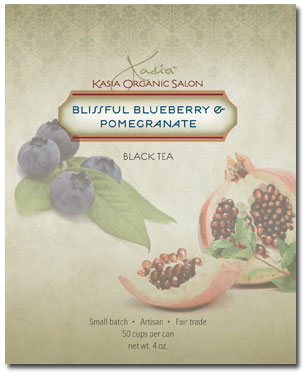
Kasia Loose Leaf, Artisan,  Fair Trade Tea's are the latest best seller! 50 Cups per 4 Oz!

*********

APRIL EVENTS

HORMONE'S -  A REDEFINING APPROACH TO WOMEN'S HEALTH

Sunday, APRIL 18th 4-6 pm

RVSP HERE

&

25% OFF a Nontoxique hand cleanser * Drop Off!

Wednesday, April 21 2pm – 8pm

Stop by Kasia Orgaic Salon and drop of your toxic antibacterial hand soap or just take a few minutes to learn more. Your trade in will redeem 25% OFF a Nontoxique hand cleanser!  Plus meet  fabulous Sheila, owner of NONTOXIQUE!

*********

Enjoy our "Informed Beauty" article (ALSO found in May's Issue of TC Natural Magazine!)

You’ve Been Greenwashed!

How to Make the Best Natural and Organic Product Choices

“Green or Eco-friendly packaging, ingredients, soil, and sourcing?  How do we ensure that each of us can make a difference in health and sustainability in our own, personal way?“

Did you know that most consumer personal care and lifestyle products have a high number of harmful chemicals and additives that can negatively affect your health, hair, skin, and body? With that in mind, it is so important to put critical thought into the products you are using, especially since any ingredients within your personal care  products can be absorbed into your body to negatively affect your circulatory system.

The first thing to take into consideration is the type of product you are purchasing. Kassie, owner of Minneapolis’ first natural and organic salon, screens all products first for their ingredients and long term safety, followed by their finishing results for the consumer.  As pioneer(s), Kasia Organic Salon is proud to "educate women, build trust, and cut through the greenwashing."

Within the growing buzz of eco-friendly awareness,  there are products that may unfortunately claim to be green when they truly don't live up to expectations. This process is called greenwashing.

What Is Greenwashing?

For a product to be labeled as natural and organic, it is so important that it lives up to strict standards to ensure that all ingredients are safe and usable. It is difficult to differentiate which products may be the best since many seals look similar or are regulated by different agencies. Greenwashing refers to a product that claims to be green or eco-friendly, but unfortunately, may not live up to strict standards in safety. A greenwashed product may use clever advertising to appear natural, though it still may not contain ingredients that are certified as organic.

Examples of a Greenwash:

ý Clairol is an example of a company that claims to offer a "truly organic experience" with its Herbal Essences line of shampoos but, according to the report, uses chemicals such as sodium lauryl sulfate, propylene glycol, and D&C red no. 33, which are not organic. (The report notes that Clairol does use some organic ingredients, does not test on animals, and uses 25 percent post-consumer recycled plastic in its bottles.)

ý Tyson Chicken promotes its products as "all natural," even though the company treats its chicken with antibiotics.

Be an Educated Consumer!

These days, the savvy consumer must keep in mind that many product lines are playing into the eco-friendly and green market to meet their bottom line motives. To further educate yourself, it is best to look for trustworthy certifications to guarantee that a product is safe and organic to protect the health of your body and the health of your skin!

Taking Steps Toward Improvement

According to the website bsdglobal.com, “Understanding the demographics of green consumerism helps business owners to explore the environmental market. Research has shown that green consumers are sincere in their intentions, with a growing commitment to greener lifestyles; almost always judge their environmental practices as inadequate; do not expect companies to be perfect in order to be considered ‘green’. Rather, they look for companies that are taking substantive steps and have made a commitment to improve.”

What to Look for:

ý    Look for the top two product seals to certify green ingredients: USDA and the Green Seal. (Try USDA certified Mercola Healthy Skin products and Simple Green certified cleaning products.)

ý    Read all ingredient labels carefully to make sure that chemical and preservative ingredients are not included. (Avoid chemical ingredients in Cover Girl, L’Oreal, and Maybelline.)

ý    Look for products that are cruelty free and not tested on animals. (Try Hamadi Hair Care and La Bella Donna Minerals.)

ý    Look for concentrated cleaning products that contain less water and use less energy to produce. 

ý    Avoid all aerosol products, which can be dangerous to users and the environment. (Avoid Redken Forceful 23 Hairspray and Aussie Flexible Control Mega Hair Spray.)

ý    Look for recycled product containers, which may not be the most attractive, but minimize the impact on the environment.

ý    Use online resources to find certified green products at www.greenpeople.org and cruelty free products at www.navs.org.

What About the Claim “Au-Naturale”?

Everyone should be familiar with the “all-natural” claim.  Most people assume that “all-natural” or “naturally-pure” means safe, good, or green, but unfortunately, this is not always the case.

"Natural" on a package doesn't necessarily mean a product is good for the Earth.

Chemicals and pesticides come from nature. Aveeno Active Naturals body lotions, for example, contain oatmeal and come in earth-toned bottles printed with plant leaves, but the products are also made with petrolatum, a byproduct of petroleum, which is a finite resource whose processing pollutes the air and water.

Unless a specific definition or explanation is offered, this claim is committing one of Environmental Marketing’s Seven Sins of Greenwashing - the Sin of Vagueness, claims Co. TerraChoice.  In this study launched in 2009, researchers found that 27% of supposedly “green” cleaning products studied in the U.S. were committing the Sin of Vagueness.

Companies and consumers should keep in mind that there is no such thing as a perfectly “green” product: environmentally preferable products are “greener”, not “green.” Environmental progress will happen one step at a time, and individuals have an enormous ability to help demand and shape the marketplace to require greater measures taken in safety and transparency.

Now that sounds like a “natural” solution, doesn’t it?

Kassie Kuehl is a respected leader and educator in natural health and beauty care. The founder of Kasia Organic Salon and many result orientated "beautiful health" products, and experts in ammonia free hair color.  Kasia remains on the cutting edge of all-natural, chemical free, and organic professional hair, skin, and body products and services.

Become an Informed Beauty, contact Kassie at 612.824.7611

or visit www.kasiaorganicsalon.com

....continue to become an informed beauty, and to not settle for anything less than total transparency, accountability, and commitment to quality, safety, and effectiveness. You--and your skin--deserve the best of everything in holistic beauty and health.

Color Fading? Prolong your investement -Hamadi will keep you bright and beautiful!

Tired of spending hours at the salon just to watch your hair color wash down the drain?

Take a look  at  what causes color fading and how to prevent it, and PRODUCTS WE LOVE!

In my experience, there are two common causes for color fading:

1.)  Using a shampoo that contains harsh sulfates (SLS)  and a high in chemicals

2.) Exposure to environmental elements like the sun’s UVA and UVB rays.

Pass up Walgreens........Some of the most popular drug store products-even those designated for colored hair- may cause color fading, and even when you’re indoors the sun can cause color to oxidize, thus resulting in a faded, dull look.

Listed below are PRODUCTS KASIA ORGANIC SALON LOVES for achieving lasting color and prevent further fading:

Purchase natural and organic shampoos and conditioners that are specifically formulated for color treated hair.

Hamadi Hair Washes do not contain sodium laurel sulfate, which other products use to create a "lather" or “suds”.  Sulfates used in shampoos for its detergent and foam-building abilities can cause eye irritations, skin rashes, hair loss, scalp scurf similar to dandruff, and allergic reactions. Sulfates strip your hair of natural oils and nourishment.  Our hair washes use natural sudsing agents derived from coconuts, leaving the hair feeling clean and not heavy with detergents.  It takes about 2 weeks after switching to Hamadi organic hair wash for hair and scalp to detoxify chemical build up!
Hamadi Lemon Mint Hair Wash is a clarifier that removes toxic build up from environmental pollution and styling products while sealing in color.  Organic Mint Essential Oils invigorate and stimulate the scalp, especially after damage from color-treatment or lightening.  Provides sensational aromatherapy experience in the shower with Peppermint, Green Mint, White Cedar, Lemongrass, Lemon, Grapefruit, and Rosemary organic Essential Oils.  Organic Lemon and Grapefruit Essential Oils rebalance hair’s natural pH and return shine.

Where Natural Protectants against UVA and B Rays!

Hamadi Shea Spray: the best natural shine spray on the market.  Unlike other toxic shine sprays that end up harming your hair, Hamadi will actually nourish and protect your hair while giving great shine.  In addition to organic Aloe, Sea Kelp, and Shea Butter, our Shea Spray is made with organic Avocado, Ylang Ylang, and Rosemary essential oils.  Organic Shea naturally protects against the sun’s damaging rays and at 4oz, it’s the perfect size to toss in your beach bag!

Wash your hair every other day instead of daily. Use cool to cold water to prevent any color from rinsing out, as warm or hot water opens the hair cuticle allowing color an easy escape. Cold water keeps the cuticle closed and encourages healthy, shiny hair.

Deep condition the hair approximately one week before your color treatment, and directly after. The added protein and moisture will prep your hair, resulting in a more even color result.

Hamadi Shea Hair Mask is a great organic spa hair treatment.  Just sit back, relax, and take in the delicious aromatherapy of organic Vanilla and Ylang Ylang essential oils!  No heat cap required, you can put on in the shower for a quick treatment or sit and leave in for longer for deeper treatment. Give your mother Heather Graham’s beautifully nourished locks with Hamadi Shea hair Mask, the organic treatment of the stars!

or a top seller......

Hamadi Shea Leave In is a celebrity favorite and one of our top-sellers!  Smooth fly-aways and tames curls with nourishing Shea Butter, and is an absolute must for natural protection against the summers harsh rays!  Leave In after washing hair for light conditioning that won’t weigh the hair down but still delivers great shine. Also can be used for styling to heal hair on the go! Organic Rosemary, Jojoba, and Ylang Ylang essential oils give great aromatherapy while you’re away from the comforting scents of home.  No gooey waste here-rub in any excess into hands as a moisturizer!
Kasia Organic Salon Supports products that are:
Organic SLS-Free Cruelty- Free Paraben-free Biodegradable Hair Care Made with Organic Essential Oils

WATCH "KASIA Organic Salon Open" on WCCO NEWS!

What a blessing to be featured.....

Our Company "Kasia," is based on the belief that our customers' needs are of the utmost importance. Our entire team is committed to meeting those needs. As a result, a high percentage of our business is from repeat customers and referrals.

We would welcome the opportunity to earn your trust and deliver you the best service in the industry.  If you know someone who could benefit from this, feel free to forward it to them!

Thanks for reading! If you know someone who could benefit from this, feel free to forward it to them!

Organic Salon Opens After Neighbor Businesses Burn

Reporting Bill Hudson

MINNEAPOLIS (WCCO)

It's an entrepreneur's nightmare. You find just the right neighborhood for your new business, and then a day before you open, the neighborhood changes.

That's exactly what happened to Kassie Kuehl. On February 18th, a fire destroyed the southeast corner of the 50th Street South and Bryant Avenue business district. Popular gift shop Patina is gone, along with two well-known restaurants, Heidi's and Blackbird.

The day after the fire, Kuehl opened her the new Kasia Organic Salon on the northeast corner of 50th and Bryant. There's less foot traffic than she hoped for, but she hopes her organic approach will bring clients in.

Kuehl considered leaving the beauty business a couple years ago. While working at an Aveda salon, she started to have health problems.

"Headaches, nauseous, just loss of appetite. I wasn't comfortable at all," said Kuehl, assigning blame to the chemicals found in many salon products. "They made me sick, absolutely."

Kasia Organic Salon features organic services and products, including Kuehl's private line. Client Nancy Halvorson came to the salon because of Kuehl's natural approach. She eats organic food and figured this would be a natural next step.

"I think once you start down that road, you realize how much everything affects you," said Halvorson, her hair covered with foil. "You just become a better steward all around, not only to your body, but then that kind of spills over the environment and how you're treating the whole world."

When asked why other salons don't go all-organic, Kuehl said, "Costs. It's bottom line. It's more efficient. They can shelve a product for years without it going bad."

Kuehl believes that in the future all salons will operate this way. Until then, her clients can come to 50th and Bryant to get their hair colored without the strong smell of ammonia.

"I love it, I love it," said client Halvorson. "Love not having to smell the smell, and my hair feels great. It lasts a long time."

Paula Engelking, Producer

Contact Paula

WATCH THE VIDEO HERE!

// User Icon Setting (may be set to BLACK, WHITE or NONE):