CORTISOL: THE LOW DOWN ON STRESS, AGING & FREQUENCY

cd.gif

Cortisol is in charge of your bodies response to stress. ⠀ 

In healthy adults, cortisol is at its highest in the morning, giving you the drive and energy to begin another internal cycle within the body at the start of a new day. It is also released whilst we exercise. Well balanced cortisol levels are vital for basic human survival, but when these levels fall out of whack it can have unfavourable side effects. 

Cortisol is a natural steroid hormone created in the adrenal glands, where it then gets into the bloodstream and travels around the rest of your body.

Due to the very nature of the hormone and the fact that there are cortisol receptors within most of your body cells, it can effect everything: Skin, temperature, blood pressure, appetite, memory processes and many other things. Too much cortisol can overload natural body processes, and cause inflammation. 

 Stress & Your Skin
Stress causes a chemical response in your body that makes skin more sensitive and reactive. This is mainly down to cortisol preventing the release of substances in the body that cause inflammation, and we all know what unwanted issues chronic inflammation can bring. ⠀

High levels of perceived stress and increases in cortisol have been found to lengthen the wound-healing time in healthy adults. It also interferes with the testosterone pathway, making sebum sticky and therefore more likely to trap any bacteria build-up in the pores and cause breakouts. 

Your emotions and mental health are so closely connected to your skin and in order to try to keep those levels of inflammation down, its important to take note of what might be causing those cortisol levels to rise, as well as looking into any topical treatments or products. ⠀

Stress is proven to weaken the immune system, which is essential to keeping us healthy! The stress hormone, corticosteroid, suppress the immune function so that our infection-fighting white blood cells are less able to battle the antigens that enter our body. So, you may notice in particularly stressful times that you’re more prone to getting a sniffly nose or adrenal fatigue.

The body’s response to stress increases your heart rate. The stress hormone, adrenaline, that’s triggered by the natural “fight or flight” response, causes the heart to beat faster and blood pressure to increase. So, constant stress puts your internal self into overload –damaging effects on your health, skin and hair, too! 

HOW STRESS AFFECTS YOUR SKIN HEALTH

skin vibes.gif

ACNE

There are a few reasons why you might notice breakouts on your skin, whether that be in the form of acne, psoriasis or eczema. The release of the stress hormone, Cortisol, throws your other hormones off balance, causing imperfections to appear on the skin. Stress can also affect your gut, by outweighing the good and bad bacteria that sits in it. Uneven bacteria in the gut can cause rashes and hives, as well as unwanted pimples.

There’s the added factor of diet when you’re experiencing stress. When working long hours, it’s not uncommon for you to choose quick and easy food, as well as energy drinks or coffee to keep you going. These dietary choices can show up as pimples and blemishes on the skin, and exacerbate existing skin conditions.

UNDER EYE BAGS

Under-eye bags are far from ideal – they make you look tired and ill, and there’s only so much concealer you can cover them with. When you’re experiencing stress or burnout, there’s a high chance that you’re lacking the sleep you need, which in turn makes you feel more stressed. Sleep deprivation results in higher levels of Cortisol itself, so it antagonizes the body even more!

Bags under the eyes are caused by the pooling of fluid to the area around the eyes, and the best way to fix them is by getting more sleep and staying hydrated. You can also apply serums, which can improve the appearance of under-eye bags. Evoq’s Eye and Lip Cream is proven to encourage the renewal of skin health, reduced inflammation and stagnation and tighten and hydrate the skin so it looks firmer.

DARK CIRCLES

When we are stressed, we can actually break the fragile and vulnerable capillaries under your eyes. The blood can leak into the epidermis and become oxidized, which will result in a dark purple hue and a discoloration of the skin, creating the dark circles – giving that tired appearance.

Not only this but when your body is dealing with stress, blood will be distributed to different, more important areas of the body, which doesn’t include the face and skin. The more stress your body is under, the more likely you are to look pale and drained as the blood is focused on the organs; making sure they keep working correctly. This, in turn, will make the appearance of dark circles more noticeable against the paler skin.

DRY FLAKES & FINE LINES

When we are stressed, our body can react in different ways. We may feel more emotional, lose our appetite, experience mood swings or it can affect our sleep – resulting in difficulty to function throughout the day.

This is when the fine lines and wrinkles can form as a result of your body choosing to produce more cortisol. This stress hormone has been known to break down collagen in your skin, so the more stressed you are, the more the hormone will attack your skin regeneration, resulting in a few new fine lines and wrinkles.

With lack of sleep, you will begin to show signs of fatigue; Fine lines and wrinkles will appear as the elasticity weakens, with your eyes falling victim first.

Dehydration can be dangerous for your inner organs as well as your skin, which is itself an organ. Hydration is a key factor in the body’s production of collagen, which is what keeps your skin looking bright, youthful and plump. Without collagen, wrinkles and fine lines are more visible, and skin may start to sag.

Staying hydrated will also keep your skin from looking dry and flaky – you should moisturize on the outside and stay hydrated on the inside to avoid dry skin! Try Evoq’s Ultra hydrating Youth Renew Oil or Pro-Collagen Cream for full-face hydration – taking the time to quiet your mind and relaxation time you need!

HOW IT AFFECTS HAIR HEALTH

Stress has been linked to hair loss and thinning, but the causes could differ! The same way stress can damage the appearance and feel of your skin, it can also be detrimental to the health of your hair.

HAIR LOSS

There are three stages to the hair growth process: The Anagen stage (growth), the Catagen stage (transition), and the Telogen stage (rest). Stress can trigger what’s known as Telogen effluvium, which occurs when the hair growth cycle stops at the Telogen stage, and the follicles don’t grow any new hairs.

Telogen effluvium is a reversible condition and is just a temporary disturbance to the cycle. With changes to lifestyle, you can stop it.

Alopecia areata is a condition where the immune system attacks the hair follicles, causing patches of hair to fall out at one time. It’s often associated with experiencing high levels of stress for an extended period. The cause of it is likely to be a weakened immune system, so once you lower stress levels, the hair will stop falling out and in most cases grow back.

If you are experiencing hair thinning, try the powerful Root Revival Hair Health program. It’s proven to promote hair growth using actives that strengthens hair and encourages high cell turnover for new hairs to grow. So powerful, its two times stronger than minoxidil.

Not to forget all negative thoughts low in frequency literally dump maladaptive frequencies and stress producing hormones your body - effecting your health by lowering your immune system.

Is meditation or a cup of hot caffeine free herbal tea calling you?

Net Net:Today’s Epidemic of STRESS is Real - dangerous.  

 This is mission-critical -

When it comes to your wellness and beauty, do you seek the right techniques that will help you work smarter, not harder - yet you still find yourself stuck in complete overwhelm wanting to cut through the crap and get crystal clear on what’s really going on and what’s really draining you from achieving your deepest desires, goals & dreams? 

Your Mission should you choose to accept is to learn how to master your energy and time on a daily basis so that productivity, serenity, and clarity become a way of life for you. Complete each day having accomplished what you set out to do, feeling fulfilled, at peace and with joy.    

What to learn more about how you can address your stress at the deepest level by integrating quantum health and beauty biofeedback?

CONTACT ME TODAY | kassieannk@gmail.com


Breaking the Sound Barriers of Disease The Future of Wellness

Welcome to the Future of Wellness

This is a profound article Sharry Edwards research and pioneering work in voice biocoustics and how this proves the profound power of our voice - and self healing through precise energetic inquirey via the Biofeedback Life in Bloom Program.


Does the Proof Exist?

Are we Merely Sophisticated, Self-Programming Robots?


Is Frequency, as sound, light, vibration, aroma… the basis of our Universe? We measure it, study it, quantify it and use it to understand ourselves, our environment, our biochemistry and our behaviors. But what if frequency, defined by math, actually dictates and maintains our origins?

What if Math, used to explain the basis of everything, is more than synthetic equations? What if math is organic? If so, could we be considered math-based life forms? If we break the codes of our existence, could that information be used to provide optimal form and function for our planet and all of its inhabitants?

In order to provide predictability and safety, the concepts of math and medicine often act conjointly to quantify, define and model medical practice. Studies conducted by the non-profit Institute of BioAcoustic Biology & Sound Health, located in Albany, Ohio, USA, have consistently demonstrated that math can be much more than a measurement tool. The case studies they have amassed, using Math, as frequency-based BioMarkers, indicate that the solution to therapeutic predictability and resolution may be possible.

The Institute has provided a foundation which demonstrates that just as there are Pathways of compounds called Chemistry, there are Mathways of subtractive frequencies, dubbed Sonistry, which can be used to create numeric biomarker matrices capable, individually and collectively, of being therapeutically predictive, diagnostic and prescriptive.

To date, there is no universally accepted modality that has the potential to assist in our biological survival or threat of biological, radioactive and pandemic threats, reverse stroke and muscle trauma or support space travel. The Institutes frequency-based solutions show the ability to overcome bone-loss and muscle atrophy. Conventionally, in many instances, by the time the cause has been identified, it is often too late to provide remediation. Frequency-based medicine has the ability to provide a prompt and corrective direction in person or via the internet.

Consider the brain as our central processing unit. Frequency based signals are generated and have been determined to be a communication pathway travelling along neural networks that self-monitor and provide stasis.

Frequency can be represented in terms of mathematical equations. If math can be proven to be a form of healing, does this indicate that math may be organic or that we may just be sophisticated art forms that someone/something created using mathematical algorithms?

Sharry Edwards, the acknowledged pioneer, of Human BioAcoustic Biology, is well on her way to proving that at our core we are very sophisticated math-based robots. She states that we can be “managed” through our individual frequency/energy-based Signatures. She asks that we imagine a future in which we can be individually identified and maintained through the use of individual biomarkers that keep us healthy and emotionally balanced.

Her work at the Institute has shown that we can each have dominion over these frequencies by individual mind management or by a simple remote control that is completely programmable. Using the unique techniques of Vocal Profiling and evaluation, anomalous emotional, as well as physiological, issues can be unraveled and resolved. Edwards actively teaches wellness providers to understand the potential of Math as Medicine.


Studies substantiate that the human voice can reveal data which indicates that people who share similar traumas, stress, diseases, toxicities…share similar, if not identical, vocal anomalies. The data brings together ancient knowledge with modern ideas of harmonics and frequency relationships to show that math can be used as a form of predictive, diagnostic and curative foundations for optimal wellness.

Through entrainment of the frequency grids of the brain, the body can be programmed to support its own optimal form and function. The essential element is accurately identifying the appropriate/significant frequencies associated with each individual.


String theory proposes that infinitesimally small strings create our bodily structures but doesn’t answer the question of how this transformation occurs. The brain communicates using the language of frequency and has the ability to reveal individual DNA/RNA templates that have the potential to promote and extend life. Edwards’ work provides many of these answers as to how these theories can be put to use to bring the Truth to the surface about who we are, how we got here and where we are going in terms of our intention and health.

Elon Musk, founder of SpaceX, was inspired by Nick Bostrum, an Oxford philosopher, to think that it is likely that everyone on Earth today is living in a Simulation. Theoretical Physicist, S. James Gates, states that he and his students has found a mathematical structure that is indistinguishable from error correcting code of digital information transformation. Because of this, many people have concluded that the Universe in which we live must resemble the science fiction movie, The Matrix. He also claims that he has found computer code in string theory and plant DNA and that our Universe is basically a Simulation created by a Maker.


We have created computers in the image of our brain; music that emulates our DNA, movies in the image of our lives, books in the image of memories. How hard is it to believe, as is related in many religious writings, that a Maker created us as a replica of his/her self and placed us in a Simulation that allows us to play and learn. Dis-ease results when our programming mechanically wavers off-key.

Is frequency our new medicine or our Maker’s mysteries revealed? There have only been a few modern keepers of the Holy Grail mysteries. Sharry Edwards has been identified by author Sylvia Franke as one of the extraordinary beings walking the earth that is bringing forth the secrets kept from the populace for many eons. Her work has helped identify the hidden codes of life that add meaning and new dimensions to our existence. She will likely be best known for her ability to bridge the gap between the innate, esoteric and scientific realms of human evolution.


ADDENDUM

As I read this article, I’ve begun to realize an enormous possibility: whoever controls this protocol of living will surely have the power to control all human life. Who should that be? My deepest desire is that that honor should belong to the People.


REFERENCES

https://www.businessinsider.com/the-matrix-do-we-live-in-a-simulation-2019-4

https://www.youtube.com/watch?v=2ZQv1wWnOm0 – Is the Universe a Mathematical Simulation?
https://www.beckershospitalreview.com/healthcare-information-technology/geisinger-testing-ai-powered-vocal-biomarker-that-identifies-copd-flare-ups.html

https://www.openpr.com/news/1193798/Vocal-Biomarkers-Market-2018-Expected-Reach-USD-2-5-Billion-Revenue-at-Booming-CAGR-of-14-5-Detailed-Analysis-by-Global-Industry-Revenue-Asserts-MRFR-Till-2023.html


Pioneer of Vocal Profiling Creates Online WorkStation to Promote Sound Health & Sound Healers

The Vocal BioMarker market is expected to reach revenues of 2.5 Billion in the next few years because conventional giants like MIT and the Mayo Clinic have joined the extensive investigation efforts of this emerging science. This is good news but the acknowledged pioneer of BioAcoustic Vocal Profiling, Sharry Edwards, Med, wants to provide access of her originating protocols to the populace in order to support the opportunity for SELF-HEALTH.

Edwards sees the human brain as being akin to a computer’s central processing unit that sends binary signals of instruction to support the body’s functions. The evidence she and her staff at the Institute of BioAcoustic Biology have amassed show that the body can be influenced to heal itself using frequency, sound and music. Edwards’ conclusions show that her work has been able to reveal the foundational mathematical codes of frequency-based medicine. “Math as Medicine has been a long-time coming but it is our Future,” states Edwards.

The voice anomalies can indicate a lack of optimal health in the body.

To learn more about how to use biocoustics and biofeedback, contact me and I’d be happy to share with you - how powerful your voice truly is!


How Yoga and Meditation Can Help You Take Control of Negative Emotions

Yoga and meditation are forms of mindfulness that allow you to both focus on and let go of emotions. The benefits of doing yoga and regularly meditating are astounding, and many people turn to these practices to deal with negative emotions. There are several ways this approach can help you to manage your feelings.

Anger

Anger is a normal feeling that shouldn't cause you to feel shame. However, if you feel like you have a problem getting control of your anger once you're triggered, then yoga and meditation can help. They can help you learn to respond to situations instead of just reacting. Both practices focus on being in the now. You'll stop replaying past events or worrying about what might be waiting in the future. By focusing on your breath, you can get your brain more oxygen and settle your body and mind. This helps to alleviate anger and leaves you able to think more clearly about why you're so upset. Controlling your emotions can help prevent road rage, lashing out at someone as well as other outbursts of anger. It's beneficial to learn how to control your anger so that your response doesn't hurt other people. It also helps you to live a healthier, happier life.

Sadness

Yoga and meditation don't require you to repress your emotions. In fact, they can help you to deal with them in a constructive way. You may find yourself crying during a yoga practice because you feel able to release your emotions. This can actually help you to deal with whatever is making you sad. Instead of avoiding them, you're facing your feelings head on and finding a way to work through them. Meditation also allows you to handle grief without being consumed by it. You're encouraged to use your senses to notice the world around you and to ground yourself when you meditate. This helps you to see your sadness without falling so deep into the emotion that you feel incapable of escape.

Anxiety

Anxiety is hard to deal with and can manifest itself differently in people. Fortunately, meditation can help get you out of your stressed thought patterns and relieve the anxious feelings you're having. Meditation pulls you away from overthinking and asks you to focus on the now. Your "now" doesn't have to be perfect for meditation to relieve your anxiety. Simply slowing down your thoughts and letting yourself handle what's right in front of you can alleviate anxiety. The deep breaths you take in both mediation and yoga give you something to focus on besides the thoughts that are racing through your mind. These practices can short circuit your monkey mind and allow you to become aware of your thoughts and how they're affecting your body.

Meditation and yoga offer proven benefits to your mental and physical health. Take control of facing your feelings and working through them constructively by embracing these two practices. Doing this will help you to not only take control of your life but also to feel better in general.

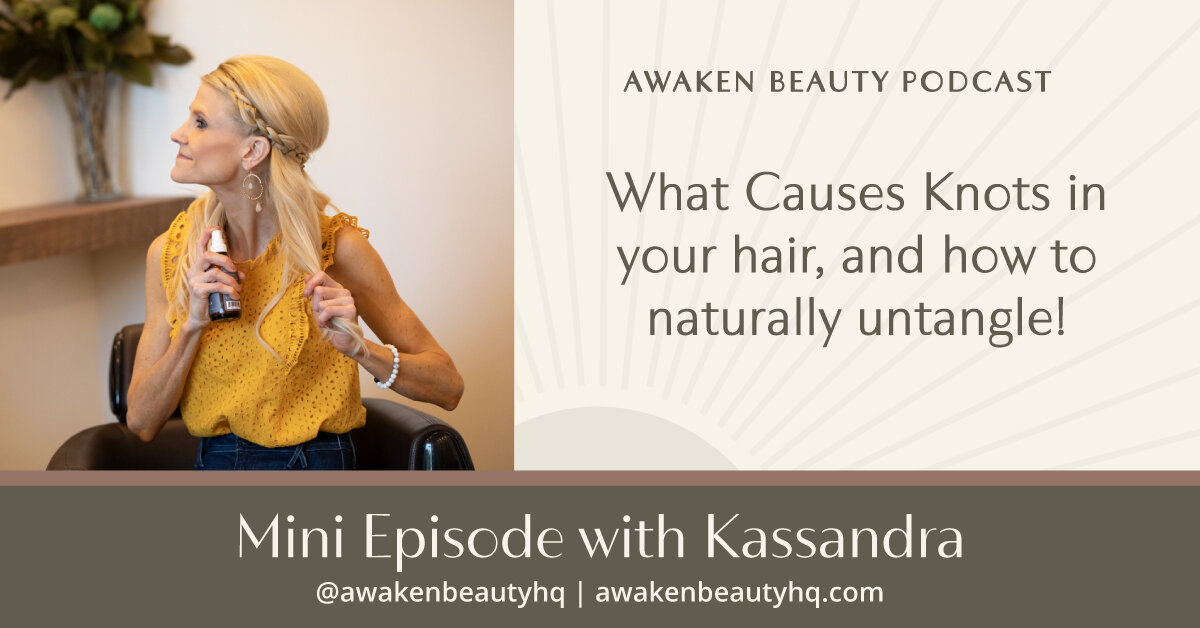
What Causes Knots in your Hair, and how to untangle!

We all want beautiful, silky-smooth hair. Unfortunately for most of us, though, knots and tangles are an inevitable part of life.

You can have gorgeous, knot-free hair! All it takes is some TLC to get those pesky knots out. And with a few tips on how to prevent them altogether, your hair will be looking better than ever.

To naturally prevent and unknot your locks, head over to Evoqbeauty.com and receive 25% off your first purchase!

Full Show Notes:

We all want beautiful, silky-smooth hair. Unfortunately for most of us, though, knots and tangles are an inevitable part of life.

You can have gorgeous, knot-free hair! All it takes is some TLC to get those pesky knots out. And with a few tips on how to prevent them altogether, your hair will be looking better than ever.


What Causes Knots In Hair?

Hydrate your hair for knot-free living.

You may have noticed that certain types of hair seem to be more prone to knots and tangles than others. But what is it that actually causes your hair to knot?

Tangles are caused by the exterior layer of your hair, which is known as the cuticle, getting damaged. This means that instead of laying flat and closed, your cuticles are open and get caught on each other, causing knots.

Another way that tangles are caused is by your hair not being sufficiently hydrated. Always make sure to keep your hair properly hydrated by using the right shampoos, conditioners and hair care products for your specific type of hair.

Top 3 Ways To Undo Knots In Hair

1. Undoing Knots While Brushing

Brushing your hair the right way can help keep it smooth.

If you have knots in your hair and you don’t want to end up looking like a frizz-ball, try applying a small amount of oil based or silica based serum to your hair before brushing it.

This will help the brush go through your hair more easily, which will help detangle your tresses. Otherwise, you can opt to use a regular detangler. Start from the ends of your hair and work your way up, then brush out your hair gently.

2. Undoing Knots Caused By Products

Olive oil can help smooth your hair.

Yes, you use products to make your hair better. Sometimes, though, you may have applied more product than intended, especially when it comes to hairspray. It’s so easy to spray too much or to spray too close to your hair. This can often lead to unwanted tangles.

If that’s the case, your best bet is probably a bit of oil. Use a natural oil, such as argan oil or olive oil, or a serum, and apply it around halfway down your hair. You don’t want your roots to look like an oil bath. Work the oil through your hair until the tips, and then brush it gently. The oil will break down the product and help add moisture to your hair, making it softer and more manageable.

3. Undoing Knots In Wet Hair

Wet hair doesn’t have to be knotty.

After coloring your hair, you want to be careful on untangling the hair. Its just gone through a chemical process and is fragile. Same with hard water, these are ph imbalances in the hair that you want to be careful - as they build up over time, dry the hair and can cause it to snap.

If wet, knotty hair is your struggle, apply a good conditioner and use a wide-toothed comb to work it through your tangles. When drying your hair, blot or squeeze it dry rather than rubbing it. Rubbing your hair dry can cause it to tangle, and that’s exactly what we’re trying to avoid here.

How To Prevent Knots In Hair

But as the old adage goes, “An ounce of prevention is worth a pound of cure.” This rings true when it comes to knots in your hair as well. I mean, rather than having to deal with knots, it’s even better to prevent them in the first place, right?

Change Your Hairstyle

Shake up your hairstyle to reduce knotting.

The same hairdo day in, day out, was actually contributing to my knots and tangles. When you tie your hair in the same place all the time, it causes stress to your hair.

Over time, this can build up and cause hair damage – which you might recognize as knots. So, do yourself a favor and have a few different hairstyles for every day. It’s also best to use a scrunchie that’s covered in material, as these types are softer on your hair than elastic hair ties.

Sleep With Your Hair In Mind

I like to put my hair in a soft bun when I got to bed, not allwoing it to tangle.

Also, while cotton may be cheaper, silk pillowcases are best for hair that is prone to tangling.

Condition, Condition, Condition!

A good conditioner is important for your hair.

Yes, knotty hair is all about conditioner, ladies. Make sure you’re using a good quality conditioner, and use it regularly (at least every time you shampoo) to keep the knots at bay.

You want equal parts moisture and protein. Take care to condition the ends of your hair to keep them healthy and strong. A leave-in or deep conditioning once a week is also a great idea for keeping moisture in your hair and preventing tangles.

Use A Hair Mask

Besides helping to detangle your hair, a weekly hair mask will also help it become shiny and silky and even help it to grow faster. It’s not a huge amount of effort, and it’ll give you some downtime to relax while your hair soaks in all the goodness.

Why not try our Evoq Hair Mask? After you apply it to your hair, leave it under a shower cap to sit. Run yourself a hot bath, turn on some soft music, and just let yourself be. Besides helping to condition your hair and prevent knots, you’re also unwinding and releasing your stress. Win-win!

Brush Those Locks

If your hair is super prone to frizzing (which generally comes along with knotty hair, unfortunately), you may be tempted to skip brushing. Don’t, though! Use a wide-toothed comb to get rid of knots, and brush gently and regularly to achieve (almost) tangle-free hair.

Go Easy On The Heat

Let your hair dry naturally.

Consistent heat is one of the main causes of hair damage – and one of the ways hair damage manifests itself is in the settings on your appliances, so your hair isn’t getting literally fried.

Conclusion

Knots are knot a life sentence! True, you might have to get used to some new hairstyles or pillowcases, or find ways to style your hair without subjecting it to heat all the time.

But in the end, you only stand to gain. Because healthier, shinier hair is not something that just happens.

With a little effort on your part, your knotty struggle can become a thing of the past.

To prevent and unknot your locks, head over to Evoqbeauty.com and receive 25% off your first purchase.  Code: "awaken" 


Share the Love:

If you like The Awakened Beauty Podcast….

Subscribe, Rate & Review via iTunes

Visit us at awakenedbeautyhq.com for updates.

Businesses: http://www.evoqbeauty.com | http://www.beautyecology.com

Instagram @awakenbeautyhq

Instagram @evoqbeauty

Watch on Youtube at my channel: Awaken Beauty Podcast

Shop natural health and beauty products with EVOQ

Taking Care of Your Skin When You’re out in the Sun

People love warm weather and sunshine. Whether you’re vacationing in Florida or a resident in California, the sun is a close friend. With too much exposure, ultraviolet rays can quickly become an issue. Your health is a priority, and as your biggest barrier, the skin is especially important. As such, it’s crucial to always remember that your skin needs to be protected.

Sunscreen

Sunscreen can be your best friend when it comes to providing protection for the skin. Consumers never realize just how often the sun reaches your body; it happens all day. Exposure even happens through glass windows while you’re driving. So, you should always apply sunscreen. If you’re preparing for outdoor activities, cover potentially exposed areas at least 20 minutes before heading out. For optimal protection, reapply every two hours.

You’ll need to purchase a sunscreen with an appropriate SPF amount. While the levels of SPF range, professionals recommend between 30 and 50 for most people. Of course, your skin tone and genetic history make a difference in the best SPF. Lighter skin may need SPF 50+ while darker skin may be covered with SPF 30.

As you’re searching for the best option, consider what’s inside. Be mindful of the ingredients in your sunscreen and avoid sunscreen that contains avobenzone. Sunscreen with avobenzone absorbs the UVA rays which can lead to aging and even skin cancer. These sunblock products typically only work for around 30 minutes; other harmful ingredients are typically added to boost protection time. Alternatively, choose natural sunscreens that have no chemicals. Some protectors have minerals, like zinc oxide, so your skin is protected and safe from harmful long-term effects. Remember to check the ingredient list before putting it on your skin.

Cover-Ups

Another easy way to protect yourself against sun damage is by simply covering up. A hat keeps your head and scalp protected. Long-sleeved shirts and pants provide your extremities with coverage too. Even the colors and fabrics in your clothing can make a difference. For example, dark clothes provide more protection than light clothes. Fabrics that are tightly woven, like denim and polyester, are ideal choices for UV avoidance. Of course, if you like to sit outdoors, an umbrella is also an ideal situation.

Shade

In most situations, the sun is at its highest intensity between 10 a.m. and 2 p.m. During these hours, it’s especially important to stay out of harm’s way, if your schedule allows. If you find yourself outside during these times, head for the shade. Structures such as trees and awnings are great for briefly hiding from the sun. Remember, though, it’s not 100% protection. Rays can still bounce and hit you from other reflective objects. Even still, it’s a free way to avoid constant sun rays.

Catching some rays sounds great but be mindful of the long-term effects of sun exposure. Your skin is critical to your overall health, so protect it as best you can. Always take precautions by wearing sunscreen, staying in the shade, and covering your skin from harmful UV rays.

Does your skin need some more TLC? Consider getting an organic facial treatment.

How Intimacy = Hormonal Health & Youthful Longevity.


Hello lovely!

I am so excited to share this EPIC EPISODE with Dr. Berkson!

TURN IT UP!!

Question.

Did you know that hugging can boost oxytocin and energizing testosterone levels?

Or that regular intercourse with someone you love and feel connected to is one of the BEST things you can do to preserve brain health and prevent dementia?

You’ll be blown away by this episode as we discuss healthy intimacy = hormonal health & vital longevity.

Dr. Lyndsey Berkson is one of the most fabulous, smart, and strong guests we’ve hosted on the Awaken Beauty show.

Dr. Berkson is an incredible female voice that is trumpeting truth and clarity for thousands of women as well as to Practitioners in the medical field around cutting edge truths on hormones, connectivity and removing toxicity in our everyday lives.

I’ve followed Dr. Lindsey’s research for many years and she’s influenced my business ethos behind my organic salon after reading the pioneered book at its time: “The Hormone Deception.” I’ve discussed many times about the importance of how not just the levels of our hormones, but how the conversation of our hormones help us function and age optimally - or dysfunction and break us down.

As infants, we require physical touch to ensure healthy development and brain maturation. Adults also require intimacy and connection to be mentally, emotionally, spiritually and physically healthy. Sadly, the truth is so many of us feel alone and disconnected (hello technology).

Get this ...a loving hug can increase oxytocin and decrease cortisol, deep conversations can be neuroprotective, and a true friend (in-person) connection can alter not just our emotional life but our biology.

Join a round table of women as we dive into the role between intimacy, environmental castration and how to save your endocrine system.


On Today’s Episode, You’ll Awaken to:

  • How the “DES” hormone was given to her mother as a prenatal vitamin which brought many cancers to her life even though she was healthy.

  • Setting the “Anti-estrogen” Fear Straight.

  • How toxicity overload is the number one increase to cancer, depression and advanced aging.

  • How hormone therapy protects women from getting an increase and reoccurrence of disease.

  • How women on Premarin had less cancer and disease compared to women not on hormones.

  • New research on HRT and estrogen within the Bluming Study : Estrogen Matters.

  • Moving out of fear and into self-love and intimacy in our lives.

  • The belief that hormones keep humanity going and the importance of authentic connection.

  • Is Oxytocin the next big hormone?

  • How oxytocin is treating depression, pain, headaches and a replacement of epidural in the future.

  • How chemicals block our joy and bliss receptor, keeping us from receiving the benefits.

  • Our healthy gut is a parasympathetic gut and depends on oxytocin.

  • How porn is ruining young minds.


About Linsdey:
My guest is Dr. Lindsey Berkson has been a leader in functional medicine and women’s health care for decades. She was a scholar at an estrogen think tank at Tulane University where she worked with the top scientists that have discovered how hormones function and dysfunction.

Lindsey is now a professor and mentor for physicians, pharmacists and other health care professionals within continuing education courses on hormones, gastroenterology (and the gut-hormone connection), nutrition and the environment.

Dr. Berkson has authored 21 books and hosts The Dr. Berkson’s Best Health Radio. She had breast cancer 24 years ago and has made “remission” her “mission”. Dr. Berkson now specializes, with science-based functional medicine tools, in working with breast cancer survivors to do the same.

Thank you for listening!


Healing with Menopause & Herbs

Women have commonly used medicinal herbs to manage menopausal symptoms and improve their overall quality of life. Herbs may be used to manage symptoms of menopause including hot flushes, night sweats, mood changes, insomnia (sleeplessness), fatigue, sexual dysfunction and vaginal dryness. The use of herbs in menopause is based on longstanding traditional use, some of which is supported by scientific evidence (available below). However, more research is needed regarding the effectiveness and safety of herbal therapies for the management of menopausal symptoms.

  • Every culture throughout the world has at some point used healing plants as the basis for its medicines. The plant parts that are used as medicinal herbs may be leaves, seeds, roots or flowers.

The types of herbs used to manage menopausal symptoms include: black cohoshdong quaievening primrosehopsKorean ginsenglinseed (flaxseed)red cloverSt John's wort and wild yam. Some herbs are used more specifically for low sex drive (libido), such as tribulus, maca and horny goat weed, whereas others are more commonly used for insomnia, anxiety and fatigue, such as lemon balm, valerian and passionflower.

Herbs or herb mixtures may be dried and combined with boiling water to make teas (infusions or decoctions), concentrated in alcohol and water to make tinctures or extracts, or made into tablets and powders. Herbs can also be used externally as a poultice (herbs made into a paste and applied to the skin) or made into creams and ointments.

Over the counter herbal products

There are many complementary and alternative medicine (CAM) products available over the counter and online, with various formulations of herbs and/or nutrients for treating the symptoms of menopause. The effectiveness of these preparations can vary greatly due to the combination of herbs used, as well as the quality or amounts of herbs used.

The best way to seek guidance about these herbal remedies is to consult a health practitioner trained in herbal medicine use, such as a herbalist/naturopath or Chinese medicine practitioner.

We know that about 13% of Australian women use CAM therapies for managing hot flushes, and that the three most commonly used CAM therapies are phytoestrogens (plant-based female hormones), evening primrose oil and ginseng.[1] We know that these are not necessarily the most effective remedies, and we also know that only about 25% of these women consult an expert for advice about these therapies. Therefore, many women may be making inappropriate – or indeed, ineffective – choices.

When buying herbal medicines over the counter, you need to consider some of these factors:

  • The quality and standard of herbal preparations, including those available over the counter and online, can vary considerably

  • Some herbal products can interact with other pharmaceutical therapies, but their labels might not necessarily carry a warning

  • The best way to use herbal remedies is under the guidance of a well-trained herbalist/naturopath.

Most common menopausal symptoms

Hot flushes and night sweats

Many herbal therapies have been tried for relief of hot flushes and night sweats in menopausal women. Some herbs have been found to be effective in reducing hot flushes, whereas others have been found to be no better than a placebo (dummy medicine). Some have not been studied rigorously.

Black cohosh is perhaps the most extensively researched of all herbs used for managing menopausal symptoms. It is available in many different products, which vary in quality and effectiveness, and it can be combined with other herbs to tailor a formula specifically for hot flushes. Evidence is conflicting: some studies show it is effective and others do not.

St John's wort, on its own or in combination with other herbs, has been shown to be significantly better than placebo in the treatment of menopausal symptoms.[2] In combination with black cohosh or passionflower, St John's wort may decrease hot flushes significantly and improve your mood compared to placebo.[3, 4]

Hops contain a potent phytoestrogen (plant-based oestrogen), and some research has shown that it may be useful for menopausal symptoms such as hot flushes.[5]

Red clover also contains phytoestrogens called isoflavones that may help ease hot flushes and night sweats, but seemingly more so in women who are postmenopausal (after menopause) than perimenopausal (around the time of menopause).[6]

Other herbal therapies such as dong quaievening primroseKorean ginseng and linseed (flaxseed) continue to be used for hot flushes, but evidence is lacking, or shows they are no better than placebo.[7, 8, 9, 10]

Mood changes, fatigue and insomnia (sleeplessness)

Common mood changes that menopausal women experience include irritability, anxiety and depression. Mood changes often go hand-in-hand with poor sleep and fatigue, and night-time symptoms certainly contribute to this. Some herbal therapies have been found to benefit these symptoms.

Korean ginseng is traditionally used to help improve fatigue, physical exhaustion and loss of physical stamina. It may also increase vitality and improve your concentration. It is one of the most commonly self-prescribed herbs for menopausal symptoms because of its female hormonal (oestrogenic) properties and its ability to help you cope with stress.[1, 11]

Chamomile is a gentle sedative, and its relaxing action may be useful for aiding sleep and anxiety.[12] Hops traditionally have been used to treat anxiety, stress and associated insomnia.[5] Lemon balmvalerian and passionflower can aid sleep and reduce anxiety.[13, 14, 15]

St John's wort is used traditionally for mild to moderate anxiety, irritability and depressed mood associated with menopause.[16]

Vaginal changes

Black cohosh, taken orally (by mouth) or topically (as a cream or pessary), may be useful for treating vaginal dryness.[17] Black cohosh pessaries or vaginal cream are available only from naturopaths.

Linseed (flaxseed) has been shown to reduce vaginal dryness by a mildly oestrogenic action of 'plumping up' the vaginal cells.[18]

Low libido (sex drive)

Many cultures use herbs with a reputation for increasing libido. It is not clear whether these herbs actually stimulate your sexual urge or have a hormonal effect. They possibly act as general tonics to increase energy and vitality and support your steady emotional state to help improve your sexual desire.

Many factors influence your libido, including your relationship with your partner, medications, general health and wellbeing, body image and vaginal dryness causing painful sex. It is important to address your lifestyle, nutritional, medical and particularly relationship factors that may play a role in your low libido, and not rely solely on herbal medicine.

Some of the herbs used for treating low libido include Korean ginsengtribulus and maca. Many formulas are marketed to women claiming to improve sex drive. 

Korean ginseng may improve sexual function and arousal in menopausal women.[9]

In a very small study of 45 postmenopausal women with low libido, tribulus was shown to reduce pain and improve sexual desire, arousal, lubrication and ability to achieve orgasm, compared to placebo.[19]

Maca has a reputation for improving sexual function, and is one of the most popular herbs sought for this. However, there is limited evidence to support these claims.[20] 

Herbal medicine glossary (alphabetical)

Black cohosh, Actaea racemosa, (previously known as Cimicifuga racemosa)

Family: Ranunculaceae

For centuries, Native North American women have used black cohosh for menstrual cramps and menopausal symptoms.[21]

Black cohosh is the most extensively researched of all herbs used for managing menopausal symptoms, and is available in many different formulations, which vary in quality and efficacy. Many of the clinical studies of black cohosh have used the commercially available product Remifemin®, or the extract Ze 450 (available as Flordis Femular®).

It is not clear how black cohosh acts on the body. It does not appear to act like the female hormone oestrogen, but may be involved in modulating oestrogenic pathways in the body.[22] It may mimic the actions of the neurotransmitters (natural brain chemicals) serotonin and dopamine.[23]

Precautions: black cohosh should be taken only for as long as your menopausal symptoms persist. It is generally well tolerated, although can cause headaches in some women. Headaches usually stop if the dose is reduced for a while, then gradually increased again.[21]

Black cohosh is often used in early menopause brought on by cancer treatments, especially breast, ovarian or endometrial cancer. Of all the herbs, black cohosh has the most research about its safety in support of its use. It appears to be safe in breast cancer patients, although further research is needed.[24] Women with breast cancer or other hormone-dependent tumours should always talk to their doctor before taking black cohosh.

Black cohosh has been associated with liver damage in some people, but this is very rare. The majority of cases suspected of liver damage have in fact been shown NOT to be related to black cohosh.[25] 

Chaste tree berries, Vitex agnus-castus

Family: Lamiaceae

This herb is widely used in women's health, particularly for premenstrual syndrome (PMS), and most studies support its efficacy[26], particularly with specific extracts. However, it is not usually considered useful for the management of menopausal symptoms. It may be useful for the relief of PMS symptoms in perimenopausal women with erratic cycles. It should be prescribed only by a health practitioner trained in herbal medicine.

Dong quai (Dang Gui), Angelica sinensis

Family: Apiaceae

Dong quai root is one of the most widely used traditional Chinese herbs for women's health, including for period pain, menopause and menstrual irregularity.[7] Some women believe it is useful for hot flushes, but overall the evidence is not very supportive; however, doses of dong quai used in research have been much lower than traditional Chinese medicinal dosage, and traditionally it is also used in combination with other Chinese herbs as powder or pill formulae.

Precautions: Due to the potential for oestrogenic (female hormonal) effects, some test-tube evidence suggests women with breast cancer should avoid dong quai until further safety information becomes available.[27] You should also exercise caution if you are on anticoagulant (blood-thinning) medication, such as warfarin, heparin or aspirin, as it can increase bleeding time. For this reason, you should stop taking it a week before any surgery to avoid bleeding complications.

Evening primrose oil, Oenothera biennis

Family: Onagraceae

Evening primrose oil originates from the seeds of the flowering plant and is a rich source of omega-6 fatty acids, gamma-linolenic acid and linoleic acid. It is widely self-prescribed and recommended by health professionals for treating hot flushes; however, it has been shown to be no better than a placebo (dummy pill) for hot flushes.[8] It may be effective, combined with vitamin E, for premenstrual breast pain.[28]

Korean ginseng, Panax ginseng

Family: Araliaceae

The ginseng root is a Chinese medicinal 'adaptogenic' herb, which is a herb that may promote resistance to external and internal stresses and may improve your physical and mental function.

It may be used for relief of menopausal symptoms, stress, fatigue, physical exhaustion and loss of stamina. It is said to heighten your vitality and concentration and improve your sexual function and arousal. One study showed that ginseng improved (ie, reduced) the number of hot flushes compared to placebo, but overall it did not improve symptoms of hot flushes.[9] 

Precautions: Korean ginseng has been associated with postmenopausal vaginal bleeding (bleeding after menopause). This could be related to an anticoagulant (blood-thinning) or oestrogenic (female hormonal) effect of the herb.[29] It should be used with caution in those on anticoagulant (blood-thinning) medications, such as warfarin, heparin and aspirin, and stopped a week before any surgery.

If you have hypertension (high blood pressure), or drink excessive amounts of caffeine (in tea, coffee, cola and energy drinks), you should not take Korean ginseng. It is also said perhaps to worsen infections, so is best avoided. You should only ever use it short-term (2–4 weeks).

Hops, Humulus lupulus

Family: Cannabinaceae

The female flowers of hops, known as strobiles or seed cones, are well known as the bittering agent in beer brewing. They also traditionally have been used to treat sleep disturbances, menopausal symptoms such as hot flushes, sexual dysfunction, anxiety or stress, and associated insomnia (sleeplessness).

Historically, hops were first observed to have some hormonal effect when female hop-pickers experienced menstrual-cycle disturbance. It is now known that hops contain a potent phytoestrogen (plant-based female hormone). The action of your gut bacteria (microbiota) may alter the effectiveness of this herb, but this varies between individuals.

There is some research that shows that hops may be useful for menopausal symptoms including hot flushes, as well as improvement in anxiety, depression and sexual dysfunction.[30]

Precautions: There is some evidence, from animal studies, that one of the phytoestrogens found in hops can stimulate breast-cancer cells to grow. Until there is further knowledge about the safety of hops, this herb, especially standardised hops extracts, should be avoided or used with caution if you have, or have had, breast cancer.[31]

Traditional evidence also suggests if you have had severe depression, you should not take this herb.

Horny goat weed, Epimedium grandiflorum 

Family: Berberidaceae

Horny goat weed has been used in traditional Chinese medicine for more than 2000 years to enhance libido in men and women, as well as for symptoms of menopause and PMS.[32] It is a popular herb, available over the counter, for both men and women seeking to improve libido and sexual function. However, there are no clinical trials using horny goat weed for menopausal symptom relief, or for sexual function.

Precaution: A single case of mania and increased heart rate has been reported in the scientific literature, associated with taking horny goat weed.[33] 

Lemon balm, Melissa officinalis

Family: Lamiaceae

Lemon balm leaves have been used for more than 2000 years in Europe and the Middle East to calm digestion, lighten mood and improve memory, and for insomnia (sleeplessness) and anxiety.[13] It is generally taken as a tea, either using the dried or fresh herb. Per cup, use 1 teaspoon of dried herb or 2–3 teaspoons of fresh herb, and infuse for 5–10 minutes. Drink up to 3 cups per day. To aid sleep, combine with valerian and drink one hour before bed.

Linseed (flaxseed), Linum usitussimum

Family: Linaceae

Linseed (also known as flaxseed) contain phytoestrogens (plant-based female hormones) called lignans. Your gut bacteria (microbiota) act on lignans, enabling them to have a weak oestrogenic effect. As lignans are found in seeds' cell walls, you must grind the seeds to release the lignans. Linseeds also contain an omega-3 fatty acid, alpha-linolenic acid, and are rich in soluble dietary fibre.[18]

In a small study, linseed has been shown to reduce vaginal dryness by a mildly oestrogenic action of 'plumping up' the vaginal cells.[18]

Human and animal studies have shown linseeds may be preventive for breast cancer.[34]

The recommended daily dose of ground linseeds is 25g, or about two heaped dessertspoons, which you can sprinkle on breakfast cereals, add to smoothies or make into muffins.

Precautions: Although flaxseed oil is rich in polyunsaturated fatty acids, it does not contain phytoestrogenic lignans, so it is essential to eat the seeds for the phytoestrogens and fibre.

Once linseeds are ground, the good oils oxidise and are beneficial for only about two weeks. Therefore, rather than buying pre-ground linseeds, they should be freshly ground and stored in an airtight container in the fridge for a maximum of two weeks.

Linseeds are high in fibre and may cause bloating or increased bowel movements in some women.

Maca, Lepidium meyenii

Family: Brassicaceae

Maca has been used for centuries in the Andes to manage anemia (low iron), infertility (difficulty becoming pregnant) and female hormonal balance. It has a reputation for improving sexual function and is also used for menopausal symptoms, but despite its popularity, there is little evidence to support its use in menopause.[35]

Passionflower, Passiflora incarnata

Family: Passifloraceae

Passionflower comes from the aerial parts and leaves of the plant. Taken as a tea or tablet, it may help with insomnia (sleeplessness). In a small study of 59 Iranian women, menopausal symptoms were improved with either St John's Wort or Passionflower (Passiflora incarnata) over six weeks. Symptoms of anger, palpitations, creeping feeling on skin (formication), depressed mood and muscular pain improved in the first three weeks, whereas the intensity of hot flushes and symptoms of headache, weakness and fatigue improved by six weeks of treatment.[4]

However, there was no placebo group in this study, and it is well known that hot flushes often improve with a placebo treatment, so larger randomised controlled (ie, with a placebo group) studies are needed to prove whether these herbs are effective for the management of these menopausal symptoms.

Red clover, Trifolium pratense

Family: Fabaceae

Traditionally, the flowers of red clover have been used for skin conditions, such as eczema and psoriasis, and coughs.

Red clover is one of the most widely researched herbs for menopausal health. It contains phytoestrogens (plant-based female hormones) called isoflavones, which can have oestrogen-like actions in the body. Most of the research conducted on red clover has been on the preparation Promensil®.

It may be beneficial for hot flushes, but evidence for its effectiveness is conflicting, due to varying formulations and dosages. Some research suggests it may be more effective if you are postmenopausal (after menopause) rather than perimenopausal (around the time of menopause), and if you experience five or more hot flushes per day.[6]

There is limited evidence that it may help to maintain bone health and perhaps reduce LDL cholesterol (so-called 'bad' cholesterol).

Precautions: The safety of red clover for patients with breast or endometrial cancer has not been established.[36]

Shatavari, Asparagus racemosa

Family: Asparagaceae

Shatavari is a traditional Ayurvedic (Indian) herb used as a general female tonic. The name translates to 'she who possesses a hundred husbands', hence its reputation as a herb for libido. It is thought to help with libido as it improves general wellbeing.[37] Shatavari contains compounds (steroidal saponins) that look structurally similar to oestrogen. Although this herb is one of the major health tonics and most popular Ayurvedic herbs to treat ailments of women, the way it works is poorly understood.

Source: Jean Hailies

Heal Frizz & Damage October 31st Keratin Express Special [Save $80]

Hi Lovely! GRAB THIS ONE DAY ONLY SPECIAL!

Hairy Horrors and Ghoulish Hair got ya’ feeling scary?

I only offer this special when you get a color service @beautyecology. For one day only, you can receive this special without a color and get this HAIR TRANSFORMATIVE WITCH BREW of KERATIN - OCT 31st ONLY!

Read more about the service - the benefits below!

BOOK IT!

EMAIL for your offer [ kassieannk@gmail.com ] or Txt: 612 386 4044

hair keratin

There is a fundamental relationship with your hair and essential amino acids.  

When left untreated, it undermines both your hair color and the cuticle integrity.  

But, when nurtured and treated right…. It can be a game changer! 

The Long and Short of it.

No matter what texture and type of locks you have --  fuller, youthful and longer lasting color are all part of every woman’s  #HAIRGOALS!

If bodacious, thick and shiny locks do NOT come naturally to you, the right ingredients and strategic salon services can be game-changing.

Get the quick cliff notes on exactly what to do when it comes to creating your most healthy and happy hair relationship. 

Dull. Destroyed. Devitalized.  

Topic at hand?  

PROTEIN.

Are you IN?
Fundamentally, shiny and more youthful hair starts at the root…..”aka” your nutrition and the steak on your plate.

Or OUT..
Shinier locks are also a direct reflection of how harsh, synthetic (silicone cheap cover-ups) or chemical laden your home products are.

Another key catalyst of breakage prone and dull hair is from harsh professional chemical services. (See how we address this below).

Perfect Hair Strand Check.

If you have the following strand checklist covered, then no need to read further.

  • Flexible movement and bounce

  • Vibrant color that shines

  • Concealed split ends

  • Strong

  • Thick and full of body

And If not…..Stop and REFLECT as we DELIVER HOW TO GET IT.
 

cog·ni·tive (2).png

Q:
Does your hairstylist have your best interest in mind (and cuticle)?

Hair cannot repair itself, so we have to put back in what was taken out.  Your hair’s condition is paramount and always comes first.   

At BE, we’ve re-engineered your color and home care essentials to keep your hair healthy, shiny and in top condition.

Traditional Hair Color + Amino Acid Degradation
Aside from toxic chemicals and off-gassing fumes harming our health, the traditional components in hair color such as ammonia (and tricky silent substitutions) severely depletes the hair’s delicate integrity and ability to hold your hair color.   

Color Conditioning Technology at BE
When I pioneered our professional color services at Beauty Ecology over 8 years ago, I sought first to remove deplenishing ammonia and peroxide altogether and replaced it with gentle marine enzymes - keeping your hair free of damage.

What happens when your FIRST LAYER of DEFENCE is compromised?

Net Net:  Your cuticle provides the first layer of defense for your hair.

Strand Anatomy
Your hair is made up of the cuticle (outer layer), cortex (middle layer comprised of protein), and the medulla (the center).

The Mane Appearance to Shine
When undamaged, your cuticles lay flat like tiles on a roof and your hair appears shiny.

On the Flip Side….When in Lack of Keratin
When damaged for too long and deprived of what it needs, it can never fully recover. Double the assault, It loses the capability to hold moisture, resulting in frizzy, dry, brittle hair -- as well as the inability to holding a curl and taking longer to dry.


static1.squarespace.png

Surviving the Split (ends) & Creating Your Best Happy Hair Relationship

Co-collaborate with our professional BE color team with an end-of-summer Keratin Therapy Session!  

Experience the Benefits with our Keratin Express Add-on to your next hair color!

To Have and to Hold

  • Prolongs hair color and tone

  • Gives fine hair more visible volume and bounce

  • Keeps hair outer layer on lock-down

  • Helps hold and lock in moisture

  • Keeps hair flexible and less prone to breakage

Get ALL your questions asked about Keratin Services HERE.

107444_Keratin Flyer Ad Design B_1_081517.png

October 31st Keratin Express Special
Save [$80]

NO COLOR NEEDED * STAND ALONE SERVICE | ONE DAY ONLY

EMAIL for your offer [ kassieannk@gmail.com ] or Txt: 612 386 4044


// User Icon Setting (may be set to BLACK, WHITE or NONE):