Hair and essential oils? Here's a quick guide!

Essential oils are gentle and natural and do not strip your skin or hair of it's natural protection. The condition of your hair is affected when you are under stress, tense or not eating properly. Essential oils are able to penetrate deeply into the hair shaft and follicle and aid the growth of healthy, shining hair. And there are even essential oils that encourage new hair growth as seen below.  One can add them to their shampoo, or do a scalp massage at night combined with Jojoba Oil.

Essential Oils for Hair Care:

Normal hair: Carrot seed, Cedarwood, Chamomile, Clary Sage, Cypress, Geranium, Juniper, Lavender, Lemon, Orange, Rosemary, Sage, Sandalwood, Thyme, Ylang Ylang.

Dry hair: Carrot seed, Cedarwood, Chamomile, Clary Sage, Geranium, Jasmine, Lavender, Orange, Rosemary, Sandalwood, Ylang Ylang.

Oily Hair: Basil, Bergamot, Cedarwood, Chamomile, Clary Sage, Cypress, Eucalyptus, Geranium, Juniper, Lavender, Lemon, Lemongrass, Orange, Peppermint, Rosemary, Sage, Tea Tree, Thyme, Ylang Ylang.

Scalp conditions (dandruff, sensitive skin, itchiness, inflammation, dermatitis): Cedarwood, Chamomile, Clary Sage, Cypress, Lavender, Lemon, Marjoram, Myrrh, Orange, Patchouli, Rose, Rosemary, Sage, Thyme, Tea Tree, Ylang Ylang.

Hair loss/thinning: Basil, Cypress, Lavender, Lemon, Peppermint, Rosemary, Sage, Thyme, Ylang Ylang.

Find Kasia Apothecary Essential Oils HERE!


Herbs for Hair Care:

Normal hair: Basil, Calendula, Chamomile, Horsetail, Lavender, Linden flowers, Nettle, Parsley leaf, Rosemary, Sage, Watercress.

Dry hair and scalp: Burdock root, Calendula, Chamomile, Comfrey leaf, Elder flowers, Horsetail, Lavender, Marshmallow root, Nettle, Parsley leaf, Sage.

Oily hair and scalp: Bay leaf, Burdock root, Calendula, Chamomile, Horsetail, Lemon Balm, Lavender, Lemon peel, Lemongrass, Nettle, Peppermint, Rosemary, Thyme, Witch Hazel bark, Yarrow leaf and flower.

Scalp conditions (dandruff, sensitive skin, inflammation, itchiness, dermatitis): Burdock root, Calendula, Chamomile, Comfrey leaf, Eucalyptus, Horsetail, Lavender, Marshmallow root, Nettle, Oregano, Peppermint, Rosemary, Sage, Thyme.

Hair loss/thinning: Basil, Nettle, Rosemary, Sage.

Golden highlights: Calendula, Chamomile, Lemon, Sunflower petals.

Dark highlights: Black Tea, Black Walnut hulls (crushed or chopped), Comfrey root, Nettle, Rosemary, Sage.

Red highlights: Calendula, Henna, Hibiscus flowers, Red Clover flowers, Rose hips, Red Rose petals.

Reference:  Mountain Rose

Extracts from 'Toxic Beauty' Environmental or Genetic?

Environmental or Genetic?

Studies have shown that environmental factors play a huge part in the onset of cancer, with only around five per cent being genetically predisposed.3 Environmental factors from this perspective can incorporate anything that people are exposed to, such as substances consumed, smoking, natural and medical forms of radiation, including exposure to the sun, workplace exposures, drugs, social and economic factors and substances existing in the air, water and soil.4 In addition, aging, alcohol, infections, hormonal factors, pollution, lack of exercise, sexual behaviour that elevates exposure to particular viruses and consumer products are all implicated in various types of cancers, to different degrees.

Dr Epstein points out that carcinogens taken in by mouth are absorbed from the intestines and transported to the liver, where they can be detoxified to different degrees, depending on the substance, but carcinogens absorbed through the skin reach can enter the bloodstream without this prior protective detoxification by the liver.

(EU/UK based data)  Push to Ban Chemicals Linked to Breast Cancer

The evidence of Oestrogen

In the EU campaigners have urged MEPS to strengthen chemicals legislation, following a report suggesting that some chemicals may be associated with rising incidences of breast cancer. Professor Andreas Kortenkamp, head of the Centre for Toxicology at the University of London, has pointed to significant evidence that the rise in breast cancer is linked to environmental exposures to substances such as hormone disruptive chemicals that mimic oestrogen. In the report commissioned by the health and environmental alliance HEAL and Chem Trust, Professor Kortenkamp said,

“There is overwhelming evidence that oestrogens are strong determinants of breast cancer risks…Given that natural oestrogens and man-made oestrogens used as pharmaceuticals have a role in breast cancer, concerns arise about the potential contribution of industrial chemicals and pesticides with hormonal activity.”11

Oestrogens are required for breast development but they also play a role in the development of breast cancer. Natural oestrogens act on the ‘end buds’ of the epithelial ducts in mammary glands to promote growth through elongation and branching of the duct system. This takes place initially during the foetal stage and then again at puberty and finally during pregnancy. It is this growth of the end buds that links oestrogens to breast cancer. Oestrogens cause an increase in cells that can be prone to cancerous growth. The breast is most susceptible to cancer causing influences during periods of growth, such as during puberty. In the womb, the mother’s oestrogen levels affect the number of end buds that develop in the foetus, with higher levels of oestrogen causing more end buds to grow, this effectively increases the cell pool from which cancer cells can be drawn.

Although Professor Kortenkamp acknowledges that numerous factors play a role in breast cancer, he continues, “There is a case for relinquishing the dominant view of breast cancer as a life-style and genetic disease and for reappraising the role of environmental factors, including chemical exposures. With UK breast cancer incidence at an all time high, risk reduction will not be achievable without considering preventable causes, particularly exposure to chemicals.”12

As well as prohibited industrial chemicals such as PCBs, still being detected in human tissues, there are a host of chemicals used in consumer products that have hormone disrupting properties, including phthalates, bisphenol A, UV filters, commonly used preservatives such as parabens, and numerous others. Many of these have been found to act in a similar way to the sex hormone oestradiol, although much higher concentrations are required to cause as pronounced effects. Environmental pollutants such as PCBS and certain pesticides do not act alone, but in combination with natural oestrogens and other hormonally active chemicals in a woman’s body, including chemicals released during the preparation of food, man-made chemicals including environmental pollutants (dioxins, pesticides, PCBs), synthetic cosmetic constituents (such as some synthetic fragrances, UV filters, antioxidants) and plant derived oestrogens present in some foods. Although the hormonal strength of these chemicals in much lower than natural or pharmaceutical oestrogens, research has shown that quite a significant number of chemicals can enhance the effects of natural oestrogens.13

Professor Kortenkamp presented evidence that whilst low levels of certain individual chemicals have no detectable impact on breast cancer, the combined additive effect of mixtures of these chemicals (even at low concentrations that would not usually present an observable effect), has a much greater impact. Testing a combination of 11 xenoestrogens (man-made chemicals that behave like oestrogen in the human body) on the actions of the hormone oestradiol, Professor Kortenkamp found that the combined effect of the xenoestrogens led to a dramatic enhancement of the hormone’s action, even when each agent was present at levels that do not individually generate measurable effects.14

Other research demonstrated than four organochlorines acted together to enhance the proliferation of human breast cancer cells, suggesting again that mixtures of certain chemicals produce a combined effect even when each agent is present at concentrations that individually produce insignificant effects. The combination effects of the mixture were stronger than the effects of the most potent individual component (thus the combined effects were synergistic).15


Many studies have found that the risk of cancer developing is elevated if exposure to carcinogens begins in infancy, rather than later on in life. Young children have a greater susceptibility to carcinogens because the cells rapidly divide during childhood and if they are rapidly dividing following exposure to a carcinogen, any genetic mutation that has occurred is more likely to be fixed.23 There are various other reasons why babies, young infants and children are at greater risk. For instance, children take in more oxygen per kilogram of body weight than an adult and therefore more air pollutants, low molecular weight compounds can readily cross the placenta, newborn babies have more absorbative skin because it is not fully keratinised (therefore without one of the skin’s main protective barriers) until several days after the baby is born and various organs such as the lungs and brain are still developing. Children have different exposures, pathways of absorption, tissue distribution and responses to environmental exposures, and they also eliminate chemicals in different ways.24 This all needs to be considered when looking at the potential adverse health effects of environmental exposures.

The U.S. National Toxicology Program (NTP), an interagency program that evaluates agents of public health concern, produce a report on carcinogens (ROC), which currently contains 246 listings of known and reasonably anticipated human carcinogens.25 Our households and other external environments play host to a variety of known and potential carcinogens. Some of those listed substances we may commonly encounter that are known or suspected of causing cancer, according to the U.S. National Toxicology Program, include:

  • Tobacco
  • Red and preserved meats
  • Salt
  • Salt-preserved foods
  • Alcoholic beverages
  • UV radiation from the sun
  • Sunlamps or tanning beds
  • Viruses and bacteria
  • Ionising radiation - from sources such as radon
  • Radioactive substances - released by atomic bombs or nuclear weapons, and x-rays
  • Pesticides - such as ethylene oxide, DDT, amitrole, hexachlorobenzene, lead acetate and lindane
  • Medical drugs - such as cyclophosphamide and chlorambucil used to treat cancer
  • Oestrogens - long-term users of combined oestrogen and progesterone oral contraceptives may have an increased risk of early-onset breast cancers and liver cancer; tamoxifen may also increase the risk of developing endometrial cancer
  • Solvents - such as benzene, chloroform, methylene chloride and trichloroethylene
  • Fibres
  • Fine particles and dust - such as asbesto fibres, ceramic fibres, wood dust and silica dusts
  • Dioxins
  • Polycyclic aromatic hydrocarbons
  • Metals - such as arsenic, beryllium compounds, cadmium metal and cadmium compounds, chromium, lead and nickel
  • Diesel exhaust particles
  • Toxicants from fungi
  • Vinyl chloride
  • Benzidine.
  • Known and potentially carcinogenic ingredients in cosmetics include among other things:

  • Acetaldehyde
  • Acrylates
  • Butylated Hydroxyanisole (BHA)
  • Butylated Hydroxytoluene (BHT)
  • Coal tar
  • Hydroquinone
  • Synthetic musks (used in fragranced consumer products)
  • Teflon
  • Organic solvents (e.g. toluene, formaldehyde, xylene)
  • Phthalates
  • UV filters in sunscreens (e.g. padimate O, para-aminbenzoic acid (PABA), oxybenzone, avobenzone).
  • Cosmetic grade lanolin
  • Hair dyes
  • Parabens
  • Talc
  • Silica
  • Diethanolamine (common ingredients containing diethanolamine (DEA) include: cocamide DEA, cocamide MEA, Lauramide DEA, Myristamide DEA, Oleamide DEA etc)
  • Artificial colours


References and the rest of the article:  http://toxicbeauty.co.uk/blog/2009/07/21/toxic-beauty-extracts-cosmetics-and-cancer/

Spring into saving time and money with these Express Treatments!

Save Time and Money!

Everyone needs a break!  Clean up this spring with express services that offer a shorter, quicker and less expensive version of some of our staple treatments.

Enhance, nourish, and encourage your DNA, hair and skin in less time. Instead of forgoing your needed relaxation all together due to lack of time,  save time... money.... and catch deep breath with our  team....."auhhh."

NEW Express Keratin Treatment at Kasia!

Take a small bit of your time to go deep down to reconstruct your stressed, dry or damaged hair with protein, moisture, strength and shine.

Frizzy and dry hair needs a deep Conditioner for moisture teamed up with a  high concentrations of protein, amino acids and other essential nutrients in order to build and protect. The results are long lasting but not permanent. The more often you use it, the more beautiful your hair will be.


Express Keratin Treatment --

This professional, semi-permanent service creates smooth, shiny texture through a enriching, chemical free, and deposit-only process.  Results last 7 to 10 shampoos. It's the go-to solution if you are seeking a sleeker look without the commitment returns to its original texture.

**This $50 treatment lasts for two to three weeks and takes 45-60 minutes.   Add a treatment to your hair color (additional 15 minutes) and receive 20% OFF!

"Yo"...girl-on-the-go Organic Facial

For a much-needed glow, introduce your skin to a "girl-on-the-go" Organic Facial, a 30-minute Focus Facial customized to each of your own skin needs. The treatment uses custom masks and skin products and includes an express version of cleansing, exfoliating and hydrating without the time crunch.

**This facial will only set you back $55.  Add a brow wax to your Focus for 50% OFF!

10 Things the Beauty Industry Won't Say

1. "Regulated? Only lightly."

Americans spent a whopping $33.3 billion on cosmetics and other beauty products in 2010, up 6% from 2009, according to the Commerce Department. That's more than consumers shelled out to buy new foreign cars ($27 billion) or TVs ($25 billion). Yet for all that cash spent on creams and lotions, there's surprisingly little oversight of these products before they reach shelves. An independent panel of experts, including dermatologists, chemists and pharmacologists, regularly review individual ingredients used in cosmetics and other beauty products -- but it's the manufacturers' responsibility to ensure the products themselves are safe, confirms a spokeswoman at the Food and Drug Administration. And while cosmetics companies do conduct their own tests on products, they only need to "prove a product's safety to their own satisfaction," she says.

In fact, under current law, the FDA does not review cosmetics before they're marketed to consumers, the agency says. But the FDA may request an investigation of a product if consumers complain to the agency, says the FDA spokeswoman. "These are the parameters we've been given," she says. "We can't do more until Congress passes a new law increasing oversight of cosmetics." In some cases, however, the agency does review over-the-counter drugs – defined by the Federal Food, Drug, and Cosmetic Act as any product intended to treat, prevent, diagnose or cure a disease – before they hit the market. That occurs if a product contains ingredients that haven't already been approved by the FDA, says the agency spokeswoman. Candidates for review can include personal care products like sunscreens and antiperspirants.

For their part, cosmetic companies say they're diligent about testing products. "The industry does a good job of making sure the products they market are safe," says Dr. John Bailey, chief scientist at the Personal Care Products Council, an industry trade group. "They value their market share and records, and they're not going to do something that's going to hurt that."

2. "Competent? Maybe not."

After a month of English literature finals, graduate student April Kinkead couldn't wait for her weeklong vacation in Acapulco, Mexico. Then a pre-vacation trip to a nail salon went awry. She says she asked for an eyebrow wax, but the salon technician applied wax to her bottom lip. After some minor bleeding and major yelling, the owner apologized and waived the charges, but Kinkead was left with a dime-sized scab that took weeks to heal. "I looked like I had a disease," she says.

A bad salon experience can happen anywhere, of course, but chances may be higher in states where it's relatively easy for untrained, inexperienced nail technicians to get a job. For example, Connecticut doesn't require manicurists to be licensed. "It's up to the discretion of the individual health departments and districts," says a spokeswoman at the Connecticut Department of Public Health. And in Alaska, a would-be manicurist is required to have just 12 hours of training – far less than the minimum 750 hours in Alabama and 600 hours in Nevada. A spokeswoman for the Alaska Department of Commerce, Community and Economic Development says the agency wants to up the requirement to 350 hours of training, and is hoping a member of the state's legislature will take up the measure. Consumers can see how their state measures up here . A spokesman at the Professional Beauty Association's Nail Manufacturers Council, an industry trade group, says state and county inspectors should be regularly visiting nail salons, but says the frequency of those inspections can vary by location. He recommends that customers always ask nail technicians for their license, if it's not already on display at their work station.

3. "We're bound to make your kid a diva."

In 15 years as the director of the Lake Bryn Mawr Camp for girls ages seven to 16, Jane Kagan says she's seen a huge transformation among her campers. The Pennsylvania camp requires uniforms and doesn't allow makeup, but twice a summer it hosts two socials for campers ages 13 and up, where many of the girls can – and do – wear what they want. Over the last three to five years, that increasingly includes eyeliner, blush and lipstick. "They become unrecognizable – they look like 20-year-olds," says Kagan, 50.

In fact, the average American girl begins using beauty products at around age 13 or 14, according the latest data from the NPD Group, a retail market research firm. Girls aged eight to 12 spend more than $40 million a month on beauty products, while those aged 13 to 17 spend more than $100 million a month, the NPD Group found. Compared to adult women, "they [pre-teens] spend the least, but it's still a staggering number," says Jim Joseph, president at Lippe Taylor, which markets beauty products to women, and author of "The Experience Effect," a company how-to guide for building customer loyalty.

To woo these tween dollars, companies are advertising and promoting their products on Facebook and tween web sites and gaming sites, says Joseph. These companies are trying to reach girls when they're young to hopefully create lifelong customers, says Silvia Springolo, vice president of research at Grail Research, a research firm. For example, this spring Wal-Mart started selling a makeup line for girls called GeoGirl at some of its locations. The line includes light mascara, blush, lip balm and lip gloss. A Wal-Mart spokesman says the store is marketing the beauty products to parents as "life stage" – rather than a specific age – products for when girls start asking parents about makeup. "The decision of what age is appropriate to wear makeup rests with the parent," he says.

4. "We go easier on men – at least for now."

The men's grooming market had $1.5 billion in sales in 2010, up 1.4% from the previous year, according to Mintel International, a market research firm. That slow rate of growth – women ages 18 to 24 fork over $200 million a month, according to NPD Group – is partly because men simply aren't as interested as women in beauty products, says Dr. Michelle Copeland, a board-certified plastic and cosmetic surgeon and assistant professor of clinical surgery at New York's Mount Sinai Medical School of Medicine.

Less demand means men's products tend to be less expensive than women's, says Copeland. The Body Shop, for example, sells its For Men Maca Root Energetic Face Protector at $18 for 3.3 fluid ounces, while its Seaweed Mattifying Moisture Lotion for women is the same price but nearly half the size. (Both products' marketing materials say they hydrate your skin and include a sun protection factor of 15.) A spokeswoman for The Body Shop says the two products are similar (14 of the 36 ingredients in the men's product are also in the women's), but also have key differences: The men's lotion has "ingredients that mattify and nourish the thicker skin of a male," while the women's lotion "includes a blend of expensive sun care filters and a very specific…formula meeting the needs of women," she says. Dermatologists counter that women and men's creams, especially moisturizers and sunscreens, function the same way regardless of gender. And in many cases, the only difference, they say, is fragrance and packaging. "The ingredients that help the skin are the same, and there's no reason why a woman can't use a man's moisturizer," says Dr. Julie Moore, a dermatologist at Loyola University Health System's Gottlieb Memorial Hospital.

5. "Pricey creams aren't always better than drugstore products."

Some creams and lotions can fetch as much as $1,000 per ounce, but price has little to do with proven effectiveness, critics say. A 2009 Consumer Reports laboratory test on eye creams found L'Oreal Paris Dermo-Expertise Revitalift Double Lifting Eye to be a top performer. And at $17 for half an ounce , it's about 2.5 times cheaper than Strivectin-SD eye concentrate for wrinkles, which costs $59 per ounce. The bottom line for consumers is that luxury-priced skin care products don't necessarily perform any better than their drugstore counterparts, says Moore. A Strivectin spokeswoman says the product's formula was recently revamped under the company's new ownership and has been available since last fall.

So why do consumers continue to pay up for pricier creams and lotions? Good marketing by cosmetics companies, say dermatologists. "If they can get you to pay hundreds more, then they'll continue doing that," says Moore, adding that some of her patients buy more expensive creams on the assumption they're better because they're exclusively sold at a department store. "It's a status thing – if it's only at one store then it has to be better," she says. Experts says some patients stick to the more expensive creams because of their fragrance or because of the way it feels on their skin, neither of which makes the product more effective.

6. "'Satisfaction Guaranteed' isn't part of our language."

Many consumers believe firming and toning creams' advertising claims in large part because they believe they're backed by a regulatory agency, says dermatologist Moore. "They assume that the way drugs are tested and confirmed to work, these creams are – and that's not always true," she says. Consumers instead should also be skeptical. Often the studies cited in the ads are far from objective, with the company simply asking women if they believe their skin looks better, experts say -- unlike a medical study in which a company would conduct skin biopsies to prove that more skin-firming collagen has been formed.

Also, ads that claim proof of effectiveness are often vague: For example, they may not clearly explain that they're relying on computer studies or studies using animals, says Jessica Krant, a board certified dermatologist in New York. "What works in the lab doesn't always work in the real world," she says. Industry reps say that cosmetics are meant to make skin look or feel better. "They're not intended to be therapeutic," says Bailey of the Personal Care Products Council. He adds that companies are careful with the claims they make about their beauty products: "When companies make claims about their products they have to be able to stand by those claims if they're challenged."

7. "Organic, shmorganic. Can you tell the difference?"

When it comes to food and beverages, there are strict guidelines about what qualifies for the organic label. And while some critics argue they aren't strict enough, they're leagues ahead of the beauty industry. The Department of Agriculture regulates the term "organic" as it applies to agricultural products, so if a personal care product contains agricultural ingredients and can meet the organic standards, the product may be eligible to be certified under the organic regulations, says a USDA spokeswoman. Then the companies that produce and handle the organic agricultural ingredients – as well as the manufacturer of the final product – would all have to be certified for the product to be eligible to bear the USDA organic logo. But while certification is necessary, some beauty products might sport an organic label even if they don't meet all these requirements, she says. "A manufacturer might break the rules," but that's not permissible, she adds.

Americans spent $462 million on organic and natural beauty products in 2009, up 10% from 2007, according to the latest data on the industry available from Mintel. But even that figure is skewed, according to the study, since it includes products that may have chemicals and other non-organic ingredients. What's a consumer to do? Look for the USDA Organic Seal on the packaging and the certifying agent's name (click here for the list). And sticking with truly organic beauty products may be more beneficial than less natural competitors, since there's still a question about the cumulative impact of using products containing chemicals, not only to the skin but on overall health, says dermatologist Copeland. A spokesman at the Professional Beauty Association responded that many cosmetics companies are creating new natural and "organic" beauty products to keep up with consumer demand, but that they're sometimes confused about what to label as organic because "there are no set standards."

8. "Animal testing isn't entirely in the past."

Until about a decade ago, animal testing was hugely controversial for the beauty industry. One of the biggest campaigns against the practice was launched by People for the Ethical Treatment of Animals, which in 1988 released video footage to news companies showing animal abuse at a testing laboratory that sparked news reports and outrage around the world. Today, much of that criticism has quieted, but dozens of companies still test their products on animals before selling them to consumers, according to a spokeswoman at animal-rights campaign group PETA. Chemicals, for example, are still applied to guinea pigs and rabbits to see what levels are dangerous, says Dr. Elliot Katz, president at nonprofit In Defense of Animals.

Widespread criticism has died down largely because many cosmetics' companies have become both organic and cruelty free – while some cosmetics' companies now outsource the task, he says, and information about methods and processes isn't entirely available to the public. The reasons for animal testing are partly financial: Since it's up to the companies to test their products before they're sold to consumers, they rely on these tests to determine whether to tweak the ingredients and sometimes as a fall back in case a consumer is harmed by a product, he says. Beauty industry insiders counter that animal testing has, in fact, has come to a near halt. That's partly due to a ban in the European Union on cosmetics that were tested on animals that went into effect in 2009 and will become stricter in 2013, says Doug Schoon, an industry scientist and president at Schoon Scientific, which helps beauty companies with research and product development. As a result, many U.S. companies discontinued testing years ago because they didn't want to create products that couldn't be sold overseas, he says. A PBA spokesman adds that more companies have transitioned to cruelty-free policies.

9. "Our products can have side effects."

In 2010, the FDA received 169 reports of bad reactions, including skin irritation and swelling as well as hair loss, from beauty products, up about 15% since 2006. The FDA says what contributed to this spike isn't readily available. But, Dr. Patricia Farris, clinical assistant professor at Tulane University School of Medicine and a fellow at the American Academy of Dermatology, says she's been seeing more patients with bad side effects, like burns and discoloration, from laser treatments that have gone awry. "More unqualified non-physicians are offering these treatments, opening up shop in their homes and many don't know what they're doing," she says. Dangerous conditions can exist with some laser treatments, confirms Dr. Gerry Ross, vice president at the North American Association for Laser Therapy, an industry trade group. These occur with one type of laser treatment – surgical lasers – that can cut into the skin and are used for cosmetic purposes like "skin resurfacing" that's supposed to result in smoother and less wrinkled skin. Much safer, he adds: Low-level lasers, which are used to modify scars and treat skin lesions.

Turns out a lot can go wrong with some beauty services. For example, distributors of Brazilian keratin treatments and salons which use them are currently being investigated by the federal government and some states over claims the process may release formaldehyde, according to a spokeswoman at the federal Occupational Safety and Health Administration. These treatments smooth and straighten wavy and curly hair for up to three months, but they can make salon staff sick, says a spokesman at the Professional Beauty Association. The investigations are looking into complaints -- which have included nosebleeds, eye irritation and trouble breathing -- from hair stylists and salon owners who believe they were exposed to formaldehyde while using products labeled as "formaldehyde free," says the OSHA spokeswoman. This month, the federal agency issued a "hazard alert" to salon owners and workers warning them about hair products that could release formaldehyde, which the agency says is an irritant that's been linked to nose and lung cancer. The PBA spokesman says some of these keratin products don't include formaldehyde, and in cases where they do, the biggest risk may be to the salon workers who are routinely exposed to these treatments.

10. "There is no such thing as a free consultation."

When Hillary Bessiere, 40, a mother of twin boys in Pleasanton, Calif., noticed dark circles under her eyes and signs of wrinkles she paid a visit to the Lancome counter at a nearby Macy's hoping to find a product that would conceal and possibly slow down signs of aging. Instead, she says, she was offered a free makeover. The saleslady whipped out about a dozen products, she says, applied them and complimented her on the new look. Excited, Bessiere paid about $250 for all of the products, but when she arrived home she says she was clueless about how to apply them. "I was thinking whether I'd be able to do this without a professional, but I got wrapped up in the moment and in the compliments," she says. Frustrated, she stuck to her new eye shadow and blush that cost about a quarter of her entire tab while stashing everything else into a drawer – for good.

Data on how widespread free makeup and skin care consultations are doesn't exist, but dermatologists say it's pervasive at many stores – especially department stores, where dozens of makeup counters compete for business and depend on free consultations to entice customers, says Farris. "It's a sales pitch because the market is so cluttered with similar products," she says. And while they're making recommendations, chances are they're also pitching their own products. A Macy's spokesman says customers can get tips on how to apply makeup and that unopened products can be returned to the store. "A customer should never buy a product with which she feels uncomfortable," he says.

Now, consultations are increasingly moving online, says Springolo of Grail Research. Olay.com and Clinique.com, for example, offers free online skin consultations where consumers select the outcome they want for their skin. After a series of questions about their skin tone and skin problems, they're could be pitched at least two to three company products. An Olay spokeswoman says the consultation "helps women understand their skin better, which helps them make smarter choices." She adds: "Of course, this includes product choice, which women expect from us and, frankly, why they come to Olay.com." A Clinique spokeswoman says the company's consultation is supposed to provide "a custom fit skin care regimen" for its customers.

Read more: 10 Things the Beauty Industry Won't Tell You - SmartMoney.com http://www.smartmoney.com/spending/budgeting/10-things-the-beauty-industry-wont-tell-you-1303249279432/#ixzz1K4pJarYi


2011 Best Spa Service!

Thank you to Minnesota Monthly and your accolade to Kasia Organic Salon/Services!

We know you face choices everyday regarding where to spend your time, and at Kasia, we sincerely appreciate you spending it with us.  We never take your trust for granted, and want to earn it everyday.  We take great pleasure in the "Beautiful Health" Beauty service alternatives, and we aim to exceed your expectations!

Did you Catch the best of MPLS natural services? SEE HERE!

Twin Cities spas go eco-friendly ELIZABETH DEHN , Special to the Star Tribune

Kasia Organic Spa People often come to Kasia Organic Spa in a panic after developing an allergy (e.g. itching, rashes) to professional hair color, said owner Kassie Kuehl. What they find is one of the best-kept beauty secrets: "Ammonia-free hair color doesn't cause a reaction, and actually lasts longer than traditional formulas because it doesn't open up the cuticle as much," said Kuehl. Just a year old, the laid-back south Minneapolis spa has become a destination for natural-beauty products and services. Facials include a skin-health analysis and plans for an at-home regimen, and Kuehl parlays her background as a personal trainer and functional medicine practitioner into customized cleanses for clients.

Try:  Permanent hair color free of ammonia and other chemicals, or Kasia's line of natural sun care and Pure-odorant deodorant.

Details:  822 W. 50th St., Mpls., 612-824-7611.

Hair coloring products linked to lymphatic cancer and Kassie's comments.

Hello, blooming Informed Beauty!

Unlike the unpredictable weather as of late, there is a solid and STEADY growing current of studies in the personal care/beauty industry that is now surfacing and being accepted.

This weekend I spent a couple hours reading a professional  forum on hair straighteners and which are safe in results of the "Brazillian Blowout" lie.  Believe it or not, there were 320 posts of stylists feeling sick, and desperately searching for alternatives.  Many are so fed up with the industry lies (much how they squeeze silent substitutes in quote "ammonia free color") and are purchasing instruments to measure the true chemicals at home/in salon.  WOW!

When I first started researching health in relation to the hair and skin booming industry, much  of the data was hidden, and highly controversial. I know that we are seeing more transparency and understanding  in our personal care due to the number of clients and friends that continually send feedback and emails sent to my email  inbox (ex: thank you Nancy, for the article posted in this newsletter!)

My suggestion is to always consider the source, the motive, and the end "action" of what you've read.  I am always here for further questions, as it my passion to always grow and learn in what our own revelations are in the choices we have.  Daily...moment by moment....and comfort isn't easy to break from.

Enjoy the following "blurb" and have a great one, Informed Beaute'

Hair coloring products linked to lymphatic cancer

Long-term use of hair dye promotes lymphatic cancer, says this new research from Yale University. The finding isn't surprising: the toxic ingredients used in hair dyes have long been known to be highly carcinogenic. It's yet another example of the health dangers of personal care products like deodorant, perfume, shampoo and soap: all of which contain toxic ingredients that are inevitably absorbed through the skin and enter the bloodstream.

The FDA openly allows personal care product manufacturers to use highly toxic ingredients by hiding behind the ridiculous position that such products are for external use only and, therefore, don't present a health hazard to the public. It wasn't too many years ago that most doctors and health researchers thought the skin was impermeable. But today, the FDA must certainly know that the skin is porous, since the agency has approved so many "patch" drugs that deliver chemicals to the bloodstream through the skin (such as the nicotine patch, for example).

Yet the FDA continues to allow personal care product manufacturers to use openly carcinogenic and toxic ingredients in their formulas, without any requirement whatsoever to even list those ingredients on the labels! An analysis of one popular perfume product, for example, showed it to contain more than forty toxic compounds known to cause liver cancer. None of the cancer-causing chemicals were listed on the label, and the FDA seems to be in no hurry to require such labeling. Can you imagine? "Poison: Yes, it's really poison."

That hair dyes have been linked to cancer is really no surprise to those familiar with the toxicity of personal care products. Practically every popular product contains at least one cancer-causing chemical, and hair dyes are near the top of the list.

Learn more: http://www.naturalnews.com/000922.html#ixzz1JKVeQsCe

Hair Health's Leading Factors.

Many things can affect the quality and health of your hair, such at what you eat, your stress level,  health, over washing, and a myriad of other factors. But when it comes down to the bottom line your hair needs two things to be healthy:

Protein and Moisture.

If you have any curl or wave to your locks,  you may notice that your hair can "frey" and dry easily. More often times than not,  wavy hair types need that extra bit of care  when it comes to moisture.

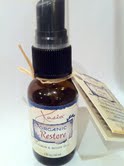
Many of our guests try to "get by" with what they may already have at home, but the best thing to do is correctly stock up on some key products.   Our recently launched RESTORE OIL is first in line for hair and scalp salvation!  Restore is filled with cold pressed organic oils fortified  with moisture to enrich the quality of your hair.

If your hair (of any type)  is extremely dry from damage (be it, environmental, heat, or chemical damages), I strongly suggest picking up Kasia Restore Hair Oil, as well as look at our other few options.  Remember, you need very little bit when  done in the right way.

Come in and check out Kasia 'restoring' products  today!


Read more about Restores Benefits HERE

Frazzled?  Your split ends...that is. Read more HERE

// User Icon Setting (may be set to BLACK, WHITE or NONE):