How aging accelerates, hows its measured and what you can do about it.

HELLO informed beauty!

Living in a NEW AGE of biohacking, energetic medicine and advanced genetic testing - we are so blessed to have the immense amount of research - solutions and experts we have today to help us feel, look and be are best as we age.

Today, I’m going to geek out and share the latest research on - ACCELERATED aging, hows its measured and what you can do about it.

READY? Let’s jump in.

This article outlines recent research within epigenetic and aging clocks – predictors of biological age based on alterations in a person's DNA methylation profile. 

Methylations are biochemical processes that modify the activity of a DNA segment without changing its sequence. They occur naturally and regulate gene expression to control normal growth and development.  

With age, the methylation state of various DNA sites (often enriched in genes that govern processes like cell death and survival, cellular growth and proliferation, organismal and tissue development, and cancer) may change. These methylation changes are quantifiable and serve as a means to gauge biological age, which is often different from chronological age. 

Put another way, we all know that one person who looks great for their age. Some of these hard-to-quantify qualities we intuitively see in other people (or even ourselves) when it comes to aging often actually correspond with something that can now be quantified and put to a number via epigenetic testing, allowing us to peek behind the DNA curtain at true biological age.

The term "epigenetic clock" is also a collective designation referring to the natural biological mechanisms that drive DNA methylation. 


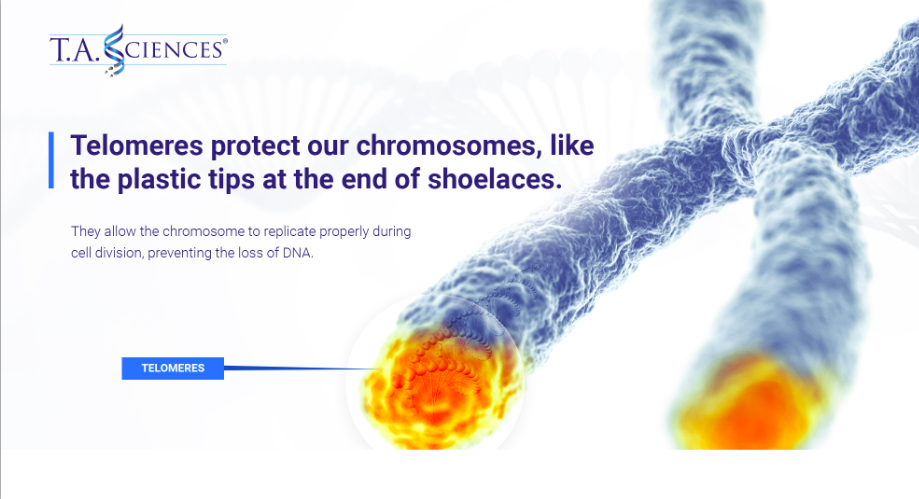
Telomeres

TICK TOCK - THE POWER OF TELOMERES   

Epigenetic clocks are predictors of biological age based on alterations in an individual's DNA methylation profile.

 Methylation is a biochemical process that modifies the activity and potential of your DNA without changing its sequence, which occurs naturally and regulates gene expression to control normal growth and development. 


As women age, the methylation state of various genes tends to change and are now a way to help professionals to gauge your epigenetic age (infulenced through lifestyle and stress), which often differs from chronological age.

The term "epigenetic clock" refers to the natural biological process that drives your DNA turnover and rebuilding of cellular health. This individual molecular "footprint" for you also reflects the biological life history of you- as a living organism. 

The information we’ll go over today focuses primarily on predictive epigenetic clocks, with a brief mention of the innate.
Screen Shot 2020-03-09 at 2.08.46 PM.png

Overview of concepts underpinning epigenetic clocks

Epigenetics

Epigenetics is a biological mechanism that regulates gene expression (how and when certain genes are turned on or off). 

I coin this concept as the “80/20” rule.  Your diet, lifestyle, personal care beauty products and environmental exposures is the driver of 80% epigenetic changes throughout an individual's lifespan to influence health and disease. 

For example, epigenetic processes when dysregulated can result in accelerated aging, diseases such as cancer and Alzheimer's disease.[1][2] Scientific evidence suggests that some  genetic changes can be passed from generation to generation, although are mostly influenced by turning “good and bad gene” activity up or down.[3]

Three biochemical processes are thought to drive epigenetic change:

-DNA methylation

-Histone modification

-Non-coding RNA-associated gene silencing.

In conclusion here, the DNA’s ability to fully process through seeing the quality of your methylation, which helps determine the prediction of your biological age via epigenetic clocks.


WHAT IS METHYLATION?

The topic of methylation is getting its fair share of attention lately, and rightly so. Methylation is a simple biochemical process – it is the transfer of four atoms - one carbon atom and three hydrogen atoms (CH3) – from one substance to another.

When optimal methylation occurs, it has a significant positive impact on many biochemical reactions in the body that regulate the activity of the cardiovascular, neurological, reproductive, and detoxification systems, including those relating to:

-DNA production

-Neurotransmitter production

-Detoxification

-Histamine metabolism

-Estrogen metabolism

-Eye health

-Fat metabolism

-Cellular energy

-Liver health

WHY IS METHYLATION IMPORTANT?

The body is a very complex machine, with various gears and switches that need to be all functioning properly to operate optimally. Think of methylation, and the opposite action, demethylation, as the mechanism that allows the gears to turn, and turns biological switches on and off for a host of systems in the body.

HOW DOES METHYLATION HAPPEN?

CH3 is provided to the body through a universal methyl donor known as SAMe (S-adenosylmethionine). SAMe readily gives away its methyl group to other substances in the body, which enables the cardiovascular, neurological, reproductive, and detoxification systems to perform their functions.

If enough 5-MTHF is present, the methylation cycle will work efficiently.

Folic acid from the diet or supplements must be converted to this active form, 5-MTHF, before it can be used in the body in the methylation cycle.

Unfortunately, approximately 60% of people in the United States have a genetic mutation that makes it challenging for their bodies to create enough 5-MTHF.

IMPROVING THE METHYLATION CYCLE

In addition to a healthy, whole-food, non-processed food diet, make sure you are eating a lot of these foods:

  • Asparagus

  • Avocado

  • Broccoli

  • Brussels sprouts

  • Green, leafy vegetables

  • Legumes (peas, beans, lentils)

  • Rice

Lifestyle changes include:

  • Engage in regular physical exercise

  • Avoid excessive alcohol consumption

  • Don’t smoke

  • Avoid excessive coffee consumption (not more than five cups daily)

SEVEN ESSENTIAL NUTRIENTS FOR METHYLATION

There are seven specific nutrients that can help the methylation cycle achieve optimal performance, even if an individual has a genetic mutation that slows down the methylation cycle.

  1.  5-MTHF (active folate)

  2.  Methylcobalamin (active vitamin B12)

  3.  Pyridoxal 5’-Phosphate (active vitamin B6)

  4.  Riboflavin 5’-Phosphate (active vitamin B2)

  5.  Magnesium

  6.  Betaine (also known as trimethylglycine)

  7.  Vitamin D

Proper methylation influences so many systems in our bodies that it often gets overlooked, which can severely impact how well your body functions. Ask your health-care practitioner for advice if you have any concerns about your CH3 cycle.

Screen Shot 2020-03-09 at 2.09.02 PM.png

Aging

Aging comprises the collective physiological, functional, and mental changes that accrue in a biological organism over time. It is the primary risk factor for many chronic diseases in humans, including cancer, Alzheimer's disease, and cardiovascular disease. 

Chronological age

An individual's chronological age simply reflects the number of years an individual has been alive. Although scientific milestones correlate that chronological age is an unreliable measure of the aging process.

Epigenetic age

Epigenetic age is based on an individual's DNA methylation health previously discussed. An individual's epigenetic age strongly correlates with their chronological age. However, some exceptions exist. For example, the epigenetic ages of semi-supercentenarians (people who live to be 105 to 109 years old) are markedly younger than their chronological ages.[10]

Biological age

An individual's biological age, sometimes referred to as phenotypic age, provides a measure of the physiological and functional state. It is a calculation of an individual's risk of disease and death compared to individuals of the same chronological age, based on biochemical measures of inflammation and metabolic and immune function.[11]

Age Acceleration   

Age acceleration occurs when an individual's epigenetic age exceeds their chronological age 

and may be the result of either intrinsic or extrinsic factors. 

Intrinsic factors are largely driven by internal physiological and biological factors such as normal metabolism and genetics.

 Extrinsic factors are those associated with lifestyle and environmental exposures, such as diet, chemicals, EMF, UV radiation, and mental health and overall stress.  

 Each is named for the scientist who created the clock or for the clock's output. The most accurate and robust of these clocks are described here.

Research to Determine Real Time Biological Age 

The Hannum clock

Created by Dr. Gregory Hannum, the Hannum clock is a single-tissue calculator of epigenetic age base present in DNA from human blood.[13] 

Use of the Hannum clock also demonstrated that exposure to abuse, financial hardship, or neighborhood disadvantage that occurred around the age of 7.5 years alters methylation patterns, which may influence normal patterns of cellular aging.[15]

Another study investigated the effects of cigarette smoking on aging using the Hannum clock based on methylation findings indicated that not only was smoking associated with accelerated biological aging, but even low levels of exposure elicited strong effects.[16]

The Horvath clocks

The original Horvath epigenetic clock, created by Dr. Steven Horvath, predicts age based on methylation patterns and rates in the DNA of 51 different tissue and cell types.[7]

 The Horvath clock can identify the epigenetic age of a donor with 96 percent accuracy within approximately four years of actual age.[7] Its accuracy extends across multiple tissue types and ages, including children.

Diet and lifestyle factors that influence epigenetic aging

Extrinsic epigenetic aging incorporates factors such as immune cell aging.

Factors associated with slowed intrinsic aging included higher poultry intake, factors associated with slowed extrinsic aging included higher fish intake, higher carotenoid levels (a marker of fruit and vegetable intake), higher education, moderate alcohol consumption, and higher physical activity. 

Factors associated with accelerated intrinsic aging included higher BMI, but metabolic syndrome (which is associated with higher BMI) was linked with both intrinsic and extrinsic accelerated epigenetic aging.[17]

Predicting lifespan and healthspan using a novel epigenetic clock

The recently-identified GrimAge (named creatively for the Grim Reaper) predicts lifespan and healthspan in units of years and tests whether potential lifestyle interventions may slow or reverse biological aging.

DNA methylation PhenoAge: A better predictor of biological age

Dr. Morgan Levine and Dr. Steve Horvath created a multi-tissue clock that calculates an individual's phenotypic age, called DNAm PhenoAge.[11] This clock, sometimes referred to as the "Levine clock," is distinct from other clocks in that it predicts time to death based on DNA methylation as well as biochemical markers of age-related disease, including albumin, creatinine, glucose, C-reactive protein, alkaline phosphatase, and several blood components. Several physiological responses are associated with accelerated phenotypic aging, including increased activation of proinflammatory pathways and decreased DNA repair activities.[11]

The DNAm PhenoAge predicts mortality risk among people of the same chronological age. It was used in a study to estimate the 10-year mortality risk (converted into units of years) in a cohort of people living in the United States (NHANES data), based on nine clinical biomarkers of aging that are highly predictive of cardiovascular disease and coronary heart disease. The findings demonstrated that each one-year increase in DNAm PhenoAge was associated with a 9 percent increase in all-cause mortality, a 10 percent increase in CVD-related mortality, a 7 percent increase in cancer-related mortality, a 20 percent increase in diabetes-related mortality, and a 9 percent increase in chronic lower respiratory disease mortality, even after adjusting for chronological age.

Alcohol, air pollution, and epigenetic aging

One study used the DNAm PhenoAge epigenetic clock to investigate the effects of heavy, chronic alcohol intake on epigenetic age acceleration using clinical biomarkers such as liver function enzymes. 

The study, which estimated DNA methylation age in 331 people with alcohol use disorder, found that the disorder accelerated aging by an average of 2.2 years

Exposure to air pollutants is associated with poor health outcomes and increased risk of disease. A study using the Levine clock to gauge epigenetic age of more than 2,700 white women living in the United States who were exposed to particulate air pollutants found that the women's epigenetic aging was accelerated by as much as six years.[23]

Altering the native epigenetic clock's rate of ticking

In general, the native epigenetic clock's ticking rate across multiple types of tissue from a single individual is fairly consistent. However, the cerebellum tends to age more slowly, while female breast tissue tends to age more quickly.

Interestingly, in vitro evidence suggests that the epigenetic age of adult cells can be reset. Dr. Shinya Yamanaka discovered a group of proteins that can reprogram differentiated (mature) cells into pluripotent stem cells and are physiological hallmarks of aging and prolong lifespan partly by resetting the innate epigenetic clock.[24]


The role of Yamanaka factors was demonstrated in vivo as well, in a mouse model of premature aging in which short-term induction of Yamanaka factors improved markers of aging, including those associated with tumor suppression, mitochondrial dysfunction, and oxidative stress. The same study showed that in older, normal mice, short-term induction of Yamanaka factors mitigated the deleterious effects of pancreatic or muscle injury, which could have implications for age-related metabolic dysfunction or strength losses, respectively.[25]

Epigenetic aging determined by genetic and lifestyle factors

Some individuals may be genetically predisposed to a slower overall clock rate. For example, one study analyzed the DNA methylation levels of peripheral blood mononuclear cells (a type of white blood cell) from semi-supercentenarians and their offspring. The investigators found that the average epigenetic age of the semi-supercentenarians was nearly nine years younger than their chronological age. The epigenetic age of their offspring was approximately five years younger than that of their age-matched controls.[10]

Lifestyle factors and exposures can influence the native ticking rate, as well. For example, an obesogenic diet can increase methylation and the clock's subsequent ticking rate.[26] And, as described above, smoking cigarettes and exposure to particulate air pollutants increases the epigenetic aging rate.[16][23] Some interventions have been identified that may slow the aging rate, however. These measures have been studied for their longevity-enhancing effects and include caloric restriction and administration of rapamycin, an immunosuppressant drug.[27]

Conclusion

Epigenetic clocks predict biological age based on molecular markers on an individual's DNA. Several variants of clocks have been identified, and they differ based on the type and number of tissues in which the markers are measured, as well as the final output. 

In general, the epigenetic aging rate across multiple types of tissue from a single individual is fairly consistent, but some exceptions do exist.

The use of epigenetic clocks may have widespread applications in health and society, including forensic science and early prevention and treatment of disease to promote healthy aging.

In the future, rather than asking whether a person's biomarkers look better, soon clinical trials may ask whether the person is simply aging better.

If youre interested about how to reduce stress, increase your telomere health now that you’ve captured this in important information - then reach out to me and I’ll share how we can work together so you can STAY SANE, GET SLEEP and BRING YOUR SEXY BACK.

wellness


References

  1.  ^  Muntean, Andrew G., and Jay L. Hess. Epigenetic Dysregulation in Cancer The American Journal of Pathology 175, no. 4 (October 2009): 1353–61. https://doi.org/10.2353/ajpath.2009.081142. 

  2.  ^  Li, Peipei, Lee Marshall, Gabriel Oh, Jennifer L. Jakubowski, Daniel Groot, Yu He, Ting Wang, Arturas Petronis, and Viviane Labrie. Epigenetic dysregulation of enhancers in neurons is associated with Alzheimer’s disease pathology and cognitive symptoms Nature Communications 10, no. 1 (May 2019). https://doi.org/10.1038/s41467-019-10101-7. 

  3.  ^  Trerotola, Marco, Valeria Relli, Pasquale Simeone, and Saverio Alberti. Epigenetic inheritance and the missing heritability Human Genomics 9, no. 1 (July 2015). https://doi.org/10.1186/s40246-015-0041-3. 

  4.  ^  Kusui, Chika, Tadashi Kimura, Kazuhide Ogita, Hitomi Nakamura, Yoko Matsumura, Masayasu Koyama, Chihiro Azuma, and Yuji Murata. DNA Methylation of the Human Oxytocin Receptor Gene Promoter Regulates Tissue-Specific Gene Suppression Biochemical and Biophysical Research Communications 289, no. 3 (December 2001): 681–86. https://doi.org/10.1006/bbrc.2001.6024. 

  5. ^ a b  Field, Adam E., Neil A. Robertson, Tina Wang, Aaron Havas, Trey Ideker, and Peter D. Adams. DNA Methylation Clocks in Aging: Categories, Causes, and Consequences Molecular Cell 71, no. 6 (September 2018): 882–95. https://doi.org/10.1016/j.molcel.2018.08.008. 

  6.  ^  Oh, Gabriel, Sasha Ebrahimi, Matthew Carlucci, Aiping Zhang, Akhil Nair, Daniel E. Groot, Viviane Labrie, et al. Cytosine modifications exhibit circadian oscillations that are involved in epigenetic diversity and aging Nature Communications 9, no. 1 (February 2018). https://doi.org/10.1038/s41467-018-03073-7. 

  7. ^ a b c d  Horvath, Steve. DNA methylation age of human tissues and cell types Genome Biology 14, no. 10 (2013): R115. https://doi.org/10.1186/gb-2013-14-10-r115. 

  8.  ^  Garagnani, Paolo, Maria G. Bacalini, Chiara Pirazzini, Davide Gori, Cristina Giuliani, Daniela Mari, Anna M. Di Blasio, et al. Methylation ofELOVL2gene as a new epigenetic marker of age Aging Cell 11, no. 6 (October 2012): 1132–34. https://doi.org/10.1111/acel.12005. 

  9.  ^  Lariscy, Joseph T., Robert A. Hummer, and Mark D. Hayward. Hispanic Older Adult Mortality in the United States: New Estimates and an Assessment of Factors Shaping the Hispanic Paradox Demography 52, no. 1 (December 2014): 1–14. https://doi.org/10.1007/s13524-014-0357-y. 

  10. ^ a b  Horvath, Steve, Chiara Pirazzini, Maria Giulia Bacalini, Davide Gentilini, Anna Maria Di Blasio, Massimo Delledonne, Daniela Mari, et al. Decreased epigenetic age of PBMCs from Italian semi-supercentenarians and their offspring Aging 7, no. 12 (December 2015): 1159–70. https://doi.org/10.18632/aging.100861. 

  11. ^ a b c  Levine, Morgan E., Ake T. Lu, Austin Quach, Brian H. Chen, Themistocles L. Assimes, Stefania Bandinelli, Lifang Hou, et al. An epigenetic biomarker of aging for lifespan and healthspan Aging 10, no. 4 (April 2018): 573–91. https://doi.org/10.18632/aging.101414. 

  12.  ^  Okazaki, Satoshi, Ikuo Otsuka, Tadasu Horai, Takashi Hirata, Motonori Takahashi, Yasuhiro Ueno, Shuken Boku, Ichiro Sora, and Akitoyo Hishimoto. Accelerated extrinsic epigenetic aging and increased natural killer cells in blood of suicide completers Progress in Neuro-Psychopharmacology and Biological Psychiatry 98 (March 2020): 109805. https://doi.org/10.1016/j.pnpbp.2019.109805. 

  13.  ^  Hannum, Gregory, Justin Guinney, Ling Zhao, Li Zhang, Guy Hughes, SriniVas Sadda, Brandy Klotzle, et al. Genome-wide Methylation Profiles Reveal Quantitative Views of Human Aging Rates Molecular Cell 49, no. 2 (January 2013): 359–67. https://doi.org/10.1016/j.molcel.2012.10.016. 

  14.  ^  Tajuddin, Salman M., Dena G. Hernandez, Brian H. Chen, Nicole Noren Hooten, Nicolle A. Mode, Mike A. Nalls, Andrew B. Singleton, et al. Novel age-associated DNA methylation changes and epigenetic age acceleration in middle-aged African Americans and whites Clinical Epigenetics 11, no. 1 (August 2019). https://doi.org/10.1186/s13148-019-0722-1. 

  15.  ^  Marini, Sandro, Kathryn A. Davis, Thomas W. Soare, Yiwen Zhu, Matthew J. Suderman, Andrew J. Simpkin, Andrew D.A.C. Smith, Erika J. Wolf, Caroline L. Relton, and Erin C. Dunn. Adversity exposure during sensitive periods predicts accelerated epigenetic aging in children Psychoneuroendocrinology , November 2019, 104484. https://doi.org/10.1016/j.psyneuen.2019.104484. 

  16. ^ a b  Beach, Steven R. H., Meeshanthini V. Dogan, Man-Kit Lei, Carolyn E. Cutrona, Meg Gerrard, Frederick X. Gibbons, Ronald L. Simons, Gene H. Brody, and Robert A. Philibert. Methylomic Aging as a Window onto the Influence of Lifestyle: Tobacco and Alcohol Use Alter the Rate of Biological Aging Journal of the American Geriatrics Society 63, no. 12 (November 2015): 2519–25. https://doi.org/10.1111/jgs.13830. 

  17.  ^  Quach, Austin, Morgan E. Levine, Toshiko Tanaka, Ake T. Lu, Brian H. Chen, Luigi Ferrucci, Beate Ritz, et al. Epigenetic clock analysis of diet, exercise, education, and lifestyle factors Aging 9, no. 2 (February 2017): 419–46. https://doi.org/10.18632/aging.101168. 

  18.  ^  Loomba, Rohit, Yevgeniy Gindin, Zhaoshi Jiang, Eric Lawitz, Stephen Caldwell, C. Stephen Djedjos, Ren Xu, et al. DNA methylation signatures reflect aging in patients with nonalcoholic steatohepatitis JCI Insight 3, no. 2 (January 2018). https://doi.org/10.1172/jci.insight.96685. 

  19.  ^  Malformed reference

  20.  ^  Lu, Ake T., Austin Quach, James G. Wilson, Alex P. Reiner, Abraham Aviv, Kenneth Raj, Lifang Hou, et al. DNA methylation GrimAge strongly predicts lifespan and healthspan Aging 11, no. 2 (January 2019): 303–27. https://doi.org/10.18632/aging.101684. 

  21.  ^  Kresovich, Jacob K, Zongli Xu, Katie M O’Brien, Clarice R Weinberg, Dale P Sandler, and Jack A Taylor. Methylation-Based Biological Age and Breast Cancer Risk JNCI: Journal of the National Cancer Institute 111, no. 10 (February 2019): 1051–58. https://doi.org/10.1093/jnci/djz020. 

  22.  ^  Luo, Audrey, Jeesun Jung, Martha Longley, Daniel B. Rosoff, Katrin Charlet, Christine Muench, Jisoo Lee, et al. Epigenetic aging is accelerated in alcohol use disorder and regulated by genetic variation in APOL2 Neuropsychopharmacology 45, no. 2 (August 2019): 327–36. https://doi.org/10.1038/s41386-019-0500-y. 

  23. ^ a b  White, Alexandra J., Jacob K. Kresovich, Joshua P. Keller, Zongli Xu, Joel D. Kaufman, Clarice R. Weinberg, Jack A. Taylor, and Dale P. Sandler. Air pollution, particulate matter composition and methylation-based biologic age Environment International 132 (November 2019): 105071. https://doi.org/10.1016/j.envint.2019.105071. 

  24.  ^  Takahashi, Kazutoshi, and Shinya Yamanaka. Induction of Pluripotent Stem Cells from Mouse Embryonic and Adult Fibroblast Cultures by Defined Factors Cell 126, no. 4 (August 2006): 663–76. https://doi.org/10.1016/j.cell.2006.07.024. 

  25.  ^  Ocampo, Alejandro, Pradeep Reddy, Paloma Martinez-Redondo, Aida Platero-Luengo, Fumiyuki Hatanaka, Tomoaki Hishida, Mo Li, et al. In Vivo Amelioration of Age-Associated Hallmarks by Partial Reprogramming Cell 167, no. 7 (December 2016): 1719–33.e12. https://doi.org/10.1016/j.cell.2016.11.052. 

  26.  ^  Keleher, Madeline Rose, Rabab Zaidi, Lauren Hicks, Shyam Shah, Xiaoyun Xing, Daofeng Li, Ting Wang, and James M. Cheverud. A high-fat diet alters genome-wide DNA methylation and gene expression in SM/J mice BMC Genomics 19, no. 1 (December 2018). https://doi.org/10.1186/s12864-018-5327-0. 

  27.  ^  Wang, Tina, Brian Tsui, Jason F. Kreisberg, Neil A. Robertson, Andrew M. Gross, Michael Ku Yu, Hannah Carter, Holly M. Brown-Borg, Peter D. Adams, and Trey Ideker. Epigenetic aging signatures in mice livers are slowed by dwarfism, calorie restriction and rapamycin treatment Genome Biology 18, no. 1 (March 2017). https://doi.org/10.1186/s13059-017-1186-2. 


How to Beat the Flu With Natural Remedies

Knowing how to handle a cold or the flu can make a difference in recovery time and decrease pain and suffering. Natural remedies can not only relieve symptoms, but they may also contribute to shortening the time that it takes to heal.

Rest

Your immune system is your only real line of defense, and it's a strong one. Your first job is to stop the active virus from accelerating, which requires rest. Get under the covers because a warmer body temperature shuts the virus down. This will help your body take it to another level by creating a fever that will kill the virus and sweat it out.

Try to sleep as much as possible. Any time you spend doing otherwise will delay your recovery. If you are having a difficult time sleeping, try to correct that situation. Use extra pillows so you can sit up and breathe more easily, or take a hot steamy shower. A hot cup of tea can help ease a sore throat and relax you.

Herbal Tea

Most teas are great for a cold or the flu because they provide steam that opens up breathing passageways and melts away the congestion. There are a number of herbal teas that work wonders for relieving annoying symptoms and boosting the immune system. Chamomile can help you fall asleep, and it has antibacterial benefits. Elderberry has many properties that can help alleviate cold and flu symptoms. Peppermint tea soothes with a cooling sensation and works as a decongestant. Licorice root tea helps to aid in breathing.

Classic Chicken and Noodle Soup

It may be true what they say about a mother's chicken soup. A steaming hot bowl of chicken soup really can be like medicine when you are congested and trying to get your strength back.

The garlic and onion aid the immune system because they have strong antibacterial properties. As you hold your head over a wide bowl, the hot steam rolls over the surface of your face and loosens the mucus beneath the surface. The bits of chicken provide a little protein for a slight energy boost. Broths with a small amount of noodles require little energy to digest, so your body can direct all the rest of its effort toward healing.

In summary, get plenty of rest and hot liquids. You lose more moisture when you're sick because your body is constantly flushing out toxins. Between intervals of much-needed rest, concentrate your waking time on getting in your liquids. Along with herbal tea, hot soup is a wonderful prescription.

Here’s another article you might like: The 7 Top Signs of Omega-3 Deficiency

How to Alleviate Stress & Pain From All Types of Headaches

Hello beautiful.

Stress, tension, overwhelm and lack of sleep all can contribute to headaches.

We all get headaches sometimes, but some are worse than others. Yet it is safe to say that any headache is a bad one. You may be wondering how to alleviate yours, but you don't know exactly how. The truth is, it depends on what type of headaches you have. There are three types that we most commonly suffer from and they all call for different treatment methods.

Migraine Headaches

There are a few ways in which you can relieve the pain of a migraine. Since you have heightened sensitivity during a migraine, being exposed to bright lights and noise can be painful. There are several potential migraine triggers that could be causing your pain and discomfort. To counter this, you need to stay in a dark and quiet room. It also helps to apply something to alleviate the pain. You can use an ice pack to numb or a heating pad to help the muscles in your body relax. Migraines can also occur due to a lack of sleep. The best way to avoid them in the future is to adopt a regular sleep pattern. You may have to do something relaxing in order to make yourself drowsy. It is essential to go to bed only when you feel sleepy. Minimizing the distractions around you prior to bedtime can make this process easier.

Sinus Headaches

You know you have a sinus headache when your forehead, eyes and cheeks feel like they are being pressed down on. Pressure in these areas indicates an oncoming sinus headache. There are some ways in which you can alleviate this headache type. One way is to increase the humidity in your home. This can be done with a humidifier or even by drinking hot liquids and taking a steaming hot shower. Irrigation is also an option for relieving your symptoms. This involves store-bought nasal spray, though you can also elect to purchase an irrigation kit for this purpose.

Caffeine Headaches

You will recognize a caffeine headache if OTC pain relievers aren't alleviating the pain of it. A sensitivity to caffeine can cause you to suffer from this type of headache. When you are suffering from a caffeine headache, drink peppermint tea or water. If that isn't enough, consider booking a professional massage to relieve your headache pain.

Ultimately, the key to preventing and managing headaches is to understand their type and cause. Relief, after this, is a matter of applying the right kind of treatment or avoiding common triggers.

Here’s another article you might like: Remedies for Pain & Relaxation | Why & How with CBD Topicals

Shop Evoq’s leading CBD Solutions below!

shop natural pain relief with cbd here

Surprising Ways Vitamin C is Vital to Your Health

We all know that vitamin C is a powerful antioxidant that can boost your immune system. But did you know that vitamin C can also help you to improve your skin, protect you from UV light and increase brain health? Here are three benefits of vitamin C that might surprise you.

Moistens Skin

Vitamin C (also known as L-ascorbic acid) is a water-soluble antioxidant that’s found in high levels in both the dermis and epidermis. Higher levels of vitamin C have been associated with decreased risk of dry skin, as this vitamin may effect trans-epidermal water loss. It also promotes the synthesis of barrier lipids, which means your skin is less permeable to water and less likely to dry out. Both taking it orally and applying it topically can benefit skin. Find it in the grocery store in fresh fruits and veggies, or at the skincare counter in the form of a serum. Just keep in mind that serums should be applied under your moisturizer for maximum effectiveness.

Brain Health

Many neurodegenerative diseases are caused by a combination of inflammation and oxidative stress caused by free radicals. Free radicals are molecules that contain an unshared electron. These unshared electrons are highly energetic and react rapidly with oxygen to form Reactive Oxygen Species (ROS). Therefore, the antioxidant activities of vitamin C are believed to help prevent cognitive diseases such as Alzheimer’s, Parkinson’s and Huntington’s disease. It also plays an important role in the production of collagen, an essential component in brain health. Studies involving mice reveal evidence that vitamin C has a positive impact on learning and memory, especially stress-related learning. In these studies, the mice also showed improved performance and locomotor activity. After trauma, vitamin C may aid in recovery. Even some of the more subtle signs of a car accident can be potentially helped by vitamin C.

Protects Against UV Rays

You’re probably aware of the importance of sunscreen to protect your skin, but did you know that vitamin C can help as well? Ascorbic acid protects your skin from UV-induced damage caused by free radicals. It reduces UV-related DNA damage. Vitamin C and vitamin E work hand-in-hand. Supplementing with this combination could increase your skin’s defenses from UV light. Ascorbic acid also regulates melanin production, promotes an even skin tone and reduces the occurrence of dark spots.

Whether you prefer to snack on mandarin oranges, apply it topically, or take it as a supplement, vitamin C is a key ingredient for achieving optimum health. If you want to improve your life and your health as much as you can, incorporating more vitamin C into your life is a good solution.

Here’s another article you might like: Taking Care of Your Skin When You’re out in the Sun

Tips for Preparing for Your Spa Day

A spa day is the perfect opportunity to get pampered and relaxed after a stressful workweek. You deserve a little "me time" and a spa is a great place to help you shine both inside and out. A professional massage and facial may be just what you need. Here are some tips to help you get ready for your spa day.

Eat Before, But Not Too Close to the Appointment

It's important to have a small meal before your spa day so you don't suffer with hunger pains and get cranky. However, eating too close to your appointment can mess with your metabolism and make you uncomfortable when you're trying to relax. Massages stimulate your digestion and circulation so you'll want to make sure you eat at least two hours before to prevent bloating and bathroom breaks. It's also not recommended to have a huge meal the night before as you could feel sick before your appointment.

Staying Hydrated

Spas can make you sweat! Water is definitely a necessity before your appointment, whether it's a hot facial or a sit in the sauna. You'll also want to bring your own bottle in case the spa doesn't have any available. Afterward, much like a workout, you'll want to cool down with refreshing water to replenish you. This allows your skin to be as beautiful as possible and for you to have plenty of water to sweat the toxins out. You should aim for over two liters a day. Otherwise, dehydration can set in and make you dizzy during what's supposed to be a relaxing and carefree spa day.

Make the Day Just for You!

You may want to bring a friend to join you on your spa day, so it's necessary you pick a pal with positive energy. If you're going solo, try to de-stress in the morning to prepare for the perfect day. Feel free to research what services you think you'll enjoy the most and don't be afraid to speak to a spa professional about what you like even if you have to speak up during the appointment. Try not to stress too much about your appearance but it's okay to reschedule if you're feeling sick or too nervous to go.

Everyone needs a spa day every once in a while. The key tips to enjoying your spa day is to look forward to it and save some time for a little preparation. Check out reviews and testimonies of fellow spa-goers to see what they recommend and enjoy your visit!

4 Ways to Avoid Acne Breakouts

Nothing can ruin your day faster than waking up to an acne breakout. These blemishes happen when the skin’s oil glands become overactive and the pores grow inflamed. Fortunately, there are products that can aid you in alleviating this condition. With the proper attention to your skincare regimen, you can take steps to win the battle against frequent acne breakouts. Here are four proven ways that can help you to avoid the next dreaded repetition of this problem.

Oil-free

The last thing that you want to put on acne-prone skin is an oil-based skincare product. Instead, you want to choose oil-free and water-soluble cleansers and treatments. This will ensure that the acne problem is not exacerbated by your skincare protocol. Do not use harsh cleansers that will dry the skin as this will just lead to more irritation.

Exfoliate

Exfoliant products work by stripping away dead skin cells to reveal a fresh and unblemished layer of skin. The exfoliation process prevents pores from becoming clogged with sebum and other acne-causing impurities. Choosing an exfoliant that is formulated for your specific skin type and using it as directed is a cornerstone of proper skincare.

Wash Items You Use Regularly

Even with the best cleansing routine, it is not uncommon for hair products and makeup to transfer to items such as pillowcases and phones. These impurities then seep into your skin and clog pores, leading to blemishes. Getting into the habit of cleaning your pillowcase and other items regularly will help to mitigate this problem. According to ASEA, a dirty phone or pair of sunglasses can cause your skin to break out. These impurities are transferred to your skin every time that you hold the phone to your ear or put on your glasses. Be sure to wash items regularly if you want to prevent inadvertent contact with acne-causing bacteria.

Hands Off

According to The American Academy of Dermatology Association, while it may be tempting to pick at your face, doing so can increase redness from squeezing everything deeper into your skin. Keep in mind that the tips of your fingers harbor lots of bacteria and other impurities. When you are always touching it, you can cause scarring. Be mindful of this temptation and do your best to keep your hands off of your face.

While it is impossible to completely prevent acne from taking hold, there are definitely things you can do to keep it at bay. Committing yourself to these habits will lead to clearer skin in the long run.

Here’s another article you might like: 5 Surprising Skincare Slip-Ups Causing Complexion Damage

The 411 on Terpenes [CBD + Terpenes are Better Together]

LET’S CHAT TERPENES! Terp - what? ……

If you’ve been following the hemp revolution, you’ve most likely experienced or read about Terpenes.

The hemp plant is rich in terpenes. In fact, scientists researching the chemical structure of the plant have identified over 150 different types.

So, what are terpenes and why should you care?

terpenes.jpg

The 411 on Terpenes

Terpenes (pronounced TUR-PEENS) are organic compounds that give cannabis varieties their distinct scents; such as pine, citrus, or berry. Just like cannabinoids (THC and CBD), terpenes are found in the resin of cannabis, a sticky oil produced by tiny glands that densely cover the surface of cannabis flowers, and to a lesser extent, their foliage. This why terpenes are often described as essential or aromatic oils.

 Although “terpenes” has become a buzzword amongst cannabis consumers, these organic compounds are not unique to cannabis. In fact, basically all fragrant plants and flowers, including fruits, vegetables, herbs, and spices contain some combination of terpenes. They develop terpenes as a survival mechanism to repel predators and lure pollinators. 

What’s the Difference Between Terpenes and Terpenoids?

You may have heard the words “terpene” and “terpenoid” used interchangeably. Both compounds are related; however, there are some key differences. 

Terpenesare volatile hydrocarbons present in the essential oil (resin) of cannabis. The term “volatile” means that these compounds easily evaporate at room temperature, releasing an aroma. Terpenoids, on the other hand, are derivatives of terpenes that have an additional atom due to the process of drying and curing of the cannabis plant. 

Cannabis contains both terpenes and terpenoids, although terpenes are the primary component found in resin and are of greatest interest to humans. 

What are Terpenes Used For?

Humans have been using terpenes to naturally flavor foods, perfumes, and cosmetics for centuries, and in more recent years, synthetic terpenes have even been created as food additives. 

We have also been reaping the rewards of their therapeutic properties. Have you ever noticed the soothing effect of lavender? Or the energizing sensation of citrus scents? Each terpene has its own unique effect. Some relieve stress and pain, while others promote focus and acuity. But what about the terpenes in cannabis?

Therapeutic Properties of Cannabis Terpenes

The terpenes found in cannabis, in particular, the cannabis flower, have displayed many therapeutic properties. 

Myrcene

Myrcene is the most prevalent terpene in cannabis, and one of the most powerful. Also found in lemongrass, mangos, and basil, it has an earthy aroma with hints of cardamom and cloves. Myrcene, in particular, β-myrcene, is believed to increase the permeability of the blood-brain barrier, enabling cannabinoids to diffuse across the barrier into the central nervous system easily. This is why, strains with a predominance of myrcene are shown to enhance the analgesic and sedative effects of cannabis, and offer potential medical value for chronic pain and insomnia. [1]

Linalool

Also found in lavender and cinnamon, linalool is perhaps the most recognizable terpene in cannabis. Its soothing floral fragrance is shown to have anti-anxiety and analgesic effects, helping to relieve insomnia and counteract anxiety by calming and relaxing the mind and body. [2]In addition to its calming effect, linalool has potent anti-inflammatory properties. It has been shown to significantly reduce inflammation within the lungs caused by cigarette smoking, as well as reduce lung irritation associated with inhaling cannabis. [3]

Limonene

Limonene, as you might have guessed, is found in lemons and has an uplifting citrus aroma that elevates mood and provides stress relief. [4]This powerful terpene has also shown potential as a natural treatment for acne due to its anti-fungal, anti-bacterial and anti-oxidant properties. [5]Most recently, limonene is being investigated for its immunomodulatory properties, including potential anti-tumor effects. [6]

Pinene

Pinene has an invigorating woody pine scent, which is shown to reduce inflammation associated with conditions like asthma, chronic pain, and stomach ulcers. Several studies have indicated that alpha-pinene (α-pinene) significantly reduces proinflammatory cytokines, including TNF-α,  interleukin-6, and nitric oxide. It’s also shown to inhibit cyclooxygenase-2 (COX-2), the same enzyme that non-steroidal anti-inflammatory drugs, such as ibuprofen and aspirin, act on to reduce pain and inflammation. [7]

Caryophyllene

Also found in black pepper, the terpene beta-caryophyllene (β-caryophyllene) is a strong anti-inflammatory shown to act on CB1 receptors. It was once a common treatment for stomach ulcers in the United Kingdom and has shown great promise as a treatment for other inflammatory conditions, such as contact dermatitis. 

The Entourage Effect

While cannabinoids, like THC and CBD, are primarily responsible for the therapeutic and psychoactive effects of cannabis, terpenes also play an important role. Cannabinoids and terpenes actually work together to produce complementary or synergistic results in what is known as the “Entourage Effect.”

Terpenes not only provide their own medicinal value, as shown above, but these aromatic oils also mediate the effects of cannabinoids. For example, the floral fragrance of linalool works in harmony with THC to protect against the anxiety that can be experienced with cannabis. In another example, the uplifting aroma of pinene counteracts the negative effects of THC on memory and cognition by increasing alertness and mental clarity. 

Although more research is needed, studies show that terpenes also work together to enhance one another's effects. For example, both pinene and limonene assist with the absorption of other terpenes, ultimately enhancing their potential medicinal value. Due to the complementary properties of cannabinoids and terpenes, scientists are currently investigating the most effective combination in the treatment for a variety of conditions. 

A combination of CBD (the most therapeutic cannabinoid), Myrcene (a natural sedative) and Caryophyllene (a natural pain reliever) are proving to be a safe and effective natural sleep therapy. While a blend of CBD with anti-inflammatory and anti-bacterial terpenes, like Limonene, Linalool, and Pinene is showing great promise as an acne treatment.  [9]

Bottom Line: Check the Terpene Profile on CBD

Although the scents between different strains of cannabis are subtle, the effects of terpenes are powerful. These organic compounds add great value through their synergistic effects and have opened up a new window of medical potential in the field of cannabis research. Today, cannabis laboratories can test for terpene content, allowing users to read the terpene profile and choose their product accordingly. 

Reference

  1. https://www.thieme-connect.com/products/ejournals/html/10.1055/s-0043-122240

  2. https://www.sciencedirect.com/science/article/pii/S0091305711002954

  3. https://www.sciencedirect.com/science/article/pii/S1567576915301089

  4. https://www.ncbi.nlm.nih.gov/pubmed/8646568

  5. http://casopisi.junis.ni.ac.rs/index.php/FUPhysChemTech/article/view/4060

  6. https://www.spandidos-publications.com/mmr/15/4/2339?text=fulltext

  7. https://www.worldscientific.com/doi/abs/10.1142/S0192415X15500457

  8. https://www.ncbi.nlm.nih.gov/pubmed/17556587/

  9. https://s3.amazonaws.com/academia.edu.documents/51938614/Evolution_of_the_Cannabinoid_and_Terpene_Content_JNP_2016.pdf?AWSAccessKeyId=AKIAIWOWYYGZ2Y53UL3A&Expires=1555308564&Signature=wUMgDwdJZSZEOO2ocvLCcWpcyEc%3D&response-content-disposition=inline%3B%20filename%3DEvolution_of_the_Cannabinoid_and_Terpene.pdf

90% of Your Health Depends on This. Get the Rest You Need with Three Letters (CBN)

Hello lovely, tell me…. how well do you sleep at night? Do you wake up rested?

I’ve been working on a new product for 6 months, and FINALLY, IT’S HERE!

It has everything to do with your REM Circadian Rhythms.

Fact | 90% of our health depends on our SLEEP.

CBN1.png

First: The Endocannabinoid System

As the master regulator of our most basic human functions, the ECS has a direct impact on sleep. (Remember, the ECS umbrella includes eat, relax, sleep, forget, protect.)

In fact, our own endocannabinoids, anandamide and 2-AG, fluctuate with our natural circadian rhythms.

Anandamide levels in the brain are higher at night, where it works with oleamide and adenosine to generate sleep. 2-AG levels in the brain are higher during the day, and it seems to promote wakefulness.

There is no doubt that sleep and lack of - has become an epidemic.

Deep, restful sleep plays an integral role in our mental and physical health (and not to forget our beauty sleep). It’s during sleep that our cells are given ample time to heal and recover from our daily stresses, mental health, and progressing illnesses. It is also during sleep that the body flushes away toxins that have accumulated in the brain while we’re awake.

Numerous studies revealed that sleep deprivation increases our risk of developing chronic medical diseases like diabetes, heart problems, and stroke.

To reduce these risks, we need at least seven to nine hours of restful sleep.  So tell me, WHO is getting 9 hours of sleep - let alone seven?  

Here’s a snapshot on what is recommended by age.

Sleep-Needs-By-Age-Graph.png

My battle with sleep fueled my passion to create a healthy, safe, clean and non-addictive sleep aid.

IMG_3386.jpg

I’ve battled with sleep every since high school.  My body is very sensitive, waking to every noise, and my mind is always in “quick start” mode, flooding with new inspirations around the clock - as a passionate entrepreneur.  

I’ve hacked my sleep with items like GABA, Melatonin, magnesium, natural sleep aids, and at times when my sleep is at it’s worst - Tylenol PM.  

Knowing I’m not alone, formulating a potent and pure sleep aid through the power of hemp was amongst my first inspirations when starting to sell and educate about CBD over 3 years ago.  

Finally, we’ve hit the tipping point of the most potent safe and natural sleep aid thus far (via my research - and cutting through the false marketing of like-minded products).

So, in short-term, sleeping pills help you fall asleep faster, but they do have side effects to be wary of.  Long-term use of sleeping pills can also result in dependence, possible increase of cancer, addiction, and increased risk of overdose.

WELCOME TO THE NEW AND BEST DOZE DROPS AROUND.

sleep.jpeg

Thankfully, researchers now prove that CBN produces potent sedative effects. Its sedating and relaxing effects help promote sleep and relieve insomnia.

CBN becomes an effective sleep aid of 5 - 6 hours duration. 

CBN may be a beneficial alternative to a THC for treatment, and patients that require low (or no) adverse psychoactive effects. 

What is CBN (aka Cannabinol) and how it may restore your circadian rhythms and superior beauty sleep?

Our body produces its own natural cannabinoids called endocannabinoids. These bind to the cannabinoid receptors of our cells’ endocannabinoid systems (ECS). Once activated, the ECS modulates several physiological responses, including sleep.

The ECS has two major cannabinoid receptors. You have the CB1 as well as the CB2 receptors. Activation of the CB1 receptors induces sleep.

Now, the cannabinoids from the plant also stimulate the ECS. THC, for one, binds to the CB1 receptor and induces sleep. However, THC’s activation of this receptor also produces psychoactive effects like increased paranoia and anxiety. THC also stimulates the pleasure and reward centers of the brain, which is why cannabis can be pretty addictive.

Studies found that CBN is a partial agonist of the CB1 receptor. Although it is a weak CB1 receptor agonist, it produces the most potent sedative effect compared to THC and CBD. 


PHARMACEUTICALS OR NATURAL SLEEP AIDS?

GET THIS!  

Not only is it sedative, but it also takes very little to do the job.  

The consumption of 2.5 mg to 5 mg of CBN has the same level of sedation as a mild pharmaceutical sedative, with a relaxed body sensation similar to 5 mg to 10 mg of diazepam.

So, net net: 2.5 mg of CBN is equivalent to 5mg of diazepam.

But unlike THC though, CBN removes the psychoactive effects. This makes CBN a better and safer alternative to THC as a sedative, especially for those who want to avoid THC’s psychoactive effects.


How does CBN work in the body?

Cannabinoids, exert a wide range of effects on the human body and mind. One way is through interaction with our own endocannabinoid system. This system is involved in regulating a range of our body’s physiological functioning and responses, including mood, pain perception, appetite, and cognitive functions.

Cannabinoids also affect the activity of our hormones and neurotransmitters, and influence cell activity throughout the body in different ways.

CBN interacts with the body’s endocannabinoid system, and it can affect the function of many hormones and neurotransmitters, which in turn influence mood, energy, cognition and focus, appetite, immune function, and pain.

Chemically similar to CBD, CBN has several of the same effects in the body, including relieving pain, reducing inflammation, and improving sleep.


Potent Powers of CBN - beyond sleep.

hemp.jpg

CBN as a sedative. There are indications that CBN is a powerful sedative. Research in mice has shown that CBN can prolong sleep time. Some research indicates CBN’s sedative effects are amplified when combined with THC. 

CBN as a pain reliever. Research indicates that CBN has analgesic, or pain-relieving capabilities in the body. 

CBN as an antibiotic. Research shows CBN has the ability to fight harmful bacteria. A 2008 study found CBN one of several cannabinoids (including CBD) effective in treating MRSA, a bacterial infection that is resistant to antibiotics.

CBN as an anti-inflammatory. Like CBD, CBN appears to have anti-inflammatory capabilities. Scientists working to better understand how the human endocannabinoid system affects the immune system. Cannabinoids, including CBN, are being examined for their possible therapeutic role in treating inflammatory disease.

CBN as an appetite stimulant. This is one area in which CBN behaves very differently from CBD. While CBD has appetite suppressing effects, CBN appears to stimulate the appetite. This may make CBN a therapeutic option to help increase appetite in people who struggle to maintain an appetite because of another illness, such as cancer, or it’s treatment.

CBN as a cancer fighter. There’s also some promising preliminary evidence that CBN may have direct cancer-fighting capabilities. Cannabinoids including CBN are being studied for their ability to slow or stop the growth and spread of cancer cells. CBN was one of several cannabinoids found to reduce tumor size in one form of lung cancer.

CBN as an anti-convulsant. One of the most promising therapeutic uses for CBD is in epilepsy treatment, because of this cannabinoid’s strong anti-convulsant capabilities. Though it appears to be less strong than in CBD and THC, CBN has also been shown to function as an anti-convulsant.

CBN for bone healing and growth. Research indicates cannabinoids including CBN can help to stimulate production of new bone, by activating stem cells to help make new bone cells. There are also indications that CBN and other cannabinoids may be helpful in healing fractured bone and helping reverse bone loss, making it of interest to scientists as a potential therapy for osteoporosis.

CBN as a glaucoma therapy. CBN is one of several cannabinoids that appear be effective as a treatment for glaucoma, as several studies have shown.

Increasing the Effectiveness with Terpenes that work well with CBN 


Lastly, we synergize. 

Understanding terpene’s critical role in a cannabidiol tincture. 

In addition to its cannabinoids, cannabis and hemp also contain terpenes. Terpenes are basically the essential oils found in most plants. They give plants their distinctive colors, aromas, and flavors.

These terpenes also produce their own therapeutic effects. When cannabinoids and terpenes work together, they boost each other’s therapeutic effects and, at the same time, reduce the negative ones. This is called an entourage effect.

Bringing together research and personal testing with clients, Evoq has enhanced our CBN tincture with the entourage effect of precision dosed USP Food Grade calming terpenes to drive your results deeper - in every drop. 

Here are terpenes within the new Evoq CBN Sleep tincture that synergizes for better results. 

Beta-Caryophyllene, for example, promotes better sleep. According to one study, Beta-Caryophyllene decreases the time it takes for you to fall asleep. It also increases your sleep time. In addition to this, Beta-Caryophyllene also helps control pain and inflammation. These are two factors that affect a good sleep.

Myrcene is another type of terpene found in hemp that also produces a sedating effect. One study showed that myrcene increases sleeping time by about 2.6 times. This terpene is also known for its muscle relaxant effect. Painful muscle cramps, spasticity, and tremors affect sleep and keep you up at night.

Linalool also boosts CBN’s sedative effects.

It induces sleep and prolongs sleeping time. In addition to these effects, Linalool also produces anti-anxiety, anti-depressant, and muscle relaxant effects. Stress, anxiety, and depression are all factors that affect sleep.

So if you’re looking for an excellent CBN oil for sleep and insomnia, make sure that it contains some of these essential terpenes - and is void of watered down ingredients like “melatonin or L-theanine” which may be the mechanisms taking over - versus the small amount of CBD or CBN.  

To learn more about TERPENES - Get the 411 HERE, where I lay it all out!

question.jpeg

HOW DO YOU KNOW IF A “CBD” HEMP PRODUCT HAS CBN?

This is actually a very simple answer. Review the label. If it says CBD “for sleep” - yes its absolutely powerful. If it claims CBD has a sleep aid blended with it like melatonin/other, then you’re receiving the bulk of the results from the herb components for SLEEP.

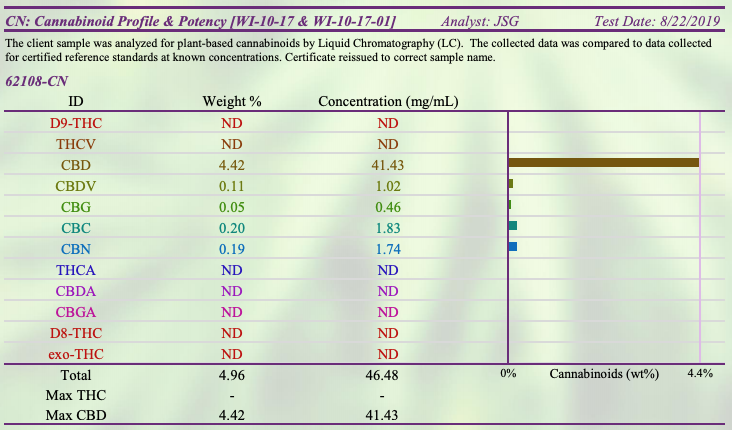
For example, here’s a sample from Plant People. It’s sold as “Dose Drops,” although this CBN claiming tincture/product has mostly ALL CBD. Not CBN. In just about every single “sedative, CBN Sleep aid,” is either filled with other constinuants of melatonin, gaba, etc - OR - is doused with a small amount of CBN, and mostly all CBD - relaxing you - but certainly not the same as CBN, and it’s incredible interaction with the body’s sleep cycles.

See what I am speaking of below. ALL CBD - NOT CBN!

Screen Shot 2020-01-30 at 10.32.12 PM.png

In closing, Evoq Clean, Calm, and Connected collection is proud to be amongst the first wellness companies to offer CBN at an incredibly high percentage of ACTIVE CBN and synergistic terpenes to significantly improve your sleep.

Contact me today to get started on better, deeper more sound sleep with our NEW HIGH CBN 500mg Sleep Aid! It is not yet up on the website so you can email me here: Kassieannk@gmail.com

Shop evoq cbd


// User Icon Setting (may be set to BLACK, WHITE or NONE):