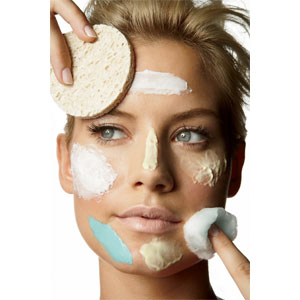
What is your favorite Green SMOOTHIE?

Cleanse with GREEN SMOOTHIES!

Making smoothies at home saves time and money and you know exactly what is going into your body!

Add into your blender:

1. 1 1/2 cups fresh water

2. 2 cups leafy greens, kale/spinach/ collard greens, you choose

3. BLEND until it is a smooth color consistency

4. add in your fruits

5. add in some dried stevia leaf or honey if you need extra sweetener

6. Blend it all together

Get started with one of these GREEN combos, one for every day of the week:

1. Spinach, mango – simple and surprising!

2. Kale, pineapple, mango

3. Collard greens, pineapple, banana

4. Spinach, pears, apples and cinnamon spice

5. Banana, grapes and parsley

6. Kale, blueberries and bananas

7. Romaine, banana, orange juice & fresh ginger

Cheers!

April 30th Upcoming Event! Bag Bad Beauty please!

Upcoming Event!  Bag Bad Beauty please!

You’ve heard the reports, now it’s time to stop playing chemical-roulette. Set yourself free of cosmetic toxins for good!

NONTOXIQUE and partner Kasia Organic Salon are making a deal for ONE day only that’s too good to pass up.

NONTOXIQUE & partner Kasia Organic Salon will give you 1% off per toxic ingredient in your product.  Not sure about the ingredient-look it up ahead of time at www.cosmeticdatabase.com or we’ll look it over for you when we see you.

1- 6 pm  at Kasia Organic Salon!

Kasia Stylist Colette on FIRE * Classy Ocassion Styles

Kasia rising Stylist... Colette is ON FIRE!

RaVe RevEiW!

I had the most incredible appointment yesterday. Colette did a wonderful job of pampering me. My hair is luxurious! I came into the salon with a dry mess of hair and left with soft, beautifully highlighted hair (naturally) cut just the way I wanted it!! I am thrilled, so is my scalp… Sara did an awesome job waxing my brows last week.

I LOVE YOUR SALON. -Kelli, Client

The 2010 Prom Season is upon us! Or....Class Reunion perhaps?

Let us take care of your big event, style, and mineral makeup.

Dont forget to PREP your SKIN Darling!

IMPORTANT TIP!

Exfoliate with soPure and enMoist - urize before

applying Light REFLECTING La Bella Donna Minerals.

  • Helps reduce pigmentation and discoloration.
  • Dual exfoliate system with jojoba bead and larch extract.
  • Deep hydration with long lasting effects

Stop in and meet the team, special event or no-

Dont forget!

RECIEVE $20 OFF your first Ammonia Free Color, Organic Facial, or Massage!

The Disappearing Male?

"We are conducting a vast toxicological experiment in which our children and our children's children are the experimental subjects." Dr. Herbert Needleman

The Disappearing Male is about one of the most important, and least publicized, issues facing the human species: the toxic threat to the male reproductive system.

The last few decades have seen steady and dramatic increases in the incidence of boys and young men suffering from genital deformities, low sperm count, sperm abnormalities and testicular cancer.

At the same time, boys are now far more at risk of suffering from ADHD, autism, Tourette's syndrome, cerebral palsy, and dyslexia

The Disappearing Male takes a close and disturbing look at what many doctors and researchers now suspect are responsible for many of these problems: a class of common chemicals that are ubiquitous in our world.

Found in everything from shampoo, sunglasses, meat and dairy products, carpet, cosmetics and baby bottles, they are called "hormone mimicking" or "endocrine disrupting" chemicals and they may be starting to damage the most basic building blocks of human development. Factsheet: Male Infertility

* There are more than 20 heavily industrialized nations where the birth of baby boys has declined every year for the past 30 years - amounting to 3 million fewer baby boys. * The number of boys born with penis abnormalities and genital defects has increased by 200% in the past two decades. * Boys have a higher incidence of attention deficit hyperactivity disorder, learning disabilities, Tourett's syndrome, cerebral palsy and dyslexia. * Boys are four times as likely to be autistic. * The average sperm count of a North American college student today is less than half of what it was 50 years ago. * The quality of sperm is declining. Eighty-five per cent of the sperm produced by a healthy male is DNA-damaged. * Damaged sperm have been linked to a 300% increase in testicular cancer - a form of cancer that affects young men in their 20s and 30s. * The chemical industry has developed more than 90,000 man-made chemicals in the last sixty years. Eighty-five percent of them have never undergone testing for their impact on the human body.

Learn more HERE!

Clearing Skin Disorders Naturally * Eczema, Dry Skin, & Dandruff

The Kasia Team is committed to restoring the lasting foundations of beauty with the encouragement of a  nutrient dense lifestyle whether that be nutrition, supplementation, or topically -   providing the essential building blocks for clear, healthy skin and hair.
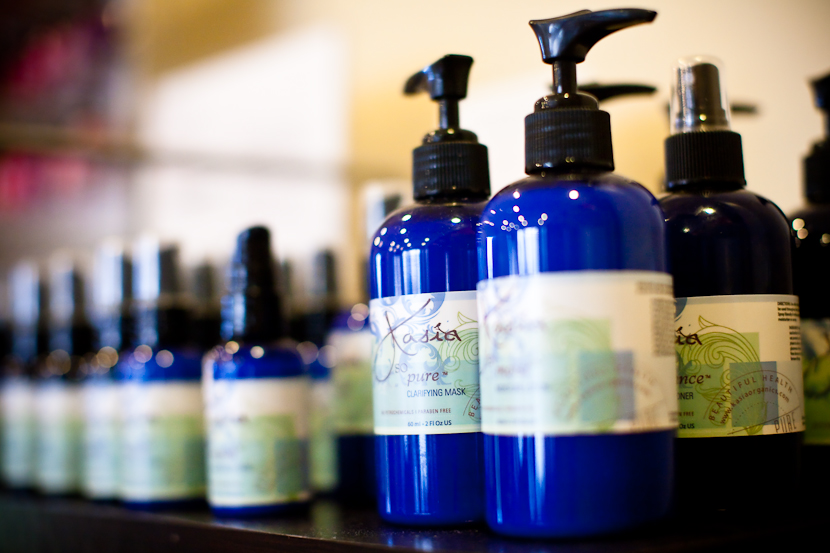
Let's step into some "Functional Medicine/Beauty" and get to the ROOT of  Clearing Skin Disorders Naturally

Key points

1. The skin is the largest and most visible organ of the body.

2. Heredity, diet, toxins, and allergen factors involved.

3. Detoxification is essential for people with skin disorders. The liver is the major organ involved.

4. Proper balance of the liver, lungs, kidneys, and digestive system maintains healthy skin.

Natural Acne Solutions

1. Probiotic +  (Acidophilus & Bifidus)  or high quality plain yogurt & kefir

2. Sulfur rich foods: eggs, fish, garlic, broccoli, and or MSM supplements

3. Vitamin A 25,000-100,000 (use with caution at higher levels and short term for a month or so)

4. Silica

5. Pantothenic acid 250-1000 mg

6. Zinc 30-60 mg

Eczema

1. Inflammatory skin reaction characterized by itching, redness, blisters, or dryness.

2. A sign of toxins from inside your body. Treating with creams is not addressing the root causes of toxicity.

3. Detoxify to expel the toxins, thus preventing the problem from returning.

4. Homeopathic remedies: Silica, Sulphur, Graphites, Psorinum

5. Dietary factors/allergens common

Psoriasis

1. Auto-immune, inflammatory skin condition. Caused by faulty immune system which over-reacts and

accelerates the growth of skin cells. Normally skin cells mature and are shed every 30 days. In psoriasis,

skin cells mature in 3 to 6 days, and pile up.

2. There are five types. Some get a related form called “psoriatic arthritis,” of the joints.

3. Plaque psoriasis is the most common type. It appears as patches of raised, reddish skin covered by silvery-white scale. These patches, or plaques, frequently form on the elbows, knees, lower back, and scalp.

Dry Skin and Dandruff

1. Water: 8-12 glasses pure

2. EFA’s: Flax seed oil, Cod liver oil, fatty fish

3. Use filter in shower to reduce chlorine

4. Minerals: sodium (sea salt/ Nat Mur) and potassium

5. Sugar is a culprit so need to eliminate. Also need to increase B-complex

6. Gall Bladder? Liver? Candida?

Atopic Eczema

Atopic eczema is associated with a genetic predisposition to non-regulation and imbalance of the immune system. People with atopic allergies lack cellular immune defences (TH1) and have too many humoral immune defences (TH2). The cause of this is most likely to be environmental stress – poor diet, pollution etc. Excessive cleanliness is also cited as a cause of atopic disease – this cause is known as 'The Hygiene Hypothesis'. The goal for treatment, therefore, is to rebalance the immune system to have an equal strength of TH1 and TH2 defences. Treatment possibilities include:

• Correcting faulty digestion;

• Increasing the ratio of omega-3 fats in our diets;

• Boosting glutathione and antioxidant levels. Glutathione is the most important antioxidant. Others include selenium, vitamin E, alpha lipoic acid (ALA) and NAC (N-Acetylcysteine).

• Checking for low stomach hydrochloric acid. Supplementing Betaine Hydrochloride;

• Supplementing  Probiotics

• Supplementing with vitamins, herbs and minerals, including magnesium, zinc, iron, manganese calcium, vitamin C (ascorbic acid) and B-vitamins especially B6;

• Increasing intake of monunsaturated fats: found mainly in nuts and olive oil;

• Reducing numbers of yeasts and bacteria on the skin and in the body;

• Exposure to moderate UVA: sunlight improves atopic eczema;

• Increasing exercise: this balances the immune response, gets oxygenated blood flowing, and improves appetite, digestion, sleep and endorphin release;

• Controlling stress: stress exhausts the hormonal system, causing worsening atopic systems. The adrenal gland releases cortisol when the body is under stress, overworking the endocrine system.

POINT OF ACTION!

For a consultation or further questions about the importance of Probiotics, Essential Fatty Acids, and over-all GOOD, better, BEST nutrition for hair, skin, and YOUR BEAUTIFUL HEALTH

DID YOU KNOW?

Fresh uncooked fruits and vegetables can actively support your body's regeneration and detoxification processes. Consume nutrient dense and organic goods.

Learn more about Kasia Beautiful Health SKIN CARE HERE!

Contact Kasia Organic Salon and take a euphoric experience to alternative healing beauty options.

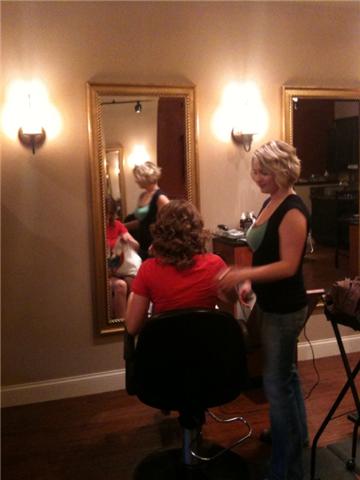
What is the Role of MEA and Ammonia in Hair Coloring?

At last, it's Spring! The long dark winter is over and new energy and life abound. Does your KASIA Salon.

OUR HAIR COLOR IS: Innovative, No Ammonia. NO  MEA. (CARCINOGEN AND DAMAGES THE HAIR)

AMMONIA FREE HAIR COLOR SHOW IT?!

Read on for more clarification!  What is MEA?

Now, as new products like Loreal INOA find their way to our salon shelves, so does plenty of new information and misinformation. New non-ammonia hair coloring products offer one option for both delivering new hair color AND covering gray. But before you jump to google to find a "Non Ammonia Stylist,"  it's a good idea to be completely certain about ingredient claims and their color being used.
Does your color contain MEA?

MEA is Monoethanolamine. It is an alkaline reactive chemical compound that is produced by the reaction of ethylene oxide with ammonia. It exists in liquid form and produces almost no odor.
What is ammonia? Ammonia is an alkaline compound of hydrogen and oxygen that is both naturally occurring and human made. It is water soluble, highly reactive, exists in both gas and liquid form, and has a strong odor.

How does ammonia perform in hair color?

In hair color, ammonia is very efficient at opening the cuticle, which allows color to penetrate more efficiently into the hair's cortex. When permanent color and peroxide meet ammonia, ammonia acts as a catalyst. This reaction is what removes natural pigment from the cortex and allows artificial color to deposit inside the cortex.

It is the AMOUNT of MEA used in a color that can create potentially negative results. Typically 6% to 10% MEA is used in color. For ammonia, the amount ranges from 1.5% in darker shades to 3.5% in high lift shades.

Most hair color companies prefer ammonia because, historically, the color results of ammonia-based permanent hair color remain more predictable than MEA-based color, providing longevity, vibrancy and superior gray coverage.

Not Kasia Organic Salon, as we VOID MEA AND AMMONIA all-together!

Learn more HERE about your LONG lasting, potential COLOR!

"Darcy, thank you for your Rave Review!"

I made a decision last fall to stop the application of chemical coloring to my hair.

I have very fine, thin hair and after years and years of chemical applications, I began to notice changes in the condition of my hair. I realize that some of the changes are due to age, and possible hormonal changes, but also felt that the chemical applications weren't doing me any good either.

I saw the profile for this new organic salon on the news a couple of weeks ago and knew that I had to give this a try.

Just yesterday, I had my hair colored at Kasia they did a fantastic job! My hair feels like silk, color is shiny and just want I was hoping for.

I definitely will be returning for color services. In addition, the salon has a very pleasant and relaxing atmosphere. I wish them much success with the launch of this new salon concept.

TAXING TOXIC TANNING: HEALTH CARE REFORM

Jennifer Wider, MD Society for Women's Health Research

The tanning industry came into focus recently during the national debate on health care. One of the changes included in the new health care reform legislation is a tax on tanning salons. Under the new law, tanning salons will start charging a 10 percent tax on all indoor tanning services. The tax is expected to generate roughly $2.7 billion dollars over ten years.

Not surprisingly, there are people upset by the new measure. According to Joseph Levy, the vice president of the International Smart Tan Network, tanning salon owners and industry professionals are working to have the taxes removed. He reports that businesses and customers have sent over 200,000 letters to Congress asking for a reconsideration and removal of the tax, which will be effective July 1, 2010.

And then there are many people who feel the tax is justified. The American Academy of Dermatology Association (AADA) has long held the position that indoor tanning is dangerous and increases a person’s risk of skin cancer. Dr. William James, president of the Academy, believes that there should be a federal ban on the use and sale of tanning beds in this country. In written testimony to the government, James states that a proposed ban would be: “an important step toward reducing the incidence of skin cancer in the United States and building a greater public understanding of the dangers of UV exposure.”

Skin cancer cases are at an all-time high in the United States. According to the American Cancer Society, more than one million new cases of skin cancer will be diagnosed this year. Melanoma, which is the most dangerous type of skin cancer, has also become the most common cancer among women aged 25-29, according to the Centers for Disease Control and Prevention in Atlanta, Ga. Bad sunburns that include blistering increase melanoma risk. Long-term exposure to the sun increases risk for melanoma and the two other less serious types of skin cancer, basal cell and squamous cell carcinoma. The use of tanning salons also has been linked to skin cancer.

According to Elizabeth C. Smith, MD, a dermatologist at Cohen Dermatology Associates in Fairfield, CT and member of the teaching faculty at The Mount Sinai School of Medicine in New York City, “In addition to escalating the risk of potentially fatal melanoma, a person who tans is 2.5 times more likely to develop squamous cell carcinoma and 1.5 times more likely to develop basal cell carcinoma than a person who does not. Multiple studies have shown the earlier a person begins to go to tanning salons, the greater the risk of skin cancer later in life.”

The dangers of indoor tanning have long been established, but health organizations have recently stepped up their warnings. “In 2009, the World Health Organization (WHO) and the International Agency for Research on Cancer (IARC) classified tanning beds as an exposure that is “carcinogenic to humans,” says Dr. Smith. “The IARC went further, grouping tanning beds with other Group I carcinogens such as asbestos, arsenic and cigarettes. Given the well-documented and widely accepted danger of tanning beds, the government has an obligation to regulate the industry and to inform the public of the hazards associated with tanning.”

Despite the myriad of public service announcements and warnings, young people still frequent tanning salons in large numbers, especially young women. According to Smith, “Young women often report wanting “color” before a vacation or event, and some confess to tanning for relaxation.” Many don’t seem to understand the risks involved: “most young people do not fully understand the risk of ultraviolet exposure, partly due to the tanning industry’s confusing campaign touting the merits of tanning to raise Vitamin D levels (important for bone health). In fact, most tanning beds emit primarily UVA light, which does not efficiently convert Vitamin D to its active form.”

Many health professionals feel that the new tax on tanning salons will send a clear message to the public that indoor tanning has real risks and potentially lower the number of young people using them on a regular basis.

// User Icon Setting (may be set to BLACK, WHITE or NONE):