Informed Beauty

Face the Facts About Aging and Sugar

The surprising reason eating too much can cause wrinkles—and 5 steps to ensure that it won't

sugar skin

If the promise of a slimmer waistline hasn't curbed your sweet tooth, maybe the desire for smooth skin will. It's a bitter pill to swallow, but experts now believe that a lifetime of overeating sugar can make skin dull and wrinkled.

At blame is a natural process that's known as glycation, in which the sugar in your bloodstream attaches to proteins to form harmful new molecules called advanced glycation end products (or, appropriately, AGEs for short). The more sugar you eat, the more AGEs you develop. "As AGEs accumulate, they damage adjacent proteins in a domino-like fashion," explains Fredric Brandt, MD, a dermatologist in private practice in Miami and New York City and author of 10 Minutes 10 Years. Most vulnerable to damage: collagen and elastin, the protein fibers that keep skin firm and elastic. In fact, collagen is the most prevalent protein in the body. Once damaged, springy and resilient collagen and elastin become dry and brittle, leading to wrinkles and sagging. These aging effects start at about age 35 and increase rapidly after that, according to a study published in the British Journal of Dermatology.

Besides damaging collagen, a high-sugar diet also affects what type of collagen you have—another factor in how resistant skin is to wrinkling, says Brandt. The most abundant collagens in the skin are types I, II, and III, with type III being the most stable and longest lasting. Glycation transforms type III collagen into type I, which is more fragile. "When that happens, the skin looks and feels less supple," says Brandt. The final blow: AGEs deactivate your body's natural antioxidant enzymes, leaving you more vulnerable to sun damage—still the main cause of skin aging.

One group that knows all too well sugar's ravaging effects: people with diabetes, who—because they can suffer from years of undetected high blood sugar—often show early signs of skin aging. "Depending on how well their disease is controlled, diabetics can have up to 50 times the number of AGEs in their skin as those who don't have diabetes," says Karyn Grossman, MD, a dermatologist in New York City and Santa Monica, CA, and chief of the division of dermatology at St. John's Hospital in Santa Monica.

The good news about sugar-damaged skin: It's never too late to turn back the clock. One way is to build new collagen with products that contain retinoids—look for retinol in OTC serums and lotions or prescription creams such as Renova, Avage, and Differin. To keep this new collagen supple, prevent AGEs from forming by taking steps to minimize the damage sugar causes to your skin.

Here, five steps to eat right and keep your skin looking its youngest:


1. Cut back on the sweet stuff in your diet. It's not easy to eliminate sugar completely. Even whole grains, fruits, and vegetables turn to glucose—the type of sugar that fuels glycation—when digested. But limiting added sugar can help. Some guidelines: Keep added sugar to no more than 10% of total calories. If you're a 45-year-old woman of average height (5-foot-4), that's 160 calories (or 10 teaspoons) from added sugar—about the number in one 12-ounce can of Coca-Cola or six Hershey's Kisses. By comparison, the average American consumes 31 teaspoons per day of added sugar, or the equivalent of 465 calories.

Watch for hidden sugar in food. Many prepared foods contain hefty amounts of sugar—but it's hidden under aliases—including barley malt, corn syrup, dextrose, fruit juice concentrate, maltose, maple syrup, molasses, and turbinado—on ingredient panels. The key is determining how many teaspoons of sugar each serving contains. Doing this is easy: Check the nutrition label for sugars, which are listed in grams under total carbohydrates, and then divide that number by four (each teaspoon of sugar is equal to 4g) to convert it to teaspoons. For example, if sugars are listed as 12g, you're getting three teaspoons of sugar per serving.sugar

Avoid high fructose corn syrup. This type of sweetener, which is made by changing the sugar in cornstarch to fructose (another form of sugar), is believed to produce more AGEs than other types. Because HFCS extends the shelf life of foods and is sweeter and cheaper than other sugars, it's a popular ingredient in soda, fruit-flavored drinks, and packaged foods such as breads, crackers, and other snacks. You can spot it in ingredient lists on nutrition labels.

2. Supplement your diet with at least 1 mg of vitamins B1 and B6 a day. These vitamins proved to be potent AGE inhibitors in a number of published studies, says David J. Goldberg, MD, a New York City-based dermatologist and a clinical professor of dermatology at Mount Sinai School of Medicine. B1 and B6 are plentiful in food, but taking a multivitamin—most of which deliver at least 1 mg of both Bs—ensures you're getting the daily value of 1.1 mg for B1 and 1.3 mg for B6 (1.5 mg after age 50).

3. Wear broad-spectrum SPF 30 sunscreen every day. Significantly more AGEs occur in sun-exposed skin than in protected skin, according to the British Journal of Dermatology study.

4. Employ an inside-outside approach to antioxidants. These free-radical fighters help keep sugar from attaching to proteins, so replenishing their supply—both by eating more antioxidant-rich fruits, nuts, and vegetables, such as cranberries, walnuts, and red bell peppers, and by applying topical antioxidants such as green tea and vitamins C and E—is a real skin saver. "It seems to be the best way to ensure that they reach the dermal layer of skin, where collagen and elastin are located," says Goldberg.

5. Use new ingredients that protect skin from sugar. A growing number of products contain compounds like aminoguanidine and alistin, which have been shown to block the formation of AGEs (see at left). "Aminoguanidine attaches to molecules that start the glycation process and prevents them from binding to collagen and elastin," explains Grossman. "Alistin acts as a decoy, so it gets damaged instead of the proteins in your skin." In a study on Prescriptives Anti-AGE Advanced Protection Lotion SPF 25, which contains both ingredients, skin treated with the product had 21% fewer AGEs after 8 weeks than untreated skin. Sweet!

Reverence: Prevention for Women:  By Karyn Repinski Read more: http://www.prevention.com/print/23567#ixzz2QSBB2oXZ

Spring Inspired Haircuts at Kasia!

Image-4.jpg

Everyone is screaming for spring!  We may not have control over the rising temperature, but we have full control of keeping our hair healthy through the dry winter's transitions and changing our style and look to uplift our spirits!


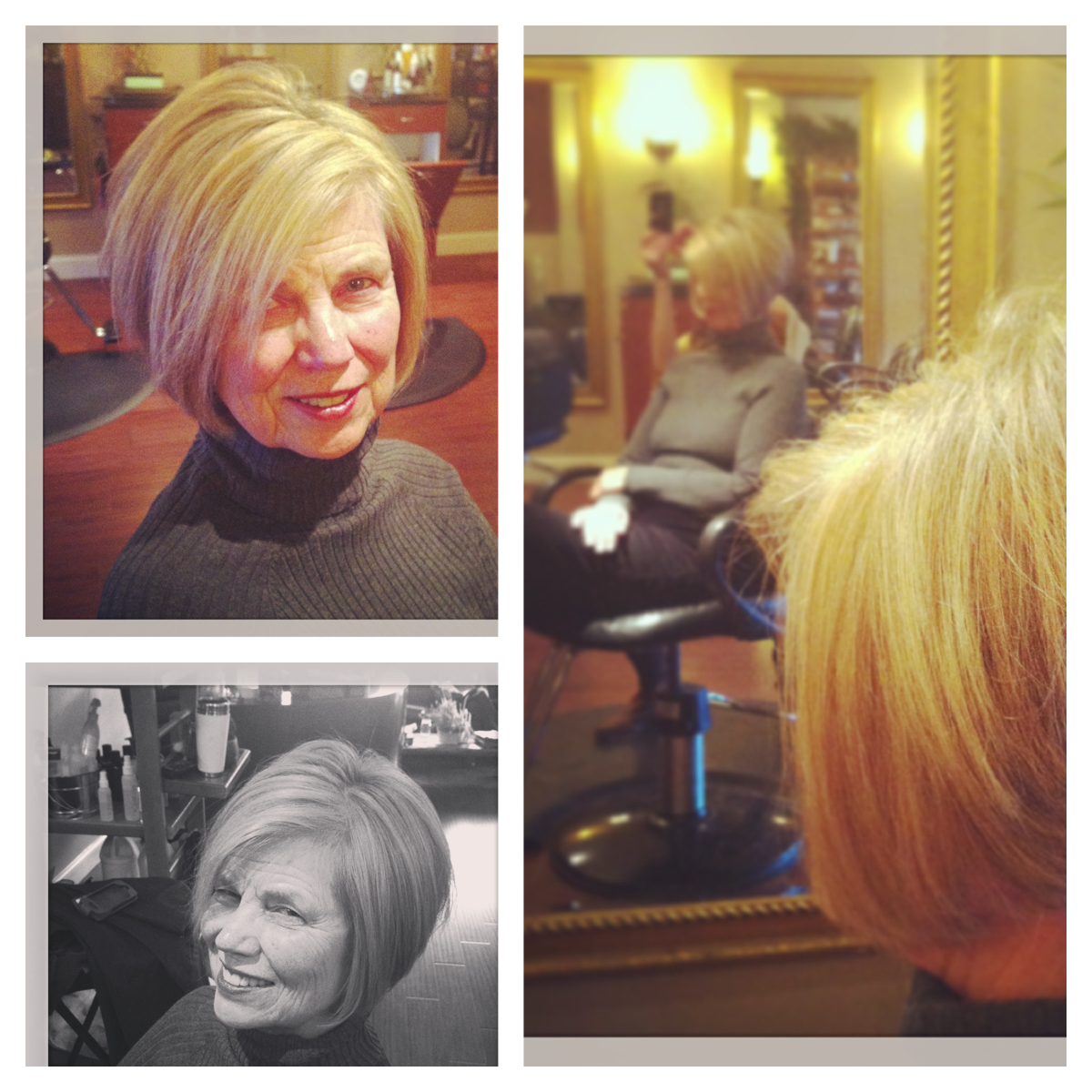
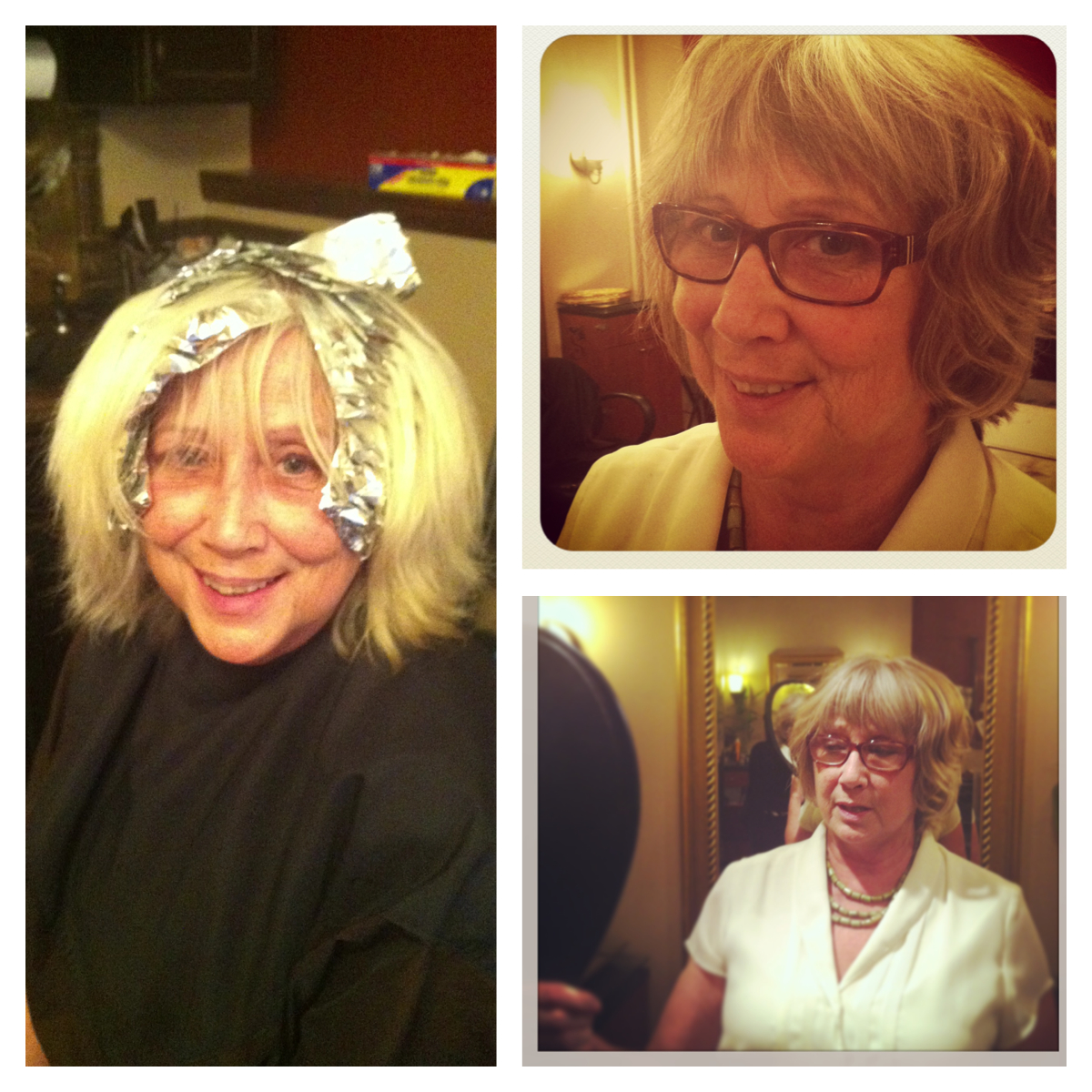
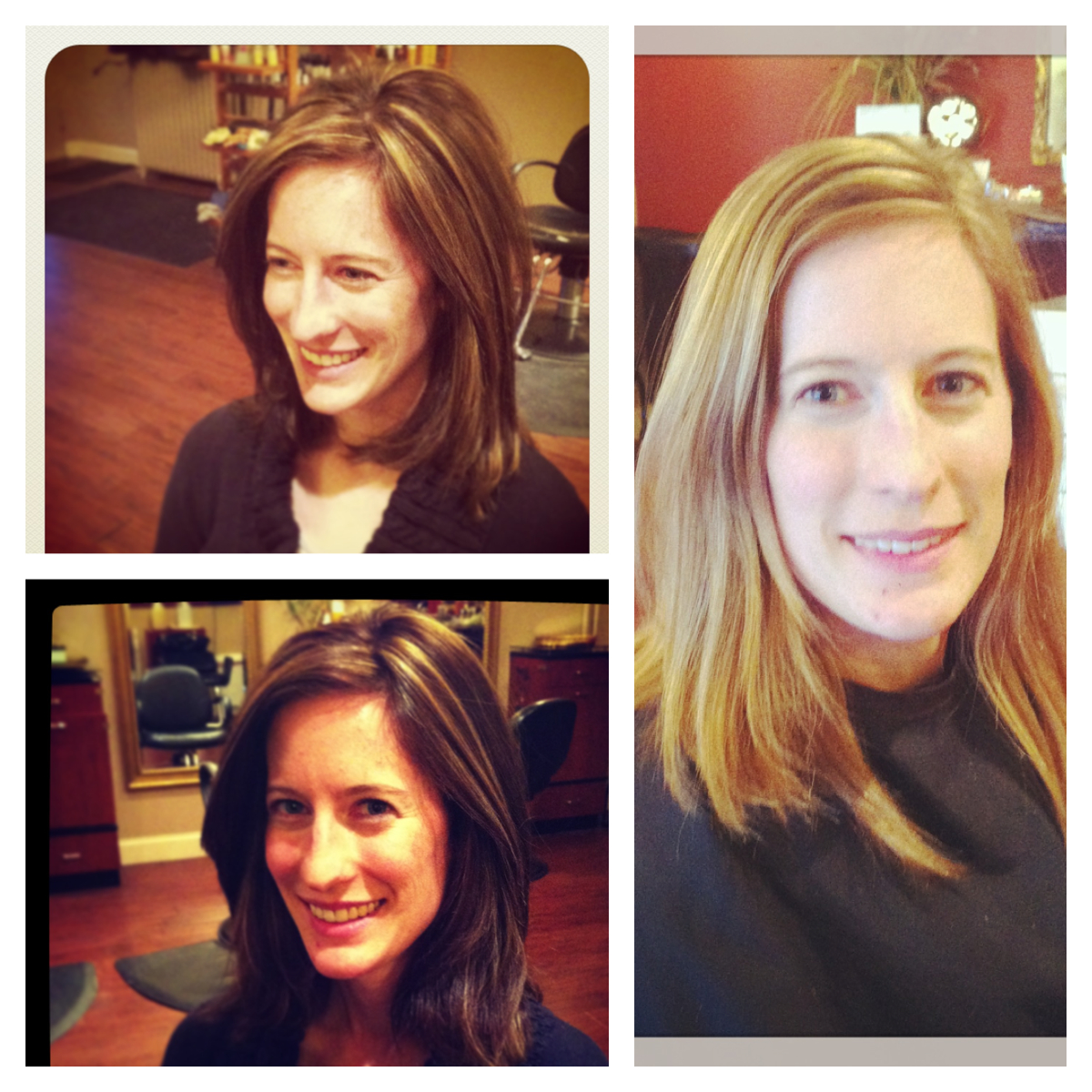
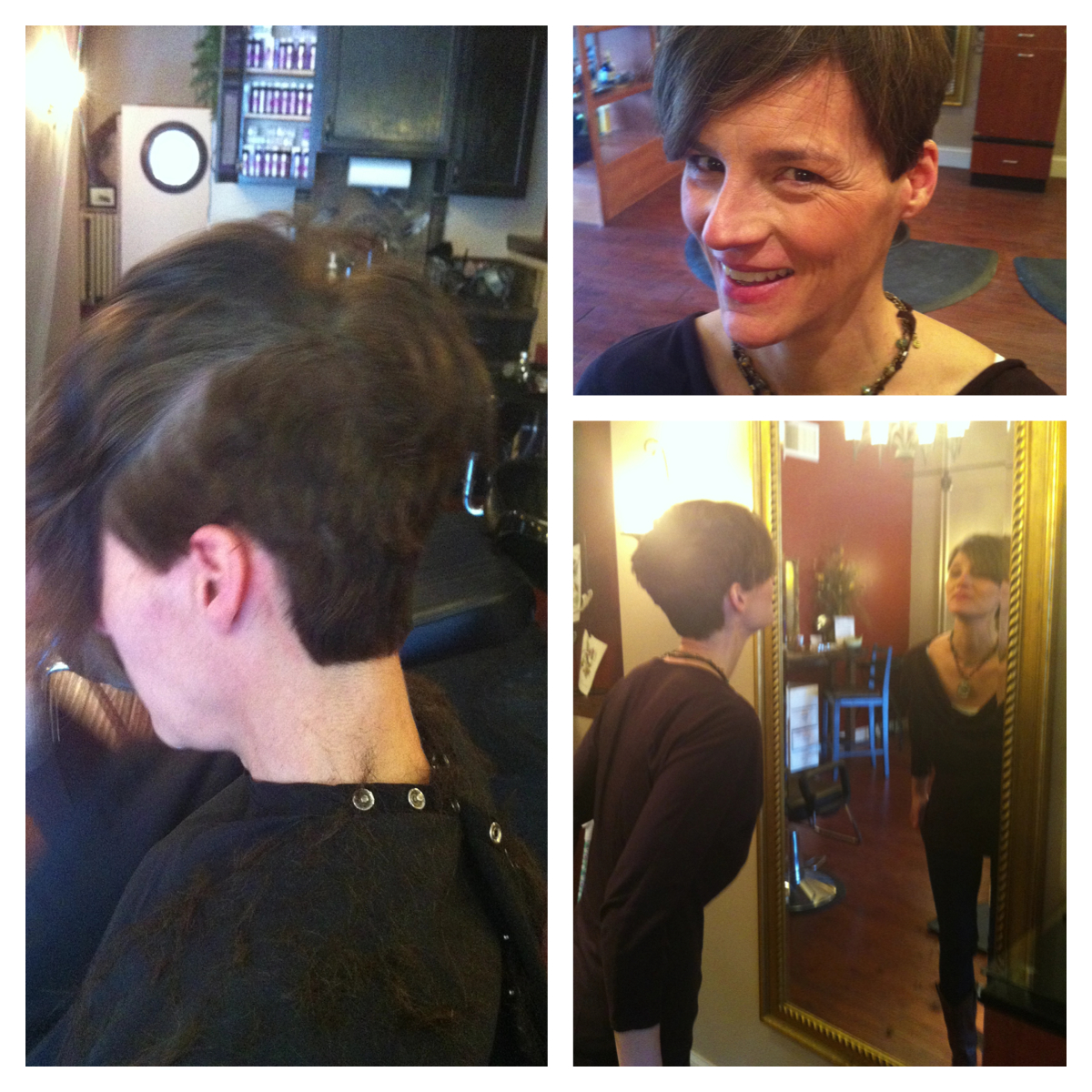
Here are some 'a-inspiring,' youth-i-fy--ed, and sassy friends of Kasia Organic Salon!


Image-4

 Image-3

Monique

Image

Image-2

Book your spring sass  today at 612.824.7611

A Glutton for Gluten: Should Skin Care Be Gluten-Free?

grain

by Dr. Diana Howard


What’s behind the growing phenomenon of gluten-free foods, and moreover, should it start crossing over into the world of skin care?

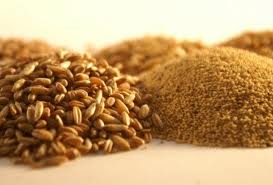
Gluten is the protein found in wheat, rye and barley flours that reacts when mixed with water. Celiac disease is an auto-immune disorder in which eating gluten causes the lining of the body’s small intestine to become inflamed. And, an emerging dietary trend is to eat cookies, cereals, pastas and even pizza dough that are gluten-free, as many people blame gluten for causing gas, abdominal pain and bloating.

As of 2009, only 1% of the world’s population has Celiac disease. What’s important to note is these are symptoms of eating gluten, not applying it to the skin!

On skin care ingredient labels, primary sources of gluten are listed as Hydrolyzed Wheat Protein, Triticum Vulgare (Wheat Germ) Oil or Extract and Sodium Lauroyl Oat Amino Acids. The U.S. FDA and WHO Codex Alimentarius have set preliminary thresholds of less than 20 ppm of gluten for a gluten-free claim. (This is more due to “analytical limitations” than anything else.)

Unfortunately, suppliers of raw materials don’t always certify the concentration of gluten in the raw materials that they provide skin care companies. And since the raw materials are not standardized with each batch (meaning they adjust each batch to contain a constant amount of gluten) the gluten content could fluctuate.

While many self-proclaimed experts claim any skin care product with gluten will penetrate through the skin’s barrier and trigger the disease, the Celiac Society disagrees. “Gluten molecules are too large to be absorbed through the skin. If you’re having a reaction to a personal care product (for example, a moisturizer or sunscreen lotion) that contains gluten, you may be allergic to one or more of the other ingredients.”

While it seems the whole world has got it in for gluten, The International Dermal Institute agrees with the Celiac Society and the many scientists that contend topical application is not an issue. Unless a product is used on the lips or in the mouth (think lip conditioners, lipstick, toothpaste or mouthwash), there is no need for concern. However, it is always up to the client and skin care professional to make the best possible choice for skin health.


Kasia Organic Salon simply shares articles that "Inform Beauties" of the everyday conversations within our beautiful health and personal care purchases.  The following article does not reflect our opinion, although creates a case of critical thinking.   - Kassandra

Ask a Scientist: Can I Reverse Gray Hair?

ask-scientist_h-article.jpg

  ask-scientist_h-article

Photo:Scotty Reifsnyder


The Scientist: Des Tobin, Professor of Cell Biology and Director of the Centre for Skin Sciences at the University of Bradford in the UK.

The Answer: Sorry, no dice. You can neither slow the onset of graying nor reverse it once it’s happened.

Hair gets its color from melanocytes, pigment-producing cells that live near the base of each hair. As a hair grows, it absorbs pigment, called melanin. The color that results depends on the ratio of eumelanin (which is black/brown) to pheomelanin (red/blonde), and that is determined by genetics, hormones and age. That’s why blonde kids often turn brunette after puberty—and why they go gray as older adults.

Graying happens when your melanocytes begin to produce less melanin, fail to produce melanin altogether or simply die off. Researchers have also found that hydrogen peroxide (a powerful bleaching agent) is produced naturally in the hair follicle, but it's broken down by enzymes. As you age, those enzymes dwindle, letting the hyrogen peroxide bleach hair from the inside out. Most people will have some gray hair by their 50thbirthdays. Different ethnicities tend to go gray at different ages. Speaking in broad generalities, the average is mid-30s for Caucasians, late 30s for Asians and mid-40s for people of African descent. But some people get salt-and-peppery in their 20s, while others hold onto their hair color until they’re 80.

There are some interesting exceptions to the “gray for good” rule. Certain drugs have been associated with hair darkening, and cancer patients who have undergone scalp radiotherapy have found that the irradiated areas can start producing pigmented hair again. Obviously, these are not workable everyday solutions. In the lab, scientists have been able to restart melanin production in melanocytes that haven’t produced pigment in a long time, so a treatment for gray hair at some point in the future isn’t out of the question. But it’s not exactly on the horizon, either.


Thank You:You Beauty

Read more: http://www.youbeauty.com/hair/ask-a-scientist-reverse-gray-hair#ixzz2PEsDjYK2

Rosacea Signs and Supportive Lifestyle Tips

April is National Rosacea Awareness Month and we find it appropriate to take the opportunity to explore this very common skin condition with our readers.

The Facts:

According to the National Rosacea Society, rosacea.org, over 16 million Americans suffer from rosacea, many without even knowing they have it.  It is most common in people age 30-50 and individuals with fair skin.  Those who tend to flush or blush easily are believed to be at greatest risk.

Even though this disorder is more frequently diagnosed in women it can be more severe in men. The most common signs of rosacea include: flushing, persistent redness, bumps, pimples, and visible capillaries. Other less prevalent signs range anywhere from burning or stinging, dry skin, plaques, skin thickening, swelling, and eye irritation.

There are 4 types of rosacea (AAD):  Rosacea

  erythematotelangiectatic rosacea which is flushing, persistent redness, and visible capillaries

papulopustular rosacea which has persistent facial redness with bumps or acne-like breakouts

phymatous rosacea described as skin thickening and enlargement bumpy texture

ocular rosacea affecting with symptoms of watering, bloodshot appearance, irritation, itching, gritty feeling, burning or stinging


Symptoms can have such an effect on self esteem that 41 percent of rosacea sufferers reported it had caused them to avoid public contact or cancel social engagements (National Rosacea Society).

Common treatments include antibiotics, azelaic acid, isotretinoin, lasers, dermabrasion, and in severe cases electrocautery and surgery. Kasia Organic Salon's skin specialist uses professional  products that deliver  great results in treating rosacea with a more holistic approach instead of just treating the symptom on the surface.
We recommend healing and calming inflammation both internally and in the skin.  When we increase the skin's ability to heal using ingredients that partner with the skin instead of having potentially harmful side effects, we see redness disappear, capillaries become less visible, thickening of a thinned dermis, and all over improvement in skin tone.

flawless skin

Doctors are still trying to determine the etiology of rosacea but according to the American Academy of Dermatology.

The Determining Genetic Factors Include:

  1. Rosacea tends to run in families, and found in individuals with an over active immune system.
  2. H pylori, since it is commonly found in rosacea sufferers but not all individuals with H pylori have rosacea
  3. The demodex mite which lives on everyone's skin but is found in larger quantities in rosacea.
  4. A protein called cathelicidin which normally protects the skin from infection but causes the inflammation seen in rosacea.

Though the medical community does not yet know the direct cause of rosacea they are starting to recognize intestinal influences.

Rosacea Inspired Diet

It is best to emphasizes on anti-inflammatory foods that work to reduce vascular flushing. Anti-inflammatory foods are generally plant-based, mineral dense, and minimally processed. Fruits and vegetables, especially dark and leafy greens, help to reduce inflammation. A rosacea inspired diet is an alkaline diet that includes cleansing vegetables, low-sugar fruits, low to NO grains or dairy,
rich bone broth soups, juices, salads and omega oils.
images-1
    • Mineral water spritzers can be made from still or effervescent mineral waters (like San Pelegrino or San Faustino). These mineral waters can be combined with a few drops to a couple of ounces of any juice. Pomegranate, apple cider, lemon, lime and acai juices are suggested here. Mineral waters offer an easy way to boost dietary mineral intake.
    • Emphasize anti-inflammatory foods that work to reduce vascular flushing. Anti-inflammatory foods are generally plant-based, mineral dense, and minimally processed. Fruits and vegetables, especially dark and leafy greens, are particularly anti-inflammatory.
    • Limit hot and stimulating foods that dilate blood vessels. Allow food and beverages to cool slightly before consuming them. Limit intake of coffee to one cup per day. Avoid alcohol, cigarettes, spicy foods with tomatoes and peppers, and sodas and sweets that can aggravate vascular inflammation.
    • Eliminate fried and fast foods along with artificial sweeteners, colors, and flavors. In general, opt for whole foods found complete in nature.
    • A vegetarian diet is not required. But it is important to strongly emphasize anti-inflammatory, plant-based foods like beans and nuts, complete whole grains, fruits and vegetables, and quality oils like olive oil.
    • Limit meat, saturated fats, dairy that contribute to inflammatory pathways. When consuming animal products, select organic or wild or grass-fed varieties to avoid genetic engineering, supplemental hormones, and antibiotics that can leave these foods far from what nature originally intended them to be. Opt for lean, organic meats and organic eggs when consuming them. You may want to strictly exclude dairy from your diet for six months to observe the impact it has on your body and rosacea symptoms.
    • If it's too difficult to transition to this entire diet overnight, transition meal by meal. Be patient and persistent. Be prepared to practice this diet at a minimum of 90% compliance for a minimum of three-to-six months to determine its potential impact on your rosacea.
  • Wholesome snacks are included to avoid blood sugar spikes and crashes that can feed inflammation. Snacks are also included to avoid consumption of very large meals which may generate larger amounts of heat in the digestive process.

Supplements

There is also a lot more you can do about your diet besides discovering triggers. Increase the amount of fruits and vegetables you eat, especially dark green vegetables, such as broccoli, spinach, kale and asparagus. Look for foods high in vitamin A, beta-carotene, bioflavonoids and vitamin C and add them into your diet.

  • B-vitamins: choose a good B-complex, with many different forms of B vitamins.
  • Vitamin E: is both a great antioxidant and helps skin to heal.
  • Vitamin A: is essential for skin health and healing. Be careful about dosage with vitamin A. High amounts of vitamin A (over 8,000 iu) are harmful to fetuses and should not be used by anyone who has the chance of becoming pregnant.
  • Zinc: helps speed wound healing and has been used in acne.
  • Essential Fatty Acids: fish and flax oil are great for the skin and the entire body.
  • Selenium: is a great antioxidant and helps support skin health.

Kasia's skin specialist are here to be able to recognize the signs and symptoms to provide products that can help to alleviate discomfort, which  helps to change lives.    Whether you suffer from rosacea, or not -  a home care regimen will help the recovery process with an Kasia Anti-inflammatory Organic Facial specifically designed for our guests.


Call 612 824 7611 Today!


Reference:

Jamie Palmer/Osmosis.com dermaharmony.com

Save Big! HIGH Impact Express Treatment and "ON THE MEND" Blow Out

8_blow-out-beautiful.jpg

Express "ON THE MEND" Blow Out

*Formaldehyde-Free, Thio-Free, Sodium-Hydroxide Free*

Snap up these special offers and step into spring with healthy, gorgeous locks!


Condition, strengthen, heal, and maximize the manageability of any hair type with ....

Kasia Organic Salon's Express Keratin Treatment! 

Whether you struggle with unruly, frizzy locks or limp, lifeless hair, this nourishing treatment will whip your hair back into shape without the harsh chemicals found in conventional treatments. Keratin, peptides and silk proteins combine to produce smoother, shinier and healthier hair - instantly! Added bonus: less time heat styling required to maintain a sleeker look. 
 

In a rush? This HIGH impact treatment takes only 30 minutes and just 10 minutes added on to your color service. 

 blow-out-beautiful
 
Special Price: 
With color - $29
Without color - $40 
 
 
***Because of the gentle formulation of our color line, there is a much less stark line of demarcation while your gray is growing in, allowing you to stretch out your retouch one to two weeks longer than with conventional dyes.


NEW time and money saving BEAUTIFUL HEALTH offerings just for you!

RETOUCH & RETOUCH EXPRESS 

 
Feel glamorous always, while maximizing your hard-earned time and money. Our Retouch and Retouch Express services provide a quick touch up for our no-fuss, on-the-go clients. 
busywoman
 
Added Bonus: they save money too! 


Learn more about our Retouch services HERE! 


HILARIOUS! Stylist + Client Convo Must Read!

beautyshop.jpg


I found this to be hilarious and just HAD to share with you beaute' ........

beautyshop

Woman in chair next to me: “Well, I need to get home and figure out what I am doing for dinner. Jim is out-of-town, so it’s just me.”

Her hair stylist:” Oh, I love when my husband is out-of-town. I can eat whatever I want…no pressure to fix anything. It is funny before I married my husband he would have cereal at night for dinner, now he expects full meals.”

Woman in chair next to me: “ I know…I love when my husband is gone too…I can eat what I want, watch what I want on tv, go to bed when I want, read in bed for as long as I want, I don’t get pestered for sex (massive giggles from every woman in the salon)…so much more relaxing with him gone. Like tonight I will probably just boil some eggs and have a salad. He would never eat anything like that for dinner.”

Her hair stylist: “Sometimes I get so tired of trying to figure out what to feed him so I just come home and say we are having sandwiches for dinner tonight. I will go fix my sandwich and flop down on the couch and he just stares at me like I have set the house on fire. So I say, “What?” He actually says, “Well, aren’t you going to fix one for me?”

I look up at my hairdresser and say, “I am so damn glad I never got married.”

She looks down at me and says, “ And I am so glad my divorce was finalized in February.”


-Thank you Onehappypill.com

Do You Wonder? "Why doesn't my hair grow past a certain length?"


"My hair won’t grow past a certain length."

hair loss

We hear it often at Kasia, and it is our goal to educate our clients on how to best treat their hair at home and to prescribe the supportive products that nourish the hair and build it up over time.

The stunted growth can be contributed to a number of reasons. Quality nutrition, ammonia color (more damaging) over-processing, over-heating with irons, and even cutting it too often are all factors to consider if your hair isn’t growing longer.

For the most part it’s not that your hair isn’t growing, but that it’s breaking off. No matter how good your diet, if your hair is frequently snapping off at the ends the length will be affected. Hair grows about half an inch a month, so, if your hair is breaking approximately that much in the same time period, it will stay the same length. This hair breakage can be caused by the incorrect and frequent use of straightening irons, and curlers. Using a hair-dryer without a protective serum/spray, using uncovered elastic bands, or brushing your hair too often or too roughly.

All of these processes can cause your hair to lose excessive amounts of moisture,  causing dryness, brittleness and loss of elasticity, which lead to breakage.


The way to minimize this breakage is to use products that will infuse moisture back into the hair shaft and products that protect your hair.  Using nurturing shampoo and conditioner is vital for not stripping the hair.


How often should I cut my hair?

In 8 weeks, your hair will grow approximately 1 inch. Therefore, you will not want to cut more than 1/2 of an inch every 2 months. It is important to keep the ends of your hair in good shape.


Quality Nutrition

Diet is another reason for hair not growing past a certain length. Low ferritin levels can affect the growth cycle of hair, especially in women.  Ferritin is your body’s iron storage. It can have a profound impact on the health of your hair as good levels of ferritin optimize hair growth. A lack of ferritin can result in the hair moving out of the ‘growing phase’ and into the ‘shedding phase’ sooner than it should.

Ferritin levels should be over 80 for optimum hair growth. Anything below this can result in your hair falling out before it has reached the desired length. An under active/overactive thyroid can also do this.  Over 40% of women have a deficient thyroid.  Getting your thyroid and iron levels checked is also a good idea if your hair isn’t growing past a certain length.

Vitamins B12 and Zinc are also vital when it comes to hair length and texture. Insufficient levels of zinc can lead to brittleness and breakage. Adequate protein intake is important for quick energy for the body's ability to manifest energy and growth.    consult your Doctor before taking any supplements as too much of any vitamin/mineral can be detrimental to your health.


Kasia Prescribed!

Re-Plenish Ultra-Hydrating Shampoo & Conditioner

Get rich quick!  Sea kelp, aloe and shea bring urgent repair to hydrate, restore shine, strengthen, and define curls. Vitamins E and C are powerful antioxidants to repair and protect. Chamomile, comfrey and calendula revitalize the hair, while also strengthening its roots. 100% pure essential oils.replenish

“Off the Fritz” Hair Sealer

Add instant manageability and shine to your tresses with this ultra-lightweight, 96% organic spray, all while protecting it from heat damage, frizz and humidity, coloring and environmental pollution.


Kasia Restore Hair Oil

A lightweight powerhouse, this ultra-versatile hair oil is silicone-free and absorbs instantly, giving your hair a healthy, brilliant shine. Made with cold-pressed fresh and organic oils, it’s a rich elixir that harnesses the power of Black Cumin seeds, Rosemary and Carrot Seed oil to smooth away frizz while protecting hair from damage. It’s perfect for all hair types and colored hair


Kasia-logo_roundJPGThe Kasia Organics “Informed Beauty” Promise:

We always use: the finest, all-natural ingredients that not only nourish the body but awaken the senses and promote healthy, safe living through informed beauty. The result: radiant, restored skin and hair.

We never use: parabans, petro-chemicals, phthalates, artificial preservatives, lauryl sulfates, artificial colors or dyes, synthetic fragrances, wasteful fillers or animal testing—unhealthy junk your body doesn’t need!