

Two "Done for You" Guides to Using Essential Oils Everyday! (find your symptom inside!)
The following blog is a FULL house. I have found two great guides to follow and keep on your bookmarks for just about any symptom you could think of!
Thank you to Abundant Health, LLC for the work on accumulating the great info for all the Informed Beauties!
Do not forget the QUALITY of OILS is very important. Our team is happy to help you find and source oils for your needs.
We have a great list of Organic Essential Oils for you to start with - everyday use.

| Essential Oil |
Skincare |
Emotional |
Medicinal |
Precautions |
| Basil | Antiseptic, especially good for blemishes. | Fortifying; stimulating; helpful for depression. | Treats digestive aches and pains, chest complaints and travel sickness. | Do not use on people with high blood pressure or epilepsy; avoid during pregnancy; not suitable for children. |
| Bergamot | Counteracts oily skin | Helpful for depression and anxiety; uplifting; mood enhancer; reviving | Treats colds, coughs, sore throats, and travel sickness; acts as an insect repellent | Do not use before sunbathing; can irritate sensitive skin |
| Benzoin | Treats chapped, dry skin | Calming; eases nervous tension | Treats coughs, laryngitis, aching muscles, sluggish circulation and travel sickness | Can irritate sensitive skin |
| Cedarwood | Helps balance oily skin | Settles nerves | Treats aches and pains, water retention; treats scalp problems like dandruff; acts as an insect repellent | Avoid during pregnancy; may irritate sensitive skin |
| Chamomile | Soothes inflamed skin | Calming; sedating; eases nervous tension | Eases pain; treats insomnia (mild enough for babies and children) | |
| Cinnamon | Combats mental exhaustion | Treats chills and improves poor circulation | Avoid if pregnant, suffer from high blood pressure, are epileptic, or have sensitive skin; do not use for children. | |
| Citronella | Counteracts oily skin | Refreshing; combats mental fatigue | Treats colds and flu; combats fatigue; acts as an insect repellent | |
| Clary Sage | Helps prevent oily skin | Mood enhancer; calming and reassuring | Treats muscular aches and pains, throat infections, hormone imbalance | Avoid during pregnancy; do not use if alcohol has been consumed |
| Clove | Helps speed recovery from ulcers | Soothes toothache; acts as an insect repellent | Always use in weak dilutions; avoid during pregnancy | |
| Cypress | Has an astringent effect on oily skin | Calms nerves | Treats cellulite, haemorrhoids, and poor circulation | Avoid during pregnancy |
| Dill | Treats flatulence (mild enough for nursing mothers); relieves colic and stomach aches in babies | |||
| Eucalyptus | Clears the head; acts as a stimulant; eases mental fatigue | Treats colds and flu, muscular aches and pains, wounds, and insect bites | Not suitable for small children or during pregnancy | |
| Fennel | Brightens oily, dull skin | Revitalizes; eases nervous tension | Treats constipation and relieves flatulence; stimulates lactation in nursing mothers | Avoid during pregnancy |
| Frankincense | Relieves dry skin | Deeply calming; aids concentration | Treats colds and flu; revives people who are feeling run-down | |
| Geranium | Combats combination skin | Mood enhancer | Acts as an insect repellent; soothes tender breasts; treats cellulite, head lice, and hormone imbalance | Avoid during pregnancy |
| Ginger | Combats mental exhaustion | Treats nausea, fatigue, poor circulation, and indigestion | Avoid during pregnancy, if suffering from high blood pressure or epilepsy; do not use with homeopathic medication | |
| Grapefruit | Counteracts oily skin | Uplifting; mood enhancer | Treats cellulite, muscle fatigue, and morning sickness | Do not use before sunbathing |
| Jasmine | Treats dry sensitive skin; can be used as a perfume | Lifts depression; mood enhancer | ||
| Juniper | Combats oily skin | Stimulates and boosts mental clarity | Treats poor circulation, muscular aches and pains, rheumatism, and gout; acts as a diuretic | Avoid during pregnancy, if suffering from high blood pressure, or if epileptic |
| Lavender | Useful for all skin types | Balances and calms emotions | Treats inflammation, wounds, colds and flu, cystitis, headaches, insomnia, and athlete’s foot | |
| Lemon | Treats very oily skin | Uplifting, invigorating; clarifies thought | Treats warts, cellulite, nausea, poor circulation, colds, sore throats, head lice | |
| Lemongrass | Treats large pores; acts as a scalp conditioner | Relieves nerves and eases stress | Treats poor circulation, indigestion; breaks a fever; acts as an insect repellent | |
| Mandarin | Reduces stretch marks and scarred oils skin | Calms nerves and gently sedates; mood enhancer | Eases fluid retention; aids in digestion and quells stomach aches, especially in children | |
| Marjoram | Deeply relaxing; helpful for anxiety, stress and shock | Loosens stiff muscles; eases aches, pains, and arthritis; treats insomnia | Avoid during pregnancy; do not use on people with low blood pressure | |
| Melissa | Helps alleviate nervous tension; mood enhancer | Aids digestion and circulation, and soothes aches and pains | A very expensive oil, comparable to rose – do not be fooled by cheap imitations | |
| Myrrh | Helps combat chapped, dry skin | Calms and soothes nerves | Treats yeast infection, chilblains, athlete’s foot, and coughs; promotes healthy circulation | Avoid during pregnancy |
| Myrtle | Counteracts oily skin | Eases mental fatigue; promotes calm, even breathing | Treats coughs and colds and eases congestion (mild enough for children) | |
| Neroli | Good for sensitive and mature skin; reduces scarring; can be used as a perfume | Helps grief; reduces anxiety; helps relieve postnatal and menopausal depression | Promotes healthy circulation; eases palpitations; helps prevent and treat stretch marks | |
| Niaouli | Helps relieve oily skin | Revives and refreshes | Decongestant for colds, flu and bronchial ailments; treats aches and pains; promotes healthy circulation | Avoid during pregnancy; do not use for babies and children less than two years old |
| Orange | Helps relieve oily skin | Enhances concentration; helps relieve stress and calm nerves | Helps reduce and treat cellulite; eases constipation | Do not use before sunbathing |
| Palmarose | Beneficial for all skin types | Soothes nerves; relieves mental exhaustion | Calms stomach disorders; helps to heal wounds | |
| Parsley | Aids digestion; eases flatulence; treats cellulite | Avoid during pregnancy | ||
| Patchouli | Beneficial for all skin types | Helps treat stress and nervous exhaustion | Helps to relieve dermatitis, eczema and skin sores; acts as an insect repellent | |
| Peppermint | Revives and boosts a tired mind; calms nerves | Aids digestion and helps relieve nausea; eases headaches, treats colds and flu; soothes muscular pain | Do not use with homeopathic medication; avoid during the first three months of pregnancy | |
| Petitgrain | Combats oily skin | Helps relieve stress and nervous exhaustion; mood enhancer | Calms indigestion and muscular tension | |
| Pine | Helps relieve stress and nervous exhaustion; calms nerves | Eases breathing, especially for colds, flu and asthma; eases muscular aches and pains; helps reduce excessive perspiration | ||
| Rose | Good for mature, dry, and sensitive skin; can be used as a perfume | Helps lift the spirit and enhance moods; helps with grief; promotes sensual feelings | Relieves hay fever and asthma; eases PMS, period pain, and menopausal problems, stimulates circulation | A very expensive oil if pure |
| Rosemary | Combats oily skin | Stimulates the mind to combat mental exhaustion and fatigue | Useful for treating rheumatism; gets rid of head lice; stimulates circulation; relieves colds and flu | Avoid during pregnancy; do not use on people suffering from high blood pressure or epilepsy |
| Rosewood | Useful for combination skin | Helps calm and relieve stress | Helps combat perspiration; soothes headaches; relieves nausea, especially travel sickness; treats skin infections | |
| Sandalwood | Moisturizes dry skin | Helps ease depression; can be used to create a sensual atmosphere | Calms nausea; eases cystitis | |
| Tea Tree | Treats blemishes and acne | Treats athlete’s foot, plantar warts, cold sores, blemishes, acne, insect bites, yeast infections, colds and flu | ||
| Thyme | Helpful for oily skin | Strengthens and restores vitality | Treats aches and pains, laryngitis, sore throats, tonsillitis, colds, and flu; treats cellulite; improves circulation | Avoid during pregnancy; do not use on people suffering from high blood pressure or epilepsy |
| Vetivert | Counteracts oily skin | Helps lift depression and relaxes the mind | Eases arthritis, rheumatism, stiff joints and muscles; soothes aches and pains | |
| Ylang Ylang | Useful for combination skin | Acts as a powerful aphrodisiac | Eases palpitations | Has a very powerful, heady aroma, so use only a little at a time |
ESSENTIAL OIL AILMENT INDEX
Abscess: See ANTI-FUNGAL, ANTI-BACTERIAL, FUNGUS: FUNGAL INFECTION or INFECTION. Bergamot, birch, elemi, frankincense, galbanum, lavender, melaleuca (Tea Tree), myrrh, Roman chamomile, thyme, wintergreen. To reduce swelling, pain, inflammation, and to draw out toxins, it may help to apply the oil(s) with a hot compress.
Absent Minded: See MEMORY. Basil, cardamom, frankincense, lemongrass, peppermint, rosemary, sandalwood.
Abundance: Bergamot, cinnamon bark, cypress.
Abuse: Geranium, lavender, melissa, sandalwood, ylang ylang.
Aches/Pains: Blue cypress, Idaho balsam fir.
Acidosis: See ALKALINE and pH BALANCE. Lemon, peppermint.
Acne: See HORMONAL IMBALANCE, SCARRING, SKIN, and STRESS. Bergamot, cedarwood, Clary sage, clove, eucalyptus, Eucalyptus radiata, frankincense, geranium, German chamomile, juniper, lavender, lemon, lemongrass, marjoram, melaleuca (Tea Tree), myrtle, patchouly, petitgrain, ravensara, rosemary, rosewood, sage, sandalwood, spearmint, thyme, vetiver, yarrow. Apply one of the above oils on location or try putting about 10 drops of an oil into a small spray bottle and mist your face several times a day.
ADD: See ATTENTION DEFICIT DISORDER.
Adenitis: See LYMPHATIC SYSTEM. Garlic, onion, pine, rosemary, sage.
Addictions: Bergamot (helps with over indulgences), calamus (tobacco).
Addison's Disease: See ADRENAL GLANDS. Nutmeg (increases energy; supports adrenal glands), sage (combine with nutmeg).
Adrenal Glands: See ENDOCRINE SYSTEM, LUPUS, THYROID. Nutmeg (increases energy; supports adrenal glands).Blend—Add 3 drops clove, 4 nutmeg, and 6 rosemary to 1 tsp. base oil. Apply 4-5 drops of this mixture to kidney areas and cover with hot compress. Also apply 1-2 drops of mixture to Vita Flex kidney points on the feet and work in with fingers using Vita Flex technique.
Aging: See WRINKLES. Carrot, frankincense, rosehip, rosewood, sandalwood.
Agitation: Bergamot, cedarwood, Clary sage, frankincense, geranium, juniper, lavender, marjoram, myrrh, rose, rosewood, sandalwood, ylang ylang.
AIDS: Cistus, cumin (supports immune system; inhibits HIV virus), helichrysum, lemon, nutmeg. Apply to Thymus and bottom of feet.
Airborne Bacteria: Cinnamon bark, fir, Idaho balsam fir, Mountain savory, oregano.
Air Pollution: Cypress, eucalyptus, fir, grapefruit, lavender, lemon (sterilize air), lime, rosemary.
Alcoholism: See ADDICTIONS. Fennel, juniper, and rosemary. Can also use elemi, helichrysum, lavender, orange, Roman chamomile, rosemary verbenon. (For professional help with alcoholism, visit your local chapter of alcoholics anonymous.)
Alertness: Basil, lemon, peppermint, rosemary. Apply to temples and bottom of feet.
Alkaline: See ACIDOSIS, pH BALANCE.
Alkalosis: pH BALANCE. Anise, ginger, tarragon.
Alone (Feeling): See EMOTIONS.
Allergies: Elemi (rashes), eucalyptus, lavender, ledum, Melaleuca ericifolia, Melaleuca quinquenervia, melissa (skin and respiratory), patchouly, peppermint, Roman chamomile, spikenard. Apply to sinuses, bottom of feet, and diffuse.
Alopecia Areata: See HAIR: LOSS.
Aluminum Toxicity: See ATTENTION DEFICIT DISORDER.
Alzheimer's Disease: See BRAIN, MEMORY, PINEAL GLAND, PITUITARY GLAND. Frankincense and sandalwood contain sesquiterpenes, which enable these oils to pass the blood-brain barrier. Apply to temples, bottom of feet, and diffuse.
Amnesia: See Memory. Basil, clove, rosemary.
Analgesic: Bergamot, birch, clove, eucalyptus, geranium, helichrysum, lavender, lemongrass, marjoram, melaleuca, oregano, peppermint, Roman chamomile, rosemary, wintergreen.
Anemia: Carrot, lavender, lemon. Apply to bottom of feet and stomach.
Aneurysm: See BLOOD. Cypress (strengthens the capillary walls and increases circulation), frankincense, helichrysum, Idaho tansy. Apply to temples, hearth, Vita Flex heart points, and diffuse.
Anger: See LIVER. Bergamot, cedarwood, cypress, frankincense, geranium, German chamomile, helichrysum, lavender, lemon, mandarin, marjoram, melissa, myrrh (soothes), myrtle, orange, petitgrain, Roman chamomile, rose, sandalwood, ylang ylang.
Angina: Ginger, laurel, orange (for false angina). Apply to heart and Vita Flex heart point.
Animals: See the page: Animal Care
Anorexia: Angelica, coriander, grapefruit, tarragon. Apply to stomach and bottom of feet. It may also help to diffuse anti-depressant oils.
Anti-Bacterial: Basil, bergamot, cassia, Canadian red cedar, cedarwood, citronella, cinnamon bark, Clary sage, clove, cypress, eucalyptus, fir, geranium, grapefruit, Idaho tansy, juniper, lavender, lemon, marjoram, melaleuca, Melaleuca ericifolia, Mountain savory, neroli, oregano, palmarosa, petitgrain, pine, ravensara, Roman chamomile, rosemary, rosewood, spearmint, tarragon, thyme, valerian, Western Red cedar.
Anti-Cancerous: Clove, frankincense, ledum (may be more powerful than frankincense).
Anti-Catarrhal: Black pepper, cypress, elemi, eucalyptus, fir, frankincense, ginger, helichrysum (discharges mucus), hyssop (opens respiratory system and discharges toxins and mucous), hyssop (opens respiratory system and discharges toxins and mucous), jasmine, onycha (benzoin), ravensara, rosemary. Apply on lung area, feet, around nose, Vita Flex lung points, and diffuse.
Anti-Coagulant: Angelica, cassia, helichrysum, lavender, tangerine, tarragon. Apply on location, bottom of feet, and diffuse.
Anti-Depressant: See DEPRESSION. Elemi, frankincense, lavender, onycha (combine with rose for massage). Apply to bottom of feet, heart, and diffuse.
Anti-Fungal: Cinnamon bark, clove, geranium, juniper, lavender, lemon, lemongrass, mandarin, melaleuca, Melaleuca ericifolia, Mountain savory, oregano, palmarosa, rosewood, sage, spearmint, thyme. Apply to bottom of feet, on location, and diffuse.
Anti-Hemorrhaging: See HEMORRHAGING. Helichrysum, rose.
Anti-Infectious: Basil, cassia, cinnamon bark, clove, cypress, davana, elemi, eucalyptus, hyssop, Idaho tansy, lavender, marjoram, melaleuca, Melaleuca ericifolia, myrrh, patchouly, petitgrain, pine, ravensara, rose, rosemary, rosewood, Roman chamomile, spearmint, spikenard, spruce, tarragon, thyme. Apply on location and bottom of feet.
Anti-Inflammatory: Birch, black pepper, blue cypress, calamus (gastrointestinal), citronella, coriander, cypress, eucalyptus, German chamomile, helichrysum, hyssop (of the pulmonary), lavender, lemongrass, melaleuca, myrrh, onycha (benzoin), patchouly, peppermint, petitgrain, ravensara, Roman chamomile, spearmint, spikenard, spruce, tangerine, tarragon, wintergreen. Apply on location.
Anti-Parasitic: Cinnamon bark, clove, fennel, ginger, hyssop, lemon, lemongrass, melaleuca, Mountain savory, oregano, Roman chamomile, rosemary, rosewood, spearmint, spikenard, tarragon. Apply to stomach, liver, intestines, and Vita Flex points on feet.
Anti-Rheumatic: Birch, eucalyptus, juniper, onycha (benzoin), oregano, rosemary, thyme wintergreen.
Anti-Sexual: Marjoram (helps balance sexual desires).
Anti-Tumoral: Clove, frankincense, ledum (may be more powerful than frankincense).
Anti-Viral: Bergamot, cinnamon bark, Clary sage, clove, Eucalyptus radiata, galbanum, geranium, hyssop, Idaho tansy, juniper, lavender, lemon, melaleuca, melissa, Mountain savory, myrrh, oregano, palmarosa, pine, ravensara, rosewood, sandalwood, tarragon, thyme.
Antibiotic: Bergamot, cinnamon bark, clove, eucalyptus, hyssop, lavender, lemon, melaleuca, myrtle, nutmeg, oregano, patchouly, ravensara, Roman chamomile, thyme. Apply on location, liver area, bottom of feet, and diffuse.
Antihistamine: Lavender, Roman chamomile. Apply to sinuses, Vita Flex points, and diffuse.
Antimicrobial: Cinnamon bark, cypress, helichrysum, jasmine, lavender, lemongrass, Melaleuca ericifolia (powerful), melissa (shown in lab tests to be effective against Streptococcus haemolytica), myrrh, palmarosa, pine, rosemary, rosewood, sage, thyme.
Antioxidants: Cinnamon bark, frankincense, helichrysum, hyssop, melaleuca, onycha (benzoin), oregano, ravensara, Roman chamomile, thyme.
Antiseptic: Bergamot, Canadian Red cedar, cedarwood, cinnamon bark, citronella, clove, cumin, elemi, eucalyptus, fennel, fir, frankincense, Idaho balsam fir, lavender, lemon, mandarin, marjoram, melaleuca, Mountain savory, mugwort, myrtle (skin), nutmeg (intestinal), orange, onycha (benzoin), oregano, patchouly, peppermint, pine (pulmonary, urinary, hepatic), ravensara, Roman chamomile, rosemary cineol, rosemary verbenon, sage, sandalwood, spearmint, thyme, thyme linalol, Western red cedar, ylang ylang. Apply on location.
Antispasmodic: Anise, basil, calamus, citronella, cumin, fennel, German chamomile, helichrysum, lavender, mandarin, marjoram, mugwort, peppermint, petitgrain, Roman chamomile (relaxes spastic muscles of the colon wall), rosemary, sage, spearmint, spikenard, spruce, tarragon, valerian, ylang ylang.
Anxiety: Basil, bergamot, cedarwood, Clary sage, cypress, frankincense, geranium, hyssop, jasmine, juniper, lavender, lemon, lime, marjoram, melissa, onycha (combine with rose for massage), patchouly, pine, Roman chamomile, rose sandalwood, tangerine, tsuga (grounding), ylang ylang.
Apathy: Frankincense, geranium, jasmine, marjoram, orange, peppermint, rose, rosemary, rosewood, sandalwood, thyme, ylang ylang.
Aphrodisiac: Cinnamon bark, Clary sage, ginger, jasmine, patchouly, rose, sandalwood, neroli, ylang ylang.
Appetite—Loss of: Bergamot, calamus, cardamom, ginger, hyssop, lemon, myrrh, nutmeg, orange, spearmint. Apply to stomach, bottom of feet, and diffuse.
Argumentative: Cedarwood, eucalyptus, frankincense, jasmine, joy, orange, Roman chamomile, thyme, ylang ylang.
Arms—Flabby: Cypress, fennel, juniper, lavender.
Arterial Vasodilator: Marjoram. Apply to carotid arteries in neck, over heart, Vita Flex points on feet.
Arteries: Lavender (blocked after surgery).
Arteriosclerosis: See BLOOD. Birch, cedarwood, ginger, juniper, lemon (increase white and red blood cells), rosemary, thyme, wintergreen. Apply to heart and Vita Flex points on feet.
Arthritis: See ACIDOSIS. Basil, birch (drains toxins that cause pain), cedarwood, clove, cypress, eucalyptus, fir (has cortisone-like action), ginger, helichrysum, hyssop, Idaho balsam fir, Idaho tansy, lavender, marjoram, nutmeg, onycha (benzoin), peppermint, pine, Roman chamomile, rosemary, spruce, white fir (has cortisone-like action), wintergreen (drains toxins that cause pain). Apply oils on location and diffuse.
Asthma: See RESPIRATORY SYSTEM. Cajeput, calamus, Clary sage, cypress, eucalyptus, fir, frankincense (on crown), hyssop, laurel, lavender, lemon, marjoram, myrrh, myrtle, onycha (benzoin), oregano, peppermint, pine, ravensara, rose, rosemary, sage, thyme, tsuga (opens respiratory tract). Avoid steam inhalation. Apply topically over lungs and throat. Drop on pillow or diffuse.
Astringent: Lemon, onycha (benzoin).
Athletes Foot: Cajeput, cypress, Eucalyptus citriodora, geranium, lavender, melaleuca, myrrh, thyme.
Attention Deficit Disorder: See HYPERACTIVITY. Ledum. Blend: Lavender with basil. Apply on crown or diffuse.
Auto-Immune System: For specific diseases, see GRAVES DISEASE, HASHIMOTO'S DISEASE, and LUPUS. Cistus.
Awaken the Mind, Spirit: Myrrh.
Babies/Children, Back, Bacteria, Balance, Baldness, Bath, Bed Wetting, Bereavement, Betrayed, Birthing, Bites,Bitterness, Bladder, Blister, Blocked (emotionally), Blood, Boils, Bonding, Bones, Boredom, Brain, Breasts,Breathing, Bronchitis, Bruises, Bugged (feeling), Bugs (repel), Bulimia, Bumps, Bunions, Burdens, Burns,Bursitis
Babies/Children: See the page: Essential Oil Care for Babies & Children
Back: Basil, birch, black pepper, cypress, eucalyptus, geranium, ginger, juniper, lavender, oregano, peppermint, Roman chamomile, rosemary, sage, tangerine, thyme (for virus in spine), wintergreen.
Balance: Cedarwood, frankincense (balances electrical field), Roman chamomile, ylang ylang.
Baldness: See HAIE. Cedarwood, lavender, rosemary, sage. Apply 2-3 drops of each oil on location and on bottom of feet before bedtime and/or in the morning after washing.
Bath: While tub is filling, add oils to he water; oils will be drawn to your skin quickly from the top of the water, so use gentle oils like lavender, Roman chamomile, rosewood, sage, ylang ylang, etc.
Bed Wetting: See BLADDER. Before bedtime, rub the abdomen with a couple drops of cypress mixed with massage base oil.
Betrayed (Feeling): See EMOTIONS.
Bites: See also INSECT. Basil, cinnamon bark, garlic, lavender, lemon, sage, thyme (all have antitoxic and anti-venomous properties).
Bitterness: See EMOTIONS. Roman chamomile.
- Bed Wetting and Incontinence: Before bed rub cypress on abdomen.
- Infection: See CYSTITIS. Cedarwood, onycha (benzoin), and sandalwood (for 1st stages bladder infection).
Blister: Lavender (on lips from sun).
Blocked (Emotionally): See EMOTIONS
Blood: Red blood cells carry oxygen throughout the body.
- Blood Pressure (high): Birch, Clary sage, clove, goldenrod, lavender, lemon, marjoram (regulates), nutmeg, spearmint, wintergreen, ylang ylang (arterial; put in hand, rub palms together, cup over nose, and breath deeply for 5 minutes and/or put on feet). Place oils on heart points on left arm, hand, foot, and over heart. Can also smell from palms of hands, diffuse, or place a few drops on a cotton ball and put in a vent.
- Bleeding (stops): Cistus, geranium (will increase bleeding first to eliminate toxins, then stop it), helychrusum, onycha (benzoin), cayenne pepper, rose.
- Broken Blood Vesels: Grapefruit, helichrysum.
- Cholesterol: Helichrysum (regulates).
- Cleansing: Helichrysum, Roman chamomile. Apply on bottom of feet.
- Clots: Grapefruit, helichrysum (anti-coagulant).
- Hemorrhaging: Cistus, helichrysum, rose, cayenne pepper.
- Low Blood Sugar: Cinnamon bark, clove, thyme.
- Stimulates: Lemon.
- Vessels: Cypress (strengthens capillary walls, and increases circulation), lemongrass (vasodilator).
Boils: Bergamot, Clary sage, frankincense, galbanum, lavender, lemon, lemongrass, melaleuca, ravensara, Roman chamomile.
Bones: All the tree oils, birch, cedarwood, cypress, fir, juniper, lavender, lemongrass, marjoram, peppermint, sandalwood, spruce, wintergreen.
Boredom: Cedarwood, cypress, fir, frankincense, juniper, lavender, pepper, Roman chamomile, rosemary, sandalwood, spruce, thyme, ylang ylang.
Brain: Blue cypress (improves circulation), Clary sage (opens brain, euphoria), cypress, geranium, lemongrass, spearmint.
Breast: Clary sage, cypress, elemi (inflammation), fennel, geranium, lemongrass, sage, spearmint, vetiver.
Breathing: Cinnamon bark, frankincense, ginger, hyssop, juniper, marjoram, nutmeg, Roman chamomile, rosemary, thyme.
Bronchitis: See RESPIRATORY SYSTEM. Basil, bergamot, birch, cajeput, cedarwood, Clary sage, clove, cypress, elemi, Eucalyptus radiata, fir (obstructions of Bronchi), frankincense, ginger, lavender, ledum, lemon, marjoram, melaleuca, Melaleuca ericifolia, myrtle, myrrh, nutmeg, onycha (benzoin), peppermint, pine, ravensara, Roman chamomile, rose, rosemary, sandalwood, spearmint, thyme, tsuga (opens respiratory tract), wintergreen. Diffuse the oils or rub on chest (dilute with oil if necessary).
Bruises: Angelica, fennel, geranium, helichrysum, hyssop, lavender. Apply on location.
Bugged (Feeling): See EMOTIONS
Bugs (Repel): See BITES and INSECT. Lemon (kills bugs), Citronella. Diffuse.
Bulimia: Grapefruit. Apply to stomach and bottom of feet.
Bunions: See BURSITIS. Carrot, cypress, German chamomile, juniper.
Burns: Eucalyptus, geranium, helichrysum, Idaho tansy, lavender (cell renewal), melaleuca (Tea Tree), peppermint, ravensara (healing), Roman chamomile, rosehip, tamanu (mix with helichrysum). Blend: 10 drops German chamomile, 5 drops Roman chamomile, and 10 lavender. Mix together and add 1 drop to each square inch of burn after it has been soaked in ice water. If you don't have the chamomile, lavender will do great.
Bursitis: Cajeput, cypress, ginger, hyssop, juniper, onycha (benzoin), Roman chamomile.
Callouses, Calming, Cancer, Candida, Cankers, Capillaries, Carbuncles, Cardiotonic, Cardiovascular System,Carpal Tunnel Syndrome, Cataracts, Catarrh (mucus), Cavities, Celibacy, Cells, Cellulite, Chakras (Energy Centers), Change, Charlie Horse, Cheeks, Chelation, Chemicals, Chicken Pox, Chiggers, Child Birth, Childhood Diseases, Children, Chills, Cholera, Cholesterol, Chorea, Chronic Fatigue, Circulation, Circulatory System,Cirrhosis, Clarity of Thoughts, Cleansing, Clothes, Cockroaches, Colds, Cold Sores, Colic, Colitis, Colon, Coma,Compassion, Complexion, Concentration (Poor), Concussion, Confidence, Confusion, Congestion,Conjunctivitis, Consciousness, Constipation, Contagious Diseases, Control, Convulsions, Cooling Oils, Corns,Cortisone, Coughs, Courage, Cradle Cap, Cramps, Crohn's Disease, Cushing's Disease, Cuts, Cystic Fibrosis,Cystitis
Callouses: Carrot, oregano (callouses on feet), peppermint, Roman chamomile.
Calming: Bergamot, cedarwood, Clary sage (aromatic), jasmine, lavender, Melaleuca ericifolia, myrrh, onycha (benzoin), tangerine, Western red cedar, ylang ylang.
Cancer: See CHEMICALS, RADIATION. Clove, frankincense (diffuse), rose, sage, tarragon (anti-cancerous). Since it is very important to maintain a positive attitude while healing, it may be helpful to use essential oils to address the emotions (see EMOTIONS).
Candida: See ACIDOSIS, ALKALINE, BLOOD, DIET, FOOD, THYROID, pH BALANCE. Cinnamon bark, clove, eucalyptus, melaleuca, Melaleuca quinquenervia, Mountain savory, oregano, palmarosa (skin), peppermint (aromatic), rosemary, rosewood, spearmint, spruce, tarragon (prevents fermentation). Rub on stomach area and feet or over abdomen with a hot compress.
Cankers: See ACIDOSIS. Chamomile (both German and Roman), hyssop, laurel, melaleuca, myrrh, oregano.
Capillaries (broken): Cypress, geranium, hyssop, lime (soothes), Roman chamomile. Blend: Apply 1 drop lavender and 1 drop Roman chamomile.
Cardiovascular System: See HEART. Anise, clove, cypress, fleabane (dilates), goldenrod, helichrysum, marjoram, onycha (benzoin), rosemary, tsuga 9opens and dilates for better oxygen exchange), ylang ylang.
Carpal Tunnel Syndrome: Basil, cypress, eucalyptus, lavender, lemongrass, marjoram, oregano. Apply oils on location and either use massage or Vita Flex to work them in. First start with basil and marjoram on the shoulder to help release any energy blockages. Then lemongrass on wrist and oregano on the rotator cup in the shoulder. next apply marjoram and cypress on the wrist and then cypress on the neck and down to the shoulder. Lastly, apply peppermint from the shoulder down the arm to the wrist then out to the tips of each finger.
Catarrh (mucus): See ANTI-CATARRHAL. Cajeput, cistus, dill, ginger, hyssop (opens respiratory system to discharge mucus), jasmine, myrrh, onycha (benzoin).
Celibacy (vow not to marry): Marjoram (aromatic).
Cells: All Essential Oils restore cells to original state.
Cellulite: See WEIGHT. Basil, cedarwood, cumin, cypress, fennel, geranium, grapefruit, juniper, lavender, lemon, lime, orange, oregano, patchouly, tangerine (dissolves), thyme.
Chakras (Energy Centers): Lavender (bring harmony to chakras), rosemary (opens chakras), sandalwood (affects each chakra differently).
Change (Personal): See EMOTIONS.
Charlie Horse: See MUSCLE SPASMS. Basil.
Chelation: Cardamom, helichrysum (powerful chelator and anti-coagulant). Drink lots of distilled water (64 oz. or more per day).
Chemicals: See METALS. Helichrysum.
Chicken Pox: See Childhood Diseases.
Chiggers: See Insect. Lavender.
- Chicken Pox: Sleep is very good. Bergamot, eucalyptus, lavender, melaleuc (Tea Tree), Roman chamomile.
- Measles: Eucalyptus, German chamomile, lavender, melaleuca. Spray or vaporize in the room.
- Mumps: Lavender, lemon, melaleuca.
- Whooping Cough: Basil, cinnamon bark (diffuse or dilute well; avoid for children), Clary sage, cypress, grapefruit, hyssop, lavender, oregano, thyme.
Children: See the page: Essential Oil Care for Children and Babies.
Chills: Ginger, onycha (benzoin). Apply on bottom of feet and on solar plexus.
Cholera: Clove, ravensara, rosemary.
Cholesterol: Clary sage, helichrysum (regulates). Apply on Vita Flex points, over heart and along arms.
Chorea: See SAINT VITUS DANCE.
Chronic Fatigue: See ACIDOSIS, HORMONAL IMBALANCE. Basil, lavender, lemongrass, peppermint, rosemary (Note: basil and peppermint are a good combination together).
Circulation: Basil, birch, cinnamon bark, Clary sage, cumin, cypress, geranium, helichrysum, hyssop, nutmeg, onycha (benzoin), oregano, peppermint, rosemary, thyme, wintergreen. Use in a bath, massage, or a compress.
Circulatory System: See also CARDIOVASCULAR SYSTEM. Clary sage, cypress, helichrysum.
Clarity of Thoughts: Rosemary.
Cleansing: Fennel, hyssop, juniper, melaleuca (aromatic).
Clothes: Canadian Red cedar. This oil will leave a stain so place a few drops on a cotton ball and put it in a plastic sack. Leave the sack open so the odor of the oil can do its work without staining any clothes. Place the bag in a closet or storage box.
Cockroaches: Blend: Combine 10 drops peppermint & 5 drops cypress in 1/2 cup of water and spray.
Colds: Angelica, basil, cajeput, eucalyptus (in hot water, breathe deep), fir (aches/pains), ginger, Idaho tansy, lavender, ledum, lemon, melaleuca, myrtle, onycha (benzoin), orange, oregano, peppermint (relieves nasal congestion), pine, ravensara, rosemary, thyme.
Cold Sores: See HERPES SIMPLEX. Bergamot, Blue cypress, geranium, lavender, lemon, melaleuca (Tea Tree), Roman Chamomile.
Colic: See BABIES. Angelica, bergamot, cardamom, carrot with fennel, coriander, cumin, dill, ginger, marjoram, melissa, Mountain savory, orange, pepper, peppermint, Roman chamomile, spearmint.
Colitis: Anise, calamus (viral), clove (bacterial), helichrysum (viral), tarragon, thyme (when there is infection).
Colon: See COLITIS and DIVERTICULITIS. Calamus may help reduce inflammation.
Coma: Black pepper, cypress, frankincense, peppermint, sandalwood. Massage on brain stem, mastoids (behind ears), temples, and bottom of feet.
Complexion: See Skin. Apply oils to face, neck and intestines. Dull—Jasmine, orange. Oily—Bergamot, orange.
Concentration (Poor): Basil, cedarwood, cypress, eucalyptus, juniper, lavender, lemon, myrrh, orange, peppermint, rosemary, sandalwood, ylang ylang.
Concussion: Cypress. Rub on brain stem and bottom of feet.
Confidence: Jasmine, sandalwood.
Confusion: Basil, cedarwood, cypress, fir, frankincense, geranium, ginger, jasmine, juniper, marjoram, peppermint, rose, rosemary, rosewood, sandalwood, spruce, thyme, ylang ylang.
Congestion: Cedarwood, coriander, cypress, Eucalyptus radiata, fennel, ginger, myrtle (excellent for children), rosemary. To help discharge mucus, rub oil(s) on chest, neck, back, feet, and diffuse.
Conjunctivitis: Eucalyptus radiata, jasmine, Mixta chamomile
Consciousness: Lavender. Diffusing this oil is a great way to affect consciousness.
Constipation: See ACIDOSIS. Anise, Black pepper, fennel, ginger, juniper, marjoram, orange, patchouly, rose, rosemary, sandalwood, tangerine, tarragon. Massage clockwise around abdomen and on Vita Flex points (feet & shins).
Control: Cedarwood (of your life), Roman chamomile (self).
Convulsions: See SEIZURE. Clary sage, lavender, neroli, Roman chamomile.
Cooling Oils: Angelica, Citrus oils, eucalyptus, lavender, melaleuca, Mountain savory, peppermint, Roman chamomile, spruce. Other oils that are high in aldehydes and esters can produce a cooling effect.
Corns: See WARTS. Carrot, clove, grapefruit, lemon, myrrh, peppermint, Roman chamomile, tangerine. Apply 1 drop of oil directly on corn.
Cortisone: Birch, lavender, Roman chamomile, spruce (is like cortisone), wintergreen.
Coughs: Angelica, cajeput, cardamom, cedarwood, elemi (unproductive), eucalyptus, fir, frankincense, ginger, jasmine, juniper, melaleuca, myrtle (helps remove mucus from lungs), myrrh, onycha (benzoin), peppermint, pine, myrrh, ravensara, Roman Chamomile, sandalwood, thyme.
Courage: Clove (aromatic), fennel (aromatic), ginger.
Cramps: See DIGESTIVE SYSTEM, HORMONAL IMBALANCE, MENSTRUATION, MUSCLES, PMS. Basil, birch, blue cypress (abdominal), Clary sage, cypress, galbanum, ginger, lavender, rosemary, marjoram, wintergreen.
Crohn's Disease: Basil, calamus, peppermint.
Cushing's Disease: See ADRENAL GLANDS. Basil, lemon.
Cuts: See TISSUE. Cypress, elemi (infected), helichrysum, lavender, melaleuca, onycha (benzoin), pine, ravensara, Roman chamomile (healing), rosewood.
Cystic Fibrosis: Lavender, myrtle, roman chamomile. Alternate oils. Apply to brain stem (back of neck), temples, chest, bottom of feet, and diffuse.
Cystitis (Bladder Infection): Basil, bergamot, cajeput, cedarwood, cinnamon bark, clove, eucalyptus, fennel, frankincense, German chamomile, hyssop, juniper, lavender, marjoram, oregano, pine, sage, sandalwood, spearmint, rosewood, thyme. Massage or bathe with one of these oils.
Dandruff, Day Dreaming, Death (of Loved One), Debility, Decongestant, Defeated, Degenerative Disease,Delivery, Dental Infection, Deodorant, Deodorizing, Depletion, Depression, Dermatitis, Despair, Despondency,Detoxification, Diabetes, Diaper Rash, Diarrhea, Diet, Digestive System, Diphtheria, Disappointment,Discouragement, Disinfectant, Diuretic, Diverticulitis, Dizziness, DNA, Drowning in Own Negativity, Drugs,Dysentery, Dyspepsia (Impaired Digestion)
Dandruff: Cedarwood, lavender, melaleuca (Tea Tree), patchouly, rosemary, sage, valerian.
Day Dreaming: Cedarwood, eucalyptus, ginger, helichrysum, lavender, lemon, myrrh, peppermint, rose, rosemary, rosewood, sandalwood, spruce, thyme, ylang ylang.
Death (of Loved One): See EMOTIONS:LOSS.
Debility: Cardamom, cumin (nervous), nutmeg.
Decongestant: Any of the citrus oils, cypress, German chamomile, juniper, melaleuca, patchouly.
Degenerative Disease: See pH BALANCE. Frankincense, lavender, lemon, orange, and tangerine are excellent to diffuse in the room. Not only do these oils purify the air, but they help deliver needed oxygen to the starving cells. All other essential oils and supplements are beneficial for providing oxygen and nutrients to the cells of the body. See specific ailment.
Dental Infection: Clove and frankincense, helichrysum, melaleuca, myrrh. Apply to jaws and gums.
Deodorant: Bergamot, citronella, cypress, eucalyptus, geranium, lavender, melaleuca, myrtle. Apply oils neat to the skin or dilute with some massage or vegetable oil for application under the arms. Also, 2-3 drops of an oil can be added to 4 oz. of unscented talcum powder and 2 oz. of baking soda. Mix this well and apply under the arms, on the feet, or on other areas of the body.
Deodorizing: Clary sage, myrrh, myrtle, peppermint, sage, thyme.
Depression: See DIET. Basil, bergamot (aromatic) calamus, Clary sage, frankincense, geranium, ginger, grapefruit, jasmine, juniper (over heart), lavender (aromatic), neroli, onycha (benzoin), patchouly, pepper (on crown for spirit protection), ravensara (lifts emotions), Roman chamomile, rosemary (nervous), rosewood, sage (relieves depression), sandalwood, tangerine, ylang ylang.
Dermatitis: Bergamot, chamomile (Roman and German), geranium, helichrysum, hyssop, juniper, lavender, Melaleuca ericifolia, onycha (benzoin), patchouly, pine, thyme.
Despair: Cedarwood, Clary sage, fir, frankincense, geranium, lavender, lemon, lemongrass, orange, peppermint, rosemary, sandalwood, spearmint, spruce, thyme, ylang ylang.
Despondency: Bergamot, Clary sage, cypress, geranium, ginger, orange, rose, rosewood, sandalwood, and ylang ylang.
Detoxification: Helichrysum, juniper (detoxifier). Apply oils to liver area, intestines, and Vita Flex points on feet.
Diabetes: Coriander (normalizes glucose levels), cypress, dill (helps lower glucose levels by normalizing insulin levels and supporting pancreas function), eucalyptus, fennel, geranium, ginger, hyssop, juniper, lavender, pine, rosemary, ylang ylang. Apply on back, chest feet, and over pancreas. Diffuse. Blend: 8 drops clove, 8 drops cinnamon bark, 15 drops rosemary, 10 drops thyme and 2 oz. vegetable oil. Put on feet and over pancreas. Blend: 5 drops cinnamon bark and 5 drops cypress. Rub on feet and pancreas.
Diarrhea: See ACIDOSIS. Cardamom, cistus, cumin, geranium, ginger, melaleuca, myrrh, myrtle, peppermint, sandalwood (obstinate), spearmint (not for babies).
Diet: See BLOOD, FASTING, FOOD, and CLEANSING. Diet is extremely important when trying to correct cancer, hypoglycemia, candida, etc. First, cleanse the body, drink a lot of distilled water, stay away from sugars and meats, eat vegetable protein in the mornings, carbohydrates and starches for lunch, and fruit in the evening. Hydrochloric acid and pepsin are secreted in the morning to help digest protein. Blend (for post-diet saggy skin): Combine 8 drops sage, 8 drops pine, 8 drops lemongrass, and 1 oz. vegetable oil. Rub on areas.
Digestive System: See also INTESTINAL PROBLEMS. Anise (accelerates), basil, bergamot, black pepper, cardamom (nervous), cinnamon bark, Clary sage (weak), clove, coriander (spasms), cumin (spasms and indigestion), fennel (sluggish), ginger, grapefruit, juniper, laurel, lemon (indigestion), lemongrass (purifier), mandarin (tonic), marjoram (stimulates), myrrh, myrtle, neroli, nutmeg (for sluggish digestion; eases), orange (indigestion), patchouly (stimulant), peppermint, rosemary, sage (sluggish), spearmint, tangerine (nervous and sluggish), tarragon (nervous and sluggish). Add the oil(s) to your food, rub on stomach, or apply as a compress over abdomen.
Diphtheria: Frankincense, goldenrod.
Disappointment: Clary sage, eucalyptus, fir, frankincense, geranium, ginger, juniper, lavender, orange, spruce, thyme, ylang ylang.
Discouragement: Bergamot, cedarwood, frankincense, geranium, juniper, lavender, lemon, orange, rosewood, sandalwood, spruce.
Disinfectant: Grapefruit, lemon, sage.
Diuretic: Cardamom, cedarwood, cypress, fennel, grapefruit (all citrus oils), juniper, lavender, lemon, lemongrass, marjoram, mugwort, onycha (benzoin), orange, oregano, rosemary, sage, tangerine, valerian. Apply oil(s) to kidney area on back, bottom of feet and on location.
Diverticulitis: Rub abdomen with cinnamon bark and vegetable oil. Anise or lavender may also help. Calamus may help with earlier stages of diverticulitis.
DNA: Chamomile strengthens positive imprinting in DNA.
Drowning in Own Negativity: Grapefruit (prevent, use aromatically).
Dysentery: Black pepper, cajeput, cistus, clove (amoebic), cypress, eucalyptus, lemon, melissa, myrrh, Roman chamomile. Apply on abdomen and bottom of feet.
Dyspepsia (Impaired Digestion): Cardamom, coriander, cumin, tarragon, goldenrod, grapefruit, laurel, myrrh, orange (nervous), thyme. Apply to stomach, intestines, and Vita Flex points on feet.
Ears, Eating Disorders, Eczema, Edema, Elbow, Electrical Problems in the Body, Emergency Oils, Emotions,Emphysema, Endocrine System, Endometriosis, Energy, Energy Centers, Enlightening, Enteritis, Enzymes,Epilepsy, Epstein Barr, Equilibrium, Essential Oils, Estrogen, Euphoria, Exhaustion, Expectorant, Expression,Eyes
Ears: Cumin (deafness following a bad viral flu infection), elemi, eucalyptus, geranium, helichrysum (improves certain hearing losses), Idaho tansy, juniper, marjoram, valerian (combine with helichrysum for added pain relief), vitex.
Eating Disorders: Anorexia: Coriander, grapefruit. Bulimia: Grapefruit. Overeating: Ginger, lemon, peppermint, spearmint.
Eczema: Bergamot, eucalyptus, geranium, German chamomile, helichrysum, juniper, lavender, Melaleuca ericifolia, melissa, patchouly, rosewood, sage.
Edema: See HORMONAL IMBALANCE. Cypress (alleviates fluids), fennel (breaks up fluids), juniper, geranium, grapefruit, ledum, lemongrass, rosemary, tangerine (alleviates fluids). Drink water every 3 hours.
Electrical Problems in the Body: See BALANCE for methods of balancing the electrical energies of the body. Frankincense.
Emergency Oils: The following oils are recommended by Dr. Daniel Penoel as ones that everyone should have with them for any emergency:
-
Melaleuca (Alternifolia): Colds, coughs, cuts, sore throat, sunburn, wounds.
-
Ravensara: Powerful antiviral, antiseptic. Respiratory problems, viral infections, wounds.
-
Peppermint: Analgesic (topical pain reliever) for bumps and bruises. Also for fever, headache, indigestion, motion sickness, nausea, nerve problems, spastic colon, vomiting.
-
Basil: Earache, fainting, headaches, spasms (can substitute fennel), poisonous insect or snake bites, malaria.
-
Lavender: Burns (mix with melaleuca), leg cramps, herpes, heart irregularities, hives, insect bites and bee stings, sprains, sunstroke. If in doubt, use lavender!
-
Geranium: Bleeding (increases to eliminate toxins, then stops; can substitute cistus), diarrhea, liver, regenerates tissue and nerves, shingles.
-
Helichrysum: Bruises, bleeding (stops on contact), hearing, pain, reduce scarring, regenerate tissue.
Emotions: Spruce (on the chest), cypress (aromatic, healing), geranium (women), German chamomile (stability), goldenrod (relaxing and calming), Idaho balsam fir (balancing), lavender (men), melissa (supports mind and body), rose (brings balance and harmony to the body), valerian (helps replace emotions, white lotus.
-
Anger and Hate: helichrysum (with deep-seated anger for strength to forgive).
-
Balance: Frankincense, geranium, juniper, lavender, orange, Roman chamomile, sandalwood, vetiver.
-
Blocks: Cypress, frankincense, helichrysum, sandalwood, spearmint, spikenard, spruce.
-
Clearing: Juniper.
-
Coldness (Emotional): Myrrh, ylang ylang.
-
Confidence: Jasmine (euphoria).
-
Defeated: cypress, fir, juniper, spruce.
-
Depression: Most of the single oils and blends help with depression as they tend to lift by raising ones frequency. Lavender.
-
Emotional Trauma: Sandalwood.
-
Father: Lavender, helichrysum (layer on top of lavender when deep seated anger is present).
-
Grief: Bergamot, tangerine.
-
Loss: Tangerine (stability).
-
Mind: Frankincense, sandalwood.
-
Mother: Geranium.
-
Protection from Negative Emotions: Grapefruit.
-
Release: Roman chamomile.
-
Stress: Clary sage.
-
Uplifting: Birch, lemon, orange, wintergreen.
Endocrine System: See ADRENAL CORTEX, THYROID, PITUITARY, LUPUS. Black pepper, cinnamon bark, dill, rosemary.
Endometriosis: See HORMONAL IMBALANCE. Clary sage, cypress, eucalyptus, geranium, nutmeg.
Energy: Basil (when squandering energy), black pepper, cypress, eucalyptus (builds), fir, juniper, lemon, lemongrass, myrtle (supports adrenal glands to increase energy), nutmeg (increases), orange (aromatic), peppermint, rosemary, thyme (aromatic; gives energy in times of physical weakness and stress).
Enzymes: Fresh carrot juice has one of the largest concentrations of enzymes. Drink 8 oz. per day. Add apple and lemon to help with detoxification.
Epilepsy: See SEIZURE. Clary sage. Apply to back of neck and brain Vita Flex points on bottom of feet.
Epstein Barr: See CHRONIC FATIGUE, HYPOGLYCEMIA. Eucalyptus.
Equilibrium: Ylang ylang, petitgrain (nerve).
Essential Oils: Essential oils function as a catalyst to deliver nutrients to starving cells. The following oils may irritate sensitive skin: Cinnamon bark, clove, fennel, grapefruit, lemon, nutmeg, orange, oregano, peppermint. Test the oil first in a small, sensitive area. If irritation occurs, dilute with one drop of above oil to 20 drops lavender, or mix with vegetable oil.
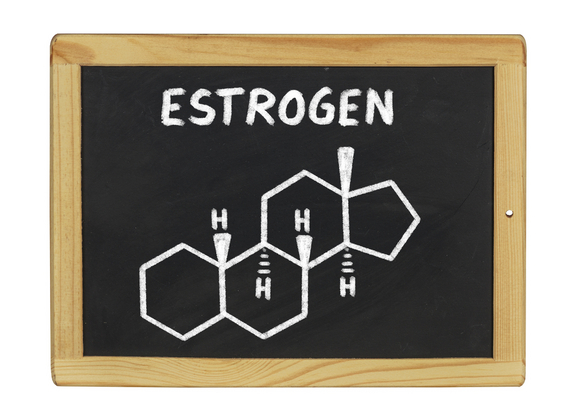
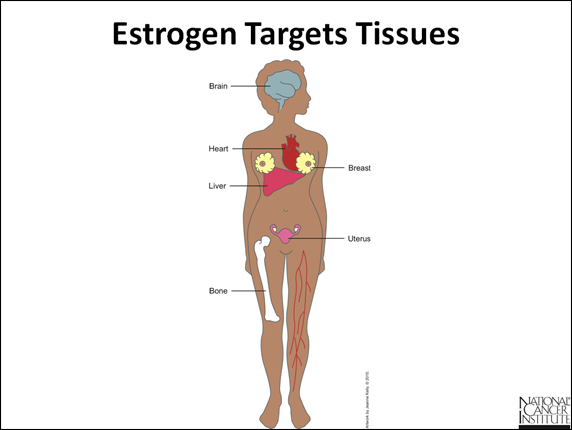
Estrogen: Anise (increases), Clary sage (helps body produce).
Euphoria: Clary sage (aromatic), jasmine.
Exhaustion: First, work with one or more of the following nervous system oils to calm and relax: bergamot, Clary sage, coriander, cumin, elemi, frankincense, lavender, pine. Secondly, use basil, ginger, grapefruit, lavender, lemon, Roman chamomile, rosemary, or sandalwood.
Expectorant: Black pepper, elemi, eucalyptus, frankincense, helichrysum, marjoram, mugwort, pine, ravensara. Apply oils to throat, lungs, and diffuse.
Expression (self expression): Helichrysum.
Eyes: Never put oils directly in the eye! Carrot is good around eye area, cypress (also helps circulation), fennel, frankincense, German chamomile, lavender, lemon, lemongrass (improves eyesight).
- Cataracts: Blend: 8 drops lemongrass, 6 drops cypress, and 3 drops eucalyptus. Apply around the eye area two times a day. Don't get in the eyes.
- Dry-Itchy: Melaleuca (in humidifier).
- Improve Vision: Frankincense, juniper, lemongrass. Apply oils to feet, Vita Flex eye points, thumbs, ankles, pelvis, eye area (not in eyes), eyebrows.
- Iris, Inflammation: Eucalyptus.
- Retina (strengthen): Cypress, lavender, lemongrass, helichrysum, juniper, peppermint, sandalwood. Apply oil(s) around eye area.
- Swollen Eyes: Cypress and helichrysum. Lavender (antiseptic) is also safe around eyes. If swollen eyes are due to allergies, try putting peppermint on the back of the neck.
Facial Oils, Fainting, Fasting, Fat, Father, Fatigue, Fatty Deposits, Fear, Feet, Female Problems, Fertility, Fever,Fibrocysts, Fibroids, Fibromyalgia, Fibrositis, Finger, Flatulence, Flu, Fluids, Food, Food Poisoning, Forehead,Forgetfulness, Formula for Babies, Fortifying, Freckles, Frigidity, Frustration, Fungus
-
Broken Capillaries: Cypress, geranium, hyssop, Roman chamomile.
-
Dehydrated: Geranium, lavender.
-
Disturbed: Clary sage, geranium, hyssop, juniper, lavender, lemon, patchouly, Roman chamomile, sandalwood.
-
Dry: Geranium, German chamomile, hyssop, lemon, patchouly, rosemary, sandalwood.
-
Energizing: Bergamot, lemon.
-
Hydrated: Cypress, fennel, geranium, hyssop, lavender, lemon, patchouly, sandalwood.
-
Normal: Geranium, lavender, lemon, Roman chamomile, sandalwood.
-
Oily: Cypress, frankincense, geranium, jasmine, juniper, lavender, lemon, marjoram, orange, patchouly, Roman chamomile, rosemary.
-
Revitalizing: Cypress, fennel, lemon.
-
Sensitive: Geranium, German chamomile, lavender.
Fainting: See SHOCK. Nutmeg. Hold one of the following under the nose: Basil, Black pepper, lavender, neroli, peppermint, rosemary, spearmint.
Fasting: Fasting is the avoidance of solid foods altogether, while liquid consumption ranges between nothing (complete avoidance of all liquids as well) to fresh juices with just water being somewhere in the middle. Complete avoidance fasting (no food or liquid) should only be done when feeling good, while fasting on fresh juices can be very healing when sick.
Fat: See CELLULITE, DIET, and WEIGHT.
Father (Problems with): Lavender.
Fatigue: Clove, pine, ravensara (muscle), rosemary (nervous), thyme (general).
Fatty Deposits: See CELLULITE, WEIGHT.
Fear: Bergamot, Clary sage, cypress, fir, geranium, juniper, marjoram, myrrh, orange, Roman chamomile, rose, sandalwood, spruce, ylang ylang.
Feet: Fennel, lavender, lemon, pine (excessive sweating), Roman chamomile.
Female Problems: See HORMONAL IMBALANCE, INFERTILITY, MENOPAUSE, MENSTRUATION, OVARIES, PMS, PREGNANCY, UTERUS, etc. Anise, Clary sage.
Fertility: Bergamot, Clary sage, fennel, geranium, melissa, sage, yarrow. Apply on reproductive Vita Flex areas on feet, particularly around front of ankle, in line with ankle bone, on each side of ankle under ankle bone, and up along the achilles tendon. Women: on lower back and on lower abdomen near pubic bone. Can also dilute with vegetable oil and use as vaginal retention implant. Men: on lower abdomen near pubic bone, on area between scrotum and rectum, and as a rectal implant (diluted with vegetable oil).
Fever: Basil, bergamot, eucalyptus, fennel (breaks up), fir, ginger, lavender, ledum, lemon (reduces - add 1 or 2 drops in rice milk or water and sip slowly), melaleuca, peppermint (reduces - add 1 or 2 drops in rice milk or water and sip slowly), rosemary cineol, spearmint (not on babies). Peppermint can also be diffused in the room or applied to the bottom of feet.
Fibrocysts: See HORMONAL IMBALANCE.
Fibroids: See HORMONAL IMBALANCE. Cistus, frankincense, helichrysum, Idaho tansy, lavender, oregano, pine. Put 3 drops of either oil in douche. Apply also to Vita Flex points of feet.
Fibromyalgia: See ACIDOSIS, HORMONAL IMBALANCE. May need to detoxify the liver. It may be helpful to use some anti-inflammatory oils like birch, helichrysum, lavender, myrrh, patchouly, rosemary, rosewood, spruce, thyme, or wintergreen.
Fibrositis: See HORMONAL IMBALANCE. Blend: Combine 2 drops cinnamon bark, 10 drops eucalyptus, 10 drops ginger, 6 drops nutmeg, 10 drops peppermint, and 3 drops rosemary with 2 Tblsp. vegetable oil and massage chest and back once a day.
Finger (mashed): Geranium (for the bruising), helichrysum (to stop the bleeding), lavender (to help for all things), lemongrass (for tissue repair).
Flatulence (gas): Angelica, anise, bergamot, cardamom, coriander, cumin, eucalyptus, fennel, ginger, juniper, lavender, myrrh, nutmeg, onycha (benzoin), peppermint, Roman chamomile, rosemary, spearmint (not for babies), tarragon. Apply oil(s) to stomach, abdomen, and Vita Flex points of feet.
Flu: Clove, Eucalyptus radiata, fir (aches and pains), goldenrod, ginger, Idaho tansy (on bottom of feet), lavender, ledum, melaleuca, Melaleuca ericifolia, myrtle, onycha (benzoin), orange, oregano, peppermint, pine, rosemary, thyme (apply to thymus point on feet and where flu has settled), tsuga.
Fluids: See EDEMA or DIURETIC.
Food: See pH BALANCE. Use basil for soups and stuffing. Use cinnamon bark, clove, orange, tangerine, and thyme for flavorings.
Food Poisoning: Patchouly, rosemary cineol, tarragon.
Forgetfulness: See MEMORY. Cedarwood, cypress, geranium, juniper, marjoram, myrrh, orange, Roman chamomile, rose, sandalwood, rose, ylang ylang. Wear as perfume/cologne or put a couple drops in hands, rub together, cup over nose and mouth, and breathe deeply.
Formula for Babies: See BABIES.
Freckles: Idaho tansy. Mix 2-3 drops with lotion and spread over face. Can be used two or three times per week.
Frigidity: See LIBIDO, SEX STIMULANT. Clary sage, jasmine, nutmeg (overcome frigidity and impotence), rose, ylang ylang (helps balance male/female energies).
Frustration: Clary sage, frankincense, ginger, juniper, lavender, lemon, orange, peppermint, Roman chamomile, spruce, thyme, ylang ylang.
Fungus: Cajeput, clove, fennel, geranium, lavender, lemongrass, melaleuca, Roman chamomile, rosemary verbenon. Apply topically (dilution with vegetable oil may be necessary depending on the oil) or add to bath water.
Gallbladder, Gangrene, Gas, Gastritis, General Tonic, Genitals, Gentleness, Germs, Gingivitis, Glandular System,Glaucoma, Goiter, Gout, Graves Disease, Grief/Sorrow, Grounding, Guilt, Gum Disease, Gums
Gallbladder: Geranium, German chamomile, juniper, lavender, rosemary (supports). Apply over gallbladder area (can use a hot compress) and vita flex points on feet.
Gangrene: Cistus, elemi, lavender (used by Dr. Gattefosse to recover from gas gangrene), Mountain savory, ravensara, thyme.
Gas: See FLATULENCE. Lavender, nutmeg, onycha (benzoin), tarragon. Apply to large intestine Vita Flex points on the feet.
Gastritis (Inflammation of the stomach lining): See ANTI-INFLAMMATORY. Calamus, fennel, laurel, peppermint, pine, sage, spikenard, tarragon, yarrow. Apply over stomach area with hot compress. One drop of oil in rice or almond milk taken as a dietary supplement (NOTE: use only those oils approved for internal use (GRAS or FA) by the FDA).
General Tonic: Grapefruit, lemon, mountain savory, spruce.
Gentleness: Rosewood (aromatic).
Gingivitis: Helichrysum, melaleuca, myrrh, rose, rosemary, sage. Apply on throat and gums.
Glandular System: Sage, spearmint, spruce. Blue cypress may help stimulate the amygdala, pineal gland, pituitary gland, and hypothalamus.
Goiter: See ENDOCRINE SYSTEM, LYMPHATIC SYSTEM.
Gout: Basil, birch, calamus, fennel, geranium, hyssop, lemon, nutmeg, onycha (benzoin), pine, thyme, wintergreen, yarrow.
Graves Disease: See THYROID: HYPERTHYROIDISM. Blue tansy, lemongrass, myrrh, spruce.
Grief/Sorrow: Bergamot (turns grief to joy), Clary sage, eucalyptus, juniper, lavender, Roman chamomile.
Grounding: Fir, patchouly, spruce, tsuga.
Guilt: Cypress, frankincense, geranium, juniper, lemon, marjoram, Roman chamomile, rose, sandalwood, spruce, thyme.
Gum Disease: See GINGIVITIS. Melaleuca, myrrh, tsuga.
Gums: See GINGIVITIS. Lavender, myrrh (infection), Roman chamomile.
Habits, Hair, Halitosis, Hands, Hangovers, Harmony in Body Systems, Harshness, Hashimoto's Disease, Hay Fever, Headaches, Healing, Health, Hearing, Heart, Heartburn, Hematoma, Hemorrhaging, Hemorrhoids,Hepatitis, Hernia, Herpes Simplex, Hiccoughs, High Blood Pressure, Hives, Hodgkin's Disease, Hormonal Imbalance, Hormonal System, Hot Flashes, Housecleaning, Hyperactivity, Hyperpnea, Hypertension,Hypoglycemia, Hysteria
Habits: See Addictions. Lavender.
-
Beard: Cypress, lavender, lemon, rosemary, thyme.
-
Body: Cedarwood (gives the hair shaft more body, more strength, and more life), tamanu.
-
Damaged (perms, color-treated, bleached): Tamanu.
-
Dandruff: Basil, birch, Canadian Red cedar, cedarwood, cypress, lavender, rosemary, sage, thyme, wintergreen.
-
Dry: Birch, geranium, lavender, rosemary, sandalwood, wintergreen.
-
Fragile Hair: Birch, Clary sage, lavender, Roman chamomile, sandalwood, thyme, wintergreen.
-
Greasy: Petitgrain.
-
Growth (stimulate): Basil, Canadian red cedar, cedarwood, cypress, geranium, ginger, grapefruit, hyssop, lavender, lemon, rosemary, sage, thyme, ylang ylang (promotes).
-
Itching: Lavender, peppermint (skin).
-
Loss: Birch, Canadian red cedar, cedarwood, Clary sage, cypress, lavender, laurel (after infection), lemon, Roman chamomile, rosemary, sage, thyme, wintergreen, ylang ylang.
-
Silky and Shiny: Tamanu.
Halitosis: Cardamom, lavender, nutmeg, peppermint.
Hands: Eucalyptus, geranium, lavender, lemon, patchouly, rosemary, sandalwood.
Hangovers: Fennel, grapefruit, lavender, lemon, rose, rosemary, sandalwood.
Harmony in Body Systems: Clove (aromatic), geranium (harmonizing), Roman chamomile.
Hashimoto's Disease: See THYROID, HYPERTHYROIDISM. Blue tansy, lemongrass, myrrh, spruce.
Hay Fever: Cajeput, eucalyptus, lavender, Roman chamomile, rose.
Headaches: See MIGRAIN HEADACHES. Basil, calamus, cardamom, clove, eucalyptus, frankincense, lavender, marjoram, peppermint, rosemary. Apply to temples, back of neck, forehead, and diffuse.
Healing: Clary sage (aromatic), clove, cypress, eucalyptus (aromatic), frankincense, lemon (aromatic), melaleuca, sage.
Health: Lavender (aromatic), lemon (aromatic).
Heart: Cypress, fleabane, geranium, ginger, hyssop, lavender, rosemary, ylang ylang (balances heart function). Apply oils to carotid arteries, heart, feet, under left ring finger, above elbow, behind left ring toe, and Vita Flex points on the feet.
Heartburn: Cardamom, lemon, peppermint (over thymus). Blend: 2 drops lemon, 2 drops peppermint, 3 drops sandalwood, and 1/2 oz. vegetable oil. Apply to breast bone. using palm of hans, massage in a clockwise motion applying pressure. Do Vita Flex on feet.
Hematoma (swelling or tumor filled with diffused blood): German chamomile, helichrysum.
Hemorrhaging: Helichrysum, rose, ylang ylang. Massage around ankles, lower back, and stomach. Cayenne pepper may also help.
Hemorrhoids: Basil, Clary sage, cypress, frankincense, helichrysum, juniper, myrrh, patchouly, peppermint, sandalwood. Put cypress and helichrysum inside on location.
Hepatitis: Cinnamon bark, cypress, eucalyptus, melaleuca, myrrh, oregano, patchouly, Roman chamomile, rosemary, thyme.
Hernia: Apply oil(s) on location, lower back, and Vita Flex points on feet.
-
Hiatal Hernia: Basil, cypress, fennel, geranium, ginger, hyssop, lavender, peppermint, rosemary, vitex. Drink water. Put the first two fingers of each hand just below the sternum (under center of rib cage), press in firmly, and brush down quickly and firmly. This can also be done after raising up on toes and while dropping down on heals to more firmly emphasize the effect.
-
Incisional Hernia (usually caused by scar tissue failing to heal form and abdominal wound or incision): Basil, geranium, ginger, helichrysum, lavender, lemon, lemongrass, melaleuca.
-
Inguinal: Lavender, lemongrass.
Herpes Simplex: Blue cypress, bergamot with Eucalyptus radiata, eucalyptus, geranium, lavender, lemon, melissa, ravensara, rose.
Hiccoughs: Sandalwood, tarragon.
High Blood Pressure: See BLOOD.
Hives: See ACIDOSIS, pH BALANCE. Gives may be the result of too much acid in the blood or the result of a niacin flush (vitamin B3 taken on empty stomach). Patchouly (may relieve itching), peppermint, Roman chamomile.
Hodgkin's Disease: Clove. Apply to liver, kidney, and Vita Flex points on feet.
Hormonal Imbalance: Anise, ylang ylang.
Hormonal System: Davana, fennel, goldenrod, myrrh, myrtle, peppermint, sandalwood, spearmint (hormone-like), ylang ylang. The most common places to apply oils for hormonal balance are the Vita Flex points on the ankles, lower back, thyroid, liver, kidneys, gland areas, the center of the body and along both sides of the spine, and the clavicle area. It may also help to diffuse them.
Hot Flashes: See HORMONAL IMBALANCE.
Housecleaning: Put a few drops of oil on your dust cloth or put 10 drops in a spray bottle of water and mist.
-
Bathrooms/Kitchens: Fir, lemon, or spruce for cleaning and disinfecting.
-
Carpets: Lemon (has been used to remove black shoe polish).
-
Dishes: A couple of drops of lemon in the dishwater make for sparkling dishes and a great smelling kitchen.
-
Furniture Polish: Fir, lemon, or spruce work well for polishing furniture.
-
Gum/Grease: lemon oil is terrific for dissolving gum and grease.
-
Laundry: Adding oils to the washer can increase the anti-bacterial benefits, provide greater hygiene, and the clothes come out with a fresh, clean smell.
Hyperactivity: Lavender, Roman chamomile. Apply to Vita Flex points on the feet and diffuse.
Hyperpnea (abnormal rapid breathing): Ylang ylang. Apply to lung area and Vita Flex points.
Hypertension (high blood pressure): See Blood.
Hypoglycemia: See PROTEIN. Cinnamon bark, clove, eucalyptus, thyme.
Hysteria: Lavender, melaleuca, neroli. Apply to heart, bottom of feet, and diffuse.
Immune System, Impetigo, Impotency, Incontinence, Indifference, Indigestion, Infection, Infectious Disease,Inferiority, Infertility, Inflammation, Influenza, Injuries, Insect, Insomnia, Intestinal Problems, Invigorating, Ions,Iron, Irritability, Irritable Bowel Syndrome, Itching
Immune System: cistus, clove, cumin, frankincense, geranium, Idaho tansy, lavender, ledum (supports), lemon, melaleuca, Mountain savory, ravensara, rosemary (supports), thyme (immunological functions), white lotus.
Impetigo: Lavender, myrrh. Boil 4 oz. water, cool, add 5 to 10 drops lavender and wash. you may also use myrrh (cover for an hour). Do not compress on site.
Impotency: Clary sage, clove, goldenrod, ginger, jasmine, mister, nutmeg, rose, sandalwood, ylang ylang.
Indigestion: Angelica, cumin, ginger, lavender, peppermint, nutmeg, valerian (nervous indigestion).
Infection: See ANTI-INFECTIOUS. Bergamot, cajeput (urethra), cinnamon bark, clove, Clary sage, cypress, elemi (chest/bronchial infections), Idaho tansy, jasmine (bacterial infection), juniper, fennel, lavender, lemongrass, Melaleuca quinquenervia (viral), myrrh (fungal infection), oregano, peppermint, pine (severe), raven, ravensara, rosemary (oral infection), thyme (urinary infection).
Infectious Disease: Bergamot, cinnamon bark, clove, ginger, hyssop (viral infections), juniper (viral infections), lemon, melaleuca, myrtle, thyme (bacterial infection).
Inferiority (overcoming): Peppermint.
Infertility: See HORMONAL IMBALANCE. Anise, bergamot, Clary sage, cypress, fennel, geranium, melissa, nutmeg, Roman chamomile, sage, thyme, yarrow, ylang ylang.
Inflammation: See ANTI-INFLAMMATORY. Birch, calamus (intestines and colon), clove, elemi (breast and uterus), frankincense, helichrysum, juniper, lavender, myrrh, Roman chamomile, spruce, wintergreen.
Injuries: See TISSUE, SCARRING. helichrysum (reduces scarring and discoloration).
-
Bites: Cajeput, bergamot cajeput, Idaho tansy.
-
Insecticidal: Citronella
-
Itching: Lavender
-
Repellant: Bergamot. Blend: Combine 5 drops lavender, 5 drops lemongrass, 3 drops peppermint, and 1 drop thyme and put on feet or add to 1 cup water and spray on.
Insomnia: Angelica, basil, bergamot, Clary sage, cypress, lavender, lemon, marjoram, Melaleuca ericifolia, myrtle (for hormone-related insomnia), neroli, nutmeg (small amount), orange, petitgrain, ravensara, Roman chamomile (small amount), rosemary, sandalwood, valerian, ylang ylang.
Intestinal Problems: See ACIDOSIS, COLITIS, COLON, CONSTIPATION, DIGESTIVE SYSTEM, DIVERTICULITIS, PARASITES, etc. Basil, cajeput, calamus (reduces inflammation and detoxifies), ginger, marjoram, patchouly (aids in the digestion of toxic waste), rosemary, tarragon.
Invigorating: Birch/wintergreen.
Ions: See NEGATIVE IONS, POSITIVE IONS.
Iron: Important for learning. Raisins are a good natural source.
Irritability: Lavender, Myrrh.
Irritable Bowel Syndrome: Calamus, peppermint.
Itching: Lavender, peppermint (ears). Apply on location.
Jaundice, Jealousy, Jet Lag, Joints, Joyous
Jaundice (liver disease): Geranium, lemon, rosemary.
Jet Lag: Eucalyptus, geranium, grapefruit, lavender, lemongrass, peppermint. Apply to temples, thymus, and bottom of feet. It is best not to eat heavy foods and to drink as much water as possible.
Joints: Birch (discomfort), cajeput (stiff), Douglas fir (calming to tired and overworked joints), Idaho balsam fir (pain from exercising), nutmeg, Roman chamomile (inflamed), spruce (aching), wintergreen.
Joyous: bergamot (turns grief to joy), orange (aromatic).
Kidneys, Knee Cartilage Injury
Kidneys: Calamus (reduces congestion after intoxication), Clary sage, geranium, grapefruit, juniper (for better function of kidneys), ledum (strengthen), lemongrass (combine with juniper for greater synergistic effect). Apply over kidneys as a hot compress. Drink plenty of distilled water (3-4 quarts each day).
Knee Cartilage Injury: Blend: 8 drops clove, 12 drops ginger, 10 drops nutmeg with 2 oz. vegetable oil. Massage three times a day. Apply ice for swelling and inflammation. Wrap knee and elevate when sitting. Use the ice method three times a day and alternate with a hot compress and oil blend.
Labor, Lactation, Lactose Intolerance, Laryngitis, Laundry, Laxative, Lethargy, Libido (Low), Lice, Ligaments,Lipoma, Lips, Listlessness, Liver, Longevity, Loss of Loved One, Loss of Smell, Love, Lou Gehrig's Disease,Lumbago, Lungs, Lupus, Lymphatic System
Labor: See PREGNANCY. Jasmine (pain).
Lactation (secretion of breast milk): See NURSING. Fennel or basil (increase flow), peppermint with cold compress (decrease flow). Apply above the breasts on the lymph area and 2-3 drops on the spine, about breast level.
Lactose Intolerance: Lemongrass (reported to help eliminate lactic acid from fermentation of lactose in milk).
Laryngitis: Jasmine, ledum, onycha (benzoin), sandalwood.
Laxative: Hyssop, jasmine, tangerine.
Libido (low): See FRIGIDITY, SEX STIMULANT. Nutmeg, rose, ylang ylang.
Lice: Eucalyptus, geranium, lavender, lemon, pine (repels), rosemary. Apply oil(s) to bottom of feet and rub over scalp three times a day.
Ligaments: See MUSCLES. Lemongrass (torn or pulled: combine with marjoram to stimulate torn ligaments).
Lips: German chamomile, lavender, lemon, melaleuca. Blend (dry lips): 2 to 5 drops geranium and 2 to 5 drops lavender.
Liver: Cypress, dill, fleabane, geranium (cleanses and detoxifies the liver), German chamomile, goldenrod (supports liver function), grapefruit (liver disorders), helichrysum, ledum (powerful detoxifier), myrrh, ravensara, sage (for liver problems).
Loss of Loved One: Basil, cedarwood, cypress (diffuse), fir, jasmine, rose, spruce, ylang ylang.
Love: Juniper lavender, ylang ylang.
Lou Gehrig's Disease: See ALZHEIMER'S DISEASE, BRAIN, MULTIPLE SCLEROSIS, PARKINSON'S DISEASE, PINEAL GLAND, PITUITARY GLAND. Use the same oils you would if you were handling Multiple Sclerosis, Alzheimer's, and Parkinson's Disease. Drink steam distilled water.
Lumbago: See BACK PAIN. Sandalwood.
Lungs: Se RESPIRATORY SYSTEM. Eucalyptus, frankincense, hyssop, ravensara, Roman chamomile. Apply on chest with hot compress or on Vita Flex lung points on the feet.
Lupus: See ADRENAL CORTEX, DIGESTIVE SYSTEM, ENDOCRINE SYSTEM, IMMUNE SYSTEM, THYROID. Clove.
Lymphatic System: See IMMUNE SYSTEM. Cypress (aromatic), ledum (inflamed lymph nodes), sage, sandalwood (supports), tangerine.
Malaria, Male, Measles, Meditation, Melanoma, Memory, Menopause, Menstruation, Mental, Metals, Migraine Headaches, Mind, Minerals (deficiency), Miscarriage, Moles, Mono (Mononucleosis), Mood Swings, Morning Sickness, Mosquitoes, Mother (Problems with), Motion Sickness, Mucus, Multiple Sclerosis (M.S.), Muscles,Muscular Dystrophy, Myelin Sheath
Malaria: Lemon with honey in water to prevent.
Measles: See CHILDHOOD DISEASES. Eucalyptus.
Meditation: Canadian red cedar, elemi, myrrh (aromatic), Roman chamomile, sandalwood, tsuga (uplifting and grounding).
Memory: See AMNESIA. Basil (for poor memory), bergamot, calamus, ginger, grapefruit, lavender, lemon (improves), lemongrass, mountain savory (may bring back good memories), rose, rosemary, Wear as perfume, apply to temples, and diffuse.
Menopause: See HORMONAL IMBALANCE. Angelica, basil, bergamot, cardamom, Clary sage, cypress, fennel, geranium, jasmine, lavender, neroli, nutmeg (balances hormones), orange, Roman chamomile, rose, rosemary, sage, thyme. Apply oil(s) to feet ankles, lower back, groin, and pelvis.
Menstruation: See HORMONAL IMBALANCE and PMS.
Mental: Oregano (mental diseases), sage (strain, aromatic), vitex (unrest).
Migraine Headaches: See HEADACHES. Basil, cumin, eucalyptus, German chamomile, grapefruit, lavender, marjoram, peppermint, spearmint, valerian.
Mind: Basil (absent minded), western red cedar (powerful effects of subconscious and unconscious mind.
Moles: Frankincense, geranium, lavender.
Mono (Mononucleosis): Ravensara.
Mood Swings: See HORMONAL IMBALANCE. Can be due to a Vitamin B deficiency. Bergamot, Clary sage, fennel, geranium, jasmine, juniper, lavender, lemon, peppermint, rose, rosemary, sage, sandalwood, spruce, yarrow, ylang ylang.
Morning Sickness: See PREGNANCY.
Mosquitoes: See INSECT. Frequent mosquito bites could be due to a Vitamin B deficiency. Citronella.
Mother (Problems with): Geranium. Apply to ears.
Motion Sickness: Ginger, nutmeg, peppermint, spearmint. Apply to feet, temples, and wrists.
Mucus: See ANTI-CATARRHAL. Cypress, helichrysum (discharge), goldenrod (discharges respiratory mucus), hyssop (opens respiratory system and discharges toxins and mucus), mugwort (expels), onycha (benzoin), rosemary.
Multiple Sclerosis (M.S.): See MYELIN SHEATH. Birch, cypress, elemi, frankincense, geranium, helichrysum, Idaho tansy, juniper, oregano, peppermint, rosemary, sage, sandalwood, thyme, wintergreen.
Muscles: Basil, birch, cypress, Idaho balsam fir, lavender, lemongrass, marjoram, peppermint, white fir, wintergreen.
-
Aches and Pains: Birch, clove, Douglas Fir, ginger, helichrysum, Idaho balsam fir, lavender, lemongrass (especially good for ligaments), marjoram, nutmeg, oregano, peppermint, Roman chamomile, rosemary, spearmint, thyme, vetiver, white fir (with inflammation), wintergreen.
-
Anti-Inflammatory: Basil, peppermint, white fir.
-
Cardiac Muscle: Goldenrod, lavender, marjoram, neroli, peppermint, rose, rosemary.
-
Cramps/Charily Horses: Basil, Clary sage, coriander, cypress, grapefruit, jasmine, lavender (aromatic), marjoram, pine, Roman chamomile, rosemary, thyme, vetiver.
-
Development: Birch/wintergreen (with spruce).
-
Fatigue: Cypress, Douglas fir, eucalyptus, grapefruit, Idaho balsam fir, marjoram, peppermint, ravensara, rosemary thyme.
-
Over-Exercised: Douglas fir, eucalyptus, Idaho balsam fir, ginger, lavender, thyme, white fir (with inflammation).
-
Rheumatism (Muscular): Rosemary, thyme.
-
Sprains: Black pepper, clove, eucalyptus, ginger, helichrysum, Idaho tansy, jasmine, lavender, lemongrass, marjoram, nutmeg, pine, rosemary, thyme, vetiver, white fir.
-
Spasms: Basil, Clary sage, cypress, lavender, jasmine, marjoram, peppermint, Roman chamomile.
-
Smooth Muscle: Bergamot, black pepper, Clary sage, cypress, fennel, juniper, lavender, marjoram, Roman chamomile, spruce.
-
Tone: Basil, birch, black pepper, cypress, ginger, grapefruit, juniper, lavender, lime, marjoram, orange, peppermint, petitgrain, pine, rosemary, thyme, wintergreen. Apply before exercise.
-
Torn Muscles: Helichrysum and spruce take pain away (use hot packs), ginger (circulation), lemongrass.
Muscular Dystrophy: Basil, eucalyptus, geranium, ginger, lavender, lemon, lemongrass, marjoram, (combine with equal parts lemongrass), orange, pine, rosemary.
Myelin Sheath: Cold compresses using peppermint, juniper, and geranium (no heat!).
Nails, Nasal, Nausea, Neck, Negative Ions, Negativity, Nervous System, Neuralgia, Neuritis, Neurological Problems, Neuromuscular, Neuropathy, Neurotonic, Night Sweats, Nose, Nursing
Nails: Eucalyptus, frankincense, grapefruit, lavender, lemon (repeated use may help harden), lime, melaleuca, myrrh, oregano, patchouly, peppermint, ravensara, rosemary, thyme.
Nausea: Calamus, cardamom, clove, ginger, juniper, lavender, nutmeg, peppermint (aromatic), rosewood, spearmint, tarragon. Apply behind the ears and on Vita Flex points.
Neck: Basil, Clary sage, geranium, lemon, lemongrass, orange, helichrysum.
Negative Ions: When dispersed through a cool-air nebulizing diffuser, the following oils ionize negatively: Bergamot, cedarwood, citronella, Eucalyptus citriodora, grapefruit, lavandin, lavender, lemon, lemongrass, mandarin, orange, patchouly, sandalwood.
Negativity: Sandalwood (removes negative programming from the cells).
Nervous System: Basil (stimulant and for nervous breakdown), bergamot, calamus, cedarwood (nervous tension), cinnamon bark, cumin (stimulant), frankincense, geranium (regenerates nerves), ginger, Idaho balsam fir, jasmine (nervous exhaustion), juniper (better nerve function), lavender, lemon, lemongrass (for nerve damage; activates), marjoram (soothing), Melaleuca ericifolia (nervous tension), nutmeg (supports), orange, palmarosa (supports), pepper (stimulant), peppermint (soothes and strengthens; place on wrist or location of nerve damage), petitgrain (re-establishes nerve equilibrium), pine (stimulant), ravensara, Roman chamomile, rosemary, sage, sandalwood, spearmint, spruce (fatigue), valerian (central nervous system depressant), vetiver.
Neuralgia (severe pain along nerve): Cajeput, cedarwood, eucalyptus, helichrysum, juniper, lavender, marjoram, nutmeg, pine, Roman chamomile.
Neuritis: Cedarwood, clove, eucalyptus, juniper, lavender, Roman chamomile, yarrow.
Neurological Problems: Limit the use of oils with high ketone content.
Neuromuscular: Roman chamomile, tarragon.
Neuropathy: Cedarwood, cypress, eucalyptus, geranium, helichrysum, juniper, lavender, lemongrass, peppermint, Roman chamomile.
Neurotonic: Melaleuca, ravensara, thyme.
Night Sweats: See HOT FLASHES, HORMONAL IMBALANCE. Sage.
Nursing: Clary sage (brings in milk production), fennel or basil (increases milk production), geranium. Apply above breasts on lymph area and on spine at breast level.
Obesity, Obsessiveness, Odors, Opening, Oral Infections, Osteoporosis, Ovaries, Overcome, Overeating,Overweight, Oxygenating
Obesity: See DIET, WEIGHT. Fennel, grapefruit, juniper, orange, rosemary, tangerine.
Obsessiveness: Clary sage, cypress, geranium, helichrysum, lavender, rose, sandalwood, ylang ylang.
Odors: See DEODORANT. Bergamot, lavender.
Opening (to receive): Fir (aromatic).
Osteoporosis: See HORMONAL IMBALANCE. Birch, chamomile (Roman and German), clove, cypress, fennel, fir (cortisone-like action), geranium, ginger, hyssop, lemon, nutmeg, oregano, peppermint, pine, rosemary, spruce, thyme, wintergreen.
Ovaries: See HORMONAL IMBALANCE. Geranium, myrtle, and/or rosemary (regulates).
Overcome and Release Unpleasant, Difficult Issues in Life: Roman chamomile.
Overeating: See EATING DISORDERS.
Overweight: See OBESITY, WEIGHT.
Oxygenating: Fennel, fir, frankincense, oregano, sandalwood (increases oxygen around pineal and pituitary glands), tsuga (opens and dilates respiratory tract).
Pain, Painting, Palpitations, Pancreas, Pancreatitis, Panic, Paralysis, Parasites, Parasympathetic Nervous System, Parkinson's Disease, Peace, Pelvic Pain Syndrome, Periodontal Disease, Personal Growth, Perspiration,Pest Troubles, pH Balance, Pharyngitis, Phlebitis, Pimples, Pineal Gland, Pituitary, Plague, Pleurisy, PMS,Pneumonia, Poison Oak-Ivy, Pollution, Polyps, Positive Feelings, Positive Ions, Power Surges, Prayer,Pregnancy, Pride, Prosperity, Prostate, Prostate Cancer, Protection, Protein, Psoriasis, Psychic, Puberty,Pulmonary, Purge, Purification, Pus
Painting: Add one 15 ml. bottle of your favorite essential oil or blend to any five gallon bucket of paint. Stir vigorously, mixing well, and then either spray paint or paint by hand. This should eliminate the paint fumes and after smell.
Pancreas: Coriander, cypress (for insufficiencies), dill, fleabane, lemon, rosemary.
Pancreatitis: Lemon, marjoram.
Panic: Bergamot, birch, fir, frankincense, Idaho balsam fir, lavender, marjoram, myrrh, Roman chamomile, rosemary, sandalwood, spruce, thyme, wintergreen, ylang ylang.
Paralysis: Cypress, geranium, ginger, helichrysum, juniper, lemongrass, nutmeg, peppermint.
Parasites: See ANTI-PARASITIC, INTESTINAL PROBLEMS. Anise, clove, fennel, hyssop, melaleuca, Mountain savory, mugwort (blend with thyme), oregano, tangerine, tarragon, thyme. Apply oil on stomach and feet to help pass parasites.
Parasympathetic Nervous System: Lemongrass (regulates), marjoram (increases tone of).
Parkinson's Disease: See BRAIN, PINEAL GLAND, PITUITARY GLAND, ALZHEIMER'S DISEASE. Basil, bergamot, cypress (circulation), frankincense, geranium, helichrysum, juniper, lavender, lemon, marjoram, nutmeg, orange, peppermint, rosemary, sandalwood, thyme, vitex.
Peace: Juniper (aromatic), lavender (aromatic), marjoram, ylang ylang.
Pelvic Pain Syndrome: Bergamot, clove, geranium, ginger, nutmeg, thyme.
Periodontal Disease: See GUM DISEASE.
Personal Growth: Helichrysum, frankincense.
Pest Troubles: See INSECT. Ravensara.
pH Balance: See ACIDOSIS, ALKALOSIS.
Pharyngitis: See also RHINOPHARYNGITIS. Goldenrod.
Phlebitis: Cypress, geranium, grapefruit, helichrysum (prevents), lavender, Roman chamomile. Massage toward heart and wear support hose until healed, possibly two to three months.
Pimples: Clary sage, frankincense, lavender, lemongrass, melaleuca, ravensara.
Pineal Gland (opens and increases oxygen): Canadian red cedar, cedarwood, frankincense, sandalwood (increases oxygen), spruce.
Pituitary: See ENDOCRINE SYSTEM. Frankincense, sandalwood.
Pleurisy: See LUNGS, ANTI-BACTERIAL. Cypress, thyme.
PMS: See HORMONAL IMBALANCE. Angelica, anise, bergamot, Clary sage, fennel, geranium, grapefruit, jasmine, lavender (aromatic), nutmeg, Roman chamomile, tarragon.
Pneumonia: See RESPIRATORY SYSTEM. Cajeput, eucalyptus, frankincense, lavender, lemon, melaleuca, Melaleuca ericifolia, oregano, ravensara, thyme (compress).
Poison Oak/Ivy: Lavender, Roman chamomile.
Pollution: See PURIFICATION. Lemon, peppermint.
Polyps: See also NOSE. Peppermint, spikenard, and others with strong anti-bacterial properties (see ANTI-BACTERIAL).
Positive Feelings: Idaho tansy.
Positive Ions: When dispersed into the air through a cool-air nebulizing diffuser, the following oils ionize positively: Cajeput, clove, cypress, eucalyptus, frankincense, helichrysum, juniper, marjoram, Melaleuca quinquenervia, palmarosa, pine, ravensara, rosemary, thyme, ylang ylang.
Power Surges: See HOT FLASHES.
Pregnancy: Elemi, geranium, grapefruit, jasmine, lavender, Roman chamomile, tangerine, ylang ylang.
-
Breasts: Fennel (tone), Roman chamomile (sore nipples).
-
Delivery: Clary sage, lavender (stimulates circulation, calming, antibiotic, anti-inflammatory, antiseptic), nutmeg (balances hormones, calms the central nervous system, alleviates anxiety, increases circulation, and good for blood supply).
-
Early Labor: Lavender (rub on tummy to help stop).
-
Energy: Put equal parts Roman chamomile, geranium, and lavender in vegetable oil.
-
Hemorrhaging: Helichrysum.
-
High Blood Pressure: Avoid using hyssop, rosemary, sage, thyme, and possibly peppermint.
-
Labor (during): Clary sage (kick labor into gear; some have combined with fennel).
-
Labor (post): Geranium, lavender.
-
Lactation: See MILK PRODUCTION.
-
Mastitis (breast infection): Lavender, tangerine. Blend: Equal amounts lavender and tangerine diluted with vegetable oil, apply to breasts and under arms twice a day.
-
Milk Production: Clary sage (bring in milk), fennel or basil (increase), peppermint with cold compress (decrease). Caution: Fennel should not be used for more than 10 days as it will excessively increase flow through the urinary tract.
-
Miscarriage (after): Frankincense, geranium, grapefruit, lavender, Roman chamomile, spruce (2 drops on solar plexus).
-
Morning Sickness: Calamus, ginger, peppermint. Apply on or behind ears, down jaw bone, over stomach as a compress, on Vita Flex points on feet, on hands, (rub together and smell), or put a drop on your pillow. Can also put 4 to 6 drops of spearmint in a bowl of boiled and cooled water and place on floor beside the bed overnight to keep stomach calm.
-
Placenta: Basil (has been used to help retain), jasmine (helps expulsion).
-
Postpartum Depression: Bergamot, Clary sage, fennel, frankincense, geranium, grapefruit, jasmine, lavender, myrrh, nutmeg (use in moderation), orange, patchouly, vetiver.
Prosperity: Bergamot, cinnamon bark (aromatic), cypress.
Prostate: Helichrysum, juniper, yarrow.
Protection (from negative influence): Clove (aromatic), cypress, fennel, fir (aromatic), frankincense.
Protein: Carbonated water prevents absorption of protein. Protein deficiency causes Hypoglycemia.
Psoriasis: Bergamot, cajeput, cedarwood, helichrysum, lavender, melaleuca, patchouly, Roman chamomile, thyme.Blend: Combine 2-3 drops each of Roman chamomile and lavender for use as ointment for pH balance.
Psychic: Cinnamon bark (awareness), fennel (protect from attack), lemongrass. Diffuse.
Puberty: Fleabane (stimulates retarded puberty).
Purification: Cedarwood, eucalyptus (aromatic), fennel (aromatic), lemon (aromatic), lemongrass (aromatic), melaleuca (aromatic), orange (aromatic), peppermint, sage.
Pus: See INFECTION, ANTI-INFECTIOUS. Melaleuca is useful in healing pus-filled wounds.
Radiation, Rashes, Raynaud's Disease, Refreshing, Regenerating, Relaxation, Resentment, Respiratory System,Restlessness, Rheumatic Fever, Rheumatism, Rhinitis, Rhinopharyngitis, Ringworm, Romantic Touches,Rosacea
Radiation: See CANCER. Melaleuca quinquenervia, patchouly. May apply on location, bottom of feet, kidneys, thyroid, and diffuse.
Rashes: Elemi (allergic), lavender, melaleuca, palmarosa, Roman Chamomile. If the rash occurs from application of oils to the skin, it may be due to the oils reacting with accumulated synthetic chemicals (toxins) that are trapped in the fatty layers of the skin. Take the following steps: 1. Try diluting the oils first with vegetable oil, 2. reduce the number of oils used with each application , 3. reduce the amount of oils used, 4. reduce the frequency of application. Drinking pure distilled water helps promote the elimination of accumulated toxins from the body. Initiating programs to cleanse the bowels and blood will also help remove accumulated toxins and reduce the possible recurrences of the rashes. If the rashes persist, discontinue use of the oils and consult your health care professional.
Raynaud's Disease (feel cold; hands and feet turn blue): Clove, cypress, fennel, geranium, helichrysum, lavender, nutmeg, rosemary.
Refreshing: Canadian red cedar, peppering, spearmint.
Regenerating: Helichrysum, lavender.
Relaxation: Clary sage, frankincense, geranium, jasmine, lavender, Roman chamomile, sandalwood, ylang ylang.
Resentment: Idaho tansy, jasmine, rose.
Respiratory System: Anise, basil (restorative), bergamot (infections), cajeput (infections), Canadian red cedar, Clary sage (strengthens), clove, eucalyptus (general stimulant and strengthens), Eucalyptus radiata, fennel (stimulant), fir (opens respiratory tract, increases oxygenation, decongests and balances), frankincense, goldenrod (discharges mucus), helichrysum (relieves), hyssop (opens respiratory system and discharges toxins and mucus), ledum (supports), lemon, marjoram (calming), melaleuca, Melaleuca ericifolia, myrtle, oregano (antiseptic), peppermint (aid), pine (dilates and opens bronchial tract), ravensara, rosemary verbenon, spearmint, spruce, tsuga (dilates and opens tract). Blend: 3 drops birch/wintergreen, 8 drops eucalyptus, 6 drops fir, 6 drops frankincense, 1 drop peppermint, 10 drops ravensara, and 1 oz. vegetable oil. Blend: 3 drops German chamomile, 10 drops fir, and 5 drops lemon.
Restlessness: Angelica, basil, bergamot, cedarwood, frankincense, geranium, lavender, orange, rose, rosewood, spruce, valerian, ylang ylang.
Rheumatic Fever: Ginger, tarragon. Both help with pain.
Ringworm: See ANTI-FUNGAL. Geranium, lavender, melaleuca (Tea Tree), myrrh, peppermint, rosemary verbenon, thyme. Blend: 2 drops lavender, 2 drops melaleuca, and 2 drops thyme. Blend: 3 drops melaleuca, 2 drops peppermint, 3 drops spearmint. Apply 1-2 drops of either blend on ringworm three times a day for ten days, then mix 30 drops of melaleuca (Tea Tree) with 2 Tblsp. vegetable oil and use daily until ringworm is gone.
Romantic Touches: Jasmine, patchouly, ylang ylang; use these in small amounts.
Rosacea (Acne Rosacea): Lavender.
Sadness, Saint Vitus Dance (Chorea), Sanitation, Scabies, Scarring, Schmidt's Syndrome, Sciatica, Scoliosis,Scrapes, Scurvy, Security, Sedative, Seizure, Self Hypnosis, Sensory System, Sex Stimulant, Shingles, Shock,Shoulder, Sinus, Sinusitis, Skeletal System, Skin, Sleep, Slimming and Toning Oils, Smell (Loss of), Soothing,Sores, Sore Throat, Spasms, Spina Bifida, Spine, Spiritual, Spleen, Sports, Sprains, Spurs-Bone, Stains, Staph Infection, Sterility, Stimulating, Stings, Stomach, Strength, Strep Throat, Stress, Stretch Marks, Stroke, Structural Alignment, Subconscious, Sudorific, Suicide, Sunburn, Sun Screen, Supportive, Swelling, Sympathetic Nervous System
Sadness: Helichrysum, onycha (combine with rose in massage oil), orange (overcome). Wear as cologne or diffuse.
Sanitation: Citronella, lemongrass.
Scabies: Bergamot, laurel, lavender and peppermint, pine.
Scarring: Frankincense (prevents), geranium, helichrysum (reduces), hyssop (prevents), lavender (burns), rose (prevents), rosehip (reduces).
Schmidt's Syndrome: Nutmeg (increases energy; supports adrenal glands, sage (combine with nutmeg).
Sciatica: Cardamom, cistus (followed by peppermint), fir, helichrysum, hyssop, peppermint, sandalwood, spruce (alleviates pain), tarragon, thyme. Apply a cold compress and lightly massage with Roman chamomile or lavender, and birch/wintergreen.
Scoliosis: May be caused by a virus. Blend: 8 drops basil, 12 drops birch/wintergreen, 10 marjoram, and 2 peppermint.
Scurvy: Ginger. Apply over kidneys and liver, and on corresponding Vita Flex points on the feet.
Security: Bergamot (in the home), cypress (aromatic; feeling secure), oregano (self secure), Roman chamomile (creating security).
Sedative: Among the most effective sedatives are: Bergamot, lavender, and neroli. Other oils that may help are: angelica, cedarwood, Clary sage, coriander, cypress, elemi, frankincense, geranium, hyssop, jasmine, juniper, lavender, lemongrass, melissa, marjoram, onycha (benzoin), orange, patchouly, Roman chamomile, rose, sandalwood, tangerine, valerian, vetiver (nervous system), ylang ylang.
Self Hypnosis: Clary sage, geranium, patchouly.
Sensory System (Senses): See AWARENESS: Birch/wintergreen.
Sex Stimulant: Cinnamon bark (general), ginger, goldenrod, rose, ylang ylang (sex drive problems).
Shingles: Bergamot, blue cypress, eucalyptus, geranium, lavender, lemon, melaleuca (Tea Tree), ravensara, Roman chamomile.
Shock: See FAINTING. Basil, helichrysum, melaleuca, melissa, myrrh, neroli, peppermint, Roman chamomile, rosemary, ylang ylang.
Shoulder (Frozen): Basil, birch/wintergreen, lemongrass, oregano, peppermint, white fir.
Sinus: Cedarwood, eucalyptus, helichrysum, myrtle.
Sinusitis: See RESPIRATORY SYSTEM. Cajeput, elemi, eucalyptus, Eucalyptus radiata, fir, ginger, Melaleuca ericifolia, myrtle, pine, ravensara, rosemary.
Skeletal System: See SCOLIOSIS.
Skin: See ACNE, ALLERGIES, BRUISES, CUTS, DERMATITIS, ECZEMA, FACIAL OILS, PSORIASIS, WRINKLES. Cajeput, cedarwood, Roman and German chamomile (inflamed skin), cypress, frankincense, geranium, helichrysum, jasmine (irritated skin), juniper, lavender, ledum (all types of problems), lemon, marjoram, melaleuca (healing), myrrh (chapped and cracked), myrtle (antiseptic), orange, palmarosa (rashes, scaly, and flaky skin), patchouly (chapped; tightens loose skin and prevents wrinkles), peppermint (itching skin), rosehip, rosemary, rosewood (elasticity and candida), sage, sandalwood (regenerates), vetiver, Western red cedar (nourishing), ylang ylang.
-
Aging/Wrinkles: Carrot, frankincense, patchouly (prevents wrinkles), rose, rosehip (retards), rosewood (slows).
-
Chapped/Cracked: Davana, elemi, myrrh, onycha (benzoin), patchouly.
-
Disease: Rose.
-
Dry: Davana, geranium, jasmine, lavender, lemon, neroli, patchouly, Roman chamomile, rosewood, sandalwood.
-
Itching: Peppermint.
-
Oily (greasy) Complexion: Bergamot, cajeput, Clary sage, cypress, jasmine, lavender, lemon, nutmeg, orange, ylang ylang.
-
Sensitive: Geranium, German chamomile, jasmine, lavender, neroli.
-
Tones: Patchouly.
Sleep: Lavender (on spine or diffused), marjoram (aromatic), Roman chamomile (aromatic), valerian (disturbances).
Slimming and Toning Oils: Basil, grapefruit, lavender, lemongrass, orange, rosemary, sage, thyme.
Smell (Loss of): Basil (helps when loss of smell is due to chronic nasal catarrh).
Soothing: Myrrh, onycha (benzoin), Roman chamomile.
Spasms: See MUSCLES, ANTISPASMODIC. Basil, calamus, cypress, jasmine (muscle), lavender (antispasmodic), marjoram (relieves), oregano, peppermint, Roman chamomile, spikenard, tarragon, and thyme.
Spina Bifida: Work on the nervous system with eucalyptus, lavender, lemon, nutmeg, orange, Roman chamomile, rosemary. Apply oil(s) to bottom of feet, along spine, forehead, back of neck, and diffuse.
Spine: See BACK. Oils can be applied along the Vita Flex spine points on the feet as an alternative to working directly on the spine.
Spiritual: Canadian red cedar, cedarwood, juniper, myrrh, spruce, white lotus.
Spleen: is a major receptor for infections. Laurel, marjoram.
Sports: See ACHES AND PAINS, BONES, INJURY, MUSCLES, TISSUE.
Sprains: Ginger, jasmine, lavender, marjoram, rose, sage. Make a cold compress with eucalyptus, lavender, Roman chamomile, or rosemary.
Spurs (bone): See BONES. Lavender. Apply directly on location.
Staph Infection: Black pepper or peppermint will make it more painful. Use oregano and hyssop; alternate with oregano and thyme to relieve the pain. Helichrysum, lavender.
Sterility: Clary sage, geranium, rose (wonderful for both men and women). Can also try jasmine, neroli, sandalwood, rosewood, and vetiver. Apply several together (or alternate individually) by massage or aromatic baths.
Stimulating: Basil, black pepper, eucalyptus, fir, ginger, grapefruit, orange, patchouly, peppermint, rose, rosemary, sage. Dilute with massage oil for stimulating massage. Adding a little black pepper to an oil like rosemary can give it a little more power. Can also add a few drops of an oil or a couple oils to a bath gel base and add to bath water as the tub is filling.
Stomach: Basil, calamus (supports), ginger, peppermint. Apply to stomach Vita Flex points on feet or use with hot compress over the stomach area.
Strength: Cypress (aromatic), oregano, patchouly, peppermint, Roman chamomile (strengthens positive imprinting in DNA).
Stress: Basil, bergamot, Clary sage, cypress, elemi, frankincense, geranium, grapefruit, lavender (aromatic), marjoram, neroli, onycha (benzoin), pine, Roman chamomile (relieves stress), rosewood, spruce, tangerine, and ylang ylang.
Stretch Marks: Lavender, mandarin, myrrh, neroli.
Stroke: See BLOOD:CLOTS and BROKEN BLOOD VESSELS. Calamus, cypress, helichrysum. Breathe deeply and apply to neck and forehead.
Structural Alignment: Basil, birch, cypress, peppermint, wintergreen (apply on feet to reduce time and effort necessary for alignments and to increase amount of time the alignment remains effective).
Subconscious: Helichrysum (uplifts when diffused), Idaho balsam fir, Western red cedar.
Sudorific: Hyssop, juniper, lavender, Roman chamomile, rosemary, thyme.
Suicide: See DEPRESSION, EMOTIONS.
Sunburn: See BURNS. Melaleuca. Spray or rub with Roman chamomile and lavender.
Swelling: See EDEMA (for swelling from water retention). Helichrysum, lemongrass, tangerine.
Sympathetic Nervous System: Black pepper, Eucalyptus radiata, ginger, peppermint.
Tachycarida (Rapid Heartbeat), Talkative, Taste, Teeth, Temperature, Tendonitis, Tennis Elbow, Tension, Testicles,Thoughts, Throat, Thrush, Thymus, Thyroid, Tinnitus, Tired, Tissue, TMJ (Temporomandibular Joint Disorder or TMD), Tonic, Tonsillitis, Toothache, Toxemia, Toxins, Transition in Life, Trauma, Travel Sickness, Tuberculosis (T.B.), Tumors, Typhoid
Tachycarida (Rapid Heartbeat), See ANXIETY, HEART, SHOCK, or STRESS. Goldenrod, Idaho tansy, lavender, neroli, orange, Roman chamomile, rose, rosemary, ylang ylang (smell on tissue or straight from bottle in emergency). Apply over heart and to heart Vita Flex points on the left hand and elbow and on left foot. Add oils to vegetable oil or massage oil for massage.
Talkative: Cypress (for over talkative).
Taste: Helichrysum (1 drop on tongue), peppermint (for impaired taste).
-
Fillings (to help eliminate toxins from mercury in the system): Idaho balsam fir (22 drops in a capsule, once in morning, once at night). Can also combine Idaho balsam fir with helichrysum and/or frankincense.
-
Gum Surgery: Helichrysum every 15 minutes for the pain.
-
Teething Pain: German chamomile.
-
Toothache: Cajeput, clove, melaleuca, Roman chamomile. Apply on location (on gums) and along jawbone.
-
Nerve Pain: Melaleuca (put 1 drop in small amount of water and hold in mouth for 1-2 minutes to help calm nerves).
Temperature: See FEVER or THYROID
-
Lower: Bergamot, eucalyptus, lavender, melissa, peppermint. Cypress and rosemary induce sweating to lower temperature indirectly. Use oils in baths or mix with cool water and sponge over body or area.
-
Raise: Marjoram, onycha (benzoin), thyme. Add to vegetable or massage oil for brisk massage. Locally warming (rubefacient) oils like black pepper, juniper, and rosemary help raise temperatures in cold extremities.
Tendonitis: Basil, birch, cypress, lavender, ginger, peppermint, rosemary, wintergreen. Apply oils in Raindrop fashion on location and ice pack.
Tennis Elbow: Birch, eucalyptus, helichrysum, peppermint, rosemary, wintergreen.
Tension: Basil (nervous), bergamot (nervous), cedarwood, frankincense, lavender, Melaleuca ericifolia (nervous), valerian, ylang ylang. Apply on hands, cup over nose and mouth and breathe deeply or diffuse. Mix a few drops of oil, or oils of choice, in 1/2 cup Epsom salts and add to bath water.
Thoughts: Ravensara (lifts emotions).
Throat: Calamus (helps remove phlegm), cypress, oregano. Myrrh and peppermint are also very effective for removing phlegm and mucus from the throat area.
-
Dry: Grapefruit, lemon.
-
Infection: Clary sage, lemon, oregano, peppermint.
-
Laryngitis: See LARYNGITIS.
-
Sore: Rub one of the following on the throat: Bergamot, cajeput, geranium, ginger, melaleuca, myrrh, oregano, sandalwood. Inhalations with Clary sage, eucalyptus, lavender, sandalwood, thyme.
-
Strep: Geranium, ginger. Also hyssop, laurel, melaleuca, oregano, ravensara.
Thrush: Bergamot, eucalyptus, lavender, marjoram, rose, thyme.
-
Dysfunction: Clove.
-
Normalizes Hormonal Imbalance In: Myrtle.
-
Hyperthyroidism: Myrrh, myrtle, spruce.
-
Hypothyroidism: Clove, myrtle, peppermint, spearmint.
-
Regulation: Ledum.
-
Supports: Myrrh (rub on hands and feet), myrtle.
Tinnitus (ringing in the ears): See EAR. Juniper, helichrysum. Apply to mastoid bone behind ear.
Tired: See ENERGY, EXHAUSTION, FATIGUE.
Tissue: Basil, elemi (rejuvenates), helichrysum, lavender, lemongrass, lime (tightens connective tissue), marjoram, Roman chamomile, sandalwood.
TMJ (Temporomandibular Joint Disorder or TMD):
-
Digestive: German chamomile, Melaleuca quinquenervia.
-
General: Angelica, basil, cajeput, cardamom, cinnamon bark, cistus, Clary sage, cumin, galbanum, geranium, ginger, grapefruit, juniper, lemon, lemongrass, lime, mandarin, marjoram, melissa, Mixta chamomile, Mountain savory, myrrh, neroli, nutmeg, orange, palmarosa, patchouly, sandalwood, spruce, ylang ylang. Best way to restore tone in a body that is run-down is to apply oils by massage when possible. Baths are next in effectiveness to massage if it is not possible, or when used between massages.
-
Heart: Lavender, thyme.
-
Nerve: Carrot, Clary sage, melaleuca, ravensara, thyme.
-
Skin: Lemon, lime, spearmint, spikenard.
-
Stomach: Tangerine.
-
Uterine: Jasmine, thyme.
Tonsillitis: See STREP THROAT. Bergamot, clove, goldenrod, ginger, lavender, lemon (gargle), melaleuca, Roman chamomile. Apply on throat, lungs, and Vita Flex points.
Toxins: Fennel, fir, hyssop (opens respiratory system and discharges toxins and mucus), lemongrass (helps increase lymphatic circulation for enhanced toxin removal), patchouly (digests toxic wastes).
Transition in Life: Basil, cypress.
Travel Sickness: See MOTION SICKNESS.
Tuberculosis (T.B.): Cajeput, cedarwood, cypress, Eucalyptus radiata, lemon, myrtle, peppermint, rosemary verbenon, sandalwood, thyme linalol.
Typhoid: See ANTI-BACTERIAL. Cinnamon bark, lemon, mountain savory, peppermint, ravensara. Diffuse or dilute with vegetable or massage oil and apply over intestines and on intestine Vita Flex points on the feet.
Ulcers, Unwind, Uplifting, Ureter, Urinary Tract, Uterus
Ulcers: Bergamot, cinnamon bark, clove, elemi, frankincense, geranium, German chamomile, lemon, myrrh, oregano, rose, thyme, vetiver. Add one drop of oil to rice or almond milk and take as dietary supplement. May also be applied over stomach by hot compress.
Unwind: See MASSAGE. Lavender. Diffuse, rub between hands and inhale deeply, or combine with vegetable or massage oil for massage.
Uplifting: Bergamot, birch, fir (emotionally uplifting), grapefruit, helichrysum, Idaho balsam fir, Idaho tansy, jasmine, lavender, myrrh, orange, ravensara, spruce, tsuga, wintergreen. Diffuse or wear as perfume or cologne.
Ureter (Infections): See BLADDER: INFECTION or KIDNEYS: INFECTION. Lemon, myrtle.
Urinary Tract: Bergamot, lavender, ledum, melaleuca (Tea Tree), pine (antiseptic), sage, sandalwood, rosemary, tarragon, thyme (infection).
-
General: Bergamot, eucalyptus (general stimulant).
-
Infection: See BLADDER INFECTION. Bergamot, cajeput, cedarwood, geranium, hyssop, juniper, lemongrass, onycha, tarragon. Apply 2-3 drops of oil directly over bladder. May also apply a hot compress.
-
Stones In: Fennel, geranium. Apply oils over pubic area and lower back with hot compress. Drink lots of water.
-
Support: Cypress, geranium, goldenrod, juniper, laurel, melaleuca.
Uterus: Cedarwood, frankincense, geranium, jasmine, lemon, myrrh.
Vaginal, Varicose Ulcers, Varicose Veins, Vascular System, Vasodilator, Veins, Vertigo, Viral Disease, Viruses,Visualization, Vital Centers, Vitiligo, Voice, Vomiting
-
Candida (thrush): Bergamot, lavender, laurel, melaleuca, myrrh, rosemary, spikenard, thyme.
-
Infection: Cinnamon bark (be extremely careful; dilute well), Clary sage, cypress, eucalyptus, hyssop, juniper, lavender, laurel, melaleuca, myrrh, mountain savory, oregano, rosemary, rosewood, sage, thyme.
-
Inflammation: Eucalyptus, lavender, melaleuca, yarrow.
-
Vaginitis: Cinnamon bark (be extremely careful; dilute well), Eucalyptus radiata, rosemary, rosewood.
Varicose Ulcers: Eucalyptus, geranium, lavender, melaleuca (Tea Tree), thyme.
Varicose Veins: Basil, bergamot, cypress (as bath oil), geranium, helichrysum (especially during pregnancy), Idaho tansy (helps weak veins), juniper, lavender, lemon (tonic for circulatory system), lemongrass, orange, peppermint, rosemary, spikenard, tangerine, yarrow.
Vascular System: Cypress, frankincense, helichrysum, lemongrass (strengthens vascular walls). Apply as a full body massage, over heart, and on bottom of feet.
Vasodilator: See BLOOD. Lemongrass, marjoram.
Vertigo: See EARS, EQUILIBRIUM, DIZZINESS. Ginger.
Viruses: Bergamot, cypress, Eucalyptus radiata, lavender, Melaleuca quinquenervia (viral and fungal infection), oregano, ravensara (viral infection), rosemary.
Visualization: Helichrysum. Diffuse or wear as perfume or cologne.
Vital Centers: Oregano and sage may strengthen the vital centers of the body.
Vitiligo: Frankincense, myrrh, sage, sandalwood, vetiver. Apply behind ears and to back of neck. Then rub hands together, cup over nose and mouth, and breath deeply. Can also be applied to Vita Flex points relating to the pineal and pituitary glands on the feet and hands.
Voice (hoarse): Bergamot, jasmine.
Vomiting: See NAUSEA. Fennel, nutmeg, peppermint (aromatic).
Warts, Waste, Water Distillation, Water Purification, Water Retention, Weakness, Wealth, Weight, Well Being,Whiplash, Whooping Cough, Withdrawal, Workaholic, Worms, Worry, Wounds, Wrinkles
Warming: Cinnamon bark, onycha (benzoin), oregano, thyme.
Warts: Cinnamon bark, colloidal silver, clove, cypress, frankincense (excellent for more stubborn warts), jasmine, lavender, lemon (may dilute in 2 tsp. apple cider vinegar), oregano. Dilute 1-2 drops of oil in a few drops of vegetable oil and apply on location.
Waste (eliminating): Lavender (through the lymphatic system).
Water Distillation: Add 3-5 drops of your favorite oil to the post-filter on your distiller. The oils will help increase the oxygen and frequency of the water. Try lemon and peppermint.
Water Purification: Lemon, orange.
Water Retention: See EDEMA, DIURETIC, HORMONAL IMBALANCE.
Wealth: Bergamot, cinnamon bark (aromatic; attracts), ginger (money), patchouly (money).
Weight: See HORMONAL IMBALANCE, pH IMBALANCE. Proper exercise is absolutely important. Blend: Mix 5 drops lemon and 5 drops grapefruit in one gallon of water and drink throughout the day.
Well Being: Idaho tansy, rose.
Whiplash: See TRAUMA, SHOCK. Basil, birch (bones), helichrysum (bruising), hyssop (inflammation), juniper, lemongrass (strained ligaments), marjoram (muscles), Roman chamomile, spruce, wintergreen (bones).
Whooping Cough: See CHILDHOOD DISEASES. Cinnamon bark, Clary sage, cypress, grapefruit, hyssop, lavender, oregano. Apply on chest, throat, and Vita Flex points. Use a hot compress for deeper penetration.
Workaholic: Basil, geranium, lavender, marjoram. Rub a couple drops between hands, cup over nose and mouth and breathe deeply. Can also be diffused.
Worms: See RINGWORM or PARASITES. Bergamot, lavender, melaleuca, peppermint, Roman chamomile, rosemary, verbenon, thyme. For intestinal worms, apply a few drops over abdomen with a hot compress or add to vegetable oil (1/2 to 1 oz.) and use as a retention enema for 15 minutes or more. Can also apply on intestine and colon Vita Flex points on the feet.
Wounds: Bergamot, cajeput, clove (infected wounds), cypress, elemi (infected), eucalyptus, frankincense, galbanum, geranium, juniper, lavender (combine with any of these other oils), melaleuca (Tea Tree), myrrh, onycha (benzoin), peppermint (when wound has closed, will sooth, cool, and reduce inflammation), Roman chamomile, rose, rosemary, rosewood, thyme, tsuga. For children, use lavender and/or Roman chamomile.
Wrinkles: Carrot, cistus, Clary sage, cypress, elemi, fennel, frankincense, galbanum, geranium, helichrysum, lavender, lemon, myrrh, neroli, orange, oregano, patchouly, rose, rosemary, rosewood, sandalwood, spikenard, thyme, ylang ylang.
Yin and Yang: Ylang ylang (balances).
Yoga: Cedarwood, sandalwood, spruce, tsuga.
Zest (for life): Nutmeg: Diffuse.
Guest Post ; Abundant Health, LLC
This information has been designed to help educate the reader in regard to the subject matter covered. This information is provided with the understanding that the publisher, the authors, and Abundant Health, LLC are not liable for the misconception or misuse of the information provided. It is not provided in order to diagnose, prescribe, or treat any disease, illness, or injured condition of the body. The authors, publisher, and Abundant Health LLC shall have neither liability nor responsibility to any person or entity with respect to any loss, damage, or injury caused or alleged to be caused directly or indirectly by this information. The information presented is in no way inteded as a substitute for medical counseling. Anyone suffering from any disease, illness, or injury should consult a qualified health care professional.
Brush on Lash Extensions -Thicken and extend your lashes by 300% in 60 seconds guaranteed!
2 Products ... 3 Simple Steps
NO glue
NO false lashes
NO time - applied in 60 seconds
NO weight
NO fuss
No irritation
This revolutionary fibre lash has the ability to:
-
Thicken and extend your natural lashes up to 300% guaranteed.
-
Shelf life of three years
-
Lasts for four months with daily use
-
No more expensive visits and time wasted attending appointments; not to mention the damaging effects harsh salon glue has on your eyelashes causing them to fall out!
-
Wearable for up to 5 days so long as you dont wash your face
What is it?
Cherry Blooms Fibre Lash Extensions are lightweight and just as easy as applying normal mascara. It’s water resistent so it is cry proof, laugh proof and sweat proof too.
How Does it Work?
The Cherry Blooms Fibre Lash Extensions kit includes the transplanting mascara gel and natural black fibres. The transplanting gel is made from high grade beeswax which stimulates lash growth, helping to thicken and lengthen natural lashes. This key beeswax ingredient is antibacterial and has moisturising properties, ensuring it won’t leave you with dry brittle lashes. Unlike other fibre lash brands, Cherry Blooms Brush on Fibre Lashes uses BLACK fibres, made from non-toxic ingredients making it suitable for those with sensitive eyes and contact lens wearers. It’s easy to remove with warm water and a cotton ball.
Why they are the Best?
It works! The formula contains natural high grade beeswax and BLACK fibres which deliver dramatically thicker and longer lashes. Our product does not smudge or run and it stays put all day long. The fibres do not fall on your face unlike other brands; and it looks freshly applied even at the end of a long day. They look natural when you apply and does not clump or smudge.

How to apply
STEP 1
Apply a generous coat of ‘Transplanting Mascara Gel’ to clean dry eyelashes. (Approx 20 strokes)
STEP 2
Apply a coat of ‘Fibres’ before the Transplanting Mascara Gel dries, position wand in the middle of your lash and brush to the ends, avoid fibres being too close to eyeball. (Approx 15 strokes)
STEP 3
Apply another coat of ‘Transplanting Mascara Gel’ to seal the fibres in place. Make sure you do this well to avoid fibres falling off. (Approx 20 strokes)
Repeat steps 1-3 for an even more dramatic look.

Video: How-To Apply
Video: Cherry Bloom Testimonials
Natural Ingredients: Water, high grade beeswax, carnuba wax, black iron oxide, nylon 12, stearic acid, emulsifying agent.
PURCHASE your lash extensions HERE!
Contact our team today and we will drop ship to you ASAP! Great for weddings, special events, everyday, or your next date! SASS! Kassie@kasiaorganicsalon.com
Spring Kidney Cleansing Smoothie and Juice Recipes!

Hello Informed Beauty - I truly believe the winter curse has broken! It's perfect time to hit the reset button in our internal + external beauty regime. Check out these GREAT SMOOTHIES that help to clear and support your oh-so-important kidneys.

Being that our kidneys are an important detoxification organ, it’s important that we learn to nourish them with the right foods. There are many beneficial herbs and foods we can include to support kidney health, and what better way to cleanse and support our kidneys than by juicing!
Here are 6 simple and delicious juice recipes that will help support the health of your kidneys and provide mild diuretic properties to help flush the kidneys of unwanted wastes.

Let’s get juicing…
Watermelon Flush
-
4 cups fresh watermelon, roughly chopped
-
Handful of fresh basil leaves
*Note: This recipes works well in a juicer or blender.
Parsley Purifier
-
½ cup fresh parsley
-
2 celery ribs
-
1 carrot
-
1 cucumber
Dandy-love
-
3 dandelion leaves
-
1/2 green apple
-
2 celery stalks
-
1/2 lemon
-
Chunk of broccoli stalk
Radiant-Radish
-
2 cups radishes, chopped
-
1 celery rib
-
1 cucumber
-
1/2 lemon
Mean & Green
-
Handful of spinach
-
Handful of kale
-
1/2 green apple
-
1/2 lemon
-
1-inch piece fresh ginger
-
½ cup fresh parsley
Cruciferous Goodness
-
1/2 head red cabbage
-
1/2 lemon
-
1 cucumber
-
Chunk of broccoli stalk
-
¼ cup fresh cilantro
All these recipes can be pressed through your juicer and enjoyed any time of day to cleanse and rejuvenate your kidneys and support overall health.
Thank you Guest Post: Young and Raw - http://www.youngandraw.com/6-kidney-cleansing-juice-recipes/
Dramatically Longer & Thicker Lashes In 60 Seconds
A fast alternative to time consuming and expensive Lash Extensions!
By far the BEST & safest Fibre Eyelash Extensions! I like how it contains all natural ingredients with the key ingredient being the HIGH GRADE beeswax! It makes sure the fibres don't fall off into my eyes or onto my face and really lasts throughout the day! The high grade beeswax also helps stimulates the growth of my natural short lashes too!
Dramatically Longer & Thicker Lashes In 60 Seconds
Superior Beeswax, Non-Toxic Ingredients
- What Is It: Cherry Blooms Brush On Fiber Eyelash Extensions is an exciting new concept that doesn't require any glue or false lashes. The eyelash extensions are lightweight and comfortable to wear. Best of all, they can easily be applied in 60 seconds.
- Who Is It For: All skin types. Suitable for contact lens wearers. Suitable for any occasion.
- Why It's Different: This brush on fiber eyelash extension brand is the only answer to safe and easy eyelash extension that dramatically creates 300% longer and thicker lashes in 60 seconds. Plus, our Beeswax ingredients is of the highest quality.
- Includes 4 tubes: 2 tubes of transplanting mascara gel and 2 tubes of dry nylon black fiber, which sticks on the the beeswax mascara making it look like you are wearing false eyelashes.
Brush On Fiber Lashes uses BLACK fibers made from non-toxic ingredients in its eyelash extensions, which makes it suitable for those with sensitive eyes and contact lens wearers. It’s easy to remove with warm water and a cotton ball.
Benefits of our superior beeswax include:
- Stimulates lash growth, as a good beeswax helps cells regenerate faster
- A higher percentage of potency than others, meaning fibers will stick on lashes and not fall
- Antibacterial properties so it doesn’t breed bacteria and has a longer shelf life
- High-moisturizing properties acting like a leave-in conditioner for your lashes and it won’t leave you with dry brittle lashes
- Cry proof, laugh proof, sweat proof
Cherry Blooms Brush On Fiber Eyelash Extensions are lightweight and just as easy as applying normal mascara. Contact our team today to order your Lash Fiber today!
612.824.7611 or Kassie@kasiaorganicsalon.cm
Carcinogen Free Beauty
Direct carcinogens (directly cause cancer)
Benzil Acetate Butyl Benzyphthalate Butylated Hydroxyanisole (BHA) Butylated Hydroxytoluene (BHT) “Coal Tar Dyes” (and lakes) D & C Red 2, 3, 4, 8, 10, 17, 19 & 33, Green 5, Orange 17, FD & C Blue 1, 2 & 4, Green 3, Red 4 & 40, Yellow 5 & 6 Crystalline Silica Diaminophenol Diethanolamine (DEA) Doictyl Adipate Disperse Blue 1, Disperse Yellow 3 (clourants) Fluoride Formaldehyde Glutaral Hydroquinone Methylene Chloride Methylisothiazolinone and Methylchloroisothiazolinone Nitrophenylenediamine p-Phenylenediamine (following oxidation) Phenyl-p-phenylenediamine Saccharin Talc (only in loose form, particularly around genitalia)
Contaminants
These are hidden carcinogens contaminating other chemicals such as dioxane, a highly potent carcinogen.
1,4-Dioxane. In Ethoxylated Alcohols, including PEGs, Oleths, Polysorbates, Nonoxynol. Arsenic and Lead. In Coal Tar Dyes, Polyvinyl Acetate, PEGs (polyethylene glycols). DDT and related Pesticides. In Lanolin, Quarterniums. Diethanolamine (DEA). In DEA Cocamide/ Lauramide condensates, Quaterniums. Ethylene Oxide. In Ethoxylated Alcohols, including PEGs, Oleths, Polysorbates, Nonoxynol. Formaldehyde. In Polyoxymethylene Urea.
Nitrosamine Precursors
Nitrosamines are highly carcinogenic. Nitrosamine precursors interact with other chemicals in the product to form nitrosamines.
Bromonitrodioxane 2-bromo-2-nitropropane-1,3-diol Diethanolamine (DEA) DEA-Cocamide, Lauramide and Oleamide condensates DEA-MEA/Acetate DEA-Sodium Lauryl Sulfate Metheneamine Morpholine Padimate-O Pyroglumatic Acid Triethanolamine (TEA) TEA-Sodium Lauryl Sulfate
Formaldehyde Precursors
Formaldehyde is highly toxic, neurotoxic, genotoxic and carcinogenic. Formaldehyde precursors react with other chemicals in the product to release formaldehyde (used to preserve dead bodies).
2-bromo-2-nitropropane-1,2-Diol Diazolidonyl Urea DMDM-Hydantoin Imidazolidinyl Urea Metheneamine Quaternium-15 Sodium Hydroxymethylglycinate
Endocrine (Hormonal) Disruptors
Parabens (methyl, ethyl, propyl, butyl also known as hydroxy methyl benzoates). Three university studies have shown that parabens get absorbed into the blood-stream and disrupt the hormonal system. They may be associated with breast cancer.
Benzophenone Butyl Benzyl Phthalate Butylated Hydroxyanisole (BHA) Butylmethoxydibenzoylmethane (B-MDM) Dibutyl Phthalate Diethyl Phthalate Homosalate (HMS) Methyl-benzylidene Camphor (4-MDC) Octyl-dimethyl-PABA (OD-PABA) Octyl-methoxycinnamate (OMC) Resorcinol
Please also check our below pages: Measurement of paraben concentrations in human breast tissue at serial locations across the breast from axilla to sternum Parabens in Breast Tissue not Limited to Women who Have Used Underarm Products The Paraben Debate The Paraben Debate
MN Local Farmers Market Guide

It's such a delight to see the sunshine and birds chirping their spring song. In light of a new season, it's that time of year to start thinking about the enjoyment of FRESH fruits and vegetables.
Here is a list of your MN Local Farmer's Markets!
Mother's Day weekend on May 10th will kick off the Spring outdoor season at the Mill City Farmers Market. It is located on Second Street and South Chicago Avenue in Minneapolis. Hours of operation are 8:00 AM to 1:00 PM. We hope to see you there.
Other Farmer's Markets in the area that are always fun to visit include:
 Minneapolis Farmers Market located at 312 East Lyndale Avenue North in Minneapolis. This market is open every day, April through December. Daily hours are 6:00 AM to 1:00 PM.
St. Paul Farmers Market is located at the corner of Fifth Street and Wall Street. This market is open Saturdays and Sundays from April to November. Saturday hours are 6;:00 AM to 1:00 PM and Sunday hours are 8:00 AM to 1:00 PM.
Nicollet Mall Farmers Market occupies a five-block area on Nicollet Mall (between 5th Street and 10th Street) and is open on Thursdays from May to October from 6:00 AM to 6:00 PM.
Midtown Farmer's Market is located on the corner of Lake Street and 22nd Avenue and is open from May to October on Tuesdays and Saturdays. Tuesday hours are 3:30 PM to 7:30 PM and Saturday hours are 8:00 AM to 1:00 PM.
There are many more farmer's markets in cities and suburbs throughout the Metro area. To find your nearest farmer's market go to LocalHarvest.com.
Is your hair thinning? Thyroid Function - look no further!

Our team views our guests multi-dimensionally. Through the focal point of functional medicine and beauty - Justin (guest post) brings light to how your thyroid may be the first place to look if you are experiencing hair loss.

Below are only a few symptoms of low thyroid function (hypothyroidism):
-
Thinning hair (most common)
-
Fatigue
-
Weight gain
-
Constipation
-
Depression
Thinning hair or hair loss is a hallmark sign for low thyroid function.
The hair follicle requires thyroid hormone to produce hair. As thyroid function begins to lower due to stress or an autoimmune condition, it’s possible to see negative changes in your hair quality and or amount. It’s also possible to see hair come off in clumps from your scalp or just see a thinning of the outer third of your eye brows.
Auto-immune hypothyroid patients (Hashimotos) are known to suffer from alopecia or hair loss (1, 2). There is a higher chance of having allopecia or hair loss if you have a hypothyroid condition.
The systemic inflammation underlying most thyroid conditions can be a driving factor of hair loss by decreasing thyroid hormone. Chronic stress will cause in increase in Reverse T3 which has an effect of decreasing active thyroid hormone at the receptor site level. Reverse T3 can also decrease thyroid conversion from T4 (Inactive) to T3 (Active) (3).
Reverse t3 appeared to inhibit the conversion of t4 to T3 with a potency which is about 100 times more than propylthiouracil (4).
Reverse T3 has also been show to to be an excellent indicator for thyroid function even though it’s ignore by most mainstream endocrinologists.
This study demonstrates that rT3 inversely correlates with physical performance scores and that the T3/rT3 ratio is currently the best indicator of tissue levels of thyroid (5).

It’s important if you are suffering from hair loss that you receive a full thyroid panel (not just TSH and T4) including thyroid antibodies, free and total fractions of T4/T3, reverse T3, and T3 uptake.
Having a complete lab panel will allow your Functional Medicine Doctor more information to assess your overall thyroid function and provide a plan that will provide a lasting solution.
Do You Have An Autoimmune Thyroid? Over 5% of the population has an autoimmune thyroid disorder and conventional medicine is ill equipped to address it.
Did you know most mainstream MD’s don’t measure thyroid antibodies? The reason is, it doesn’t change the medication they would put you on in the first place. Being a holistic physician, knowing a patient has an auto-immune thyroid disease can make all the difference in the world in helping the patient get better.
What You Can Do To Assess Thyroid Function Measuring body temperature is an excellent indicator of thyroid function. It can help assess your thyroid function without lab testing and can be an early indicator that you may have a thyroid problem. I always recommend combining thyroid temperature testing along with a comprehensive thyroid lab panel.
What If My Thyroid Tests Are Normal?
Most patients never get a comprehensive thyroid test to being with. When the are told they are normal it’s usually their Doctor letting them know their TSH is out of the pathological range >4.5. Below is an example of lab work looks to most Doctors.
It’s important to note that 95% of the population comprise the so called “Normal” range. Just go look around and you’ll be hard pressed to find 95% of people you know with normal health. As the population gets sicker, the references get wider, decreasing the chance of conventional labs picking up on your thyroid condition.

Functional Medicine Doctors look at thyroid tests on a functional spectrum of thyroid health. This allows more patient’s with thyroid issues to be detected and not slip through the cracks like they would in the conventional medical world.

It’s possible to have a normal thyroid blood test and still have a low body temperature. It’s always best to look at both temperature, thyroid function and adrenal functional when addressing harder thyroid cases.
Adequate body temperature ranges between: -97.8-98.2 degrees for the axillary area (armpit). -98.2-98.6 degrees for the oral area (mouth).
Healthy thyroid temperature shouldn’t vary more than 0.3 degrees per day. If you see a variance of great than 0.3 degrees per day, this is a sign of adrenal stress. Adrenal fatigue can also contribute to thyroid dysfunction.
Some individuals may need small amounts of natural thyroid hormone to jump start their system, others may need a more comprehensive approach that looks at addressing the adrenal glands and the nutrients required for healthy T4 to T3 conversion. Either way I strongly urge anyone in this situation to get a comprehensive assessment to figure out which approach is best.
From a functional medicine paradigm it’s important to know if you are auto-immune because it changes the overall approach to how the thyroid is treated. Any time any auto-immune condition is present the focus needs to more on the immune system and the gut and less on the thyroid or injured gland.
Most Important Lab Tests
TSH: Pituitary hormones that signals the thyroid to make T4, a poor marker of thyroid status unless elevated. Total T4: 98% of T4 thyroid hormone that is inactive and protein bound. Free T4: 2% of T4 thyroid hormone that is active and freely bound. Total T3: 98% of T3 thyroid hormone that is inactive and protein bound. Free T3: 2% of T3 thyroid hormone that is active and freely bound. Reverse T3: Sign of a stressed physiology and a slower metabolism. Thyroglobulin: Increases with BCP’s (birth control pills) and higher levels of estrogen, decreases with elevation in testosterone like in PCOS. T3 Uptake: How much active thyroid hormone is taken up by the receptor site. Elevated upate can be a sign of higher levels of testosterone commonly cause by PCOS (Poly Cystic Ovarian Syndrome) in females. Low uptake can be caused by elevations in estrogen primarily seen by BCP’s. TPO Antibody: 70% of auto-immune patients are positive for TPO. TBG Antibody: Less likely positive but should still be tested to rule out auto-immunity. TSI Antibody/Thyrotropin receptor antibodies: Auto-immune condition that causes hyperthyroidism or Graves Disease.
Thank you - Guest Post: Dr. Justin Marchegiani
Learn more about your thyroid, immunity, and getting to the root - here!