90% of all food allergies are caused by 8 common foods! Do you have these symptoms?

Eight common foods are causing 90 percent of all food allergies! Do you have any of these symptoms?

Food Allergies


This may surprise you, but eight common foods – milk, eggs, peanuts, tree nuts, fish, soy, wheat and shellfish – cause 90 percent of all food allergies. Chances are, half of those items make common appearances in your daily diet. They could, however, be jacking up your cortisol, decreasing your immune strength, and keeping you from achieving your wellness (and weight loss!) goals.

Allergies versus intolerances While the cause of true food allergies – the kind that produces severe or anaphalatic reactions — involve IgE antibodies in the immune system, food intolerances can arise when we consume the same foods day after day with little variety. This dietary stagnation causes the body to become “sensitized” to the food. In common parlance, the terms “allergy,” “sensitivity” and “food intolerance” are often used interchangeably, but sensitivities and intolerances are not true IgE allergies.

Food sensitivities or intolerances usually involve a different set of immune system antibodies called IgG antibodies. Symptoms are less intense and typically do not appear immediately, but rather within 12–48 hours, after eating the offending foodstuff. Heartburn, headaches, difficulty getting out of bed in the morning, looking tired even after sufficient sleep, an inability to lose weight, bloating and relentless water retention can all be related to food sensitivities or intolerances.

Because the connection between the symptom and a specific food can be difficult to pinpoint, those who suffer these discomforts often go on feeling worse and worse as their immune system takes a constant beating.

Many of us with food sensitivities don’t even realize how bad we feel until the problematic foods are removed from our diet. Then suddenly getting out of bed becomes easier, our energy, mood and concentration improve and joint pain, headaches and sinus congestion disappear. Here’s a handy chart on common symptoms associated with food sensitivities. You may be nodding your head to more than a few of these side effects:

allergy

Symptoms commonly associated with food intolerances/sensitivities

Digestive: Gas Bloating Abdominal cramping Loose stools Indigestion or heartburn Constipation GERD (reflux) Blood in the stool Lactose intolerance Inflammatory bowel disease Irritable bowel Syndrome

Skin: Eczema Psoriasis Acne Hives

Mental/Emotional: Irritability Anxiety Depression Food cravings Insomnia

General: Joint pain or stiffness Arthritis (rheumatoid) Fatigue Difficulty getting out of bed in the morning Headaches Migraines Malaise Weight gain Water retention Puffy eyes Dark under-eye circles High blood pressure Cellulite Difficulty losing weight

Nasal/Immune system: Sinus congestion Ear congestion Post-nasal drip Seasonal allergies Hay fever Asthma Chronic ear infections Itching in the ears Itchy mouth Runny nose Watery eyes Sneezing

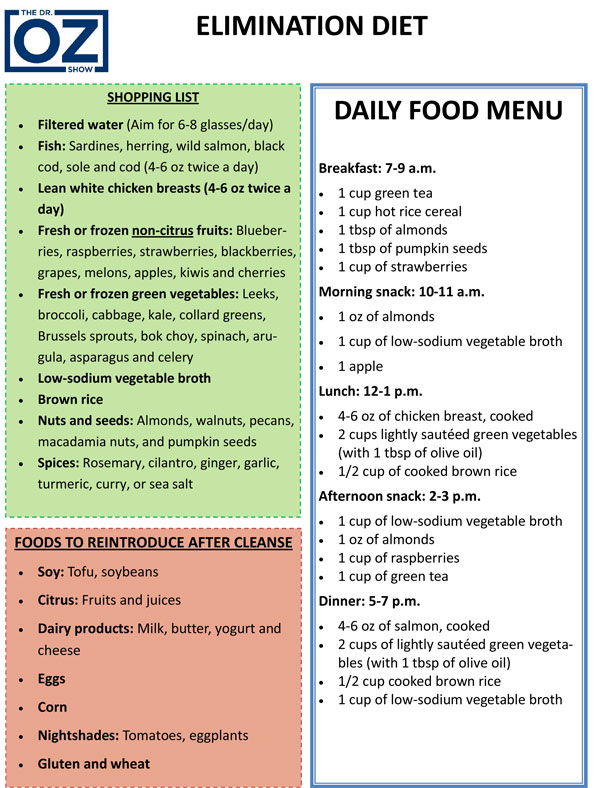
Identifying your trigger foods To get to the bottom of your symptoms, I recommend that you do a 14-day elimination diet where you remove the most common food allergens from your diet to give your body a break, alleviate stress off your immune system, and detox overall. Slowly re-introducing each food after a 14-day break can allow you to connect particular symptoms with your food choices.

All that experimenting with different foods may sound like a major inconvenience, but the results can be invaluable. I recall one patient who had suffered with headaches for 20 years – they were gone after just two weeks of avoiding wheat. Another woman had bleeding from the bowel for two years – it was gone after one week on a dairy-free diet.

Uncovering food sensitivities is a powerful process to explore. But what you do with the information you gain is up to you. Once you’ve determined the effects of particular foods on your health, you have to decide whether or not you want to continue eating them.

Check out Dr. Oz's Elimination Diet HERE!

EliminationDiet

Plan B for determining your food allergies If you don’t want to do a 14-day elimination diet you can consider IgG food allergy testing. Although I encourage you to go through the process of food elimination and reintroduction because it’s so effective, you can choose to have a blood test to identify your IgG food allergies instead. This test identifies the presence of IgG antibodies to certain foods. Positive results to certain foods should be followed with the removal of those foods from your diet for a period of two to six months.

Guest Post:  Natasha Turner, N.D., is a naturopathic doctor

The "Connect 4" to Hormone Havoc that Causes Hair Loss

Many of our guests (salon family)  are fast paced - multitasking -super women!    Naturally, this brings on excess stress, fatigue and hormonal challenges over a period of time. Common first experiences of hair loss is after giving birth.  Years later women reach menopause or other hormonal imbalances, and all not uncommon for women to start losing hair. And while hair loss is a normal process  -  it’s also something that can be remedied by addressing underlying health and hormonal problems.

I appreciate the recent post shared by Dr. Sara Gottfried MD.  You may know of her most recent book "The Hormone Cure."   Sara understands the fundamentals of functional medicine and how it relates to women's health and hormones - inside out.  Enjoy the quick read and thank you, Sara!

hairloss

4 Hormone Horrors that Cause Hair Loss


If hormones can zap your energy and steal your sex drive, it’s probably no surprise that they can also turn your tresses into a mess. Here are just a few ways that hormonal issues can cause hair loss:

1. Excess Estrogen.

Estrogen, the power player in women’s bodies, is your friend when it’s appropriately balanced. It makes you feel energized, helps stabilize your moods and contributes to a healthy sex drive. Yet too much estrogen, which can be caused by weight gain, perimenopause or toxicity from exposure to endocrine disruptors (which are rampant in our food, water and plastic products), can lead to thinning hair. During and after pregnancy, for example, estrogen levels peak and then dip, causing sudden hair loss for many women.

2. Insulin Issues.

Insulin, that helper hormone in charge of regulating blood sugar levels, also affects a number of different body processes, including fat storage, heart health and, you guessed it, hair growth. One study published in the European Journal of Cardiovascular Risk found that women with some markers of insulin resistance have a greater risk for androgenic alopecia (AGA), or female pattern baldness.

3. Tricky Testosterone.

In men, testosterone is associated with being big, burly and hairy. But too much testosterone in women creates all sorts of unpleasant results. Namely, it can cause hair growth on the face, neck or chest, and hair loss on your head. Not pretty.

4. Thyroid Woes.

Your body is an intelligent system. So when it’s under stress due to hormonal imbalances, like fluctuating thyroid levels, it redirects energy used for noncritical processes (hair growth) to more important matters at hand (balancing your hormones). Low thyroid is often the cause of that thinning scalp some women get as they age.

3 Ways to Maintain your Mane               

If you’re tired of yanking out gobs of hair from the bathroom drain or piling on products to pump up your ponytail, here are three strategies that have helped many of my patients address the root cause of hair loss:  

1. Get tested.

Because there are a number of different factors that can contribute to hair loss, it’s best to ask your doctor for a few different tests. I recommend checking: fasting glucose, iron levels and complete blood count (which can determine if you have anemia), as well as thyroid, estrogen and testosterone levels. These assessments should give you a better understanding of what hormonal issues may be at the root of your problem.

2. Eat clean.

Incorporating more fiber into your diet will help to lower estrogen levels through the process of “elimination” (i.e., excess estrogen will come out in the wash). Focusing on a high-protein,

WomensHealthImage

low-carbohydrate diet with lots of veggies will improve insulin resistance that may be contributing to hair loss.

3. Pop a quality multivitamin. 

Nutrients, or lack thereof, can affect hair growth, too. Vitamin A helps fat synthesis in hair follicles, encouraging growth; vitamin E helps protect your hair cells from damage; and B vitamins also help to restore hair thickness and shine. Vitamin C and zinc also help to repair cellular damage from the inside out, which makes for a healthy mane.

Unfortunately, there’s no magic solution, pill or product that will correct hair loss entirely. But if you think of your hormones as a cast of characters, knowing which ones are leading the show and which ones are only playing a supporting role can help you get to the bottom of the issue.  Manage your stress levels and get enough sleep. This will help with general hormone balance and can protect your precious locks from any further damage.
Find Sara's article here!

Spring Superfood Smoothie (recipe inside)

organic-beauty-talk-spring-superfood-smoothie-1.jpg

Smoothie Recipe Key Beauty Ingredient: Superfoods!

Organic Spring Superfood Smoothie

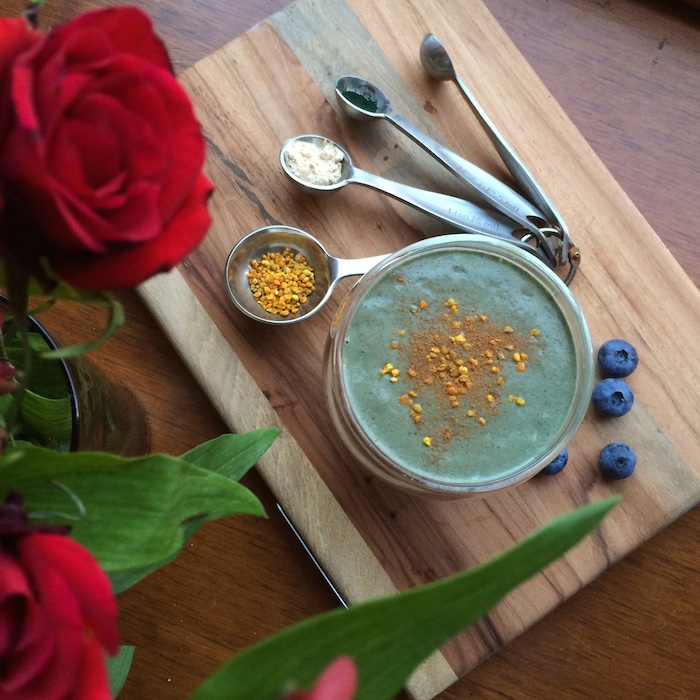
Benefits of Superfoods: Superfoods are nutrient-dense foods that pack large doses of antioxidants, vitamins, minerals and polyphenols. I’ve included some of my favorites, all blended into this tasty smoothie that will help reveal fresh and dewy skin just in time for spring.


  • Pumpkin Seeds – Filled with amino acids and unsaturated fats including skin-loving omega-3’s.

  • Lucuma – This low-glycemic sweetener contains many nutrients including beta-carotene, iron, zinc, vitamin B3, calcium and protein. Has a lovely maple flavor.

  • Maca – Amazing adaptogenic-like qualities nurture and balance the body’s endocrine system. It also energizes naturally and can aid in reproductive function, helping to balance hormones and increase fertility.

  • Bee Pollen – This food of the young bee is approximately 40% protein. It is considered one of nature’s most completely nourishing foods. It can help alleviate seasonal allergies (but must be taken 6 weeks before and throughout the season).

  • Spirulina – Part of the blue/green algae family, it is one of the most nutritious and concentrated food sources on the planet. It’s a whopping 65% protein with anti-inflammatory amino acids. It can also help with seasonal allergies.

  • Chia Seeds – The single richest source of plant-based omega-3 fatty acids and its soluble and insoluble fiber helps keep digestion moving supporting proper elimination and therefore detoxification.

  • Blueberries – Besides being delicious, they are filled with phytochemicals, flavinoids and soluble fiber to tame inflammation and boost beauty.

Spring Superfood Smoothie Directions: 

Fill blender with…

  • 10 oz pumpkin seed milk (get the recipe HERE)

  • 1 handful of leafy greens (curly kale, spinach or romaine)

  • 1 tsp lucuma

  • 1 tsp maca

  • 1 tsp bee pollen

  • ½ tsp spirulina

  • 1 tsp chia seeds

  • 1 tsp cinnamon

  • ¼ cup frozen organic blueberries

  • ¼ avocado

  • 2-3 large ice cubes

  • Pinch of sea salt

  • Stevia to taste

Blend ingredients until smooth and enjoy your organic Spring Superfood Smoothie.

Organic Spring Superfood Smoothie

Blog Post by Laurisa Truemper and Organic Beauty Talk

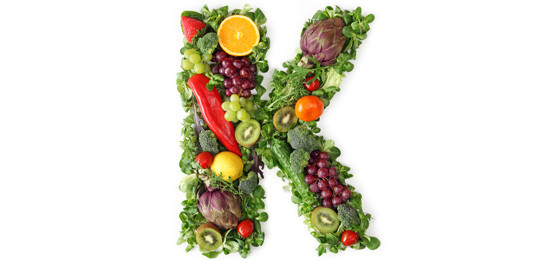
A missing link! Vitamin K2 and your Skin + Bone Health!

Vitamin K2 and it's amazing role in our 'Beautiful Health" both internal and external.

Vitamin-K2

New evidence has confirmed that vitamin K2′s role in the body extends far beyond blood clotting to include protecting us from heart disease, ensuring healthy skin, forming strong bones, promoting brain function, supporting growth and development and helping to prevent cancer – to name a few. In fact, vitamin K2 has so many functions not associated with vitamin K1 that many researchers insist that K1 and K2 are best seen as two different vitamins entirely.

Vitamin K2′s role in the body includes protecting us from heart disease, forming strong bones, promoting brain function, supporting growth and development and helping to prevent cancer – to name a few. It performs these functions by helping to deposit calcium in appropriate locations, such as in the bones and teeth, and prevent it from depositing in locations where it does not belong, such as the soft tissues. One of the health benefits of vitamin K2 not often discussed is its role in ensuring healthy skin, and this vitamin is likely beneficial for preventing wrinkling and premature aging.

Adequate dietary vitamin K2 prevents calcification of our skin’s elastin, the protein that gives skin the ability to spring back, smoothing out lines and wrinkles.  This is because K2 is necessary for activation of matrix proteins that inhibit calcium from being deposited in elastin fibers and keeping these fibers from hardening and causing wrinkles. In fact, recent research suggests that people who cannot metabolize vitamin K end up with severe premature skin wrinkling.   Vitamin K2 is also necessary for the proper functioning of vitamin A- and D- dependent proteins. As I discussed in the first article in this series, vitamin A is essential for proper skin cell proliferation, and cannot work properly if vitamin K2 is not available. Therefore, vitamin K2 is important in the treatment of acne, keratosis pillaris, and other skin symptoms of vitamin A deficiency.

It’s important to get adequate amounts of dietary vitamin K2, particularly if trying to heal the skin or prevent wrinkles.

Foods high in vitamin K2


  • Natto

  • Hard cheese

  • Soft cheese

  • Egg yolksources_of_vitamin_k

  • Butter

  • Chicken liver

  • Salami

  • Chicken breast

  • Ground beef

It is important to note that commercial butter and other dairy products are not significantly high sources of vitamin K2, as most dairy cattle in our country are fed grains rather than grass. It is the grazing on vitamin K1-rich grasses that leads to high levels of vitamin K2 in the dairy products of animals, so be sure to look for grass-fed dairy products when trying to increase your intake of vitamin K2. (11)

UnknownA great all-around supplement for skin health is Green Pasture’s Fermented Cod Liver Oil and Butter Oil blend. It has a great mix of vitamins A, D, K2, and omega-3s in the proper ratios to help maximize skin health, especially in people with acne.

New research has expanded our understanding of the many important roles of vitamin K2.  Proof is being published at a rapid pace to bring clarity to one of the most poorly understood by medical authorities and the general public.

For more information on VK2 and how to source this supplementally, contact us at Kassie@kasiaorganicsalon.com. 


Guest Post Reference For more information on VK2 - head over to Chris's Blog: http://chriskresser.com/vitamin-k2-the-missing-nutrient

One reason why you may not getting a good night's sleep!

 sleeping_mask

Did you wake up at 3:00 again this morning? Turns out, your blood sugar may be to blame.

There are a few common types of insomnia.  You might suffer from one or more of these slumber stoppers, and each has a distinct cause.

For years researchers at the Vancouver-based Canadian Centre For Functional Medicine heard the same comment from participants in their weight loss trials: “I’m sleeping better”.  Since these were weight loss studies and not sleep studies, researchers didn’t pay too much attention to this added benefit at first. Then they began to employ a new technology that monitored participants’ blood sugar levels continuously for periods of 24 hours and longer. That revealed trends in blood sugar changes that had never been seen before, and it led to an astonishing realization: in most cases waking at 3 am is not a true sleep problem, it’s a blood sugar problem.

Here’s what happens. When people gain weight, especially abdominal fat, blood sugar levels gradually begin to fluctuate more in response to eating. Although you’ve likely heard that having high blood sugar is a bad thing (and it is), in fact, it’s rapidly falling blood sugar that will produce noticeable symptoms.

When blood sugar plummets 2 things happen:

  1. Special brain cells (glial cells) that monitor the glucose levels will drive you to EAT. And not carrots or celery, either. Those craving will be for sweet or starchy foods that will get your glucose back up fast. Do you often feel like snacking from dinner until bedtime, or crave sweets in the evening? That’s a sure sign you are on the blood sugar roller coaster.

  2. The adrenal glands produce adrenalin. This is an emergency blood sugar raising tactic. An adrenalin surge during sleep will wake you up.

As it turns out, people experiencing glycemic fluctuation during the day are prone to a blood sugar crash while they are sleeping, at about 3:00 am, and this causes waking in the middle of the night.

What if you are waking in the middle of the night but you’re not overweight, maybe even on the thin side? Keep reading, slimmy, I’m getting to you. Some alarm-clock(usually thin) individuals report that they need to eat every three hours or they experience hypoglycemic symptoms – they might even carry snacks or hard candy for “emergencies”. If this describes you, then you are also on the blood sugar roller coaster and will benefit from my advice.

Ok, so now you know why you wake in the middle of the night, what are you going to do about it? Stabilize your blood sugar.


  1. Avoid high-glycemic index foods that will cause your blood sugar to spike (sugar, white flour, pop, juice, sugary drinks). Chose whole, unprocessed, foods without added sugar.

  2. Eat regular meals and don’t skip breakfast. In fact, what you eat for breakfast will set the tone for your blood sugar for the rest of the day, so make it a good one.

  3. Have some protein, some fat and lots of fiber* with each meal. These three elements will keep your sugar stable.

  4. Take chromium. 200 micrograms daily helps your body use insulin better and reduces with sugar cravings.

 When is comes to dietary fiber, we often think of bran. Bran is insoluble fiber, and although it will improve regularity and contribute to colon health, it won’t stabilize your blood sugar. That job belongs to soluble fiber, the invisible, complex polysaccharide found in whole, unprocessed fruit, veggies, legumes, nuts and seeds. Soluble fiber will absorb water to form a natural fiber gel in the stomach. The gel will combine with sugar to release it more slowly into the blood stream, buffering the impact on blood sugar levels.

Blood sugar stabilizing will still help you, but you might need some additional support. Contact a professional to correctly test your cortisol, hormones, and current baseline of health to make the transformation that will give life - back to you.


Guest Post:  doctor kt nd dot com  (DrKateND.com)

SPRING FORWARD: Two Quick Liver Cleansing Yum-a-licious Smoothie Recipes!

spring-cleanse-smoothie.jpg

Smoothies Pixel

It's that time of year - to SPRING FORWARD!

Spring is a time of change, a time to detox, and a time for......GREEN!
Liver Season

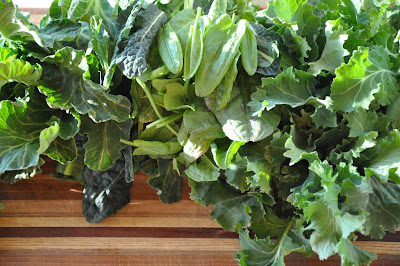
Bitter greens are a foundation food to bring into the spring diet.  Bitters contain compounds that help the liver with its multitude of functions.

About the liver:  It is the second largest organ in the human body and performs over 500 different jobs!  We breathe, ingest, and absorb toxic compounds daily. In addition, our bodies produce poisonous compounds during normal biochemical reactions. It is the liver who is responsible for filtering the blood to remove these toxins and excess hormones. The liver is responsible for changing the chemical structure of those toxins to make them water soluble so that they can be excreted in the urine.  LOVE your liver, please!


Hidden in your fat?

Many of the most threatening and dangerous toxins are fat soluble.   Unless these compounds are detoxified they are more likely to lodge in your cells and remain there causing damage. This is why a diet high in potential pesticides and toxins dramatically increases your intake of toxic compounds. (Organic and sustainably raised animal products have less toxic compounds and should be taken seriously). By supporting your liver with certain foods, you can detoxify and dramatically increase your energy and quality of life, energy, and beauty!

Now, what foods support the liver? We are looking for foods that contain nutrients to produce and activate enzymes involved in the various phases of detoxification.

So what are they?


    • Sulfur-containing foods such as onions, garlic, and legumes are a good start.

    • Cabbage family vegetables such as broccoli, Brussels sprouts, kale, and cabbage are very important.

    • Foods high in water-soluble fiber such as pears, apples, and oatmeal are fairly easy to consume on a regular basis.

  • Certain spices even help such as turmeric, cinnamon, and licorice root. Hmmm, you see why we eat a lot of curry!

  • And lastly, greens, glorious greens! All green foods are particularly important in liver health.

Let's look at a few greens......

Dandelion greens, sorrel, baby kale, collard greens, and wild mustard. Others may include arugula, spinach, mizuna, tat soi, and sunflower spouts.

All of these wonderful fresh, raw greens can be blended into a delicious-tasting smoothie! This is also an easy way for you and your children to get a healthy dose of green foods into your daily diet.

 Below is the recipe that can be changed everyday   depending on what is available. Soon the local fruits from the season will be available and you can change up our the recipe.

The key is - SPRING is a time for CLEANING OUT THE LIVER AND GALLBLADDER.  The intake of greens, bitters, and alkalizing agents will be beneficial as your body, mind, and soul transition seasons.   

 Two Yum-a-licious Spring Green Smoothie Recipes

I use a Vita-Mix for this, but if you have a smaller blender then cut this recipe in half. 


cucumber smoothie

Spring Cleanse Smoothie with Cucumber, Pear and Kale

1/2 cucumber, sliced1 pear, sliced

1 cup kale

1/2 cup water

Sprig of mint to garnish (optional)

DSC_0409

Spring Cleanse Smoothie with Apple, Ginger, Pear and Kiwi

2 ripe pears, cored

2 apples, cored

2 kiwis

1 very large chunk of fresh ginger

2 lemons, juiced

water

Blend the fruit mixture until smooth and creamy.

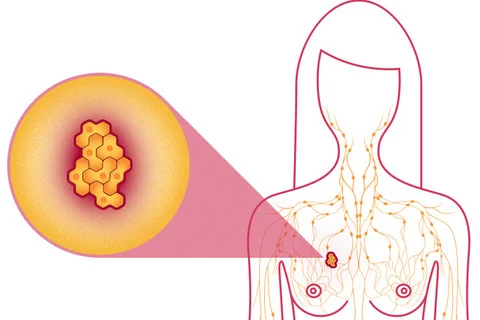
5 Ways to Beat Breast Cancer

e42f2f407b1692e3f854cd56d9d3fc69.jpeg

b

#1: Reduce inflammation

• Researchers found a 21% decrease in breast cancer risk in women who took 2 of the anti-inflammatory medications aspirin or ibuprofen a week

– Inflammation causes damage to breast cells, making cancer development more likely

• A better way to reduce inflammation? Curcumin!

• Not only does cur cumin reduce inflammation without adverse effects (such as stomach ulcers associated with aspirin/ibuprofen), it has been shown to prevent cancer development, progression and spread

Curcumin After Radiation

  • 95% of breast cancer patients experience dermatitis (skin inflammation and redness) caused by radiation treatments
  • Researchers believe that curcumin may be able to prevent skin damage associated with radiation therapy
  • 30 patients with non-inflammatory breast cancer took 6 g of curcumin (orally) or a placebo daily during their radiation treatment

    – Radiation dermatitis severity (RDA) scores were taken weekly - on a scale of 0-4 the mean score was

    • Curcumin users: 2.6 • Placebo users: 3.4

    – Curcumin also appeared to reduce the risk of skin peeling which affected

    • Curcumin users: 28.6% • Placebo users: 87.5%

#2: Iodine

  • Iodine has been shown to alter breast cancer associated gene expressions

    – Turns off cancer promoting genes & turns on genes that promote cancer cell apoptosis (cellular destruction)

  • Iodine makes breast cells less sensitive to estrogen
  • Iodine detoxifies the toxic halogens (bromide, fluoride,

    chloride)

  • Iodized salt is not sufficient for supplementing iodineimages
  • Iodine experts recommend 6.25 - 12.5 mg of iodine or more daily

    – 100 times greater than our RDA

    – This is the estimated individual intake among Japan’s population

    • Japan has the lowest rates of thyroid, prostate, & breast cancer

#3: Daily Multiple plus Vitamin D

  • Taking a basic multivitamin lowers breast cancer risk by 30%; adding 2,000 IU of vitamin D every day cuts breast cancer risk 50%

    – Vitamins C and E, and Zinc, stimulate the immune system to destroy cancer cells

    – Vitamin D helps cells develop normally and prevents the formation and spread of cancer cells

  • Did you know? Women with the lowest vitamin D levels have breast cancer rates 5 times higher than those getting ample vitamin D. The lower the vitamin D levels, the faster breast cancer spreads.

#4: Olive oil

  • Extra virgin olive oil (EVOO) contains compounds that kill off a certain type of breast cancer cell (HER2-positive)
  • When EVOO was given to animals with breast cancer, their tumors became less malignant
  • Remember: diets high in trans-fats INCREASE the risk of breast cancer, while healthy oils (including EVOO) and saturated fats DECREASE the risk of breast cancer
  • EXTRA VIRGIN OLIVE OIL is what is needed. It is processed without heat, preserving the cancer-killing compounds that are destroyed in processed, low quality olive oil
  • The equivalent to the dosage used in clinical studies is about 2 tablespoons daily

#5 Pomegranate

  • Reduces oxidative damage which leads to cancer cell formation
  • In cell and animal model studies, pomegranate reduced growth of breast cancer cells by 87%
  • Pomegranate seed oil which contains the omega-5 fatty acid, punicic acid, is particularly effective against breast cancer
    • –  In one study, pomegranate seed oil reduced the activity of aromatase, an enzyme which aids in estrogen formation, by 60-80%
    • –  Pomegranate seed oil showed a 90% inhibition of estrogen-sensitive breast cancer cells and a 70% inhibition of breast cancer cell spread, in a recent (in-vitro) test
  • Additionally, pomegranate
    • –  Increases rate of cancer cell self-destruction and reduces spread of

      cancer cells

    • –  Inhibits angiogenesis (growing new blood vessels to feed cancer cells)

Pomegranate and Tamoxifen

  • Tamoxifen is a drug used for breast cancer treatment
  • Estrogen receptor agonist – blocks the effect of estrogen from acting on breast cancer cells

    – Remember – some kinds of cancer grow and spread faster in the presence of the hormone, estrogen

  • In a recent study, scientists treated breast cancer cells resistant to tamoxifen with a combination of tamoxifen and pomegranate extract
    • –  the combination of the two nullified the cancer-causing activity of estrogen, even in cells that were previously found resistant to the effects of tamoxifen alone
    • –  In other words, pomegranate caused the tamoxifen to be more effective at blocking the effects of estrogen in breast cancer cells
    • –  Some researchers feel that pomegranate may be equivalent to tamoxifen in preventing breast cancer recurrence!

Summary

  • Minimize exposure to environmental and dietary xenoestrogens

  • Clean diet with healthy fats, including olive oil

    • Supplemental

    • –  A good daily multivitamin/mineral

    • –  2500 to 5000 IU Vitamin D

    • –  Curcumin – 750 mg of bioavilable curcumin providing 500 mg curcuminoids

    • –  Iodine – 6.25 – 12.5 mg daily (may want to take higher amounts as a loading dose)

    • –  Pomegranate – 600 mg of pomegranate seed oil and pomegranate seed extract

Guest Post:  http://www.terrytalksnutrition.com

Gluten-Free Beauty: You may have these symptoms! ( full ingredient guide inside)

no gluten

Celiac Disease (CD)/Gluten Intolerance (GI) affects 1 out of 133 Americans, or about 3 million people. This autoimmune disorder is genetic and leaves one unable to digest gluten properly. The result of this autoimmune disorder is damage and flattening to the villi that are responsible for absorption of nutrients.  Those with CD have more advanced damage to their intestine as compared to those with GI, however, both are unable to tolerate gluten and have resulting health conditions. Amongst this community (and others without these conditions) there are some that also have what is called an IgE antibody response to gluten.

This reaction is an allergy that causes the skin to flare in ways such as redness, swelling, acne or rashes. The amount of those with both intolerances to gluten in the gut and on the skin is unknown but it appears more are popping up daily. Gluten is a protein found in barley, rye, oats, wheat and spelt. Oats are gluten free but research has shown that there is so much cross contamination with processing in the same places that wheat is processed that they test high for gluten.

However, now gluten free oats are available that are grown and processed apart from wheat. Exposure to gluten for someone with CD/GI can cause a myriad of health conditions such as lymphomas, osteoporosis anemia and migraines. Along with these health conditions some, but not all, experience digestive problems; like gas, bloating, constipation or diarrhea.

The most common symptoms of gluten sensitivity include:
 
  • Fatigue
  • Gastrointestinal distress (gas, bloating, diarrhea, constipation, vomiting, reflux)
  • Headaches (including migraines)
  • Infertility
  • Mouth sores
  • Weight loss/gain
  • Inability to concentrate
  • Moodiness/depression
  • Amenorrhea/delayed menarche (menstrual cycles)
  • Bone/joint/muscle pain
  • Dental enamel hypoplasia
  • Short stature
  • Seizures
  • Tingling numbness in the legs
 
Symptoms also include:
  • Abnormal liver test
  • Addison's disease
  • Alopecia
  • Anemia
  • Ataxia
  • Autoimmune hepatitis
  • Chronic abdominal pain
  • Chronic fatigue
  • Crohn's disease
  • Dermatitis herpetiformis
  • Down syndrome
  • Epilepsy
  • Family history of celiac disease
  • Gall bladder disease
  • Hyperthyroidism/hypothyroidism
  • Total IgA deficiency
  • Insulin-dependent diabetes (type 1)
  • Infertility/spontaneous abortions/low birth-weight babies
  • Iron deficiency
  • IBS (Irritable Bowel Syndrome)
  • Malnutrition
  • Multiple sclerosis
  • Non Hodgkin's lymphoma
  • Osteoporosis, osteopenia, osteomalacia
  • Pancreatic disorders
  • Pathologic fractures
  • Peripheral neuropathy
  • Primary biliary cirrhosis
  • Psoriasis
  • Recurrent stomatisits
  • Rheumatoid arthritis
  • Scherosing cholangitis
  • Sjogren syndrome
  • Systemic lupus
  • Turner syndrome
  • Ulcerative colitis
  • Vitiligo

 At this time, the only treatment for CD/GI is to avoid gluten completely.

gluten free

Safe List - Foods & Ingredients Safe for a Gluten-Free Diet

Acacia Gum

Acorn Quercus

Adipic Acid

Adzuki Bean

Acacia Gum

Agar

Alcohol (Spirits - Specific Types)

Alfalfa

Algae

Algin

Alginate

Allicin

Almond Nut

Aluminum

Amaranth

Annatto

Annatto Color

Apple Cider Vinegar

Arabic Gum

Arrowroot

Artichokes

Aspartame (can cause IBS symptoms)

Aspic

Ascorbic Acid

Astragalus Gummifer

Baking Soda & Powder (check)

Balsamic Vinegar

Beans

Bean, Adzuki

Bean, Hyacinth

Bean, Lentil

Bean, Mung

Bean Romano (Chickpea)

Bean Tepary

Benzoic acid

Besan

Betaine

BHA

BHT

Beta Carotene

Biotin

Buckwheat

Butter (check additives)

Butylated Hydroxyanisole

Butyl Compounds

Calcium Carbonate

Calcium Caseinate (Contains MSG)

Calcium Chloride

Calcium Disodium

Calcium Phosphate

Calcium Silicate

Calcium Stearate

Calcium Sulfate

Camphor

Canola Oil

Caprylic Acid

Carageenan Chondrus Crispus

Carboxymethylcellulose

Carnauba Wax

Carob Bean

Carob Bean Gum

Carob Flour

Carrageenan

Casein

Cassava Manihot Esculenta

Castor Oil

Cellulose

Cellulose Gum

Cetyl Alcohol

Cheeses

- (check ingredients)

Chestnuts

Chickpea

Chlorella

Chymosin

Citric Acid

Collagen

Corn

Corn Meal

Corn Flour

Cornstarch

Corn Syrup

Corn Syrup Solids

Corn Swetener

Cortisone

Cotton Seed Oil

Cowitch

Cowpea

Cream of Tartar

Cysteine, L

Demineralized Whey

Desamidocollagen

Dextrose

Dioctyl Sodium

Distilled Vinegar

Eggs

Elastin

Ester Gum

Fish (fresh)

Flaked Rice

Flax

Folic Acid-Folacin

Formaldehyde

Fructose

Fruit (including dried)

Fumaric Acid

Gelatin

Glutamate (free)

Glutamic Acid

Glutamine (amino acid)

Glycerides

Glycerol Monooleate

Glycol Monosterate

Glycol

Glycolic acid

Gram flour (chick peas)

Grits, Corn

Guar Gum

Hemp

Herbs

Honey

Hyacinth Bean

Hydrogen Peroxide

Hydrolyzed soy protein

Iodine

Inulin

Invert Sugar

Job's Tears

Kasha (roasted buckwheat)

Keratin

Kudzu Root Starch

Lactic Acid

Lactose

Lanolin

Lecithin

Lentil

Lipase

Locust Bean Gum

Magnesium Carbonate

Magnesium Hydroxide

Maize Maize Waxy

Malic Acid

Maltitol

Manioc

Masa

Masa Flour

Masa Harina

Meat (fresh)

Methyl Cellulose

Microcrystallin Cellulose

Milk

Millet

Milo

Mineral Oil

Mineral Salts

Monosodium Glutamate MSG (made in USA)

Monopotassium Phosphate

Mung Bean

Musk

Niacin-Niacinamide

Nuts (except wheat, rye & barley)

Nut, Acron

Nut, Almond

Oats

Oils and Fats

Oleyl Alcohol/Oil

Paraffin

Peas

Pea - Chick

Pea - Cow

Pea Flour

Pepsin

Peru Balsam

Petrolatum

Phenylalanine

Pigeon Peas

Polenta

Polyethylene Glycol

Polyglycerol

Polysorbates

Potassium Citrate

Potassium Iodide

Potassium Sorbate

Potatoes

Potato Flour

Prinus

Pristane

Propolis

Propylene Glycol

Propylene Glycol Monosterate

Propyl Gallate

Psyllium

Pyridoxine Hydrochloride

Quinoa

Ragi

Rape

Rennet

Reticulin

Rice

Rice Flour

Rice Vinegar

Romano Bean (chickpea)

Rosin

Royal Jelly

Sago Palm

Sago Flour

Saifun (bean threads)

Scotch Whisky

Seaweed

Seeds (except wheat, rye & barley)

Seed - Sesame

Seed - Sunflower

Sphingolipids

Soba (be sure it's 100% buckwheat)

Sodium Acid Pyrophosphate

Sodium Alginate

Sodium Ascorbate

Sodium Benzoate

Sodium Caseinate

Sodium Citrate

Sodium Erythrobate

Sodium Hexametaphosphate

Sodium Lauryl Sulfate

Sodium Nitrate

Sodium Phosphate

Sodium Silacoaluminate

Sodium Stannate

Sorbic Acid

Sorbitol-Mannitol (can cause IBS symptoms)

Sorghum

Sorghum Flour

Soy

Soybean

Soy Lecithin

Spices (pure)

Spirits (Specific Types)

Stearates

Stearamide

Stearamine

Stearic Acid

Subflower Seed

Succotash (corn and beans)

Sucrose

Sulfosuccinate

Sulfites

Sulfur Dioxide

Sweet Chestnut Flour

Tallow

Tapioca

Tapioca Flour

Tarrow Root

Tartaric Acid

TBHQ is Tetra or Tributylhydroquinone

Tea

Tea-Tree Oil

Teff

Teff Flour

Tepary Bean

Thiamine Hydrochoride

Tofu-Soya Curd

Tolu Balsam

Tragacanth

Tragacanth Gum

Tri-Calcium Phosphate

Turmeric (Kurkuma)

Tyrosine

Urad/Urid Beans

Urad/Urid Dal (peas) Vegetables

Urad/Urid flour

Vanillin

Vinegars (Specific Types)

Vitamin A (retinol)

Waxy Maize

Whey

White Vinegar

Wines

Wine Vinegars (& Balsamic)

Wild Rice

Xanthan Gum

Yam Flour

Yogurt (plain, unflavored)

Forbidden List - Foods and Ingredients Not Safe for a Gluten-Free Diet

(List found onwww.celiac.com)

Abyssinian Hard (Wheat triticum durum)

Abyssinian Hard (Wheat triticum durum)

Alcohol (Spirits - Specific Types)

Amp-Isostearoyl Hydrolyzed Wheat Protein

Barley Grass (can contain seeds)

Barley Hordeum vulgare

Barley Malt

Beer

Bleached Flour

Blue Cheese (made with bread)

Bran

Bread Flour

Brewer's Yeast

Brown Flour

Bulgur (Bulgar Wheat/Nuts)

Bulgur Wheat

Cereal Binding

Chilton

Club Wheat (Triticum aestivum subspecies compactum)

Common Wheat (Triticum aestivum)

Couscous

Dextrimaltose

Disodium Wheatgermamido Peg-2 Sulfosuccinate

Durum wheat (Triticum durum)

Edible Starch

Einkorn (Triticum monococcum)

Emmer (Triticum dicoccon)

Farina Graham

Filler

Fu (dried wheat gluten)

Germ

Graham Flour

Granary Flour

Groats (barley, wheat)

Hard Wheat

Hydrolyzed Wheat Gluten

Hydrolyzed Wheat Protein

Hydrolyzed Wheat Protein Pg-Propyl Silanetriol

Hydrolyzed Wheat Starch

Hydroxypropyltrimonium Hydrolyzed Wheat Protein

Kamut (Pasta wheat)

Malt

Malt Extract

Malt Syrup

Malt Flavoring

Malt Vinegar

Macha Wheat (Triticum aestivum)

Matzo Semolina

Oriental Wheat (Triticum turanicum)

Pasta

Pearl Barley

Persian Wheat (Triticum carthlicum) Poulard Wheat (Triticum turgidum)

Polish Wheat (Triticum polonicum)

Rice Malt (if barley or Koji are used)

Rye

Seitan

Semolina

Semolina Triticum

Shot Wheat (Triticum aestivum)

Shoyu (soy sauce)Small Spelt

Soba Noodles

Soy Sauce

Spirits (Specific Types)

Spelt (Triticum spelta)

Sprouted Wheat or Barley

Stearyldimoniumhydroxypropyl Hydrolyzed Wheat Protein

Strong Flour

Suet in Packets

Tabbouleh

Teriyaki Sauce

Textured Vegetable Protein - TVP

Timopheevi Wheat (Triticum timopheevii)

Triticale X triticosecale

Triticum Vulgare (Wheat) Flour Lipids

Triticum Vulgare (Wheat) Germ Extract

Triticum Vulgare (Wheat) Germ Oil

Udon (wheat noodles)

Vavilovi Wheat (Triticum aestivum)

Vegetable Starch

Certain Vitamins/supplements

Wheat, Abyssinian Hard triticum durum

Wheat Amino Acids

Wheat Bran Extract

Wheat, Bulgur

Wheat Durum Triticum

Wheat Germ Extract

Wheat Germ Glycerides

Wheat Germ Oil

Wheat Germamidopropyldimonium Hydroxypropyl Hydrolyzed Wheat Protein

Wheat Grass (can contain seeds)

Wheat Nuts

Wheat Protein

Wheat Triticum aestivum

Wheat Triticum Monococcum

Wheat (Triticum Vulgare) Bran Extract

Whole-Meal Flour

Wild Einkorn (Triticum boeotictim)

Wild Emmer (Triticum dicoccoides)

Additional Information to know about a Gluten-Free Diet

  • Read all rice and soy beverages to be sure no barley enzymes were used.
  • Sprouted wheat and spelt are not gluten-free
  • Read all lotions, shampoos, conditioners, creams, soaps, toothpastes and cosmetics to be sure they are gluten-free
  • Do not directly lick stamps, envelopes or other gummed labels. Use a sponge or a damp cloth when possible
  • Many prescription and over the counter medicines contain gluten. Check out these websites to be sure your prescription medication is gluten-free:http://homepage.mac.com/sholland/celiac/GFmedlist.pdf,https://www.pfizerpro.com/product_info/chantix_pi_ingredients.jsp
  • Be sure all spices are gluten free
 Guest Post:  The Gluten Free Girl; Safe Ingredients
// User Icon Setting (may be set to BLACK, WHITE or NONE):