A Glutton for Gluten: Should Skin Care Be Gluten-Free?

grain

by Dr. Diana Howard


What’s behind the growing phenomenon of gluten-free foods, and moreover, should it start crossing over into the world of skin care?

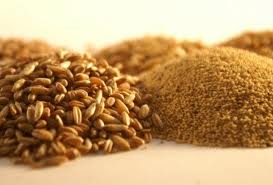
Gluten is the protein found in wheat, rye and barley flours that reacts when mixed with water. Celiac disease is an auto-immune disorder in which eating gluten causes the lining of the body’s small intestine to become inflamed. And, an emerging dietary trend is to eat cookies, cereals, pastas and even pizza dough that are gluten-free, as many people blame gluten for causing gas, abdominal pain and bloating.

As of 2009, only 1% of the world’s population has Celiac disease. What’s important to note is these are symptoms of eating gluten, not applying it to the skin!

On skin care ingredient labels, primary sources of gluten are listed as Hydrolyzed Wheat Protein, Triticum Vulgare (Wheat Germ) Oil or Extract and Sodium Lauroyl Oat Amino Acids. The U.S. FDA and WHO Codex Alimentarius have set preliminary thresholds of less than 20 ppm of gluten for a gluten-free claim. (This is more due to “analytical limitations” than anything else.)

Unfortunately, suppliers of raw materials don’t always certify the concentration of gluten in the raw materials that they provide skin care companies. And since the raw materials are not standardized with each batch (meaning they adjust each batch to contain a constant amount of gluten) the gluten content could fluctuate.

While many self-proclaimed experts claim any skin care product with gluten will penetrate through the skin’s barrier and trigger the disease, the Celiac Society disagrees. “Gluten molecules are too large to be absorbed through the skin. If you’re having a reaction to a personal care product (for example, a moisturizer or sunscreen lotion) that contains gluten, you may be allergic to one or more of the other ingredients.”

While it seems the whole world has got it in for gluten, The International Dermal Institute agrees with the Celiac Society and the many scientists that contend topical application is not an issue. Unless a product is used on the lips or in the mouth (think lip conditioners, lipstick, toothpaste or mouthwash), there is no need for concern. However, it is always up to the client and skin care professional to make the best possible choice for skin health.


Kasia Organic Salon simply shares articles that "Inform Beauties" of the everyday conversations within our beautiful health and personal care purchases.  The following article does not reflect our opinion, although creates a case of critical thinking.   - Kassandra

Ask a Scientist: Can I Reverse Gray Hair?

ask-scientist_h-article.jpg

  ask-scientist_h-article

Photo:Scotty Reifsnyder


The Scientist: Des Tobin, Professor of Cell Biology and Director of the Centre for Skin Sciences at the University of Bradford in the UK.

The Answer: Sorry, no dice. You can neither slow the onset of graying nor reverse it once it’s happened.

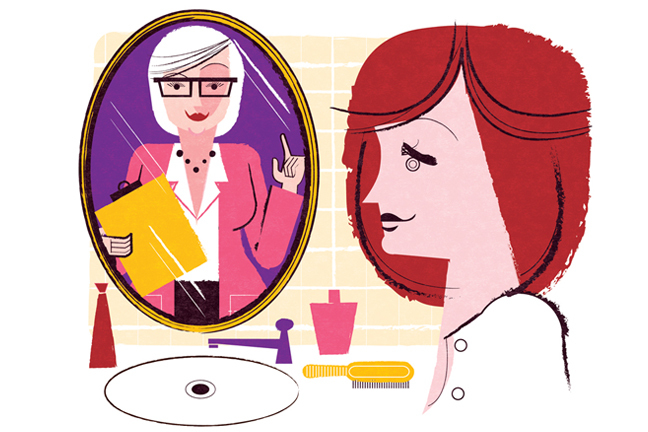
Hair gets its color from melanocytes, pigment-producing cells that live near the base of each hair. As a hair grows, it absorbs pigment, called melanin. The color that results depends on the ratio of eumelanin (which is black/brown) to pheomelanin (red/blonde), and that is determined by genetics, hormones and age. That’s why blonde kids often turn brunette after puberty—and why they go gray as older adults.

Graying happens when your melanocytes begin to produce less melanin, fail to produce melanin altogether or simply die off. Researchers have also found that hydrogen peroxide (a powerful bleaching agent) is produced naturally in the hair follicle, but it's broken down by enzymes. As you age, those enzymes dwindle, letting the hyrogen peroxide bleach hair from the inside out. Most people will have some gray hair by their 50thbirthdays. Different ethnicities tend to go gray at different ages. Speaking in broad generalities, the average is mid-30s for Caucasians, late 30s for Asians and mid-40s for people of African descent. But some people get salt-and-peppery in their 20s, while others hold onto their hair color until they’re 80.

There are some interesting exceptions to the “gray for good” rule. Certain drugs have been associated with hair darkening, and cancer patients who have undergone scalp radiotherapy have found that the irradiated areas can start producing pigmented hair again. Obviously, these are not workable everyday solutions. In the lab, scientists have been able to restart melanin production in melanocytes that haven’t produced pigment in a long time, so a treatment for gray hair at some point in the future isn’t out of the question. But it’s not exactly on the horizon, either.


Thank You:You Beauty

Read more: http://www.youbeauty.com/hair/ask-a-scientist-reverse-gray-hair#ixzz2PEsDjYK2

Rosacea Signs and Supportive Lifestyle Tips

April is National Rosacea Awareness Month and we find it appropriate to take the opportunity to explore this very common skin condition with our readers.

The Facts:

According to the National Rosacea Society, rosacea.org, over 16 million Americans suffer from rosacea, many without even knowing they have it.  It is most common in people age 30-50 and individuals with fair skin.  Those who tend to flush or blush easily are believed to be at greatest risk.

Even though this disorder is more frequently diagnosed in women it can be more severe in men. The most common signs of rosacea include: flushing, persistent redness, bumps, pimples, and visible capillaries. Other less prevalent signs range anywhere from burning or stinging, dry skin, plaques, skin thickening, swelling, and eye irritation.

There are 4 types of rosacea (AAD):  Rosacea

  erythematotelangiectatic rosacea which is flushing, persistent redness, and visible capillaries

papulopustular rosacea which has persistent facial redness with bumps or acne-like breakouts

phymatous rosacea described as skin thickening and enlargement bumpy texture

ocular rosacea affecting with symptoms of watering, bloodshot appearance, irritation, itching, gritty feeling, burning or stinging


Symptoms can have such an effect on self esteem that 41 percent of rosacea sufferers reported it had caused them to avoid public contact or cancel social engagements (National Rosacea Society).

Common treatments include antibiotics, azelaic acid, isotretinoin, lasers, dermabrasion, and in severe cases electrocautery and surgery. Kasia Organic Salon's skin specialist uses professional  products that deliver  great results in treating rosacea with a more holistic approach instead of just treating the symptom on the surface.
We recommend healing and calming inflammation both internally and in the skin.  When we increase the skin's ability to heal using ingredients that partner with the skin instead of having potentially harmful side effects, we see redness disappear, capillaries become less visible, thickening of a thinned dermis, and all over improvement in skin tone.

flawless skin

Doctors are still trying to determine the etiology of rosacea but according to the American Academy of Dermatology.

The Determining Genetic Factors Include:

  1. Rosacea tends to run in families, and found in individuals with an over active immune system.
  2. H pylori, since it is commonly found in rosacea sufferers but not all individuals with H pylori have rosacea
  3. The demodex mite which lives on everyone's skin but is found in larger quantities in rosacea.
  4. A protein called cathelicidin which normally protects the skin from infection but causes the inflammation seen in rosacea.

Though the medical community does not yet know the direct cause of rosacea they are starting to recognize intestinal influences.

Rosacea Inspired Diet

It is best to emphasizes on anti-inflammatory foods that work to reduce vascular flushing. Anti-inflammatory foods are generally plant-based, mineral dense, and minimally processed. Fruits and vegetables, especially dark and leafy greens, help to reduce inflammation. A rosacea inspired diet is an alkaline diet that includes cleansing vegetables, low-sugar fruits, low to NO grains or dairy,
rich bone broth soups, juices, salads and omega oils.
images-1
    • Mineral water spritzers can be made from still or effervescent mineral waters (like San Pelegrino or San Faustino). These mineral waters can be combined with a few drops to a couple of ounces of any juice. Pomegranate, apple cider, lemon, lime and acai juices are suggested here. Mineral waters offer an easy way to boost dietary mineral intake.
    • Emphasize anti-inflammatory foods that work to reduce vascular flushing. Anti-inflammatory foods are generally plant-based, mineral dense, and minimally processed. Fruits and vegetables, especially dark and leafy greens, are particularly anti-inflammatory.
    • Limit hot and stimulating foods that dilate blood vessels. Allow food and beverages to cool slightly before consuming them. Limit intake of coffee to one cup per day. Avoid alcohol, cigarettes, spicy foods with tomatoes and peppers, and sodas and sweets that can aggravate vascular inflammation.
    • Eliminate fried and fast foods along with artificial sweeteners, colors, and flavors. In general, opt for whole foods found complete in nature.
    • A vegetarian diet is not required. But it is important to strongly emphasize anti-inflammatory, plant-based foods like beans and nuts, complete whole grains, fruits and vegetables, and quality oils like olive oil.
    • Limit meat, saturated fats, dairy that contribute to inflammatory pathways. When consuming animal products, select organic or wild or grass-fed varieties to avoid genetic engineering, supplemental hormones, and antibiotics that can leave these foods far from what nature originally intended them to be. Opt for lean, organic meats and organic eggs when consuming them. You may want to strictly exclude dairy from your diet for six months to observe the impact it has on your body and rosacea symptoms.
    • If it's too difficult to transition to this entire diet overnight, transition meal by meal. Be patient and persistent. Be prepared to practice this diet at a minimum of 90% compliance for a minimum of three-to-six months to determine its potential impact on your rosacea.
  • Wholesome snacks are included to avoid blood sugar spikes and crashes that can feed inflammation. Snacks are also included to avoid consumption of very large meals which may generate larger amounts of heat in the digestive process.

Supplements

There is also a lot more you can do about your diet besides discovering triggers. Increase the amount of fruits and vegetables you eat, especially dark green vegetables, such as broccoli, spinach, kale and asparagus. Look for foods high in vitamin A, beta-carotene, bioflavonoids and vitamin C and add them into your diet.

  • B-vitamins: choose a good B-complex, with many different forms of B vitamins.
  • Vitamin E: is both a great antioxidant and helps skin to heal.
  • Vitamin A: is essential for skin health and healing. Be careful about dosage with vitamin A. High amounts of vitamin A (over 8,000 iu) are harmful to fetuses and should not be used by anyone who has the chance of becoming pregnant.
  • Zinc: helps speed wound healing and has been used in acne.
  • Essential Fatty Acids: fish and flax oil are great for the skin and the entire body.
  • Selenium: is a great antioxidant and helps support skin health.

Kasia's skin specialist are here to be able to recognize the signs and symptoms to provide products that can help to alleviate discomfort, which  helps to change lives.    Whether you suffer from rosacea, or not -  a home care regimen will help the recovery process with an Kasia Anti-inflammatory Organic Facial specifically designed for our guests.


Call 612 824 7611 Today!


Reference:

Jamie Palmer/Osmosis.com dermaharmony.com

Save Big! HIGH Impact Express Treatment and "ON THE MEND" Blow Out

8_blow-out-beautiful.jpg

Express "ON THE MEND" Blow Out

*Formaldehyde-Free, Thio-Free, Sodium-Hydroxide Free*

Snap up these special offers and step into spring with healthy, gorgeous locks!


Condition, strengthen, heal, and maximize the manageability of any hair type with ....

Kasia Organic Salon's Express Keratin Treatment! 

Whether you struggle with unruly, frizzy locks or limp, lifeless hair, this nourishing treatment will whip your hair back into shape without the harsh chemicals found in conventional treatments. Keratin, peptides and silk proteins combine to produce smoother, shinier and healthier hair - instantly! Added bonus: less time heat styling required to maintain a sleeker look. 
 

In a rush? This HIGH impact treatment takes only 30 minutes and just 10 minutes added on to your color service. 

 blow-out-beautiful
 
Special Price: 
With color - $29
Without color - $40 
 
 
***Because of the gentle formulation of our color line, there is a much less stark line of demarcation while your gray is growing in, allowing you to stretch out your retouch one to two weeks longer than with conventional dyes.


NEW time and money saving BEAUTIFUL HEALTH offerings just for you!

RETOUCH & RETOUCH EXPRESS 

 
Feel glamorous always, while maximizing your hard-earned time and money. Our Retouch and Retouch Express services provide a quick touch up for our no-fuss, on-the-go clients. 
busywoman
 
Added Bonus: they save money too! 


Learn more about our Retouch services HERE! 


HILARIOUS! Stylist + Client Convo Must Read!

beautyshop.jpg


I found this to be hilarious and just HAD to share with you beaute' ........

beautyshop

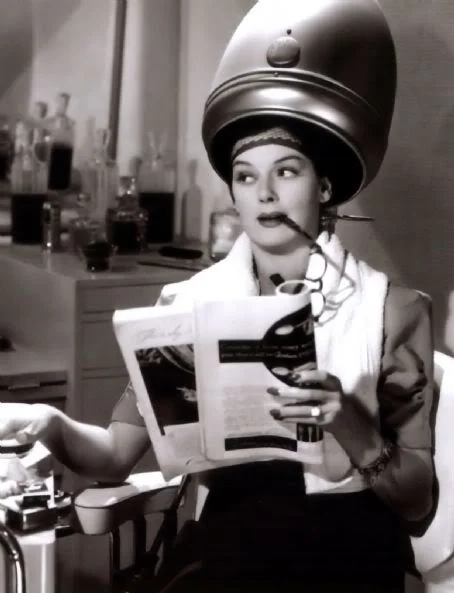
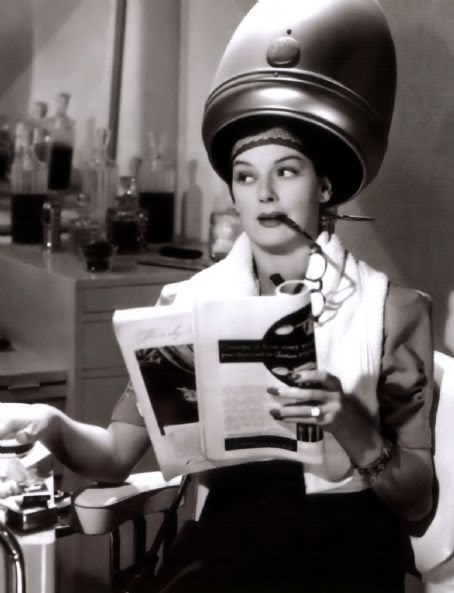
Woman in chair next to me: “Well, I need to get home and figure out what I am doing for dinner. Jim is out-of-town, so it’s just me.”

Her hair stylist:” Oh, I love when my husband is out-of-town. I can eat whatever I want…no pressure to fix anything. It is funny before I married my husband he would have cereal at night for dinner, now he expects full meals.”

Woman in chair next to me: “ I know…I love when my husband is gone too…I can eat what I want, watch what I want on tv, go to bed when I want, read in bed for as long as I want, I don’t get pestered for sex (massive giggles from every woman in the salon)…so much more relaxing with him gone. Like tonight I will probably just boil some eggs and have a salad. He would never eat anything like that for dinner.”

Her hair stylist: “Sometimes I get so tired of trying to figure out what to feed him so I just come home and say we are having sandwiches for dinner tonight. I will go fix my sandwich and flop down on the couch and he just stares at me like I have set the house on fire. So I say, “What?” He actually says, “Well, aren’t you going to fix one for me?”

I look up at my hairdresser and say, “I am so damn glad I never got married.”

She looks down at me and says, “ And I am so glad my divorce was finalized in February.”


-Thank you Onehappypill.com

Do You Wonder? "Why doesn't my hair grow past a certain length?"


"My hair won’t grow past a certain length."

hair loss

We hear it often at Kasia, and it is our goal to educate our clients on how to best treat their hair at home and to prescribe the supportive products that nourish the hair and build it up over time.

The stunted growth can be contributed to a number of reasons. Quality nutrition, ammonia color (more damaging) over-processing, over-heating with irons, and even cutting it too often are all factors to consider if your hair isn’t growing longer.

For the most part it’s not that your hair isn’t growing, but that it’s breaking off. No matter how good your diet, if your hair is frequently snapping off at the ends the length will be affected. Hair grows about half an inch a month, so, if your hair is breaking approximately that much in the same time period, it will stay the same length. This hair breakage can be caused by the incorrect and frequent use of straightening irons, and curlers. Using a hair-dryer without a protective serum/spray, using uncovered elastic bands, or brushing your hair too often or too roughly.

All of these processes can cause your hair to lose excessive amounts of moisture,  causing dryness, brittleness and loss of elasticity, which lead to breakage.


The way to minimize this breakage is to use products that will infuse moisture back into the hair shaft and products that protect your hair.  Using nurturing shampoo and conditioner is vital for not stripping the hair.


How often should I cut my hair?

In 8 weeks, your hair will grow approximately 1 inch. Therefore, you will not want to cut more than 1/2 of an inch every 2 months. It is important to keep the ends of your hair in good shape.


Quality Nutrition

Diet is another reason for hair not growing past a certain length. Low ferritin levels can affect the growth cycle of hair, especially in women.  Ferritin is your body’s iron storage. It can have a profound impact on the health of your hair as good levels of ferritin optimize hair growth. A lack of ferritin can result in the hair moving out of the ‘growing phase’ and into the ‘shedding phase’ sooner than it should.

Ferritin levels should be over 80 for optimum hair growth. Anything below this can result in your hair falling out before it has reached the desired length. An under active/overactive thyroid can also do this.  Over 40% of women have a deficient thyroid.  Getting your thyroid and iron levels checked is also a good idea if your hair isn’t growing past a certain length.

Vitamins B12 and Zinc are also vital when it comes to hair length and texture. Insufficient levels of zinc can lead to brittleness and breakage. Adequate protein intake is important for quick energy for the body's ability to manifest energy and growth.    consult your Doctor before taking any supplements as too much of any vitamin/mineral can be detrimental to your health.


Kasia Prescribed!

Re-Plenish Ultra-Hydrating Shampoo & Conditioner

Get rich quick!  Sea kelp, aloe and shea bring urgent repair to hydrate, restore shine, strengthen, and define curls. Vitamins E and C are powerful antioxidants to repair and protect. Chamomile, comfrey and calendula revitalize the hair, while also strengthening its roots. 100% pure essential oils.replenish

“Off the Fritz” Hair Sealer

Add instant manageability and shine to your tresses with this ultra-lightweight, 96% organic spray, all while protecting it from heat damage, frizz and humidity, coloring and environmental pollution.


Kasia Restore Hair Oil

A lightweight powerhouse, this ultra-versatile hair oil is silicone-free and absorbs instantly, giving your hair a healthy, brilliant shine. Made with cold-pressed fresh and organic oils, it’s a rich elixir that harnesses the power of Black Cumin seeds, Rosemary and Carrot Seed oil to smooth away frizz while protecting hair from damage. It’s perfect for all hair types and colored hair


Kasia-logo_roundJPGThe Kasia Organics “Informed Beauty” Promise:

We always use: the finest, all-natural ingredients that not only nourish the body but awaken the senses and promote healthy, safe living through informed beauty. The result: radiant, restored skin and hair.

We never use: parabans, petro-chemicals, phthalates, artificial preservatives, lauryl sulfates, artificial colors or dyes, synthetic fragrances, wasteful fillers or animal testing—unhealthy junk your body doesn’t need!


Are You Spring Breaking with Protection? Get the RIGHT UVA/UVB Coverage!

43ca9053b3bb5f5582182349989823d9.jpg

The sun is our vitality and source of energy that sustains life, but with excess exposure without proper protection, it has negative consequences. The three main types of rays that damage our skin are UVA, UVB, and infrared rays, all of which have the ability to penetrate skin and cause damage to cells and DNA. On the surface, this damage manifests as fine lines, wrinkles, laxity, and discoloration, but the most dangerous consequence beneath the surface is the risk of skin cancer. To adequately shield skin from the sun, sunscreen needs to be a part of every daily routine. Options include physical UV-reflecting ingredients, chemical UV-absorbing ingredients, or a combination of both.  The most important claim is a "broad spectrum" effect. This indicates full coverage from the entire spectrum of UVA and UVB radiation, whereas SPF only measures the length of time one is protected from the UVB rays responsible for sunburn.

Research has shown that sunscreen alone does not provide adequate protection from environmental damage. A key finding shows that .....

*The average consumer does not apply enough sunscreen, therefore only obtaining up to half the protection stated on the bottle. Second, sunscreens only block 55%* of the free radicals generated by UV exposure.

*UV filters do not provide protection from damaging infrared radiation. For broad range protection against all sources of environmental skin insults, it’s imperative to use a topical antioxidant in conjunction with a daily sunscreen.

Kasia  offers optimal protection from the damage caused by UV rays and other environmental factors.

sun

Kasia Good Day Sunshine Sunshield


 Super-potent yet lightweight, this non-chemical sunscreen provides healing and moisturizing properties along with true broad-spectrum UAV/UVB protection and 5% zinc and titanium. Formulated for sensitive skin, it’s safe for the entire family and is PABA and fragrance-free. Perfect for wearing under makeup!

Safe:
  • Formulated for sensitive skin and children
  • Does not contain Oxtinoxate, Octisalate, Oxybenzone or Homosalate, like other sunscreens. These chemicals are toxic and have high absorption rates through the skin.  They act as kasia_0023_HIGH-200x300irritants, allergens, hormone disruptors or carcinogens.
Non-Chemical:
  • Contians zinc oxide and titanium dioxide, which are the only ingredients that are both safe and effective for UVA and UVB protection and do not penetrate the skin but block or reflect the sun.
True Protection:
  • Broad-spectrum UVA/UVB protection
  • Green tea helps protect your skin’s cells by providing antioxidant protection and helps repair skin damage

* Haywood, R., et al, J Invest Dermatol 2006;121:862-868

The Truth About Lead And Lipstick

550144_440548086017846_869829139_n.jpg

 Why does lead appear in lipstick in the first place?

lips

We'd love to hear from you! What are your thoughts on Lead n' Lipstick?


 This article can be found on YouBeauty.com

Lead is a scary word. It’s the kind of strong substance you want included in construction materials. But in cosmetics or paint? Not so much. Lead poisoning can have serious health implications for adults and especially for children.

But this element isn’t added to our lipsticks, it finds its way in by accident—through the cosmetic pigments. Many pigments used to produce yellows, reds, oranges and browns are made from synthetic iron oxides (compounds that include iron and oxygen). Theoretically you could pull iron oxides straight out of the ground, but that would mean dragging along additional, unwanted materials. But even synthetic iron oxides are often derived from natural sources, so unintended ingredients, like lead, can and do appear in pigments.

The F.D.A. refers to lead as an “impurity,” but don’t let the name fool you. Chromium is an impurity that can appear in gemstones, but without it we wouldn’t have the rich green of emeralds or the brilliant red of rubies. Similarly, lead can contribute to the actual colors of the cosmetic pigments. To imitate such gorgeous shades, some pigment producers may, in fact, use ingredients that contain lead compounds. But the lead is then removed before the pigments are sold to cosmetic companies.

Cosmetic companies—the name brands you see on your products—don’t produce those pigments. They’re purchased from independent pigment producers. Nor are cosmetic companies responsible for making sure that those pigments fall below the F.D.A.’s maximum allowable lead content—no more than 20 parts per million.

Before these pigments are sold to cosmetic companies they undergo an intense washing process intended to remove regulated contaminants such as lead, arsenic and copper, explains Nick Morante, who had worked as a color specialist for The Estée Lauder Company for 30 years before starting Nick Morante Cosmetic Consultants in Holbrook, New Jersey.

“The wash process is designed to remove everything you don’t want there,” said Morante. “But the government does allow 10 parts per million of lead—and 3 ppm of arsenic and 3 ppm of mercury—as a safety net.”

In other words, the allowable parts per million exist because removing such small amounts of lead can be extremely difficult. Morante says most companies design their wash process to remove all lead—not simply to meet the minimum requirement.

Beyond pigments, there is no reason for a cosmetic company to add lead or lead compounds to their products. But a concerned public may be quick to call foul and lay blame. The fact that the government legislation sets an allowable amount leaves many wondering if it just gives cosmetic companies a pass to add lead. “Baloney,” says Morante. “But some people, unfortunately, think that’s what is happening.”


So how much lead exactly is in lipstick?

In the F.D.A.’s recent survey of 400 lipsticks, it found the highest lead content to be 7.21 ppm, about 36 percent of the allowable 20 ppm. So to break it down, if a five-gram tube of lipstick has a lead count of seven parts per million, it actually contains 0.000036 grams of lead. That’s roughly the weight of a single grain of table salt!

Experts say one milligram of lead is enough to make a child sick. That means a child would need to eat 28 tubes of lipstick to find himself exposed to one milligram of lead. In a lipstick with 2 ppm of lead, he’d need to snack on least 100 tubes.

But that assumes that the lead is released in your stomach, which may not happen, because lead particles in lipstick are locked up in other compounds. To test lead levels in lipstick, the F.D.A. heats the lipstick to nearly 400° F then mixes it with boric acid. So keep in mind that stomach acids alone may not be enough to extract lead from lipstick.

This extensive process immediately reveals the absurdity of the so-called “gold ring test” which posits that one can determine if a type of lipstick contains lead simply by rubbing it with a gold ring. The rumor goes that if by rubbing a lipstick bullet with a gold ring produces black streaks, you’ve found lead. However, if you conduct a similar test rubbing lipstick across a clean paper surface using various metals, including gold, pewter, copper and silver, all of them will produce gray streaks. The streaks are actually the residue of the metals themselves, made more prominent by the color of the lipstick.


How much of that lead gets into my body?

On average, Americans have around 70 micrograms of lead in their blood stream that’s absorbed from other sources in that person’s environment. If a person is not exposed to a single, significant source of lead (such as working in a manufacturing facility that uses lead), exposure to small doses of lead may come either from the water, soil, air or from natural or man made sources.

Lead can be absorbed through the skin. It can also be ingested orally. Children absorb 30-50 percent of orally-ingested, water-soluble lead, while adults absorb more in the neighborhood of 10 percent. Pregnant and nursing women can pass lead to their babies through blood and milk. And what’s not absorbed is excreted from the body as waste.

Nutrition also influences how the body processes lead. If, due to poor nutrition, your body has a deficit of calcium or iron (two elements it needs to operate), it can absorb more lead into the bloodstream.

Some vocal opponents of the F.D.A.’s allowable limit on lead argue that lipstick is ingested when worn and should be held to the same legal limits imposed on candy. The F.D.A. allows 0.1 ppm of lead in candy—200 times less than what is allowed in lipstick. But when comparing lipstick to candy, the question is not whether or not women ingest lipstick, but how much?

If someone ate one, 25-gram serving of candy once a week, they would consume 1300 grams of candy in a year. But even if a woman used up an entire tube of lipstick every six months, and ingested every bit of lipstick from the tube, she would only ingest about 10 grams of lipstick per year—130 times less than the candy consumed. In other words, the F.D.A. limit for lead in cosmetic pigments is 200 times higher than it is for candy, but a person is more likely to ingest 100 times more candy than lipstick each year. (And that’s assuming that you basically eat your lipstick.)


Why should I be worried about lead?

Lead, it’s true, is a highly toxic substance. This neurotoxin can damage the nervous system and affect the cardiovascular system, potentially resulting in heart attack and high blood pressure. It can also lead to kidney problems, cognitive dysfunction and adverse reproductive outcomes.

The biggest cause of elevated blood lead levels comes from occupational sources, which  make up 95 percent of elevated lead exposure cases.

After that, key sources include using firearms and being shot (as if catching a bullet isn’t hazardous enough, the ammunition itself deposits significant amounts of lead into the blood stream). There are also high risks from houses build before 1978 that are contaminated with lead paint and lead dust. Imported toys containing lead paint also continue to appear on toy shelves—although imported toys sold by American toy brands are monitored closely. It also appears in drinking water from various sources including lead water pipes. The E.P.A. maintains a zero-lead drinking water policy, but water contamination still occurs.


Should the F.D.A. ban all levels of lead in lipstick?

There is a mounting body of evidence showing that low doses of lead previously deemed safe, can actually have negative health effects, especially in children. Studies have yet to find whether there is a “safe” level of lead that has no effect on the body. So those same studies cannot say for sure if trace amounts, like those found in lipstick, are harmful.

Most public health officials are now taking a zero-tolerance approach to lead for children. Mark Mitchell, the chairperson of the Environmental Task force for the National Medical Association, says, “The question is: Is the amount of lead in lipstick going to be detrimental to your health? And the answer is we don’t know.”

But in terms of removing lead from our environment, Mitchell also agrees that some sources of lead are more dangerous than others.

“I don’t think lipstick is a major source of lead. And I do believe that people should be concerned about removing lead from as many sources as possible, but the sources with the larger amounts of lead should be looked at first,” he said, referring to contaminated homes, drinking supplies and jobs that involve lead exposure.

Bruce Lanphear, a professor of health science at Simon Fraser University has studied the impact of lead exposure in children and takes a more absolute point of view, believing that all unnecessary sources of lead should be removed.

“We live in a lead-laden world,” says Lanphear. “Even the low-level exposures matter.”


Lanphear also points out that treating lead related health issues imposes a financial burden on society.  He’d like to see a reduction in lead sources across the board, even in sources like lipstick, and fervently believes that any exposure amongst children is harmful.

But Lanphear says removing low lead sources should compliment, not overshadow, its removal from more significant sources, such as homes and water supplies. Those sources contribute to the over 250,000 children in the US with dangerous levels of lead in their blood.

Unfortunately, by focusing on lead in lipstick it overlooks the larger issues.

Consumers have a right to demand the removal of lead from lipstick, but efforts to this end should not ignore the many low-income families who cannot afford to remove lead paint from their homes safely, or lead pipes that supply their drinking water. Abandoned lead-contaminated houses pose a bigger threat to children playing nearby than lipstick does. Uniting against lead in lipstick is a worthy cause, but demanding stricter limits is only one small step toward kissing the bigger lead problem goodbye.


Reference:  Youbeauty and By
July 10th, 2012
// User Icon Setting (may be set to BLACK, WHITE or NONE):