In light of a BIG week at the Supreme Court, let's see what our fellow Patriots have to share about taking your health into your own hands!

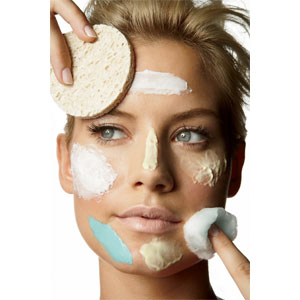
One of the most difficult signs of aging to 'correct', wrinkles begin appearing on our faces in our 20s, and continue to deepen and multiply right through the rest of our lives. The fight against the innocent wrinkle has caused the rise of the Botox phenomenon ... but the insanity of injecting the world's most lethal disease into our body purposefully has given rise to the organic wrinkle-treatment ideology! If you like the idea of looking younger and healthier, but don’t like the idea of paralyzing your face for it, read on. We examine the natural alternatives to Botox for a smooth, glowing, radiant complexion ... and for Beautiful Health.
What planet do wrinkles come from?
Unfortunately, we can’t just send them back where they came from! Wrinkles are caused by several factors. Some of these are beyond our control, and some we can have an effect on. The following are the main causes of wrinkles:
Aging - The middle layer of skin, the dermis, begins to thin with age. The structural proteins that bind the dermis to the epidermis loosen and unravel, meaning that the epidermis sags away from the dermis. The extent to which your skin wrinkles as you age is determined genetically.
As you age, your skin also loses some of its ability to retain moisture, declines in elasticity, produces less oil, and takes longer to heal. All of these factors have an impact on how much your skin wrinkles.
Sun damage - Up to 80% of the wrinkles that appear on our faces have been shown to be caused by sun damage. UV light can damage collagen fibers in the skin, as well as causing excessive elastin production. Wrinkles from sun damage basically form when your skin has to heal the damage produced by the sun over and over again, resulting in minute scarring.
Contraction of the facial muscles - Habitual expressions, such as frowning, squinting, and even smiling, can cause your skin to droop and wrinkle.
How the Sun Damages Skin
The skin gets its shape and firmness from a network of proteins outside our cells, made up of collagen, elastin and glycosaminoglycans. Collagen gives the skin its basic structure, and elastin creates flexibility. The sun damages these proteins by triggering our skin’s DNA to act in abnormal ways.[1][2][3] The sun’s rays degrade the collagen and elastin proteins that our skin cells produce in future [4]. These degraded cells are less elastic and have a less-youthful appearance than cells which are not exposed to the sun [8].
What is Botox?
Botox is derived from the botulinum toxin, the most lethal naturally occurring substances in the world. It is used to correct wrinkles The popularity of injecting your face with a lethal disease seems to indicate some sort of mass insanity, but in 2007, Botox injections to smooth wrinkles were the most commonly performed cosmetic surgery procedure, according to the American Society of Plastic Surgeons.
Botox will correct wrinkles such as:
Botox does not work on wrinkles caused by sun damage or by gravity. Its mechanism of action is to block the nerve signals from the brain to the muscle, causing it to relax and soften, rather than contract.
The side effects of Botox include:
How to prevent wrinkles - Fighting off the invaders
Prevention is far more practical than a magic pill or ‘quick cure'. In the case of creeping crows feet, in the early stages you should use nutrient rich skin care, sun care, and abundant hydration . These are the only ways to avoid these creepy invaders. Let’s take a closer look at some things you can do to prevent wrinkles forming, and for beautiful health!
Lifestyle choices to help reduce wrinkles
The preventive measures above are all lifestyle factors that can help reduce the number and intensity of your wrinkles, as well as helping prevent new ones forming. Here are some other choices you can make that will reduce the appearance of current wrinkles, and prevent new ones forming.
Get results with natural products and procedures for wrinkle reduction
Antioxidant products - So popular it has almost become a meaningless buzzword, 'antioxidants' are a critical component of an anti-wrinkle skincare regimen. However, to reverse the affects of oxidation organic or all-natural products are recommended - many antioxidant products contain a wealth of additional chemicals that actually destroy your skin's health, rather than promote it.
Glycolic peels - These can be very effective at removing fine lines, scarring and discoloration from skin. Kassie Kuehl, founder of Kasia Organic Salon, uses a natural 2-stage system of a 2%-acid deep cleanser and 8% exfoliate formulation of the facial peel, which basically strips away dead skin cells and the outermost layer of skin, taking away lines to reveal new, fresh cells beneath. You can expect improvement in:
Moisture serums - Top organic salons like Kasia recommends using a nightly treatment that combines highly effective fruit acids, also known as Alpha Hydroxy Acids (AHA) made from organic sources.
Heal your skin while you slumber, by using products like “ByNight “ from Kasia Skin care, formulated to minimize wrinkles, acne, and age spots, and help improve many other skin conditions. ByNight also strengthens the skin's barrier against outside chemicals. Enjoy the scent of organic peach and plum extracts and pumpkin ferment, among other anti-aging ingredients. You will notice much smoother skin after using this product.
A Beautiful Health Lifestyle: What to remember
Remember to focus on the prevention end of the wrinkle reduction scale, by stopping smoking, applying sunscreen every day, eating a healthy, varied diet, and exercising daily, even if it is only for a short period. When looking for wrinkle-reduction and skin improvement products, seek ingredients, think “long term", and go natural! Nature has provided all of the solutions you need to stay looking like your kids (or kid cousins!) ... ask your skin care professional for solutions unique to you!
[1] Uitto J, Olsen DR, Fazio MJ. Extracellular matrix of the skin: 50 years of progress, J Invest Dermatol 1989; 92:61S-77S.
[2] Uitto J, Fazio MJ, Olsen DR. Molecular mechanisms of cutaneous aging: age-associated connective tissue alterations in the dermis. J Am Acad Dermatol 1989; 21:614-622.
[3] Timpl R. Structure and biological activity of basement membrane proteins. Eur J Biochem 1989; 180:487-502.
[4] Ryynanen M, Knowlton RG, Parente MG, et al. Human type VII collagen: genetic linkage of the gene (COL7A1) on chromosome 3 to dominant dystrophic epidermolysis bullosa. Am J Hum Genet 1991; 49:797-803.
BIO: Kassie Kuehl is a professional stylist, specializing in ammonia free hair color, in addition to being a health and nutrition coach. Kassie opened Kasia Organic Salon, a chemical-free, natural and euphoric experience, located in Minneapolis, MN. Kasia Salon “gk: pure,” believes that our hair and skin reflects the state of the body's health and looks its best when properly nourished and hydrated, naturally. Learn more about Kasia Organic Salon and Kasia Beautiful Health Skin Care at: www.kasiaorganicsalon.com.
Thank you to all who came to our Women's Health and Thermography Seminar! Great information and to follow up with another great read, take a look at Dr. Mercola and his explanation of benefits of women and thermal screening!

Reference: Dr. Mercola
The use of mammograms has dropped following recommendations by a medical task force that women in their 40s may not need to get breast cancer screenings every year. Studies suggest that fewer physicians are recommending annual mammograms for women in their 40s, and that fewer patients in that age group are getting screened.
In November of 2009, the U.S. Preventive Services Task Force, a federal advisory board, said that yearly mammograms should not necessarily be automatic at age 40. They did recommend routine mammography screenings every two years for women ages 50 to 74.
CNN reports:
"Mammograms are less effective in detecting growths in younger women, whose breasts may be denser. The screening gets better with older women because breast tissues change over time. As a result, some women experience false positives, anxiety and unnecessary biopsies because of mammograms, according to data."
Meanwhile, more and more clinical studies are showing that an alternative, noninvasive breast cancer screening test – thermography – could soon become the initial breast screening tool for pre-menopausal women.
When the 16-member U.S. Preventive Services Task Force said annual mammograms weren't necessary for women under age 50, and that screenings were recommended only every two years after that, the breast cancer community all but fell apart. Protests erupted from surgeons and radiologists to cancer advocacy groups like the American Cancer Society and Susan G. Komen for the Cure.
Since two of the task force's members represent the insurance industry, and since the industry looks to the task force for guidance in what tests insurance will cover, critics claimed that money and conflicts of interest swayed the decision to reduce mammography screening recommendations.
I agree. Money and conflicts of interest probably are involved here – but not the way you might think.
According to a 2008 report by market analysts Medtech Insight, breast cancer screening is a $2.1 billion-a-year business that is projected to compound by 5.4 percent a year through 2013 as Baby Boomers start regular breast cancer screening.
The core of this market, Medtech said, centers on mammography, magnetic resonance imaging (MRI), and ultrasound. Anticipating the surge years ago, imaging providers started spending hundreds of thousands of dollars – and in some cases, millions – on new breast radiology equipment, specialty services, and clinics.
The outlook was so good that Imaging Economics, an online economic adviser to radiologists and health care executives, was already reporting in 2003 that breast cancer screening was a "booming business." And it was: with annual mammograms recommended for everybody over age 40, the bottom line was absolutely guaranteed in the breast imaging department, from mammography, to ultrasound, to MRIs, to stereotactic biopsies, to radiographic-guided lumpectomies.
And then the Preventive Services Task Force had to go and "ruin everything." With the task force's new guidelines paradigm, the breast screening bull market was about to bust. Naturally, the imaging industry was furious:
"If the USPSTF guidelines were followed to the letter, then imaging centers would face a dramatic decrease in mammography volume across the entire age spectrum of women," Imaging Economics reported in January 2010. "For centers that focus on women's health and breast imaging, especially, this could be a devastating blow."
Of course, as is all too frequently occurs, the concern and emphasis is on loss of personal income NOT on what best serves the patient or how to adjust their business model to make it a win-win for them and the patient. When it comes to business decisions, it seems what is best for the patient nearly always is factored out of the equation.
So what happened?
They urged breast screening specialists to work harder to keep their volume up, Imaging Economics advised them to talk to their patients and tell them about women in their 40s and 50s who have been affected by breast cancer. For example, a center in New Jersey sent out letters to all its patients stressing the importance of annual screening, despite the task force's recommendations – and it worked.
The key to keeping radiologists' doors open, Imaging Economics said, was to emulate this New Jersey center, and continually educate patients, referring physicians and the public at large about "the value of mammography as a screening tool for breast cancer."
I've shared with you on many occasions my concerns about the safety and effectiveness of mammograms. Time and again, studies published in prestigious medical journals are progressively showing that mammography isn't all it's made out to be – and the task force indicated that this is what they were thinking when they changed the screening guidelines.
I'm sure it also knew that mammograms miss up to a third or more of all breast cancers, as reported by Medscape, depending on the composition of your breast tissue and the type of cancer that might be lurking in there. And secondly, the task force certainly found that mammography and its subsequent tests, such as MRIs and stereotactic biopsies – actually can CAUSE cancer.
The task force also had to have known that false positives from mammograms – a diagnosis of cancer when it turns not to be cancer – are notorious in the industry, causing women needless anxiety, pain and, often, invasive and disfiguring surgical procedures.
It's true.
What the imaging industry doesn't want you to know, but what the U.S. Preventive Task Force evidently saw, is that mammography not only is sadly lacking in accuracy, but it can be dangerous as well.
If you're new to the Mercola website, I urge you to click on the links above, and read this information for yourself, to get some background on what I'm talking about. You may be asked to register to read the Medscape link, but it's free and the information is priceless.
Then take a peek at some of these other sites, which show that the imaging industry is definitely downplaying the downside of mammography:
- Radiation risks from routine mammography pose significant cumulative risks (over time) of causing breast cancer , according to the Cancer Prevention Coalition
- Lower-energy X-rays provided by mammography result in substantially greater damage to DNA than would be predicted, and suggests that risk of breast cancer caused by exposure to mammography radiation may be greatly underestimated, the BreastCancerFund.org reports
- The slightest scratch can cause cancer cells to crawl to the wound – for example, the spot where a stereotactic biopsy or lumpectomy is performed, Science News Magazine writes
- Several researchers have argued that trauma to the breast – including compression from a mammogram -- can rupture cysts that can disseminate invasive cancer cells – Bnet.com
Of course, mammography proponents will argue that these findings are only theoretical. But the bottom line is they're only trying to protect their bottom lines by denying the truth – and the price you pay may be your life, if you're one of the women whose mammograms miss the cancer, or if you end up being one of those whose cancer could have been caused by the procedure itself.
Interestingly, in 2003, at the same time it was heralding the radiology boom in breast cancer screening, Imaging Economics also talked about thermogaphy as a safe, viable, noninvasive, pain-free alternative to mammography.
Admitting that thermography isn't a new kid on the block – the FDA approved its use in 1982 – Imaging Economics announced that several companies had new thermography products in the pipeline. "By itself, thermography is 86 to 90 percent effective for detecting breast cancer," the agency quoted one of the owners of this "new" technology. When you consider that the task force said that mammography alone can misdiagnose up to 56 percent of women ages 40 to 49, those statistics are pretty impressive.
Adding to the proof, Imaging Economics added:
"Clinical Thermography of Colorado opened its doors in July 2002 and uses Meditherm's (Lake Oswego, Ore.) Digital Infrared Thermal Imaging system. Scans (thermography) are non-invasive and complete in 15 minutes; physicians trained to read thermograms read the scans offsite.
"Marshall notes, "Physician acceptance has been higher than I anticipated." In fact, some local physicians are referring patients for thermography. One surgeon recognized the value of thermography after a patient elected a double mastectomy based on her thermogram, which revealed abnormal patterns in both breasts. After the surgery, the surgeon found that the patient's thermogram matched the pathology report.
"A number of patients are women who have had mastectomies and need to monitor remaining breast tissue, but don't want to be compressed during a mammogram. Other patients have cancer and want to monitor their condition."
And this comes from the very industry that is quaking in its shoes about mammograms going by the wayside! When you add the fact that some radiologists are now training in thermography in anticipation that in the future it may be the "first signal" for finding a developing tumor, and that thermography has become a college unto itself, it shows that maybe the U.S. Preventive Task Force knows more than the industry would like you to think.
Aside from trade associations like the AMA, the Society for Breast Imaging, and the American College of Radiologists (ACR) – people who have lots to lose in the way of mammogram dollars – the FDA, as usual, is taking its time reviewing thermography's new evidence as a first-line defense against breast cancer. Currently the FDA classifies thermography only as a Class I medical device that can be used as an adjunct to mammography.
As a result, insurance companies and Medicare have refused to endorse and pay for thermography for breast cancer screening. They all cite numerous studies showing a presumed low effectiveness of the procedure – but those studies ARE MORE THAN 10 YEARS OLD.
When you review more recent studies, you'll find that the thermography has well-known benefits.
In fact, a study published in 2009 in the Journal of Medical Systems and the National Institutes of Health's PubMed reported that thermography aided by the latest analytical software sensors is 94.8 percent accurate – or nearly twice as effective as mammography! With more and more recent studies supporting these numbers, it has to make you wonder what the FDA is thinking by refusing to admit the good that it is.
Thus, the FDA is denying women – and men, because men get breast cancer too – this potentially life-saving procedure!
I don't have to recite another litany of studies that show that thermography is an extremely safe and useful tool, particularly in women with dense breasts. The point is that thermography is a safe, viable alternative that can help you get reliable, accurate information for diagnosis, treatment, and prognosis of breast cancer.
Not only that, it can detect inflammation of other kinds in other places in your body, from your heart to your teeth to your circulatory/vascular system, and more – all in a procedure that doesn't involve touching or invading your body in any way. It's cost-effective in that it can help you make lifestyle and treatment choices you might not have with other procedures, including mammography.
And, it's risk-free and provides you with instant feedback – in other words, no need for a return appointment just to hear the results.
The important thing is that it still is an FDA-approved procedure, and you still have the choice to consider it as part of your annual health prevention plan.
Curious about the hair color (both permanent and semi-permanent) used at your salon. I recently came across an article listing the 22 chemicals Europe has banned from their hair color products. I know you use ammonia-free, however, I'm curious if your products contain any of the banned chemicals below:
* 6-Methoxy-2,3-Pyridinediamine and its HCl salt
* 2,3-Naphthalenediol
* 2,4-Diaminodiphenylamine
* 2,6-Bis(2-Hydroxyethoxy)-3,5-
* 2-Methoxymethyl-p-Aminophenol * 4,5-Diamino-1-Methylpyrazole and its HCl salt * 4,5-Diamino-1-((4- * 4-Chloro-2-Aminophenol * 4-Hydroxyindole * 4-Methoxytoluene-2,5-Diamine and its HCl salt * 5-Amino-4-Fluoro-2- * N,N-Diethyl-m-Aminophenol * N,N-Dimethyl-2,6- * N-Cyclopentyl-m-Aminophenol * N-(2-Methoxyethyl)-p- * 2,4-Diamino-5-methylphenetol and its HCl salt Thank You, Amanda |
Teinture does not contain any of the listed chemicals to be banned in the new EU standard. The product has been marketed in some of the straightest regulated markets in the world in terms of safety, including the EU and Canada.
Email any further questions to kassie@kasiaorganicsalon.com

 The HCL Detox Program is a great program to support the cleansing of all the bodys organs and glands.
Most people on a western diet have had their stomach’s ability to produce hydrochloric acid (HCL) compromised by age 30 and need an HCL supplement as their most important digestive aid to properly break down their food. Rotting food is a breeding ground for parasites and bacteria. Heartburn and acid reflux are actually caused by a lack of HCL. Without enough HCL, the food starts to rot and produce lactic acid which causes the acid reflux. Anti-acids actually make the condition worse. HCL addresses the cause by helping to digest the meal properly.
HCL also has superior anti-infective properties and can be useful, at higher dosages, with any bacterial infestation. At very high dosages, for a long term (6-18 months) it has the potential to help the body dissolve calcium deposits, which is the underlying issue with arthritis.
Premier HCL Activator when used with Premier HCL, helps to liberate the deep seated detox capacity of HCL to promote peak efficiency of the entire immune system and its extensive role in whole body health. This HCL Detox is a highly effective, inexpensive procedure used by medical pioneers in the 1930s with outstanding results for cleansing all the body's organs and glands. Now you can benefit from this same amazing health procedure and enjoy the added benefits of all natural-source nutrients, free of toxic tagalongs.
Premier HCL Activator and Premier HCL can support the body with:
Fountain of Youth Bonus:
A marker of aging is the number of methyl groups in the cell. We use up about 1200 per day, if eating a raw food diet or using HCL for digestion after each meal. When eating cooked food without the HCL support, we use up 1800 methyl groups per day. Once gone, the cells are aged and degenerated. So using the Premier HCL Activator along with the Premier HCL can save up to a third of your life. Wow!
But even better news...when you add the HCL Activator to the Premier HCL, you begin a remethylation process. As you recover these methyl groups over time, you regain a portion of your life...and health.
Additionally, some people wonder if the HCL causes your urine pH to be more acidic. It actually helps you become more alkaline. Although it provides the needed digestive acid in the stomach, once processed by digestion, it becomes alkaline in the blood and urine. It also has a stearlizing and anti-infective affect.
==
Reference: Totalhealthsecrets (.) com
Nutrient depletion coupled with today’s toxicity issues leave us critically vulnerable to degenerative “Beautiful Health.” Hydrochloric Acid (HCL) has the ability to help the stomach to break down fats and proteins in the food we eat. It also assists the general detoxification processes in the body. It is an essential component for metabolizing and absorbing food, and is particularly needed for assimilating proteins, vitamin B12, calcium and iron.
HCL is absolutely a top priority for anyone over 30 years old!
Over 30? It’s a must have…. Our western diet have diluted the stomach’s ability to produce hydrochloric acid and by the age of 30, you are compromised and need an HCL supplement as their most important digestive aid to properly break down their food.
Rotting Food and Bacteria Rotting food is a breeding ground for parasites and bacteria. Heartburn and acid reflux are actually caused by a lack of HCL. Without enough HCL, the food starts to rot and produce lactic acid which causes the acid reflux. Anti-acids actually make the condition worse. HCL addresses the cause by helping to digest the meal properly.
Toxic Overload Without HCL, the body is not detoxifying itself in an optimal fashion. Things that the body would normally expel remain lodged in the system. This leads to toxic overload, and the type of inflammation related to chronic disease.
No Nutrient Absorption Low stomach HCL reduces the efficiency of absorbing nutrients from our food. Reduced HCL production affects the amount of protein and calcium we can absorb and can interfere with bone metabolism and pH. Incomplete protein metabolism can imbalance intestinal flora. HCL promotes absorption of nutrients.
Arthritis and Infection HCL also has superior anti-infective properties and can be useful, at higher dosages, with any bacterial infestation. At very high dosages, for a long term (6-18 months) it has the potential to help the body dissolve calcium deposits, which is the underlying issue with arthritis.
Enjoy huge benefits at a low cost with PRL natural-sourced nutrients and free of toxic tagalongs.
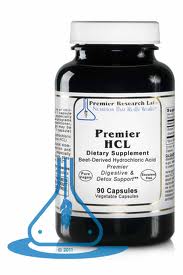
Main Functions of Hydrochloric Acid
Other conditions that Betaine HCL may help the body improve include:
|
|
Anti-aging and Fountain of Youth Benefits: A marker of aging is the number of methyl groups in the cell. We use up about 1200 per day, if eating a raw food diet or using HCL for digestion after each meal. When eating cooked food without the HCL support, we use up 1800 methyl groups per day. Once gone, the cells are aged and degenerated. So using the Premier HCL and Premier HCL Activator can save up to a third of your life.
But even better news...when you add the Premier HCL Activator to the Premier HCL, you begin a re-methylation process. As you recover these methyl groups over time, you regain a portion of your life...and health.
TAG TEAM! Added Benefits and Detoxification with HCL and HCL Activator! HCL is suggested and designed to be taken along with the Premier HCL Activator.
Premier HCL Activator when used with Premier HCL, helps to:
Putting the salt back in your diet! Be sure to consume adequate amounts of good quality sea salt, such as Premier Pink Salt - at least 1/2 to 1 tsp. daily in food, to provide the raw material from which hydrochloric acid may be made.

Beware: Medical Misdiagnosis Is Very Common Individuals suffering with stomach and intestinal problems most frequently assume that heartburn, indigestion, gas, and reflux are caused by overproduction of stomach acid.
This common misconception has been strongly re-enforced by our conventional medical profession, whose practitioners routinely prescribe stomach acid blocking medications at the slightest sign of stomach dysfunction, failing to properly diagnose the digestive problem and neglecting to provide patients with common sense dietary recommendations.
Because the American public over-consumes unhealthy food at an alarming rate, the routine use of acid blockers is highly profitable for pharmaceutical firms, provides instant relief for many sufferers, but can bring about long-term health problems for many misdiagnosed users.
Reference: http://www.totalhealthsecrets.com

By Kassie Kuehl, Hairstylist and Health Coach www.KasiaOrganicSalon.com
Most women know that when they become pregnant, there is a need to smarten up and realize how critical it is to eat well, and to avoid certain foods such as caffeine or fish, due to its elevated levels of mercury. There is also another side of the story for those wishing to conceive, and are battling with infertility.
Eating well and eliminating stress are important, but there is an even bigger picture to a healthy pregnancy, conceiving, and the toxic "body burden." The term body burdon pertains to the slew of environmental as well as man-made chemicals. Chemicals made by man are fat soluble and not readily broken down by metabolic processes–and because of this, can be stored in body fats and build up to dangerous levels.
If a woman breastfeeds, female offspring are potentially most at risk of accumulative toxins. Over the past several years, studies have come out to show that chemicals have been found in the breast milk of American women. A study of the breast milk of American women published by the Environmental Working Group (EWG) in 2003 found "unexpectedly high levels" of chemical fire retardants in every participant tested.
The average level of bromine-based fire retardants in the milk of 20 first-time mothers was 75 times the average found in recent European studies. Milk from two study participants contained the highest levels of fire retardants ever reported in the United States, and milk from several of the mothers in EWG’s study had among the highest levels of these chemicals yet detected worldwide.
While the news of these chemicals in breast milk is shocking and disturbing to most moms, doctors and experts agree that the benefits of breastfeeding outweigh the risks and breast is still best.
Each day American women reach for shampoo and conditioner, deodorant, and moisturizers. We apply blush, eye shadow, mascara, and lipstick, then maybe dab on some nail polish and perfume. We look good, we smell good–AND we have just exposed ourselves to 200 different synthetic chemicals.
It is not just a makeup problem–but a snapshot of the BIG PICTURE
We are seeing more benign lumps in breasts, thyroid problems, and infertility, which have become an increasingly common experience for many women. As a Western society, we are at an interesting disconnect–looking at how to treat disease–but not how to prevent disease.
Chemicals also affecting men–and some chemicals in these products are particularly problematic for men. We're all exposed to phthalates, and phthalates interfere with the production of testosterone, and they're also linked to health effects like lower sperm counts and testicular tumors.
We now know that what we eat passes into your bloodstream and to your baby, however it is as important to know what you are absorbing through your skin. Our tissue uptakes 64 percent of everything we use topically–everything we put on our skin or hair. Many manmade cosmetic chemicals are fat soluble and are not readily broken down by metabolic processes, and because of this, can be stored in body fats and build up to dangerous levels. Babies are potentially most at risk because during breastfeeding, further exposure to the pollutants stored in body fats occurs.
Since personal care products are not regulated by the FDA, you may be surprised that a number of controversial ingredients and known carcinogenics are found in our skin, hair, and body care. This is why it is up to you to decide what you feel at peace with as to what you’re putting onto, and therefore into, your body, and potentially passing on to your baby.
For years, retinoids, salicylic acid, and accutane have been declared unsafe to use during pregnancy. Through research, this list continues to grow. Pregnant women should be aware of other questionable ingredients such as parabens, PEGs, and acrylamides. Often women have reactions to fragrance, mineral oils and allergens during pregnancy.
Seek out products that are natural and do not contain parabens, PEGs, SLS, glycols, acrylates, mineral oils, silicones or artificial fragrance. To help change the face of this industry, stop wasting your money on bottom-line companies that use cheap additives or fillers in their products
1. Sodium lauryl sulfate appears as an ingredient in my shampoo or other hair products.
2. I notice a combination of sodium lauryl sulfate and TEA (triethanolamine, DEA (diethanolamine), or MEA (monoethanolamine) in one or more of the hair products I use.
3. The word "methylparaben" appears on a label.
4. My product lists "fragrance" on the label.
5. I see the words "dibutyl phthalate, or DBP," or "diethylhexyl phthalate, or DEHP" on a label.
1. Sodium lauryl sulfate is a suspected liver or gastrointestinal toxiocant and sometimes causes eye and skin irritation, hair loss, and allergic reactions.
2. When sodium lauryl sulfate is combined with TEA, DEA, or MEA, it can cause the formation of nitrosamines, which are carcinogenic.
3. Methylparaben is a commonly used disinfectant in many products. But recent research has shown that, when exposed to the ultraviolet rays of the sun, it actually causes wrinkles and liver spots.
4. Artificial fragrances have been linked to a wide variety of health problems. Artificial musk, for example, has been shown to weaken the immune system.
5. Phthalates—plasticizers found in numerous cosmetics and other products—have been shown to be hormone disruptors that can cause birth defects and other harm.
Find out more about the toxic chemicals hiding in your beauty products at www.cosmeticsdatabase.com, The Environmental Working Group (EWG.com).
About the Author: Kassie Kuehl, a natural products hair stylist and health coach, believes that it is crucial pregnant women pay close attention to the ingredients in their hair, skin, and body care products–and become educated in the use of non toxic products/services. Kassie has many educational articles and info about her Organic Salon Services at www.KasiaOrganicSalon.com. Kasia Salon offers high-quality, natural skin care products to help improve your overall health of your skin, body, and soul!
This is a repost written by Tony Pearce RN.
Nothing reveals the unique beauty of a woman quite like a healthy woman displaying her pregnancy. The additional life growing inside her presents a glow that no cosmetic make-over could ever replicate.
Her hair too is usually at its most lush density and soft manageability. A pregnant woman’s scalp hair growth (anagen) cycle – usually a constant 85-90% - may increase to 95% during her 2nd + 3rd trimesters. Only during her young adolescence would a woman’s scalp hair follicles be so active in growth (Dawber+ Van Neste: 1995).
Her two dominant female sex hormones (Oestradiol + Progesterone*) increase immensely to help support the growth and development of the unborn child. These hormonal surges have a ‘flow-on’ effect to hair growth – adding to the expectant mother’s radiance.
As pregnancy progresses it’s generally accepted that higher oestrogen levels (oestradiol + estrone) are responsible for an increased and prolonged anagen phase, as well as thickened hair shaft density in trichometric studies. Pecoraro et al (1967) also suggested ‘telogen’ (shedding) phase is more rapid in a pregnant woman than the usual 2-3 months of a follicle cycle.
The rate of scalp hair growth in humans is profoundly influenced by the levels of unbound (i.e.: ‘active’) thyroid hormone (Dawber+ Van Neste: 1995). In their excellent text ‘Thyroid Power – 10 Steps to Total Health’, Shames + Shames (2002) note that women at the beginning of their pregnancy used to be given small doses of thyroid hormone to help prevent miscarriage and aid in foetal development. Even a minimal thyroid imbalance may be associated with miscarriage, premature birth, and even birth defects according to Arem (1999). He cites research that suggests 2-3% of pregnant women have an under-functioning thyroid gland. **
Excessive hair fall during pregnancy:
Essentially this should not occur, and is a contradiction of the hormonally mediated influences on hair growth during pregnancy.
When excessive scalp hair shed does occur it is likely due to:
Regrettably - nutritional deficiency in pregnant women is not uncommonly seen, and is due (in my opinion) to NON-specific baseline pathology testing (i.e.: testing ‘Haemoglobin’ instead of a full ‘Iron Studies’ panel). Vitamin D (25 [OH] D), Iodine or Red cell zinc are rarely ever tested unless specifically requested.
It is unacceptable in a 1st world health system that pregnant women should be allowed to proceed through pregnancy with severe iron, iodine, vitamin D or other nutritional deficiency. One West Australian woman who consulted me was found to have an iron storage (ferritin) of 8ug/L (range: 20-300) at six months pregnancy.
Quite recently a young woman five months pregnant and expecting her first child consulted me for continual excessive hair shedding. Her Vitamin D levels were so low they could not be measured by pathology testing. The 2007 reference range for 25(OH) D is 50-200nmol/L; ‘target’ is to be greater than 100nmol/L – this woman could only register LESS THAN 10nmol/L.
There are now many studies (www.vitamindcouncil.org) which demonstrate that an optimal Vitamin D status (i.e.: >100nmol/L) during pregnancy is essential for both maternal well-being and in-utero development of the child. There is also a growing awareness of the link between gestational Vitamin D deficiency in the pregnant mother and autism in her still-unborn child: Canadian Paediatric Society. Vitamin D supplementation: Recommendations for Canadian mothers and infants. Paediatr Child Health 2007;12(7):583-9 + Cannell JJ. Autism and Vitamin D. Med Hypotheses 2008;70(4):750-9.
We have a known national Iodine deficiency among the general Australian population (Eastman: 2007); women are physiologically more prone to iron, iodine and 25(OH) D deficiency than males because of their ‘femaleness’. The medico-legal implications of this are self-evident.
Post-partum hair loss:
In essence, post-partum effluvium is a withdrawal of specific hormonal influences previously mentioned which hitherto have prolonged the hair follicle’s growth phase and delayed entry into catagen/telogen.
Following childbirth telogen hair count begins to rise and has been reported as high as 65% at two months (Dawber + Connor: 1971) - typically though 30-35% of scalp hair may be in telogen phase at two months postpartum.
A diffuse effluvium – disproportionate hair shed from the entire scalp - may be distressingly excessive for about three months but can continue for as long as a year. In usual circumstances the duration of shed is less than six months, and the majority of women return to normal hair density within a year.
The prolongation and exacerbation of post-partum hair loss is influenced by Prolactin secretion in breast-feeding, blood loss during childbirth, sleep deprivation, nutrition, or the many reasons for emotional stress in a new mother.
Anecdotally I have found post-partum effluvium to be more severe in those women who are continually sleep derived for extended periods of time. Simply put: if we can’t sleep our Pituitary Gland won’t produce sufficient Growth hormone (GH); we’ll be fatigued, weak, suffer mood disturbance – and our hair will fall out (Arem: 1999).
Management:
Activance Rhodanide is a natural ‘leave-in’ treatment (the vitaminoid Rhodanide is the active nutrient) which I have found very effective in accelerating effluvium resolution. Unlike Minoxidil it is completely safe for lactating/breast-feeding women to use (Minoxidil is excreted in breast milk). www.activance.com.au.
Photo-biotherapy such as ‘soft/cold’ low level laser light (LLLT) is in my experience most effective in effluvium-type shedding due to its anti-inflammatory and vaso-dilating (blood perfusion) properties. Six-twelve 15-20 minute treatments twice-weekly helps settle post-partum effluvium in the majority of women.
In theory – providing a post-partum woman experiencing effluvium and/or post-natal mood disturbance with a low dose natural Progesterone (P4) cream (1% or less) with a low-dose ‘Biest’ addition – should help to arrest both issues. However earlier studies by Skelton (1966) found ‘no consistent beneficial effect’.
Consult a qualified and experienced hair loss Practitioner only – such as a Trichologist or Medical Practitioner.
*The Corpus Luteum of non-pregnant females may produce 10-20mgs of Progesterone (P4) per day. A pregnant woman’s placenta produces up to 300mgs of P4 per day (Dr. John R. Lee MD; ‘What your Doctor may not tell you about Menopause’: 1996)
**Ridha Arem MD is a noted US Endocrinologist. He cites a study by Glenoer, D (1997) of American pregnant women.
About the Author: Tony Pearce RN, WTS is a Specialist Trichologist of female hair loss + scalp problems.
Book Online | Txt 612-386-4044