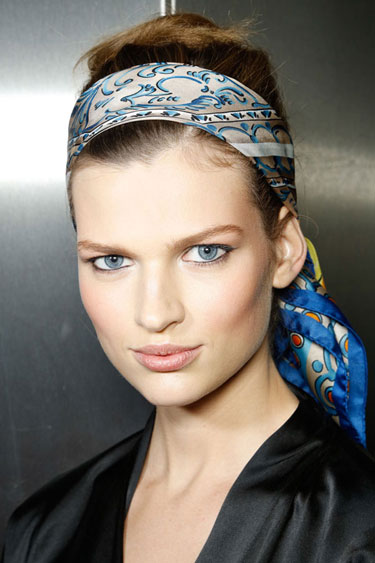
Trending Hairstyles for 2013 You'll Love!

We've loved the trends of 2012 from the super model heavy bang to the "low maintenance touch up" ombre' - but it's time to say goodbye to past favorites and to jump into the fun and collaborative new trends of 2013!

This season brings no question that wearable looks have a major presence from how you wear your ponytail (low or high), how you tie a knot (tight!), or in what fashion your braids will crisscross.

Enjoy a sneak peak of the coming year's hair trends!


The New Low Pony


Rock n' Roll Waves


Topping It Off

Tying The Knot


Making The Braid


Kasia Organic Salon is a leading pioneer in healthy beauty to fit your lifestyle. Follow us to ammonia-free /MEA/PPD Color, organic facials, and natural and organic products that support your life.
The Kasia Organics “Informed Beauty” Promise: We always use: the finest, all-natural ingredients that not only nourish the body but awaken the senses and promote healthy, safe living through informed beauty. The result: radiant, restored skin and hair. We never use: parabans, petro-chemicals, phthalates, artificial preservatives, lauryl sulfates, artificial colors or dyes, synthetic fragrances, wasteful fillers or animal testing—unhealthy junk your body doesn’t need!


Check out the awaited 2013 hair trends HERE!

Fragrance! Are You Building Up Chemical Sensitivities?

BreathOfFreshAirForHealthyHeart.jpg

  People are becoming more familiar with the term, Multiple Chemical Sensitivity but many don't understand what it really is or realize that we are all at risk of developing it. In essence, MCS is the body's natural, allergic reaction following exposure to a variety of chemicals and toxins. This exposure can be from inhalation, ingestion and/or the topical application of chemicals commonly found in the products we use every day.

MCS can develop slowly over time as chemicals accumulate in your body, or develop suddenly from a single harsh exposure to chemicals like new carpeting in your home, a freshly painted wall or the use of pesticides in your yard. Toxic chemicals are also ingested in the form of food colors, preservatives and various food additives. Chemicals, (especially petroleum based ingredients) present in personal care products like shampoo, conditioner, soaps, facial creams, sunscreens and cosmetics, are absorbed into the skin which carries them into the blood stream.

The more than 48 million men, women, and children with Multiple Chemical Sensitivity experience allergy-like symptoms ranging from minor annoyances to life-threatening reactions. MCS can manifest as skin rashes, burning eyes, nausea, light headedness, headaches, sleeping problems, and digestive system disorders. The long-term effects include neurological problems and peripheral nerve damage, diabetes, arthritis, vascular disorders, including life threatening blood clotting; nutritional deficiencies, asthma, and sometimes even cancer.

Let's explore fragrance as just one common Chemical Sensitivity trigger:

  • Fragrances enter the body through inhalation, the mouth by ingestion and the skin by absorption. 
  • There are more than 5,000 different fragrances in the products we use on a daily basis, yet only about 1,300 of them have been tested for safety. Those tests did not include respiratory, neurological, or systemic effects. 
  • "Fragrance" on a product label is considered a trade secret, meaning the manufacturer is not required to identify the chemical makeup of the fragrance. 
  • Six hundred or more chemical ingredients may be used to create a single fragrance. 
  • Approximately 95% of the chemicals used in fragrances today are synthetic compounds derived from petroleum, including known toxins capable of causing cancer, birth defects, central nervous system disorders and allergic reactions. 
  • The vast majority of the chemicals in fragrances consist of volatile organic compounds that are known to be respiratory irritants. 
  • Inhaling fragrances can cause circulatory changes and electrical activity in the brain, triggering migraine headaches, the inability to concentrate, dizziness and fatigue. 
  • A recent Environmental Working Group study found two synthetic musks in the cord blood of newborn babies. These musks have been associated with toxicity to the endocrine system. 
  • A pregnant woman's use of some fragrances may expose her growing fetus to diethyl phthalate (DEP), a common perfume solvent linked to abnormal development of reproductive organs in baby boys and sperm damage in adult men. 
  • Children may be more susceptible to the effects of fragrances because of their smaller size, their higher respiratory rate, and their thinner skin.

Fragrances have been used throughout history so why are people only recently suffering from their ill affects? Until the 20th century, perfumes were made from natural ingredients derived directly from spices, flowers, plants, herbs and animals. The Egyptian's were the first to use scents of cinnamon and honey with which to anoint their bodies.

During the 1900's, advancements in chemical technology along with a rapidly growing population and a rising demand for perfumes and fragrance, led manufacturers to turn to inexpensive synthetic ingredients in lieu of natural plant and flower extracts that were far more costly and time consuming. In 1989, the National Institute of Occupational Safety and Health recognized 884 poisonous substances (chemicals) used in the fragrance industry. Yet, to this day, when you see the word fragrance on a product label, the chemicals used to create it are considered a "trade secret."

When you use perfume, body lotion or soap made with synthetic fragrances, you are exposing yourself and others to powerful, harmful chemicals. The fragrances you wear may not adversely affect you, but they may cause those around you instant reactions including headaches, migraines, runny nose and eyes, breathing difficulty and sinus problems. Even people who aren't particularly chemically sensitive report discomfort when exposed to perfumes. As a result, many businesses across the United States and Canada, at the request of their employees, are voluntarily creating fragrance-free policies.
Kasia  products are 100% free of synthetic fragrance! All Kasia products integrate and offer  Therapeutic Grade Essential Oils.   “Apothecary,” meaning healing and highly therapeutic, and are what complete our  hair, skin, body products in the most beautiful way. 

Get Grounded!

Grounded Pure Essence

Made from the purest plant-based ingredients with no chemicals, synthetic scents or man-made additives, our Pure-Essence allows you to say “grounded” naturally. Free from alcohol, artificial fragrances, phthalates, parabans, and other chemicals, all Kasia Pure-Essence scent blends are handcrafted in small batches using therapeutic-grade essential oils.

When you love your fragrance it should go with you! Pure-Essence Botanical Blends are the perfect size for your handbag or travel. Or, give it as a beautiful artisan and distinctive gift.

  • Patchouli:  Alleviates anxiety and brings focus
  • Sandalwood: Relieves agitated emotional states and gives strength
  • Frankincense: Calms and improves concentration
  • Bergamot: Relieves nervous energy and encourages contentment
  • Cedarwood: Combats nervous tension and boosts positivity

Use Holiday Leftovers for Improved Skin Texture and Appearance!

images-241.jpg

Food for Thought

Holiday left-overs no longer have to be tossed into the trash or stored in your fridge. Most of what we eat during this time of year has alternative benefits, rather than just satisfying your appetite. Such seasonal delights can often be turned into creative do-it-yourself beauty treatments that work to reduce eye puffiness, improve skin tone and/or fight flakiness. Follow my tips below and say cheers to the holiday season and fabulous left-over finds for your face –your waist will thank you!

Champagne:

Benefit: Makes for a great toner!Champagne detoxifies the skin with antioxidants while lightening Tartaric Acid helps even out the skin tone.For those with oily skin, its antibacterial properties aid in leaving last year’s breakouts behind.
Use: After washing your face, soak up a cotton ball with the left-over champagne and swipe all over face, neck and décolleté.Be careful around the eyes…this is alcohol after all!Let the champagne fully absorb into skin, allowing it to close pores, leaving the surface tight, firm, and glowing! Note people with very sensitive or dry skin should do a patch test on a small, non-visible area of the neck or hands.

Caviar:

Benefit: A household party favorite, caviar is rich in Amino Acids, Phospholipids and isfull of Vitamins A, D, B1, B 2 and B6.Caviar’s structure is similar to human skin cells; therefore it has the ability to speed up the natural production of collagen.Whether you gulp it down or slather it on your face, caviar helps firm, smooth and rejuvenate the skin, resulting in a more youthful appearance.
Use: To make a caviar mask, simply apply the left-overs all over the face, neck and décolleté.After 30 minutes, rinse off with lukewarm water; skin is left thoroughly hydrated and renewed!

Sweet Potatoes

Benefit: High in Iron, Fiber and Beta-Carotene which aids in the production of new skin cells and helps to smooth out fine lines around the eyes.
Use: For a wrinkle-reducing eye treatment, slice two pieces of cold sweet potato and place on each eye for 20 minutes.The colder the sweet potato slices, the more effective the treatment will be.

Cranberries

Benefit: Considered one of the most powerful antioxidants in all food groups, cranberries are anti-bacterial as well as anti-inflammatory and can help to stimulate collagen.
Use: For an exfoliating mask, mash up leftover cranberries with raw sugar, oatmeal and a little cranberry juice.Leave the mask on for 10 minutes and rinse to create a healthy glow.

Coffee

Benefit: Caffeine helps to treat skin redness, inflammation, the appearance of cellulite.
Use: After your morning cup of joe, take the granules into the shower and rub them onto your body, focusing on areas that need extra tightening. They also make a great exfoliating addition to any facial product.

About the author

Marina Peredo M.D., F.A.A.D. is a nationally recognized board certified dermatologist with over 20 years of experience.Dr. Peredo has successfully treated patients with skin-related conditions and is also regarded as one of the leading dermatologic experts for non-invasive/minimally invasive cosmetic procedures.She participates in many key professional organizations, conducts numerous clinical studies, is a national trainer, speaker and educator for prestigious dermatologic companies and does pro-bono work for Beyond Our Borders.

Experiencing hair loss that is connected to a thyroid disorder? Learn the 5 Signs?

hairthyroid1.jpg

  hair loss and your thyroid

Watching your hair slide down the shower drain or clumping up on your brush is a horrible feeling, especially for women! Our hair is connected to our identity, our youth, and our health. While it’s natural for some women to experience hair loss at certain times in their menstrual cycles or times of the year, hair loss is also caused by specific health conditions including a thyroid imbalance.

Why does a thyroid imbalance cause thinning hair?

Your hair normally grows in a healthy cyclical pattern with most of the hair follicles growing while only a small number are “resting.” With a thyroid imbalance, this cycle can be thrown off, resulting in more hair follicles “resting” than growing — and more hair falling out. Hair loss is a very common symptom of a thyroid imbalance.

But thyroid imbalances often arise slowly and remain unnoticed by patients and their doctors in the early phases. Even with a lab test, your doctor may say everything is fine with your thyroid, even though you strongly suspect that something is wrong. This is because standard labs have a very wide range for what is “normal” in terms of thyroid test results.

So how do you know if your hair loss is connected to a thyroid disorder?

Five signs and symptoms your hair loss is connected to a thyroid disorder


1. Thinning eyebrows. Hypothyroidism (an underactive thyroid) often causes general hair loss as well as thinning of the outer third of the eyebrows. We don’t know exactly why the eyebrow is targeted in thyroid disorders, but this is a good indicator that your thyroid hormones may be low.

2. Hair that is brittle, dry, and breaking easily. Dry, brittle hair is also connected to low thyroid function. And research published in the Journal of Clinical Endocrinology & Metabolism finds that thyroid hormones increase growth and color in hair. Low thyroid hormone can lead to the early release of the hair shaft and root, as well as premature gray or white hair.

3. Feeling exhausted all the time, even after 8 hours of sleep. The thyroid is the master of our metabolism, so it affects the way we use and store energy. With low thyroid hormone, metabolism slows down. This can often lead to persistent fatigue as well as weight gain.

4. Puffiness in the face or extremities. Many people with hypothyroidism have an excess of a compound called mucin. Mucin is part of our connective tissue and is present in blood vessels and cells all over the body. It absorbs water and may cause excess water retention in an individual with an underactive thyroid imbalance.

5. Yellowing of the palms of your hands. Yellowing of the skin on your hands can happen with a thyroid imbalance due a build-up of carotene in your blood. Hypothyroidism can slow the conversion of carotene to vitamin A.

If you think your hair loss might be connected to a thyroid imbalance, begin supporting your thyroid — and your hair — naturally. Kasia provides key vitamins and minerals, as well as suggested dietary changes to target thyroid imbalances from the inside out.


Testing for more severe hair loss

Most mild to moderate hair loss will improve with some basic stress reduction and positive lifestyle changes. Hair loss that is more dramatic or persists warrants a closer look. Testing for insulin resistance, testosterone levels, and thyroid or other metabolic dysfunction can point to androgen sensitivity, thyroid dysfunction, or another endocrinologic disturbance as a possible cause for a woman’s thinning hair. Some women will experience male pattern baldness if their bodies have high testosterone or become sensitive to normal circulating levels of androgens.

Here are the tests I’d recommend discussing with your practitioner:

  • hormone panel (testing specifically both free and total testosterone levels)
  • thyroid testing
  • fasting insulin
  • metabolic panel (for kidney and liver function)
  • ferritin stores (for iron deficiency)
  • CBC (complete blood count) with differential
  • allergy testing

References

womentowomen.com

Van Beek, N, et al. 2008. Thyroid hormone directly alter human hair follicle functions: anagen prolongation and stimulation of both hair matrix keratinocyte proliferation and hair pigmentation. Journal of Clinical Endocrinology & Metabolism, 93(11): 4381. URL: http://www.ncbi.nlm.nih.gov/pubmed/18728176.

Arem, Ridha. 2000. The Thyroid Solution. New York, NY: Ballantine Books.

Hair Growth and Folic Acid


Hair growth is affected by protein, hydration, blood circulation, everyday care and a mixture of vitamins and minerals. Although some B vitamins such as vitamins B-1 and B-2 work to support hair growth, folic acid does not. However, a lack of folic acid can strip the hair of its color, causing it to gray prematurely.

Folic acid is a synthetic version of vitamin B-9 or folate. According to PubMed Health, folic acid is prescribed to treat or prevent folic acid deficiency. In addition, women of reproductive age are advised to take at least 400 micrograms of folic acid per day to prevent birth defects such as spinal bifida, according to Women’sHealth.gov. A deficiency in folic acid can cause folic acid anemia, which can result in a low red blood cell count.

Folic Acid Uses:

Medline Plus states that in addition to treating or preventing folic acid deficiency, folic acid tablets are likely effective in lowering homocysteine levels. They are also possibly effective in reducing the risk of developing colorectal and breast cancer, reducing depression and for treating gum disease during pregnancy. Folic acid does not usually affect the hair; however, a deficiency in it can cause changes in the hair.

Folic Acid Deficiency

Symptoms of folic acid deficiency are diarrhea, mouth ulcers, peptic ulcers, poor growth, swollen tongue and gray hair. People who take the medication Dilantin, suffer from celiac disease or alcoholism, eat overcooked foods, or have malnutrition or hemolytic anemia are at an increased risk of developing folic acid deficiency. The gray hair experience in people with folic acid deficiency can occur at any age. Hair that turns gray as a result of folic acid deficiency may not return to its original color.

Treatments:

Folic acid deficiency untreated may develop into folic acid deficiency anemia, which, in severe cases, can cause low levels of white blood cells and platelets. Eat balanced meals that contain foods from all the food groups in order to consume the recommended amount of folic acid. If your physician feels you are at risk of developing folic acid anemia, you may be prescribed folic acid supplements to be taken daily.

Read more: http://www.livestrong.com/article/539148-does-folic-acid-affect-hair/#ixzz1syleGPiR

Losing Hair in Your Twenties and Thirties?

Why you're losing your hair and what you can do about it.


Although hair loss is typically thought of as we age or as a man’s problem, but it’s actually just as common (if not more) in women—and  women are now starting to notice changes in their 20s. Hair loss can be very traumatic,  especially in 20-30 year old women who notice a change may be particularly distressing.   "Fear not  -Informed Beauty..."   Let's take a look at the number of causes and a range of solutions that can help.


The science of thinning and hair loss is still largely misunderstood. There is more evidence that a hormone called DHT is responsible. Both men and women have it. Alopecia hair loss is thought to be pathogen related.

Over time, an excess build-up of DHT in the follicle causes it to begin shrinking, which changes the natural resting and growth phases of the hair. DHT builds up around your hair roots like wax.

Some of the follicles eventually die and others become incapable of producing or maintaining healthy hair growth, resulting with hair loss.

First, define your symptoms: Is your hair shedding (more hair is falling out when you brush it or in the shower) or thinning (you notice more of your scalp showing)?

Some of the most common causes of shedding—technically called telogen effluvium—include a shock to your body (a serious illness, pregnancy or going on a crash diet), a stressful situation (you lost your job or experienced the death of a loved one), starting a new medication (anti-depressants and birth control can affect your hair) or a change in eating patterns (going vegetarian can result in not consuming enough protein).   Pressure, major life changes and poor eating are hallmarks of a maturing womens lifestyle.

 Trauma ........fallout 3 months later.

Because of your hair growth cycle, it usually takes 3-6 months after a very stressful event or time period for one to notice the shedding, says Maria Hordinsky, M.D., chair of the department of dermatology at the University of Minnesota and a spokesperson for the American Academy of Dermatology. So if you were laid off in January or lost a lot of weight that month, your hair may not start falling out until April or May.  The good news is that shedding is completely reversible in most cases.

As soon as you notice hair changes, look at a calendar and think back to what happened within the past six months."


Use these techniques to combat shedding:

  • Patience.  It can take up to a year for your hair to normalize.  Bottom line: Once you identify and change the stressor, try not to freak out. Give it some time and let your hair grow back in naturally.   By changing daily habits and stress reduction, you will be better able  to cut down the added stress on your hair. This may take some tim, but it takes you making serious personal changes as well.
  • The right shampoo and wash as normal.   A startled reaction to seeing more hair in the shower drain is to wash it less often, “but there’s no evidence between shedding and hair care practices. In fact, using a natural/organic shampoo with gentle cleansing and nourishing ingredients will help maintain a healthy scalp.  Gentle and chemical free/non-clogging hair products are one of the best ways to promote hair growth.
  • Don’t be afraid to color-  Ammonia Free -of course!   Most likely hair loss is internal, although using ammonia free color brands free of PPD, Resorcinal, and MEA are key.  You do not want high acidity on the scalp, nor do you want to shock the follicle to fast - resulting in more sheding.  Kasia Organic Salon offers the safest Ammonia Free Color line on the market.
  • Re-assess your pills. High levels of  vitamin A can be associated with hair loss.  Biotin, Iron, Omega Fatty Acids, and other herbal blends can be very beneificial in kick-starting your hair and skin growth cycles.

If your scalp is more visible than it used to be, it means your hair is thinning and the problem is likely female pattern hair loss (or alopecia). Unfortunately, this situation is genetic and there’s not much you can do to reverse it. But you can slow down the changes.

Styling for Hair Loss:  Part your hair on the side instead of down the center, wear it back in a loose ponytail  or high bun without a part.  Keep the cut blunt with a possible bang to break up the shape.   Color your hair so it more closely matches your scalp color.

 Contact Kasia Organic Salon for gentle hair care that will assist you through any stage of hair loss.  612.824.7611

References:  Abigail Cuffey

Before You Grab that Christmas Cookie....Sugar and Your Skin

images-21.jpg

Not to put a downer on your holiday festivities and indulgences, but this may be a article to glance at if you struggle with sugar all-year-around.   Sugar breaks down and is stored as fat from many foods from candy to wheat and dairy.  Sure, we should be aware of the impact of sugar on the waistline, but do you know that sugar can make your skin look older? Research has found that diets high in sugar may not be so sweet for your skin, causing wrinkles, sagging and possibly even acne. Sugar can trigger a process known as glycation—meaning that sugars in the bloodstream can attach to protein and create a by-product that damages collagen and elastin, leading to connective tissue damage in your skin. Glycation can also discolor your skin, making it look sallow or yellowish, and leave your skin more susceptible to sun damage.

If that’s not bad enough, there is also some evidence that high sugar diets can worsen acne. Sugar triggers a rush of insulin and hormones, which some scientists suspect can stimulate oil production and inflame the skin.

Luckily, there are some ways that you can reverse or prevent some of the damage from your daily dessert habit!

Take the sweet out:

  • Cakes, candy, soda—all the obvious sources of sugar—should be eaten rarely or at least in moderation.
  • Your skin can also be affected by the not-so-obvious sources of sugar, including white breads, white rice and pasta, and ingredients that are sugar under a different name: maple syrup, corn syrup, turbinado, dextrose and fructose.
  • Consuming foods rich in antioxidants can prevent glycation from occurring, so up your daily intake of things such as berries, dark green vegetables, green tea and dried herbs (think cinnamon, ginger, tumeric, oregano).
  • Watch your grain and gluten intake.  Many of these foods are taken in - in excess and break down into sugars.


Treat the surface of your skin:

  • Antioxidants in skincare products can also help improve the tone and texture of your skin. Kasia Organics Skin Care are packed with antioxidants and can help your skin fight back against damage.
  • Retinoids can help replace the collagen that you may lose through glycation.The  Kasia Skindeep Organic Medi-Peel and/or Facial have a 2.0% Retinaldehyde, making it the only non-acid peel that will infuse the dermis with fibroblast stimulators, immune boosters, antioxidants, pigment lighteners, and calming anti-inflammatory and anti-bacterial ingredients.  Expect results with this powerful synergy that rejuvenates the skin by increasing collagen production, fighting free radical damage, scavenging scar tissue and helping reduce hyperpigmentation making it an amazing treatment for any skin type or condition.

MORE: Don't miss our Holiday SPECIAL *  Winter Berry and Chocolate Brightening Facial HERE.

Don't forget your sun protection:

Super-potent yet lightweight, this non-chemical sunscreen provides healing and moisturizing properties along with true broad-spectrum UAV/UVB protection and 5% zinc and titanium. Formulated for sensitive skin, it’s safe for the entire family and is PABA and fragrance-free. Perfect for wearing under makeup!

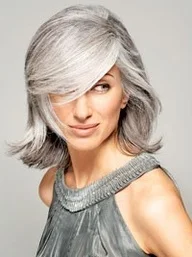
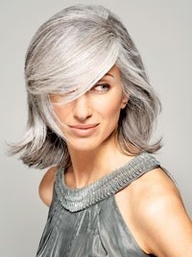
Aging Hair and How It Turns Gray: Hair Lingo and the Stress Connection

223139356507635779_emFMDWD1_b1.jpg


Ready for some hair lingo?  

The researchers examined cell cultures of hair follicles. Results showed that our hair naturally produces hydrogen peroxide (a powerful bleaching agent), which catalase (an enzyme) usually breaks down into water and oxygen. In aging hair, catalase levels are lower, so hydrogen peroxide isn’t broken down and builds up in the hair follicle. That build-up leads to damage.

Normally, other enzymes (MSR A and B) can repair that damage, but their levels also dwindle as we get older. The combination of high levels of hydrogen peroxide and low levels of MSR A and B disrupts another enzyme (tyrosinase) that creates melanin (the pigment that gives your hair color) and blocks it from coloring your hair. “Gray hair” is simply hair without pigment.

In plainer terms: Hydrogen peroxide literally bleaches the color out of aging hair.

Beauty connection
When older women bleach their hair, the effect isn’t quite the same as it was when they were young. Hydrogen peroxide can interact with the dye, making hair color much harder to manipulate. Understanding why hair grays is prompting scientists to test chemical reactions that might unlock the fountain of youth, or the ability to reverse graying!
Stress and your B's

We know that stress uses up vitamin B, and experiments with black rats deprived of B vitamins resulted in their hair going white.

Similarly, some studies in humans have shown that certain B vitamins taken in large doses can begin to reverse the process of greying. Japanese research suggests that hair follicles are susceptible to the same sort of stresses that damage DNA.

This type of stress, known as oxidative stress, is caused by exposure to cigarette smoke, UV light and pollution. There is also an association between emotional stress and oxidative stress, which means that the GHOSTS blaming their grey hairs on stress might have a point.

Call Kasia Organic Salon today to consult on what looks best on YOU as you start to gray. 


Reference:  http://www.youbeauty.com

// User Icon Setting (may be set to BLACK, WHITE or NONE):