The Top Supplements for Menopause - Take the Edge Off

pms

Kasia Organic Salon partners with the best Functional Medicine Hormonal Doctors in the MN Area.  I swear as a  stylist I talk more about hormone health than hair some days!  We see MANY women starting the "menopause process" - and it's effects on the hair, skin, and body.  Kasia has the basic supplements and suggestions to assist your "Beautiful Health" as the changes and process starts.  

Most women do not need a prescription hormone replacement. By improving "whole body" health, and supplementing with anti-aging nutrients, hormones can re-balance and symptoms of menopause are relieved quickly.

Specialized Laboratory Testing can reveal the hormone imbalance. With the correct suggestions/help, women's symptoms improve after a few days to a few weeks.

Weight-Loss-


Favorite Supplements for Menopause & Peri-menopause to take the edge off - naturally!

  1. Fem Balance by PRL

  2. DHEA- libido, bones, energy

  3. Adrenoven by PRL - adrenal support

  4. L. Tyrosine- Thyroid support and dopamine

  5. Phosphatidylserine- memory

  6. GABA + L. Theonine - anxiety

  7. 5-HTP- depression (raises serotonin) and cravings

  8. Vitamin D- methylation, bone support, and mood

  9. Milk Thistle or Liver ND by PRL - liver support

  10. Progesterone extra libido boost

Contact Kasia Organic Salon for suggestions today! 

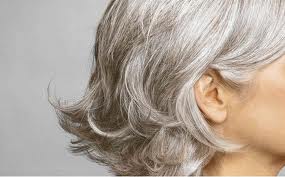
The Thyroid + Premature Gray Connection

There are all kinds of "rationales" to why you may be turning gray prematurely.  Our biochemistry has lasting effects on our hair and skin, and the link to your thyroid may be one piece of the puzzle. Contact us for a hair analysis today! Kasia Organic Salon is your #1 resource for Health and Beauty.

What’s 'Premature'

Hair goes gray when color-producing cells stop producing pigment.  Naturally occurring hydrogen peroxide can also build up in the hair, bleaching the color.

Is your gray hair a medical problem?gray hair

Going gray, by itself, does not mean you have a medical problem, except in rare cases. Contrary to popular belief, stress has not been shown to cause gray hair. Scientists don’t know exactly why some people go gray early, but genes play a large role.

A vitamin B-12 deficiency or problems with your pituitary or thyroid gland can cause premature graying that’s reversible if the problem is corrected.

 The Thyroid + Premature Gray Connection

Empirical evidence has already led to the belief that hair loss is the result of decreased metabolism in the scale follicles of people with low levels of thyroid hormone, resulting in early release of the hair shaft and root. Hair that is brittle, has split ends and breaks has been observed to correlate with low thyroid levels. Many physicians and dermatologists diagnose low thyroid based solely on early graying of the hair and the loss of hairs from the outer ends of the eyebrows.

Thyroid problems can develop at any age and usually appear so slowly that they go unnoticed. At least 27 million Americans are estimated to have an undiagnosed thyroid problem, and most of them are females.

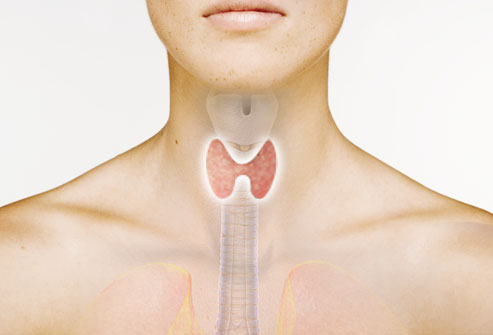
 thyroid

The thyroid is the master gland of metabolism. When it is not functioning properly it can affect every aspect of your health, particularly weight, mental outlook, body temperature and energy levels. The thickness and quality of your skin is also dependent on thyroid function. Under active thyroid, called hypothyroidism, is the most common thyroid condition, affecting as many as one in five women at some point in their lives.

Untreated hypothyroidism dramatically increases your risk of serious health concerns and degenerative diseases. Another symptom of hypothyroidism is weak heart beat. When your heart beat is not as strong as it should be, the amount of oxygen getting to your cells is reduced. This is the kind of environment in which cancer grows.

Along with the loss of hair and its color, symptoms of hypothyroidism include difficulty losing weight, weight changes, and muscle and joint pain. Severe or long-term constipation is frequently associated with hypothyroidism, while diarrhea or irritable bowel syndrome is associated with hyperthyroidism. Depression and anxiety, including sudden panic attacks, can be symptoms of thyroid problems. Feeling overly warm or cold when everybody else in the room is comfortable also suggests thyroid malfunction, as does excessive fatigue. If you are tired when you get up after a good night's sleep, or need a nap or two to get through the day, you probably have a thyroid problem.

Think about how the wisdom of the body operates. When your thyroid is not functioning up to par, the body will attempt to conserve energy by redirecting it from nonessential areas, and directing efforts at repair and regeneration to those functions considered more essential.

This is why the beauty of your hair and skin are among the first to go then your thyroid starts to give out. And when the thyroid function is low, intestinal absorption and utilization of nutrients is compromised. There are then not enough raw building materials available to keep the nonessential parts of you at their best.

thyroid lab

Read more about how to boost your thyroid and metabolism from Dr. Mark Hyman HERE!

Contact the Kasia team today for your hair analysis, non-toxic and natural hair color and home regime products, as well as the #1 Functional Medicine referral's in Minnesota. 


Has a recent pregnancy and/or giving birth wreaked havoc on your hair?

Has a recent pregnancy and/or giving birth that wreaks such havoc on hair?  Here are a couple leading reasons why, followed with some tips for newly pregnant mama's and current busy mama's alike!!  


PregnantWomanIs your hair shine-LESS after having a baby?

Most women find their hair looks thicker and shinier during pregnancy but hormonal changes come "full-on" after having a baby.


The three phases of hair; growth, resting and shedding.

Hair grows at the same rate that it falls out. Although, when you are pregnant your "pregnancy hormones"  extend the growth period, particularly during the second and third trimester, which is why women often notice hair becoming thicker as

their pregnancy goes on. Usually, losing your hair after birth is just your hair going back to normal.  This is variable for all women.  Some determining factors may be nutrition, stress, weight gain-sudden loss, etc.

Hair gone dry?

hair-loss-arginine-amino-acids-300x200

Most believe the sebaceous glands are vastly producing oil during pregnancy, but the opposite can also occur;  the hormones can reduce the amount of oil your sebaceous glands produce.

Hormones should return to normal, and the dry fly-aways should subside. In the meantime, use Kasia Off the Fritz and Outshine Serum to build moisture back into the hair, protect and to create a finished look.  Even the finest hair can benefit from a our Outshine Hair Serum.

Good nutrition for recovery is key.

images

Of course nutrition is the foundation to all of the series of nuances mentioned in this article!  One are women often fall short of is high quality protein in it's completest form......MEAT!  Organic chicken and turkey are a great source.  Stay away from fish due to the metal's probability they carry.   Hair needs protein!


“Your body considers your hair to be non-essential tissue, so it’s the last to benefit from good nutrition.”


How can I give thin hair more "oomph"?

At Kasia Organic Salon, we love adding a few extensions to fill holes where the hair is thin, or to simply add a little length.  Another tactic is to use our

Hydra-Boost Volume and Texturizing Spray to create body and texture!

I'm a new mom, should I  dye my hair?

Dont worry, Kasia Organic Salon offers hair color that will provide brilliant shine, tone, and longevity for every pregnant or new momma - toxin-free!  No Ammonia - No PPD - No Recorcinol

Autumn Renewal GLYCOLIC Anti-aging PUMPKIN PEEL Facial

iStock_000021734532Small.jpg

Unmask your skin's full potential!

Stagnant cell turnover, dirt and debris have been 'mask-querading' your potential healthy skin for long enough. Kasia offers professional grade peels and masks to help get rid of the disguise and show what your skin truly has to offer.

Featuring our annual ....

Fall Fabulous GLYCOLIC * Anti-aging PUMPKIN PEEL

Pumpkin provides us the perfect opportunity to take care of skin rejuvenation. Our Kasia Pumpkin Glycolic Treatment  is power-packed with alpha-hydroxyl and antioxidants perfect for shedding dehydrated, dull summer skin and resetting the skin’s ability to be healthy, hydrated, radiant - not to mention the warm delicious aroma.

The Power of Pumpkin

Pumpkin is a true super food. It provides a potent supply of potassium, zinc, vitamins and beta-carotene. When applied to the skin it delivers antioxidants, vitamins, and naturally occurring enzymes and alpha-hydroxy acids, which makes it a powerhouse ingredient in our facial services.

A little known fact: pumpkin contains the highest content of naturally occurring vitamin A and beta-carotene versus other fruits. It also contains high doses of vitamin C, B1, B2, B5 and E.  Because of its high antioxidant and vitamin count  - it helps remove toxins trapped deep in the pores and neutralizes free radicals.

Pumpkin is often referred to as nature’s “natural collagen,” because it promotes cell turnover and regeneration.

Kasia FRESH Pumpkin Glycolic Treatment

 Benefits -Alpha-hydroxy acids  promote smoother and  younger looking skin by increasing the rate of cell renewal. Pumpkin also contains more than 100 beneficial nutrients, which may be used to help reverse the signs of aging.

By removing dry skin cells, you reveal healthy and vibrant skin.

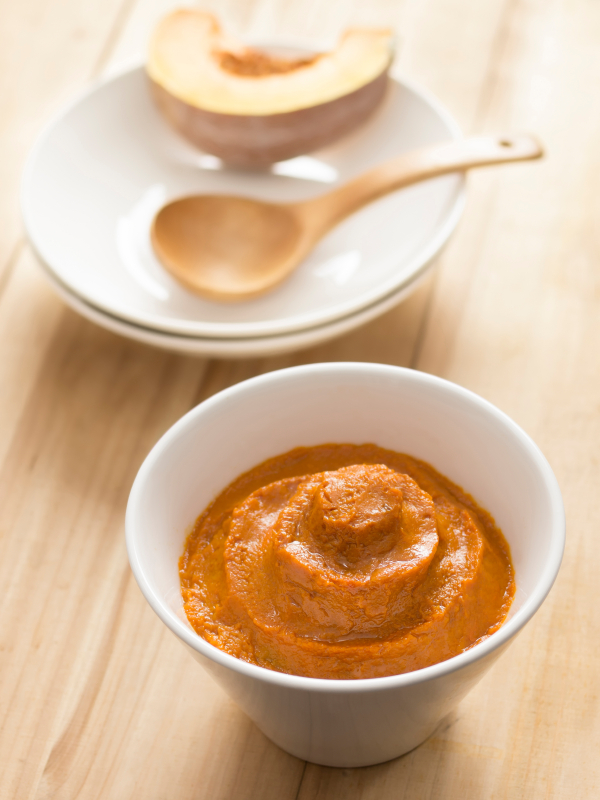
The Benefits of Pumpkin Skin Care: --Pumpkin contains more than 100 beneficial nutrients, which help to reverse the signs of aging --Pumpkin contains high levels of Vitamins A and C pumpkin mash--Pumpkin's natural vitamin a levels are mild retinoids --Pumpkin contains minerals like zinc, the powerhouse antioxidant beta-carotene, and cancer fighting carotenoids like lutein and zeaxanthin. --Fights free radical damage, a causal factor in aging --Contains B vitamins, niacin, riboflavin, salicylic acid, lactic and ascorbic acid --Natural properties stimulate skin circulation --Promotes skin healing, and restores skin's elasticity --Provides nourishment for sun-damaged, weathered and aging skin --Provides a youthful glow to dull skin --Perfect any time of year, but particularly during dry, colder months --Good for all skin types and skin tones.


* Fall Fabulous Special *

Fall Fabulous Glycolic Image Website JPG

Receive a FREE Limited Time Only - Glycolic Pumpkin Treatment Mask to extend your professional grade Glycolic treatment at home.  Size 1 oz.

Book your Fall Fabulous Pumpkin Facial!  

Phone:  612.824.7611   

Rachel is svailable Tuesday, Thursday, Friday and Saturday. **FREE Gift only valid as a first time or regular priced Organic Custom Facial.

For all Skin Therapy VIP Membership Members: Receive 10% off the Pumpkin Glycolic Peel while supplies last.  Our 1 oz take home mask can be purchased at $15 ($23 Savings).

The Top 3 Celebrity Hairstyles at th Emmy Awards

guiliana-rancic-emmy-hair-2013.jpg

Just in case you missed the 2013 Emmy Awards last night, do not despair. We have you covered here with the top Emmy Awards hairstyles that rocked the 2013 red carpet! ‘Au natural’ was totally in this year and we love the ease at which these casual-inspired, textured red carpet hairstyles can be achieved. So go ahead and take a look at our three favorite Emmy Awards hairstyles below and learn how to recreate them yourself!

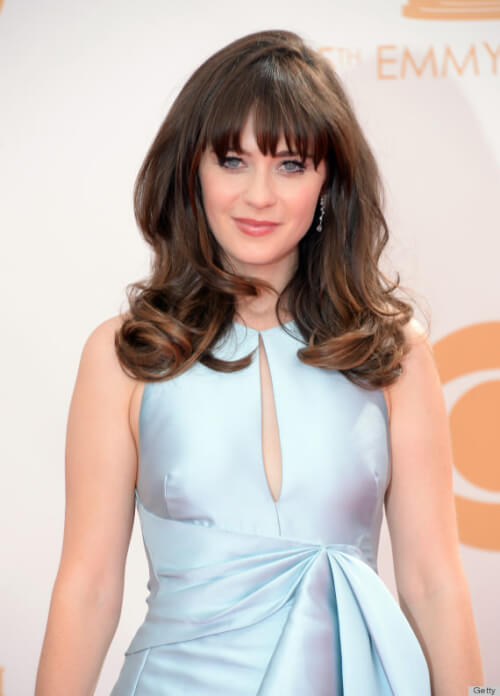
Zooey Deschanel ‘s Retro Glamour

We loved Zooey Deschanel’s ’70s bombshell hairstyle at the Emmy Awards. The actress’ retro inspired curls were styled to perfection. Thick chocolate curls, elegantly swooped bangs, and subtle teasing on top made the perfect combination for this red carpet-worthy look.

Emmy Awards Hairtstyles

HOW TO STYLE:

  1. Get ready for heat. On dry hair, go through section by section and spray on a light hairspray or a heat-memory product. You want your hair to have a little grip to hold your set.
  2. Heat it up. Use medium to large sized hot rollers on your strands to get those huge bouncy curls. Roll them up into your hair and while they cool, it’s a great time to do your makeup!
  3. Shake it out. Take down the rollers and spray again with hairspray. Then gently use your fingers to shake the curls out and break them up. Tease the crown for height and smooth your bangs with an iron for added drama.


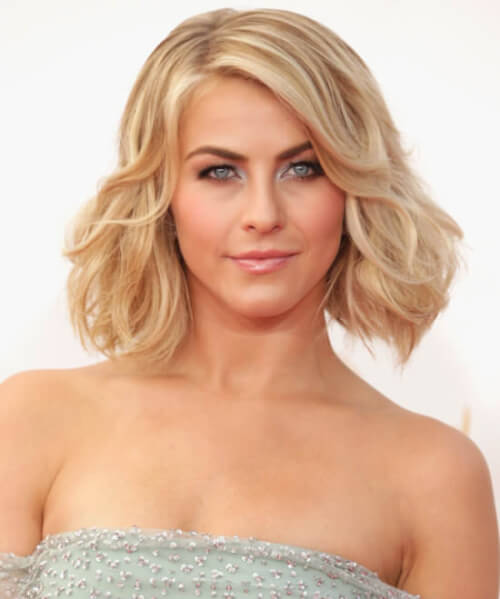
Julianne Hough’s Sexy Red Carpet Hair

Say what you might about Julianne Hough’s revealing dress choice for the Emmys this year, but we think her hair looked absolutely amazing! Her signature blonde locks are cut into a long bob that falls above the shoulder line. Strands are parted to the side and start smooth at the roots, but blend slowly down into a beautiful textured wave. The wave adds tons of shape, interest and volume to the style. The result is fabulous!

Julianne Hough's Emmy Awards Hairstyle

HOW TO STYLE:

  1. Blow it out. Apply smoothing products to damp hair and blow dry smooth. Make sure you part hair deeply to one side and use a paddle brush to get strands as sleek as possible.
  2. Hot tools unite. Use a large curling iron to curl the bottom half of hair strands. Curl the entire head of hair, but use a flat iron on the long bangs around the face. Smooth them out and then twist the iron back and away from the face when you reach the ends to get that fun, flirty swoop.
  3. Spray in the texture. Use your favorite hairspray to coat your strands. Be generous on the ends because you want to create that full, voluminous shape with lots of texture. After spraying strands, use your fingers to rough hair up. Flip your head upside down, break up the curls and scrunch them up. Flip the right side up and smooth out the top strands. Then, grab tips of hair and pull them out and spray with more hairspray to create a wider shape.


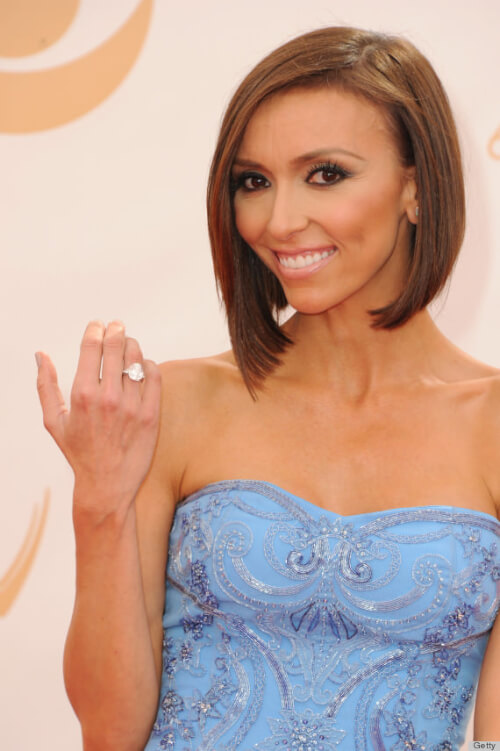
Giuliana Rancic’s Short Hair Show Stopper!

Giuliana Rancic was looking fierce in her crisp bob haircut at the Emmys. Her signature ombre haircolor is freshened up for fall with this stunning dark brown shade that complements her skin tone perfectly. Rancic’s hair is parted deeply to one side and cut longer on one side as well, creating a totally fun and asymmetrical result.

Giuliana Rancic's 2013 Emmy Awards Hairstyle

HOW TO STYLE:

  1. Prep your strands. Start in the shower with a smoothing shampoo and conditioner to help fight frizz. Follow up with a smoothing serum out of the shower and comb through to distribute the product evenly. Beginning with the right products will make your blow drying and styling time much faster and easier.
  2. Blow it straight. Part hair crisply to the side and comb through. Use a paddle brush and a blow dryer to remove moisture from strands. Direct air down the hair shaft to minimize frizz.
  3. Polish off your look. Grab your flat iron and go through your hair, section by section. Move the iron slowly to really smooth out your strands. Bevel the iron under slightly at the ends to get that sleek, flipped-under effect.

Guest Post By

Fight Free Radical Back-up and Repair UV Damage with an Antioxidant Rich Medi-Facial.

summer-bronze-woman.jpg

As our early morning coffee and tea are growing darker through the delayed Fall sunrise, we hope you have had a fun and fruitful summer.

It's cyclical every year that our guests come into Kasia Salon with washed out hair  and a little more sun damage than we'd like to admit.

summer bronze

Your Natural and Organic Skin Health Expert! 

The skin is our body’s largest organ. We want to take care of it. We want to feel good about how we look. So, we dab. We slather. We cleanse, and we tone. We do everything we can with the finest products we can afford to treat and pamper our skin…from the outside.

Osmosis Pur Medical Skincare has developed a way to address our skin’s inflammation not only from the outside in, but also from the inside out. Ladies, this is a BIG deal because inflammation is the cause of all of the things we don’t like about our skin, including those signs of aging.


Rehab Through Refining and Defining your Skin

Fight the free radical back-up in your skin to help repair damage from UV radiation with an antioxidant rich cooling Medi-Facial. 

With the perfect blend of 3 varieties of summer berries, green tea, Vitamin E, and CoQ10, you'll load the skin with the support it needs to repair and heal.  Target DNA and hyperpigmentation by adding one of our award-winning Catalyst serums which will also increase collagen and elastin production while healing the damage from the long summer days.

lne_bestof2013Kasia uses Catalyst  +  SRGF-7 which is a patented combination of amino acids and key co-factors that improve wound healing, lighten pigmentation, reduce visible capillaries, and stimulate collagen and elastin production through a revolutionary process.


 Contact Rachel today at 612.824.7611 to book your Fall-back into GLOWING SKIN Medi-Facial Today!

Why your Hair Relies on Amino Acids and Proteins

  There is a simple relationship between amino acids and hair. Amino acids are the building blocks of all the proteins found in the body and hair is composed of keratin, a protein. It is this keratin which gives hair strands their strength.

If amino acids are insufficiently supplied to the cells of the hair follicles, the level of keratin production will drop or the keratin produced might lose most of its strength. Both of this will lead to reduced hair growth, discolored hair and hair strands that easily fall off.

While the body uses about 22 amino acids to build all the proteins in the body, those proteins go on to serve as enzymes, hormones, neurotransmitters, and form into tissues, muscles and organs.

Of these amino acids, 9 are considered essential because they are not synthesized in the body. These amino acids need to be ingested either from dietary sources or from supplements. While animal protein sources (meat and dairy products) contain all 9 amino acids, plant sources don’t usually contain all of them.

The hair is an example of the complexity and beauty of how amino acids form into proteins. They are not simply strung together. Rather, each protein is made from specific sequence of amino acids to form a superstructure.

This superstructure must then be folded into the exact 3-dimensional form for the protein to function at all or properly. For example, the set of amino acids making up keratin, the hair protein, must not only be pieced together in a perfect sequence but must also be folded up in the right way to fulfill its role.

Lastly, amino acids have different functions and they do not all perform the same ones.

Some amino acids are interrelated, though, and some functions are complimentary. For optimal hair growth and to reverse hair loss, the amino acids that provide the most benefits are discussed below.


Amino Acids for Hair Loss:

Arginine

PECANThe active form of arginine is L-arginine. It is a semi-essential amino acid that is normally synthesized in adequate levels in the body.

However, in distressed states due to disease conditions, stress and aging, the level of arginine will drop in the body and the amino acid is recommended for supplementation then.

Dietary sources of arginine includes nuts such as pecan, cashew, hazelnut, peanuts and coconuts; seeds such as those of sunflower and sesame; as well as wheat germ and flour, beef, fish, poultry and dairy products.

Arginine as a precursor of nitric oxide is essential for hair growth.

Hair growth is stimulated due to the properties of arginine increasing the amount of nitric oxide in the body to help potassium openings. This helps to improve blood supply to the roots of the hair and encourage hair growth.

Arginine also improves capillary microcirculation to the cells of the skin follicles through the vasodilation caused by the nitric oxide it produces in the body.

It is also known to strengthen hair shafts and accelerate the development of hair follicles.

Methionine

This is an essential amino acid, and a very strong anti-oxidant. It is an excellent source of sulfur, which is something that can prevent problems with the hair, nails and skin.

Basically, Methionine is a lipotropic, meaning that it aids in breaking down fats and keeping fat from building up in certain areas of the body, including the arteries.

It can prevent premature hair loss, as well as act as a detoxifying agent for the body.

Methionine’s greatest attribute is the sulfur in its chemical structure. It supplies sulfur to hair cells and connective tissues, thereby improving hair strength as well as normal growth and appearance of the hair.

Dietary sources of methionine include cereal grains, eggs, sesame seed, fish, meat and Brazil nuts.

Cysteine

YOGURTThis is one of the non-essential amino acids that our bodies are able to produce.

Cysteine is one of the many amino acids that are necessary for healthy hair growth. Adding more cysteine to your diet can increase the rate of hair growth substantially.

Cysteine also supplies sulfur to hair cells to improve hair strength. Cysteine is also known to bind to and transport minerals such as iron and zinc which are essential agents in the reversal of hair loss.

Dietary sources of cysteine include pork, chicken, sausage meat, milk, eggs, yogurt, ricotta, whey protein, cottage cheese, wheat germ, granola, oats, garlic, broccoli red pepper, onions and Brussels sprouts.

Cystine

This non-essential amino acid actually makes up approximately 10 to 14 percent of our skin and hair.

Cystine is formed from the disulfide bonding of two cysteine molecules. This bonding of two amino acids provides strength for hair shafts.

Since cysteine is formed from cysteine, it shares the same nutritional benefits and dietary sources as that amino acid.

It is important to have cysteine in our bodies, both for our overall health and for the health of our skin and hair. Cystine can be used to treat hair loss, and has been known to promote natural hair regrowth.

Tyrosine

Tyrosine is produced in the body from another amino acid, phenylalanine.

DAIRY PRODUCTSDietary sources of tyrosine include fish, chicken, turkey, dairy products, peanuts, almonds, lima beans, pumpkin seeds and soy products. It is also available as a supplement.

This is another non-essential amino acid that the body naturally produces. This amino acid creates melanin, which is the pigment that colors our hair and skin.

We need to have tyrosine for our metabolism, as well as for adrenal, pituitary and thyroid glands.

Not only is tyrosine a good amino acid for hair loss, it can also be used to treat many other health problems, including insomnia, anxiety and depression.

Tyrosine is also known to contribute to reduction in stress hormone levels in the body. Since stress is a strong factor in hair loss, tyrosine can slow alopecia too by reducing stress.

Taurine

Taurine is an unusual amino acid because it contains a sulphonate group instead of a carboxyl group.

FISH MEATIt is also synthesized in the body from cysteine but can also be ingested in food. Dietary sources of taurine include marine animals and meat. It is present in breast milk, and added to both energy drinks and infant formulas.

Taurine is the sulfur amino acid that is most abundant in humans, and can affect the health of organs and tissues. It is stored in the hair bulbs, and if there is not enough taurine in your system, it could result in thin, weak hair.

Apart from its benefits in the development and functioning of the central nervous system, and skeletal muscles, taurine has been shown in studies to maintain skin health and prevent the breakdown of hair follicles.


Hair Health & The 6 Amino Acids
Arginine - Stimulates hair growth through the vasodilatory effect of Nitrous oxide; strengthens hair shaft and stimulates hair follicles.
Methionine - Supplies needed sulfur to the hair for improved appearance and healthy growth.
Cysteine - Improves hair strength through the contribution of sulfur
Cystine - Promotes natural hair growth and strengthens hair shafts with its disulfide bond.
Tyrosine - Contributes melanine to the skin and hair; improves general health by reducing the levels of stress hormones.
Taurine - Provides sulfur for hair growth and appearance; prevents breakdown of hair follicles.  

Kassie Kuehl is a health coach and consultant, in addition to being a professional stylist and specialist in natural hair color. Kassie opened Kasia Organic Salon, a chemical-free, natural and euphoric experience, located in Minneapolis, MN. Kasia believes that beautiful hair and skin is directly linked to beautiful health. Our hair and skin reflects the state of the body\'s health and looks its best when all cells in the skin\'s layers are properly nourished and hydrated, naturally. “Be in the know” and learn more about Kasia Organic Salon at the Author’s Site: www.kasiaorganicsalon.com

Reference http://www.progressivehealth.com/amino-acids-hair-loss.htm

Hair Loss Prevention and the Key Role of Amino Acids

hair-growth-cycle-300x300.jpg

Hair Loss and Prevention

Each day we shed around a hundred hairs. This is normal and part of the natural renewal process. With around 100,000 active hair follicles, losing such a small number daily doesn’t present any visible changes in hair density or coverage. However, advanced hair thinning and hair loss affects millions of people throughout the UK. Although often associated with older men, hair loss and hair thinning can occur at any age and impact both men and women.

Various Forms of Hair Loss & Triggers

As we age, our hair density naturally declines. However, there are also a wide range of factors that can trigger accelerated hair thinning.

Hereditary thinning or baldness (androgenic alopecia)

Approximately 95% of accelerated hair loss cases in both men and women are caused by androgenic alopecia. A genetic predisposition to hair loss can trigger a group of hormones called androgens which cause hair follicles to shrink and thus unable to support hair growth. The pattern of hair thinning often differs for men and women. Men typically develop bald patches around the forehead or on top of the scalp, while women find that their hair significantly thins across the top of the scalp. By the time men and women reach 50 years of age, 50 percent will have visible hair loss as a result of androgenic alopecia.
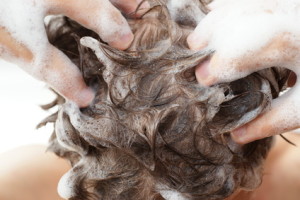
 

washing hair female hair lossMedical conditions

Sometimes hair loss and hair thinning is an indicator of an underlying health issue. Certain diseases, such as thyroid dysfunction and anaemia, can trigger hair loss. Even a short-term illness can result in hair thinning, such as a high fever, flu and untreated ringworm infections.

Significant hair thinning and patchiness can also occur as a result of an unusual impulsive disorder called trichotillomania. Patients with this medical condition are unable to stop pulling and twisting their hair. Women are most susceptible to this disorder and it’s believed to affect around four percent of the population1.

Hormonal changes

Following childbirth and during menopause, it’s not unusual for women to experience excessive hair loss. Fluctuations in hormones will trigger hair thinning. In most cases this is temporary, although after 40 years of age it isn’t unusual for women to have lower hair density compared with when they were younger.

Stress

Physical and emotional stress can trigger hair loss. Following surgical procedures it’s not unusual to experience hair loss as the body responds to the shock. The loss of a loved one, financial strain, relationship breakdowns and other stressful situations can also cause excessive hair thinning. Similar to hormonal changes, stress related hair loss is often temporary.

Medication

medicationThere are a wide range of medications that can cause hair thinning including birth control pills, anabolic steroids, blood thinners and excessive concentration of vitamin A. Hair loss can also be a side effect of various prescribed drugs used to treat depression, blood pressure, heart problems, cancer and arthritis.

Other hair loss triggers

Poor nutrition and unhealthy lifestyle choice can contribute to hair loss. Also, certain hairstyles, frequent heat treatments, colour applications and other hair maintenance practices can result in damage to the hair shaft and root, resulting in hair thinning.

Basic Hair Anatomy


Preventative treatments for hair loss are based on our understanding of hair anatomy and how to stimulate new hair growth.

Hair is characterised by a root embedding into the epidermis and the shaft extending from the root. A follicle surrounds the root and this is intercepted by nerve fibres and capillaries that provide nourishment. The hair shaft develops as new cells form around the follicle, push up and die.
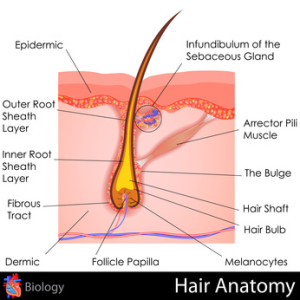
Hair AnatomyThere are three distinctive layers within a hair shaft; these are the medulla, cortex and cuticle. The innermost layer is medulla and its purpose is not well understood. The middle layer is the cortex and this controls the strength and thickness of the hair. The outer layer is the transparent cuticle, designed to protect the other layers of the hair shaft.

Structural proteins called keratin makeup the bulk of the hair shaft. This is the same protein that’s present in our skin and nails. It’s fibrous and aligns parallel to form sheet that are held together by hydrogen. Also present in hair is another structural protein called collagen which is important for hair health, strength and growth.

The Natural Hair Cycle
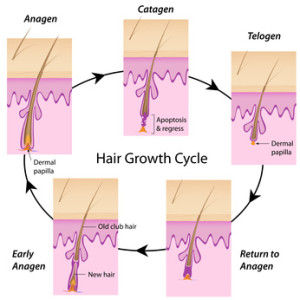
the five stages of hair growth explained

the five stages of hair growth explained

The growth cycle of hair goes through three different phases. Anagen is the first phase and this is the most active, lasting from between two and six years. Catagen is the second phase and this is when hair is turned in keratin. Telogen is the final stage of the cycle. This is when the hair sheds and the anagen phase recommences. When the follicles fail to re-enter the anagen phase, hair loss occurs. This leaves the follicles inactive and over time this leads to thinning and noticeable hair loss.

The Role of Amino Acids & Preventing Hair Loss

Clearly healthy hair requires plenty of keratin, and to a lesser extent, collagen. For the body to produce these structural proteins it must have sufficient access to certain amino acids. There are four key amino acids necessary to produce keratin: cysteine, lysine, arginine and methionine.  Collagen production relies on access to the amino acids lysine, methionine, glycine and proline.

Of these amino acids, methionine and lysine are classed as essential, meaning that they must be sourced from our diet. The other important amino acids for healthy hair growth can be synthesised by the body, although they may be in low concentrations if nutrition is poor.

Through boosting the availability of key amino acids involved in the production of keratin and collagen, it’s possible to combat hair loss and stimulate new hair growth.

A Closer Look At These Key Amino Acids

Arginine

SkinIn addition to helping to produce keratin, this is a very important amino acid for enhancing immune function, helping to minimize disease-related hair loss. Research has also shown that this amino acid can help to shield the hair from the damaging effects of hair colouring and bleaching2. Arginine is also essential for the production of nitric oxide (NO). This compound is vital for improving blood circulation and nutrient supply to the hair follicles, facilitating healthy hair growth.

Although not an essential amino acid, there are times when arginine becomes conditionally essential. When the body is stressed, such as recovering from an illness or insufficient nutrition, the demands for arginine increase and the body can’t produce enough. Elevating arginine concentrations through diet can help to treat hair loss, especially if it’s a symptom of an underlying health issue.

Good food sources for arginine include dairy, fish, beef, poultry, oatmeal, sesame seeds, chick peas, soybeans, granola, pumpkin seeds, sunflower seeds and nuts.

Cysteine

Approximately a quarter of keratin is made from this amino acid. Several studies have confirmed that cysteine supplementation can reduce the symptoms of androgenic alopecia3. This is also a vital amino acid in the production of the powerful antioxidant glutathione. Thus, cysteine indirectly assists with the protection of hair follicles from oxidative stress.

Similar to arginine, the body manufactures its own cysteine. However, including cysteine rich foods in your diet will ensure that there’s no deficiency in this important amino acid. Ideal food sources include poultry, pork, dairy, legumes, broccoli and whole grains.

Methionine

The second major component of keratin is methionine. This amino acid is also vital for the synthesis of the precursor to collagen called procollagen. As antioxidant, methionine also helps to protect the hair follicles from oxidative stress. Research has shown that low concentrations of methionine cause a decline in hair health and growth diminishes4. Other studies suggest that this amino acid could also have an important role in slowing the greying of hair, as well as hair thinning5.

Since the body is unable to produce this essential amino acid, you must include food rich in methionine in your diet. Good food choices for methionine include fish, eggs, seeds, leafy greens, broccoli, zucchini, squash and nuts.

Lysine

This essential amino acid helps to stimulate collagen and is important for repairing damaged hair. Hair follicles also require lysine to properly function. Research has shown that hair loss can be reduced with lysine supplementation6

Ideal food sources for lysine include fish (especially salmon, sardines and cod), dairy products, poultry, red meat, pork, legumes, nuts, spirulina and pulses.
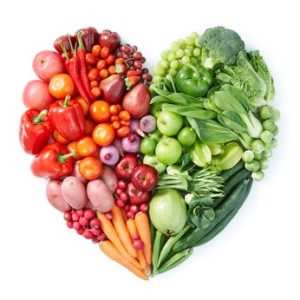
CAAT anti cancer dietGlycine

One of the smallest and commonest amino acids, glycine is very important for the digestive and central nervous systems. It also helps to produce collagen. The body can manufacture this amino acid and it can also be sourced from protein-rich foods such as fish, meat, dairy, soybeans, spinach, cabbage, beans, kale, banana and kiwi fruit.

Proline

This non-essential amino acid helps to produce collagen and cartilage, as well as maintaining muscle tissues. The best food sources for proline include meat, dairy, eggs, asparagus, avocado, beans, broccoli, spinach, legume and soy beans.

Other Important Nutrients for Healthy Hair
amino acids have no side effects even in large quantities

In addition to the amino acids mentioned, there are also a range of vitamins, minerals, trace elements and other natural compounds that are important for preventing hair loss. Vitamins E, B6, B12 and folic acid are needed to support healthy hair follicles by promoting good blood circulation and the delivery of vital nourishment. Vitamin A is necessary to support the production of sebum, the oily substance that lubricates the hair follicles. Vitamin C is essential for collagen synthesis and maintaining strong hair. Iron, silica and zinc are also required for hair growth and protection.

Essential fatty acids are important for many aspects of our health, including safeguarding against hair loss. They help to increase hair follicle nutrient absorption, enhance immune function and reduce oxidative stress. Omega-3 fatty acids are important for cell growth and blood circulation, supporting healthy hair follicles.  Insufficient fatty acids can result in dry and brittle hair, dandruff and other skin aliments of the scalp. Studies have confirmed that deficiencies in essential fatty acids lead to hair loss.


Conclusion

Hair thinning and baldness are common conditions and although more prevalent in older generations, hair loss can be triggered at anytime throughout our life. Genetics has a major role in our susceptibility to hair loss. Oxidative stress is also problematic, causing cellular damage that can trigger hair loss. Hormone fluctuations can increase androgens, further contributing to hair loss. Despite these factors and other common hair loss triggers, there are steps we can take to slow down the process and retain good hair coverage.

Elevating the concentration of important amino acids, vitamins, minerals, trace elements and other compounds that are necessary to support hair growth, maintenance and protection will help to minimize hair loss. Diets rich methionine, cysteine and arginine can minimize oxidative stress, help to balance hormones, and slow the aging process.

By maintaining a well-balanced diet and eating protein-rich foods, hair thinning and hair loss can be reduced. If you’re concerned that your diet is lacking, consider taking a high quality dietary supplement. This will not only promote healthy hair, it will also support overall health and well-being.


References

  1. http://www.ncbi.nlm.nih.gov/pubmedhealth/PMH0002485
  2. http://www.ncbi.nlm.nih.gov/pubmed/15645092
  3. http://onlinelibrary.wiley.com/doi/10.1111/j.1610-0379.2011.07802.x/full
  4. http://jcs.biologists.org/content/119/3/391.short
  5. http://www.ncbi.nlm.nih.gov/pmc/articles/PMC2929555/
  6. http://www.ncbi.nlm.nih.gov/pubmed/18498491
Fotolia.com:
© Kurhan – Fotolia.com, © Lucky Dragon, © HLPhoto, © ecco, © 1999istek, © Eisenhans – Fotolia.com, © Peter Atkins, © contrastwerkstatt, © ag visuell, © drubig-photo , © lavizzara, © Adam Gregor, © DOC RABE Media, © abcmedia, © Dmitry Lobanov, © elvira gerecht, © Robert Kneschke, © DrosteFeeds, © Vojtech Vlk, © adimas, © kocakayaali, © Andrea Danti, © Konstantin Yuganov, © Werner Heiber , © detailblick, © Pixelshop – Fotolia.com, © Leonid & Anna Dedukh – Fotolia.com, © T.Tulic – Fotolia.com, © Olga Ekaterincheva – Fotolia.com, © HLPhoto – Fotolia.com, © Mara Zemgaliete – Fotolia.com
// User Icon Setting (may be set to BLACK, WHITE or NONE):