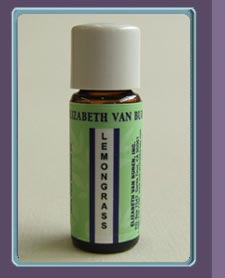
Essential Oils

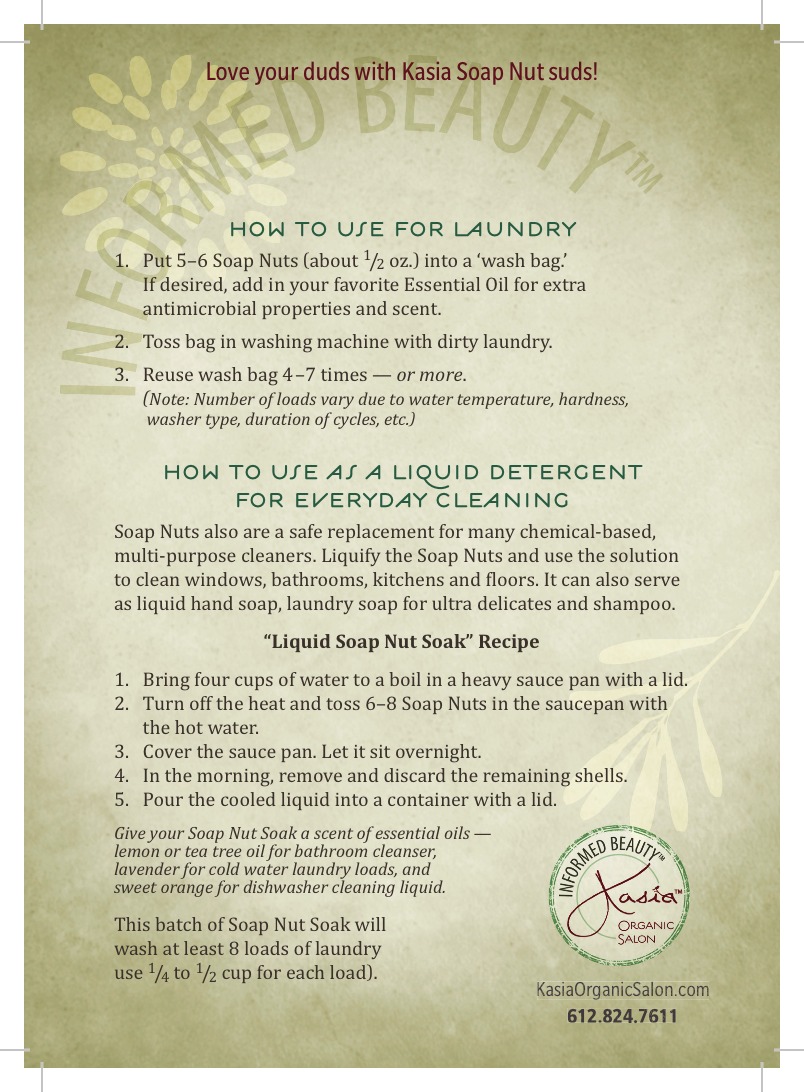
"Go Nuts!" Join the NEW Kasia Multi-Purpose Revolution!

Kasia is not only a resource for beauty and cosmetics.

In always listening to our guests,  we are truly passionate in continuing to research and resourcing on chemical free, safe-- life giving, lifestyle products that are simple and investment worthy!

With many clients dealing with eczema/skin sensitivities, allergies, and others with simple interest in chemical free pursuit(s), we find  soap nuts provide us all of a great alternative!

Only within the past few years has the concept of a 100% natural, chemical free, biodegradable cleanser become conceivable to Americans.  The word is out and spreading fast... Everyone can use soapnuts; domestically, commercially, rural and in the city.

It's on supermarket shelves in Europe and it's cheaper than our chemical alternatives.

Why is it that the 'green' options cost us twice as much?

Not anymore! No more asking ourselves why we have to choose between environmentally-friendly products and putting food on our tables.

.....And it works!

Kasia So-berry Fresh Soapnuts are 100%:

* Pure and natural

* Chemical free

* Non allergenic (not a nut, really a berry)

* Antibacterial, antimicrobial, antifungal

* Biodegradable

* Beneficial to grey-water and septic systems

* Wild harvested (organic)

* Not tested on animals, vegan

* Easy to use

* Economical

* ...and most importantly, effective

Toxic Cleaning Cabinet? Our Recommended Hard-working Essential Oils for Home!

The Kasia Way -  Our Recommended Hard-working Essential Oils for Home!

Here’s the bare minimum to stock up on when it comes to cleaning...

* Lemon essential oil

* Tea Tree essential oil

* White Pine essential oil (or your favorite piney oil!)

* Lavender essential oil

* Peppermint essential oil

"So...What's in your Cleaning Cabinet?"

AIR FRESHENERS: Work by coating your nasal passages with an oil film and/or reduce your ability to smell odors. Often containing Formaldehyde, a highly toxic ingredient, which can irritate eyes, nose, throat, and skin. High exposure can cause nausea, headaches, nosebleeds, dizziness, memory loss and shortness of breath. They may also include Phenol, a skin irritant that can cause swelling, burning, and peeling. High doses of Phenol can also cause cold sweats, convulsions, circulatory collapse, coma, and even death. Most Air Fresheners contain artificial fragrances, which are petroleum based.

ALL-PURPOSE CLEANERS: often contains Propylene Glycol, a chemical that can cause nausea, convulsions, slurred speech, disorientation, and heart and kidney problems if ingested.  Ninety percent contain Sodium Laurel (Laureth) Sulfate. Some all-purpose cleaners may contain Sodium Hydroxide (Lye), also found in drain cleaners, stain removers, and bathroom cleaners. A highly reactive chemical, lye can react violently with water and other materials, sometimes generating enough heat to ignite nearby combustible materials. Extremely corrosive to all tissues, especially the eyes as it can cause blindness. Aerosol sprays containing this chemical can also lead to lung injury. Extremely dangerous when coming in contact with skin, mucous membranes, mouth, throat, esophagus and stomach tissues.

AMMONIA: a volatile chemical, commonly found in window cleaners, and some stain removers and detergents. Ammonia can damage your eyes, as well as respiratory tract and cause ski irritation. Ammonia adds nitrogen to the environment, which can damage some ecosystems.

ANTIBACTERIAL CLEANERS: contains Sodium Laurel (Laureth) Sulfate and Triclosan, a chemical that, if absorbed through the skin, may contribute to liver damage. Eliminates *good* bacteria, and studies suggest bacteria acquires resistance to antimicrobial agents.

CARPET AND UPHOLSTERY SHAMPOO: Highly toxic ingredients include Perchlorethylene, a carcinogen that can damage the liver, kidneys, and nervous system. They also contain Ammonium Hydroxide, which is extremely irritable to eyes, skin and respiratory passages.

CHLORINE BLEACH: a strong corrosive with fumes that can irritate or burn the skin, eyes, and respiratory tract. If ingested, bleach can cause pulmonary edema or vomiting. Extremely dangerous when mixed with ammonia, as the resulting fumes can be deadly.

DISHWASHER DETERGENTS: often contain highly concentrated amounts of chlorine, a leading cause of child poisonings (see Chlorine Bleach). They also contain Sodium Laurel (Laureth) Suflate and phosphates that can cause severe skin irritation, burns and chronic poisoning if inhaled or ingested.

DRAIN CLEANER: often contains Sodium Hydroxide (Lye, see All Purpose Cleaner above), Hydrochloric Acid or Trichloroethane. Hydrochloric Acid is a corrosive element that can irritate skin, and damage kidneys, liver and digestive tracts. Trichloroethane is an eye and skin irritant that can depress the nervous system and damage liver and kidneys.

FURNITURE POLISH: many include Petroleum Distillates, a highly flammable skin irritant, and Phenol (see Air Fresheners). Some also include Nitrobenzene, a toxic material easily absorbed through the skin, or Methyl Chloroform, which can cause skin irritation, nausea, vomiting, diarrhea, irregular heartbeat, headache, drowsiness, symptoms of drunkenness, kidney damage, liver damage, convulsions, and even coma. A variety of other petroleum-based solvents may be used that can cause mucous membrane irritation, as well as headache, dizziness, and nausea at higher concentrations.

LAUNDRY ROOM PRODUCTS: contains Sodium Laurel (Laureth) Sulfate, and  Sodium or Calcium Hypochlorite, highly corrosive materials that can irritate or burn skin, eyes or respiratory tract. Other chemicals include Linear Alkylate Sulfonate, which can be absorbed through the skin and may cause liver damage, and Sodium Tripolyphosphate, a skin and mucous membrane irritant that can cause vomiting. Liquid detergents may also contain Ethyl Alcohol, which can cause coughing, drowsiness, fatigue, and headaches.

MOLD AND MILDEW CLEANERS: ingredients often include Sodium Hypochlorite, a corrosive material that can irritate or burn skin and eyes. In cases of high exposure, can cause pulmonary edema, which can lead to coma or death. Many such cleaners also contain Formaldehyde (see Air Fresheners).

OVEN CLEANER: contains Sodium Hydroxide (Lye), a strong irritant to skin and eyes; can also inhibit reflexes (see All-Purpose Cleaner).

STAIN REMOVERS: often contain Petroleum Naphtha, a petroleum distillate that can inflame and damage lungs.

TOILET BOWL CLEANERS: may contain Hydrochloric Acid, a highly corrosive irritant to both skin and eyes that can also lead to kidney and liver damage. May also include Hypochlorite Bleach, another corrosive irritant that can burn eyes, skin and respiratory tract. Ingestion can lead to pulmonary edema, vomiting or coma. If combined with other chemicals may result in potentially fatal chlorine fumes. Other products can include Phosphoric Acid, an extremely corrosive material that can cause severe irritation and burns to skin.

Gas Chromatography/Mass Spectrometry (GC/MS) What’s the Big Deal?

Kasia shares the belief with EVB Oils - that in order for essential oils to have a therapeutic effect, they must be pure plant extracts. The best way to assure the purity and quality of each batch of oil is to test with Gas Chromatography/Mass Spectrometry (GC/MS).

We are asked often about the quality of the Essential oils that we sell. Many times the inquiries ask us questions about things such as:

Are they Therapeutic quality and what does that mean? What kind of tests are run to assure they are pure? Are they Organic? Your oils are priced so reasonably compared to other sites, Why? Why do oils smell different? Can they be taken Internally??

Do they meet GC/MS standards?

The precise breakdown of the chemical components in individual oils is important because the therapeutic benefits and safety issues of essential oils are in large part determined by their chemical makeup. GC/MS testing is also used to identify any adulteration of the essential oil tested.

Testing every batch of oil with GC/MS technology assures purity and provides the exact chemistry for the specific oil tested. This information is vital for effective medicinal blending and for quality assurance.

GC/MS tests cost about $75 per oil and tests are the responsibility of the supplier.  Distillers do not always complete these tests, and the tests are too expensive for an individual to afford.  However for a supplier or essential oil company, this is a low cost that applies to the entire batch purchased. It is becoming industry standard for Aromatherapy companies to provide these test results, and they are vital tool for true medicinal blending.

An interesting factor to note is that the country of origin can affect the makeup of an essential oil. Helichrysum is a good example. Helichrysum from Corsica has a large percentage of specific Esters. These esters have a strong antispasmodic effect. Helichrysum from Croatia has almost no Esters and is high in Sesquiterpenes and Ketones—known for healing damaged skin. Each Helichrysum is unique. We can only know exactly what’s in the Helichrysum by doing a GC/MS analysis.

Being able to identify the specific “chemotype” of an oil is also important. This can easily be done through GC/MS. Some plants have the genetic ability to produce different chemical constituents based on the environment they are growing in. One example is Rosemary. Depending of the country of origin, Rosemary can produce very different essential oils. The oils varies so dramatically its primary chemical family changes. This is important as you would use the chemotypes of Rosemary for different medicinal purposes, and there are different safety concerns as well.

When shopping for essential oils, always look for current GC/MS reports.  Whether you’re blending medicinally or not, it’s important to know that you’re purchasing quality, unadulterated oils.  Remember that fragrance oils and synthetics can cause a myriad of problems, from headaches to allergic reactions.  If you’re not sure if the company you’re purchasing from performs full GC/MS reports, simply call or email their customer service.  GC/MS reports are not “trade secrets” and should be easy to make available to the consumer.

Reference/Aroma Head.

Stop into Kasia Salon to learn more, and purchase PURE OILS, or learn more HERE

Quick recommendations for healthy hair growth

  • Use a shampoo and conditioner which contain no petrochemicals such as lauryl sulfate.
  • If your public water supply uses chlorine to kill bacteria, use a shower filter to reduce chlorine exposure on your scalp (and lungs).
  • Take a probiotic,  multivitamin, Omega 3, and products containing antioxidants to promote general health and micro-circulation.
  • Use essential oils to promote hair health

Two Major Hair Issues

For many men and women, the loss of their hair is a devastating sign of encroaching old age. Male pattern baldness affects 40 million adult males in the United States. But approximately 20 million American women also suffer from some type of hair loss. The causes vary widely - genetics, stress, diet and environmental pollutants. And the solutions are just as plentiful.

For some people, the goal of beautiful, lustrous hair is elusive. The skin is known as the largest organ of the body, yet the surface area of your hair far exceeds that of your skin. You realize this when you return from a place where people are smoking, from a BBQ, or some other event where there are smells in the air.  Your hair needs internal and external protection against everyday assaults from contaminants and pollutants.

What you don't subject your hair and scalp to is potentially more important than what you apply to your hair.  Avoid application of toxic petrochemicals and sterilizing agents to your hair and scalp and you will be on the way to sustained healthy hair growth.

Don't Be Deceived

One thing is clear. Mainstream shampoos and conditioners that claim to be helpful to your hair and scalp are often more marketing claims than scientific or even good sense.  Many even accelerate hair loss.

The skin and the scalp are body organs, actually the largest organ in the body. They absorb the chemicals that are applied to it, which can either have positive or negative effects.

Call us today to schedule a Hair Health Consultation or service!  612 824 7611

Color Fading? Prolong your investement -Hamadi will keep you bright and beautiful!

Tired of spending hours at the salon just to watch your hair color wash down the drain?

Take a look  at  what causes color fading and how to prevent it, and PRODUCTS WE LOVE!

In my experience, there are two common causes for color fading:

1.)  Using a shampoo that contains harsh sulfates (SLS)  and a high in chemicals

2.) Exposure to environmental elements like the sun’s UVA and UVB rays.

Pass up Walgreens........Some of the most popular drug store products-even those designated for colored hair- may cause color fading, and even when you’re indoors the sun can cause color to oxidize, thus resulting in a faded, dull look.

Listed below are PRODUCTS KASIA ORGANIC SALON LOVES for achieving lasting color and prevent further fading:

Purchase natural and organic shampoos and conditioners that are specifically formulated for color treated hair.

Hamadi Hair Washes do not contain sodium laurel sulfate, which other products use to create a "lather" or “suds”.  Sulfates used in shampoos for its detergent and foam-building abilities can cause eye irritations, skin rashes, hair loss, scalp scurf similar to dandruff, and allergic reactions. Sulfates strip your hair of natural oils and nourishment.  Our hair washes use natural sudsing agents derived from coconuts, leaving the hair feeling clean and not heavy with detergents.  It takes about 2 weeks after switching to Hamadi organic hair wash for hair and scalp to detoxify chemical build up!
Hamadi Lemon Mint Hair Wash is a clarifier that removes toxic build up from environmental pollution and styling products while sealing in color.  Organic Mint Essential Oils invigorate and stimulate the scalp, especially after damage from color-treatment or lightening.  Provides sensational aromatherapy experience in the shower with Peppermint, Green Mint, White Cedar, Lemongrass, Lemon, Grapefruit, and Rosemary organic Essential Oils.  Organic Lemon and Grapefruit Essential Oils rebalance hair’s natural pH and return shine.

Where Natural Protectants against UVA and B Rays!

Hamadi Shea Spray: the best natural shine spray on the market.  Unlike other toxic shine sprays that end up harming your hair, Hamadi will actually nourish and protect your hair while giving great shine.  In addition to organic Aloe, Sea Kelp, and Shea Butter, our Shea Spray is made with organic Avocado, Ylang Ylang, and Rosemary essential oils.  Organic Shea naturally protects against the sun’s damaging rays and at 4oz, it’s the perfect size to toss in your beach bag!

Wash your hair every other day instead of daily. Use cool to cold water to prevent any color from rinsing out, as warm or hot water opens the hair cuticle allowing color an easy escape. Cold water keeps the cuticle closed and encourages healthy, shiny hair.

Deep condition the hair approximately one week before your color treatment, and directly after. The added protein and moisture will prep your hair, resulting in a more even color result.

Hamadi Shea Hair Mask is a great organic spa hair treatment.  Just sit back, relax, and take in the delicious aromatherapy of organic Vanilla and Ylang Ylang essential oils!  No heat cap required, you can put on in the shower for a quick treatment or sit and leave in for longer for deeper treatment. Give your mother Heather Graham’s beautifully nourished locks with Hamadi Shea hair Mask, the organic treatment of the stars!

or a top seller......

Hamadi Shea Leave In is a celebrity favorite and one of our top-sellers!  Smooth fly-aways and tames curls with nourishing Shea Butter, and is an absolute must for natural protection against the summers harsh rays!  Leave In after washing hair for light conditioning that won’t weigh the hair down but still delivers great shine. Also can be used for styling to heal hair on the go! Organic Rosemary, Jojoba, and Ylang Ylang essential oils give great aromatherapy while you’re away from the comforting scents of home.  No gooey waste here-rub in any excess into hands as a moisturizer!
Kasia Organic Salon Supports products that are:
Organic SLS-Free Cruelty- Free Paraben-free Biodegradable Hair Care Made with Organic Essential Oils

Why we LOVE Jojoba Oil and it's many uses...

We LOVE it!  Kasia Skin Proffesionals use jojoba in many ways for the skin and hair, as well as a carrier oil for our GM Certified Essential Oils!

Jojoba oil helps promote healing of the skin in many ways. It can actually discourage the growth of some bacterial and fungal microbes that attack the skin. The composition of jojoba closely resembles that of the skin’s natural sebum, so it is easily absorbed and rarely causes any reactions, even in the most sensitive individuals.

Jojoba oil is composed of liquid wax esters rather than oil, therefore leaving your skin less greasy than other carrier oils. The body’s natural sebum also contains wax esters, which act as a sort of natural moisturizer and environmental barrier for the skin. However, wax ester production steadily decreases with age, causing the skin to appear dull and emphasize wrinkles.

For this reason, Kasia Salon uses jojoba oil in our hair and skin services and retail options!

Jojoba oil can prevent the skin from becoming too oily. Because the structure of jojoba oil so closely resembles natural sebum, it can actually trick the skin into producing less natural sebum. Jojoba oil may help treat acne, both by reducing sebum production and by protecting the skin from harmful bacteria.

To control Acne

Many people are surprised by the fact that Jojoba Oil is used to treat acne because it is an oil. People automatically assume that oils will clog the pores and make acne worse, but because of the unique structure of Jojoba Oil, that does not occur when you use it. Studies have shown that Jojoba Oil can actually help to unblock the pores and also they can prevent further clogging later on. It only takes a couple of drops a day to help with your acne problem; however, it is mainly only suitable for mild acne.

As an eye makeup remover

Soak a cotton pad or ball, and swipe over your eye shadow, liner, and mascara. Not only will your eye makeup be gently and completely removed, you'll find your lashes lush and conditioned, too.

As a facial moisturizer

Because jojoba oil closely resembles human sebum, our skin accepts it very well without threat of breakouts or reactions. If you're oily or combination skinned and afraid of putting any oil on your face, rest easy. Jojoba oil actually helps to balance skin's sebum, so it moisturizes dry skins and eases the oil production in oily skin. Apply jojoba oil by mixing two drops of it in your moisturizer, or use it sparingly on its own.

As a lip conditioner

If you suffer from dry, chapped lips, a small amount of this can be used as an alternative to chapstick or more expensive lip balms.

As a cuticle oil

Say goodbye to dry, ragged cuticles. A small amount of jojoba oil, rubbed into the cuticles on a regular basis, helps keep them soft.

As a hair conditioner or serum

Mix a few drops into your conditioner and rinse out. You can also put a couple of drops on your palm and apply to the ends of damp hair before blow drying - a great trick for soft strands. Or if your hair is looking dull, or frizzy, a little jojoba oil on the ends will smooth out the cuticle, making it look shiny and healthy.

As a body oil

Perfect for skin, especially aging or menopausal skin as it replaces loss of aging skin's natural wax esters. Use it all over your body after a bath or shower. It sinks in quickly, but leaves your skin hydrated and moisturized -- not to mention luxurious when we add drops of our sweetest smelling essential oils.

Kasia partners with the Jojoba Company!

Mix your 100% ORGANIC  Jojoba Oil with fabulous scent enhancers that HEAL.  We love Elizabeth Van Buren Oils for their purity and ethical practices. Stop in the salon anytime to 'sniff n' experience' the beginning of  a complimentary healing journey personalized for you!

Beyond Organic Essential Oil Analysis - The Reality Check

KASIA ORGANIC SALON NOW CARRIES ELIZABETH VAN BUREN ESSENTIAL OILS! The following article is by Larry Jones, Chemist

Essential oil purity and quality is vital to essential oil therapy and should be the highest priority in using essential oils in treatment. Adulterated and low quality essential oils are an ever-increasing problem as demand outpaces supply. Using bad oils on a client, at best, results in a lower than expected curative effect, but worse, they may actually have a negative or toxic reaction in both the practitioner and client. Using pure and high quality oils are good for your client, business, and reduces your exposure to liability.

Currently organic essential oils are perceived as the answer to these purity and quality problems, but choosing an “organic” essential oil does not mean it is pure or even good quality. Organic herbs and food is an ideal that is worth striving for and it positively impacts our health. Unfortunately, regulating and verifying the organic status of essential oils is not so clear because there are no developed guidelines and routine analytical procedures.

This paper asserts that analysis of essential oils, ideally by GC-MS (Gas Chromatograph/Mass Spectrometry), if done properly, can reveal their purity and quality and hence the value, safety and effectiveness. This transcends any organic claim. Otherwise, you are on your own with a label that says pure and a nose that is not sure.

Initially and up to this day, the necessity of testing is that most worldwide production of essential oils is for flavor and fragrance materials. The essential oil/fragrance industry has a long tradition of altering essential oils in the form of “standardization” and/or “extending” them. Purity is a problem with many big producers and distributors. Even the smaller essential oil producers and distributors are found to have quality problems too. Very few aromatherapy companies know what is in their oils because no one in the supply chain is analyzing their oils or in some cases outright doctoring their results. There are practical considerations; analysis is expensive, complex and takes years of experience.

There are no Aromatherapy/Essential Oil Therapy standards for essential oils to be used as therapeutic agents. There are standards for essential oils like FCC and ISO, but they are a double-edged sword. These standards do represent, in most cases, reasonable profiles of purity but the other edge is, they can be used by the essential oil industry to “standardize” oils. An essential oil therapy standard may be different and may reflect an overall balance of constituents including those occurring in small amounts. Whereas, standards published by ISO set the percentages of the main constituents only. This leaves the door wide open for concocted oils.

Many essential oil producers and supplier now circumvent this checkered history of quality issues, wrong chemotypes and even adulteration by obtaining “organic certification”. This certification process runs up the cost of essential oils and as a result of the popular hype about the term “organic”, you are now paying 2-4 times over the price of conventionally produced oils.

The current and most deceptive problems are with “organic” oils. Aside from organic certification not regulating quality and not preventing adulteration, is that “organic” clouds the issue of essential oil safety. The naturally occurring toxic constituents of an essential oil are the same in “organic” oils as non-organic oils. Knowledge of what is in the oil is more important for the safe use of essential oils.

Developing essential oil standards for essential oil therapy/aromatherapy has been discussed in several circles over the years, but because of cost of administration, setting up labs, certifying them and the analysis cost all by itself, it has turned out to be an overwhelming task and cost that only a well-organized and well funded organization could handle. But, an organizational attempt to deal with the analytical and administrative challenge for self-regulation would be desirable before essential oil therapy/aromatherapy looses its “therapy” from an overdose of bad oils.

The Value…

The value of essential oil analysis is far reaching in that it impacts three factors of concern to producers, suppliers, manufacturers, retailers, and users, i.e., practitioners.

1. Safety (Purity and chemotype)

2. Effectiveness (Purity and quality)

3. Economics (knowing what is in the oil you are selling or buying)

GC-MS analysis elucidates all three by chemotype verification, quality determination and purity evaluation. Analysis, preferably by GC-MS, of the finished product that is used in therapy is the way to insure the integrity of the oil purchased.

As essential oil therapy is complex in its healing effects and is much more than smell, it takes much more than a nose to tell if an essential oil is pure. The only way to really substantiate the purity is to analyze the oil. This process has two phases: purity and quality.

Analysis for Purity:

Fillers or artificial substances may be added such as:

1. Non fragrant solvents like estrogen mimicking phthalates, fixed oils, and other diluents

2. Fractions of, or other essential oils

3. Synthetic ‘nature identical’ essential oil components

4. Synthetic fragrance materials and their isomers which are mostly allergenic, sensitizing, endocrine disrupting and some carcinogenic.

Among these, other undesirables found in trace amounts are preservatives, dissolved plastic and oxidation products. Purity is also affected by post distillation processing like fractional distillation and other chemical treatment.

Analysis for Quality:

An essential oil does not have to be adulterated to be inferior. Plant quality, climate, location, growing conditions, harvest, and production technique have a lot to do with quality. Of course, environmental conditions directly affect the percentages of each component of the essential oil. Botanical variety and Chemotype identification also play a part in quality determination. Like organic, ‘wild crafted’ is another overused term. Many imported essential oils come from non-plantation sources.

In choosing essential oils the priorities are:

1. The essential oil is high quality due to growing and distilling conditions.

2. Unadulterated.

3. Correct chemotype

4. GC-MS reports to back-up 1,2, and 3

5. Lastly, labeled natural, pure, tested, organic, wild crafted, etc. with the lot number or batch number that is traceable back to the GC-MS report

There is a big difference between “Certified Organic” and “organic”. To be certified there are regulations, inspections, GMP, ISO 9000 and more. Once the seal is broken on a drum by anyone not certified in the chain of custody, the oil then becomes “organic” and no longer can the term “certified” be used. In another words, if the grower releases the material as “Certified Organic” the distiller, the bottler, the manufacturer, etc who takes possession of the material after that all must be “certified” as well or the chain of custody is broken. Most essential oil companies at this time are not certified by the USDA and therefore are falsely claiming they are selling “Certified Organic” materials when in fact they are breaking the chain of custody requirements.

Therapists are now paying a premium for organic oils with the implied assurance the oil they are buying is pure and high quality. Without analytical data to back up the “pure” claim on the label, “organic” may become trivialized like “natural” has become.

Conclusion:

In my opinion, a greater scientific chemical understanding of essential oils is gained through the exploration of purity and quality. GC-MS analysis is vital for that.

For the last 15-20 years, essential oil therapy’s demand for clean, high quality oils has been stimulated by scientific analysis and research. The community has made some impact on the production and distribution practices of the worldwide essential oil industry. Everyone using essential oils in therapies as integrative medicine are creating a niche market for a new generation of essential oils. Analysis by and for therapists will continue to have positive influence on essential oil purity, quality, discovery and treatment.

Jojoba Oil Benefits for Hair

Our hair is often subject to abuse. When going to the salon to have the hair styled, permed, cut or colored, the hair strands are exposed to harsh chemicals which may damage your hair in the long run. Over-the-counter beauty shampoos, conditioners, styling gels and other hair products may also leave the hair dry, brittle and damaged. Even the simple act of combing or blow drying can lead to hair breakage and damage. To restore the natural texture, glow and luster of your hair, you can use deep conditioning products to minimize the damage caused by styling and harsh hair products that you actually pay more for. If you want to restore the health of you hair in a natural and healthy way, you can make use of natural oils, and put the glow back to your limp hair.

Just like our skin, the scalp also needs to be moisturized. When the skin is dry you can see visible wrinkles. The same thing happens when the scalp is dry – excessive skin develops in the affected area, causing itchy flakes to appear. The scalp is quite sensitive and it produces sebum where the hair follicles are implanted, which is the reason why the scalp needs extra care.

For healthy skin and hair, Jojoba Oil is found to be ideal and is derived from a natural plant. Jojoba oil is produced from a desert plant called Simmondsia Chinensis. Its oil is highly regarded as an effective conditioner, moisturizer, cleanser and softener for the skin and hair.

Jojoba oil brings the following benefits:

1. Moisturizes the scalp. Using Jojoba oil and massaging it directly onto the scalp will not only relax you but it also moisturizes the scalp itself while treating your hair with an intense conditioning.

2. Develops new hair cell growth. Dry hair can lead to hair damage or hair loss. The application of Jojoba oil will counteract this symptom, allowing the growth of new hair cells.

3. Jojoba oil is non-greasy, colorless and odorless. While application of oils directly on the hair can be very obvious from afar, using Jojoba oil is non-greasy and unnoticeable.

4. Jojoba oil is not irritating to the skin if applied to dry, itchy and sore scalp. Our scalp is sensitive when it is dry and applying Jojoba oil and then rinsing your scalp with clean water is one way of treating this scalp condition.

5. Antibacterial. Jojoba oil is used for treating sores, cuts, bruises and burns and helps heal scars.

6. Jojoba oil allows the flow of sebum in plugged-up pores. This promotes a healthy scalp and hair by replicating the sebum oil secreted by human sebaceous glands.

7. Jojoba oil conditions your hair and prevents it from being brittle and dull.

8. If there is too much sebum found on the scalp, Jojoba oil can dissolve and take out the sebum, allowing the hair to be cleansed.

9. It is used widely as a primary ingredient in hair shampoos and conditioners.

With these benefits and more, using Jojoba oil will definitely bring back the shine, luster, and natural beauty of your hair in an inexpensive and natural way.

VISIT KASIA ORGANIC SALON AND PURCHASE A 4OZ BOTTLE OF JOJOBA AND START YOUR JOURNEY OF RESTORATION FOR HAIR, SKIN, AND HEALTH!

NEED A TREATMENT?  TRY OUR AROMATIC JOJOBA AND ESSENTIAL OIL CUSTOMIZED CONDITIONING TREATMENT!

http://www.worldofhair.com/hair/jojoba-oil.htm

// User Icon Setting (may be set to BLACK, WHITE or NONE):