3 Common Stressors Women Struggles From & How CANNABIS Helps 🌱

Hello beautiful!

CBD and Cannabis are on the rise, and as with many markets, women rule the roost with finding personal resolve with their buying power.

More women are using cannabis than ever before. In fact, a 2017 report found that women are actually the leaders of cannabis consumption. That’s right, ladies are using cannabis more than their male counterparts.

Cannabis is wildly beneficial to women and can be an excellent addition to their everyday health and wellness routine. Here are just a few ways cannabis can improve women’s health and be of benefit to their lives.

1 / Anxiety Relief

354281_AnatomyCards1_IG3_020619.jpg

Anxiety is the “it word” of normal experiences with women in the 21st-century. Our lives are faster and busier than ever before. And let’s face it, life can become really overwhelming. Over 30 percent of women will experience anxiety in their lifetime, with one in five prescribed some type of antipsychotic medication.

The right strain of weed however can change all of this. Research has shown that cannabis can slow down the “flight or fight” response in the brain because of the way THC (the psychoactive compound in cannabis) binds to CB1 receptors in the brain. CB1 receptors have been found in the amygdala, the part of the brain involved for regulating anxiety and feeling of “flight or fight.”

For ladies who suffer from anxiety and don’t enjoy the psychoactive effects of THC, CBD (the non-psychoactive compound in cannabis) can have a positive effect as well.

Not only does CBD counteract the anxiety THC can sometimes cause, but also works by itself for anxious thoughts and feelings. When administered as needed, CBD can offer excellent anxiety relief caused by general stress and several other conditions. CBD has shown to be effective for: post-traumatic stress disorder (PTSD), obsessive compulsive disorder (OCD)OCD, public-speaking anxiety, generalized anxiety disorder (GAD), social phobia, and mild to moderate depression.


2 / Menstrual Cycle Relief
354281_AnatomyCards1_IG2_020619.jpg

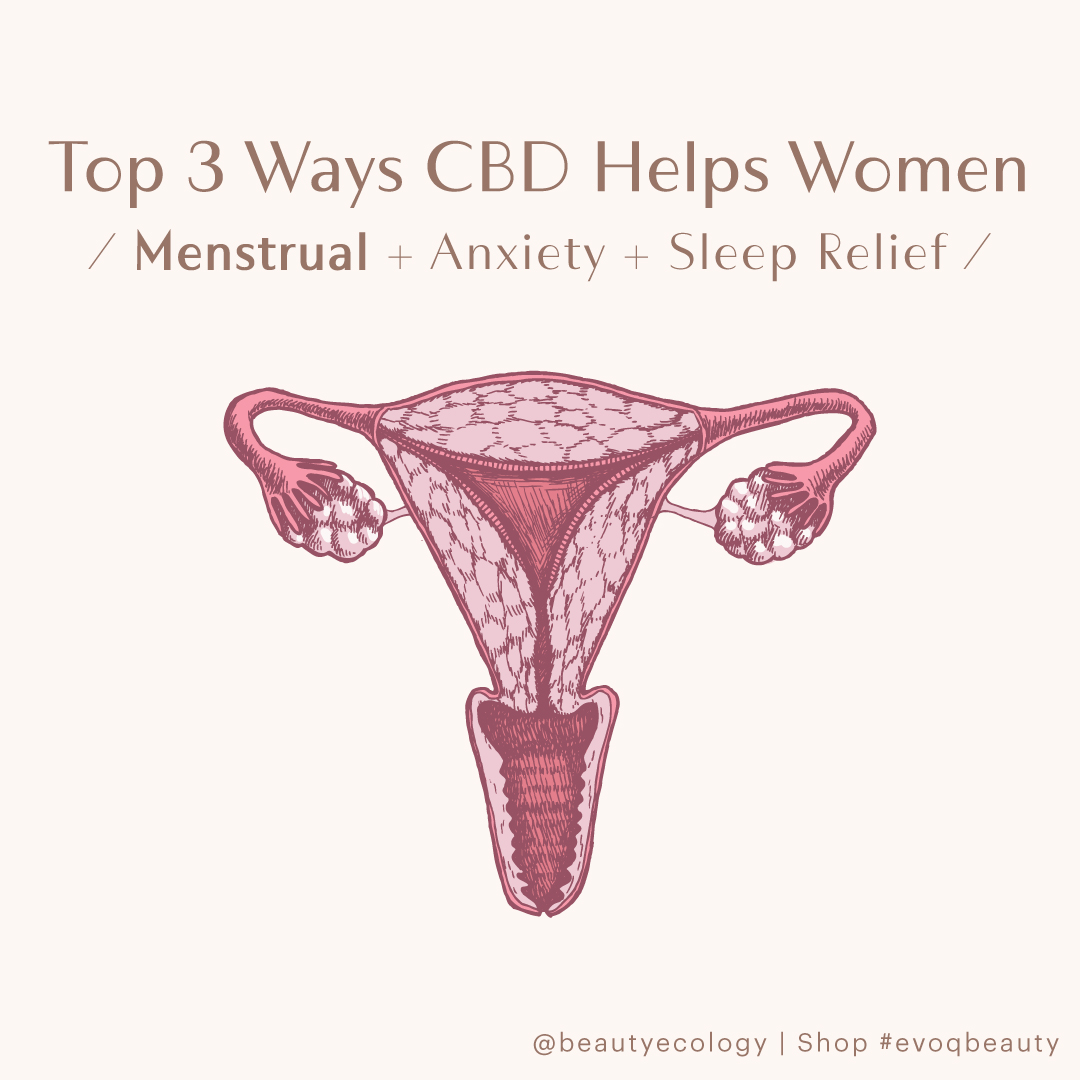
For some women, “that time of the month” can be a nightmare. I can’t tell you how many of my girlfriends have expressed a desire to “rip out their uterus” once that time of the month arrives. From cramps, irritability, lower back pain, pelvic pain, and more, a woman’s menstrual cycle isn’t always a welcomed week.

CBD and Cannabis can help relieve menstrual cramps, tame tension, and help tremendously with lower back pain. There are cannabis products specially designed for women by women that can bring comfort during their moon.  Cannabis tampons are totally a thing and can provide serious relief even for those who experience the worst cramps imaginable. You know, the ones that make you feel like you’re in labor instead of just on your period?

For Women in Legal THC States:
Taking a couple tokes of cannabis during those moments of extreme tension can also provide relief for women on their period. Microdosing marijuana during your period can help you stay balanced and tame the menstrual monster in your mind.

3 / Improved Sleep

354281_AnatomyCards1_IG4_020619.jpg

Suffer from insomnia?

Join the club. Women are twice as likely to experience insomnia than men, which is the most common sleep disorder that exists. Whether you have trouble falling asleep at night or wake up during the night and can’t get back to sleep, cannabis can help.

Cannabis and CBD, specifically sativa strains, can have a wonderful sedative effect. A 2013 study found that healthy marijuana users took less time falling asleep and had less difficulty falling asleep. A 1973 study showed that THC reduced the time it took patients with insomnia to fall asleep by over an hour on average.

Getting a good night’s sleep is paramount to a healthy lifestyle. Women who find they have trouble sleeping can find relief with weed, no nasty sleeping pills required.

Hope you enjoyed these factoids - and why it’s even more important to take care of ourselves. WE WOMEN make a mark on this world - now we have more tools to do it pain free, with less stress - and ENERGY.

Ready to give CBD a try? Find our organic, pure and GMO free tinctures here

XO Love and light, Kassandra

Debunking CBD & Skin Care Video Replay

Hi dear one!

As you know, I’m passionate about truth and transparency. As a skin care formulator, I’m weary of all the new “CBD skin care products” on the market. After formulating CBD rich topicals myself, I can analyze and recognize the watered down counterfeits on the market, and want the same for you.

So what’s all this jazz about CBD and skincare?

It’s ALL RIGHT HERE! Listen to this live webinar replay with Aliza, the CEO of Ellementa and yours truly.

**PS. Grab our 25% reduced price offer below for trusted, organic CBD.

Here are the cliff notes!

This awesome and informative video focuses on how CBD (cannabinoids) is a potent antioxidant, and when used topically- it is an easy, low-commitment way to bring new life support into your daily skin health routine.

Cannabis extracts are being added to skin and beauty products. Some of what is appearing on the market today is part of a trend, there are some ways cannabis – and particularly CBD – can be beneficial to you.

• Many products on the market contain Hemp Seed Oil and are now labeled as containing “cannabis sativa.” Technically, that is correct – Hemp is a version of the cannabis plant. But extractions from hemp seeds do not have the same properties as extractions of the hemp plant or cannabis sativa plant.

• Hemp Seed Oil benefits for skin include:
Contains linoleic acid and oleic acids, both helpful to skin health and can be taken internally
Reducing fine lines and wrinkles
Helping to prevent signs of aging
Good source of omega-3 and omega-6 fatty acids the help maintain healthy cells o Moisturizing/hydrating with protectant qualities via lipids/fats

• Products that contain Cannabidiol or CBD can be useful in reducing inflammation, swelling, irritations and acne and also preventing it.

• Terpenes found in cannabis can also be helpful to reduce inflammation. The terpenes known to have anti-inflammatory properties include: Caryophyllene, Alpha-pinene and Beta-pinene, Alpha-bisabolol (anti-irritation and analgesic properties), Humulene, and Myrcene. Linalool is an anti-microbial and antifungal.

• Cannabis and CBD can be used internally to reduce systemic-wide inflammation and address auto-immune conditions that present on the skin such as eczema, psoriasis and contact dermatitis.

• Topicals with cannabis or CBD can only penetrate a few layers of skin but can be useful to reduce inflammation that is closer to or on the skin’s surface.

• Transdermals are formulated to penetrate more deeply and can address bigger health issues that affect the skin including systemic inflammation and autoimmune disorders. Transdermals contain an “accelerant” to promote absorption and could include terpenes such as Limonene or Oleic Acid.

• Taking cannabis or CBD internally can address deficiencies in your Endocannabinoid system which in turn can promote healthier skin.

3 Takeaways

1. A healthy Endocannabinoid System can result in healthier skin and hair (scalp). Cannabis can nourish your ECS.

2. Topicals affect only a few layers deep into your skin – good for surface conditions.

3. Transdermals and taking cannabis or CBD internally can have address more systemic issues that could be affecting your skin.

3 General Tips

1. When using cannabis or CBD externally, do a patch test first to make sure you don’t have an adverse reaction. If taking internally: Start low, go slow.

2. Keep a journal of symptoms, what you try, and effects over time.

3. Look to address not just surface skin health but the underlying conditions that could be presenting as skin issues by taking a suitable cannabis product as a supplement as part of your regular health routine

Thanks for listening!


Shop Organic, GMP and ISO Certified Activated CBD today!

Evoq promises transparency and the highest level of ingredients that are consistent in every bottle.

Use the code “ AWAKEN “ for 25% OFF your first order!

GET YOUR CBD HERE!

About Your Hosts

bios.png

The May Tittie Committe [Thermography RSVP]

EARLY DETECTION MEANS LIFE

Join Us for our upcoming Thermography Screening Event May 31st

Details below | Share with a bosom buddy | RSVP

Breast cancer is the most common cancer in women, and the risk increases with age. Risk heightens when we have a close relative inflicted by this disease, in addition to women without children, and those who have had their first child after age 30.

However, in this fox trott TOX - ic world, we’re all at risk of developing cancer. Current research indicates that 1 in every 8 women in the US will get breast cancer in their lifetime.

Can we win? I believe WE CAN, and t’s all about awareness and prevention.

Learn more about Thermography and save your spot for this great opportunity - gaining sense of ease and empowerment at the same time.


WHAT IS THERMOGRAPHY?

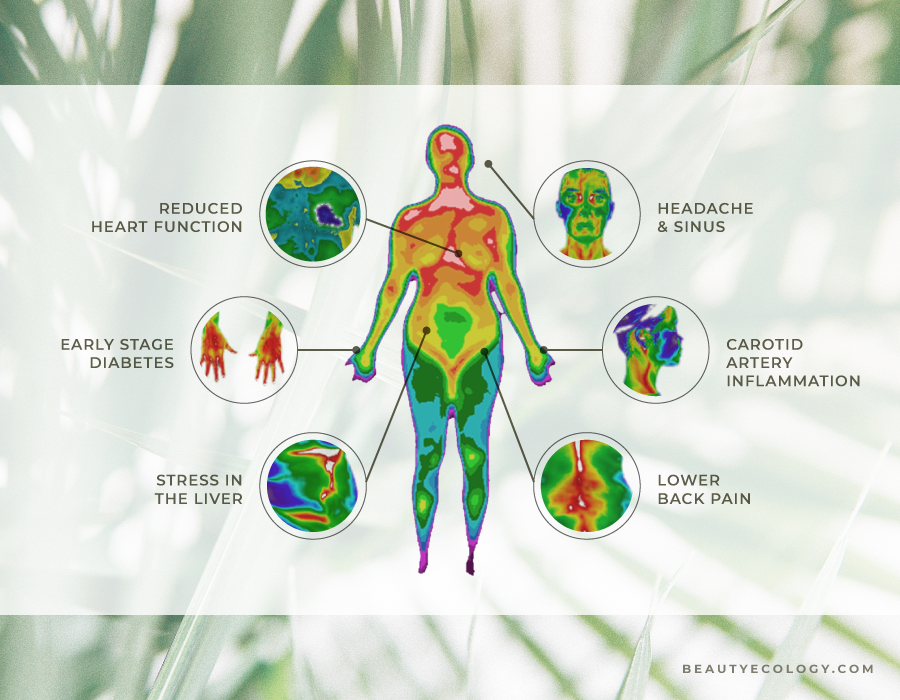
Thermograms are incredibly powerful and reliable for early cancer detection (and many other health nuances which you’ll see below).

Thermograms can be used for successful diagnosis, treatment, & prognosis.  They are completely painless, non-invasive and take less than 15 minutes for a thorough reading.

298782_ThermographyCampaign (3)_100418.png

MAMMOGRAMS VS THERMOGRAPHY


Unlike mammograms, thermograms emit no harmful ionizing radiation.  Mammograms are one of the more dangerous medical tools due to the very high amounts of ionizing radiation. Thermograms use infrared technology that is completely safe.

They also do not compress the breast tissue like mammograms.  This compression that takes place during mammograms can cause cancer cells to break off create a malignant spread through the bloodstream.

The use of Digital Infrared Imaging is based on the principle that metabolic activity and vascular circulation in both pre-cancerous tissue and the area surrounding a developing breast cancer is almost always higher than in normal breast tissue.

Infrared cameras and sophisticated computers detect, analyze, and produce high-resolution images of temperature variations, and may be among the earliest signs of breast cancer and/or a pre-cancerous state of the breast.

Since the absolute prevention of breast cancer has not become a reality as of yet, efforts must be directed at detecting breast cancer at its earliest stage.

298782_ThermographyCampaign (4)_100418.png

WHAT MAKES DIGITAL INFRARED IMAGING SO UNIQUE

While mammography, ultrasound, MRI, and other structural imaging tools rely primarily on finding the physical tumor, DII is detecting minute variations in normal blood vessel activity and may find thermal signs suggesting a pre-cancerous state of the breast or the presence an early tumor that is not yet large enough to be detected by physical examination, mammography, or other types of structural imaging.

Certain types of cancers will not be detected (approximately 20%) by mammography for various reasons, but some of these cancers can be discovered by DII.


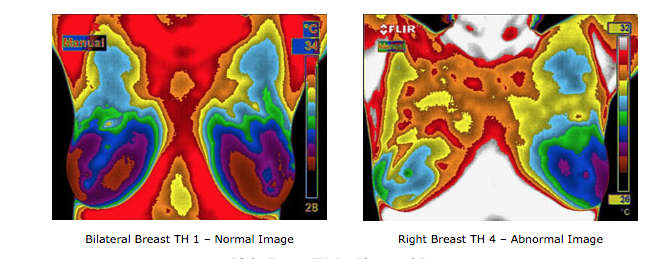
THERMOGRAPHY IMAGE EXAMPLE

Screen Shot 2018-10-02 at 11.18.26 PM.png

WHO REVIEWS YOUR IMAGE?
Rest assured, your image is digitally produced, and interpreted by qualified doctors. Abnormalities or changes in infrared images provide invaluable information. This is particularly true in patients with dense breasts, non-specific physical or mammographic findings, or women with a previous history of breast surgery or radiation.

BETTER TOGETHER? WHEN BREAST THERMOGRAPHY & MAMMOGRAPHY JOIN FORCES

Thermography does not replace mammography and mammography does not replace DII, the tests can greatly complement each other. Since it has been determined that 1 in 8 women will get breast cancer, we must use every means possible to detect cancers when there is the greatest chance for survival. Proper use of breast self-exams, physician exams, DII, and mammography together provide the earliest detection system available to date. If treated in the earliest stages, cure rates greater than 95% are possible.


IT’S NOT JUST ABOUT THE BOOB

OTHER REASONS FOR USING THERMOGRAPHY

thermography3.png
  • Arthritis: Thermography can help you detect early signs of arthritis -- and differentiate between osteoarthritis and more severe forms like rheumatoid. Effective early treatment strategies can then be implemented, before you experience further degeneration.

  • Neck and Back Pain: Thermal pain patterns ‘light up' white and red hot on a scan in the involved area. You can get relief faster and begin restorative care that more precisely targets the correct area.

  • Dental Issues: If you have TMJ, gum disease, or an infected tooth, this will show up on a thermal scan as white or red hot.

  • Sinus Issues & Headaches: Significant heat in your forehead or sinus region revealed on a thermal scan is an indicator that these systems in your body are not functioning properly.

  • Immune Dysfunction, Fibromyalgia and Chronic Fatigue: The immune system correlates to the T1 andT2 areas of your spine -- high levels of heat in that region can indicate immune dysfunction. On the other hand, chronic fatigue, fibromyalgia, and aching joints are just a few complaints that correlate to cool patterns seen at this area.

  • Carpal Tunnel Syndrome (CTS): This condition is often misdiagnosed. For instance, you may think you have CTS, yet the scan shows your neck is referring pain from a different affected area. This will help you get the most appropriate treatment.

  • Digestive Disorders: Irritable bowel syndrome, diverticulitis and Crohn's disease are often visible with thermography. If you're able to address these conditions early on, you'll find that health restoration is much more likely.

  • Other Conditions: Including bursitis, herniated discs, ligament or muscle tear, lupus, nerve problems, whiplash, stroke screening, cancer, and many, many others.


NOW THAT IS EMPOWERING! IF YOU’RE READY TO GRAB YOUR SAFE SCREENING……

end image (1).jpg

Next steps:

  1. Please email me directly at hello@beautyecology.com - Suggest times best for you from 2pm to 8pm.

  2. I will reply with available times for you to confirm.

  3. I will send you all Q/A information and how to prep for your thermogram.

  4. Cheers! All set. Please bring the forms when you come. You’re an incredible woman for taking your ownership of your health!


Screen Shot 2018-10-06 at 1.51.41 PM.png

FDA Disclaimer

The information on this website has not been evaluated by the Food & Drug Administration or any other medical body. We do not aim to diagnose, treat, cure or prevent any illness or disease. Information is shared for educational purposes only. You must consult your doctor before acting on any content on this website, especially if you are pregnant, nursing, taking medication, or have a medical condition.


How Removing These Key Food Items Can Offer Clear Skin + More Energy

Hi and welcome back!

Today we shine more light on the potential hidden dark side of certain foods that could be causing a myriad of symptoms we experience every so often, and even daily (fatigue). Miss the intro to nightshades? Get that here, or just review below!

I’m going to pose the possibility that a food reaction may be a culprit of fatigue,  bloating and skin flare ups. One culprit has hit the google stream as of late, so let’s focus on one of the most commons hidden food triggers, nightshades. Let’s explore what happens when the body “perceives” itself being attacked and it’s damage over time.

NIGHTSHADE CONNECTION TO COMMON SKIN REACTIONS
nightshades-eggplant-tomatoe.jpg

NIGHTSHADES CONNECTION TO COMMONS SKIN REACTIONS

Have you ever been on an elimination diet?  Even if you haven’t, many have at some point experienced how frustrating it is to figure out skin flare ups or fatigue based food triggers.

I think for many women, we seem to have pinpointed a problem only to discover it’s not what you think or you just opened the outer layer of an onion.

As a natural skincare formulator and having done my share of facials, I see firsthand how the rise of low grade inflammatory conditions affect women’s energy - and their skin.

Many women experience low grade puffiness due to water retention, eczema flareups to name a few, and the nutritional world is now connecting to nightshades as a often underlying factor for people with chronic inflammatory conditions.

In Fact: A very telling study from 2017 found that 52% of psoriasis sufferers saw an improvement by removing nightshades from their diet.

So with a conclusion of 50% of people suffering from really, a inflammatory response in the body, it’s a high enough number to test out what the triggers are by simply removing items from your diet.

What Are Nightshades?

  • Tomatoes

  • Tomatillos

  • Chili Peppers

  • Bell Peppers

  • Eggplant

  • Potatoes (not Sweet Potatoes)

  • Gogi berries

  • Huckleberries

  • Chili powders

  • Cayenne pepper

  • Paprika

  • Red Pepper Flakes

  • Tobacco

  • Ashwagandha (an adaptogenic herb)

  • Sorrel

  • Gooseberries (also known as Goldenberries)

  • Belladonna (typically found as a homeopathic remedy)

Why Are Nightshades Such A Problem?

Circling back, the primary reason that nightshades could trigger skin specific ailments and other symptoms are due to naturally-occurring phytochemicals called Lectins that are there to protect the food from its natural environment and pests.

The problem is, unlike pesticides, we cannot rinse them off because they grow within the plant.   

Other than Lectins, here are three additional tagalongs to look for:

  • Salicylates

  • Histamines

  • Glycoalkaloids (most notably Solanine)

Salicylates
Salicylates can certainly be tricky to identify. Many “prescribed” low-salicylate diets are give to calm eczema or atopic dermatitis. A salicylate sensitivity is a reflection of liver detoxification issues versus relation to the gut.

That means it’s not actually a food issue, but your liver struggling to process salicylates through Phase Two Detox.  For this phase its critically important to support the pathway with healthy fats and protein so the body can convert toxins - out of the liver channel.  

Histamines
As far as histamine is concerned, nightshade foods can create a higher histamine burden than your body can handle.  For myself, I also found bone broth consumption put me over the edge due to the slow ferment process.
High histamine responses often manifest into hives, itchiness, swelling, nausea, heart palpitations, elevations in blood pressure, anxiety, and other GI symptoms.

If you suspect histamines, I suggest adding support  so you can better breakdown of histamines in your diet by supplementing with the DAO enzyme about 10 minutes before eating every meal.

Glycoalkaloids

As far as the Glycoalkaloids like solanine, the information is newer to the nutrition and health community.  Dr. Gundry has done a incredible job of pointing out his one to one findings on all kinds of flares due to phytochemicals.

How Phytotoxins Breakdown our Inner Biology
jk.jpeg

He notes  glycoalkaloids —  much like lectins, are the plant’s first line of defense against bugs, viruses, bacteria, animals, and even humans, which might even cause digestive issues like vomiting, diarrhea, and severe abdominal pain.

They grip onto cholesterol in your body’s cell membranes. The cholesterol is there to strengthen your cell membranes so they’re less permeable to molecules that may want to pass through and cause damage to the cell.

Without cholesterol, your cell membranes wouldn’t be strong enough to keep out these molecules. It’s the perfect place for glycoalkaloids to strike because once the cholesterol is attacked, your cells could split or leak.

One of the things to note about glycoalkaloid toxins is that they take your body a long time to process — more than a day in some cases.

Removing the Triggers

Just the words “food elimination diet” harbors a feeling of fear and restriction. Suggestions here are meant for exploration so you can heal and feel better.

Removing too many items can lead to both micronutrient and macronutrient deficiencies and nightshades are not a problem for everyone.

Nightshade Reduction

To test out if nightshades and the three tagalongs of salicites, solanines and glycoalkaloids are an issue, try completely excluding them from your diet for 3 weeks. See if you notice any improvement in your health and skin. Nightshades can be hidden in the products, so read labels carefully. One biggy here fiding and staying clear of potato starch and spices.

BRIGHTEN YOUR DAY BY ELIMINATING NIGHTSHADES

There are great replacements for these foods, like avocado, Brussels sprouts, and Jerusalem artichokes. Here’s a quick guide on how to replace!

ightshade-Sensitivity.jpg

FREE your mind from restriction! Here’s great recipes free of nightshades!

Here’s 31 Quick & Easy Lectin-Free & Nightshade Free Snack Ideas

Tell me!

Have you tried eliminating Nightshades before and what was the result?

If you haven’t given it a try yet, are you considering this elimination?

Till next time ….. Love n’ Light! - Kassandra

Shedding Light on Nightshades + What You Need to Know

Hola Chica!

As naturalista’s, we often already play the role of our own health detectives out of the love for truth.

Have you ever had a trigger response from a food you’ve eaten? I know that when I eat gluten, or too much of one food type over time - I feel it! It may be a pleasure reward in the moment, but boy do I pay for it later.

Sometimes we have no idea where a ‘reaction’ comes from, nor does it always show up in your gut. Other common reactions can be foggy brain, insomnia and commonly - our skin.

There are common foods that cause allergies such as egg and dairy, but one heavy hitter the health industry is starting to recognize more than others are NIGHTSHADES and the active agitator within it called “Lectin.”

Later, I’ll help us connect the dots to how nightshades potentially affect our skin, but today’s dialog is breaking down the basics of new nutritional science I deem highly valuable to know for yourself, or someone you know.

STARTING WITH NIGHTSHADES
jk.jpeg

Nightshades are a family of plants known as Solanaceae. The family includes some pretty popular veggies like:

  • Potatoes

  • Tomatoes

  • Eggplant

  • Peppers (including bell, cayenne pepper, and paprika)

WHY NUTRITIONISTS SUGGEST AVOIDING NIGHTSHADES

Many health experts believe you should avoid the nightshade family altogether. Why? There are a couple of reasons.

THE ALKALOIDS

I’ve already mentioned an alkaloid called solanine. But nightshades also contain the alkaloids capsaicin and nicotine (yes, nicotine — tobacco is part of the nightshade family, after all). And all of these alkaloids may have irritating effects on the body.

Solanine has been linked to aggravated joint pain and inflammation. Though no scientific studies currently support this finding, The Arthritis Foundation reports that many patients do find this to be the case.

Nicotine is found in tobacco plants (also a nightshade family member) as well as these common nightshade vegetables. Amounts of nicotine in the veggies can range from 2-7 microgram/kg (a cigarette averages about 12 milligrams) but decrease with the fading of “green” coloring. So when a tomato ripens it does decrease in nicotine.

The bottom line with alkaloids is: Though they may not affect everyone, some people are very sensitive to them because they can’t digest them properly.

THE LECTINS

According to Dr. Gundry, lectins are toxic proteins found in certain plants.

Lectins are part of a plant’s natural defense system. The problem with lectins is:

  • They can bind to cells on your gut wall

  • Damage the gut

  • Preventing you from properly absorbing nutrients.


Lectins are found in their highest concentrations in legumes, grains, and — you guessed it — nightshades.

Research has begun to show that – though some people are more sensitive to lectins than others – lectins are:

  • Toxic, inflammatory, or both

  • Resistant to your digestive enzymes

  • Able to cause major discomfort if consumed in high concentration

BEWARE! LECTIN CONTENT IS MOST POTENT IN THE PEELS AND SEEDS

If you suffer from a leaky gut, an irritable bowel, or any other gastrointestinal sensitivity you should definitely think about cutting lectin-rich nightshades from your diet to see if you notice any difference.

THE SIGNS & SYMPTOMS OF A NIGHTSHADE SENSITIVITY

Nightshade sensitivity can be very similar to a host of other conditions but generally appear as:

  • Diarrhea

  • Heartburn / Reflux

  • Nausea

  • Irritable Bowel

  • Joint Pain and/or swelling

Get Started With THESE HEALTHY NIGHTSHADE FREE VEGETABLES
nightshades-eggplant-tomatoe.jpg

TUBERS

Funny word, I know. Tubers include sweet potatoes, yucca, and taro root. The sweet potato is particularly wonderful with health-promoting antioxidants like β‐carotene and anthocyanins — both of which have been shown to protect against certain health issues.

LEAFY GREENS

The following leafy greens are incredibly high in nutrients (like vitamins A, C, E, and K).

  • Romaine

  • Red & green leaf lettuce

  • Kohlrabi

  • Mesclun

  • Spinach

  • Endive

  • Butter lettuce

  • Parsley

  • Fennel

  • Seaweed/sea vegetables

CRUCIFEROUS VEGGIES

Like leafy greens, cruciferous veggies like the ones below are also high in important carotenoid-antioxidants (like beta-carotene, lutein, and zeaxanthin) as well as vitamins C, E, and K; folate; and fiber.

  • Broccoli

  • Cauliflower

  • Brussels sprouts

  • Arugula

  • Kale

  • Cabbage

  • Collard greens

  • Bok choy

AVOCADO

Hello chipotle or avocado toast (minus the gluten for me). Avocado is actually a fruit, but because it’s a first-class choice when it comes to gut-friendly veggies.

Avocados are full of healthy monounsaturated fats and soluble fiber. As well as plenty of vitamins, minerals, and antioxidants. Research has even found the avocado may also lower “bad” LDL cholesterol which is a huge contributor to cardiovascular diseases.

How to Test for Nightshade Sensitivity

The best way to test for a nightshade sensitivity is to go through an elimination diet. You’ll want to remove all nightshades from your diet (including culinary spices such as red pepper flakes, chili powder, and curry powder) and see if your symptoms resolve. If you do not experience any GI issues, fatigue, or joint pain after successfully removing nightshades from your diet, then you probably have a nightshade sensitivity.

So does that mean you can never eat salsa again? Not at all! The next phase of the elimination diet is the reintroduction phase. One at a time, you will begin to reintroduce each food you removed to test how your body reacts to it.

I suggest waiting two weeks before re-adding. Some people have only a very minor intolerance to nightshades, which means you may be able to tolerate some foods in the nightshade family depending on the amount of glycoalkaloids they contain

That’s it! Whether you sense a sensitivity, brain fog, digestive issues - or not, removing nightshades may be an interesting exploration.

Next I’ll dial in on how nightshades may be causing skin issues of all kinds.

I have to acknowledge just how frustrating it is to figure out triggers that confuse our inner health and outer skin issues.

Though nightshades can be an issue for people with chronic inflammatory conditions, the reason it affects skin isn’t so clear cut.

I’ll cover that in my next dialog with you.


Thanks for informing yourself, beaute! Questions? Contact me at hello@evoqbeauty.com.

Love n’ Light,

Kassandra


The 7 Top Signs of Omega-3 Deficiency

Hello lovely!


We often hear about healthy fats, for our skin, a better brain and heart health. I also previously wrote about how Omegas are the SINGLE MOST MOLECULAR COMPOUNDS we make our own endocannabinoids from to keep us in balance and optimal health.

If you don't get enough of these key fatty acids in your diet, it can lead to various health concerns including poor sleep, dry skin conditions, and even an increased risk of heart disease.


The 5 Key Triggers of Female Hair Loss (and a natural solution 2x's more powerful than minoxidil).png

So with this in mind, let’s COVER OUR BASES. In most cases, deficiencies can easily be fixed by making simple changes to your diet and lifestyle. Here are the seven most common signs that you may be lacking in omega-3:

Common symptoms of omega-3 deficiency, plus the healthy fats you should be eating

1. Dry skin

One of the secrets to youthful and hydrated skin is omega-3 fats, which can be found naturally in the cell wall structure. But the more deficient you are, the drier your skin will be. Omega-3 also helps the skin to absorb healthy nutrients and expel waste products that are harmful, resulting in healthy looking, glowing skin.

2. Lifeless hair

The same omega-3s found in the cells of your skin can also be found in hair follicles, making it an important nutrient for lustrous, glossy hair. Omega-3 fats nourish the hair, support hair thickening and also reduce scalp inflammation that can lead to hair loss.

If you are vegetarian or vegan and think you might be deficient in omega-3, eat plenty of nuts and seeds, vegetable oils, beans, soy products and leafy green vegetables, and consider taking an omega-3 supplement.

3. Brittle nails

Soft, peeling and brittle nails are all outward signs something in your body isn't right. It could be an omega-3 deficiency. Many studies have shown that omega-3s from animal sources, such as fish oils are easier for the body to absorb versus plant based ones, so incorporate oily fish into your diet if you can.

4. Insomnia

A study from the University of Oxford found that people with higher levels of omega-3 experienced better quality sleep. However, I always advise people to take omega-3 supplements in the morning, and not at night, as they can keep you awake if taken too close to bedtime!


5. Poor concentration

If you don't eat a lot of oily fish, or take omega-3 supplements, there's good chance you may experience poor concentration. Many people have experienced significant improvements in their concentration by simply ensuring they get a daily dose of omega-3.

6. Fatigue

Regular fatigue can have many causes, but there is no doubt that a deficiency in omega-3 could be one of them. According to the University of Maryland Medical Centre, fatigue is a common symptom of an underlying omega-3 deficiency, and so boosting your diet with fatty oils could help to increase your energy levels.

7. Joint pain

Omega-3 fatty acids derived from fish oils are powerful anti-inflammatory agents - this is what makes them so important for people living with joint pain. Making sure you get enough omega-3 might stop the process that destroys tissues and joints, which causes the initial inflammation.

So there you go! My favorite fats are avocados, white fish and salmon and nuts. What are yours?

Love n’ light - Kassandra


Resource: Harpers Bazaar

​How Your Body Boosts it’s Own Endocannabinoid’s (CBD free calming bio-hack)

`````

Screen Shot 2019-04-01 at 1.33.20 PM.png

THE ALPHA & OMEGA

to keeping a health ENDOCANNABINOID SYSTEM.

Hey Hey!

As you know, I'm all about helping you better connect your beauty + biology.  So to lay the ground work for this important article, I think it's critical we each know how we produce our OWN endocannabinoids. The ”cannabinoids” are the healing support agents from phytocannabinoids in CBD in the market.  

What to know: Cannabinoids do NOT just come from CBD. There's a critical piece for you and your underlying biology to make this mind + body + beauty saving compound. 

From the Beginning

Shortly after the first cannabinoid was isolated from the cannabis plant, scientists discovered that the human body produces similar substances on its own. These substances are now known as “endogenous cannabinoids.” Not only do humans produce their own cannabinoids, but they also have receptors designed specifically to recognize and respond to the endogenous cannabinoids produced. Together, the body's endogenous cannabinoids and the receptors that bind with them form the endocannabinoid system. This system is responsible for a number of functions within the human body, such as maintaining homeostasis.

How it Works

The body's endocannabinoid system relies on the natural production of endogenous cannabinoids in order to function properly. In order to produce the proper amount of endogenous cannabinoids, the body requires a sufficient amount of Omega-3 fatty acids.

Omega-3 fatty acids are the precursor to endogenous cannabinoids. If they are in short supply, the body will not be able to manufacture the amount of endogenous cannabinoids it needs to maintain a healthy endocannabinoid system. In addition, Omega-3 fatty acids are also essential to the health of other components in the endocannabinoid system. For example, these compounds facilitate the growth and healing of CB1 receptors, which are required in order to process cannabinoids of any type. Furthermore, Omega-3s are important for the overall health of brain cells in general.

Omega-3 Deficiencies

The 5 Key Triggers of Female Hair Loss (and a natural solution 2x's more powerful than minoxidil) (1).png

If your diet doesn't contain a sufficient amount of Omega-3 fatty acids, your body may be unable to produce the proper amount of endogenous cannabinoids on its own. In addition, because Omega-3 fatty acids grow and repair your CB1 receptors, the cannabinoids your body does produce may not affect the endocannabinoid system as strongly as they should. For this reason, it is important for everyone to eat a diet high in Omega-3 fatty acids. Not only are these compounds important for the endocannabinoid system, but they also promote human health in general by boosting fertility, lowering cholesterol, lubricating the joints, protecting vision, improving heart health and providing a number of other important benefits.

Endocannabinoid Deficiency Syndrome

Unfortunately, modern diets do not always contain the nutrition required to maintain the endocannabinoid system properly. In cases where nutritional deficiencies or other problems are causing the endocannabinoid system to fail, a person may develop a condition known as “Endocannabinoid Deficiency Syndrome”. This can lead to a variety of symptoms and related conditions, including irritable bowel syndrome, fibromyalgia, migraines and more.

ECS Tone Treatment Options

If you are suffering from Endocannabinoid Deficiency Syndrome, you may be able to improve your condition by increasing the amount of Omega-3 fatty acids in your diet. This will help to heal your CB1 receptors, facilitate the growth of more receptors and increase the amount of endogenous cannabinoids your body produces.

It may also be helpful to supplement your body's endogenous cannabinoids with cannabinoids from external sources, such as CBD Cannabidiol. Taking a cannabidiol supplement will increase the concentration of cannabinoids in your body, thus leading to a more efficient and effective endocannabinoid system.

Head over to Evoq Beauty and purchase our everyday Clean Calm and Connected CBD oil to give your ECS a boost.

SHOP ORGANIC CBD

How Your Lifestyle Accelerates Aging & Affects Skin Health [tips + science inside]

In my previous article, I noted that our body’s biological system is influenced by our genetics. In fact - science proves that 80% of our health state is from the daily choices and our direct environment. The other 20% is hard coded. This should come a a great relief (and a little pressure of course).

Why does our skin ages and what we can do about it?

Aging occurs because of two different factors: intrinsic and extrinsic. You don't have much control over intrinsic factors, which are influenced by your genes, ethnicity, and certain medical conditions. But there is a major upside because you can have a huge impact on your extrinsic factors like UV exposure, stress, smoking, nutrition and lifestyle choices, which are major contributors to the aging process.

How do these extrinsic factors contribute to aging? All of them can generate the trifecta of reactions that create fines lines, wrinkles, and skin sag: oxidation, inflammation, and glycation. When you combine these three things, you hit the jackpot for premature aging.

Below we get one to one on terminology, how it affects our fundamental biology, and how to integrate lifestyle and nutritional habits to assist healthy aging and brighter skin.

Screen Shot 2019-04-06 at 12.05.27 PM.png

Oxidation

394143_IGStories_Set2_Oxidation_032019.jpg

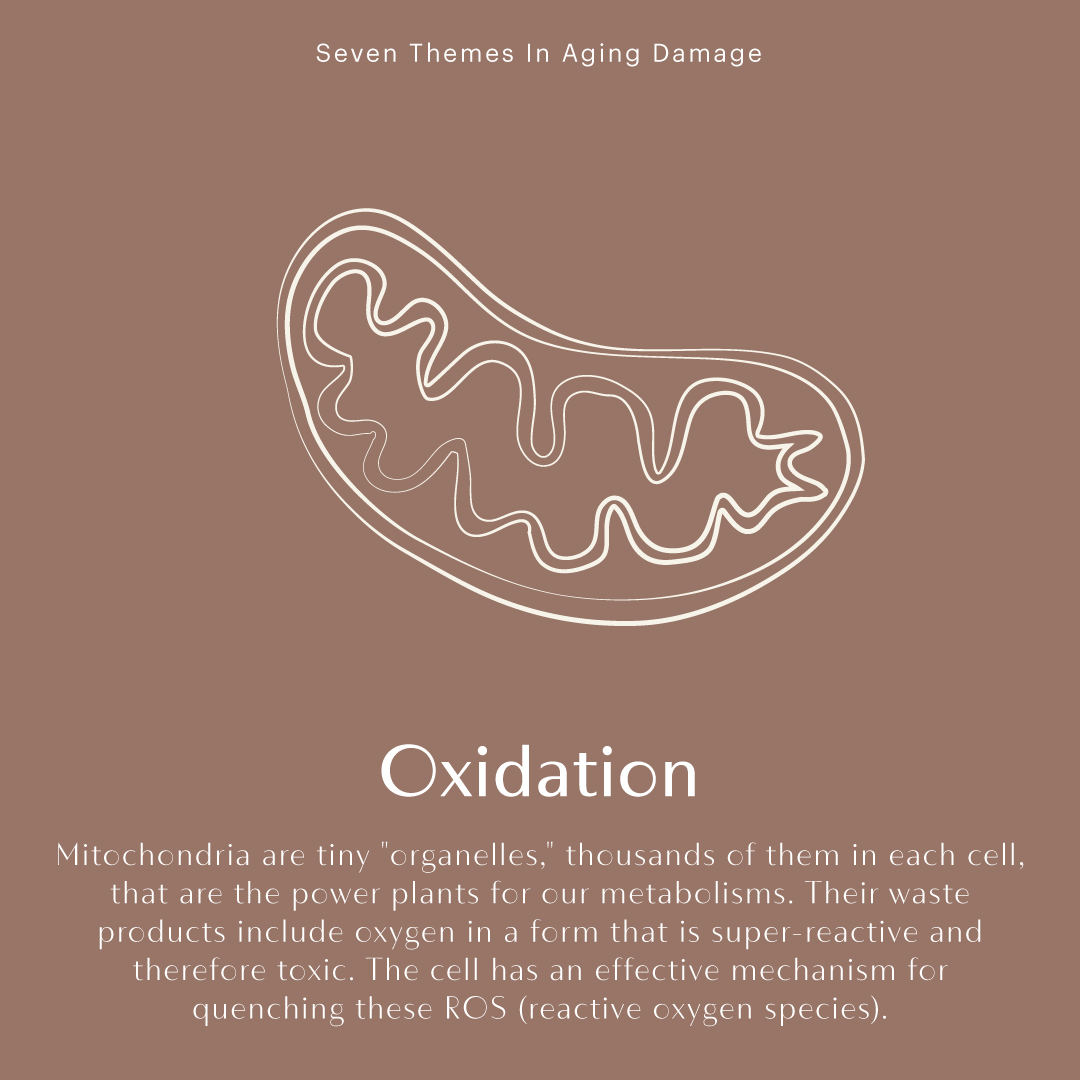
Mitochondria are tiny "organelles," thousands of them in each cell, that are the power plants for our metabolisms. Their waste products include oxygen in a form that is super-reactive and therefore toxic. The cell has an effective mechanism for quenching these ROS (reactive oxygen species).


Insulin chemistry

394143_IGStories_Set2_Insulin_032019.jpg


The body gradually loses its ability to respond to insulin, and poisons itself with excess blood sugar.

All the food you eat gets converted into glucose, which is the simplest form of sugar that your body can use for energy. Foods containing more sugar—think packaged cereal, crackers, sauces as well as foods that are more readily converted into sugar like refined carbohydrates—can flood your system with glucose.


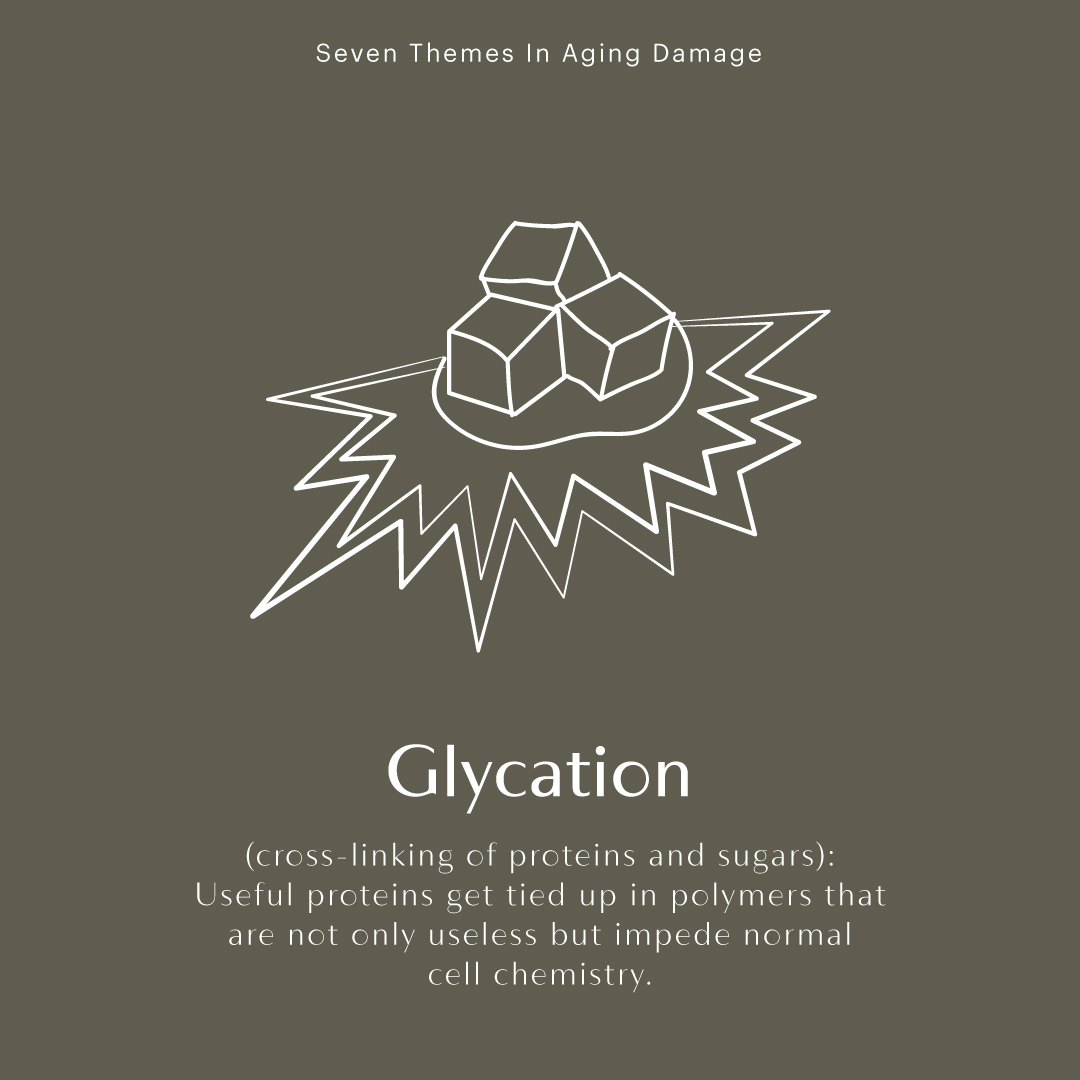
Glycation (cross-linking of proteins and sugars)

394143_IGStories_Set2_Glycation_032019.jpg

Skin + Glycation

When sugar combines with protein or fat in the bloodstream, the result is the formation of harmful compounds called advanced glycation end products (also knowns as AGEs). AGEs can be formed spontaneously in the body or they can be formed in foods like fried foods and highly processed products like red meat, margarine, nuts, and butter. Cooking methods using high temperatures—like frying, grilling, and toasting—can also contribute to AGEs formation.

In your skin, AGEs are formed with collagen and elastin causing these fibers, which are integral to a supple and youthful appearance, to become stiff, inflexible, and prone to breakage. Translation: Your skin becomes less elastic, wrinkled, saggy, and more vulnerable to sun damage.


Inflammation

394143_IGStories_Set2_Inflammation_032019.jpg

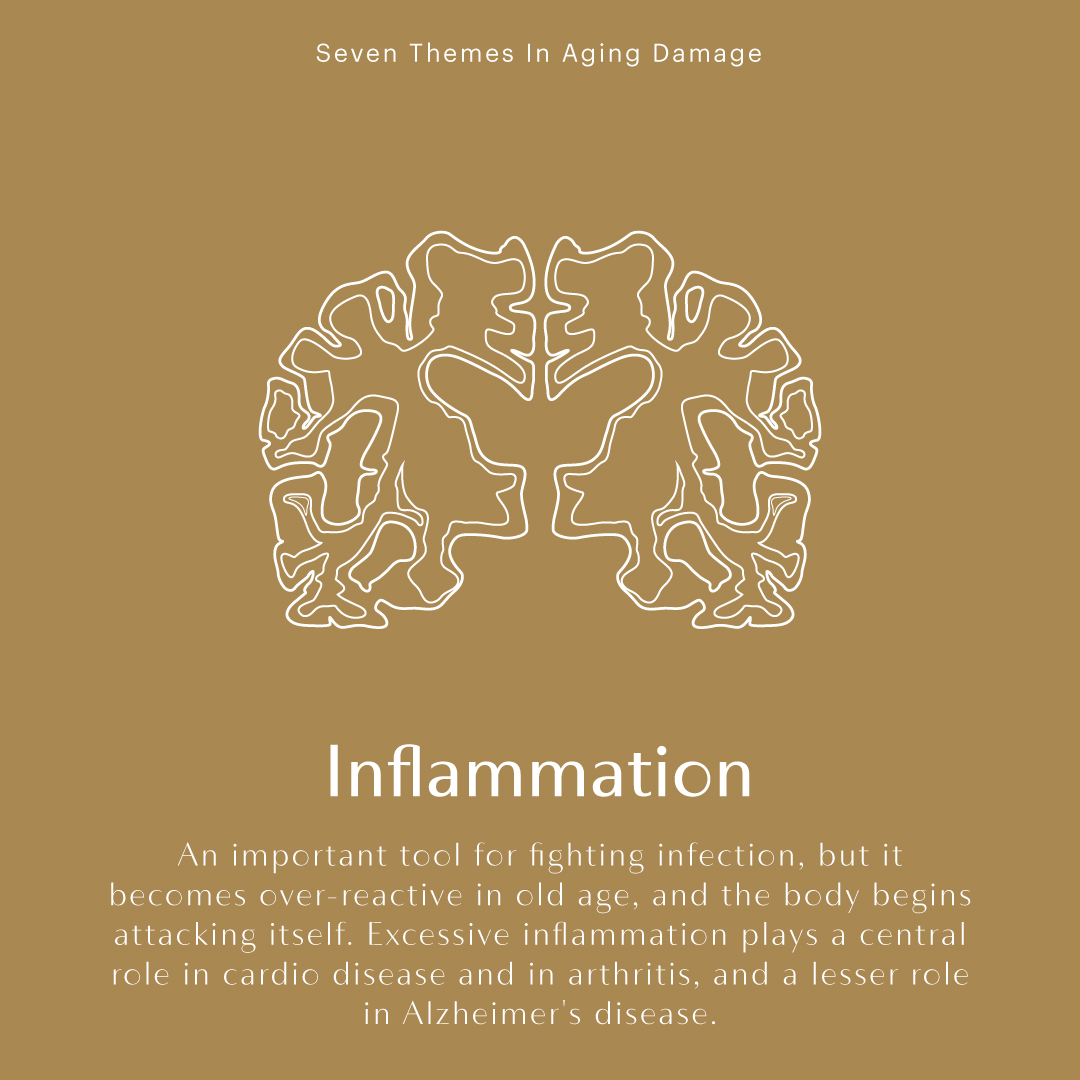
An important tool for fighting infection, but it becomes over-reactive in old age, and the body begins attacking itself. Excessive inflammation plays a central role in cardio disease and in arthritis, and a lesser role in Alzheimer's disease

Skin +Inflammation: Your body is on a roller coaster of high and low blood sugar spikes and labile insulin levels, which can lead to skin sag, inflammation, and chronic disease. Chronic inflammation is at the root of chronic disease systemwide and your skin is no exception. Inflammation can worsen rosacea, psoriasis, and eczema and can also weaken the collagen and elastin in your skin over time, leading to skin laxity, poor wound healing, and uneven tone and texture.


Apoptosis

394143_IGStories_Set2_Apoptosis_032019.jpg

A term for programmed cell suicide. Cells are programmed to die when they are unhealthy or when they become cancerous.

But there is evidence that in old age, healthy cells undergo apoptosis as part of the body's self-destruction program.


Telomeres & Replicative Senescence

394143_IGStories_Set2_Telemoeres_032019.jpg

All cells have built-in counters called telomeres tacked on to the end of each chromosome. With each time the cell reproduces, the telomere becomes shorter, and eventually the cell to stop reproducing.

Longer telomeres have longer life spans.


De-methylation

394143_IGStories_Set2_DeMethylation_032019.jpg

With age, DNA loses methyl groups that control gene expression, and as a result genes are expressed in the wrong place at the wrong time.


Let’s recap with some final tips!

Addressing Cellular Health by Eating for a Youthful Glow ….

So in closing, there are a lot of things in our food supply and environment that threaten our skin health, cellular health and our overall mood and appearance. Focusing on certain foods can make a huge ( all the ) difference.

1. Antioxidant-rich foods

Eating foods rich in antioxidants like tomatoes (lycopene), berries (polyphenols), dark leafy greens (Vitamin E), and spinach (carotenoids) can limit damage caused by free radicals and AGEs. Pair your meal with a few cups of green tea (catechins) and coffee (caffeic acid) for an added boost.

2. Anti-inflammatory foods

Adding in foods rich in carotenoid plant compounds like lycopene (tomatoes, watermelon, and guava), lutein (pumpkin, pistachio, dark leafy greens), and zeaxanthin (parsley, kale, egg yolk) will give you an anti-inflammatory and antioxidant jolt. Foods rich in zinc, selenium, and copper like lentils, eggs, dark chocolate and almonds are also vital to the formation of collagen and elastin and help decrease inflammation.

3. Anti-glycation foods

Foods that limit rapid, sharp spikes in blood sugar can help limit AGE formation. So can utilizing cooking methods using low temperatures and water-based moisture like steaming, poaching, and stewing.

Apples, asparagus, figs, celery, green peppers, cauliflower, and onions have been shown to combat the process of glycation as they are rich in phytonutrients, beneficial compounds, including rutin, quercetin, and luteolin.

Adding in high fiber vegetables like artichokes and broccoli, as well as herbs and spices including cinnamon, ginger, turmeric, garlic, sage, thyme, and fenugreek can help keep blood sugar levels steady and block collagen-damaging AGEs.

The best part of all of this is that these foods can be used in so many delicious recipes. Protecting your skin doesn't mean only eating bland, boring food. So bon appetit and cheers to long-term skin health.

Hippocrates is famously quoted for saying, "Let food be thy medicine, and medicine be thy food," but I would argue that food can be the fountain of youth, too.

Love n Light - Kassandra

// User Icon Setting (may be set to BLACK, WHITE or NONE):