Hormonal Balance for Gorgeous Skin: TC Natural Awakenings Magazine Feature

d215b6e8ea88527fe3dd91ad2d4e3cae.jpeg

Hormonal Balance for Gorgeous Skin

Kassandra Kuehl

Kassandra Kuehl

When hormones are balanced, the result is a clear, radiant complexion. Many of us, however, are plagued by dull, dry and sagging skin and conspicuous skin markings, or wonder why we suddenly have more acne than we did as teens. When this happens, there’s a good chance that we are grappling with some type of hormonal issue. To better understand what the skin says about hormonal health, read on.

Acne

Testosterone dominance is usually the culprit in those pesky blemishes that haunt us well into adulthood. The role of testosterone in acne is twofold: it increases sebum production and skin-cell turnover rate, making it easier for blockages to form around the follicle opening. To combat acne, choose a gentle cleanser that won’t strip the skin.

Dryness

Several hormonal factors can contribute to dry, flaky skin. One of the most common is a drop in thyroid hormone production, causing the epidermis to become thick and scaly. To keep skin moist, use pure, cold-pressed fatty acids and antioxidant-rich oils.

Sagging and Wrinkles

Several studies have highlighted estrogen’s anti-aging effect on the skin. Falling estrogen levels reduce the production of hyaluronic acid, which keeps skin supple and taut. Collagen synthesis also comes to a halt with reduced estrogen levels, further compounding the issue. To keep skin firm and wrinkle-free, use moisture-rich serums containing pure hyaluronic acid.

Melasma

Characterized by brown patches of skin on the face, melasma is common in women struggling with estrogen dominance. This is because an abundance of estrogen stimulates the production of melanin, the chemical that gives the skin its pigment. To combat melasma, it is important to wear a natural form of SPF every day and adopt a skin-care regimen designed to control hyperpigmentation.

Incorporating a skin-care routine that uses pure, gentle, natural ingredients is an essential element in combating hormonal skin issues. Yet, for a truly powerful approach, some skin-care specialists can combine proper skin care with functional lab tests to assess hormonal status and modify dietary and lifestyle choices accordingly.

Kassandra Kuehl is the founder of Kasia Organic Salon, located at 822 W. 50th St., Minneapolis. Kasia Organic Salon is a pioneer of healthy beauty and is an authority on 100-percent natural products and services. For more information, call 612-824-7611 or visit KasiaOrganicSalon.com.

This article appears in the May 2013 issue of Twin Cities Natural Awakenings


The MANY Benefits of Protein Pack Bee Pollen and Smoothie Recipe!

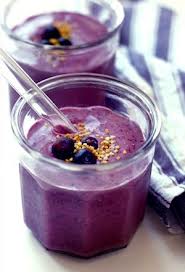
Smoothie Recipe Key Beauty Ingredient:  Bee Pollen Benefits of Bee Pollen:  With signs of spring buzzing all around, it seemed appropriate to introduce the natural beauty powers of bee pollen. Considered one of the richest and purest natural foods ever discovered, bee pollen has incredible nutritional and medicinal value.

The pollen is actually the food of the young bee and contains a whopping 40% protein. It also contains a complete spectrum of amino acids, vitamins, minerals and enzymes. A teaspoon a day will fill you with an extremely high amount of antioxidants which we love for beautiful and health skin, by preventing free radicals that are produced from stress, chemicals and toxins from our day to day lives. Local bee pollen is also known to prevent seasonal allergies—you can bet I’m taking my daily dose I picked up at the farmer’s market!

Buzzing Bee Pollen Smoothie Directions:

images-2

Fill blender with…

  • 8 oz unsweetened almond milk
  • 2-3 handfuls organic purple kale
  • 1 tsp bee pollen
  • ¾ c frozen organic blueberries
  • ¼ avocado
  • 1 tsp chia seeds
  • 1 tsp ground flaxseed
  • local raw honey to taste

Blend ingredients until smooth and enjoy your Buzzing Bee Pollen Smoothie.


Kasia's Seal of Approval:  Premier Research Labs Classic Pollen

Ancient Super Nutrition for Super Health & Longevity

  • Support for endurance, strength, stamina*
  • Support for mental clarity*
  • Immune competence support*
  • Reproductive system support*
  • Advanced anti-aging support*
  • Pure Veganbee pollen
  • 100% Raw
  • Manufactured in a GMP Registered facility for superior quality assurance

The outstanding benefits of pollen have been documented through centuries of use: endurance, strength, stamina, mental clarity, immune competence, reproductive system support and advanced anti-aging*

Bee Pollen contains 18 vitamins, carotenes, 56 minerals, all 22 essential amino acids, over 5,000 enzymes, polysaccharides and simple sugars, nucleic acids and 15% lecithin (different from soy lecithin) that is especially good for brain development.
This is an alkaline food that is considered by many to be one of the most complete food sources found in nature. Bee Pollen is loaded with antioxidants, it is a hormonal booster and increases strength, endurance, energy and speed. It reduces the presence of histamine, thus ameliorating many allergies. It is the most powerful ojas building food as it is the concentrated semen of the plant world. For all these reason, this superfood was known to the ancient Greeks as "the food of the gods".

In our opinion, this wild pollen source is unquestionably, the freshest, cleanest, most alive source of bee pollen:  it is a genuine Super Nutrition from the most remote northern Canadian territory (not the typical, rancid, pesticided, "off-tasting" pollen which can actually be a toxic stress).

 YUMMY!

Contact Kasia Organic Salon for the BEST Source of Bee Pollen on the market.  kassie@kasiaorganicsalon.com.images-3

References:  organicbeautytalk.com and Premier Research Labs

Ageless Tip: Keep Your Hair Looking Youthful

ecd50b3d6f61fbb5c5ae346d9113a256.jpg

blonde hair

As women stock up on the latest BB Creams and peptide creams, we all know what happens to skin as it ages. But did you know that your hair has also been suffering. As a creator myself, I am aware of the fury of anti-aging haircare products have emerged  to help keep your locks looking as fresh as your freshly washed complexion.  


At birth, everyone has between 100,

000-150,000 hair follicles, and each of these follicles goes through a three-part life cycle.

The Life Cycle of Hair

  • The first phase, the hair grows out and the bulb at the root is at its plumpest.
  • Next, the bulb shrinks before falling out.
  • Thirdly, the hair goes into dormancy.
  • The card women play of "I am getting to be a certain age,"  really is true due to the fact that the  the final phase lasts longer.  At Kasia Organic Salon, the number one complaint as people get older is thinning hair.  With our ammonia free hair color line and gentle products, we combat and restore hair   that has a tendency to lose its softness, shine, and pigment over time.

nutritionHidden Culprits

  •  Hormonal changes certainly accelerates hair loss.
  • External factors such as stress
  • Excessive styling can contribute to age-related hair thinning.
  •  Did  tou know?  You hair is part of your body’s metabolic system.   Drink 1/2 your body weight in water  per day  to hydrate the bulbs of your hair.
  • Dietary deficiencies such as low iron, EFA's, vitamin B12, or zinc levels can lead to hair loss.

Ways to Fight Back


At Kasia, our knowledgeable staff and our natural products are centered towards assisting the growing demands of our guests haircare in all stages of their life. For example, women over the age of 40 tend to wash their hair much less.  They also color more often, which leaves the cuticle dry and brittle.  We help our guests with their hair and skin needs  in a personalized way with professional grade color and every day product maintenance.

Kassandra Kuehl is the founder of Kasia Organic Salon. Kasia Organic Salon is the pioneer of healthy beauty that delivers results to fit your lifestyle, because only Kasia is the authority in 100% natural products & services.  Visit www.kasiaorganicsalon.com and become an “Informed Beauty.”   


Expert Tips from Kasia: Men's Hair & Current Trends 101

19ea871468b44e7cbd91347e686fcd77.jpg

Kasia's own Valerie  is a lead gal on executing men’s hair at Kasia Organic Salon, so we thought we’d check in with her to talk about current trends, favorite product and what makes a man G-Q.


mens cut

What do you love about cutting/grooming guys? I love being able to customize a style according to my male clients’ face shape, lifestyle and personality. Mens cutting and styling is all about shape and tailoring their hair to suit their individual features.  For example, this may mean graduating a fade around the temples to expose the eyes more or creating volume on the top to detract from a thicker jaw line.  Personalization is where transformation happens.

What are some current popular styles for guys?Everything from short crop modified "faux hawks,' side parts with a tapered longer side  - to -disconnections with short tapered sides with longer tops worn wavy or sleek.   Texture and volume is loved just as much by men, than their lovely ladies.   Facial hair is also playing a big part in spring/summer trends.

How do you approach cuts for your male clients? From my training at Kasia Organic Salon, I utilize barbering along with free hand techniques so that none of my males haircuts look the same.  My current haircutting techniques master a shape that suits the individual’s style.

Men that get services at Kasia comment on the longevity and ease of style!

Do you have a favorite product for guys?   Our John Masters Vanilla Bourbon Texturizer   can be used in a variety of ways. I use it for creating that soft textured look.  I also recommend finishing with a bit of hairspray to set the style.  No Grease - No Fuss - and No Build Up!


To reach Kasia Organic Salon for your updated and individualize haircut, call 612. 824. 7611 or email us at kassie@kasiaorganicsalon.com to request an appointment for you - OR YOUR G-Q HUNK!

Five Hidden Causes of Yeast Infections

This may not be an ordinary blog post by Kasia, but as you know - our passion is to INFORM bueaties!  Yeast infections are insidious, and with my health coaching experience, a MASS majority of woman have existing yeast levels that go un-addressed and are fed daily through our nutritional choices. 
From periods to pantyliners, we reveal the hidden causes of these itchy and annoying infections.

 yeast

Yeast grows naturally all over your body, but it especially loves dark, damp nooks and crannies, so it’s often found in fat folds, armpits and, of course, vaginas. “Wherever there is sugar or carbohydrates (which the body has), the yeast will feed on that.

It’s actually a myth (or a pipe dream) that we can stamp out the yeast forever. “We don’t ever entirely rid our bodies of yeast,” explains Dr. Booth. “What we do is we keep it in check.”

That’s done with probacteria, especially acidophilus, which creates an acidic environment that yeast doesn’t like. When acidophilus is running low or sugars are running high, the yeast gets a leg up and starts to multiply.

Three out of four women get at least one yeast infection in their lives; nearly half have two or more; and about five percent of women get four or more in a single year. “When it keeps coming back, it’s almost always that something is wrong with the [body’s] defense,” says Booth. “There’s not enough acidophilus, too much sugar or a resistant variety of yeast infection.”

Most women can tick off the well-known causes of yeast infections: antibiotics, douches, weak immune systems or tight clothes made from barely breathable fabrics. But there are other, hidden causes that can also be common culprits:

1. Your estrogen is low. When you go through puberty, estrogen plumps up your vaginal tissues using a starch known as glycogen. Yeast loves glycogen, and without estrogen, they’d be all over it. But fortunately for us, estrogen feeds acidophilus, keeping the yeast at bay. Right before your period, though, your estrogen levels dip, and while they’re low, the yeast starts to grow. Symptoms tend to crop up right before your period shows up, but estrogen spikes again post-period to help even the score. “A lot of women will say that they get symptoms right around their period that later go away,” notes Booth.

If you tend to get hormonal yeast infections, then in the week before your period, Booth suggests doubling up on probiotic supplements, avoiding sugar or extra carbs and eating more yogurt or unsweetened kefir (a liquid European yogurt with plenty of acidophilus). “I think prevention is best, rather than treatment,” says Booth. “We need to think of keeping ourselves in balance so we’re not symptomatic.”

2. You eat too much sugar. Remember Booth’s mantra: “Wherever there’s sugar, there’s yeast.” Blood sugar spikes mean that a lot of glucose is running around in your system, which is like a dinner invitation to yeast. Sweets are one culprit, but plenty of healthy-seeming diets can be sugary traps. Eating a lot of fruit, juice or high-carb foods can cause blood sugar spikes, especially in the morning when your blood sugar is low. “The kind of morning diet that causes a jump in blood sugar can stimulate the yeast to take over,” says Booth.

Adding coffee to a sugary breakfast just makes matters worse. The caffeine causes blood sugar to surge even faster, which makes for some really happy yeast. “When you combine caffeine with sugar, the yeast basically has a party and takes over,” says Booth. Instead, she recommends starting your day with plain yogurt sprinkled with almonds, cinnamon and a dash of vanilla extract. “Anything to stabilize blood sugar so as not to feed the yeast,” she says.

3. You wear pantyliners. If you don pantyliners to keep your undies pristine, your efforts are probably backfiring. “Pantyliners cause a low-grade irritation that can decrease the skin’s immunity,” explains Booth. “When our defenses go down, we get more symptomatic.” Yeast also loves environments with little air, so the synthetic fibers in pantyliners that block airflow make yeast feel right at home. Cotton panties with no liners are a much better bet. By the same token, scented or synthetic tampons can also irritate some women’s ultra-delicate tissue, so try an unscented, cotton tampon if you tend to get frequent infections.images-1
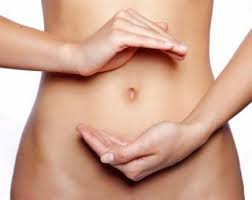
4. You have vaginal eczema. When we think of eczema’s scaly, itchy rashes, we usually think of it cropping up on our arms or legs, but it can show up on the vulva and vaginal tissues, too. “That causes chronic inflammation and irritation, so some people can develop yeast infections,” says Booth. If that’s the case, talk to your gynecologist about treating the vaginal eczema and the yeast issue should clear up.

5. You use spermicidal condoms. The active ingredient in most spermicides is nonoxynol-9, which is not the gentlest substance. “If the spermicide is irritating for the woman, then that will disturb her vaginal immunity and allow [yeast] to take advantage,” says Booth. That means spermicide creams, jellies, foams, gels, films and suppositories can all be problematic, along with diaphragms, which are usually paired with spermicidal creams, jelly or gels that can cause irritation. If you suspect that spermicide is behind your yeast infections, talk to your gynecologist about spermicide-free protection options.

Contact Kassandra for questions about how changes in diet and added supplements can help.  

Reference: YouBeauty Read more: http://www.youbeauty.com/health/four-hidden-causes-of-yeast-infections#ixzz2Qdp9DaoH

Having an 'Old' Hair Day: The New Anti-aging Complex

PJ-BN535_HAIRAG_G_20130403215116.jpg

  As women, we are aware of the mighty combat of aging when it comes to our skin, but are we aware of those same effects in our hair?    At Kasia Organic Salon, we offer custom products that include various anti-aging creams, serums,  and treatments for your skin, but we are also well aware of the "hairy" needs of our Informed Beauties.  Have you started to experience "aging hair" symptoms?  Stick around and learn more about the importance of preventative care for healthy hair.

The Telling Signs and Symptoms

Going gray isn’t the only sign that women are wanting to address, there are many more such as addressing lack-luster hair, hair loss, and looking young and youthful.   For a younger women's perspective, it is highly advised to start and maintain a routine that prevents premature hair aging by taking the necessary steps to protecting it in its youth.

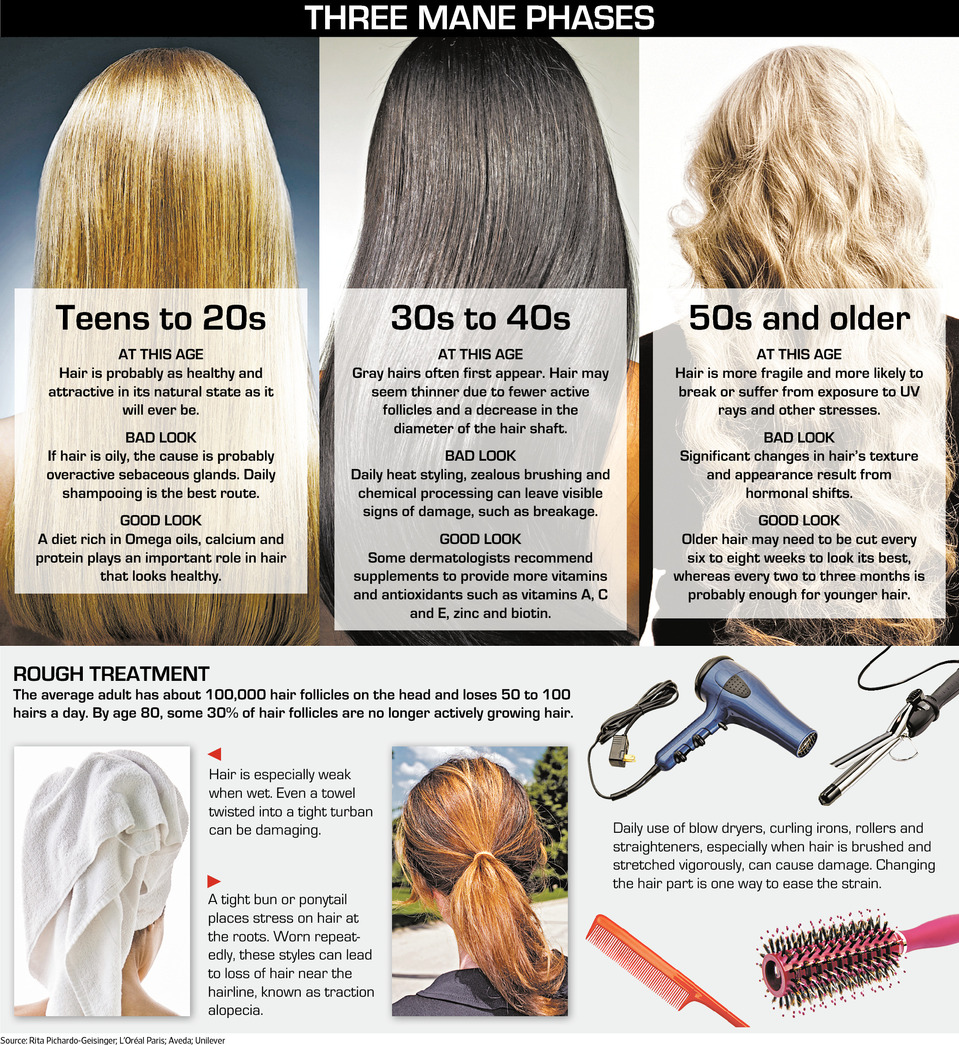
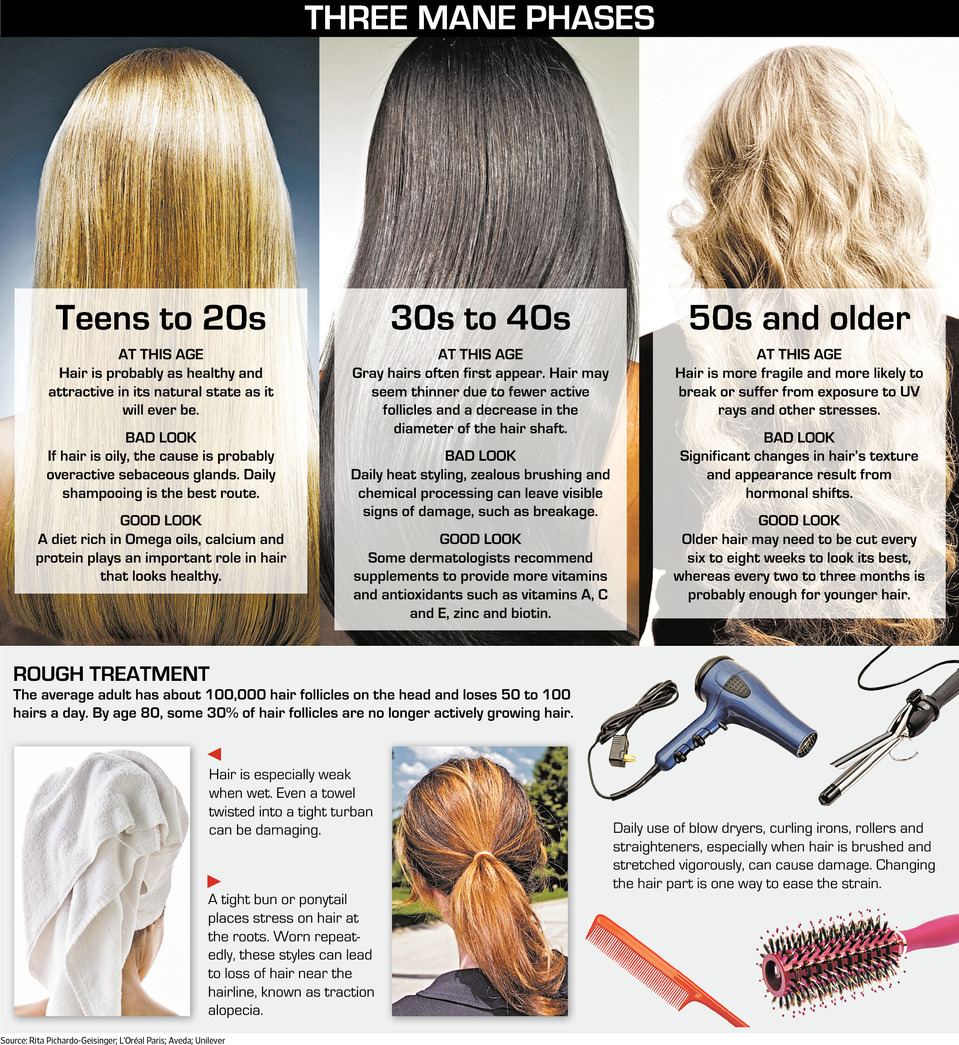
The biggest complaints older women have about their hair is that it feels thinner. People with severe hair loss typically turn to dermatologists for medicinal treatments for hair regrowth.

"Do No Harm"

Unfortunatly  your hair will age as you do. Working behind the salon chair has given me perspecitve to the many signs of aging hair.  At Kasia, we find it incredibly important to use a "DO NO HARM" hair color that is rich with fatty acids, an even pH, and nourishing botanicals to keep the color from fading, keeping it on tone, and absolutely rich and shiny.  We use a professional grade Ammonia FREE, PPD, Gluten Free, hair color to achieve this.  BUYER BEWARE: Not all "ammonia free" hair colors are the same.  Read the fine print for any sneaky ingredients to substitute what the company has removed.

aging hair

Decreasing Follicle Diameter

Starting in a person's late-30s and early-40s, the strand diameter decreases creating a thinner overall appearance.  (Dr. Thomas - P&G's)

There are steps you can take to protect your hair without products.  Remove catalysts that cause repeated tension like wearing your ponytails super tight. We also suggest staying out of the sun and its damaging UV rays as well as nourishing yourself by  eating a nutrient rich diet.

Age Defying Hair

Starting in a person's late-30s and early-40s, the strand diameter decreases creating a thinner overall appearance.

Layered on top of this, the hair  becomes more brittle and fragile. Most women immedicately notice their hair getting thinner.   The decrease in the number of active hair follicles and a narrowing of the diameter of each individual hair takes it's tole.   

Aging Defying Tips

At Kasia, our knowledgeable staff and our natural products are centered towards assisting the growing demands of our guests haircare in all stages of their life. For example, women over the age of 40 tend to wash their hair much less.  They also color more often, which leaves the cuticle dry and brittle.  We help our guests with their hair and skin needs  in a personalized way with professional grade color and every day product maintenance.  

For more on aging hair in a recent Wall Street Journal  in-depth article - link to the source link below.

Are You Having an Old Hair Day? [Wall Street Journal]

Kassandra Kuehl is the founder of Kasia Organic Salon. Kasia Organic Salon is the pioneer of healthy beauty that delivers results to fit your lifestyle, because only Kasia is the authority in 100% natural products & services.  Visit www.kasiaorganicsalon.com and become an "Informed Beauty."   

Face the Facts About Aging and Sugar

The surprising reason eating too much can cause wrinkles—and 5 steps to ensure that it won't

sugar skin

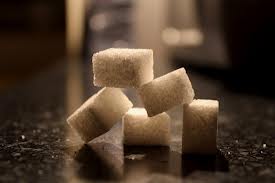
If the promise of a slimmer waistline hasn't curbed your sweet tooth, maybe the desire for smooth skin will. It's a bitter pill to swallow, but experts now believe that a lifetime of overeating sugar can make skin dull and wrinkled.

At blame is a natural process that's known as glycation, in which the sugar in your bloodstream attaches to proteins to form harmful new molecules called advanced glycation end products (or, appropriately, AGEs for short). The more sugar you eat, the more AGEs you develop. "As AGEs accumulate, they damage adjacent proteins in a domino-like fashion," explains Fredric Brandt, MD, a dermatologist in private practice in Miami and New York City and author of 10 Minutes 10 Years. Most vulnerable to damage: collagen and elastin, the protein fibers that keep skin firm and elastic. In fact, collagen is the most prevalent protein in the body. Once damaged, springy and resilient collagen and elastin become dry and brittle, leading to wrinkles and sagging. These aging effects start at about age 35 and increase rapidly after that, according to a study published in the British Journal of Dermatology.

Besides damaging collagen, a high-sugar diet also affects what type of collagen you have—another factor in how resistant skin is to wrinkling, says Brandt. The most abundant collagens in the skin are types I, II, and III, with type III being the most stable and longest lasting. Glycation transforms type III collagen into type I, which is more fragile. "When that happens, the skin looks and feels less supple," says Brandt. The final blow: AGEs deactivate your body's natural antioxidant enzymes, leaving you more vulnerable to sun damage—still the main cause of skin aging.

One group that knows all too well sugar's ravaging effects: people with diabetes, who—because they can suffer from years of undetected high blood sugar—often show early signs of skin aging. "Depending on how well their disease is controlled, diabetics can have up to 50 times the number of AGEs in their skin as those who don't have diabetes," says Karyn Grossman, MD, a dermatologist in New York City and Santa Monica, CA, and chief of the division of dermatology at St. John's Hospital in Santa Monica.

The good news about sugar-damaged skin: It's never too late to turn back the clock. One way is to build new collagen with products that contain retinoids—look for retinol in OTC serums and lotions or prescription creams such as Renova, Avage, and Differin. To keep this new collagen supple, prevent AGEs from forming by taking steps to minimize the damage sugar causes to your skin.

Here, five steps to eat right and keep your skin looking its youngest:


1. Cut back on the sweet stuff in your diet. It's not easy to eliminate sugar completely. Even whole grains, fruits, and vegetables turn to glucose—the type of sugar that fuels glycation—when digested. But limiting added sugar can help. Some guidelines: Keep added sugar to no more than 10% of total calories. If you're a 45-year-old woman of average height (5-foot-4), that's 160 calories (or 10 teaspoons) from added sugar—about the number in one 12-ounce can of Coca-Cola or six Hershey's Kisses. By comparison, the average American consumes 31 teaspoons per day of added sugar, or the equivalent of 465 calories.

Watch for hidden sugar in food. Many prepared foods contain hefty amounts of sugar—but it's hidden under aliases—including barley malt, corn syrup, dextrose, fruit juice concentrate, maltose, maple syrup, molasses, and turbinado—on ingredient panels. The key is determining how many teaspoons of sugar each serving contains. Doing this is easy: Check the nutrition label for sugars, which are listed in grams under total carbohydrates, and then divide that number by four (each teaspoon of sugar is equal to 4g) to convert it to teaspoons. For example, if sugars are listed as 12g, you're getting three teaspoons of sugar per serving.sugar

Avoid high fructose corn syrup. This type of sweetener, which is made by changing the sugar in cornstarch to fructose (another form of sugar), is believed to produce more AGEs than other types. Because HFCS extends the shelf life of foods and is sweeter and cheaper than other sugars, it's a popular ingredient in soda, fruit-flavored drinks, and packaged foods such as breads, crackers, and other snacks. You can spot it in ingredient lists on nutrition labels.

2. Supplement your diet with at least 1 mg of vitamins B1 and B6 a day. These vitamins proved to be potent AGE inhibitors in a number of published studies, says David J. Goldberg, MD, a New York City-based dermatologist and a clinical professor of dermatology at Mount Sinai School of Medicine. B1 and B6 are plentiful in food, but taking a multivitamin—most of which deliver at least 1 mg of both Bs—ensures you're getting the daily value of 1.1 mg for B1 and 1.3 mg for B6 (1.5 mg after age 50).

3. Wear broad-spectrum SPF 30 sunscreen every day. Significantly more AGEs occur in sun-exposed skin than in protected skin, according to the British Journal of Dermatology study.

4. Employ an inside-outside approach to antioxidants. These free-radical fighters help keep sugar from attaching to proteins, so replenishing their supply—both by eating more antioxidant-rich fruits, nuts, and vegetables, such as cranberries, walnuts, and red bell peppers, and by applying topical antioxidants such as green tea and vitamins C and E—is a real skin saver. "It seems to be the best way to ensure that they reach the dermal layer of skin, where collagen and elastin are located," says Goldberg.

5. Use new ingredients that protect skin from sugar. A growing number of products contain compounds like aminoguanidine and alistin, which have been shown to block the formation of AGEs (see at left). "Aminoguanidine attaches to molecules that start the glycation process and prevents them from binding to collagen and elastin," explains Grossman. "Alistin acts as a decoy, so it gets damaged instead of the proteins in your skin." In a study on Prescriptives Anti-AGE Advanced Protection Lotion SPF 25, which contains both ingredients, skin treated with the product had 21% fewer AGEs after 8 weeks than untreated skin. Sweet!

Reverence: Prevention for Women:  By Karyn Repinski Read more: http://www.prevention.com/print/23567#ixzz2QSBB2oXZ

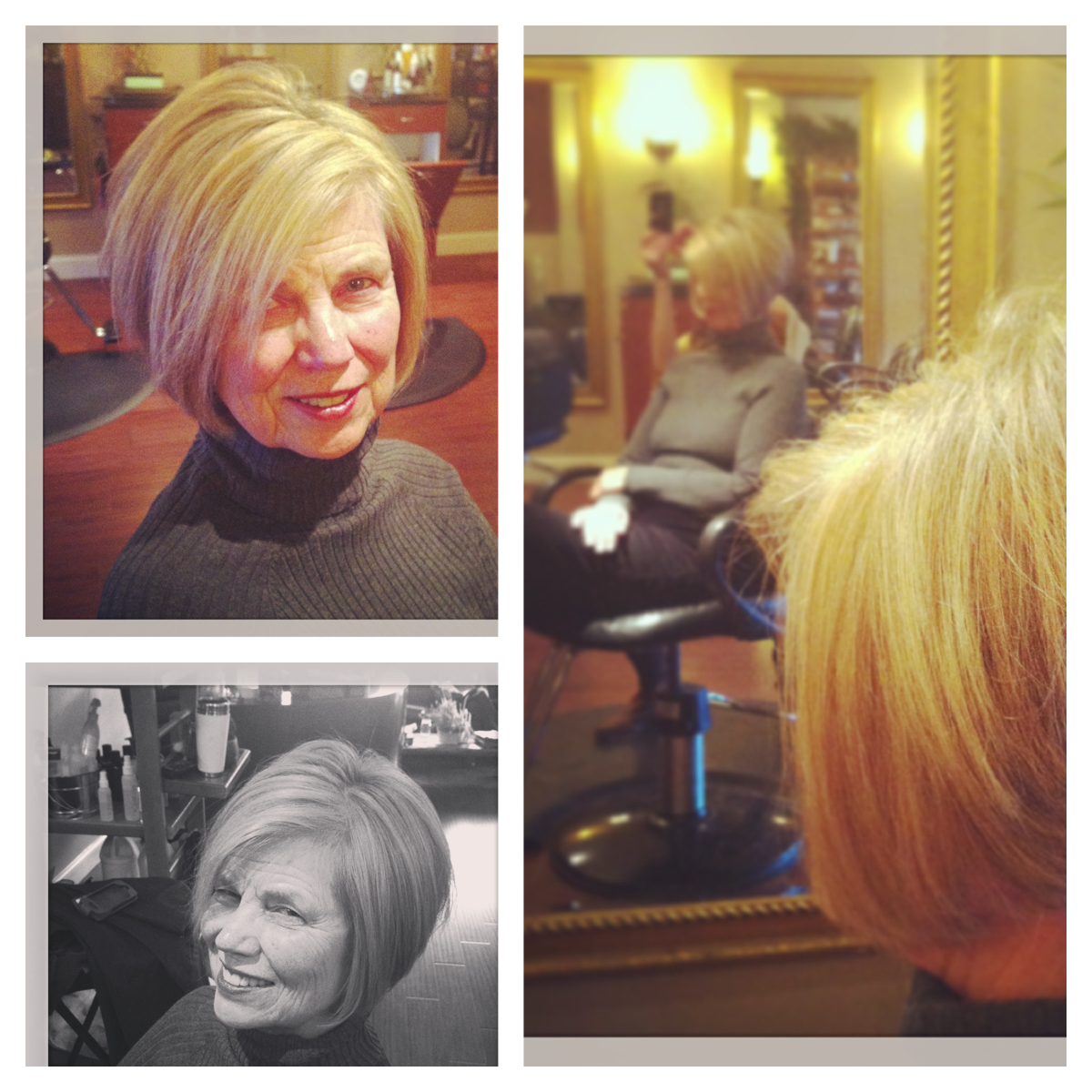
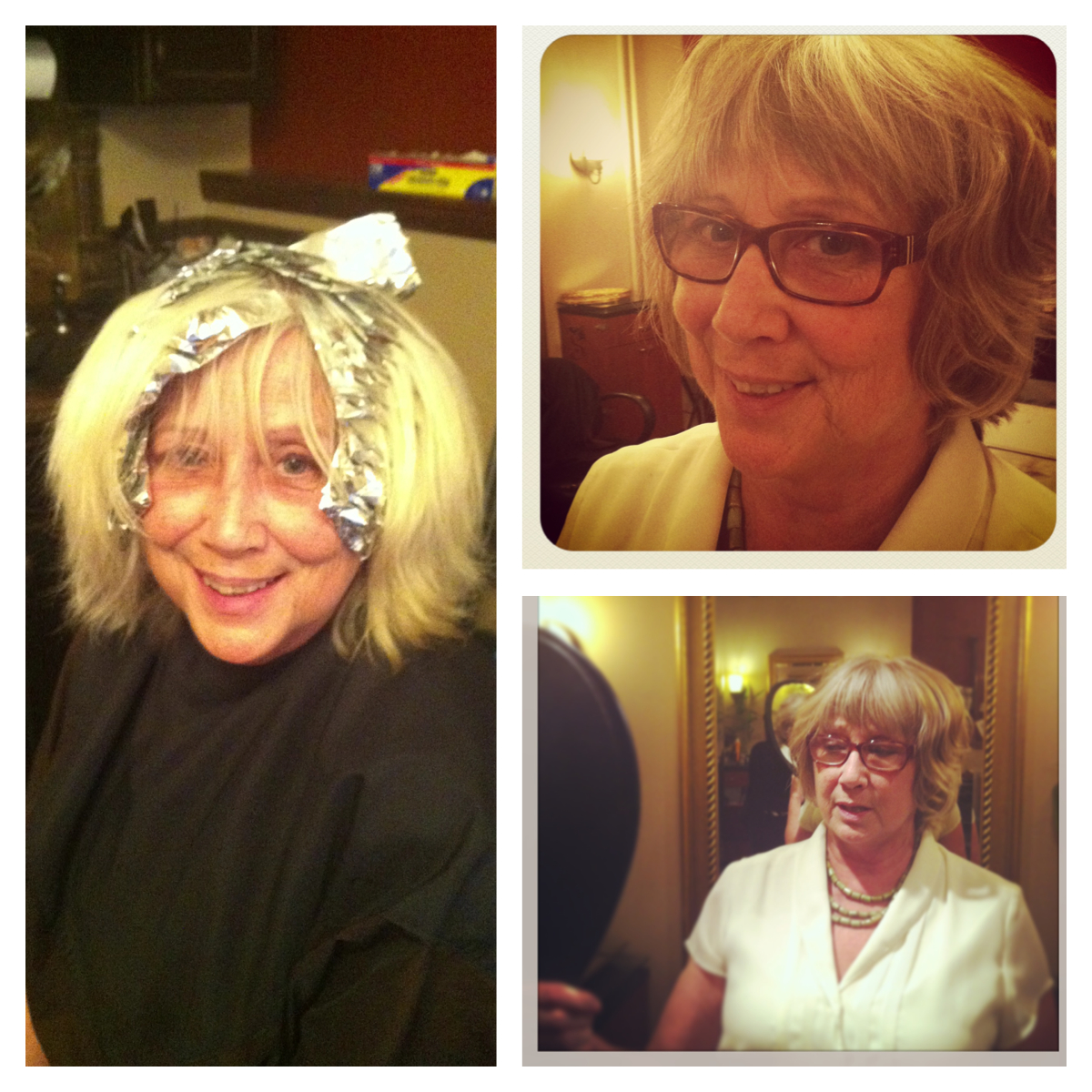
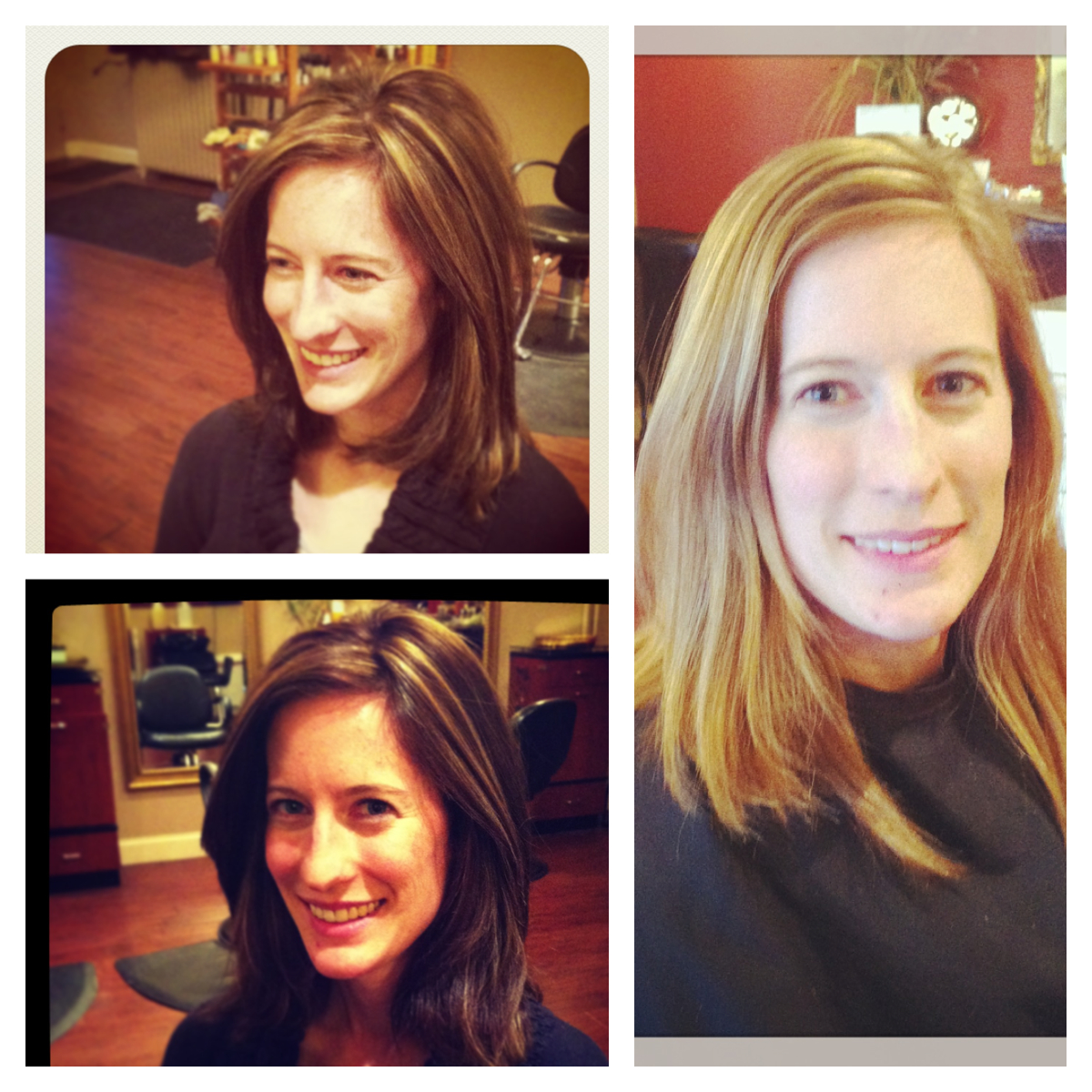
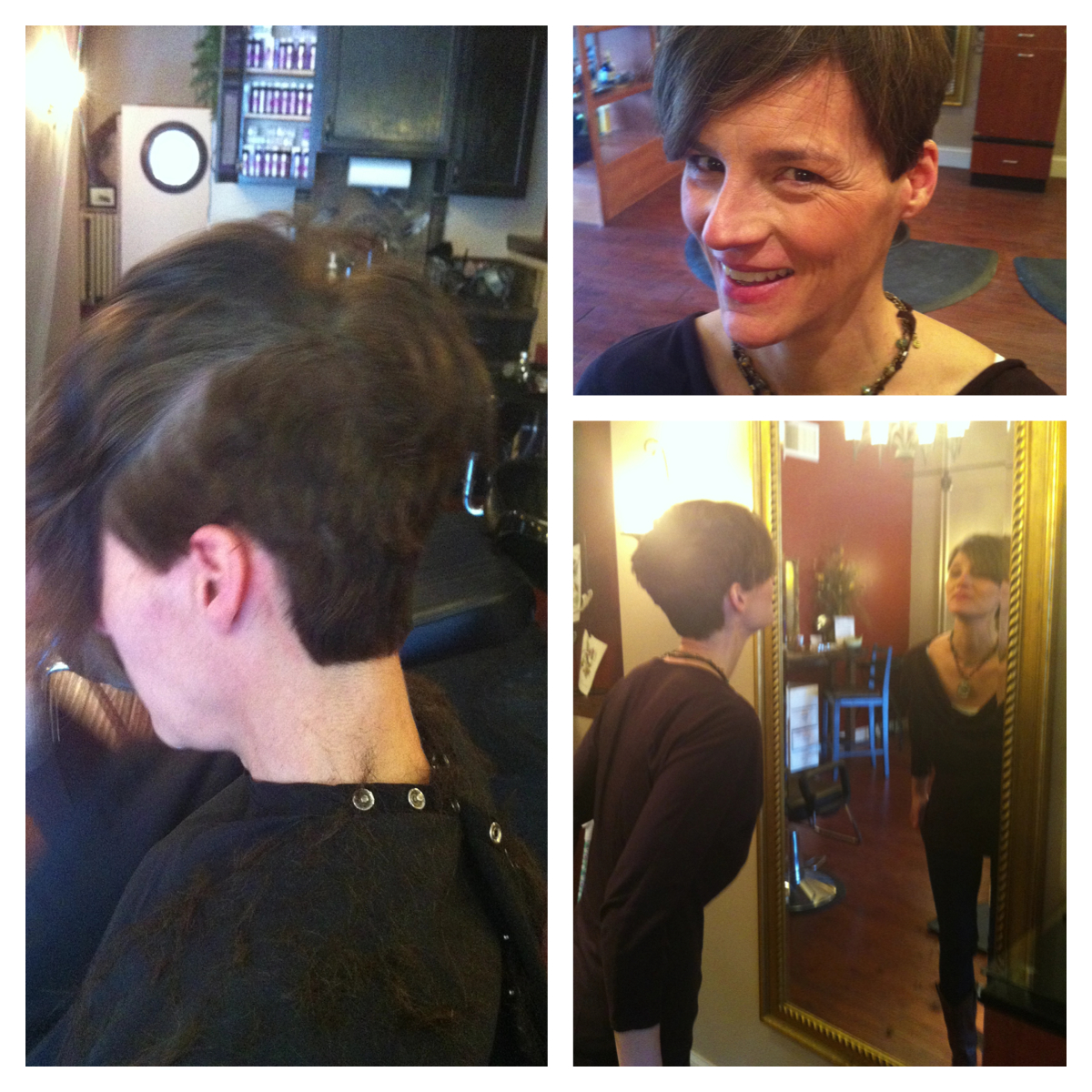
Spring Inspired Haircuts at Kasia!

Image-4.jpg

Everyone is screaming for spring!  We may not have control over the rising temperature, but we have full control of keeping our hair healthy through the dry winter's transitions and changing our style and look to uplift our spirits!


Here are some 'a-inspiring,' youth-i-fy--ed, and sassy friends of Kasia Organic Salon!


Image-4

 Image-3

Monique

Image

Image-2

Book your spring sass  today at 612.824.7611

// User Icon Setting (may be set to BLACK, WHITE or NONE):