What is PPD?
PPD: or p-Phenylenediamine, causes highest allergy rate, and the highest toxicity level out of all dyes used in hair coloring products.
PPD is used in 90% of hair dye products and has become a leading reason for frequent dermatologist visits. Most often, women experience an "all of a sudden" reaction due to repetitive desensitization.
PPD is most profound in darker dye and is found in almost two-thirds of commercial hair dyes currently on the market. The reactions can be severe if not treated properly.
If using hair dye has bothered your skin in the past, it doesn't mean its not in your future. Going back to the immune system becoming weak and "taxed" - this can be a perfect storm for any sort of allergy.
So, even if you haven’t experienced one yet, it’s important to know the symptoms. Additionally, you should know the difference between a mild reaction to a certain substance, and an allergic reaction.
So how do you know?
Common reactions to PPD
Slight irritation of the skin on the scalp, neck, or ears
Inflammation
Dry, thick, or cracked skin that has been touched by the chemical
Burning sensation
Itching sensation
Reactions are usually called contact dermatitis, in which an irritant affects the skin directly. An allergic reaction is slightly different, with more symptoms involved.
Some of the common symptoms to look for if you have an allergy to PPD are:
Swelling of the mouth or throat
Skin irritation
General feeling of sickness
Itching
Red rash on the skin
Nausea
Swollen eyes or lips
Hard to swallow
Wheezing
How Long Does a Reaction Last?
Just as reactions effect everyone differently, they can take different lengths of time to fade away. As stated above, severe reactions can happen within minutes. Contact dermatitis may take hours, or even a day or two for symptoms to show up.
With proper treatment, the symptoms should go down within a matter of hours. However, in some cases, the milder symptoms can last up to a couple of weeks, even with treatment. The best thing to do if you experience a reaction of any kind is to contact your doctor.
The Best Ways to Heal
Most hair dyes contains multiple chemicals, so the best way to combat an allergy is to soothe the symptoms like irritation and inflammation is with a natural product that the skin doesnt take offense to.
Soothing creams and ointments are a great way to reduce the pain that can occur from allergies.
If you’d like to create your home remedy to treat an allergic reaction, try any of the following ingredients. They all help to reduce inflammation associated with this type of allergy:
Jojoba oil
Chamomile tea
Coconut oil
Apple cider vinegar
Lavender oil
Aloe vera
If the painful symptoms from your reaction continue, you may want to talk with your dermatologist. They can usually prescribe an antihistamine. Antihistamines work well for more mild symptoms, but may not be enough to recover from a severe reaction completely.
The Alternative PPD FREE Hair Color
“So called PPD FREE? “ What to look for.
"PPD-free" formulas can contain trace amounts (3% rule) or host other toxins like benzenes and often replace some of the other potential toxins in hair color with natural ingredients. PPD/PTD toxicity and reaction rates are often measured by the amount used in a formula.
- p-Phenalundiamine (PPD) Highest reaction percentage
- Toluene 2,5 diamine (PTD) Lower than PPD
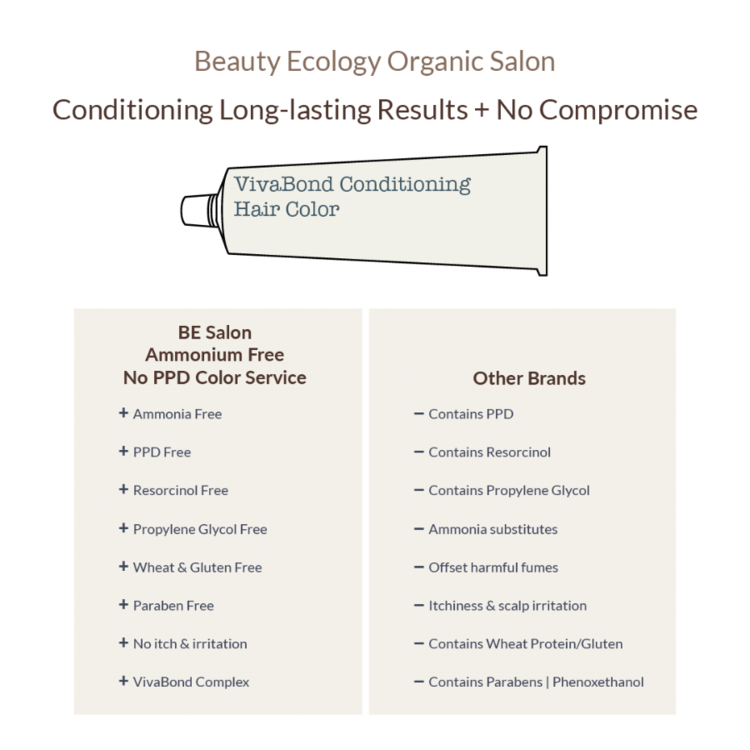
The most obvious answer is to look for hair dye without PPD. Beauty Ecology Organic Salon has lead the natural market in Ammonia/PPD Free color. I have tried many PPD free lines, and even on clients - in which we've still come across reactions. This could mean its hidden within the "3% rule" of the lower deck ingredients, or other agitative ingredients like ammonia and resorcinol may be a culprit.
Can I Avoid a Reaction?
If you suspect a color allergy, do a patch test. Even if you’ve used a specific dye a dozen times before, a patch test can help you to determine if you’ll have a reaction this time.
Any professional salon can do a patch test for you. We usually place it behind your ear or neck/hair line. Let it dry and rinse later, following the instructions on the box. You can do a patch test at a allergy clinic.
Color Your Hair "Tox Free" and Naturally
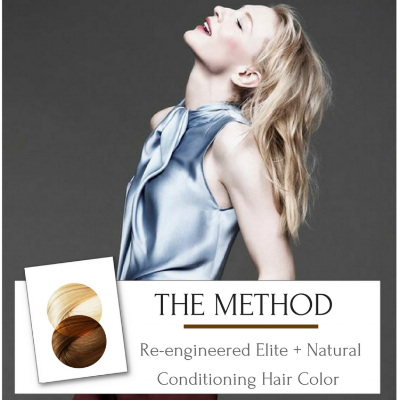
You don't have to give up your favorite color, and we've proven that to be true at Beauty Ecology. Give yourself the best fighting chance against a severe allergic reaction or contact dermatitis and irritation.
Our hair color is free of "silent substitutes" and other harsh chemicals and are replaced with lipid and antioxidant rich ingredients that null fading and damage.
Learn more about the WAY TO SAFER and BRILLIANT HAIR COLOR (sans the toxic trio) here.