Rethink the acid facial "Peel" with Kasia's Medical Grade Organic Facial Peel

facial_feature1.jpg

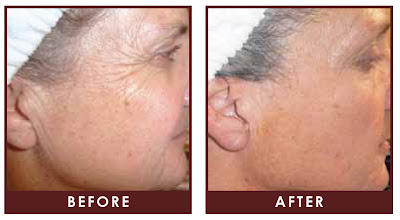
Kasia Skin Health Specialists  bring you a revolutionary facial treatment that will have you rethinking the average facial “peel”.    With our incredible Facial Medical Grade Peels are safe.  So safe you do not need to hide from the sun thereafter, strip or damage your skin, or experience pain.  Vitamin A is the best anti-aging ingredient we can offer our skin and Kasia Skindeep Organic Medi-Peels  optimize the most active, least irritating form called Retinaldehyde. The  Kasia Skindeep Organic Medi-Peel and/or Facial have a 2.0% Retinaldehyde, making it the only non-acid peel that will infuse the dermis with fibroblast stimulators, immune boosters, antioxidants, pigment lighteners, and calming anti-inflammatory and anti-bacterial ingredients.  Expect results with this powerful synergy that rejuvenates the skin by increasing collagen production, fighting free radical damage, scavenging scar tissue and helping reduce hyperpigmentation making it an amazing treatment for any skin type or condition.

To learn more about the facial protocol and Before & After results, visit here! 


How does it work?

This facial treatment

  • Increases nourishment to the skin
  • Encourages a gentle and natural cellular turnover
  • Effectively resurfaces the epidermis
  • Resurfacing of the epidermis.  Deep wrinkles will begin to diminish and elasticity and firmness will increase as your skin is infused with essential proven ingredients to help reverse aging and improve the health of your skin.

To learn more about the facial protocol and Before & After results, visit here!

To book an appointment with our Skin Specialist, call 612 824 7611.

Find Out How You May Be Allergic To Haircolor

Specializing in health and beauty for many years, there have been hundreds of women that find Kasia Organic Salon because of our ZERO Ammonia hair color line.   I started with Mastey (our color line) 4-5 years ago and through pioneering a truly ammonia and substitue free line, I've seen many guests with growing allergies that have been blessed through what our alternative gives to them.

More women are becoming allergic to ingredients in hair color. It isn’t a common occurrence but for those who are it can be quite the annoyance!

The most common allergen found in hair color is PPD (paraphenylenediamine), which is mostly found in permanent hair color. If you have never had your hair colored, or if PPD allergy runs in your family, there is an easy way to find out if you are allergic in the salon. Licensed Cosmetologists can do a patch test in the salon, which will determine if you will have a skin reaction to PPD-based hair color. Ingterestingly, PPD is also found in fur coats and wigs.

“Positive patch test reactions to p-phenylenediamine (PPD) are common. PPD is used in oxidative hair dyes and is also present in dark henna temporary ‘tattoos’. Cross-sensitization to other contact allergens may occur.”

About 25% of people allergic to PPD may also be allergic to ingredients found in semi-permanent hair colors, of which may also be found in pen inks and may be used to color certain foods and pharmaceuticals. Semi- permanent and demi-permanent hair colors are usually ammonia-free but the ammonia substitute, ethanolamine, may produce a reaction in some people. Again, a patch test can be done in the salon to determine if you are allergic to either semi- or demi-permanent hair colors that are carried in the salon. Reactions to PPD include

  • Itching scalp/skin
  • Redness
  • Swelling
  • Mild dandruff like symptoms
  • Scaly skin
  • Pain
  • Sneezing or other hay fever/cold like symptoms when ever hair dye applied
  • Nausea when dye applied
  • Sever swelling around eyes
  • Scaly skin on ears, face and neck

The patch test is simple. Your stylist will apply a small amount of color mixed with developer to behind the ear (if your hair is short) or to the inner bend of the elbow. This has to be allowed to dry and to remain uncovered for 48-72 hours. If no irritation or rash occurs between the time the patch test is applied and 72 hours is complete, the test is negative, and you can proceed to schedule a hair coloring service.

Kasia Salon is a urban retreat nestled in the heart of Southwest Minneapolis specializes in ammonia free/MEA/PPD Color, organic facials, and natural and organic products.

The Best (Natural) Self-Tanner Ever? "Beauty Bets BLOG Favorite!"

THANK YOU BEAUTY BETS! Elizabeth shares her LUV forKasia Honey-Dip Bronzer ... "The Best (Natural) Self-Tanner Ever?"


The Best (Natural) Self-Tanner Ever?

It’s that time of year again. I’ve slathered myself in every cream, gel and spray I could get my hands on to bring you this self-tanner report. Only instead of a roundup, I’ve got just one: Kasia Organic Salon’s Honey-Dip Sunless Tanner ($29). The packaging isn’t much to look at but the ingredients, scent and results are beyond gorgeous. Coconut oil and shea butter make it impossibly moisturizing (and far underpriced), while Kasia’s healthy standards mean it’s free of petro-chemicals, parabens, glycols and other preservatives. I’ve NEVER smelled a self-tanner that doesn’t smell like self-tanner, let alone one that smells like honey buns, fresh from the oven. And the color? A beautiful bronze that lasts FOR DAYS. I’ve never seen—or used—anything like it. Available online and at Kasia Organic Salon, 822 S. 50th Street, Minneapolis, 612-824-7611.

Newsletter: Opt-OUT of Nasty Chemicals With Kasia's Vegan Straightening System

A 'Beautiful Health' evolution is a constant at Kasia, take note! 

What's NEW!

Our team is very excited to bring you a hair smoothing and straightening treatment that is safe, natural, and with no nasty chemicals to hide.

Two weeks ago I sent our stylist Mackenzie to California to become a local educator for Zerran.   You will see our model's process below along with further information on this revolutionary alternative!

Sick of your frizz?  No time to blow dry?  It's perfect for the season, and gives multiple options of just how smoooooooth you want to be!  

*****


Don't forget to book your May and June appointments!  Graduations and weddings are here, and the schedules are filling fast.  Call 612.824.7611

We strive for you to flourish like a spring blooming flower .....  both inside and out.   

Opt-OUT of Nasty Chemicals With Kasia's Vegan Straightening System

Got Frizz? Get smooth, silky hair that will last for months!


Beautiful Health Benefits

Zerran RealLisse is a Vegan Hair Treatment that differs from ANY other market on the market with zero harsh chemicals.

It's natural, fume-free and safe for all women, including pregnant women. Many women have looked for an alternative from the Brazilian Blowout. Zerranis the first 100 percent vegan, botanically based, paraben-free and formaldehyde-free hair smoothing treatment on the market.


Before Photo


As you can see Sharon has a strong texture to her hair, and is curly, but frizzy. Sharon will have more time for her children in the morning while her blow drying time will be cut down immensely and hair left in incredible shape.


Before treatment 


All natural and perfect for pregnant women, or those looking to get an alternative from the Brazilian Blowout.


The Process 


First, we washed Sharon's hair with shampoo and carefully applied the treatment on small sections of her hair.  Next the hair is dried and the same small sections are flat ironed. The flat iron traps the moisture and creates a smooth glossy finish. The process is hassle and fume-free from start to finish and only takes two hours. Sharon was thrilled with the results!


After treatment

Sharon is advised to let the treatment "cure," waiting at  least two to three days before washing. All clients receive a Zerran's shampoo/conditioner to help retain the results. With good home care, this keratin alternative can last up to 4 months.


How the Ingredients Deck Up   Don't expect to find hard-to-read ingredients or animal products in Zerran's recipe. The 100% vegan formulation contains plant proteins to relax curls and tame frizzy hair, with no keratin or other animal products involved.


Kasia Organic Salon Zerran Special 

Right now pay only $199 for the Zerran hair treatment ($300 value)      

Hurry, expires June 25th! 


Say goodbye to frizz for months and get the shiny & smooth hair you desire.  You can repeat this service as much as you would like.  It only gets better!  


Learn more HERE.

Follow Kasia Organic Salon's Facebook Page for recent tips, specials, and updates.


  Like us on Facebook

Kasia Launches AgeLess Skin Serum!


Our new facial serum is incredibly moisturizing, smells fabulous, and will transform your skin with instant results!  For this lovely formulation we used a local chemist that utilizes the most powerful patented *cold pressed oils that are sure to nourish your skin no matter what your age!

Inside -  Out!

Protect, rejuvenate and moisturize skin - naturally.

Apply topically am or pm or both to help reduce the appearance of:

  • Wrinkles
  • Dehydrated skin
  • Scars
  • Yes....Stretch marks
  • Uneven skin tone
  • Wonderful take home after a Kasia Glycolic Facial service

Learn more HERE!

Kasia™ Organic Skin Care was formulated to penetrate the skin with vitamins and organic ingredients that nourish, moisturize, protect and balance your skin. Each ingredient supports the health of your skin and helps protect it from environmental damage.


Current Event

Women's Health & Hormone Happy Hour!

Thank you to our clients Anne and Tami for co-hosting Julie Tebben from MN Natural Medicine!    What a great night surrounded by "Informed Beauties"  and discussing Women's Health and Hormones.

The biochemistry of the female is designed such that the matrix of each cell really seeks small amounts of hundreds of different phytonutrients in order to function at its ideal cellular resonance.

Highly Recommended We discussed hormone metabolism to nutrition.... but one product that really sticks out that has really benefited our clients is Fem Balance.

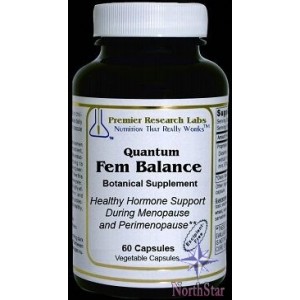
Fem Balance-FX  is a botanical supplement that provides healthy endocrine support during PMS, menopause and perimenopause.

  • Premier female support nutraceutical formulation for healthy endocrine support during menopause, PMS and perimenopause.
  • Supports healthy balance of estrogen and progesterone.
  • Supports alleviation of cramps, hot flashes and night sweats.
  • A unique formula that can be used by women of all ages: Younger women: supports healthy menstrual cycles, Older women: supports healthy menopause.
  • Tests on to all 4 biofield polarities, thus delivering optimal nutritional resonance
  • Manufactured in an NSF-GMP registered facility for superior quality assurance.
  • Pure vegan. Excipient-free.

Fem Balance-FX helps support the balance of hormones naturally.

Contact Kassandra at 612.824.7611 to ship out your Fem Balance today. 

Women's Health Hormone Happy Hour!

  Current Event


Women's Health Hormone Happy Hour!

Thank you to our clients Anne and Tami for co-hosting Julie Tebben from MN Natural Medicine!    What a great night surrounded by "Informed Beauties"  and discussing Women's Health, nutrition and hormones.

The biochemistry of the female is designed such that the matrix of each cell really seeks small amounts of hundreds of different phytonutrients in order to function at its ideal cellular resonance.

We discussed hormone metabolism to nutrition.... but one product that sticks out that benefits women is Fem Balance.

Fem Balance-FX  is a botanical supplement that provides healthy endocrine support during PMS, menopause and perimenopause.

  • Premier female support nutraceutical formulation for healthy endocrine support during menopause, PMS and perimenopause.
  • Supports healthy balance of estrogen and progesterone.
  • Supports alleviation of cramps, hot flashes and night sweats.
  • A unique formula that can be used by women of all ages: Younger women: supports healthy menstrual cycles, Older women: supports healthy menopause.
  • Tests on to all 4 biofield polarities, thus delivering optimal nutritional resonance
  • Manufactured in an NSF-GMP registered facility for superior quality assurance.
  • Pure vegan. Excipient-free.

Fem Balance-FX helps support the balance of hormones naturally.


   Contact Kassandra at 612.824.7611 to ship out your Fem Balance today. 

Can Lemon Juice Help Lighten and Brighten Your Skin?

  YOU BET  it can, but let me explain how and why.....

As we approach the age of 30, our body tends to unleash creeping  inadequacies  within our skin and outer appearance.   Dark spots, age spots, hyper-pigmentation, an uneven skin tone, and many other skin pigmentation conditions have a specific reason of manifestation.  Aging is commonly blamed for being the main cause for skin blemishes, but the reality it is only partially true.  While it plays a part, it is not one of the primary causes.

Three Cause and Effects of Skin Blemishes:

  • UVA rays- The most common cause of  skin conditions is too much exposure to direct sunlight without protection.

Most people will begin to develop these spots when they are middle aged or later in life, so yes age is involved, but the underlying cause is overexposure to UVA rays throughout your life.

When your skin is exposed to UVA rays, it produces an excessive amount of Melanin, which when you are younger gives your skin the appearance of an overall even tan. As we become older this Melanin has a tendency to clump together in areas that have been over exposed to the sun, and that is why such a high percentage of these conditions are located on visible skin.

  • Skin trauma- There are many skin pigmentation conditions that are linked to trauma of the skin.

Some common skin traumas include acne damages, infections, wounds, eczema, contact dermatitis, and certain reactions to skin care products, all of which can cause skin discoloration.

  • Genetics- A persons genes play a role in how susceptible they are to developing skin blemishes. Also, skin conditions such as freckles, moles, acne, and melasma (which is often caused by hormonal changes when taking birth control or during pregnancy) rely highly on your genetic make up.

Here is the GOOD NEWS!  In most cases, you can fade these areas of skin, and regain a your complexion just by using all natural techniques and recipes. Lemon juice happens to be one of the most common ingredients found in many of these recipes.

Why Lemon Juice is So Effective

As you may or may not know, lemon juice contains tons of Vitamin C, which is among some of the purest natural antioxidants that there are. Antioxidants that are this pure have been scientifically proven to reduce the amount of melanin that is produced when applied to your skin and used regularly.

If you currently have a skin lightening regime, then you probably know that exfoliating your skin on a consistent basis is an important aspect to achieving a lighter skin tone. Exfoliation is the process of removing old, dead skin cells that are attached to a fresh, new layer of cells that lie below. These cells die off daily, making your skin appear dull, so it is important to eliminate them and reveal the glowing layer of cells that awaits below.

There are five Alpha Hydroxy acids that possess the characteristics needed to break the bond that holds your dead skin cells to your fresh cells, and citric acid is one of the five that carries these characteristics.

Therefore lemon juice should most certainly be included in your natural exfoliation recipes because it carries a very high level of citric acid!

Recipes to try at home:

Skin Lightening Mask

1 tablespoon lemon juice

1 tablespoon tomato juice

1 tablespoon cucumber juice

1 tablespoon sandal wood paste

Mix all ingredients into a paste, apply to face, and let sit for 15 minutes. Rinse thoroughly and moisturize. This can be done 2-3 times a week.

Skin Lightening for Dry Skin

1 tablespoon powdered milk

1 tablespoon honey

1 teaspoon lemon juice

2 drops of essential oil

Mix ingredients together, apply to affected area of skin and let sit for 20-25 min. Rinse thoroughly with warm water and moisturize.

Natural Exfoliation Recipe

2 tablespoons brown sugar

1 egg white

1 teaspoon lemon juice

Mix ingredients well, using your fingers massage the mixture in a circular motion onto your skin for 10-15 minutes. Rinse thoroughly and moisturize. This can be done two times a week. For sensitive skin try once a week.

Remember…whatever you put on your skin gets absorbed into your body! It’s best to choose safe and natural skin care to help prevent parabens, sulfates and other cancer causing ingredients to enter your bloodstream!

“As much as 60% of topical skin-care products are absorbed through the skin and into the bloodstream.” Says Dr. Nancy Lonsdrof, M.D. an lowa-based physician. “They should be consumed with the same prudence that we use to choose our breakfast cereal.” – April 2006 issue of Women’s Health Magazine.

Related Articles:

http://www.ehow.com/how_2300114_use-lemon-lighten-skin.html

http://blog.naturalhealthyconcepts.com/2011/04/06/enough-vitamin-c/

http://www.wikihow.com/Use-a-Lemon-to-Lighten-Your-Skin

http://www.naturalnews.com/035614_lemon_juice_toxic_chemicals_home.html

Thank you: References by guest post  Paul Miller.

Sunscreens Exposed: Nine Surprising Truths

  Sunscreens prevent sunburns, but beyond that simple fact surprisingly little is known about the safety and efficacy of these ubiquitous creams and sprays.  EWG’s review of the latest research unearthed troubling facts that might tempt you to give up on sunscreens altogether. That’s not the right answer. Despite the unknowns about sunscreens’ efficacy, public health agencies still recommend using them, just not as your first line of defense against the sun. At EWG we use sunscreens, but we look for shade, wear protective clothing and avoid the noontime sun before we smear on the cream. Here are the surprising facts:

1. There’s no consensus that sunscreens prevent skin cancer.

The FDA’s 2011 sunscreen rules allow sunscreen makers to advertise that using their products can decrease the risk of skin cancer and sun-related skin aging.  But a wide range of public health agencies – including the FDA – have found very little evidence that sunscreen prevents most types of skin cancer. In reviewing the evidence, the FDA said that the available clinical studies “do not demonstrate that even [broad spectrum products with SPF greater than 15] alone reduce the risk of skin cancer and early skin aging.”   The agency also said that it is “not aware of any studies examining the effect of sunscreen use on the development of melanoma.”  The International Agency for Research on Cancer recommends clothing, hats and shade as primary barriers to UV radiation. It says that “sunscreens should not be the first choice for skin cancer prevention and should not be used as the sole agent for protection against the sun”

2. There’s some evidence that sunscreens might increase the risk of the deadliest form of skin cancer for some people.

Some researchers have detected an increased risk of melanoma among sunscreen users. No one knows the cause, but scientists speculate that sunscreen users stay out in the sun longer and absorb more radiation overall, or that free radicals released as sunscreen chemicals break down in sunlight may play a role. One other hunch: Inferior sunscreens with poor UVA protection that have dominated the market for 30 years may have led to this surprising outcome. All major public health agencies still advise using sunscreens, but they also stress the importance of shade, clothing and timing.

3. There are dozens of high-SPF products — but no proof they’re better.

The FDA has proposed prohibiting the sale of sunscreens with SPF values higher than “50+.” The agency has written that values higher than 50 would be “misleading to the consumer,” given that there is an “absence of data demonstrating additional clinical benefit” (FDA 2011a), and that “there is no assurance that the specific values themselves are in fact truthful…” (FDA 2007). Scientists are also worried that high-SPF products may tempt people to stay in the sun too long, suppressing sunburns (a late, key warning of overexposure) while upping the risks of other kinds of skin damage.

Flouting the FDA’s proposed regulation, companies continue to sell high-SPF offerings in 2012. More than 1 in 7 products now lists SPF values higher than 50+, compared to only 1 in 8 in 2009, according to EWG’s analysis of more than 800 beach and sport sunscreens. Among the worst offenders are Walgreens and Aveeno brands.  These manufacturers boast SPF values greater than 50+ on more than 40 percent of their sunscreens.

4. Too little sun might be harmful, reducing the body’s vitamin D levels.

Sunshine serves a critical function in the body that sunscreen appears to inhibit — producing vitamin D. The main source of vitamin D in the body is sunshine, and the compound is enormously important to health – it strengthens bones and the immune system, reduces the risk of various cancers (including breast, colon, kidney and ovarian cancers) and regulates at least a thousand different genes governing virtually every tissue in the body (Mead 2008). About one-fourth of Americans have borderline low levels of vitamin D, and 8 percent have a serious deficiency (CDC 2012). Particular groups are at the highest risk – breast-fed infants, people with darker skin and people who have limited sun exposure (NIH 2012).

Some people can make enough vitamin D from 10 to 15 minutes of unprotected sun exposure several times a week. But many others cannot. The right amount depends on the individual’s age, skin tone, the intensity of sunlight,  time outdoors and skin cancer risk. Check with your doctor to see if you should get a vitamin D test or if you should take seasonal or year-round supplements.

5. The common sunscreen ingredient vitamin A may speed development of cancer.

Recently available data from an FDA study indicate that a form of vitamin A, retinyl palmitate, may speed the development of skin tumors and lesions when applied to skin in the presence of sunlight (NTP 2009). This evidence is troubling, because the sunscreen industry adds vitamin A to 25 percent of all sunscreens.

The industry puts vitamin A in its formulations because it is an anti-oxidant that slows skin aging. That may be true for lotions and night creams used indoors, but FDA recently conducted a study of vitamin A’s photocarcinogenic properties – the possibility that it can promote cancerous tumors when used on skin exposed to sunlight. Scientists have known for some time that vitamin A can spur excess skin growth (hyperplasia) and that in sunlight it can form free radicals that damage DNA.

In the FDA’s one-year study, tumors and lesions developed sooner in lab animals coated in a vitamin A-laced cream than animals treated with a vitamin-free cream. Both groups were exposed to the equivalent of just nine minutes of maximum intensity sunlight each day.

It’s an ironic twist for an industry already battling studies that have questioned whether their products protect against skin cancer. The FDA data are preliminary, but if they hold up in the final assessment, sunscreen makers have a big problem. In the meantime, EWG recommends that consumers avoid sunscreens with vitamin A (look for “retinyl palmitate” or “retinol” on the label).

6. Free radicals and other skin-damaging byproducts of sunscreens.

Both UV radiation and many common sunscreen ingredients generate free radicals that damage DNA and skin cells, accelerate skin aging and cause skin cancer. An effective sunscreen prevents more damage than it causes, but sunscreens are far better at preventing sunburn than at limiting free radical damage. While typical SPF ratings for sunburn protection range from 15 to 50, equivalent “free radical protection factors” come in at about 2. When consumers apply too little sunscreen or reapply it infrequently – and that’s more common than not – sunscreens can cause more free radical damage than UV rays on bare skin. The FDA could improve sunscreens’ ability to reduce free radical skin damage by strengthening standards for UVA protection.

7. Pick your sunscreen: nanomaterials or potential hormone disrupters.

The ideal sunscreen would completely block the UV rays that cause sunburn, immune suppression and damaging free radicals. It would remain effective on the skin for several hours and not form harmful ingredients when degraded by UV light. It would smell and feel pleasant so that people use it in the right amount and frequency.

Unsurprisingly, there is currently no sunscreen that satisfies all these criteria. The major choice in the U.S. is between “chemical” sunscreens, which have inferior stability, penetrate the skin and may disrupt the body’s hormone systems, and “mineral” sunscreens (zinc and titanium), which often contain micronized- or nanoscale particles of those minerals.

After reviewing the evidence, EWG determined that mineral sunscreens have the best safety profile of today’s choices. They are stable in sunlight and do not appear to penetrate the skin.   For consumers who don’t like mineral products, we recommend sunscreens with avobenzone (3 percent for the best UVA protection) and without the notorious hormone disrupter oxybenzone. Scientists have urged parents to avoid using oxybenzone on children due to penetration and toxicity concerns.

8. Europe’s better sunscreens.

Sunscreen makers and users in Europe have more options than in the United States. In Europe, sunscreen makers can select from among 27 chemicals for their formulations, compared to 17 in the U.S.  Companies selling in Europe can add any of seven UVA filters to their product, but they have only three available for products marketed in the U.S.  Sunscreen chemicals approved in Europe but not by the FDA provide up to five times more UVA protection; U.S. companies have been waiting five years for FDA approval to use the same compounds. Until the FDA approves these ingredients and lifts restrictions on combining certain active ingredients, strong UVA protection will be scarce in US sunscreens.

9. The FDA is still not protecting consumers.

In June 2011 the FDA announced new rules on labeling and effectiveness testing for sunscreens. They will ban the use of misleading claims like “sunblock,” “waterproof” and “sweatproof” and define which sunscreens can claim “broad spectrum” protection. FDA recently granted a 6 month delay in the implementation of these rules, until mid-December 2012. But even when implemented many gaps will remain.

The standard for UVA protection is weak and will allow nearly 90 percent of sunscreens to use the label “broad spectrum” without any reformulation. A weak standard gives companies no incentive to develop better, more effective sunscreens and masks major differences between products.

The FDA has not yet evaluated the efficacy and safety of new sunscreen ingredients or ingredient combinations.  It has no plans to consider evidence of hormone disruption for sunscreen chemicals. The new rules  still allow sunscreen makers to use ingredients such as vitamin A that can damage the skin in sunlight. They fail to require makers to measure sunscreen stability despite ample evidence that many products break down quickly in sunlight.

Kasia Good Day Sunshine Sunshield

Kasia SUNSHIELD is part of only 8% of Sunscreens on the market, considered SAFE?

Natural and Free from Harmful Chemicals

 Key benefits that set Good Day Sunshine Sunscreen apart from commercialized sunscreens:

  • True broad-spectrum UVA/UVB protection
  • Safe for toddlers and children
  • Non-chemical sunscreen
  • Moisturizing and healing properties
  • PABA-free and fragrance-free
  • Light and smooth formulation ideal for daily use and can be applied under makeup
  • Formulated for skin sensitive to traditional sunblocks and post-treatment patients
  • Formulation of  5% zinc and 5% titanium

Learn more about Kasia SUNSHEILD HERE

Reference EWG- Read more here.

How Chemicals Affect Us: Scientists are observing with increasing alarm.

Scientists are observing with increasing alarm that some very common hormone-mimicking chemicals can have grotesque effects.

A widely used herbicide acts as a female hormone and feminizes male animals in the wild. Thus male frogs can have female organs, and some male fish actually produce eggs. In a Florida lake contaminated by these chemicals, male alligators have tiny penises.

These days there is also growing evidence linking this class of chemicals to problems in humans. These include breast cancer, infertility, low sperm counts, genital deformities, early menstruation and even diabetes and obesity.

Philip Landrigan, a professor of pediatrics at Mount Sinai School of Medicine, says that a congenital defect called hypospadias — a misplacement of the urethra — is now twice as common among newborn boys as it used to be. He suspects endocrine disruptors, so called because they can wreak havoc with the endocrine system that governs hormones.

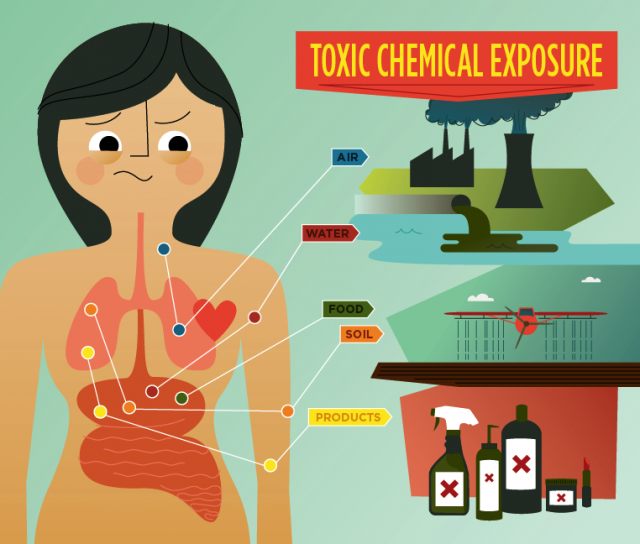
Endocrine disruptors are everywhere. They’re in thermal receipts that come out of gas pumps and A.T.M.’s. They’re in canned foods, cosmetics, plastics and food packaging. Test your blood or urine, and you’ll surely find them there, as well as in human breast milk and in cord blood of newborn babies.

In this campaign year, we are bound to hear endless complaints about excessive government regulation. But here’s an area where scientists are increasingly critical of our government for its failure to tackle Big Chem and regulate endocrine disruptors adequately.

Last month, the Endocrine Society, the leading association of hormone experts, scolded the Food and Drug Administration for its failure to ban bisphenol-A, a common endocrine disruptor known as BPA, from food packaging. Last year, eight medical organizations representing genetics, gynecology, urology and other fields made a joint call in Science magazine for tighter regulation of endocrine disruptors.

Shouldn’t our government be as vigilant about threats in our grocery stores as in the mountains of Afghanistan?

Researchers warn that endocrine disruptors can trigger hormonal changes in the body that may not show up for decades. One called DES, a synthetic form of estrogen, was once routinely given to pregnant women to prevent miscarriage or morning sickness, and it did little harm to the women themselves. But it turned out to cause vaginal cancer and breast cancer decades later in their daughters, so it is now banned.

Scientists have long known the tiniest variations in hormone levels influence fetal development. For example, a female twin is very slightly masculinized if the other twin is a male, because she is exposed to some of his hormones. Studies have found that these female twins, on average, end up slightly more aggressive and sensation-seeking as adults but have lower rates of eating disorders.

Now experts worry that endocrine disruptors have similar effects, acting as hormones and swamping the delicate balance for fetuses in particular. The latest initiative by scholars is a landmark 78-page analysis to be published next month in Endocrine Reviews, the leading publication in the field.

“Fundamental changes in chemical testing and safety determination are needed to protect human health,” the analysis declares. Linda S. Birnbaum, the nation’s chief environmental scientist and toxicologist, endorsed the findings.

The article was written by a 12-member panel that spent three years reviewing the evidence. It concluded that the nation’s safety system for endocrine disruptors is broken.

“For several well-studied endocrine disruptors, I think it is fair to say that we have enough data to conclude that these chemicals are not safe for human populations,” said Laura Vandenberg, a Tufts University developmental biologist who was the lead writer for the panel.

Worrying new research on the long-term effects of these chemicals is constantly being published. One study found that pregnant women who have higher levels of a common endocrine disruptor, PFOA, are three times as likely to have daughters who grow up to be overweight. Yet PFOA is unavoidable. It is in everything from microwave popcorn bags to carpet-cleaning solutions.

Big Chem says all this is sensationalist science. So far, it has blocked strict regulation in the United States, even as Europe and Canada have adopted tighter controls on endocrine disruptors.

Yes, there are uncertainties. But the scientists who know endocrine disruptors best overwhelmingly are already taking steps to protect their families. John Peterson Myers, chief scientist at Environmental Health Sciences and a co-author of the new analysis, said that his family had stopped buying canned food.

“We don’t microwave in plastic,” he added. “We don’t use pesticides in our house. I refuse receipts whenever I can. My default request at the A.T.M., known to my bank, is ‘no receipt.’ I never ask for a receipt from a gas station.”

I’m taking my cue from the experts, and I wish the Obama administration would as well.


Resource: By New York Times
// User Icon Setting (may be set to BLACK, WHITE or NONE):